Photo credit: Evgenius1985/Shutterstock.com
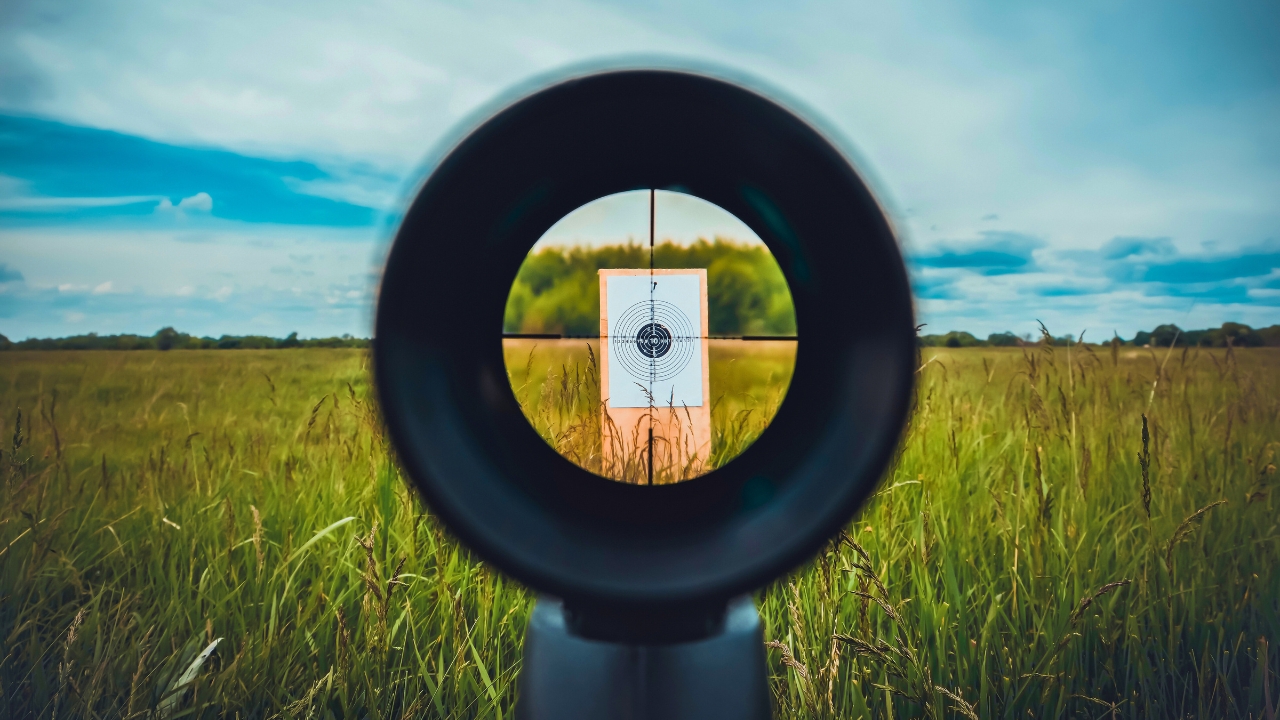
Most hunters still treat sight-in day like an annual holiday: drag everything to the range a week before season, burn half a box of ammo, get “close enough,” and call it good until next year. That worked a lot better when shots were inside 100 yards, scopes were simple, and nobody expected a rifle to stay perfectly dialed from hot September afternoons to frosty November mornings. Today we’re asking more from our setups, and we know more about how much point of impact can move with temperature, air density, cleaning habits, loose hardware, and even how the rifle sits in the stock. Environmental changes alone can shift impact by inches at longer ranges, and cold-bore behavior is its own animal. When you stack all that on top of normal handling, “zeroing once a year” turns into wishful thinking instead of a plan.
Your zero isn’t a fixed number—it lives in changing air
A lot of hunters think, “I sighted in at 200 yards; that’s where the bullet hits, period.” But your zero was built in one set of conditions—temperature, altitude, barometric pressure—and you almost never hunt in that exact same air again. Colder, denser air adds drag and makes bullets drop a little more; warm, thin air does the opposite. At “normal” whitetail distances under 300–400 yards, the change won’t send you a foot off target, but it can easily be an inch or two, especially if you also changed elevation or went from a warm afternoon zero to a freezing morning hunt. That matters when you’re aiming at the top third of a deer’s chest, or trying to float a reticle over a small exit window in brush. Re-confirming your zero as seasons change isn’t about being picky; it’s how you make sure the rifle and your dope match the weather you’re actually hunting in, not the weather you had one day at the range.
Barrels, bores, and that first cold shot don’t always agree
Rifles don’t always put the first shot in the same hole as the third or fifth, and the way you clean can change things more than people admit. Cold-bore and cold-clean-bore shifts are real enough that competitive shooters and military teams track them on paper and often hunt with a fouled bore because it’s more consistent than squeaky-clean steel. A “once a year” zero usually happens after a string of shots on a warm barrel; then the rifle goes back in the safe, gets cleaned later, and the next round it ever fires is the most important one—cold, often from a freshly cleaned, lightly oiled bore, in totally different conditions. If you never check where that first shot actually lands, you’re gambling that the clean, cold bore prints exactly like the warm, fouled one you zeroed with. That’s not how most factory rifles behave. A smarter routine is to finish your zero work, clean or foul the barrel to whatever state you prefer for hunting, let everything cool, and then confirm where that true cold-bore shot hits. If it lives a little high or low but does it consistently, you can work around it. If you never test it, you don’t even know you have a pattern.
Hardware moves more than most people want to believe
Another reason annual zeroing doesn’t cut it is simple: screws back out and materials shift over time. Scope bases and rings have recommended torque ranges for a reason; most modern optics makers call for ring screws in the 15–25 inch-pound ballpark and base screws somewhat higher. Between recoil, temperature swings, and the way rifles ride in trucks and side-by-sides, screws that were “good last fall” can loosen just enough that the scope settles into a slightly different spot. Stocks with pressure points or three-point bedding can also shift the way a barrel is stressed as humidity and temperature come and go, which shows up as new points of impact a few months later. None of this means your rifle is junk; it just means it’s a mechanical system, and mechanical systems drift. Giving the rifle a quick once-over with a torque wrench and re-confirming zero a couple times a year catches most of that movement before it costs you a shot on an animal you actually care about.
Ammo lots, cleaning habits, and “good enough” groups all stack up
Plenty of hunters buy a new box of ammo every year, shoot two or three, and assume that as long as they’re somewhere in the bull, that’s their zero. The problem is that not all lots of the “same” ammo behave identically, and small velocity changes or different bullet construction can nudge your group a bit in one direction. Powder temperature sensitivity adds another layer—higher temps can raise muzzle velocity; colder conditions can slow it down, which changes drop enough to matter as range increases. On top of that, if your cleaning pattern is random—sometimes scrubbed to bare steel, sometimes lightly fouled, sometimes oiled and shot dry with a few snaps—you’re effectively changing the inside of the barrel every time you head out. When you only check zero once a year, you have no idea which combination of ammo lot, bore condition, and weather you actually sighted in with, and no way to know whether that setup matches what you’re taking into the field months later. A better habit is simple: stick to one load per rifle, buy it in enough quantity to matter, keep your cleaning routine consistent, and confirm zero whenever one of those big variables changes.
Realistic zero routines for people who actually hunt
The fix isn’t living at the range; it’s building a routine that respects how much can change over a season without turning shooting into a chore. For most big-game setups, a good baseline is: confirm zero when you mount or re-mount an optic, again before your main season, again after any big impact or scope change, and anytime you change loads or drastically change conditions—like traveling from low, warm country to mountain elevations with freezing mornings. You don’t need to burn a full box every time. A careful three-shot group from a solid rest tells you most of what you need to know, especially if you record conditions and where your cold-bore shot lands. Over time, you’ll learn whether a rifle is rock-solid or tends to drift a click or two with temp swings or a clean bore. The payoff is simple: you quit blaming “mystery misses” on wind and bad luck when the real issue was assuming last year’s range day still applied. If you’re serious enough about hunting to care which buck or bull you’re aiming at, treating zero as a living thing—not a once-a-year chore—needs to be part of how you run a rifle.
Like The Avid Outdoorsman’s content? Subscribe to our newsletter so you never miss an article.
Here’s more from us: