Photo credit: farleyjj1/YouTube
A lot of good guns don’t impress people at first because they aren’t trying very hard to. They look plain, sound boring, or sit in that part of the rack where practical decisions go to get ignored while flashier models steal all the attention. Then the buyer goes out, spends money on something trendier, more “advanced,” more refined-looking, or just plain more exciting, and slowly figures out he bought headaches, compromises, or a lot of image with very little staying power.
That is usually when the better gun starts making sense. Not because it changed, but because the buyer finally did. He learned what bad ergonomics feel like after 300 rounds, what fake value looks like after a season in the field, and what a weak purchase sounds like when he starts explaining it to himself instead of enjoying it. These are the guns that often make the most sense only after someone already burned money on worse ideas.
Smith & Wesson 5906
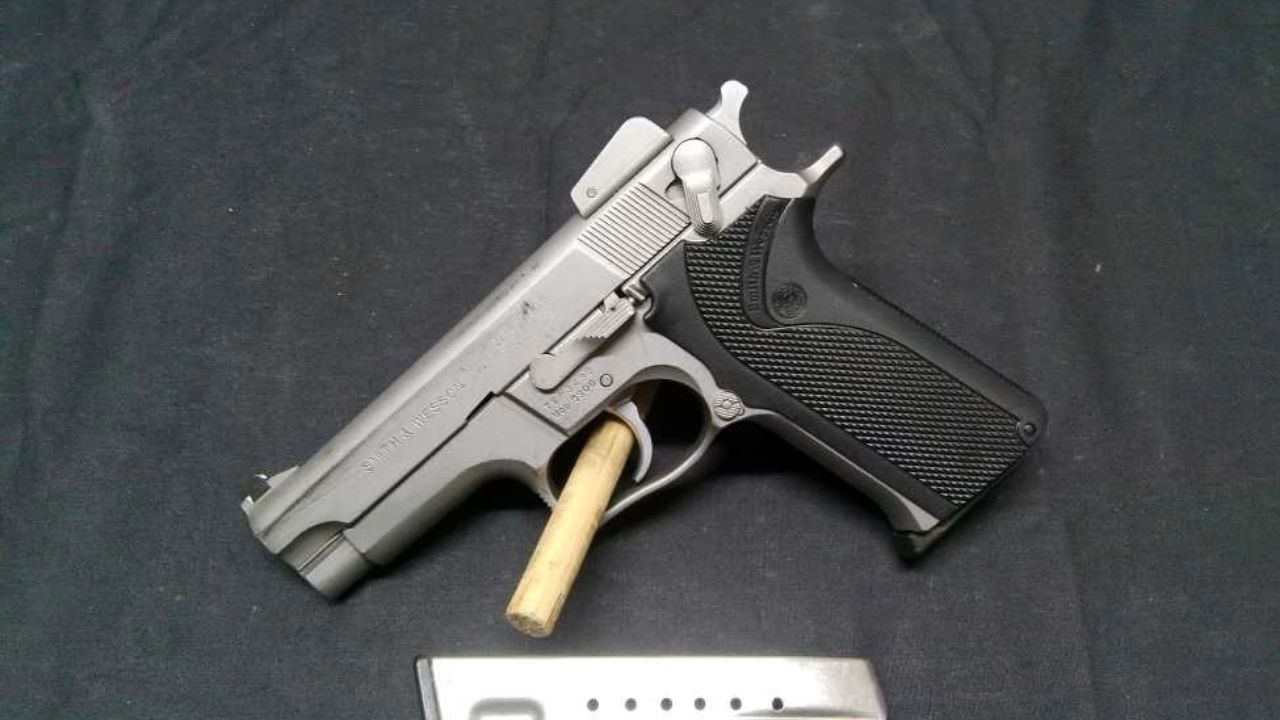
The 5906 starts making sense after a buyer has spent enough time chasing handguns that felt lighter, cooler, or more modern but never felt especially serious once the shooting started. At first glance, the 5906 can look like too much steel, too much weight, and too much old-duty-gun energy. Then the buyer runs a few fashionable pistols hard, deals with sharper recoil, shakier confidence, and more compromise than expected, and suddenly that big stainless Smith starts looking a lot smarter.
It makes sense because it feels settled. It shoots like a real service pistol, soaks up recoil, and does not need a gimmick to justify itself. A lot of buyers only understand that after buying pistols that looked more exciting in the case and less convincing on the range. The 5906 usually wins later, once the owner has learned what overpaying for style or trend actually feels like.
Beretta PX4 Compact

The PX4 Compact usually starts making sense after somebody has already spent money on smaller, snappier, more fashionable carry guns that were easy to praise and less fun to live with. In the store, it is rarely the handgun that feels like the obvious cool choice. Then range time happens. Recoil matters. Comfort matters. The ability to actually want to practice with the gun matters. That is when the PX4 Compact begins looking much smarter than it first did.
A lot of buyers only come around to this pistol after they have already been humbled by something more glamorous. It tends to reward people who finally stop shopping for carry guns like accessories and start shopping for them like tools. Once that shift happens, the PX4 Compact often stops looking odd and starts looking honest.
HK P2000

The P2000 is one of those pistols people overlook because it doesn’t scream for attention. It sits there looking competent and maybe a little too mature while buyers drift toward something with more hype, more internet approval, or a more aggressive identity. Then they own those other pistols, train with them, and realize they bought a lot of excitement and not nearly as much trust as they thought.
That is when the P2000 starts making sense. It is not trying to impress anyone with drama. It simply tends to work, fit real use, and hold up under long-term ownership better than many of the handguns people rush into first. Guns like this often have to wait for the buyer to get over his attraction to louder things. Once he does, the value becomes a lot easier to see.
Ruger GP100

The GP100 starts making sense after somebody has wasted time and money on revolvers bought mainly for polish, prestige, or fantasy. Many buyers begin with something lighter, prettier, or more “classic” in the way that sounds good when they’re talking to themselves at the counter. Then they shoot it a lot, carry it some, and discover they bought charm with baggage.
The GP100 usually enters the picture after that lesson. It feels stronger, steadier, and less interested in being admired than a lot of the wheelguns people initially chase. Once a shooter has already learned the hard way that elegant and practical are not always the same thing, the GP100 starts looking like exactly what it is: a revolver for grown-ups who finally got tired of paying extra for the wrong traits.
Ruger Mark II

The Mark II starts making sense after someone has thrown money at rimfire pistols that looked more modern, more tactical, or more exciting than they actually were. A lot of buyers want a .22 pistol that feels like a little centerfire, or one that looks like it came from the future, or one that seemed like the obvious fun buy at the time. Then the novelty fades, the irritation grows, and the owner realizes he spent money to avoid buying the plain answer that kept working all along.
That plain answer is often the Mark II. It doesn’t rely on marketing language, and it doesn’t need to. Once the buyer has experienced enough disappointing rimfire ownership, the old Ruger starts making a whole lot more sense. It is one of those guns people appreciate much more after wasting money on something that promised “fun” and delivered maintenance, excuses, or regret instead.
Browning BPS
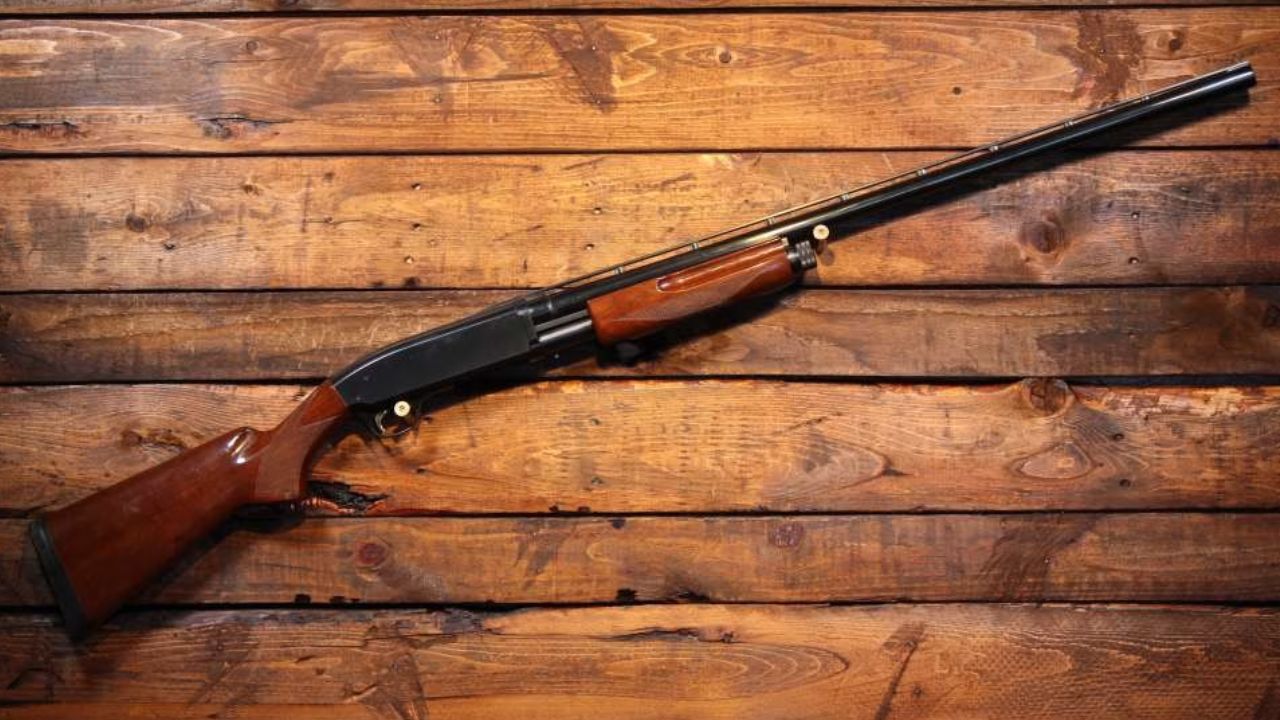
The BPS starts making sense after a buyer has already spent money on shotguns chosen for hype, looks, or the belief that new automatically means better. Maybe he bought the flashy semi-auto that was supposed to do everything. Maybe he bought the cheap pump that felt “good enough” until the weather got ugly. At some point, he usually ends up realizing that simple, solid, well-made field guns were never the boring option. They were the smarter one.
That is where the BPS gets its revenge. It often becomes appreciated only after the owner has already paid tuition elsewhere. Once someone has dragged lesser shotguns through rough hunts, or watched trendier guns fail to build any attachment beyond the purchase day, a dependable BPS starts looking like the sort of shotgun he should have bought first.
Remington 11-87

RedRockTrading/GunBroker
The 11-87 starts making sense after someone has spent money on semiautos that sounded slicker or newer but never settled into the sort of calm, useful reliability a field gun needs. Some buyers learn that lesson through overcomplicated tactical shotguns. Others learn it through featherweight field guns that felt amazing until they started being picky, fragile, or less pleasant in real use than expected.
That is when the 11-87 starts looking wiser. It was never trying to be trendy. It was trying to be a dependable autoloader people could hunt with for years. A lot of owners appreciate that more after they have already wasted money on guns that sold them some new idea of shotgun ownership instead of simply giving them a shotgun worth keeping.
Winchester 70 Featherweight

The Featherweight starts making sense after somebody has already bought the wrong kind of hunting rifle. Maybe it was too heavy. Maybe it was too bulky. Maybe it looked like a precision rifle and handled like a fence post once the day got long. A lot of hunters learn the difference between a rifle that impresses them in a store and a rifle that actually feels right in the field only after they have already paid for the wrong experience.
That is when the Featherweight usually wins. It carries well, shoulders naturally, and reminds the owner that practical elegance in a hunting rifle still matters. It often takes a few bad purchases for someone to really understand that. Once he does, the Winchester starts looking less like a classic and more like the rifle he should have trusted from the start.
Howa 1500

The Howa 1500 starts making sense after someone has burned money on rifles bought mainly for branding, styling, or the assumption that paying more automatically bought more rifle. A lot of shooters go through that stage. They buy the better badge, the more heavily advertised option, or the rifle that sounded like it belonged in a more serious category. Then they actually live with it and realize the money often went toward aura instead of practical improvement.
The Howa usually looks a lot better after that lesson. It is not trying to seduce the buyer with mythology. It simply tends to shoot, hold up, and feel like more rifle than the price promised. That sort of honesty is often easiest to appreciate after someone already spent too much proving the market does not always reward intelligence on the first try.
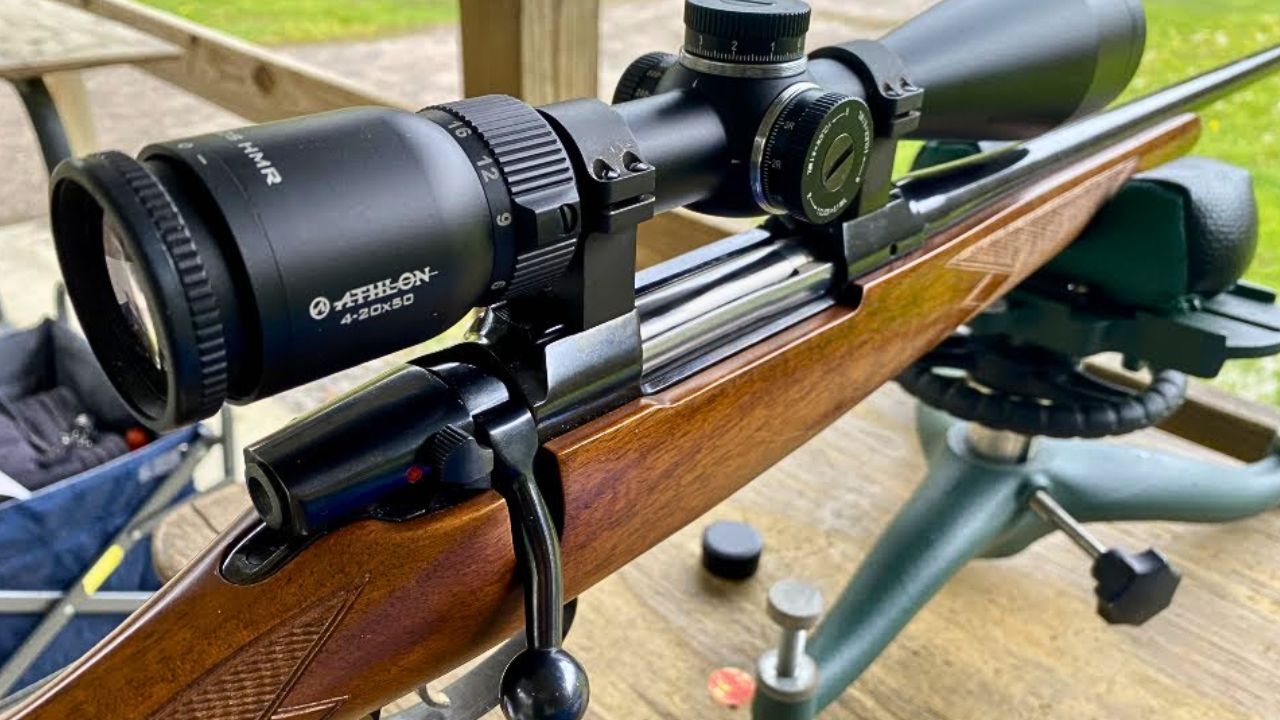
CZ 550 American

The CZ 550 American starts making sense after a buyer has already sampled enough modern bolt guns to realize how many of them feel interchangeable. He bought the synthetic stock, the modular setup, the newest affordable wonder-rifle, and at some point the whole experience started feeling flat. Then he handles a CZ 550 and starts realizing that old-school substance, controlled-round-feed confidence, and a real sporting-rifle feel might have been worth prioritizing all along.
That is how this rifle wins people. Not immediately, but after a little disappointment. It becomes attractive once the buyer has already had enough of rifles that felt efficient without ever feeling right. The 550 American often appeals most strongly to people who had to spend money on more forgettable rifles first before they understood what real rifle character and field confidence were actually worth.
Ruger Single-Six
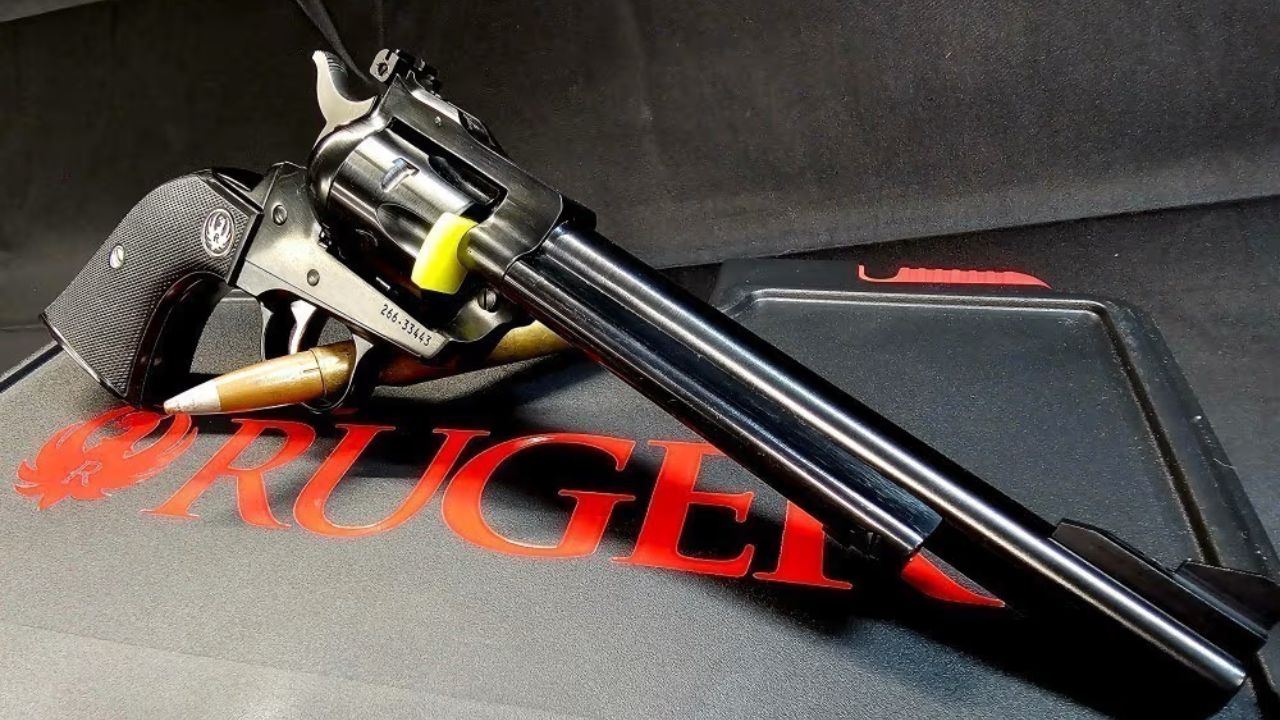
The Single-Six usually starts making sense after someone has already bought too many rimfire handguns that promised speed, style, or modern usefulness and ended up feeling disposable. At first, the Single-Six can seem slow, old-fashioned, and a little too calm for buyers who want a rimfire to mimic a modern centerfire. Then they own enough of those “smart” rimfire pistols to realize many of them never became anything more than short-term amusements.
That is when the Single-Six starts feeling like money better spent. It is reliable, simple, and satisfying in a way that does not depend on fashion. People often have to waste money on more exciting rimfire handguns first before they understand how much value there is in a revolver that simply keeps being enjoyable year after year.
Smith & Wesson 457

The 457 starts making sense after buyers have already spent money on compact .45s that promised more than they delivered. Some looked cooler. Some sounded more elite. Some wore more fashionable names. But once those pistols got shot hard, carried often, or judged honestly, the owner sometimes found himself wanting something less dramatic and more trustworthy.
That is where the 457 comes in. It rarely wins the beauty contest, but it often wins the long game. It feels like a serious little handgun instead of a trendy answer to the compact-carry problem. For a lot of buyers, that only becomes attractive after they already spent too much learning that compact .45 ownership can get stupid in a hurry if you start with the wrong gun.
Browning BL-22

The BL-22 starts making sense after somebody has bought enough rimfire rifles that were cheap, clever, or “good enough” and still never became anything he truly liked. A lot of shooters assume a .22 is just a .22 until they’ve owned enough mediocre ones to realize that handling, quality, and plain old ownership satisfaction matter a lot in a rifle you’re actually going to keep around.
Once that lesson hits, the BL-22 starts looking very smart. It is slick, handy, and built with enough quality that it feels more like a permanent rifle than a placeholder. It often takes a few regrettable .22 purchases before someone understands just how much that matters. Then the Browning suddenly looks like the right rifle that had been sitting there the whole time.
Beretta 84 Cheetah

The 84 Cheetah starts making sense after a buyer has already wasted money on compact pistols that were lighter, trendier, or sold as more modern answers. Many of those pistols are easy to buy and hard to stay attached to. They solve the size problem while creating other problems in the hand, on the range, or over time. Eventually the owner starts realizing that some of those “practical” compact guns were practical only on paper.
Then he picks up a Cheetah and starts understanding what he actually wanted all along. The gun feels substantial, pleasant, and well made in a way many newer compacts simply do not. That appreciation often comes late, after the buyer already spent money learning that there is a big difference between a gun being easy to carry and a gun being worth owning.
Remington 788

The 788 usually starts making sense after someone has wasted money on rifles bought for reputation instead of results. He bought the bigger name, the prettier stock, or the rifle that was supposed to impress people more, and somewhere along the way he noticed that none of that guaranteed he would end up with a rifle that shot better or made him happier in the field.
That is where the 788 becomes very persuasive. It reminds the owner that plain, honest rifles with strong practical performance often make a lot more sense than shinier, more self-important ones. For many shooters, that is a lesson learned only after paying for the wrong rifle first. Once learned, the old 788 stops looking humble and starts looking like the obvious answer they should have respected years earlier.
Like The Avid Outdoorsman’s content? Subscribe to our newsletter so you never miss an article.
Here’s more from us: