Photo credit: Rad Ops TV/YouTube
Some rifles get protected by reputation long after the numbers stop making sense. A respected name, an old hunting story, a little gun-show mythology, and suddenly the rifle in front of the buyer is no longer being judged like a normal object. It becomes “a classic,” which is often just a nicer way of saying people do not want to think too hard about what they are actually getting for the money.
That does not mean these rifles are worthless. Some are interesting. Some are good-looking. Some absolutely deserve a place in rifle history. But plenty of buyers are paying for mood, memory, and branding more than real present-day value. These are rifles people keep calling classics even when that label is doing far more work than the rifle itself.
Browning A-Bolt Medallion

The A-Bolt Medallion still gets talked about like it is automatically one of the classy answers in the hunting-rifle world. Buyers see the polished wood, the glossy finish, and the Browning name and immediately start acting like they are looking at a higher tier of rifle by default. That kind of visual and brand appeal makes it very easy for the model to coast on “classic sporting rifle” language.
The problem is that a lot of what buyers are paying for is presentation, not some overwhelming practical edge. The rifle may still be attractive and perfectly serviceable, but many examples are treated like far smarter buys than they really are. Once the classic label enters the room, people stop asking whether the rifle is worth the price and start asking whether they want to feel like the kind of person who owns it.
Ruger M77 tang safety models
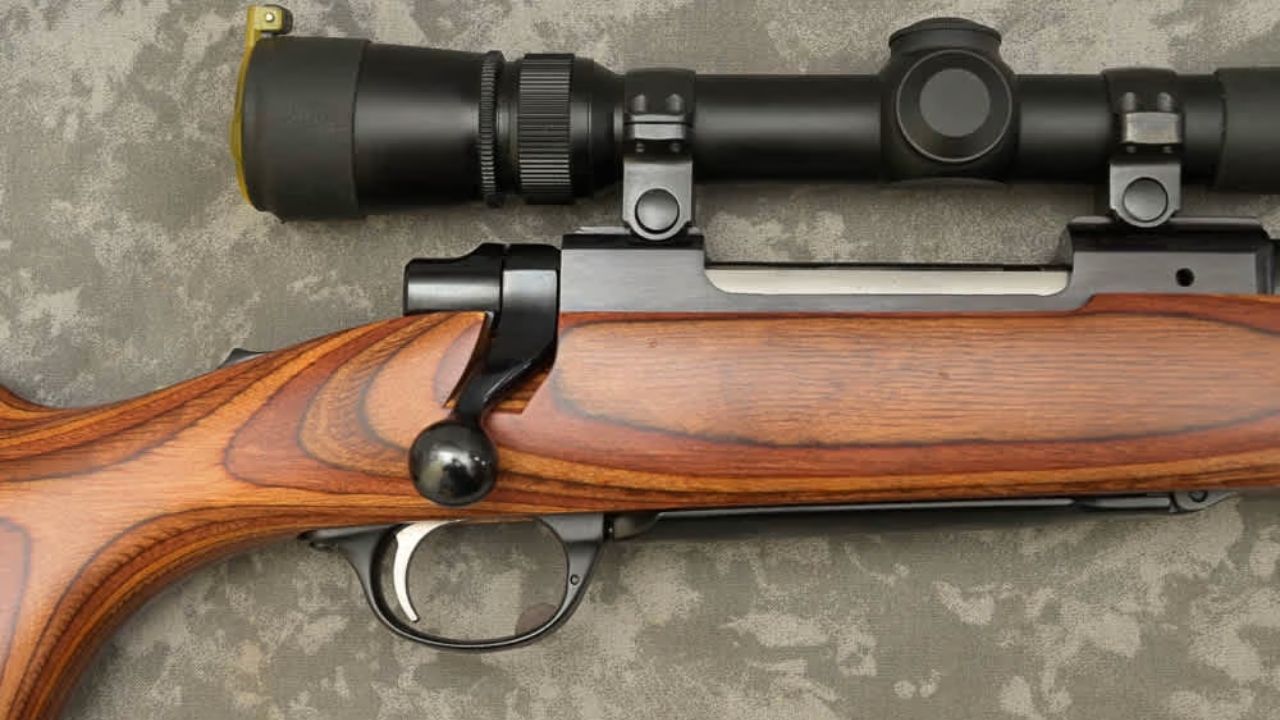
Older tang-safety M77 rifles get protected by a warm haze of “they don’t make them like that anymore” talk that can make ordinary examples feel much more important than they really are. Buyers love the old Ruger identity, the familiar safety setup, and the general idea that they are getting one of the “good old ones.” That feeling carries a lot of weight at the gun counter and in private-sale conversations.
The harder truth is that not every tang-safety M77 is some treasure-level find. Plenty are just older hunting rifles with strong brand nostalgia attached. They may still be good rifles. That does not mean they justify the kind of reverence and pricing people keep giving them. In a lot of cases, the buyer is paying for a Ruger story more than for extraordinary value.
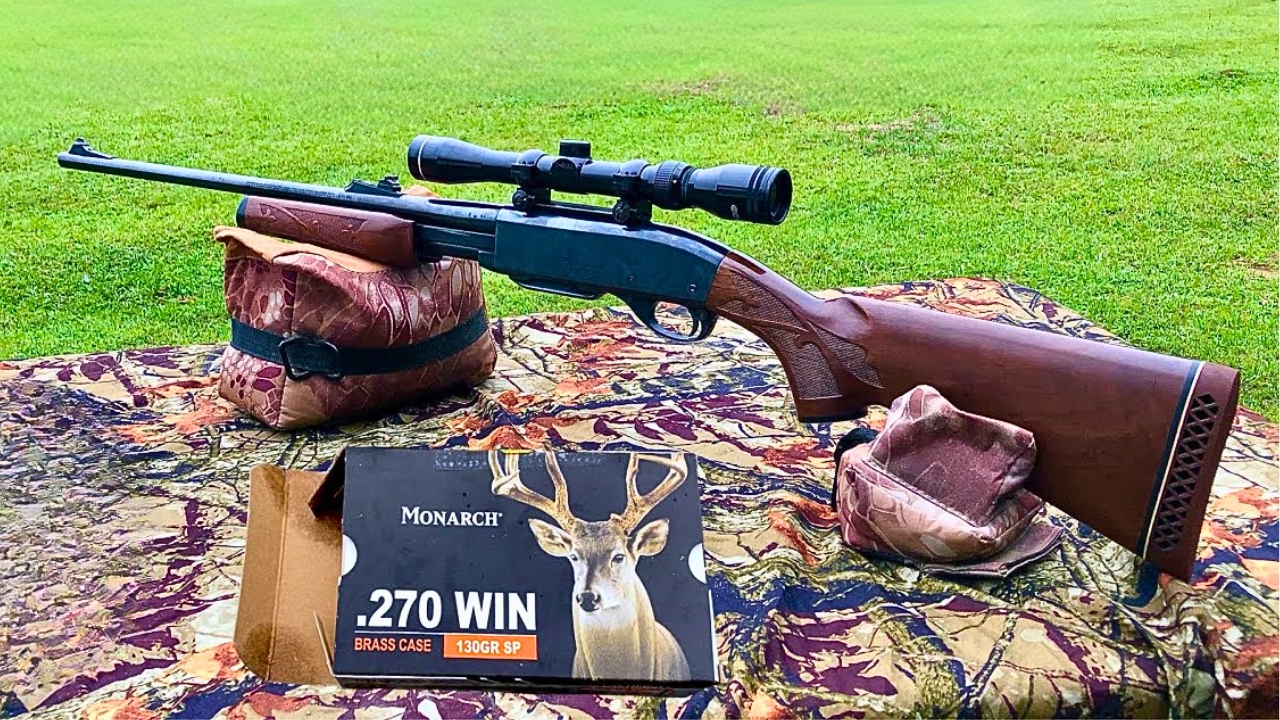
Remington Model 7600

The 7600 gets treated like a classic because pump rifles still stir up a lot of deer-camp loyalty, especially in places where fast follow-up shots and brush-country handling became part of hunting culture. Buyers often talk about them like they are preserving a tradition instead of buying a used rifle with a certain set of strengths and weaknesses. That emotional framing helps a lot.
What gets ignored is that many 7600s are simply solid, ordinary deer rifles riding a lot of regional nostalgia. There is nothing wrong with that, but it does not automatically create exceptional value. A lot of the money around these rifles now is tied to memory and identity, not some secret practical advantage the rest of the market is too foolish to notice.
Browning BAR Mark II Safari

The BAR Mark II Safari keeps getting called a classic because it still looks like the kind of autoloading hunting rifle buyers were taught to admire. Nice wood, Browning name, polished hunting-gun presentation, it all suggests refinement before anybody has talked honestly about weight, cost, or whether the rifle is really bringing enough to the table to justify the premium people keep attaching to it.
That is where the value gets soft. Buyers are often paying for a polished old image of what a premium deer rifle should feel like. The rifle can still be good, but the classic label often becomes a shield against asking harder questions. Once a model starts getting defended mainly because it still feels important, that is usually a sign the value case is leaning too heavily on emotion.
Winchester Model 100
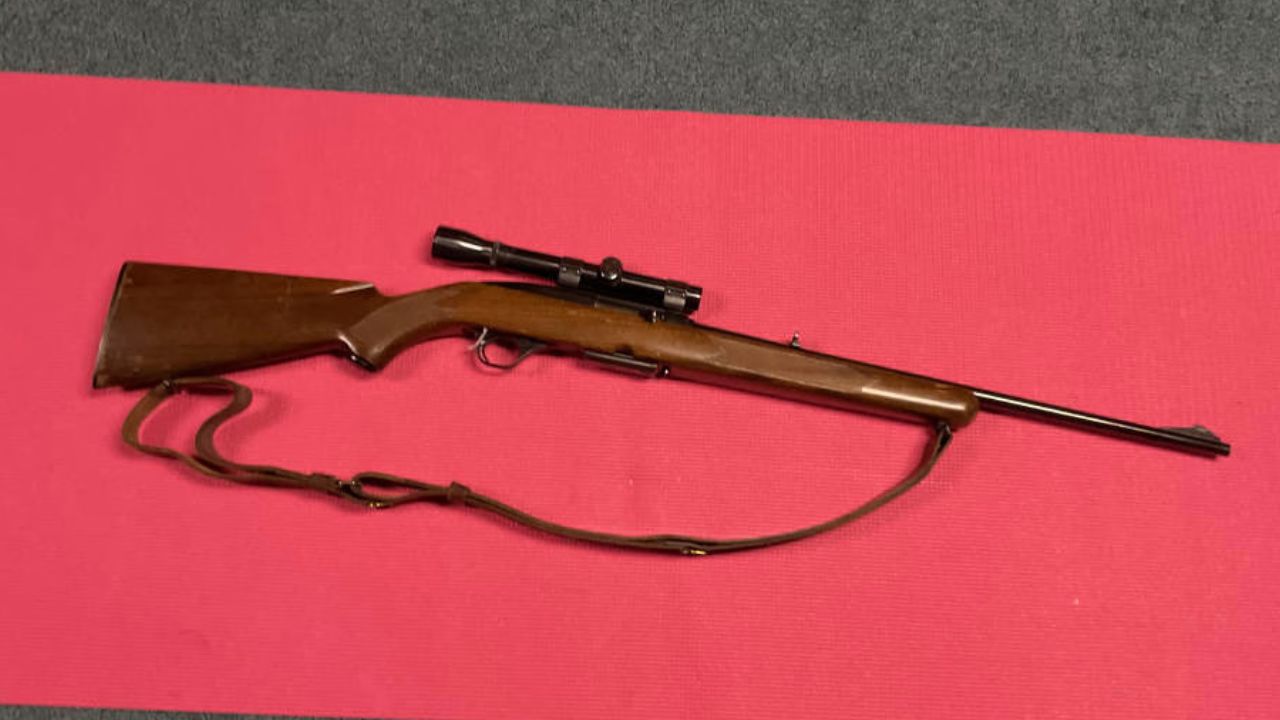
The Winchester 100 gets talked about like a forgotten gem from a more civilized era of sporting rifles, and that language does a lot of heavy lifting. Buyers love that it says Winchester, love that it feels old-school, and love that it lets them imagine they found a subtle classic that casual buyers overlooked. That sort of self-image can get expensive.
The truth is that many Model 100 rifles are being treated more like ideas than like actual rifles. The model is certainly interesting, but plenty of examples are priced as though the Winchester name and period styling automatically make them smart collector buys. A lot of buyers are paying to feel discerning, and the rifle’s actual value case does not always hold up under the same amount of enthusiasm.
Savage 110 older walnut-stock hunting rifles
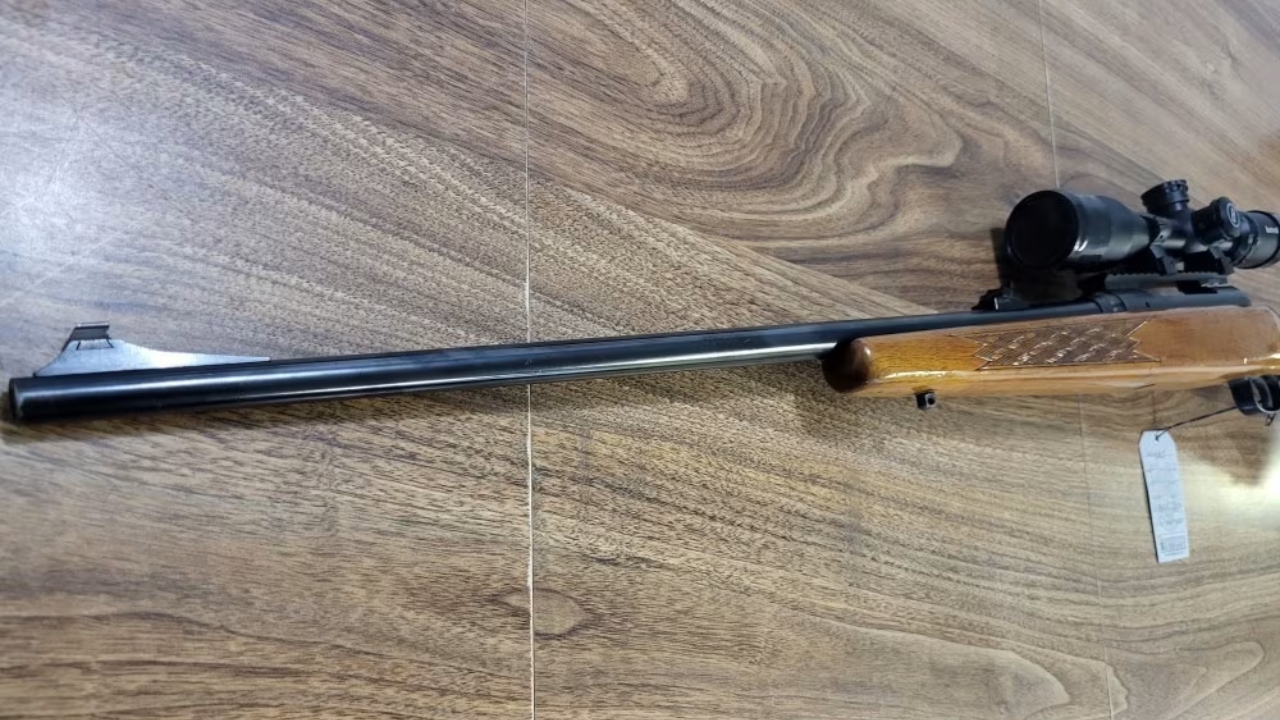
Older walnut-stock Savage 110 rifles get called classics by buyers who want to turn “old and useful” into “important and underappreciated.” They like the idea that they found a working-man’s classic, something smarter than the obvious names but still worthy of reverence. That can make even pretty plain examples sound much more special than they really are.
There is nothing wrong with liking an old Savage. But many of these rifles are being treated like hidden collector gold when they are really just older functional bolt guns with some nostalgia and practicality behind them. The classic label survives because it flatters the buyer. It suggests taste and insight, even when the actual rifle is not bringing much more than age and familiarity.
Remington 8 / Model 81
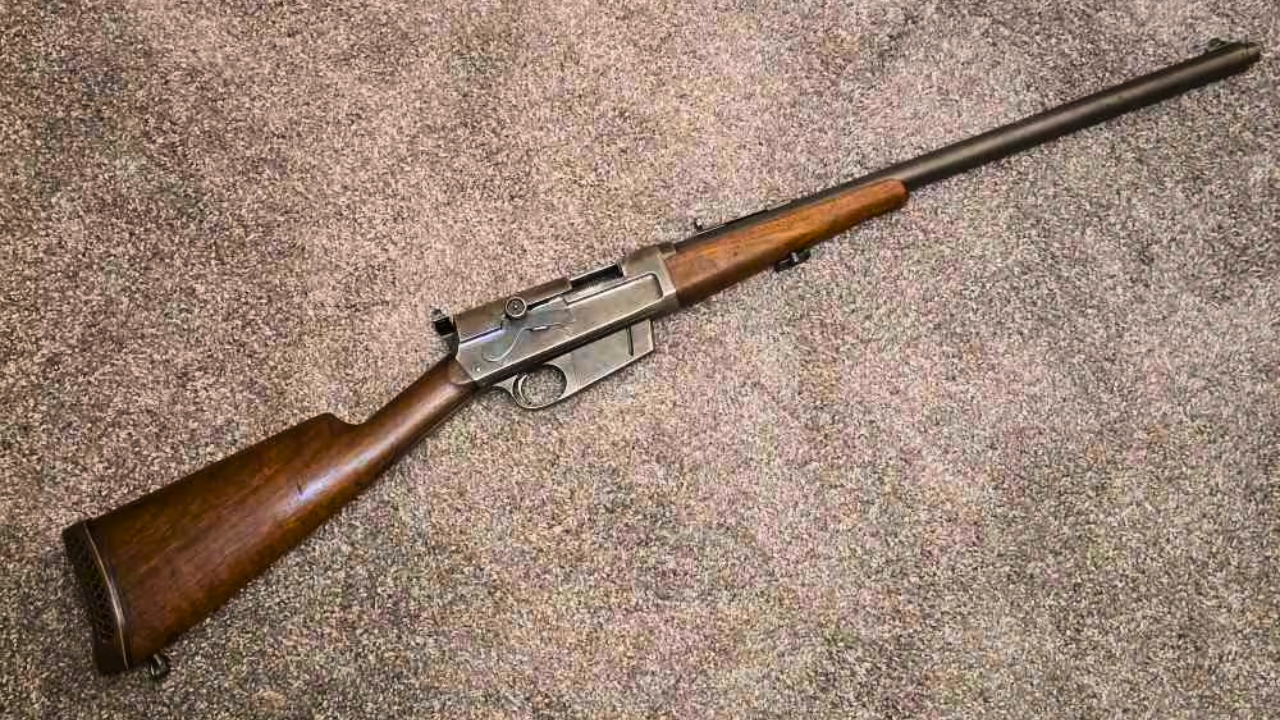
The Remington 8 and 81 get romanticized almost instantly because they look like history. Buyers see the early autoloading design, the long receiver lines, and the whole prewar-American-sporting-rifle aura and start responding emotionally before they have really separated fascination from value. That reaction is understandable. It is also exactly how ordinary examples get treated like buried treasure.
These rifles absolutely matter historically. The issue is that historical importance and strong present-day value are not always the same thing. A lot of buyers keep calling them classics in a way that skips right past condition, practicality, and what the specific rifle actually offers. They are buying significance, and sometimes paying for more of that feeling than the rifle itself can support.
Weatherby Vanguard Deluxe older models
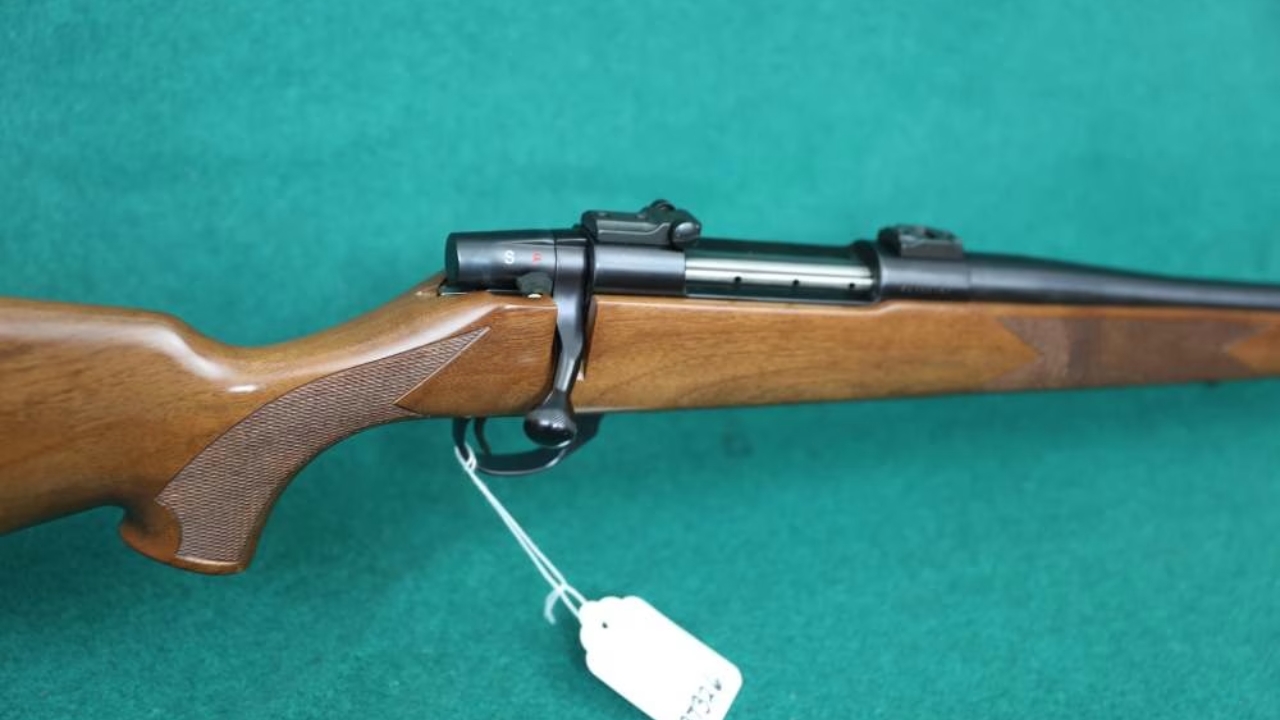
Older Vanguard Deluxe rifles get helped a lot by styling. Gloss wood, Weatherby branding, and that whole “premium hunting rifle” look make buyers feel like they are getting more status than the underlying market position really supports. It is very easy to call one a classic because it already looks like it wants to wear that title.
But classic appearance and classic value are not the same thing. Many buyers are reacting to the look of a polished sporting rifle and the emotional safety of the Weatherby name more than they are to anything uniquely compelling in the rifle itself. The model may still be pleasant and capable, but the value often leans heavily on presentation instead of true scarcity or standout field advantage.
Mannlicher-Schoenauer sporting rifles
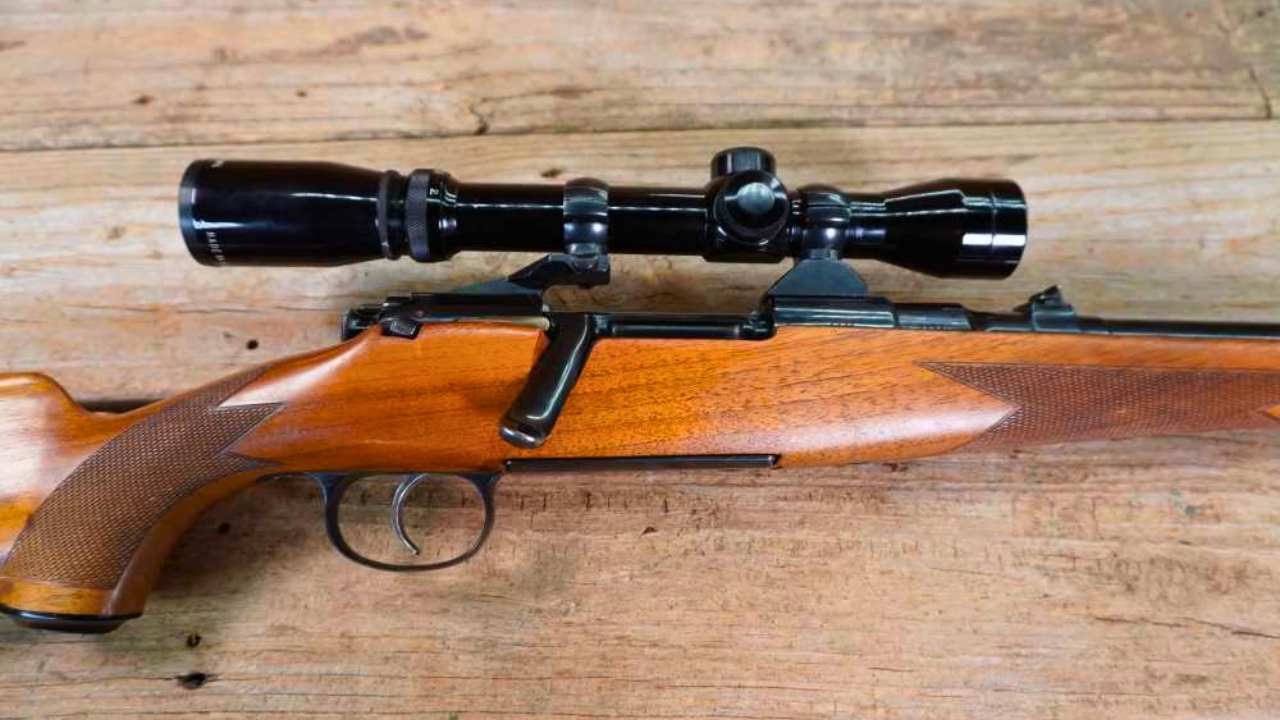
Mannlicher-Schoenauer rifles get called classics so automatically that many buyers stop asking practical questions almost immediately. The old-world styling, the full-stock romance, and the refined European reputation all make the rifle feel like a piece of elevated taste rather than something that should be judged on the same terms as anything else at the table.
That is exactly why the value gets slippery. Buyers are often paying for the story of owning a refined old European hunting rifle, not necessarily for a rifle that makes broad sense at the current ask. It can absolutely be elegant and historically interesting. But many examples survive on atmosphere first, and the classic label helps keep that atmosphere expensive.
Winchester Model 70 push-feed walnut sporters
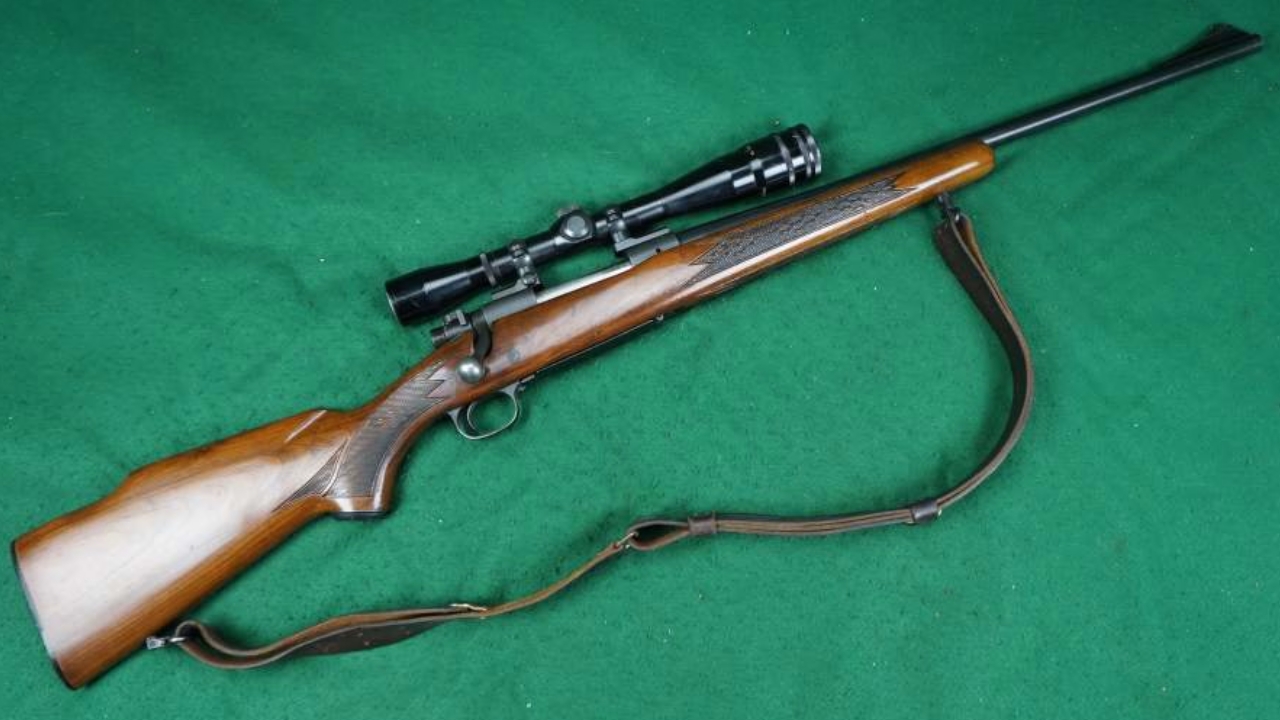
Not every Model 70 gets treated equally, but plenty of push-feed walnut sporters still benefit from buyers using “Model 70” and “classic” as if those words settle the argument by themselves. The rifle looks right, the name carries enormous cultural weight, and that gives a lot of fairly ordinary examples a premium glow they probably would not enjoy if they wore a different logo.
That is the trouble with legacy names. They can make average rifles feel unfairly protected. A nice old push-feed sporter may still be worth owning, but people often talk about them as though the label automatically makes them higher-value, more meaningful, or more collectible than the actual rifle suggests. That is reputation doing most of the work.
Browning Safari bolt rifles
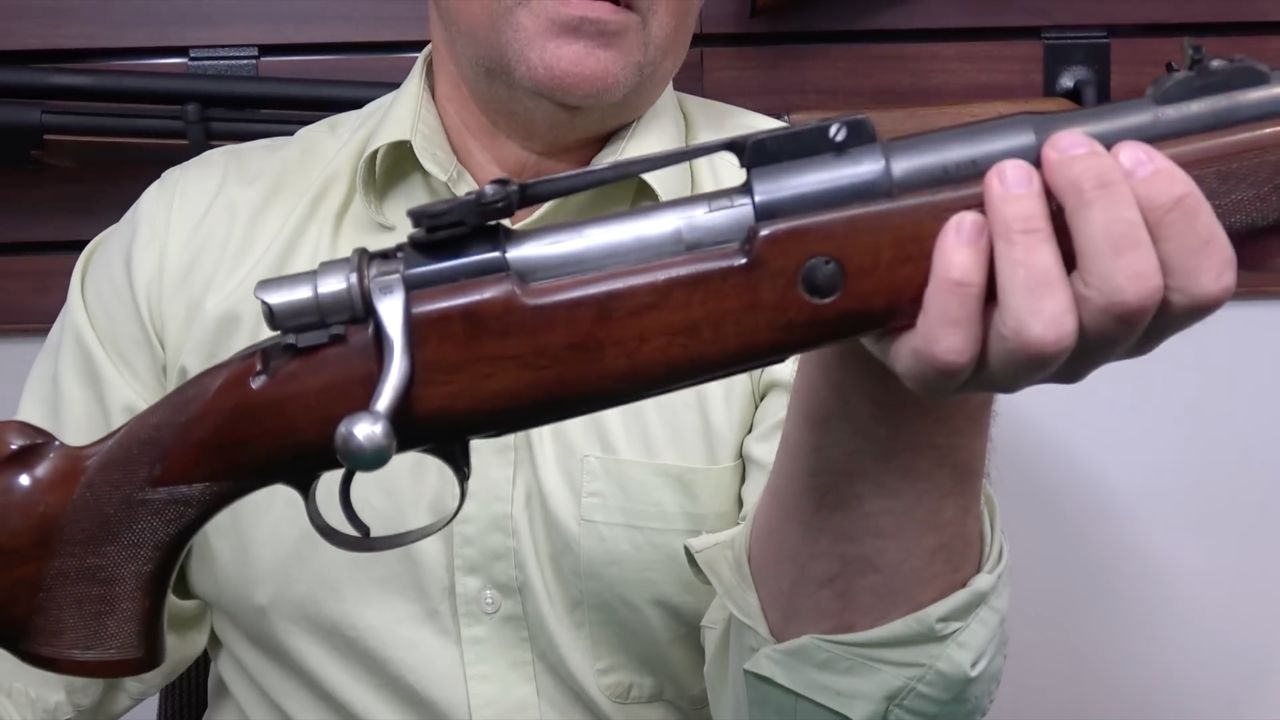
Older Browning Safari bolt rifles still get lifted into classic territory almost by reflex. The Belgian connection, the polished sporting feel, and the Browning name all tell buyers they are standing in front of something more distinguished than the average used hunting rifle. That emotional advantage is powerful enough that many buyers stop evaluating specifics once the overall vibe lands.
The issue is that not every Safari is a hidden masterpiece. A lot of the money here is tied up in image and old-brand prestige. People want them to feel like they found a rifle of consequence, and the classic label helps protect that feeling. The rifle can still be attractive and well made without always being the kind of buy its defenders pretend it is.
Remington 600 / 660
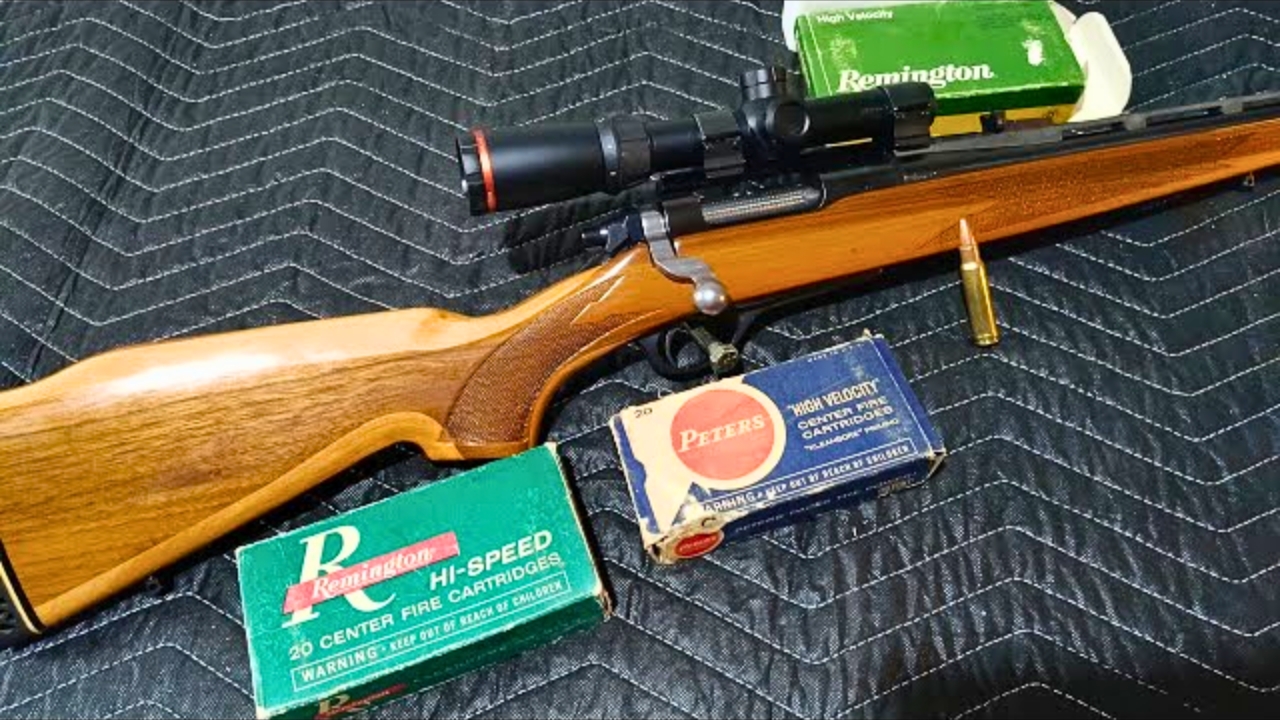
The little Remington 600 and 660 rifles get romanticized because they look distinctive and feel like the sort of old compact rifles knowledgeable people are supposed to appreciate. Buyers love the short length, the oddball charm, and the feeling that they are rescuing a misunderstood classic from a less enlightened market. That is a very easy story to fall in love with.
But that story often inflates the value case beyond reason. These rifles can be neat, sure, but plenty of buyers are paying for character and cult energy more than anything objectively extraordinary. The classic label is useful because it makes the whole purchase sound smarter than “I paid a premium because this old oddball makes me happy.”
Sako L579 Forester

The Forester gets classic treatment almost automatically because Sako plus blued steel plus walnut sporting rifle is one of the easiest collector formulas in the world to romanticize. Buyers love the idea that they are stepping into a better tier of old rifle ownership, and that feeling keeps the value conversation from staying very honest for long.
Some Foresters absolutely deserve real attention. The problem is that a lot of buyers now respond to the category first and the individual rifle second. They are buying into the dream of classic Sako ownership, and that dream can make even pretty normal examples feel like much smarter buys than they are. Once the label starts flattering the buyer, price discipline often disappears.
Ruger No. 3
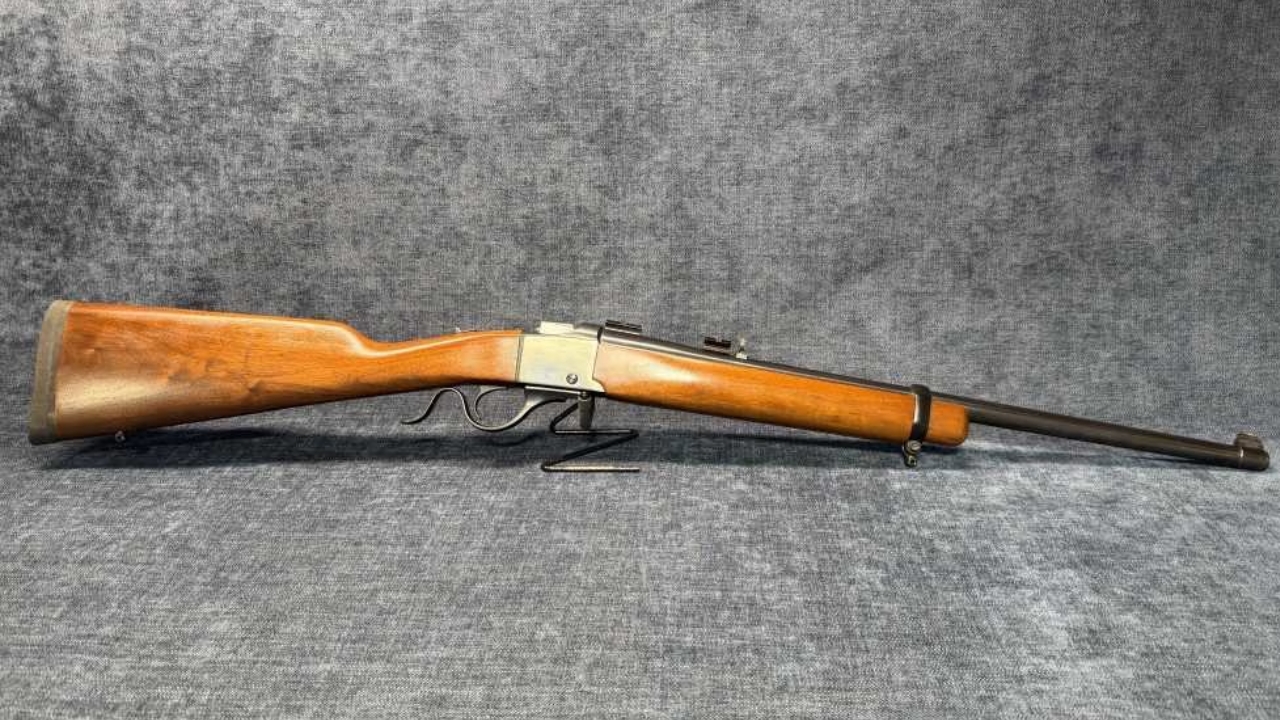
The Ruger No. 3 gets called a classic by people who want to act like every older single-shot Ruger automatically belongs in a higher collector class. It benefits from the same single-shot romance that helps the No. 1, but with an added layer of “the market overlooked this one” energy that makes buyers feel especially clever when they chase one down.
That kind of cleverness can get expensive. A lot of No. 3s are being discussed like hidden intellectual treasures rather than what they often are: interesting older single-shot rifles with a narrow appeal and a lot of collector mood attached. The classic label survives because it makes buyers feel like they are preserving something more profound than the rifle actually has to be.
Schultz & Larsen sporting rifles
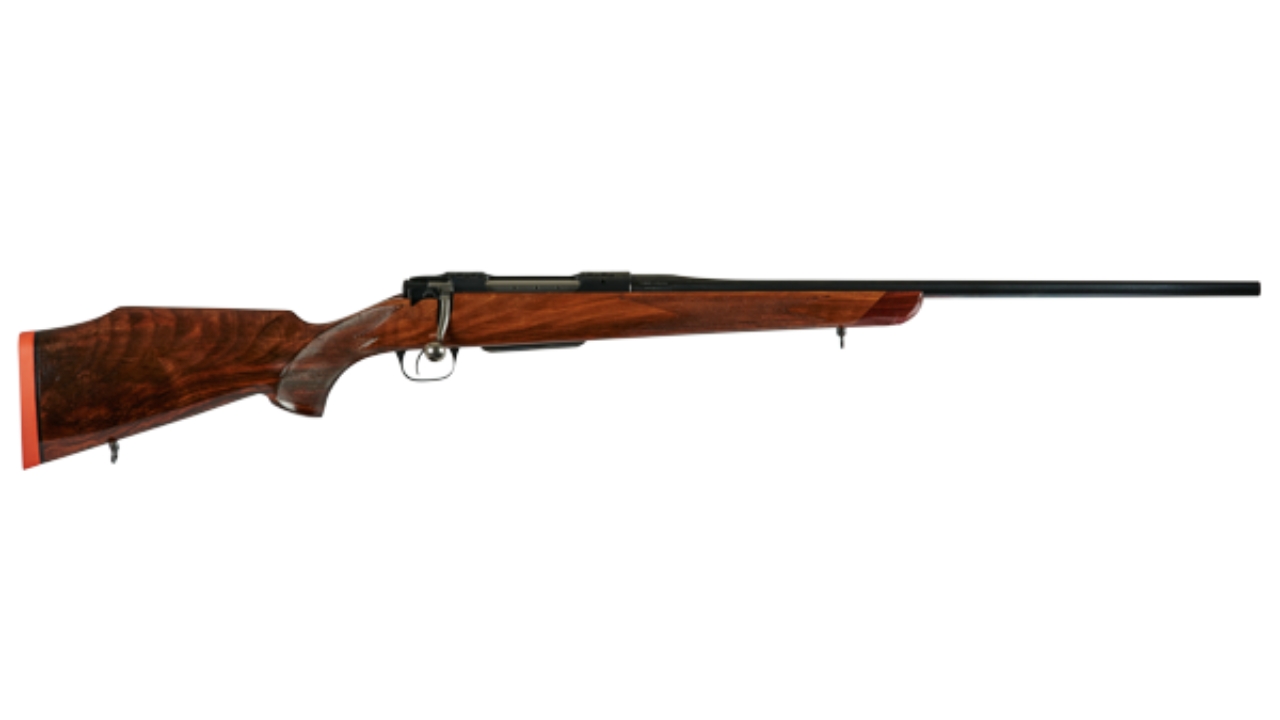
Schultz & Larsen rifles get treated like classics in a way that often outruns what most buyers truly understand about them. They are refined, uncommon enough to sound important, and wrapped in exactly the sort of European sporting-rifle mystique that makes collectors feel like they have graduated into a more tasteful room than the average used-rifle crowd.
That is what keeps the value soft in a lot of cases. Buyers are often paying for rarity-adjacent atmosphere and the satisfaction of owning something obscure and elegant. The rifle may indeed be fine. But the classic label often becomes a way to avoid saying the quieter truth: a lot of the premium is there because the buyer likes what the gun says about him, not because the value is plainly there on its own.
Like The Avid Outdoorsman’s content? Subscribe to our newsletter so you never miss an article.
Here’s more from us: