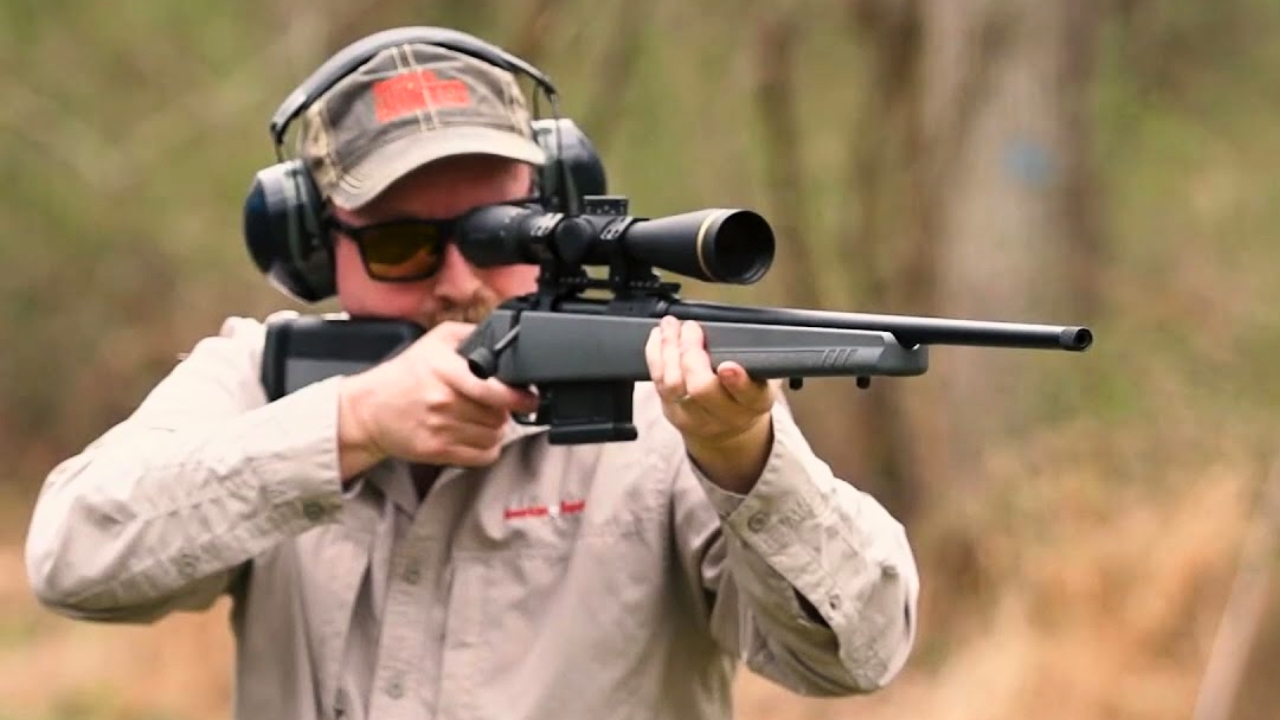
Photo credit: NRApubs/YouTube
Some rifles build such strong reputations that people keep repeating the same praise long after the practical case starts falling apart. The name still sounds right, the old stories still get told, and enough buyers still feel nostalgic that nobody wants to be the one who says the obvious part out loud. A rifle can be respected, historically important, or even genuinely good for its time and still stop making much sense once price, weight, handling, or real-world competition are brought back into the conversation.
That is the problem with reputation once it gets too comfortable. People stop judging the rifle in front of them and start defending what the model used to mean. These are the rifles that still get praised like easy recommendations even when the value is shaky, the use case is narrower than people admit, or better options have been sitting in plain sight for years. They are not all bad rifles. They are simply rifles that a lot of people still talk up harder than they really deserve.
Springfield Armory M1A

The Springfield Armory M1A still gets praised like it is the obvious answer for anyone who wants a serious .308 rifle. People love the wood-and-steel look, the military-style heritage, and the sense that owning one puts them in a more respectable category than buying a plain modern semi-auto. That emotional appeal is real, and it keeps the rifle living on borrowed strength.
But once you step back and judge it as a rifle you actually have to shoot, carry, scope, and maintain, the shine starts wearing thin. It is heavy, often expensive to set up well, and no longer enjoys the practical edge its fans sometimes talk like it still has. The M1A can still be appealing, but a lot of the praise around it sounds like memory talking, not common sense.
Winchester Model 94
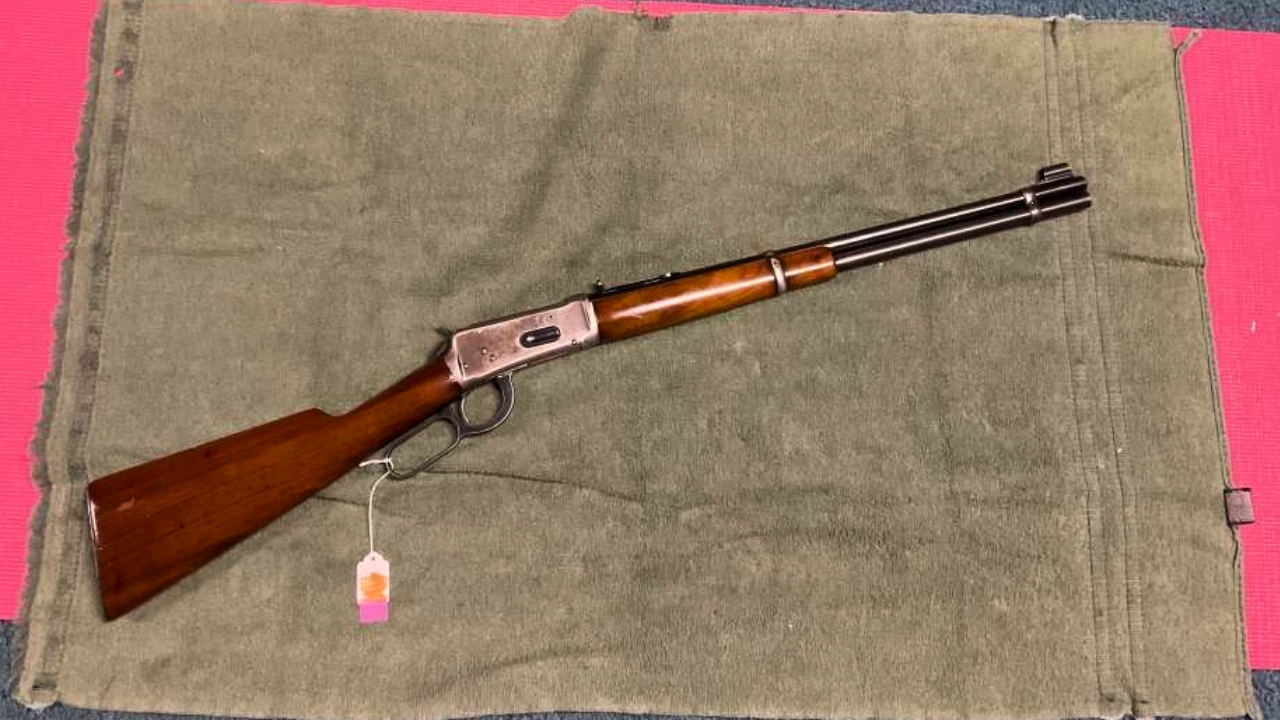
The Winchester Model 94 still gets praised like every example is an automatic must-own, and that just is not true anymore. People hear the name and immediately start talking about deer camps, American rifle history, and the romance of lever guns as though those things automatically make the rifle a smart buy in the present. That is how ordinary rifles keep getting treated like little relics.
The problem is that a lot of Model 94s are simply average old woods rifles riding a huge wave of nostalgia. They can still be useful, sure, but the praise often outruns the practical case by a mile. Once prices, condition, and the actual role of the rifle get considered honestly, a lot of the automatic reverence starts looking more emotional than informed.
Remington 700 BDL
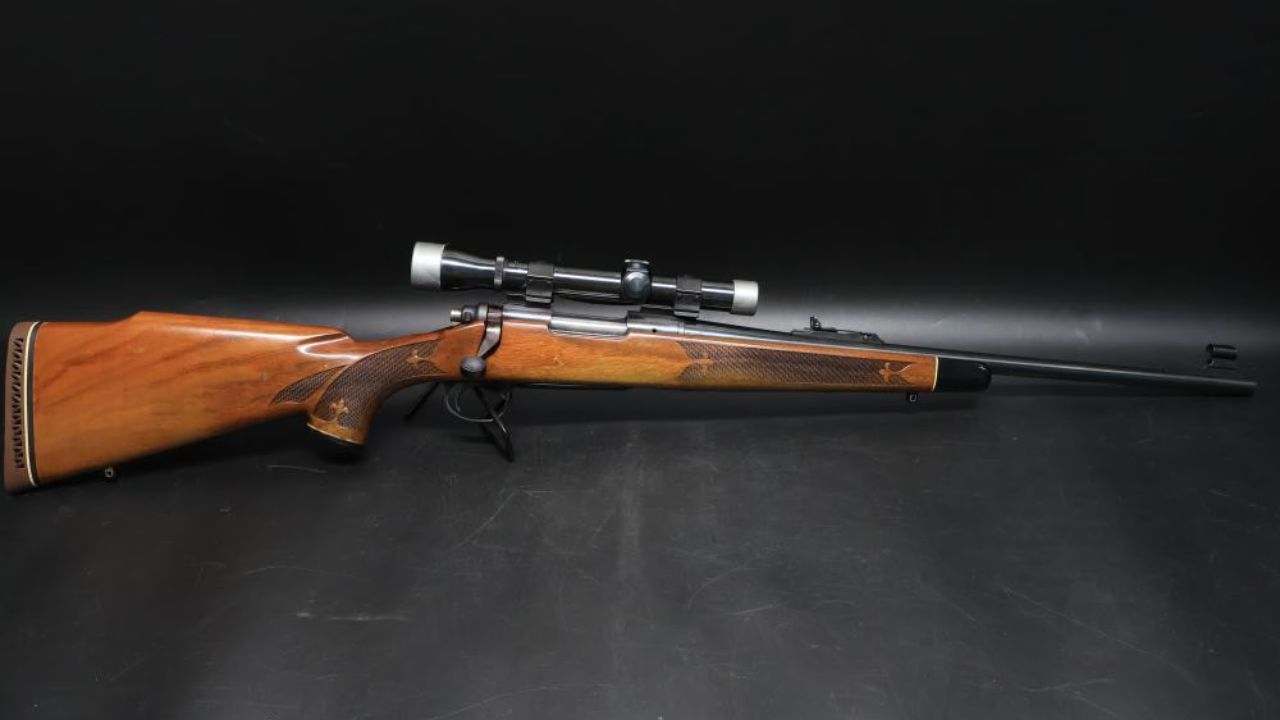
The Remington 700 BDL is still talked about like it remains the classy, obvious hunting rifle choice for people who know what they are doing. Glossy wood, old-school styling, and the long 700 reputation keep helping it in conversations where appearance still gets mistaken for real-world advantage. A lot of buyers hear “BDL” and stop asking harder questions.
Then those questions finally show up. What are you paying for beyond the trim package and the memory of what a polished hunting rifle used to represent? In a market full of accurate, weather-resistant, easy-to-live-with bolt guns, a lot of the BDL praise now feels like a holdover from another era. It is still respectable, but not always nearly as sensible as the conversation around it pretends.
Browning BAR

The Browning BAR hunting rifle still gets praised like it is the premium man’s autoloader, the rifle you buy when you want something better than the average deer gun. That reputation has stayed strong for decades, mostly because Browning still means something to a lot of buyers and the rifle still looks refined enough to support the story people want to tell about it.
But once you look at weight, cost, and what the rifle actually offers compared to simpler modern alternatives, the glow gets harder to defend. It is not that the BAR is bad. It is that the praise often assumes a clear practical superiority that is not always there. A lot of people are still talking like the Browning name settles the argument before the rifle itself even gets judged.
Ruger No. 1

The Ruger No. 1 still gets praised like elegance alone should end the conversation. Buyers and admirers talk about the lines, the wood, the falling-block action, and the sense that owning one means you have better taste than the average rifle buyer. That kind of praise is often as much about identity as it is about the rifle.
The problem is that identity does not make the rifle more practical, more affordable, or easier to justify in real use. A lot of buyers are paying for style and the feeling of owning something refined, which is fine, but that is not the same as saying the rifle still makes broad practical sense. The No. 1 can be beautiful and still be overpraised by people who want the image more than the function.
Savage 99

The Savage 99 still gets talked about like it is the secret handshake rifle for people who really understand old deer guns. Admirers love the rotary magazine, the design history, and the underdog appeal of owning something less obvious than a Winchester lever gun. That can make the praise sound more intelligent than it sometimes really is.
Once you get past the aura, though, a lot of the enthusiasm rests on what the rifle symbolizes rather than what it actually does better now. Some examples are great. Some chamberings are genuinely appealing. But the blanket praise often ignores price creep, parts reality, and the fact that many buyers are paying heavily for the story of being the kind of person who appreciates a Savage 99. That does not always mean the rifle still makes broad sense.
Weatherby Mark V Deluxe

The Weatherby Mark V Deluxe still gets praised like it is the peak of refined hunting-rifle ownership. Glossy wood, dramatic lines, and Weatherby name power keep people talking about it like it belongs in a higher category by default. A lot of that comes from what Weatherby represented for years: status, ambition, and premium hunting gear with a little flair.
The issue is that flair is doing a lot of work here. Many hunters no longer need or want a shiny, expensive rifle that carries more image than practical field advantage. The praise remains strong because the Mark V Deluxe still feels important to own, not necessarily because it is the smartest answer for the way most people hunt now. That is a big difference, and one many admirers would rather not dwell on.
Pre-64 Winchester Model 70

The pre-64 Winchester Model 70 still gets praised like the phrase itself should stop all further debate. Buyers hear “pre-64” and the whole tone changes. Suddenly the rifle is no longer being judged as an individual object with a specific chambering, condition, and asking price. It is being judged as a legend, and legends always get a little extra protection from scrutiny.
That is exactly why the praise has drifted so far from practical reality in some cases. Yes, the pre-64 reputation was earned. Yes, they can be excellent rifles. But not every example justifies the kind of reverence and pricing people now attach to the label alone. A lot of buyers are praising the category long after many individual rifles in it stopped making easy, rational sense.
HK MR762A1
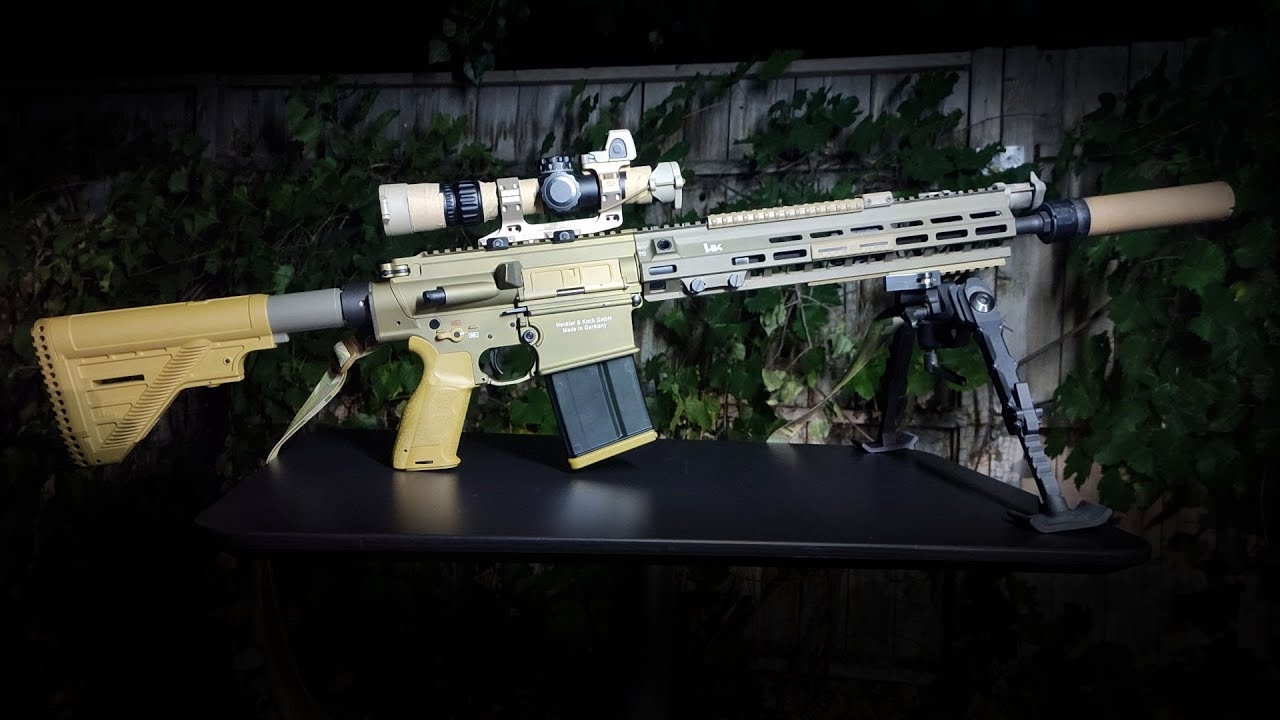
The HK MR762A1 still gets praised like the badge on the rifle automatically settles the value question. People hear HK and immediately start assuming superior quality, serious durability, and a level of ownership prestige that excuses almost anything else. That can make the rifle sound smarter in conversation than it often feels once the owner actually starts living with it.
Then the real factors show up. It is heavy, expensive, and often far more rifle than many buyers truly need. The praise remains loud because people trust the name and enjoy what the rifle signals, but the practical case can get thin fast once there are more affordable, more manageable .308 options doing perfectly good work. A lot of the continued praise sounds like brand faith more than grounded judgment.
Browning X-Bolt Medallion
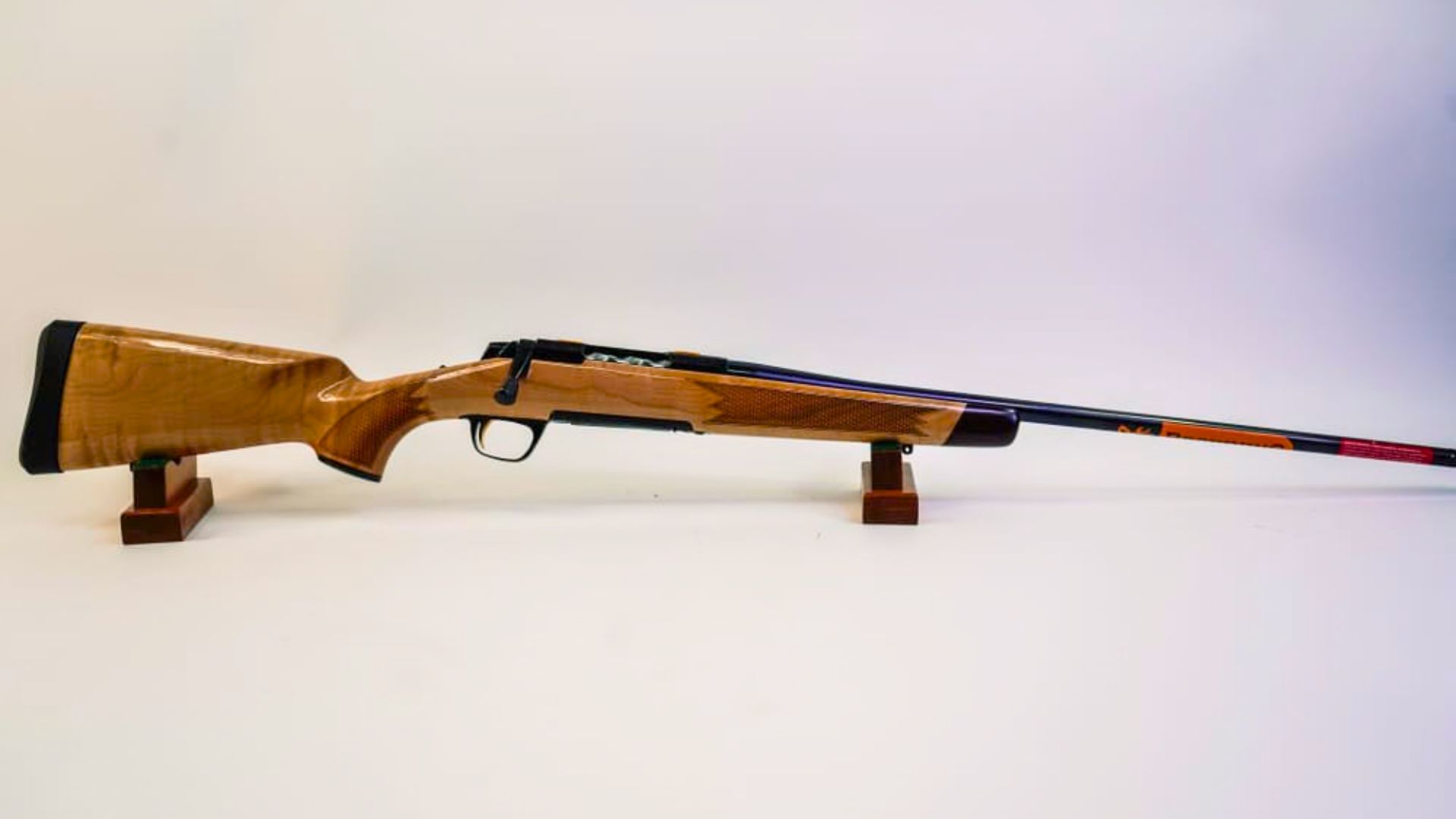
The Browning X-Bolt Medallion still gets praised because it looks like the kind of rifle people imagine a proper hunting rifle should be. Nice wood, nice finish, Browning branding, and a polished presentation all help buyers feel like they are stepping above the ordinary. That image keeps the praise strong, especially among people who still value appearance heavily in the hunting-rifle conversation.
But polished is not the same thing as especially sensible. A lot of the enthusiasm ignores how much of the cost is tied up in trim and image rather than in practical field advantages over plainer rifles. The Medallion is still attractive, but people often talk about it like beauty and brand polish alone make it a clearly smarter choice. That stopped being automatically true a while ago.
Remington 742 Woodsmaster
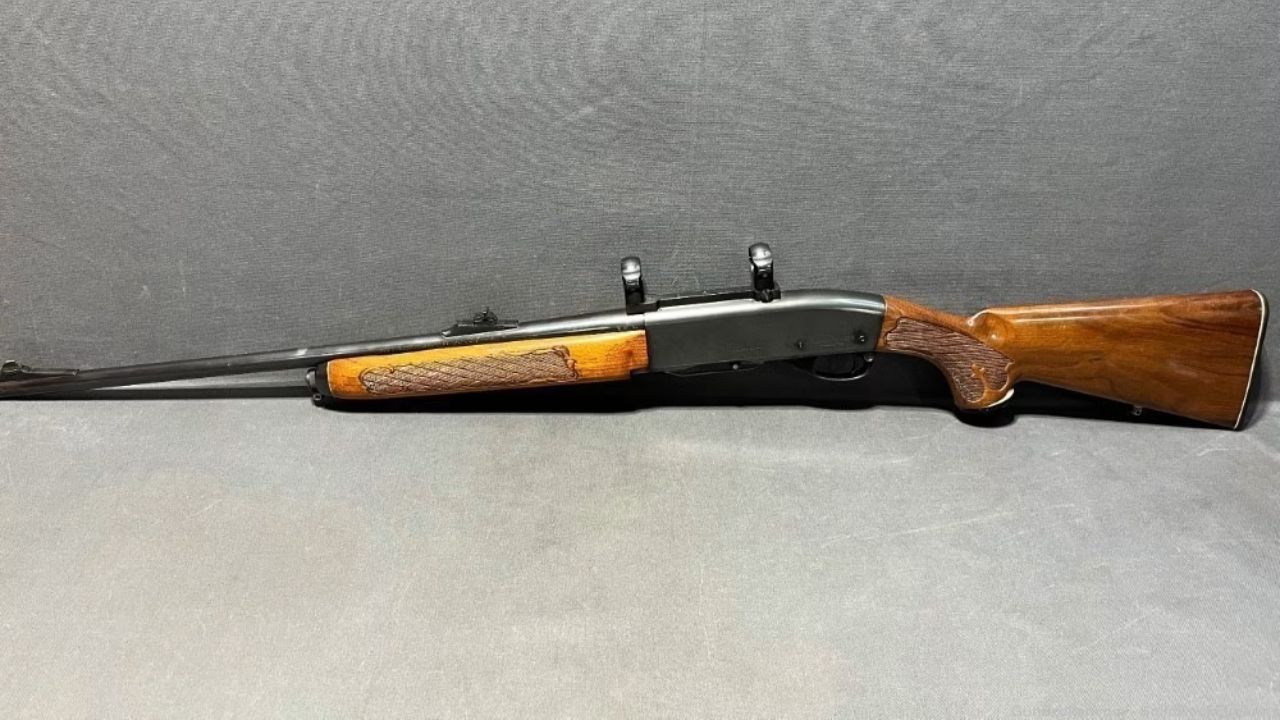
The Remington 742 still gets praised in some circles because people remember it as the familiar autoloading deer rifle they grew up seeing in camps and closets. That familiarity creates a kind of built-in defense. Buyers and admirers talk about them warmly, almost like the affection itself should count as proof that they remain easy recommendations.
Then somebody starts being honest about long-term durability, wear issues, support reality, and whether nostalgia is carrying the whole discussion. That is when the praise starts looking badly out of date. The 742 matters historically to a lot of hunters, but plenty of the positive talk around it survives more on memory and attachment than on a realistic case for why it still makes sense to chase today.
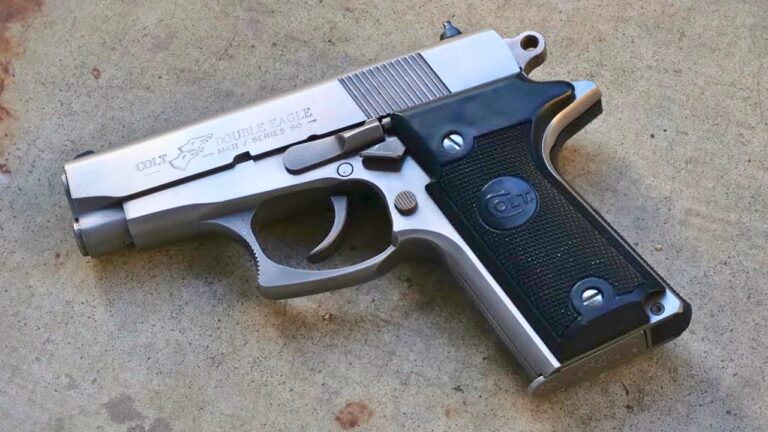
Colt CBX
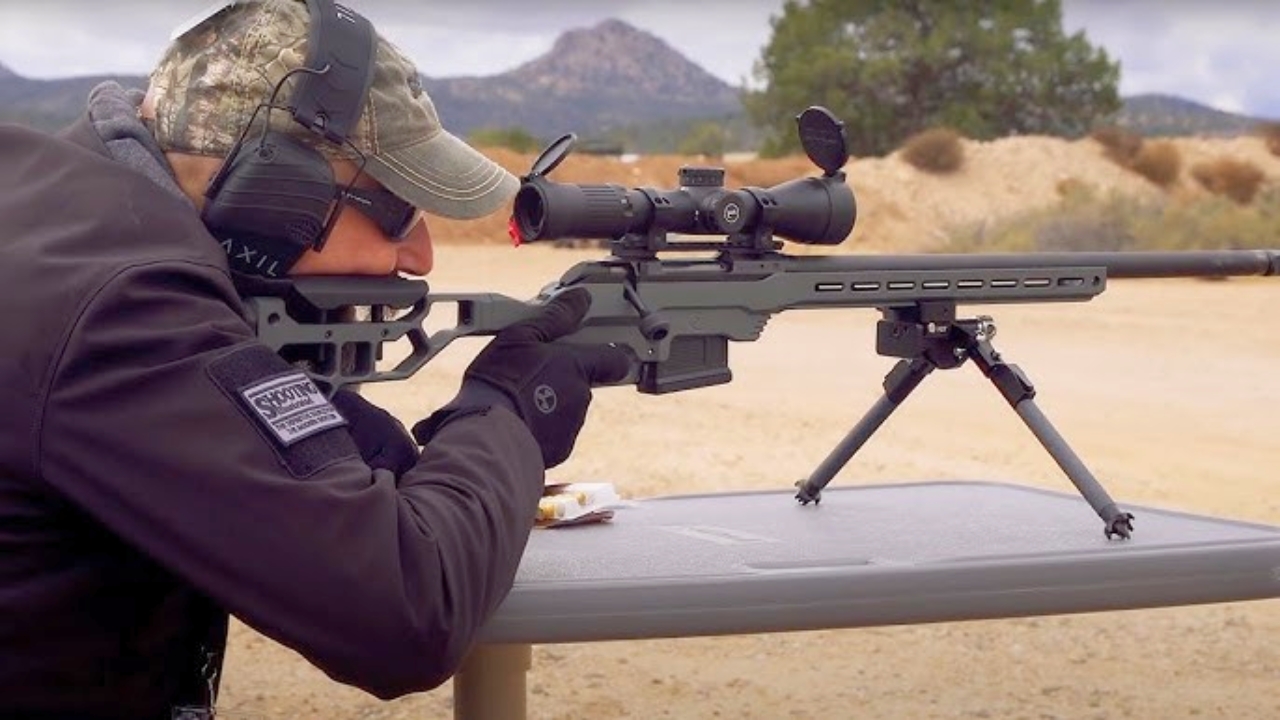
The Colt CBX still gets praised more than it has really earned because the Colt name creates immediate gravity. Buyers see that brand and act like the rifle must already belong in a more important category than the crowded field of precision and hunting rifles around it. That kind of response is common anytime a famous handgun name shows up on a rifle.
The problem is that reputation can get ahead of proof very quickly. A lot of the talk around the CBX has sounded stronger than the rifle’s actual place in the market justified. Once someone starts comparing features, pricing, and real-world alternatives, the reflexive praise starts looking like branding did most of the persuasive work. That is a very different thing from the rifle clearly making sense on its own.
Ruger Mini-14

The Ruger Mini-14 still gets praised like it remains the obvious ranch-rifle answer for anyone who wants something different from an AR. That reputation has stuck around for years because the Mini feels familiar, looks right to a certain kind of buyer, and benefits from a reputation that is as emotional as it is practical. People want it to represent sturdy common sense.
But once you start asking what you are paying for and what the rifle truly does better, the easy praise gets harder to defend. Some versions make more sense than others, but the broad talk around the platform often sounds frozen in time. The Mini still has its lane, but a lot of the blanket praise it receives now feels like habit more than honest comparison.
Winchester 88

The Winchester 88 still gets praised like it is automatically one of the smartest old Winchesters to chase simply because it is sleek, different, and less common than the usual lever-gun choices. Admirers love the box magazine, the profile, and the sense that owning one proves they appreciate something a little more subtle than a standard deer rifle.
That may be true, but it also makes it very easy to overpraise. The rifle’s desirability now often depends heavily on nostalgia, scarcity, and what it says about the buyer’s taste rather than on any broad practical case it still makes in the current market. The 88 is interesting, but a lot of the talk around it sounds like admiration refusing to notice that sense and value are no longer automatically on its side.
Sako 85

The Sako 85 still gets praised like premium fit and finish alone should close the argument. People hear Sako and immediately start talking about smooth actions, serious rifleman taste, and a level of refinement that supposedly lifts the rifle above ordinary hunting choices without much more needing to be said. That kind of praise can get lazy very quickly.
Once someone starts asking what the rifle is really doing to justify the price gap over strong alternatives, the conversation gets less comfortable. The 85 may still be excellent, but it is also one of those rifles people keep praising from a position of prestige instead of practical comparison. The name still carries enough weight that many buyers stop asking whether the numbers and the real use case still line up.
Like The Avid Outdoorsman’s content? Subscribe to our newsletter so you never miss an article.
Here’s more from us: