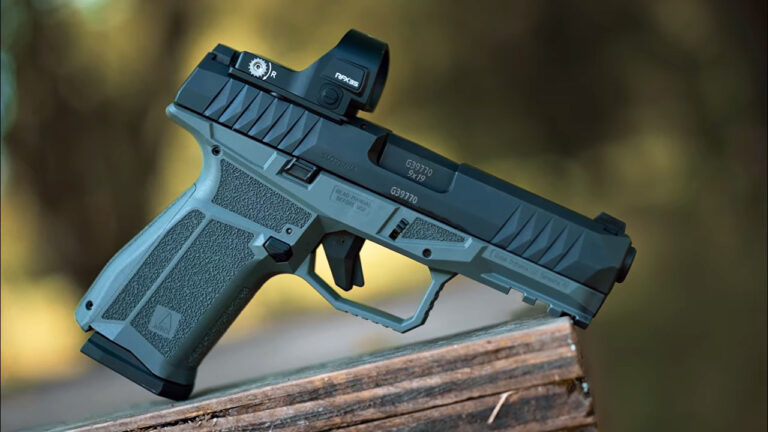
Photo credit: Springfield Armory
Most new carriers think the gun is the main decision. They’ll spend weeks comparing models, watching reviews, arguing about capacity, and handling pistols at the counter until they finally pick “the one.” Then they throw it on a normal belt they’ve owned for five years, clip on a holster that isn’t supported properly, and wonder why the whole setup feels awkward. The gun prints when they bend. The holster tilts outward. The grip shifts. The draw feels inconsistent. The gun digs into their hip when they sit. After a few miserable days, they start questioning the pistol. They assume it’s too big, too heavy, too thick, or somehow “not right for carry.” In reality, the gun is often fine. The belt is the weak link, and a weak link makes everything else feel wrong.
New carriers choose the wrong belt because they don’t realize the belt is part of the holster system, not a fashion accessory. Carrying a loaded handgun is a weight and leverage problem. A belt has to resist twisting, sagging, and rolling while keeping the holster in a predictable position. When the belt can’t do that, the holster moves and the gun becomes inconsistent. Inconsistency is what makes carry feel uncomfortable and unsafe. The carrier blames the gun because the gun is the obvious object, but the real problem is the foundation underneath it.
A normal belt flexes, and flex turns into movement all day
Most everyday belts are built to hold pants up, not to support a holstered load. They’re soft. They flex easily. They deform over time. That flex doesn’t look dramatic in a mirror, but it shows up in how the holster behaves. The holster starts to cant outward. The grip leans away from the body and prints more. The muzzle end pivots and digs into the thigh when sitting. The belt sags just enough that the gun rides differently at noon than it did at 8 a.m. That small movement becomes constant micro-adjustment, and constant micro-adjustment is what makes people hate carrying.
The carrier also learns the wrong lesson. They think, “This gun is too heavy,” when the truth is, “My belt is folding under weight.” They think, “Appendix carry doesn’t work for me,” when the truth is, “My belt can’t keep the holster stable.” They think, “This holster is junk,” when the truth is, “Even a good holster can’t overcome a belt that behaves like a rubber band.” Carry starts feeling like a daily fight, and the carrier concludes the gun is the problem because that’s the easiest explanation.
Belt sag ruins concealment and makes people chase smaller guns
One of the most common outcomes of a bad belt is the new carrier immediately downsizing the gun. They decide they need a micro pistol because their compact “prints too much.” But the printing wasn’t strictly the gun size. It was the belt letting the gun roll outward. A stiffer belt keeps the grip pulled in and keeps the holster upright. Without that, even a small gun can print in weird ways because the holster is tilting and shifting.
This is why some people buy three guns in a year and still feel like concealed carry is uncomfortable. They keep solving the wrong problem. They go smaller and smaller, but the belt still can’t support the system, so the same shifting and tilting happens. Then they end up with a tiny gun that’s harder to shoot well and still not comfortable to carry. A good belt often makes a compact feel more comfortable than a micro carried on a flimsy belt, because stability feels better over eight hours than “light weight” that constantly moves.
A weak belt makes the draw inconsistent and creates sloppy habits
The belt doesn’t just affect comfort. It affects performance. If the belt allows the holster to shift, the draw becomes inconsistent. Your hand doesn’t land on the grip the same way each time because the grip isn’t presented at the same angle each time. You start grabbing, adjusting, and re-gripping mid-draw. That becomes the draw you train. Then you try to speed up and everything gets worse because speed punishes inconsistency. The carrier thinks they need a different holster, or a different gun, when the belt is the thing allowing the holster to move in the first place.
A stable belt keeps the holster anchored. That anchoring is what lets you build a clean, repeatable drawstroke. The more repeatable the draw, the more confident the carrier becomes, and confidence reduces the mental load that makes people quit. New carriers often don’t understand that a belt isn’t just “support.” It’s literally controlling the geometry of the gun and holster against the body. Without that control, every other decision becomes harder.
People buy belts based on comfort instead of stiffness and structure
New carriers often choose belts the same way they choose shoes: whatever feels comfortable right away. The problem is that carry comfort comes from stability, not softness. A soft belt feels nice at first, but it flexes all day and creates pressure points because the gun shifts. A stiffer belt can feel “different” for the first couple days, but once the holster stops moving, many people realize it’s actually more comfortable because they aren’t fighting the setup constantly.
Stiffness doesn’t mean a belt has to feel like a plank. It means it needs enough structure to resist twisting and rolling. A belt that supports a holster should keep the gun in the same place when you sit, stand, walk, and bend. That is what stops the beltline from turning into an all-day adjustment project. Once a carrier experiences that, they stop blaming guns for problems that were never really about the gun.
The “wrong belt” problem gets worse with lights, heavier guns, and appendix carry
If you add weight or leverage—weapon lights, longer slides, heavier pistols, spare mags—the belt problem shows up faster. A weak belt will sag and rotate under extra load. Appendix carry also magnifies belt issues because the holster is working against body movement more aggressively. When the belt flexes, the holster shifts, and that shift changes comfort and safety perception quickly. This is why new carriers often conclude appendix carry is “dangerous” or “not for them” when the real issue is that their belt is allowing the holster to change angle and position under pressure.
Heavier guns aren’t inherently uncomfortable. Unstable carry systems are. A compact pistol carried on a stiff belt with a stable holster can feel more secure and less noticeable than a smaller pistol carried on a weak belt that lets everything flop around. New carriers don’t believe this until they feel it, because they assume lighter always equals better. Stability beats lightness once you’re carrying for twelve hours.
The fix is boring, and it works fast
The fix is to treat the belt like equipment, not clothing. Get a purpose-built carry belt that’s stiff enough to support the holster and keep it from moving. Pair it with a holster that fits the exact gun and stays put. Then adjust placement and ride height until the grip is accessible and the gun doesn’t shift when you move. Once the belt is doing its job, most “my gun is uncomfortable” complaints shrink dramatically.
This is also where buying from a place like Bass Pro can help, because you can handle carry belts and feel the stiffness difference immediately instead of guessing online. Bass Pro typically stocks purpose-built gun belts that are designed to support holsters, and that kind of belt is the single most common upgrade that turns a frustrating carry experience into a stable one. You don’t need a collection of belts. You need one belt that behaves like part of your carry system.
Why blaming the gun is the expensive way to learn the lesson
When new carriers blame the gun, they usually spend money trying to solve comfort and consistency problems with gun changes. They buy smaller pistols. They buy new holsters. They change carry positions. They keep chasing the perfect combination while ignoring the foundation. Meanwhile the real fix—proper belt support—costs less than a new pistol and often changes the whole experience immediately.
Once the belt is right, you can finally evaluate the gun honestly. You can tell whether it conceals well, whether it draws cleanly, and whether it’s comfortable over a full day. Without a real belt, you’re evaluating the gun through a broken system. That’s why the same pistol can feel terrible for one carrier and perfectly fine for another. The difference is often a belt that does its job.
Like The Avid Outdoorsman’s content? Be sure to follow us.
Here’s more from us: