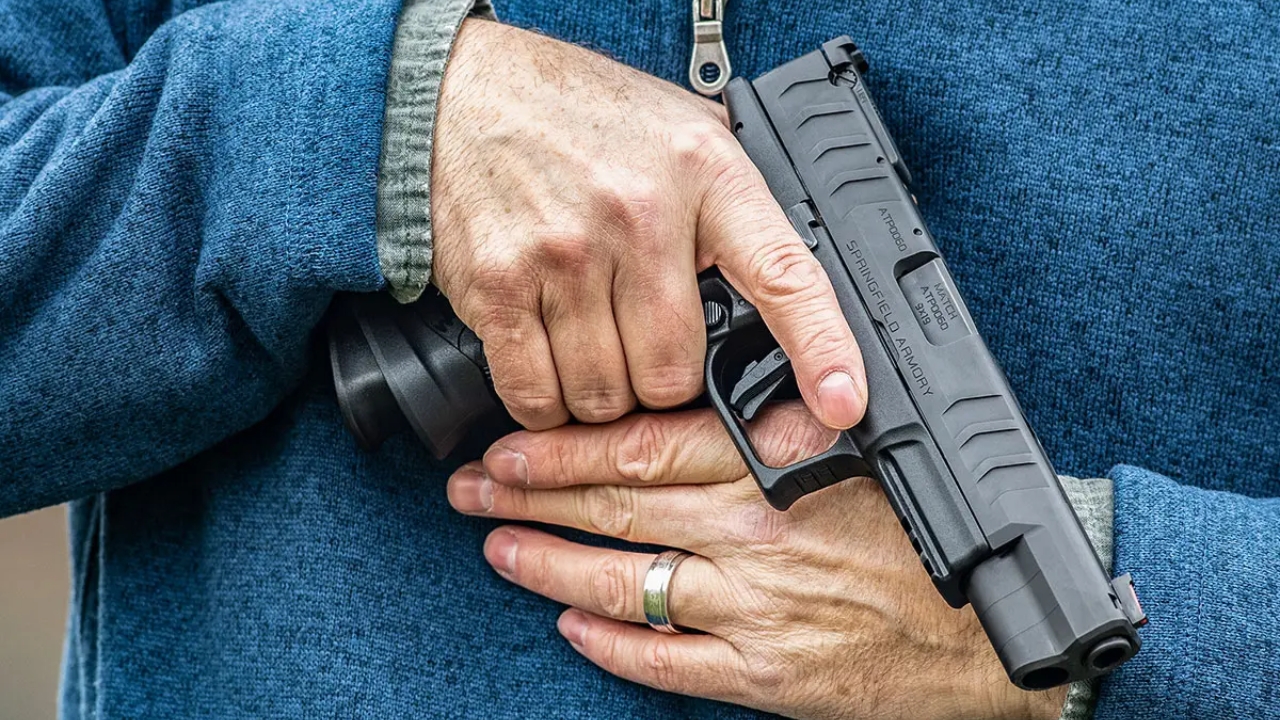
Photo credit: Springfield Armory
Some guns stay popular because they still earn it. Others stay alive because the name on the slide, receiver, or barrel keeps doing most of the work. That is the difference buyers do not always want to talk about. A firearm can have a loyal following, a familiar logo, and years of built-up reputation while the actual product underneath keeps getting less impressive, less competitive, or simply harder to justify against what else is on the market.
That does not mean every gun on this list is worthless. Some are still decent. Some were genuinely great once. But a lot of them keep selling because buyers trust the brand story more than the current reality. If these same guns showed up under a weaker or less recognizable name, plenty of people would walk right past them. Here are 15 firearms that survive almost entirely on brand loyalty.
Springfield XD line
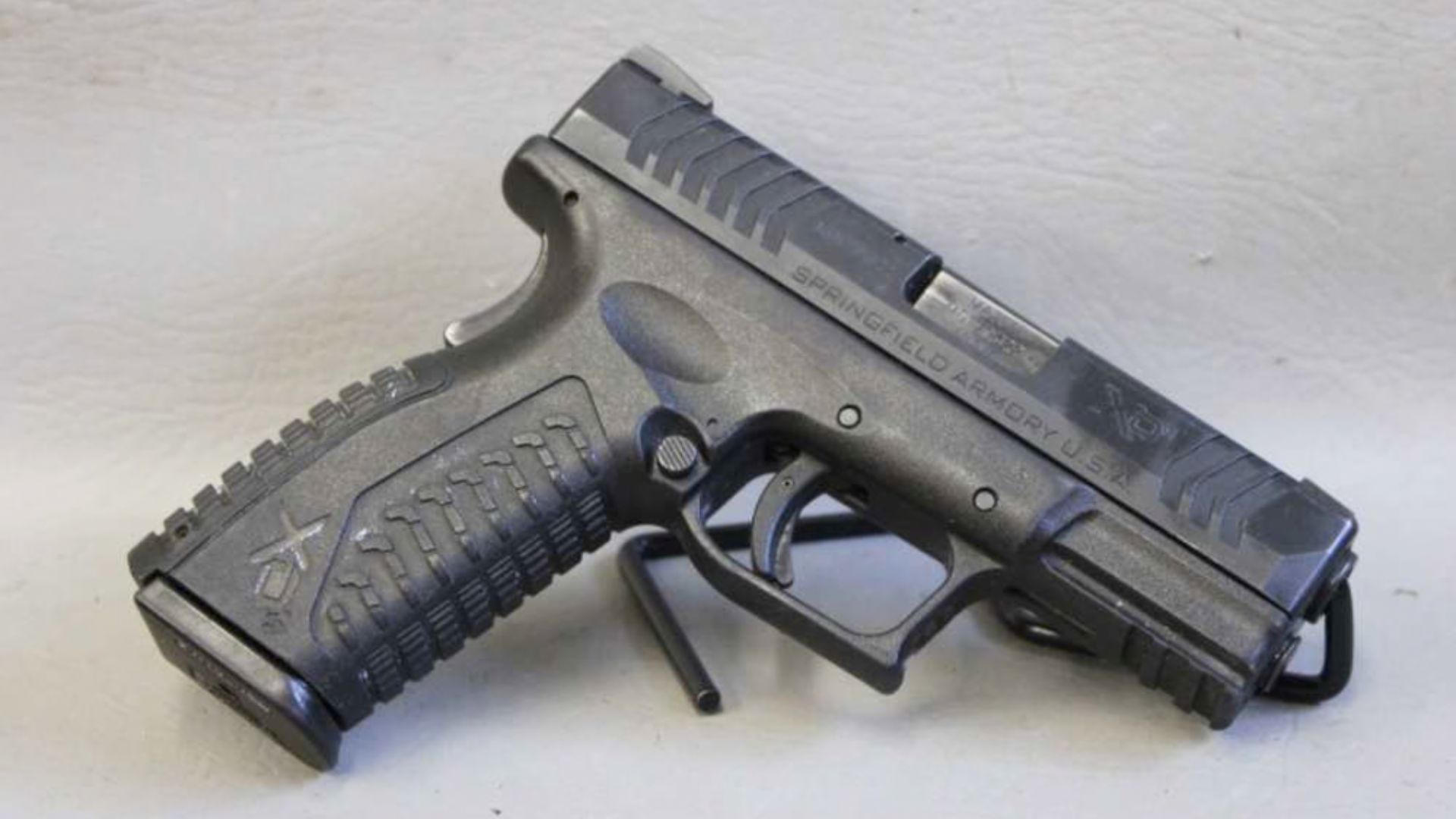
The XD line still hangs around because Springfield built a loyal customer base that got comfortable recommending them years ago. Back when the striker-fired market looked less crowded, the guns had a clearer lane. They felt like a respectable alternative to Glock for people who wanted something a little different without going too far off the beaten path.
Now the line mostly feels carried by habit. The market moved on, and the XD stopped feeling especially sharp, especially modern, or especially necessary. Yet people keep buying them because the Springfield name still makes the pistols feel more current than they really are. Strip away that brand familiarity, and a lot fewer buyers would be pretending the XD still deserves the same place in the conversation.
Taurus Judge

The Judge survives because Taurus built years of recognition around a concept that sounds smarter than it actually is. “The revolver that shoots .410” became such a strong identity that a lot of buyers stopped questioning whether the platform was truly good at anything beyond grabbing attention. Once that idea got tied tightly to Taurus, the gun developed its own loyal niche.
That niche now does a lot of the selling. The Judge is still a compromise-heavy revolver that gets talked up far more than it gets trusted for serious, sustained use. But the brand and the long-running gimmick keep it moving. If some no-name company released the exact same idea today, a lot of buyers would laugh and keep walking.
Kimber 1911s

Kimber still benefits from a reputation it built when buyers saw the brand as the premium production 1911 answer. For a long time, that name had real pull. People heard “Kimber” and thought quality, refinement, and a step above the average factory gun. That brand aura stuck hard enough that it still influences buying decisions now.
The problem is that the conversation around Kimber has changed, even if some loyal buyers refuse to admit it. The guns no longer feel untouchable, and the brand now leans heavily on the fact that people still remember when it looked like the obvious aspirational choice. If these same pistols showed up under a new name with no baggage attached, many buyers would judge them a lot more harshly.
Walther P22

The P22 survives partly because it carries the Walther name, and that gives it more grace than a similarly fussy little rimfire would get from a lesser-known company. Buyers want to believe in it because it looks like the sort of compact .22 that should be an easy win. The branding makes the pistol feel more trustworthy than its long-term reputation really deserves.
If it wore an off-brand name, many people would write it off as a finicky little rimfire and move on to better options. Instead, it keeps getting second chances because Walther still sounds respectable enough to make people excuse things they would not excuse elsewhere. That is brand loyalty doing heavy lifting.
SIG Sauer Mosquito

The Mosquito is one of the cleanest examples of this whole pattern. It survived far longer in conversation than it should have because it said SIG on the slide. Buyers wanted a SIG-branded rimfire trainer badly enough that they kept defending what was often a much more conditional pistol than the name suggested.
Without the SIG logo, the Mosquito would have been treated like just another mediocre .22 with too many caveats. Instead, it got years of patient excuses from owners who trusted the brand story more than the actual ownership experience. That is exactly what brand loyalty looks like when it starts covering for the gun.
Remington 700

The 700 still survives in large part because “Remington 700” became one of those names people were trained to trust automatically. For years, it was the default answer in the bolt-action world, and that kind of reputation does not disappear quickly. Buyers still hear the name and picture the old standard, even when current reality is a lot less flattering.
That legacy matters far more now than the rifle’s untouchable status does. A lot of shooters still defend the platform because they grew up around the name, not because every current example makes an equally strong case on its own. If the same rifle appeared under an unfamiliar brand without that history attached, many buyers would judge it much more skeptically.
Glock 26

The Glock 26 still sells heavily because it wears the Glock name and carries old Glock trust with it. On paper, it is no longer the clear category leader it once looked like. The carry market changed, expectations changed, and slimmer, higher-capacity choices changed what buyers can reasonably demand from a small pistol.
Even so, the 26 keeps moving because Glock buyers trust the badge and long-established reputation more than they question whether the design still makes the same sense. If another company dropped the same thick little subcompact on the market now without Glock’s history behind it, the reaction would be much colder. This is legacy loyalty in full view.
Beretta Nano

The Nano survived as long as it did in serious conversation because people badly wanted Beretta to have a meaningful slim-carry answer. The brand name bought it patience, second looks, and more good faith than a less respected company would have received. Buyers saw Beretta and filled in a lot of blanks themselves.
The pistol itself never fully justified all of that confidence. Yet it kept getting defended because the name still made people want it to matter. That is one of the clearest signs of a firearm surviving on brand loyalty: the product falls flat, but buyers keep trying to protect the place it was supposed to hold.
Ruger LCP original

The original LCP absolutely mattered when it launched, but the reason it held on so long afterward had a lot to do with Ruger’s name and Ruger’s reputation for practical, affordable guns. Once Ruger became attached to the idea of the default pocket pistol, many buyers stopped comparing as critically as they should have.
That brand trust let the gun coast longer than its actual shootability deserved. People kept praising it because it was the Ruger pocket gun, and that identity mattered as much as the gun itself. Without the brand and the timing, a tiny pistol with those limitations would not have enjoyed nearly the same automatic approval for so long.
Charter Arms Bulldog

The Bulldog survives because the Charter Arms name still carries just enough old-school revolver credibility to keep people emotionally invested in the concept. A compact .44 Special sounds great, and longtime buyers want that gun to keep making sense because the idea has always been easy to admire.
The brand keeps that hope alive. If a little-known company with no legacy released a rougher, less-refined revolver around the same concept, buyers would be much less charitable. The Bulldog still gets defended because people want the old reputation to remain true, not because the current reality always earns that kind of confidence on its own.
Springfield Hellcat early carryover hype

The Hellcat is not a bad pistol, but it benefited massively from Springfield’s ability to turn fast momentum into brand-backed loyalty. Once Springfield positioned it as a category answer, a lot of buyers committed to it because they trusted the company to be “in the fight” even more than they trusted the individual gun after real comparison.
That brand push gave the Hellcat more automatic staying power than a similar pistol from a lesser brand would have received. It still lives on a lot of recommendation lists partly because Springfield’s overall name and marketing presence help protect it from the kind of honest re-ranking that a more anonymous product would face faster.
Bond Arms derringers

Bond Arms derringers survive because Bond built a recognizable identity around making derringers feel serious, rugged, and premium. That matters. A derringer from a cheap or unknown company gets dismissed immediately by a lot of buyers. A derringer from Bond gets treated like a niche but respectable choice.
The platform itself still carries all the same obvious limitations. Low capacity, harsh shooting, narrow usefulness, and a strong novelty factor are all right there. But the Bond name has convinced many buyers that “well made” automatically means “worth owning.” That is brand loyalty keeping a weak concept alive much longer than it could survive on pure performance.
Colt snake guns reputation carryover

A lot of Colt’s modern survival in certain handgun conversations comes from old snake-gun prestige carrying far more weight than the actual practicality of what people are buying. The names Python, Anaconda, and Cobra still hit buyers emotionally in a way that very few product names can. That kind of built-in trust changes the buying process.
If another company released some of these same guns at similar prices without the Colt history attached, buyers would ask much harsher questions. Instead, the Colt name softens the scrutiny because the brand’s old authority is still doing enormous work. That is not always the same as current merit. Sometimes it is just the old flag still waving.
Bersa Thunder .380

The Thunder .380 survives largely because Bersa built a solid enough reputation as the affordable, approachable answer in that category, and buyers kept repeating that recommendation long after the market got much more crowded. The brand became shorthand for “budget gun that still makes sense,” and that shorthand has kept the pistol alive.
If that same pistol appeared today from a random new company, many buyers would dismiss it as an old-fashioned, middling option in a much better market. But Bersa’s existing goodwill keeps people from judging it that harshly. The brand protects the gun from the full force of honest comparison.
AK-pattern rifles with weak U.S. builds

This one is less about one company and more about a platform surviving on legendary brand-type loyalty to the idea of the AK itself. Buyers hear “AK” and automatically attach toughness, reliability, and battlefield credibility, even when the specific rifle in front of them may not deserve all of that inherited faith.
That loyalty lets weak or mediocre builds coast on the mythology of better AKs from different makers and eras. If the same rough ergonomics, questionable finish, and mixed execution showed up on a brand-new platform with no historic aura, many buyers would reject it outright. Instead, the AK story keeps carrying rifles that should stand or fall more on their own.
HK VP70 / legacy HK oddballs

Certain older HK pistols survive in conversation almost entirely because HK as a brand built such strong loyalty among buyers who equate the logo with seriousness. The VP70 is a perfect example. It is odd, historically interesting, and undeniably tied to the HK mystique. That mystique keeps people interested long after the pistol itself stops making much sense as a shooter.
If the VP70 existed under some forgotten brand with the same awkward traits and same shooting downsides, hardly anyone would bother defending it. But because it says HK, it keeps getting treated like it deserves more affection than it actually earns at the range. That is brand loyalty carrying the whole load.
Like The Avid Outdoorsman’s content? Be sure to follow us.
Here’s more from us: