Photo credit: Iron Infidel/YouTube
Price does a weird thing in the gun world. It makes people assume quality before they understand performance, and it makes some buyers feel like they are stepping into a higher class of firearm just because the number on the tag hurts a little. Sometimes that instinct is right. Some expensive guns absolutely earn it. But there is a big difference between a firearm that is costly because it is truly exceptional and one that gets treated like it must be exceptional because it costs a lot.
That is where a lot of buyers get fooled. They start confusing exclusivity with shootability, premium branding with practical value, and collector buzz with actual usefulness. A gun can be expensive, well-finished, and still not be the kind of firearm that justifies the status people attach to it. Here are 15 firearms people often mistake for elite simply because they come with a premium price tag.
Desert Eagle Mark XIX

The Desert Eagle is one of the clearest examples of this. People see the size, the price, the reputation, and the visual drama, and they instantly assume it must represent some upper tier of handgun performance. In reality, most of its appeal comes from spectacle. It is iconic, sure, but iconic and elite are not the same thing.
A truly elite handgun tends to make more sense the more you shoot it. The Desert Eagle usually goes the other direction. It becomes heavier, less practical, and more novelty-driven the longer you live with it. A high price does not turn that into excellence. It mostly turns it into an expensive way to impress people who do not know the difference.
Korth revolvers

Korth makes beautiful revolvers, and there is no point denying that. The machining, the finish, and the exclusivity are all real. But a lot of buyers jump straight from “beautifully made” to “must be the ultimate revolver,” and that is where the myth starts growing faster than the reality.
Price can make people overstate what they are getting. A Korth may be refined, rare, and luxurious, but that does not automatically mean it offers a better ownership experience than every good Smith & Wesson, Colt, or Ruger it gets compared against. Sometimes it is an outstanding revolver. Other times it is a very expensive way to buy bragging rights disguised as discernment.
Cabot 1911

Cabot pistols are exactly the kind of firearms that make buyers feel like they stepped into a different league. The presentation is polished, the machining looks surgical, and the whole product screams exclusivity. That alone is enough for some people to start talking about Cabot like it sits above every other 1911 by default.
The problem is that a truly elite shooting pistol should prove itself on the range, not just in the case. Cabot often gets treated like the pinnacle because it looks like luxury and costs like luxury. That does not always translate to a better real-world handgun for the kind of owner who actually shoots. Sometimes it translates to a gorgeous, expensive object people feel obligated to admire harder than they use.
Barrett M82A1
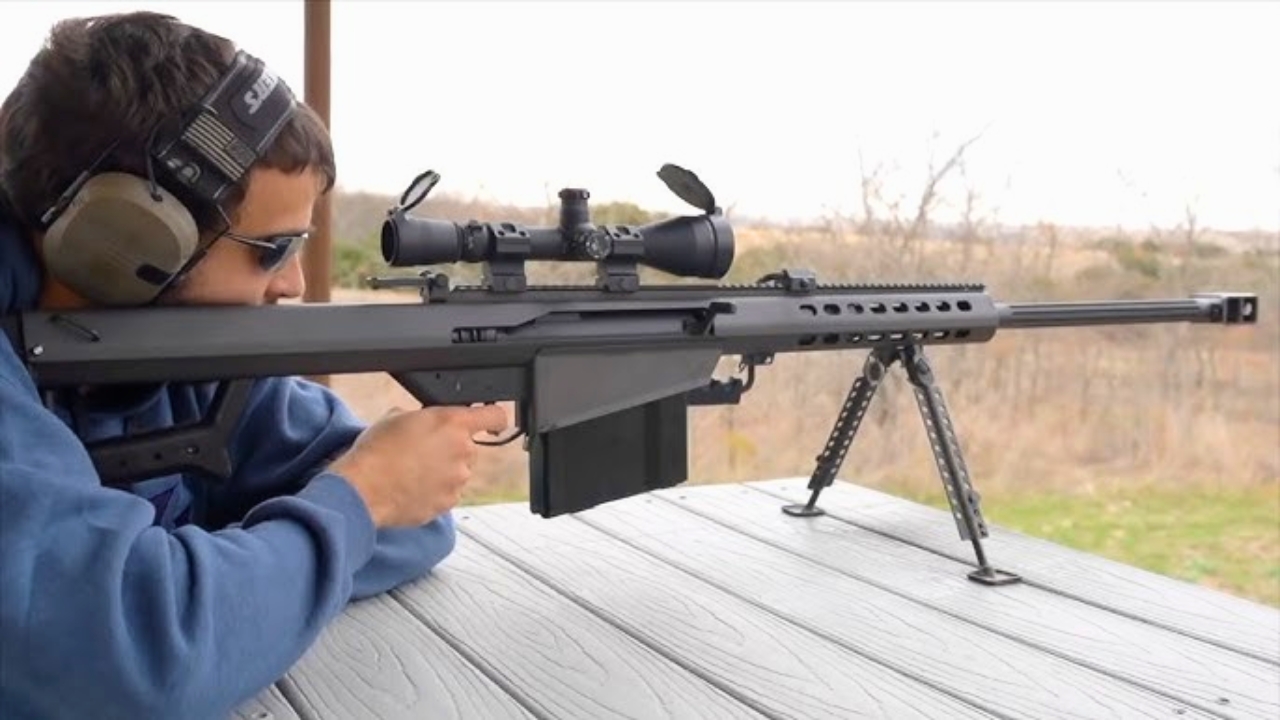
The Barrett has become shorthand for top-tier status because it is huge, famous, and expensive enough to sound serious even to people who know very little about rifles. Buyers see the cost and the military image and start assuming they are looking at the rifle equivalent of ultimate performance.
But elite is not the same as oversized and costly. The Barrett fills a specific role, and outside that role a lot of its civilian appeal is tied to spectacle, not practicality. Owning one may be impressive, but that does not make it the superior rifle for most people. It makes it a premium-priced symbol that gets mistaken for universal excellence.
Laugo Alien
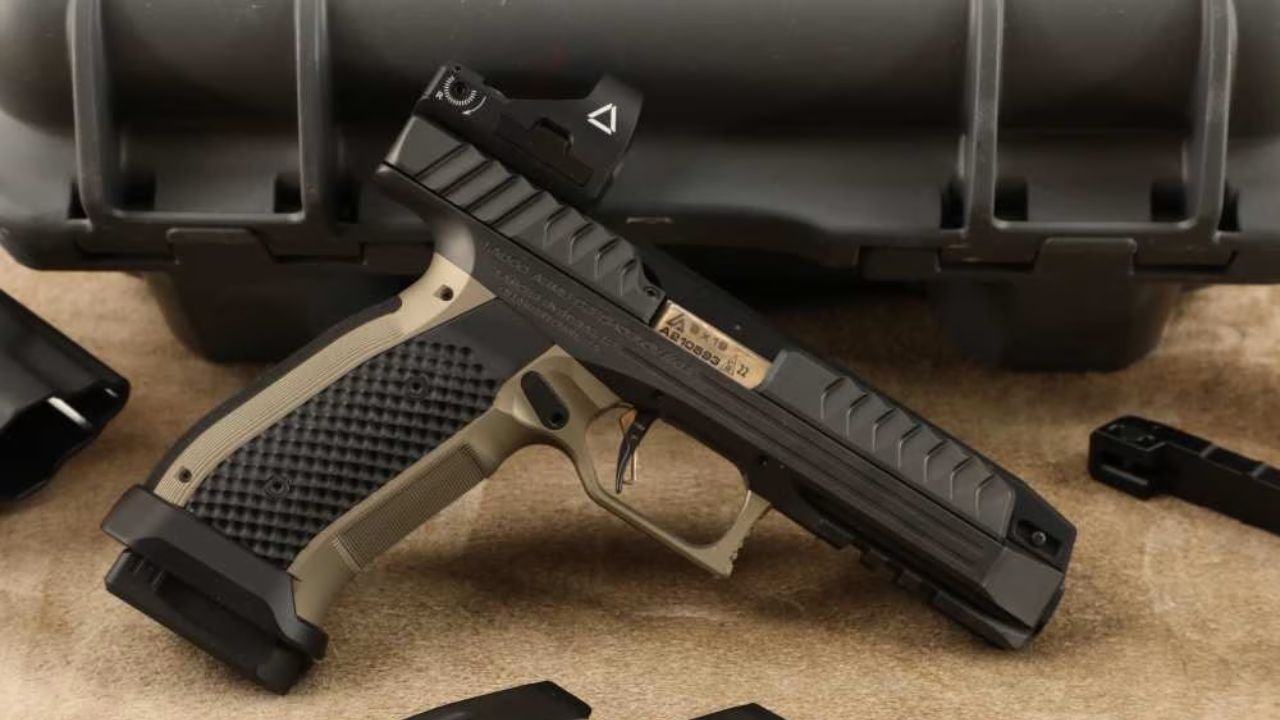
The Alien absolutely looks elite. It is unusual, expensive, futuristic, and packaged in a way that makes buyers feel like they are stepping beyond ordinary pistols into something smarter and more advanced. That visual and mechanical difference does a lot of work before the first round is ever fired.
Some of the gun’s strengths are real, but the price pushes people into treating it like it must be superior in every direction. That is where the mistake happens. A firearm can be innovative and still not justify being spoken about like a whole higher species of pistol. Sometimes expensive and different simply combine to create the illusion of elite status faster than the actual shooting experience supports it.
Manurhin MR73
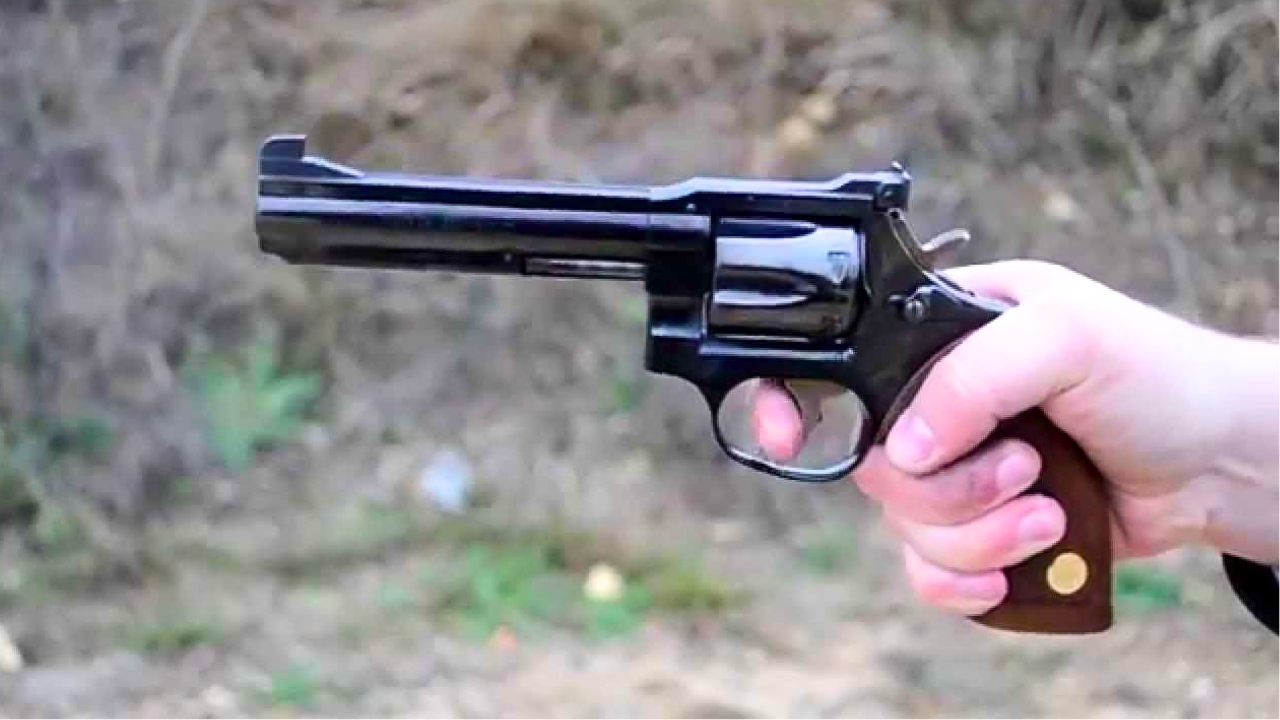
The MR73 has genuine pedigree, and it earned real respect long before internet gun culture got hold of it. But now it often gets treated less like a superb revolver and more like a kind of sacred object whose price and lore automatically lift it beyond criticism. That shift says a lot about what money does to people’s judgment.
An MR73 can absolutely be a great revolver. Still, there are buyers who want the myth as much as the gun. For them, the cost and the backstory become proof of elite status all by themselves. That is how a firearm stops being honestly respected and starts being overprotected by people who confuse expensive rarity with unquestionable superiority.
Knights Armament SR-15

The SR-15 is a good rifle, but it also benefits from one of the strongest premium-aura effects in the AR world. Once a brand becomes social currency, the rifles start getting judged through the lens of what owning one says about the buyer. That makes it very easy for expensive to get mistaken for elite.
Some shooters want an SR-15 because they appreciate the details. Plenty of others want one because it signals they bought into the “serious rifle guy” bracket. The rifle may be strong, but the reputation often gets inflated by the fact that buyers know other people will be impressed by the name and the price before they ever look at the actual use case.
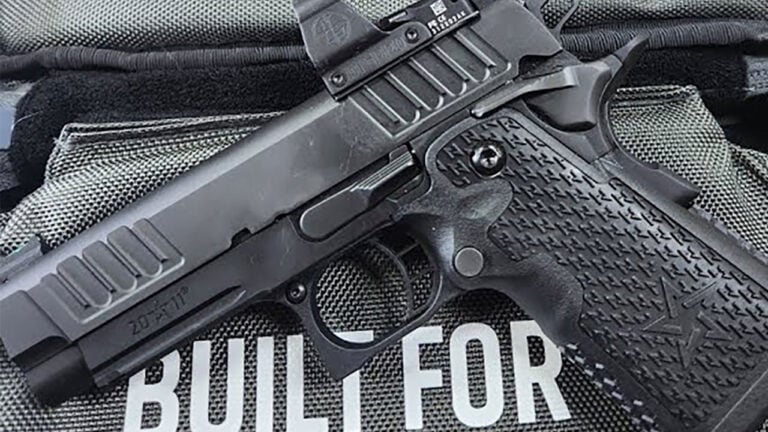
Staccato P

The Staccato P is a capable pistol, but it also lives in that dangerous zone where price and image start doing as much work as performance. Buyers hear “premium duty pistol,” see the cost, see the brand momentum, and immediately begin speaking about it like it exists in a separate class from more ordinary handguns.
For some shooters, it may deliver enough to justify that. For many others, it becomes a way to buy into a premium identity. The pistol gets treated as elite not because the owner has truly outgrown other good pistols, but because paying more made them feel like they did. That is not always honest evaluation. Sometimes it is luxury psychology wearing a holster.
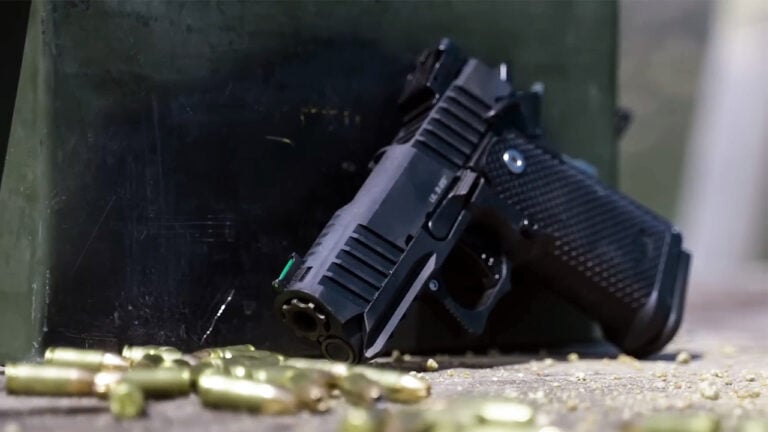
Atlas Gunworks pistols
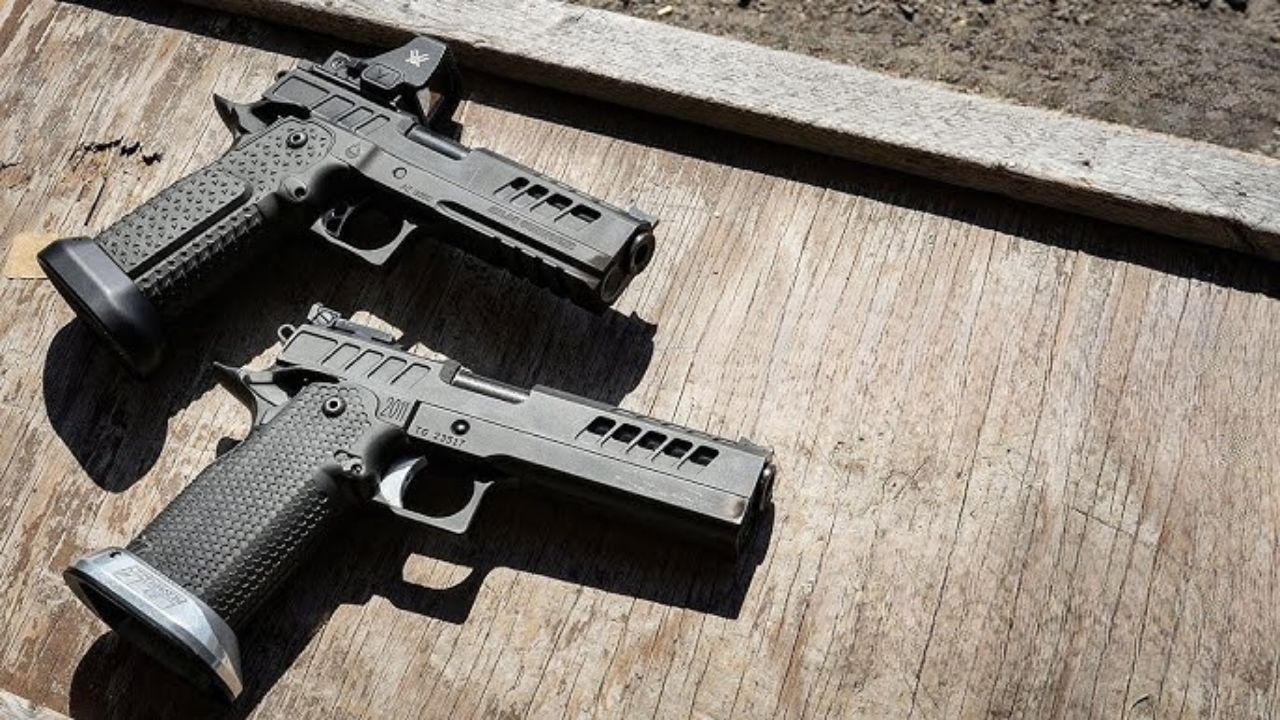
Atlas pistols are easy to mistake for automatic excellence because everything about them screams money, refinement, and upper-tier status. They are premium-built, premium-priced, and premium-presented. That makes a lot of buyers assume the conversation ends there.
The issue is not that Atlas makes bad guns. It is that high cost can create a protective bubble around a product where people stop evaluating value honestly. The pistol becomes elite because it is expensive enough that owners feel like it has to be. Once that happens, the buyer may be defending the price tag more than they are appreciating the actual shooting difference.
HK Mark 23

The Mark 23 gets treated like elite gear because it is big, expensive, and wrapped in enough special-operations mythology to make people feel like they are looking at something beyond normal handgun categories. That reputation is powerful, and price only strengthens it.
But if you strip away the lore and the sticker shock, what you still have is a very large, specialized pistol whose elite image often outruns its usefulness for ordinary owners. A gun can be important, interesting, and over-glorified all at once. The Mark 23 lives in that territory constantly. Buyers often mistake the legend and the cost for universal greatness.
Benelli M4

The Benelli M4 is a very good shotgun, but a lot of people still treat it like buying one automatically means they stepped into the highest tier of shotgun ownership. The military reputation, the price, and the broad cultural approval all help push it into “elite by default” territory.
That can hide an important truth: expensive does not always mean best for the owner standing there with the wallet out. A lot of people buy an M4 because they want to own the expensive shotgun people recognize as serious, not because it is actually the perfect shotgun for how they shoot, hunt, or train. That difference matters, and price often helps buyers ignore it.
Holland & Holland doubles

A Holland & Holland can absolutely be a masterpiece, but it also attracts the kind of buyer who mistakes cost and refinement for practical superiority in every possible sense. Once a shotgun reaches that level of price and prestige, people stop talking about it like a firearm and start talking about it like a crown.
That shift is exactly the problem. A gun can be luxurious, historic, and remarkable without automatically being the most meaningful or useful sporting gun for the person holding it. Some buyers mistake elite craftsmanship for elite ownership value, and those are not always the same thing. Sometimes they are buying status that happens to break open and fire shells.
Salient Arms builds
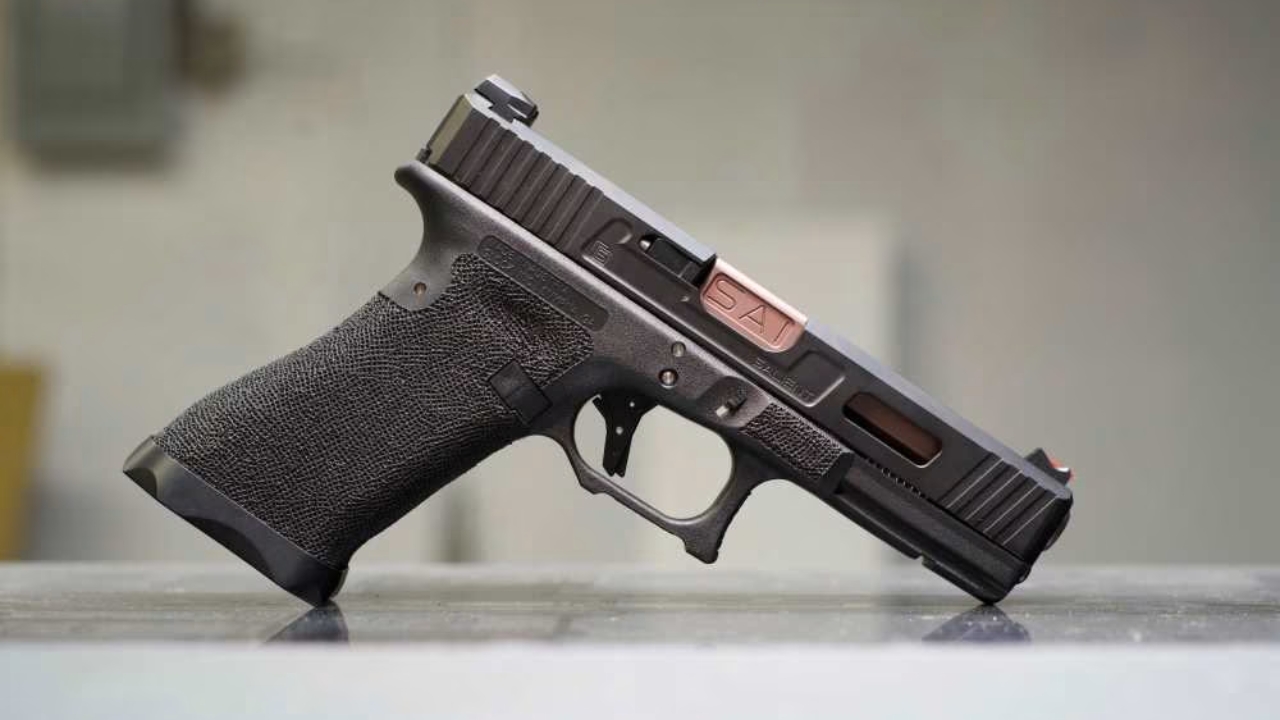
Salient built a whole business around making firearms look like the premium answer. The styling, branding, and price made buyers feel like they were stepping far beyond stock guns into something more serious, more tuned, and more “operator” in the social sense. That kind of image is incredibly powerful.
But image-heavy custom work often gets mistaken for elite performance simply because it is expensive and obviously different. Some of these builds are good. That is not the point. The point is that buyers frequently treat the price as proof that they entered a higher class of firearm, when in reality they often bought a premium-looking version of something that did not need that much money thrown at it to run well.
Nighthawk Custom 1911
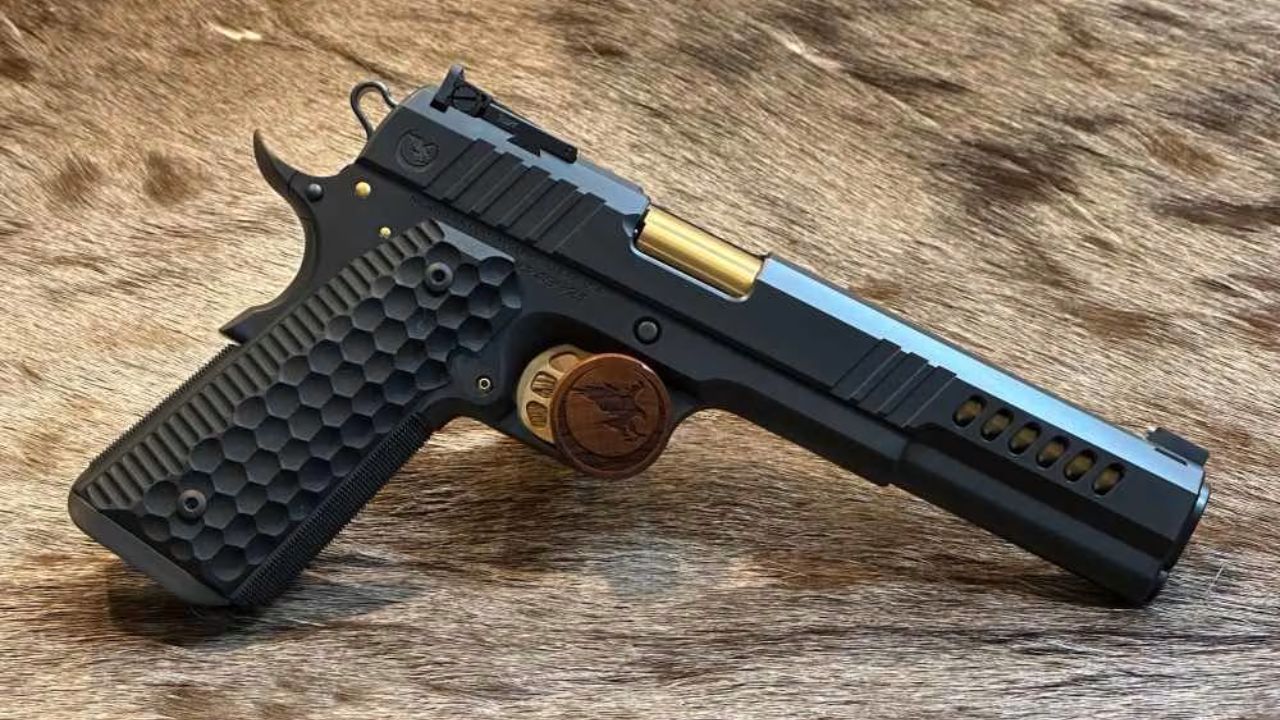
Nighthawk makes some very nice pistols, but it also lives in a part of the market where buyers can start confusing luxury with honest necessity. Once a 1911 costs enough, people begin speaking about it like anything cheaper must be a lesser life form. That is how money distorts judgment.
A Nighthawk can be excellent and still not deserve the inflated aura some owners attach to it. There are buyers who appreciate the craftsmanship, and there are buyers who want the social power of saying they own one. In the second group, expensive gets mistaken for elite in a very obvious way. The price becomes the argument long before the gun itself has to do any work.
KAC / LMT / premium AR collector syndrome
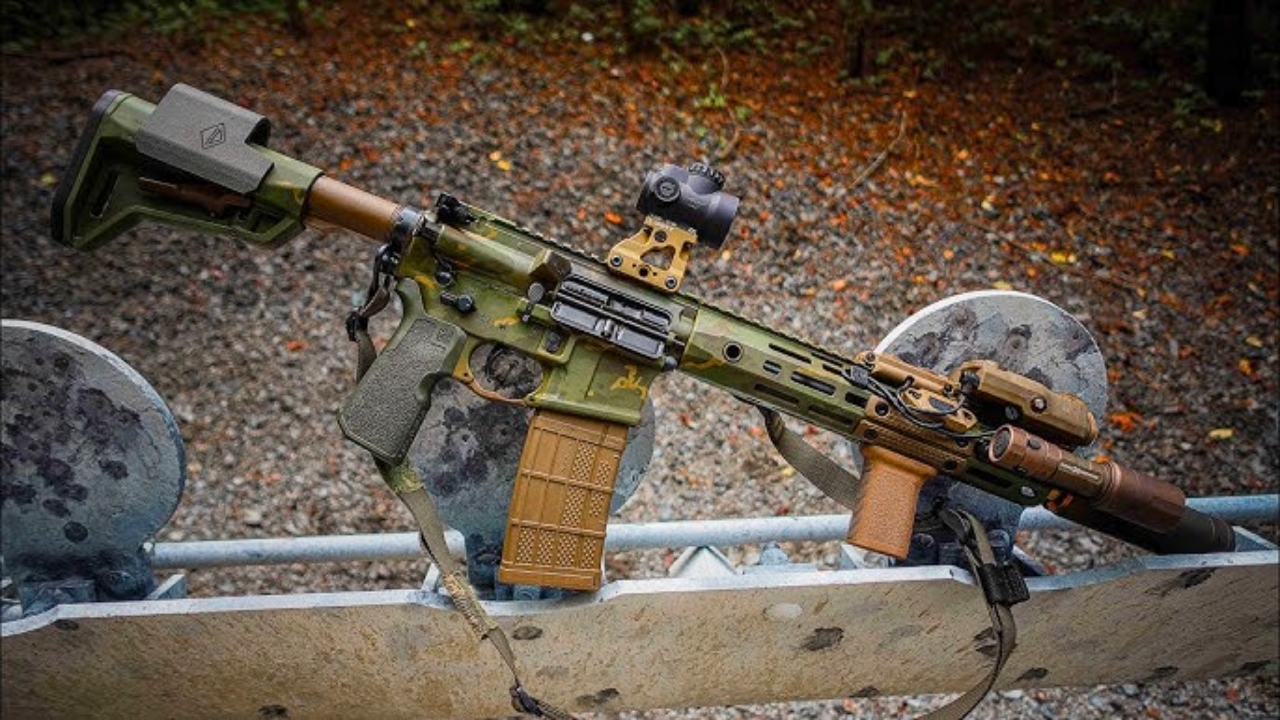
This is not just one rifle. It is a whole buying pattern. In the premium AR world, expensive brands often become elite in people’s minds before the rifles ever get used enough to justify that level of confidence. The buyer sees the price, hears the name repeated by the right people, and assumes they are entering a different class of rifle ownership.
Sometimes they are. Sometimes they are mostly entering a different class of branding. This is where a lot of buyers stop being honest about diminishing returns. The rifle may be excellent, but they start speaking as if a costly AR automatically makes cheaper, well-built rifles second-rate. That is not always experience talking. Quite often, it is price talking.
Korth NXR / premium tactical revolvers
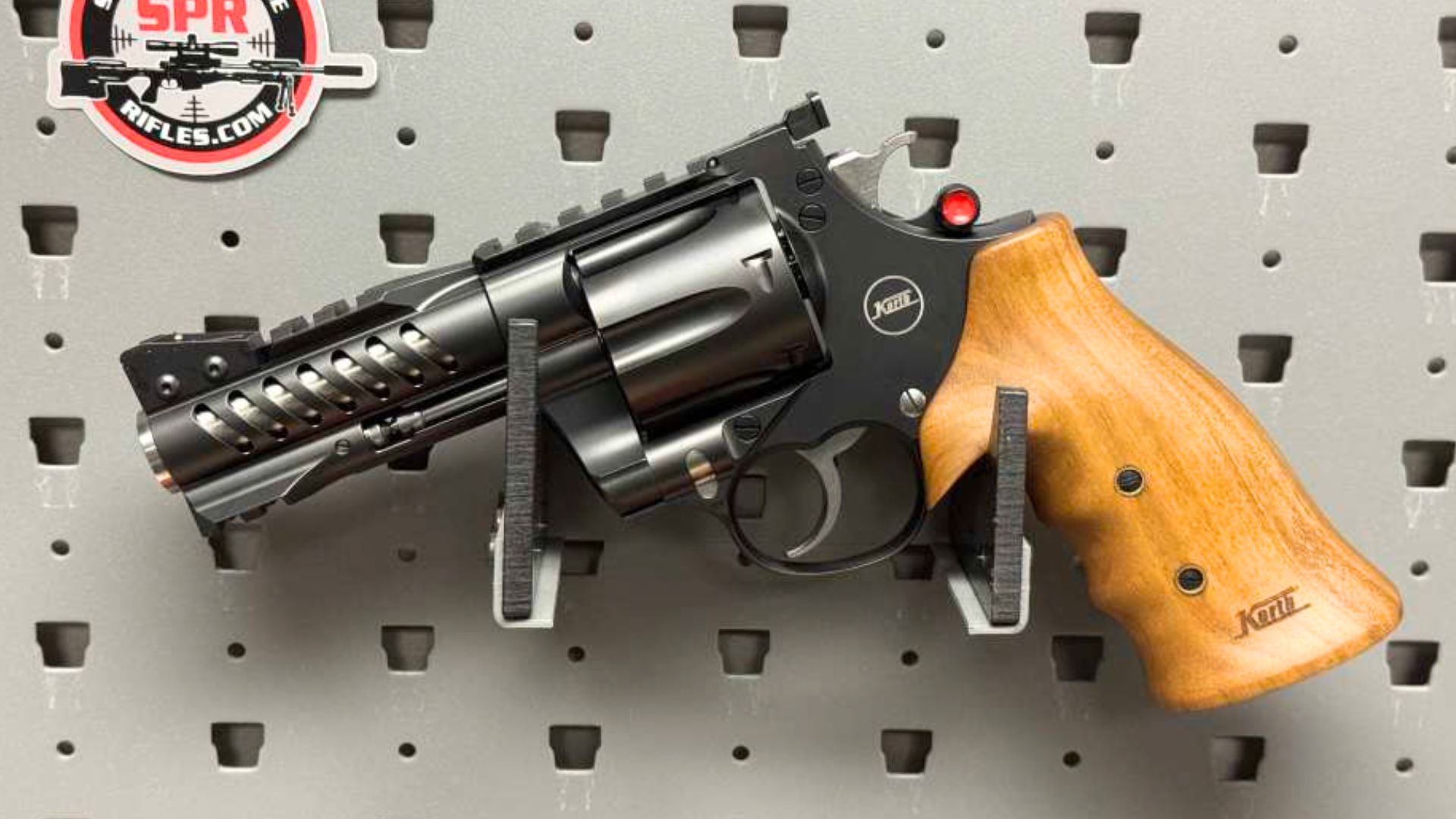
Tactical revolvers at extreme prices are one of the easiest places to see this mistake happen in real time. The guns look exclusive, feel expensive, and carry just enough rarity that buyers assume they must be elite in a broader sense than ordinary revolvers. That assumption arrives long before actual use enters the room.
In many cases, the premium is really about niche appeal, machining, and image. Those things can matter, but they do not automatically add up to a better practical firearm for the average owner. Buyers mistake elite branding and elite pricing for elite usefulness, and that is how these revolvers end up getting treated like much more than they really are.
Like The Avid Outdoorsman’s content? Subscribe to our newsletter so you never miss an article.
Here’s more from us: