Photo credit: Browning Europe EN/YouTube
Some rifles keep selling high long after the practical case for them gets shaky. That usually happens when a brand name, model history, or old reputation keeps doing the marketing all by itself. People remember what the rifle used to mean, what their dad wanted, what they saw in magazines, or what older hunters still speak about with a certain tone. That kind of brand pull is real, and it can absolutely push prices higher than the rifle itself really justifies.
That does not mean every expensive, famous rifle is bad. Some are still excellent. But plenty of buyers end up paying for nostalgia, logo power, or collector energy more than real-world performance. In a market full of accurate, reliable hunting rifles and practical bolt guns, some of these names keep bringing premium money simply because they still sound important. That is great for sellers. It is not always great for the guy opening his wallet.
Winchester Model 70

The Winchester Model 70 still carries one of the strongest names in American rifle history. A lot of shooters hear “Model 70” and immediately think controlled-round feed, classic walnut, and old-school hunting credibility. That reputation has staying power, and in fairness, there are plenty of reasons the rifle became respected in the first place. It points well, feels familiar, and still has a kind of built-in authority at the gun counter.
The problem is that the name can push asking prices past what some examples actually deserve. Not every Model 70 on a rack is a rare treasure or a better buy than newer rifles costing less. Plenty of ordinary hunting-grade examples get priced like the name alone adds several hundred dollars. Sometimes it does, at least in the seller’s mind. Buyers who pay for the legend instead of the condition and specifics often figure that out later.
Remington 700 BDL

The Remington 700 BDL still gets treated like a premium rifle by people who remember when it was the polished, desirable version of a mainstream hunting gun. Glossy wood, checkering, and that long-running 700 name still hit a lot of buyers right in the nostalgia. For older shooters especially, it can feel like the rifle you wanted when a plain synthetic bolt gun seemed boring and unfinished.
That history keeps prices propped up even when the rifle in front of you is not especially rare or special. A clean BDL is still a nice-looking hunting rifle, but plenty of them are priced like they offer more real-world value than they actually do. In terms of out-of-the-box accuracy, weather resistance, and practical use, a lot of newer rifles can beat them without carrying that much price baggage.
Browning BAR

The Browning BAR hunting rifle has one of those names that makes people spend first and rationalize later. Browning still means quality to a lot of buyers, and the BAR gets extra credit for looking refined while offering semi-auto convenience in a hunting rifle. That combination keeps demand strong, especially with hunters who want something that feels more prestigious than the average polymer-stocked bolt gun.
But prestige gets expensive fast with these rifles. The BAR can be a good rifle, no question, but there are plenty of times when the asking price reflects Browning’s name and styling more than raw practical value. A lot of buyers end up paying a premium for the brand aura, polished finish, and tradition. Then they realize they bought a handsome rifle with a handsome price tag, not necessarily the smartest value in camp.
Marlin 336

The Marlin 336 has become one of the clearest examples of how a trusted name can carry a rifle far beyond simple utility pricing. Lever guns are hot, and the 336 benefits from that trend in a big way. Add in nostalgia, real deer-camp history, and the broader fascination with traditional rifles, and suddenly even ordinary used 336s start wearing price tags that would have seemed silly not that long ago.
That would be easier to defend if every example on the market were exceptional, but that is not the case. Plenty of them are solid, ordinary woods rifles with miles already on them, yet they still get priced like premium assets because “Marlin 336” still sounds right to people. It is a good rifle, but the name now does a lot of financial lifting that the actual hardware does not always match.
Ruger No. 1
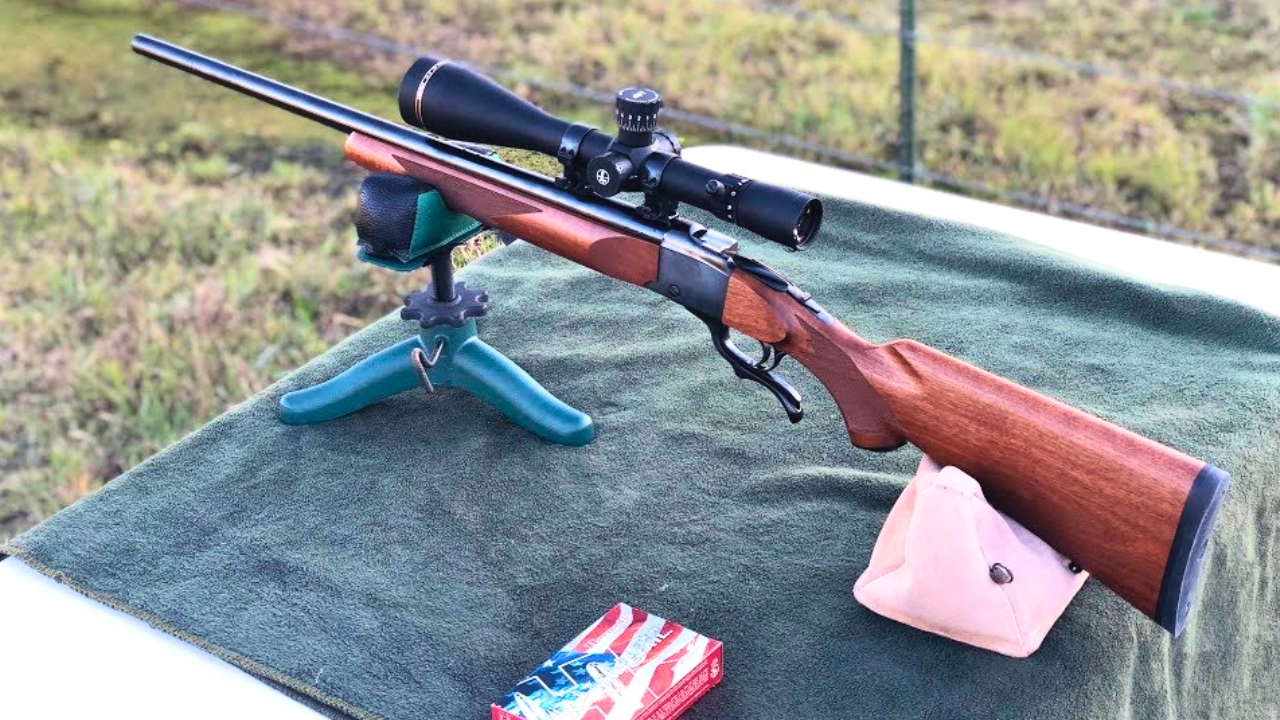
The Ruger No. 1 has enormous appeal because it feels classy, unusual, and confident in a way few modern rifles do. It looks like something a serious rifleman would own on purpose, not because it was cheap or convenient. That gives it a certain social value among rifle buyers, especially the kind who like fine wood, strong lines, and the idea of owning a single-shot with some personality.
That same appeal can make prices drift well past practical territory. The No. 1 is cool, but cool can get expensive fast when buyers are chasing image as much as performance. You are often paying for style, reputation, and the kind of rifle this name suggests you are. Meanwhile, there are easier rifles to shoot well, easier rifles to scope, and easier rifles to buy without feeling like the name added half the bill.
Colt CBX
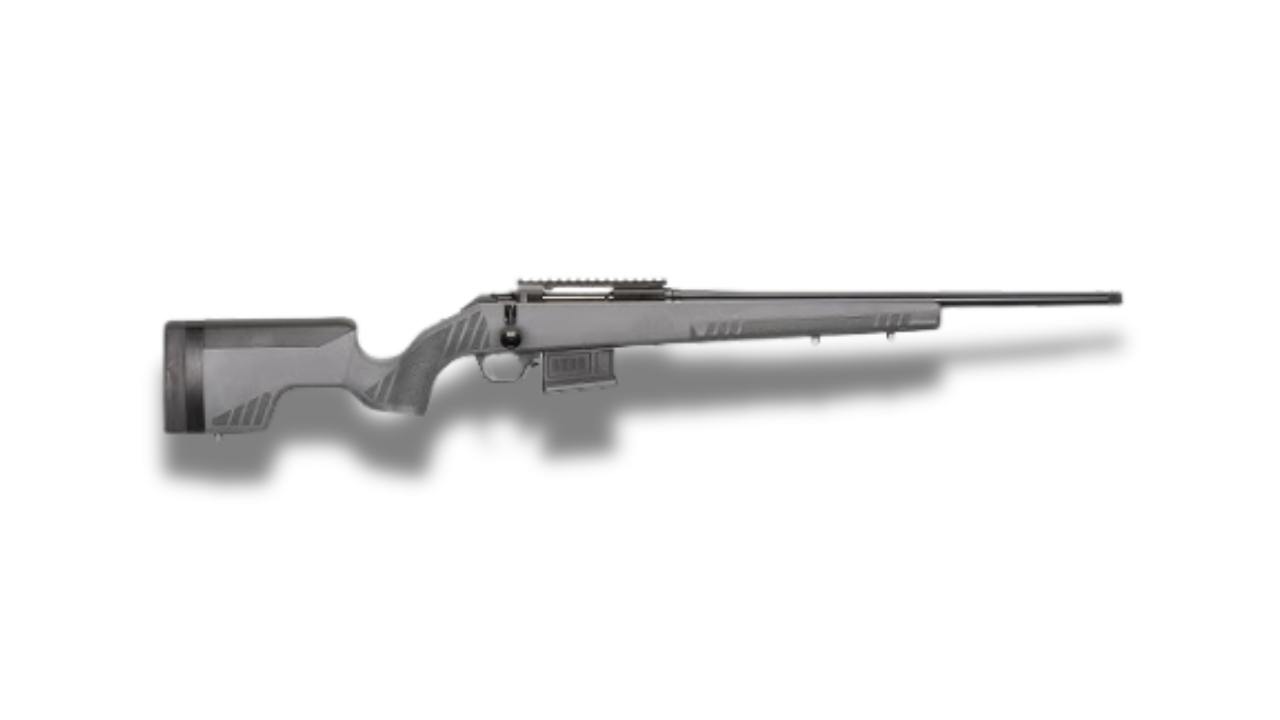
The Colt name still has enough power that people will pay attention to almost anything wearing it, even when that thing is entering a space already crowded with strong options. The Colt CBX benefits from that immediately. Buyers see the pony, think legacy, and assume they are getting something with extra weight behind it. In some cases that works. In others, the name is doing more work than the rifle itself.
That does not mean the CBX is a bad rifle. It means the Colt name creates pricing gravity. Plenty of buyers are willing to pay more because they assume the branding adds long-term value, collectibility, or status. Sometimes that is true. Sometimes it simply means you are paying a premium because the company name is familiar, even though comparable precision and hunting rifles are already out there at prices that make more practical sense.
Springfield Armory M1A

The Springfield Armory M1A keeps commanding money because it offers a powerful mix of military-style appeal, classic profile, and name recognition. A lot of shooters have wanted one for years before they ever buy one. It looks serious, it feels substantial, and it benefits from all the old affection tied to the M14 pattern. That sort of built-in image makes people more willing to stretch their budget than they would with other rifles.
The issue is that emotional value does not always line up with pure buying logic. M1As are often expensive to buy, expensive to accessorize, and not always the easiest path to the performance people imagine. Yet the name still sells the experience. Buyers are often paying for heritage, silhouette, and identity as much as function. That can make sense if that is exactly what they want, but it is still easy to overpay.
Sako 85

Sako has a reputation for refinement, and the Sako 85 benefits from that in a huge way. Mention the brand and people start talking about smooth actions, premium fit and finish, and a level of quality that sits above ordinary production rifles. That reputation has substance behind it, but it also creates a market where buyers sometimes stop asking whether the specific price in front of them still makes sense.
That is where the overpaying starts. Plenty of Sako 85 rifles are excellent, but some prices lean hard on the prestige of the name rather than a clear performance advantage over less expensive rifles. A buyer can end up paying a sizable premium for polish, branding, and status more than any difference they will actually notice in the field. That matters if you care about value, not only how the rifle sounds in conversation.
Weatherby Mark V Deluxe

The Weatherby Mark V Deluxe has been selling a dream for decades, and the dream still works. High-gloss wood, dramatic lines, and that Weatherby branding create an image that feels expensive before you even shoulder the rifle. For buyers who grew up seeing Weatherby as the flashy, high-end hunting rifle, the Mark V Deluxe still has a way of bypassing the practical part of the brain.
That emotional pull is exactly why people pay so much for them. The rifle may be well made, but the premium often reflects the image as much as the substance. A lot of hunters no longer need that kind of finish, weight, or style in a field rifle, yet the name still carries enough authority to justify big asking prices. You are often buying the Weatherby feeling along with the rifle, and that feeling is not cheap.
Kimber 84M

Kimber still has enough name power in hunting circles that many buyers assume the 84M belongs in a higher tier automatically. It is marketed well, it looks trim and serious, and it speaks directly to hunters who want a lighter, more refined rifle than the average rack-grade option. That image keeps prices firm and buyer expectations even higher, especially when the rifle is wearing attractive wood or a well-known chambering.
But image and value do not always stay in sync. The 84M can be a very nice rifle, yet some examples get priced like the name itself guarantees a level of performance or finish that may not clearly separate it from cheaper alternatives. Buyers are often paying for weight savings, aesthetics, and the Kimber badge in equal measure. If everything lines up, fine. If not, the premium starts feeling harder to defend.
Browning X-Bolt Medallion

The Browning X-Bolt Medallion keeps benefiting from the same thing Browning has sold successfully for years: a sense that this is the nicer rifle, the polished one, the one with a little more pride built into it. That image matters to buyers who want something beyond a plain synthetic hunting tool. With Browning, the name and trim package together can make a rifle feel more elevated before it even reaches the range.
That is also how people end up paying more than they need to. The Medallion is attractive, but attractive rifles often get priced with the assumption that appearance equals better value. Sometimes you are paying a lot for wood, finish, and the Browning identity while getting field performance that is not dramatically different from rifles costing much less. For some buyers that still feels worth it. For others, the math gets ugly fast.
Winchester 94

The Winchester 94 is one of those names that almost sells itself. It is tied to deer camps, American rifle history, and a certain old-school picture of what a hunting rifle ought to be. That keeps demand high even among people who are not especially deep into lever guns. The name carries romance, memory, and identity, and all of that shows up in the price people are willing to pay.
The issue is that not every Winchester 94 deserves the emotional premium attached to it. Plenty of plain, worn, common examples still get priced like they are something more than a decent old lever gun. Lever-action popularity only made that worse. Buyers often end up spending a lot because the name “Winchester 94” still hits hard, even when the rifle itself is not rare, not exceptional, and not necessarily a strong value.
Cooper Model 54
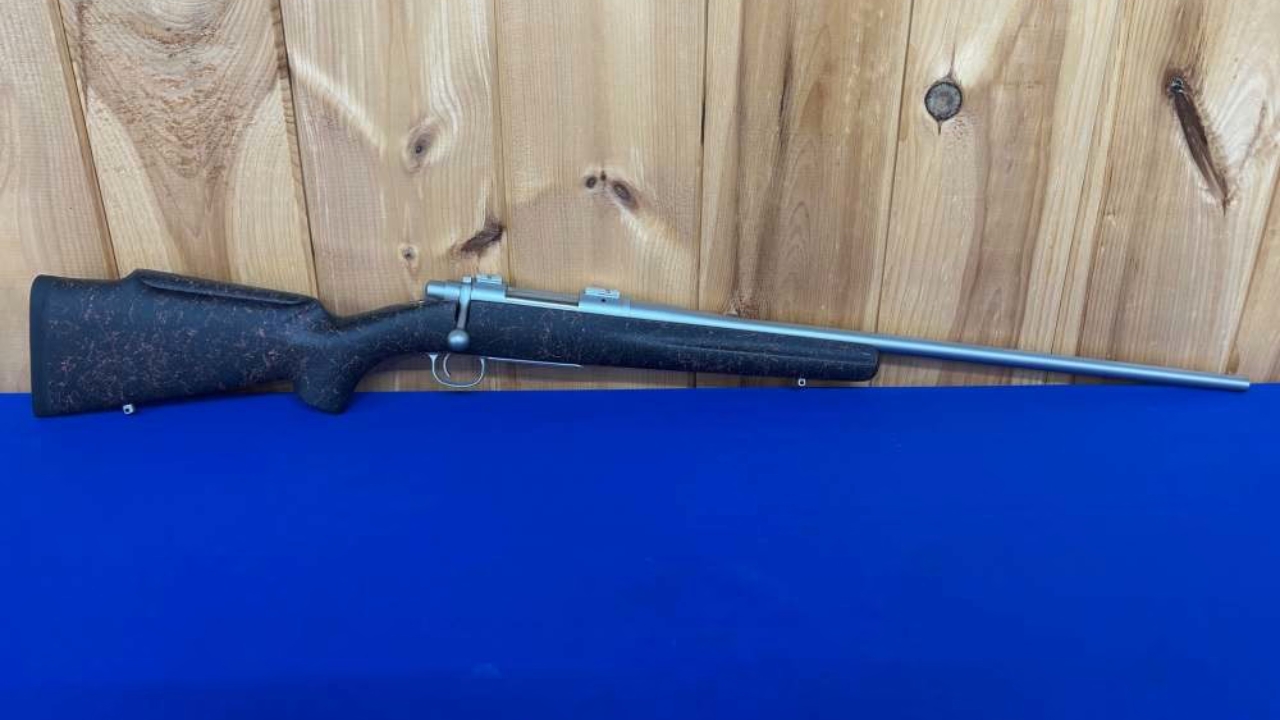
Cooper rifles have built a reputation around accuracy, craftsmanship, and a more premium ownership experience, and that reputation absolutely helps the Model 54 command strong prices. Among rifle buyers who appreciate pretty wood, careful finishing, and boutique-brand appeal, the Cooper name still opens wallets fast. There is a sense that you are buying into a more serious tier of rifle ownership, not simply another bolt gun.
That prestige can also push buyers into spending more than the real-world difference may justify for their needs. The Model 54 may be excellent, but not every owner needs a rifle at that level to get the job done. Some buyers are paying for exclusivity, fit and finish, and the brand’s reputation as much as anything they will truly benefit from in the field. That is where the premium starts feeling more emotional than practical.
Savage 99

The Savage 99 has become one of those rifles that benefits from a strong mix of nostalgia and name recognition inside the lever-gun world. It is respected for good reasons, and shooters who know what it is often speak about it with genuine admiration. That matters, because once a rifle gains “they don’t make them like that anymore” status, prices tend to climb whether the individual example deserves it or not.
A lot of buyers end up paying for the story as much as the rifle. The 99 is interesting, capable, and historically important, but ordinary examples can still get priced higher than common sense says they should. Sellers know the name has pull, and buyers often do not want to miss out. That combination pushes values higher, even when the rifle in question is more cool old hunting piece than premium must-buy.
Christensen Arms Ridgeline
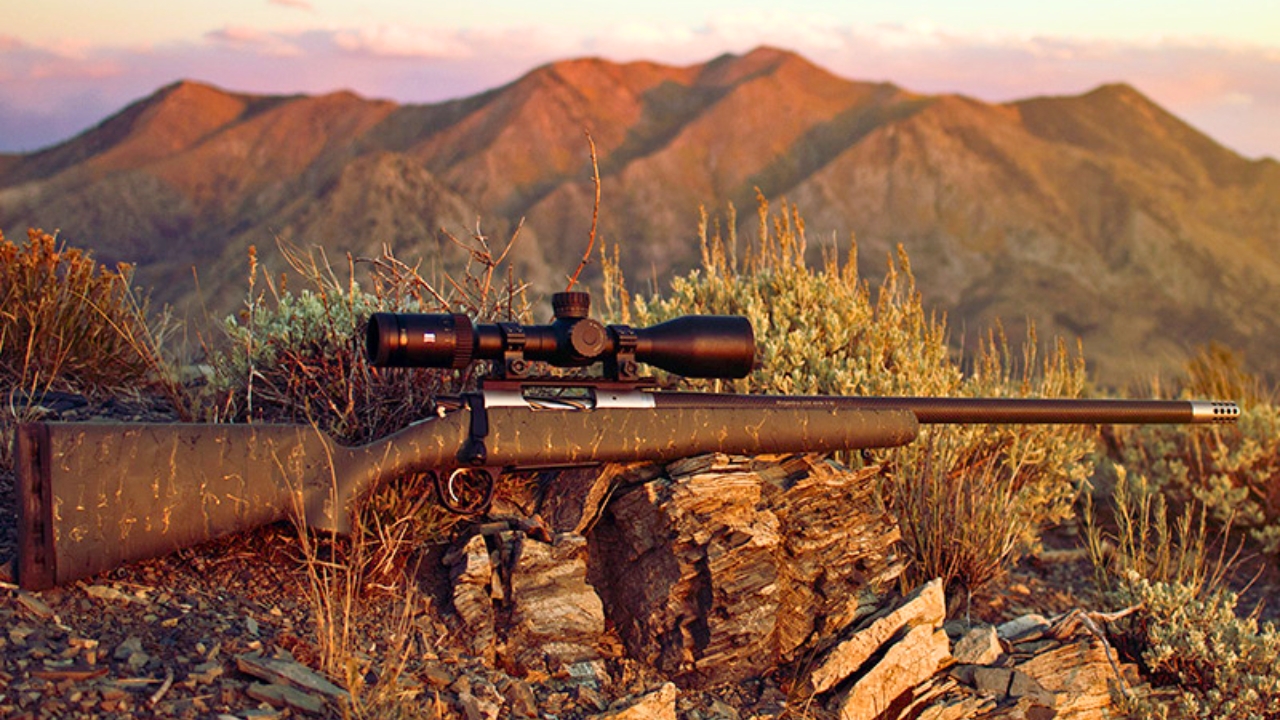
Christensen Arms built a name around lightweight performance, modern materials, and a more premium western-hunting image, and the Ridgeline sits right in the middle of that appeal. A lot of buyers see the name and assume they are stepping into a better class of rifle immediately. Carbon fiber still sounds advanced, and the brand identity makes people feel like they are buying something serious and up-to-date.
That perception can absolutely inflate what buyers are willing to spend. The Ridgeline may fit the needs of some hunters very well, but the name and styling often add a layer of desirability that pushes prices beyond what plenty of shooters really need. When people are paying partly for the modern premium image, the rifle has less pressure to prove every dollar strictly on function alone. That is usually where overpaying begins.
Pre-64 Winchester Model 70

The pre-64 Winchester Model 70 is the ultimate example of how a name can become a pricing engine all by itself. Mention “pre-64” and the room changes. Collectors perk up, old hunters start talking, and sellers suddenly feel like every worn rifle with honest use should command serious money. There is real history there, and the reputation was earned, but that does not stop the phrase itself from doing incredible work.
A lot of buyers pay heavily for the idea of owning one, not only the actual rifle they are holding. Some examples absolutely deserve premium treatment, but others ride on the fame of the label more than their specific condition or usefulness. It is one of the strongest names in the rifle market, which is exactly why people keep overpaying. The legend still works, and everybody in the room knows it.
Like The Avid Outdoorsman’s content? Subscribe to our newsletter so you never miss an article.
Here’s more from us: