Photo credit: NRApubs/YouTube
You’ve been around firearms long enough to know the drill: a big name on the slide promises reliability, accuracy, and that certain feel in your hand that makes you trust it when things get real. But here’s the truth—you can’t always bank on the logo. Over the years, I’ve handled, shot, and dissected enough pistols to see how even established makers can drop the ball. These aren’t cheap knockoffs; they’re from brands with military contracts, decades of history, and shelves full of awards. Yet they falter on basics like feeding rounds smoothly or holding zero after a few hundred shots. What stings is how the hype pulls you in, only for the range session to reveal cracks in the foundation. We’re talking designs that looked great on paper but crumbled under actual use. Stick with me here—you’ll see why digging past the brand story matters more than ever when you’re picking your next carry gun.
The Colt All American 2000

You remember when Colt tried to chase the polymer wave in the early ’90s, right? The All American 2000 rolled out with all the fanfare of a company desperate to reclaim its edge against upstarts like Glock. It had a linked chamber system meant to cut down on malfunctions, and the rotating barrel promised better accuracy. On paper, it sounded like the future—lightweight frame, high capacity, and that iconic Colt pony staring back at you. But pick one up today, and you’ll feel the weight of unmet expectations. The first batches suffered from constant failures to feed, especially with hollow points, turning what should have been a defensive powerhouse into a range toy that needed constant babysitting.
Shoot one, and the issues stack up fast. The trigger’s mushy double-action pull drags on for what feels like miles, making follow-ups sloppy even for seasoned hands. Recoil flips it in your grip more than you’d expect from something billed as ergonomic, and the sights? They’re basic stamped steel that wander after a box or two of ammo. Colt pulled the plug after just a couple years, but not before tarnishing its rep with owners who shelled out premium cash for a dud. If you’re eyeing a used one cheap, walk away—it’s a reminder that even legends stumble when they rush the innovation. (138 words)
Remington R51

Remington’s name carries the echo of duck blinds and deer stands, so when the R51 hit in 2014, you figured it’d blend that heritage with modern carry needs. They revived a 1950s Pedersen design, chambered in 9mm with a slim profile and 17-round mags—perfect for appendix carry without printing like crazy. The hype centered on its soft-shooting straight-blowback action, supposed to tame recoil while keeping things compact. Early buzz had folks lining up, trusting Remington’s track record to deliver a reliable striker-fired option that didn’t feel like a toy.
Then reality kicked in hard. Out of the box, these things jammed on every other round—stovepipes, failures to eject, you name it. The recall came swift, citing out-of-battery detonations that could wreck the slide or worse. Even after the fix, the trigger’s gritty and the ergonomics force your pinky to dangle awkwardly, throwing off your draw. I’ve seen grown men curse one after a single mag, wondering how a brand like that let QC slip so bad. It’s sitting on the used market now, dirt cheap, but that’s the trap—reputation got it sold, not performance. Save your money for something that actually cycles without drama. (142 words)
Kimber Solo Carry

Kimber built its empire on polished 1911s that command top dollar, so the Solo Carry in 2011 felt like a natural leap—a micro 9mm with single-action crispness in a package small enough for deep concealment. You could almost hear the marketing: premium materials, night sights standard, and that buttery trigger everyone raves about in their full-size models. It promised to bridge the gap between subcompacts and the refinement you expect from a brand that charges custom-shop prices, drawing in folks tired of plastic striker-fired monotony.
But load it up, and the cracks show quick. It’s notoriously ammo-sensitive, spitting out failures to feed unless you run the priciest defensive loads—fine for plinking, disastrous for carry. The recoil spring fights you on every slide rack, and the grip’s so narrow your hand swims in it during rapid fire, leading to limp-wrist malfunctions. Kimber tweaked it over generations, but even the updates couldn’t mask the fundamental flaws. Owners trade stories of sending theirs back three times, only to sell in frustration. If you’re drawn to that 1911 vibe in a pocket pistol, look elsewhere—this one’s all shine, no substance where it counts. (139 words)
CZ 100
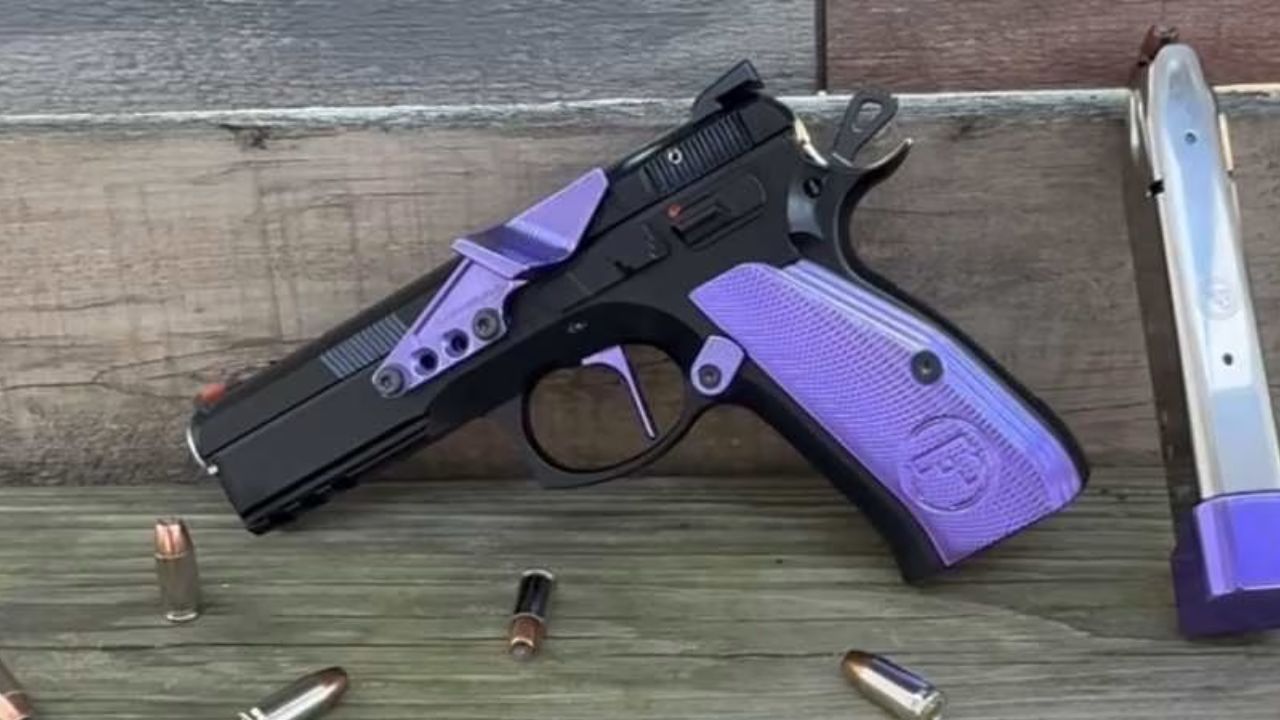
CZ’s got a lock on metal-framed perfection, from competition shadows to duty hammers, so when they dipped into polymer with the 100 in 1997, you expected a seamless shift. Double-action-only trigger, 14 rounds of 9mm, and ergonomics that echoed their legendary feel—it was pitched as the Eastern Bloc answer to the Glock, built tough for everyday carry without the bulk. The double-stack mag and decocker screamed practicality, pulling in shooters who wanted reliability wrapped in a familiar grip angle.
Reality hit differently at the range. That DAO trigger? It’s a 12-pound slog, gritty as sandpaper, turning precise shots into guesses after the first pull. The frame’s blocky, digging into your palm during extended sessions, and the recoil claws more than you’d forgive from a brand known for control. Feed ramps chew through FMJ fine, but JHPs stovepipe regularly, leaving you racking the slide mid-drill. CZ discontinued it quick, a rare misstep for a company that rarely blinks. If you spot one cheap, it’s a curiosity at best—proof that even masters of the craft can fumble when chasing trends. Trust your hands over the badge. (137 words)
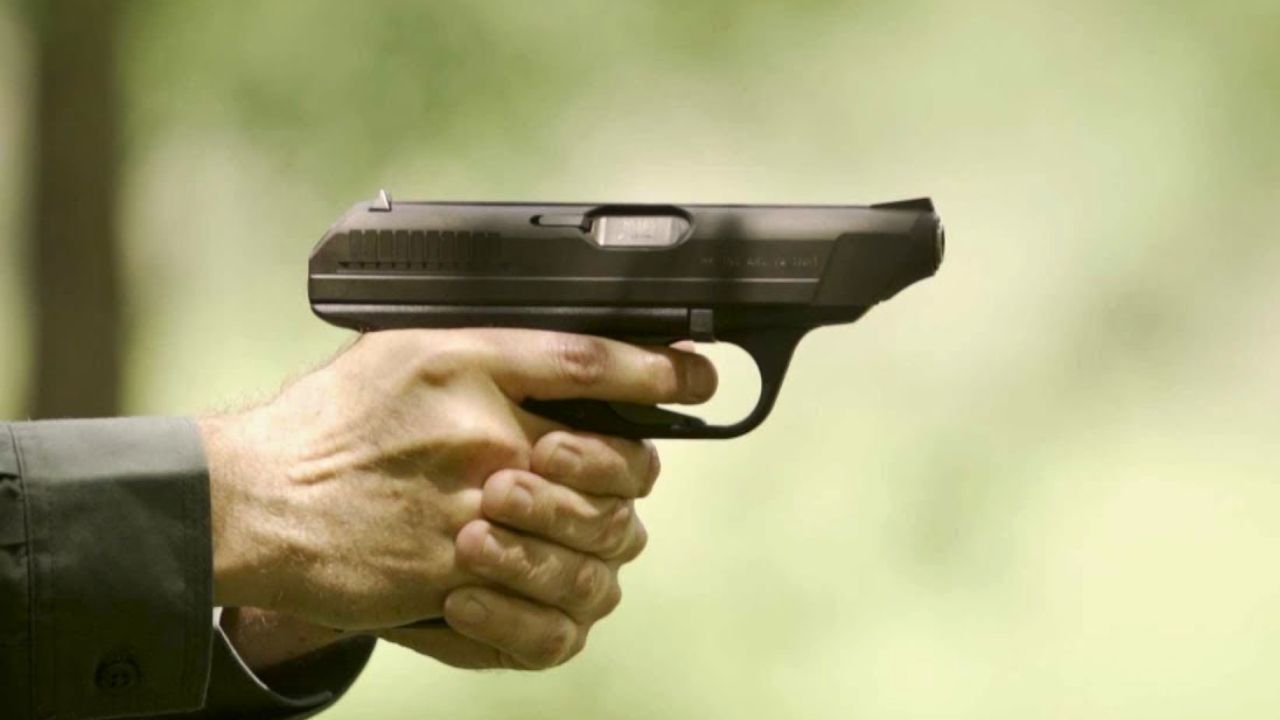
HK VP70

Heckler & Koch redefined tactical with the MP5 and G3, so the VP70 in 1970 arrived with whispers of revolution—a double-action 18-round 9mm that ditched the manual safety for burst-fire capability via add-on stock. You could feel the engineering heft: polymer frame ahead of its time, machined slide, and that promise of controlled full-auto if you wanted it. It was the Cold War sidearm for forward thinkers, hyped as the pistol that’d change how you train, blending civilian carry with military edge.
Fast-forward, and it’s a handful you regret grabbing. The trigger’s a double-action wall at 10 pounds, with single-action follow-ups that stack unpredictably—great for one shot, hell for strings. No manual safeties mean your finger’s the only guard, and the grip’s straight and slippery, amplifying muzzle flip on hot loads. I’ve watched it double on light pulls, turning drills into heart-stoppers. The burst stock? Clunky and rare, adding weight without payoff. HK moved on, but the VP70 lingers as a what-if that never was. If you’re collecting history, sure—but for real work, let reputation guide you to their later hits. (141 words)
Beretta Model 1923
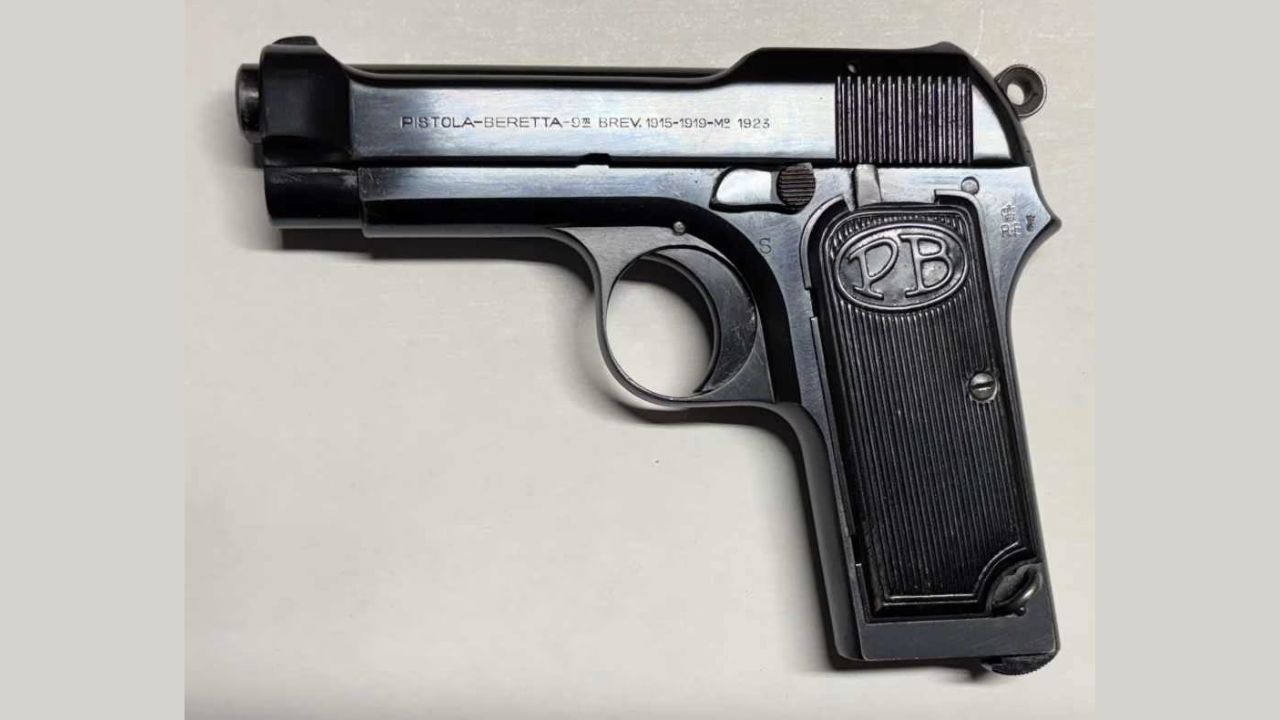
Beretta’s lineage stretches back centuries, forging icons like the 92 that armed generations, so the 1923 semi-auto carried that weight into interwar Europe. Chambered in 9mm Glisenti with an exposed hammer and fixed barrel, it was meant for officers needing something compact yet authoritative—eight rounds, checkered grips, and a lanyard ring for holster security. Italian craftsmanship shone in the bluing, and early adopters trusted the name for discreet carry in tense times.
But fire a few mags, and the flaws glare. The Glisenti round underperforms against hotter Parabellum loads, lacking punch beyond 15 yards, while the fixed barrel soaks up recoil harshly, battering your wrist. Ejections are finicky, often weak and to the left, fouling your sight picture mid-string. The safety’s stiff, demanding two-handed flips that slow your draw. Surplus finds pop up cheap, tempting the history buff in you, but reliability dips with age—springs weaken, and feeding turns spotty without tweaks. Beretta outgrew it fast, but the 1923 stands as a footnote: prestige doesn’t fix poor ballistics or ergonomics. Handle with care, or better yet, skip it. (136 words)
Taurus PT92
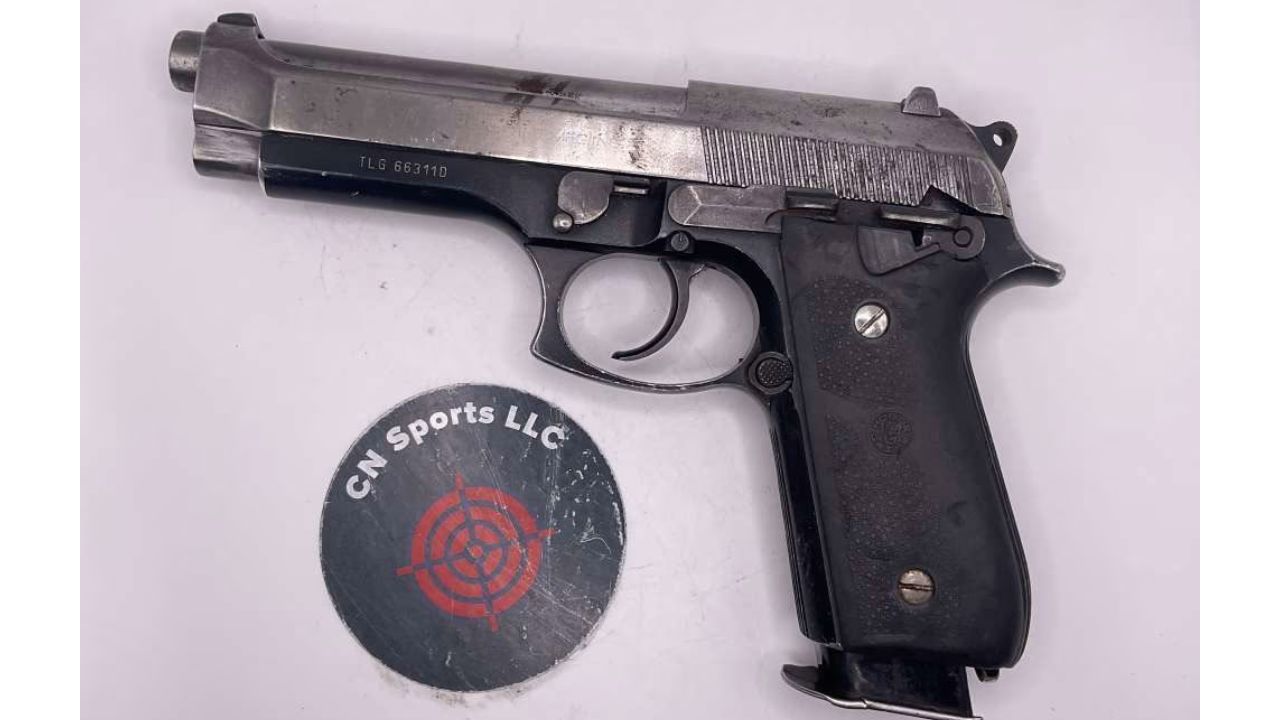
Taurus cloned the Beretta 92 under license, inheriting the Brazilian flair for affordable steel-frame 9mms, so the PT92 landed with promises of duty-grade toughness at half the price—17 rounds, alloy frame, and that ambidextrous safety you know from the military surplus wave. It was the everyman’s M9, hyped for home defense or range days without breaking the bank, leaning hard on the Beretta blueprint for instant familiarity.
You settle in for a session, and the cracks widen. The slide finish wears thin quick, pitting under sweat or holster rub, while the trigger bar binds after 200 rounds, stacking pulls into mush. Magazines drop free unintentionally during movement, a nightmare for competition or carry. I’ve cleared more dirt from its feed ramp than I’d like, thanks to inconsistent ejection patterns that leave casings at your feet. Taurus offers a lifetime warranty, but shipping it back eats your time. It’s functional for basics, but when a clone undercuts the original this much, you question the value. Reputation borrowed, execution owned—choose wisely next rack. (132 words)
Smith & Wesson Model 915
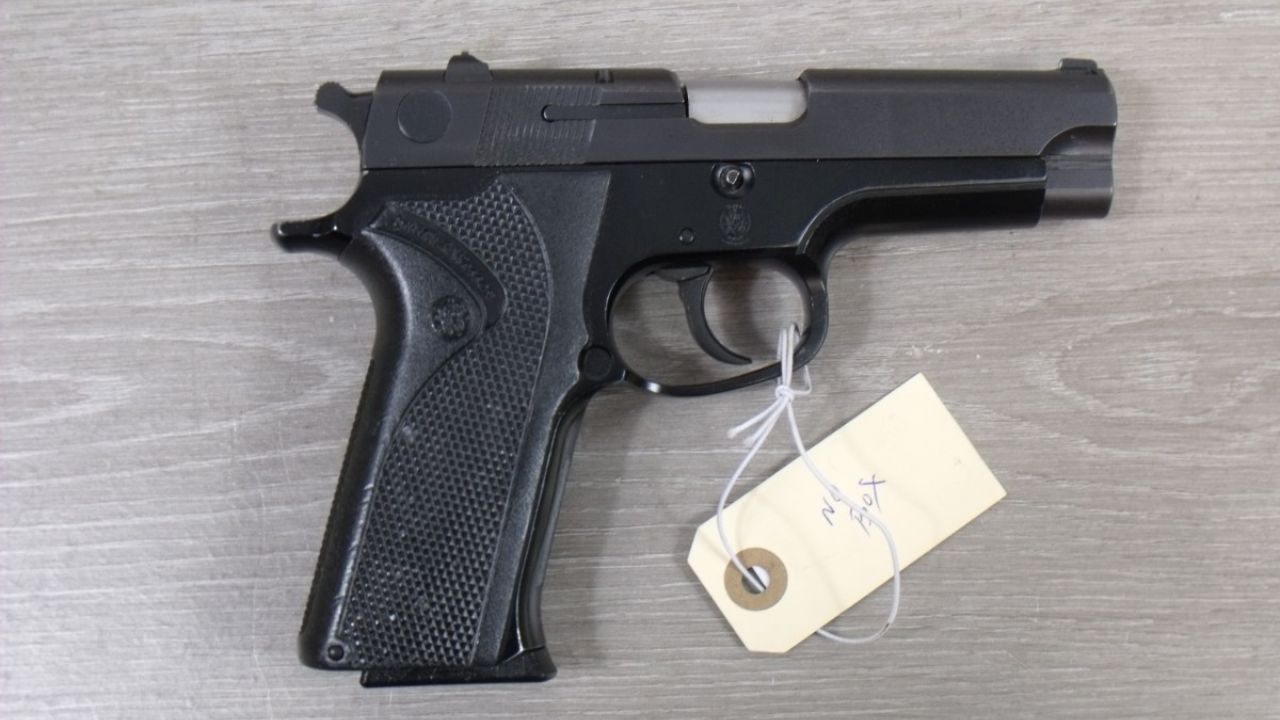
Smith & Wesson defined the wheelgun era, so their 1980s push into aluminum-frame 9mms with the 915 felt like a smart evolution—10 rounds in a second-gen auto, thumb safety, and that smooth S&W action tailored for lawmen transitioning from revolvers. It was the bridge pistol, trusted for its all-steel reliability shrunk down, with fixed sights and a loaded-chamber indicator that screamed thoughtful design.
Rack a few boxes, though, and doubt creeps in. The recoil in that light frame snaps harder than expected, flipping shots wide on double-action starts, while the single-action reset hangs just enough to throw your rhythm. Hammer bite nips at your web if your grip shifts, and the mag release? Stiff and finicky, especially gloved. Surplus ones show up with cracked frames from heavy use, a far cry from S&W’s bombproof rep. It served its time quietly, but modern eyes see it as dated—decent for nostalgia, lousy for daily carry. When the brand’s blues catch up to the hype, you learn to test before trusting. (129 words)
Ruger P85
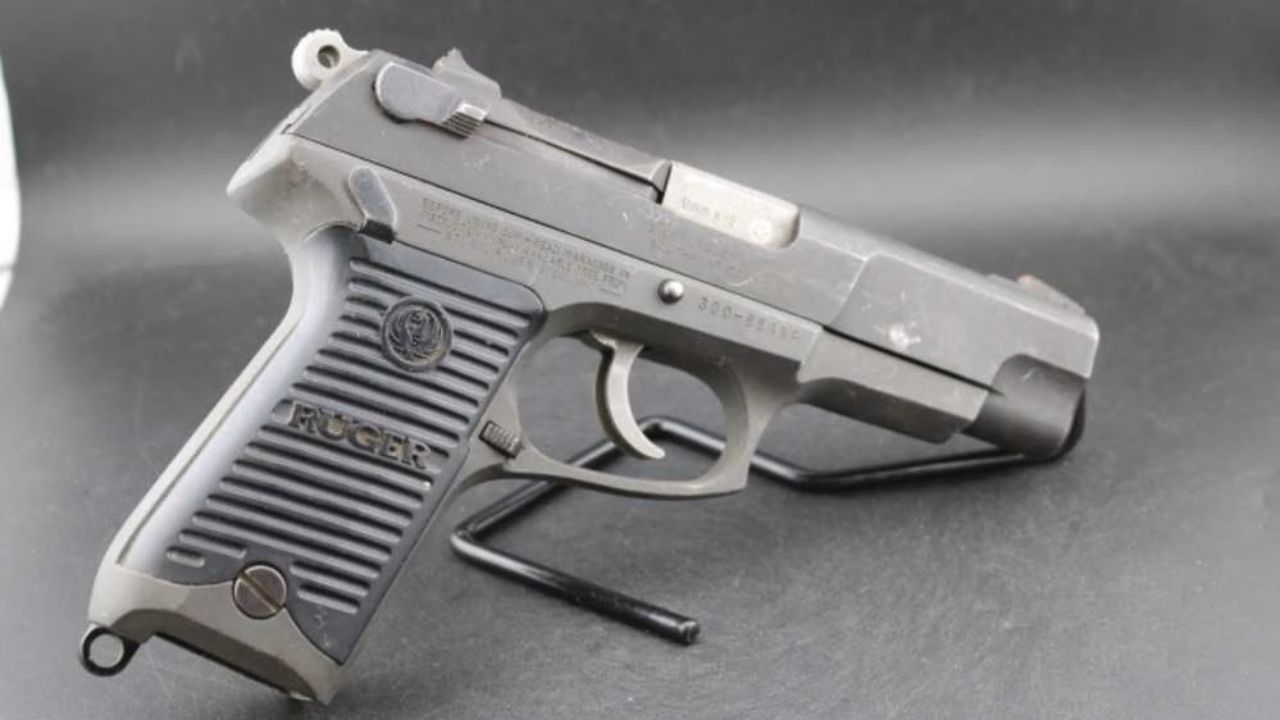
Ruger stormed the market with rugged rifles and revolvers, so the P85 in 1987 promised the same no-fuss durability in a 9mm wondernine—15 rounds, all-steel build, and ambidextrous safety for lefties or righties alike. It was the workingman’s striker, hyped for shop counters where folks wanted American-made toughness without Colt premiums, echoing the era’s shift to high-capacity duty guns.
You hit the range, and the weight wears you down first—over two pounds loaded, turning draws into lumbering affairs. The trigger’s a long, creepy double-action that stacks unpredictably, scattering groups at 15 yards, while recoil travels straight to your elbow without much mitigation. Sights are dovetailed but drift under vibration, and the blued finish chips easy in humid carries. Ruger iterated fast to the P89, fixing some gripes, but the 85 lingers as the awkward first step. It’s tough enough for plinking, but when you expect bombproof from the ranch rifle kings, this feels like overreach. Reputation sets the bar high—don’t settle when it dips. (131 words)
Sig Sauer P320
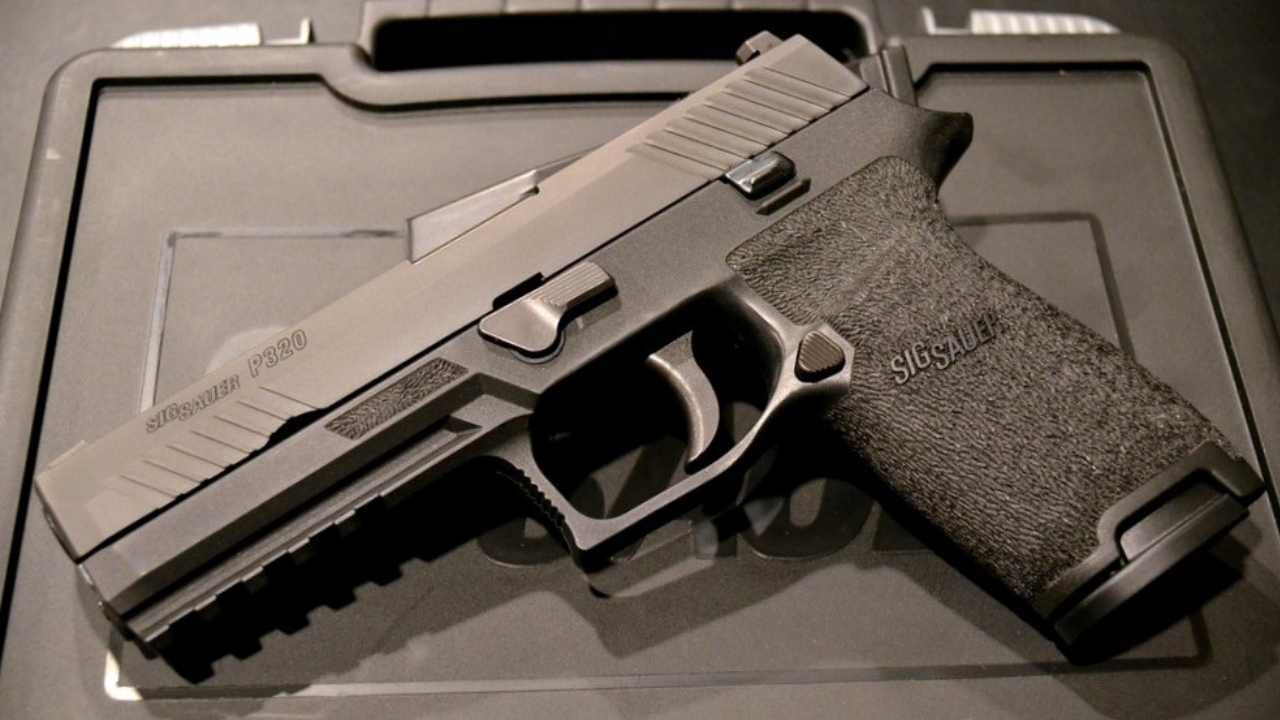
Sig’s Swiss precision armed elite forces worldwide, so the modular P320 in 2014 exploded with hype—a striker-fired 9mm you could swap calibers and frames on, straight from the military trials. You figured it’d be the customizable king, with 17 rounds, optic-ready slide, and that flat-shoot action promising upgrades without buying new. It was the pistol for tinkerers, trusted to evolve with your needs.
Early adopters hit walls quick, though. Drop-fire discharges plagued first gens, firing from holsters without trigger pulls—Sig’s voluntary upgrade program stemmed the lawsuits, but trust eroded. The grip texture bites during sweaty draws, and the striker can feel mushy compared to crisper rivals. Modularity shines for collectors, but for straight carry, it demands tweaks out of the box. I’ve tuned a few to run flawless, but that’s the point: a brand this storied shouldn’t ship half-baked. It’s solid post-fix, yet the saga proves even pedigreed designs need scrutiny. You deserve better than beta-testing your sidearm. (133 words)
Walther P22

Walther’s PPQ set the bar for ergonomic triggers, so the rimfire P22 in 2008 seemed like a playful extension—a .22LR trainer with 10 rounds, laser-ready frame, and that renowned striker feel scaled down for plinking or new shooters. It was the budget gateway, hyped for breaking in triggers without burning cash, carrying the German engineering stamp for affordable fun.
Load it with bulk ammo, and the fun sours. It jams on every third round—failures to feed from the wobbly mags, or light strikes on primers that leave you dry-firing ghosts. The sights drift loose after 100 shots, and the polymer frame flexes under sustained fire, throwing point of aim. Recoil’s negligible, sure, but so’s the confidence when it turns single-shot mid-mag. Walther fixed some via updates, but core issues persist. For a brand synonymous with PP origins, this feels like a cash grab. Skip it for steel .22s that actually cycle—reputation won’t chamber your rounds. (127 words)
Like The Avid Outdoorsman’s content? Be sure to follow us.
Here’s more from us:
The worst deer rifles money can buy
Sidearms That Belong in the Safe — Not Your Belt
*This article was developed with AI-powered tools and has been carefully reviewed by our editors.