
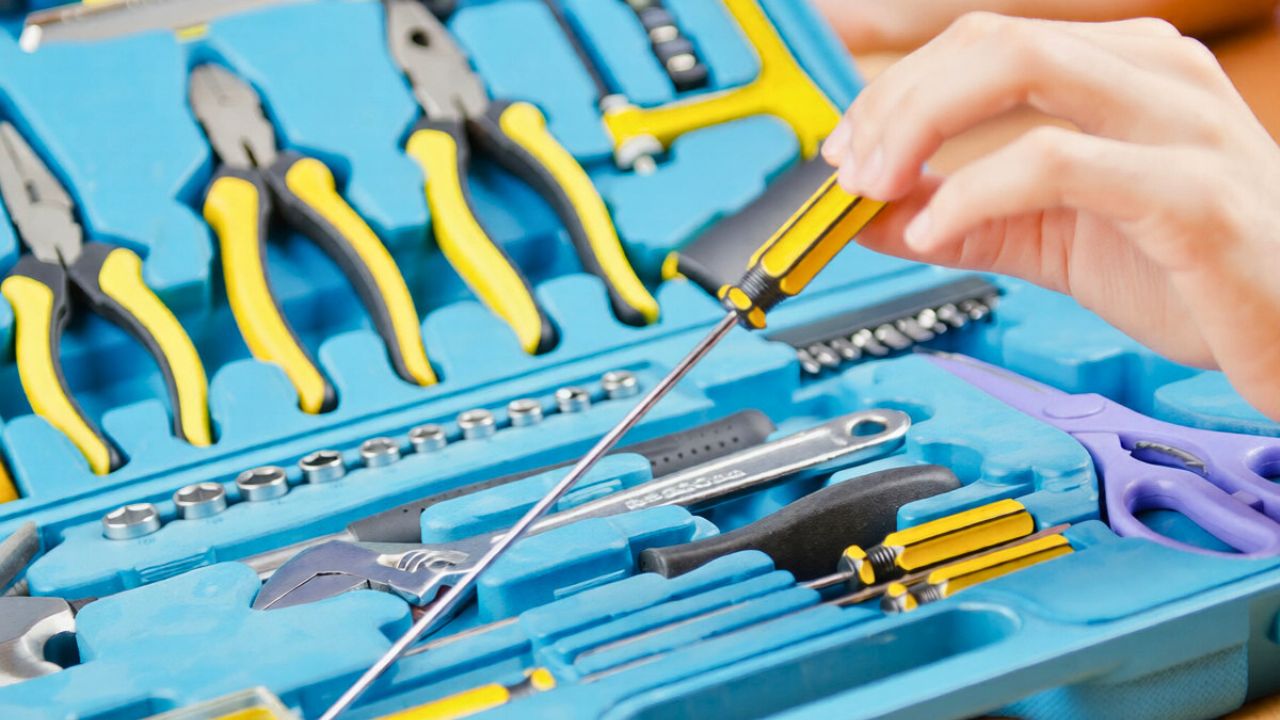
Photo credit: Elnur/Shutterstock.com
There are some people I don’t mind handing a tool to without a second thought, and then there are the ones who make me start quietly gathering my stuff the second I see them heading my way. That reaction usually doesn’t come from one big disaster. It comes from a pattern. It comes from watching a guy use the wrong tool for the job, put things back filthy or broken, or act like common sense is something that should arrive separately from the toolbox. I’m not precious about tools. I believe in using them. Scratches happen. Handles wear out. A good drill, socket set, or shovel ought to earn its keep. But there’s a huge difference between putting tools to work and putting them in the hands of somebody who seems determined to shorten their life in one afternoon. After enough years around garages, sheds, hunting camps, and weekend projects, I’ve learned that some men can turn a simple repair into a case study in why other grown adults start keeping one eye on their gear.
The wrong tool tells on a man fast
One of the quickest ways somebody makes me protective of my tools is by reaching for whatever is closest instead of what actually fits the job. That habit is almost always a warning sign. The guy who uses pliers instead of the right wrench, a flathead instead of a pry bar, or a framing hammer like it’s supposed to solve every problem on earth is usually about to make the work harder and the tools worse. That kind of person tends to think improvising is the same thing as being handy. Sometimes it is. A lot of times it’s just laziness wearing a confident expression. Real competence usually looks a lot less dramatic. It looks like taking a few extra seconds to grab the right socket, the right bit, the right driver, or the right cutting tool so nothing gets stripped, rounded, bent, or broken for no reason. When a man can’t be bothered to do that, what he’s really saying is that your tools are cheaper to him than his own patience.
Borrowers who don’t notice damage are the worst kind
I can forgive a mistake faster than I can forgive carelessness. If somebody drops a tool, chips something by accident, or wears out a part through real use, that’s life. What gets under my skin is the guy who returns something dirty, damaged, or half-functional and acts like it came that way. He’ll hand you back a drill with a dead battery, a tape measure packed with mud, or a socket ratchet that suddenly feels like gravel inside, and there’s not even a flicker of acknowledgment on his face. That tells me a lot more than the damage itself. It tells me he’s either oblivious or he thinks respecting another man’s equipment is optional. Both are bad signs. People who live around tools and actually depend on them tend to notice the condition of what they’re using. They wipe things down. They charge what they drained. They speak up if something went wrong. When a man does none of that, I start deciding real quick that the easiest repair in my life might be simply not loaning him anything else.
There’s a type of guy who treats every project like a wrestling match
Another reason I start hiding tools is when somebody approaches every job like the equipment needs to be overpowered into cooperation. He yanks, torques, slams, forces, and strips things because brute force is the only setting he seems to have. That’s a miserable trait in a shop or around camp. I’ve seen guys ruin fasteners, crack plastic housings, chew up handles, and snap cheap hardware because they cannot tell the difference between something that needs pressure and something that needs finesse. The older I get, the more I respect people who can feel what a tool is telling them. They know when a bolt is binding, when threads are going bad, when a blade is dull, or when something needs penetrating oil instead of a stronger opinion. A man who lacks that sense can do a lot of damage with even decent equipment. Give him a nice set of pliers, a torque wrench, or a cordless impact, and suddenly your helpful gesture turns into a lesson in avoidable abuse.
Tool organization says more than people think
The way a person handles tools before and after using them tells me almost everything I need to know. A dependable man tends to notice where things came from and where they belong. He doesn’t scatter sockets across the driveway like birdseed or leave hand tools in the grass where rust and lawnmowers can find them first. He doesn’t toss a muddy shovel into a pile of extension cords or bury your good utility knife under random junk in the truck bed. That kind of disorder doesn’t just make a project slower. It shows a deeper kind of sloppiness that usually bleeds into everything else he does. I’m not saying every garage has to look like a showroom. Mine sure doesn’t. But there is a difference between lived-in and careless. Practical storage matters for a reason. A solid Craftsman chest or even a simple Bass Pro utility organizer for small parts and field tools can keep a job from turning into a scavenger hunt. Men who ignore that stuff usually become the same ones asking where the 10mm went right after they were the last ones using it.
The most dangerous guys are the overconfident ones
What really makes me start protecting my tools is not ignorance by itself. It’s ignorance mixed with swagger. A guy who admits he’s not sure what he’s doing is usually easier to work with than the one who acts like he already knows while doing everything half wrong. The overconfident kind is the one who grabs your tools without asking enough questions, waves off instructions, and then somehow manages to blame the tool when the result is ugly. He’ll say the drill is weak, the saw is junk, or the wrench slipped when the real issue is that he came in hot and careless from the start. That combination of pride and poor judgment is hard on equipment because it keeps a man from slowing down long enough to use anything correctly. I’d rather hand tools to somebody green but honest than to a man who thinks confidence itself counts as skill. One can learn. The other usually needs to get humbled first, and I’d prefer it not happen with my tools in his hands.
Respect for tools usually means respect for work
The reason this stuff matters to me is bigger than the tools themselves. When somebody handles tools badly, it usually reflects how they see work in general. They want the result, but they don’t respect the process. They want help, but they don’t value the equipment that makes the job go smoother. They want to look capable without developing the habits that actually make a person useful. That shows up fast around projects. The men I trust most tend to treat tools like working partners, not disposable props. They keep them clean enough to last, store them where they can find them, and use them with some awareness of what the next job may need. That doesn’t make them soft or fussy. It makes them reliable. These days, if I see a man walk over and immediately start pawing through my tools like a raccoon in a feed bin, I’m not being unfriendly when I get selective. I’m protecting the stuff that keeps work moving and quietly avoiding the kind of headache that starts with “mind if I borrow this real quick?”
Like The Avid Outdoorsman’s content? Be sure to follow us.
Here’s more from us:


