
Some rifles create a very specific kind of regret. In one version, the rifle is actually good, but the buyer waited too long and ended up paying way more than it used to cost. In the other version, the buyer paid the premium, lived with the rifle for a while, and slowly realized the thing was never worth that kind of money in the first place. Both kinds of regret sting, just in different ways.
That is what makes this group interesting. These are rifles that either climbed high enough to make late buyers feel foolish or disappointed owners feel trapped. Some were boosted by nostalgia. Some rode scarcity. Some got pushed by name recognition and hype that made the price easier to swallow at the counter than it was later at the range or in the field. Either way, these are the rifles people often look back on and wish they had bought cheaper, or not bought at all.
Marlin 1895 Guide Gun

The Marlin 1895 Guide Gun is one of the clearest examples of a rifle people wish they had bought before the market lost its mind. There was a time when it was a respected working lever gun, not a semi-emotional purchase that required a deep breath before looking at the price tag. A lot of shooters admired it, figured they would grab one later, and then watched later become painfully expensive.
On the other side of that, some buyers jumped in at peak prices and started wondering whether they had paid mostly for the fantasy. The rifle is still handy, powerful, and genuinely useful in the right role, but not everybody who bought one at inflated numbers had a real use case to match the cost. That is how you end up with two kinds of regret wrapped around the same rifle.
Winchester 9422

The Winchester 9422 is the kind of rifle people either wish they had bought ten years ago or wish they had not paid current money for. It is a very nice rimfire lever gun, and that quality is real. The problem is that the price gap between what it is and what people now feel pressured to pay for one can be hard to ignore once the initial excitement wears off.
A buyer who got one back when they were still reasonably available usually feels smart. A buyer who pays today’s stronger prices can start wondering whether the nostalgia tax got a little out of hand. It is still a likable rifle. That is what makes this more painful. A rifle can be genuinely good and still leave people wishing they had either bought sooner or kept walking.
Ruger No. 1
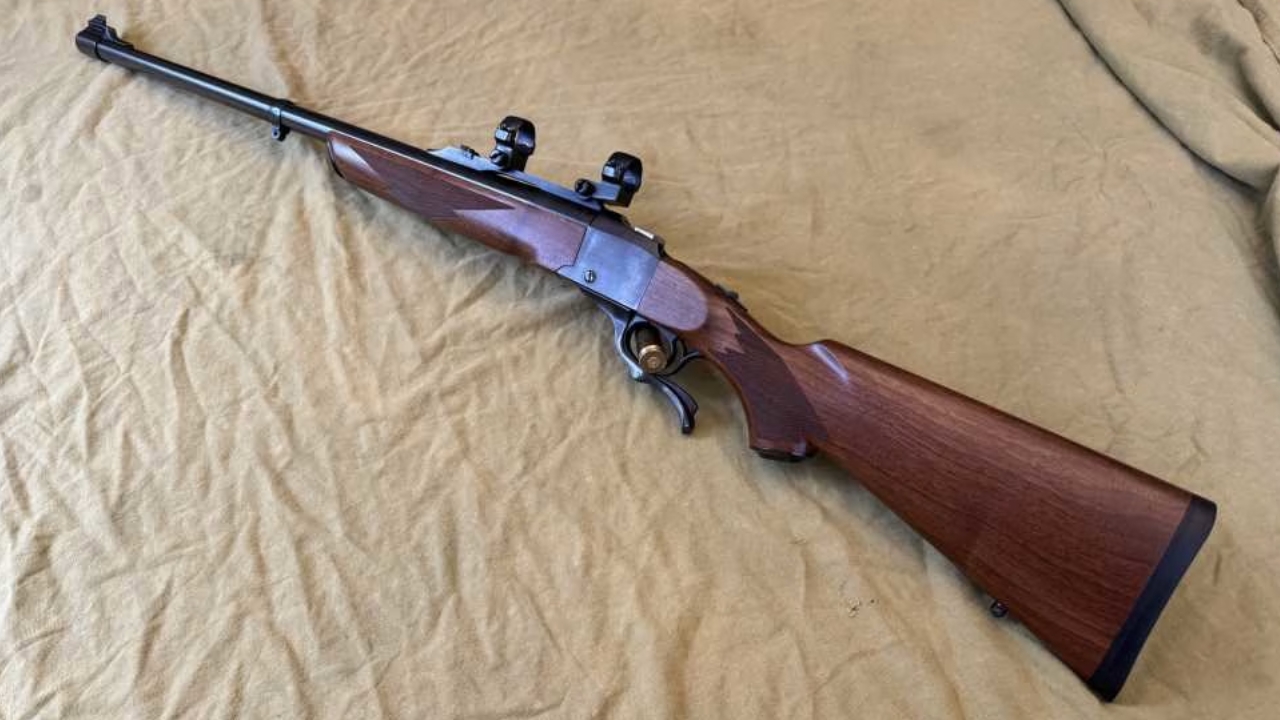
The Ruger No. 1 is one of those rifles people admire so hard that they sometimes stop thinking clearly about value. It is elegant, distinctive, and built around a kind of style you do not see much anymore. That makes it very easy to want and very easy to overpay for, especially in a desirable chambering or nice wood configuration.
A lot of owners love them, but plenty also admit the rifle asks you to pay a lot for romance. If you bought one years ago, that probably feels easier to justify. If you bought one after the market got more aggressive, you may start realizing you paid a premium for charm and image more than practical field advantage. That is not the kind of realization people enjoy having after the check clears.
Savage 99

The Savage 99 hits this headline from both directions. It is one of those rifles knowledgeable shooters often wish they had bought back when it was still treated like a smart old hunting rifle instead of a rising collectible. Clean examples in the right chamberings used to feel attainable enough that buyers assumed they would always have another chance.
Then current prices show up and make some of those same buyers feel like they missed the boat. At the same time, people who bought average examples at today’s stronger numbers sometimes start wondering if they paid too much for reputation and nostalgia. The 99 is interesting, capable, and historically cool, but it is also one of those rifles where the timing of the buy matters a whole lot.
Pre-64 Winchester Model 70

The pre-64 Winchester Model 70 is almost built for regret. If a shooter passed on one years ago because the price already seemed a little high, they are probably kicking themselves now. The phrase “pre-64” has gained so much pricing force that a lot of buyers who once hesitated now look back and wish they had swallowed hard and done it anyway.
At the same time, a lot of more recent buyers have paid very serious money for pretty ordinary examples simply because the label carries so much emotional weight. That is where the second kind of regret comes in. The rifle may still be excellent, but not every pre-64 is worth the kind of premium people are now stretching to justify. Some should have been bought sooner. Some maybe should have been left right where they sat.
Marlin 336

The Marlin 336 used to be the kind of deer rifle nobody thought twice about. That is exactly why so many people now wish they had bought one when they were still priced like normal woods rifles. It was common, dependable, and easy to take for granted. Then lever guns got hot, supply got tighter, and used prices started wearing a whole different attitude.
That has created a lot of second thoughts. Longtime shooters wish they had stacked a couple away back when the numbers were reasonable, while newer buyers sometimes end up feeling like they paid collector money for what is still, at its core, a plain old deer rifle. A good one is still worth having. But paying too much for familiarity is still paying too much.
Browning BLR

The Browning BLR is the kind of rifle people often admired from a distance until the market made that distance expensive. It always had a niche appeal, especially for hunters who liked lever-gun handling but wanted modern cartridges. Because it never felt like a bargain-bin rifle, a lot of buyers kept telling themselves they would get around to buying one later.
That later got pricier. And for some people who finally jumped in at today’s numbers, the experience can feel a little too expensive for what they actually got. The BLR is useful and distinctive, but it is also one of those rifles where buyers sometimes realize they paid a premium for the concept as much as the performance. That is a hard truth after the rifle is already in the safe.
Ruger Mini-14 GB and older variants

Older Mini-14 variants, especially the more desirable ones, are exactly the sort of rifles people either wish they had bought cheap or wish they had not chased late. For years, these rifles were more “fun side project” than serious money. People liked them, but not enough buyers felt urgency, which made it easy to assume the right one would always show up later.
Once the right versions started climbing, the tone changed. Buyers who missed the lower-price era now look at current numbers and feel the sting, while some who paid top dollar start wondering if the nostalgia and cool factor carried too much of the deal. The Mini still has appeal, but a lot of its pain now comes from what buyers imagine it should be worth versus what they actually had to pay.
Remington Nylon 66

The Remington Nylon 66 has become one of those rifles people wish they had grabbed when it was still treated like a quirky old rimfire instead of a nostalgia-driven collectible. It used to feel harmlessly affordable. You bought one because it was neat, different, and reliable, not because you thought you were making some strategic long-term move.
Now that cleaner examples bring a lot more attention, buyers who passed feel late to the party, and buyers who paid current money sometimes wonder how much they really spent on sentiment. It is still a fun rifle. That is not the issue. The issue is that paying a premium for “fun old .22” can feel a lot worse once you step back and realize how easily this could have been a smarter buy years earlier.
Winchester 88

The Winchester 88 is one of those rifles that stayed just under panic-buy status for long enough to fool a lot of people. It was always interesting, always a little different, and always admired by the sort of shooter who liked overlooked older Winchesters. But admiration does not always translate into buying discipline, and a lot of people let them pass by when prices were still within reach.
That makes today’s market frustrating. Buyers who waited now wish they had acted sooner, while some who paid later start wondering whether they bought the rifle or just bought the feeling of finally owning one. The 88 can absolutely be worthwhile, but it is also a good example of how easily a rifle turns into a regret generator once scarcity starts doing most of the pricing.
Swiss K31

The Swiss K31 is one of the classic surplus regrets. People who knew what they were looking at and bought early usually feel great about it. People who passed because they assumed there would always be another crate coming usually do not. The K31 was one of those rare rifles that offered real quality for surprisingly little money, and that kind of opportunity never stays loose forever.
Now that prices are much less forgiving, some buyers still jump in because the rifle is legitimately good. But a few of them end up wishing they had either bought when the deal made obvious sense or not bothered paying the modern premium. That is the problem with a former bargain. Once the bargain is gone, every purchase invites a comparison to the era when it actually felt smart.
SKS

The SKS might be one of the most painful examples on the whole list. There was a time when they were so common and so affordable that people treated them like background noise. Buyers assumed they would always be cheap, always be available, and always be something you could circle back to after buying the “real” guns first. That assumption aged terribly.
Now a lot of shooters wish they had bought several when they were still priced like practical surplus rifles instead of nostalgia-fueled collectibles. At the same time, buyers paying today’s prices sometimes realize they are spending a lot of money on a rifle they mainly want because they remember when it was cheap. That is not always the best emotional place to start a purchase.
Tikka T3 Forest and older wood-stock Tikkas
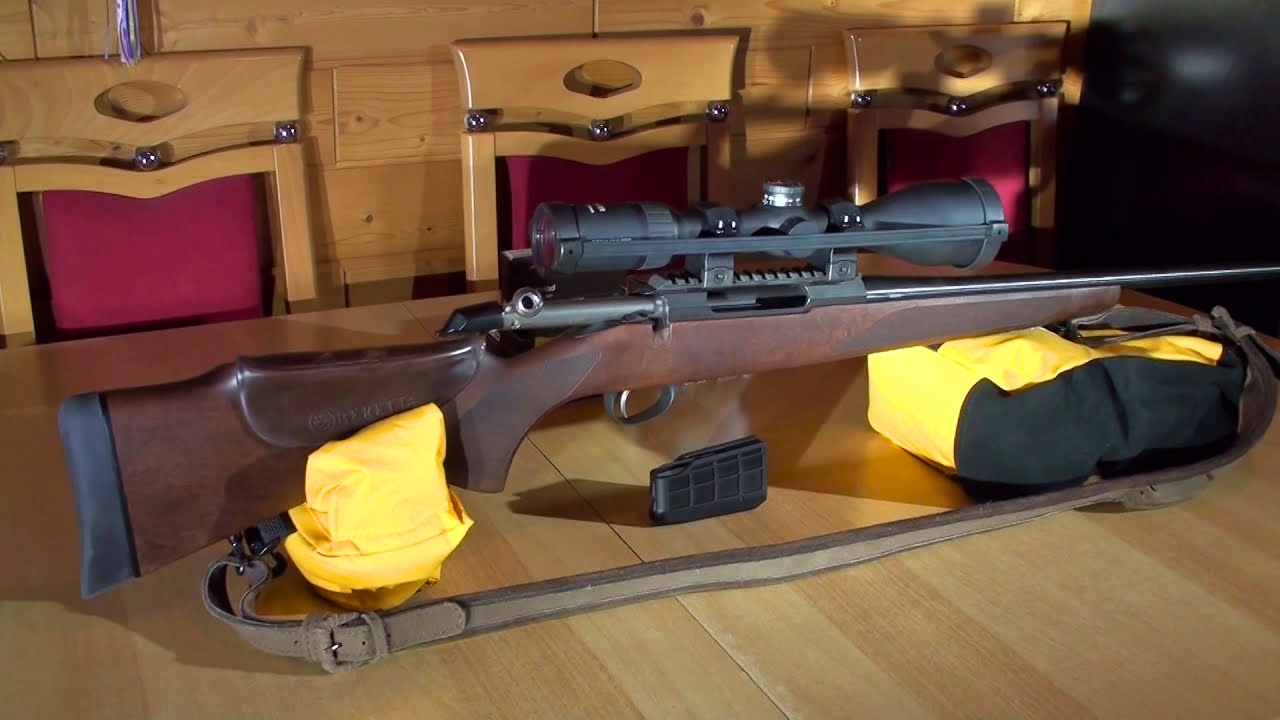
Older wood-stock Tikkas used to be one of the smarter used-rifle buys in the hunting world. They shot well, carried well, and often got overlooked because so many people mentally filed Tikka under “great rifle, plain styling” and never paid enough attention to the nicer older versions. That made it easy to delay buying one.
That delay has cost some people. Today, better older Tikkas do not always sit around at the kind of prices they once did, and buyers who finally jump in can end up paying enough to make them wonder whether the move still made sense. The rifles are still good. That part never changed. What changed is that the price got less friendly, and that always makes hindsight louder.
Browning BAR Safari

The Browning BAR Safari has long appealed to hunters who wanted a refined autoloading rifle, but there was a stretch where you could still buy one without acting like you were making a collector purchase. That made them easy to admire and postpone. Plenty of shooters figured they would eventually add one when the timing felt right and the deal felt easy.
Now the timing rarely feels easy. Older BAR rifles in nice condition can bring enough money that buyers start getting suspicious of their own enthusiasm. Some wish they had bought one when it was still a straightforward hunting-rifle decision. Others buy at current levels and start wondering whether they paid mostly for Browning polish and memory. That is how a rifle goes from “nice someday gun” to “maybe I should have stayed out of this.”
Ruger Deerfield Carbine

The Ruger Deerfield Carbine is a perfect example of a rifle that used to look like a neat, slightly odd used-gun buy and now makes people feel either late or overcommitted. It had a loyal following for good reason, but it never carried the kind of mass attention that would have warned buyers the window was quietly closing. That is usually when the smartest rifles get missed.
Now the people who noticed them early feel clever, and the people who show up later start doing harder math. It is still a distinctive, handy rifle, but not everybody who pays current prices feels thrilled once the novelty settles down. That is often the worst kind of regret: realizing the rifle is cool, but maybe not cool enough to justify what you just handed over.
Colt Light Rifle

The Colt Light Rifle lived in the shadows long enough that many buyers assumed it would always stay a curiosity. That made it easy to ignore when prices were still fairly tame. It was not the loudest name in the room, but it had just enough interest and just enough scarcity to quietly become the sort of rifle people later wish they had taken more seriously.
Now some shooters see them and wish they had bought when the market still shrugged. Others buy in after the climb and wonder whether they paid too much for being late to a niche party. It is not the most obvious rifle on this list, but it fits the headline perfectly. The regret is not always that the rifle is bad. Sometimes it is simply that the timing made the whole deal feel a lot worse than it needed to.
Like The Avid Outdoorsman’s content? Be sure to follow us.
Here’s more from us:


