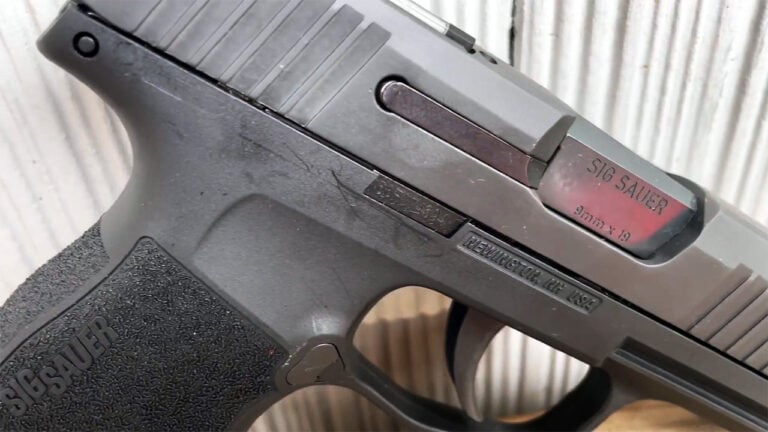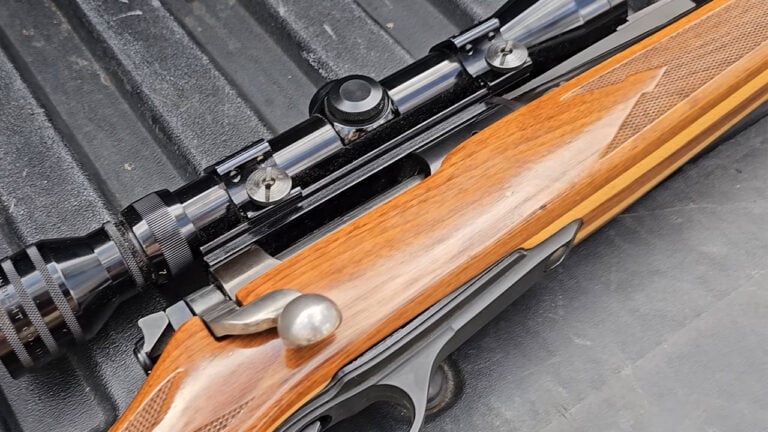
Photo credit: AmmoLandTV/Youtube
Every serious rifle buyer has at least one “I had it before it was cool” story. Sometimes it’s because you took a chance on something new and weird. Sometimes it’s because you stumbled into a deal at a small shop and didn’t overthink it. And sometimes it’s because you listened to an old-timer at the range who quietly knew what was coming.
These are the rifles that tend to spark those stories. Not because they’re all perfect, or because everybody needs one, but because early buyers saw the usefulness before the market caught up. A few of these got trendy. A few got scarce. A few were just misunderstood until folks actually carried them, hunted with them, and paid for their own ammo.
1. Ruger Gunsite Scout Rifle (GSR)
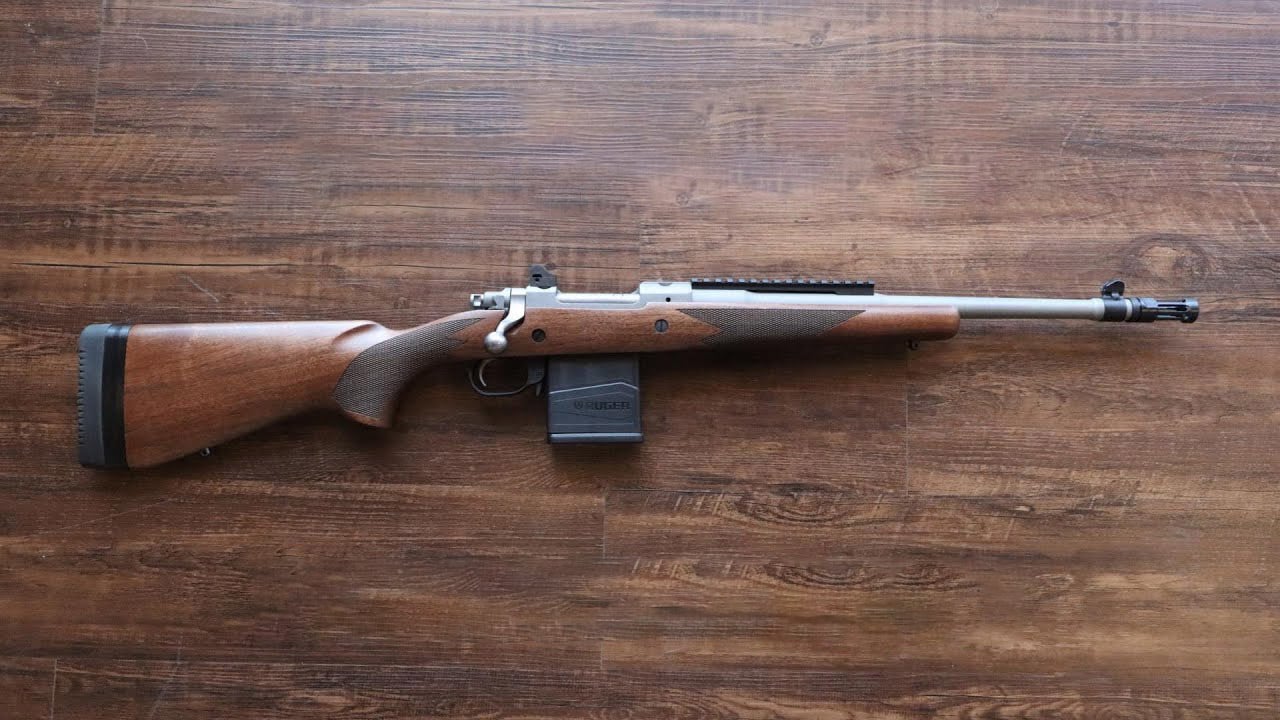
When this one showed up, a lot of guys rolled their eyes at the forward rail and the “scout” label. Then they shouldered it, worked the bolt, and realized it carries like a real hunting rifle but handles tight spots better than most bolt guns.
The early buyers usually weren’t chasing a fashion statement. They wanted a handy .308 that feeds from detachable mags, rides in a truck without feeling like a fence post, and still hits where you point it. It isn’t light, and it isn’t cheap, but it’s practical in a way you notice the first time you’re climbing over blowdowns.
2. Ruger American Rifle (original generation)

I remember when “budget bolt gun” meant “you’re going to regret this.” The Ruger American changed that conversation fast, but the first folks to buy one took plenty of ribbing.
The action feels a little hollow compared to a slicked-up classic, and the stock is nothing to write home about. Still, it flat-out shoots for the money, and it made a lot of hunters realize they didn’t need a mortgage to get a rifle that would consistently put venison in the freezer.
3. Savage Axis

The Axis got labeled as cheap and awkward, and honestly, some of that criticism is fair. The ergonomics can feel off, the factory trigger on some early ones wasn’t great, and it’s not a rifle you buy to impress anyone.
But the guys who grabbed them early understood something: barrels and bedding matter more than pretty checkering. Plenty of Axis rifles will stack hunting ammo into respectable groups, and when you’re dragging a rifle through rain and mud, “plain” starts sounding like “smart.”
4. Savage 110 (AccuTrigger era)
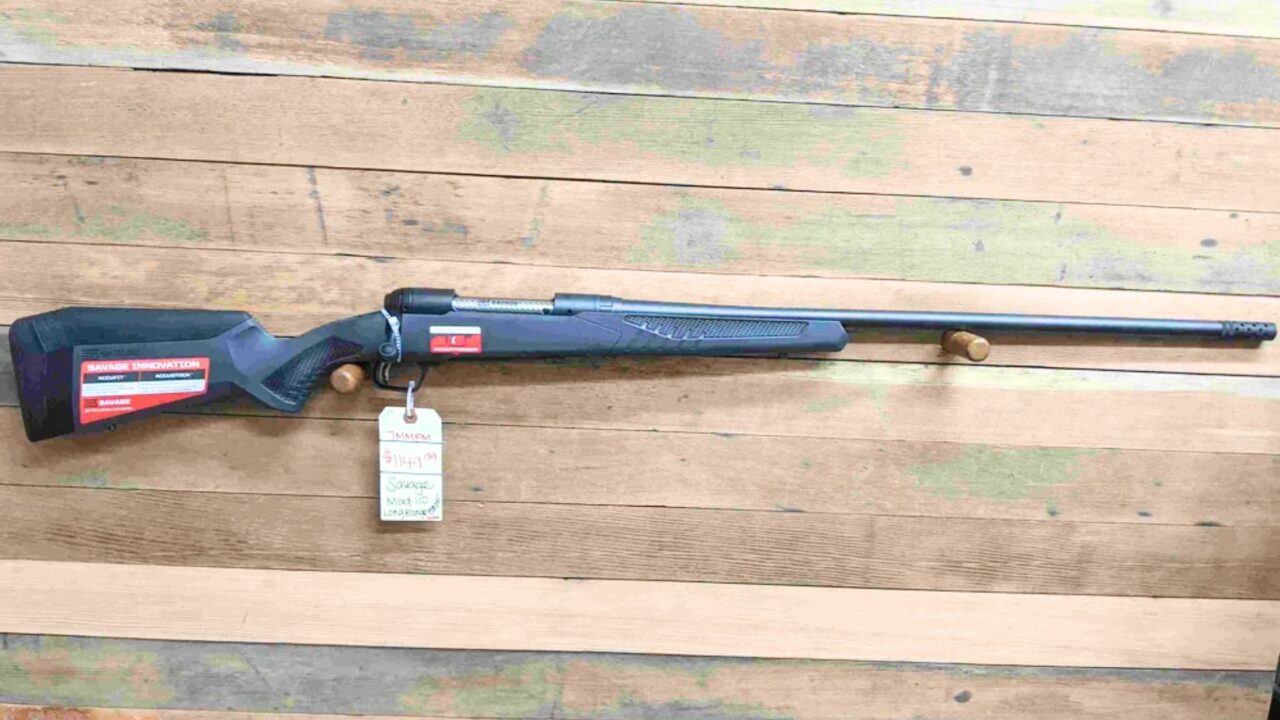
Before everybody had a crisp trigger out of the box, Savage was catching side-eye for being ugly and utilitarian. Then the AccuTrigger hit, and suddenly a “working man’s rifle” was offering a safe, adjustable trigger that actually felt good.
Early adopters got a rifle that shot better than its looks suggested. A lot of them still have that same 110 because it never gave them a reason to get rid of it. There’s nothing fancy about it, and that is kind of the point.
5. Remington Model 700 (pre-2007 production)
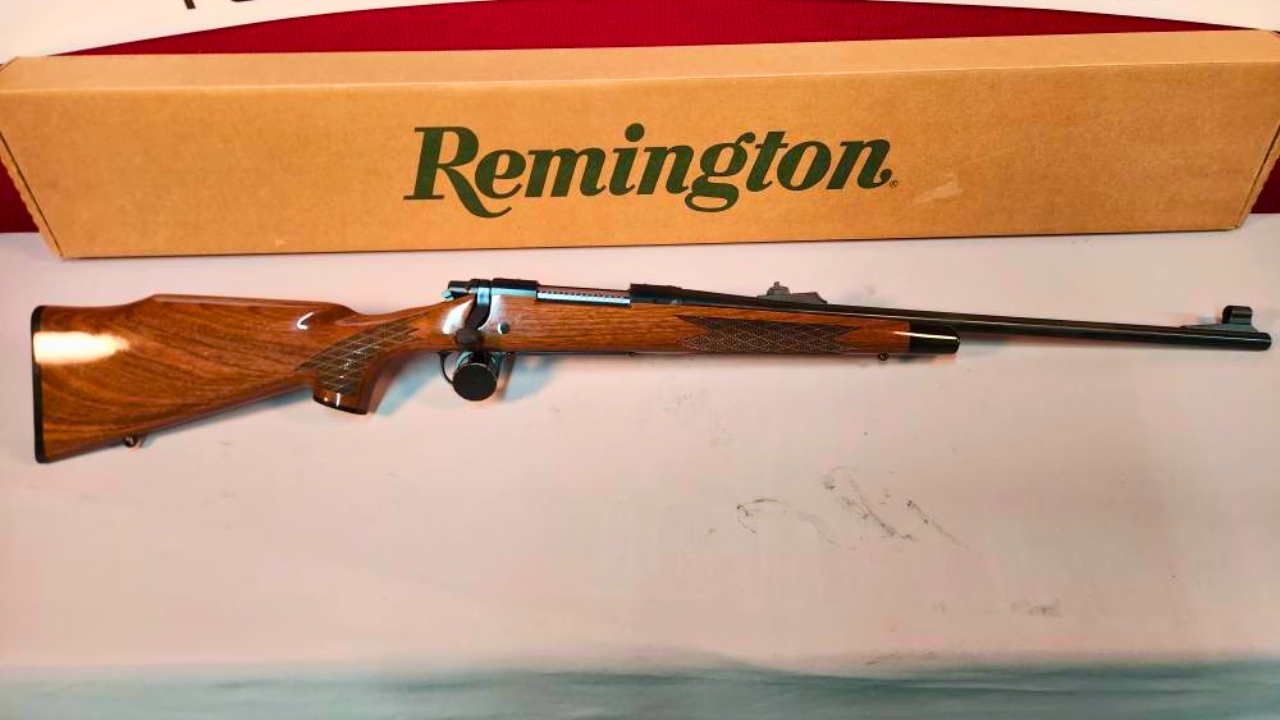
The 700 has been around forever, but the “story” version is the older one somebody bought when they were still reasonably priced and stacked deep in every gun shop. Folks didn’t treat them like gold back then. They were just good rifles.
Now, the earlier guns have a different reputation than later examples, and the demand follows that. If you bought one early, shot it a bunch, and kept it clean, you’ve got a rifle that still feels like the standard for a lot of hunters and tinkerers.
6. Tikka T3 (early imports)
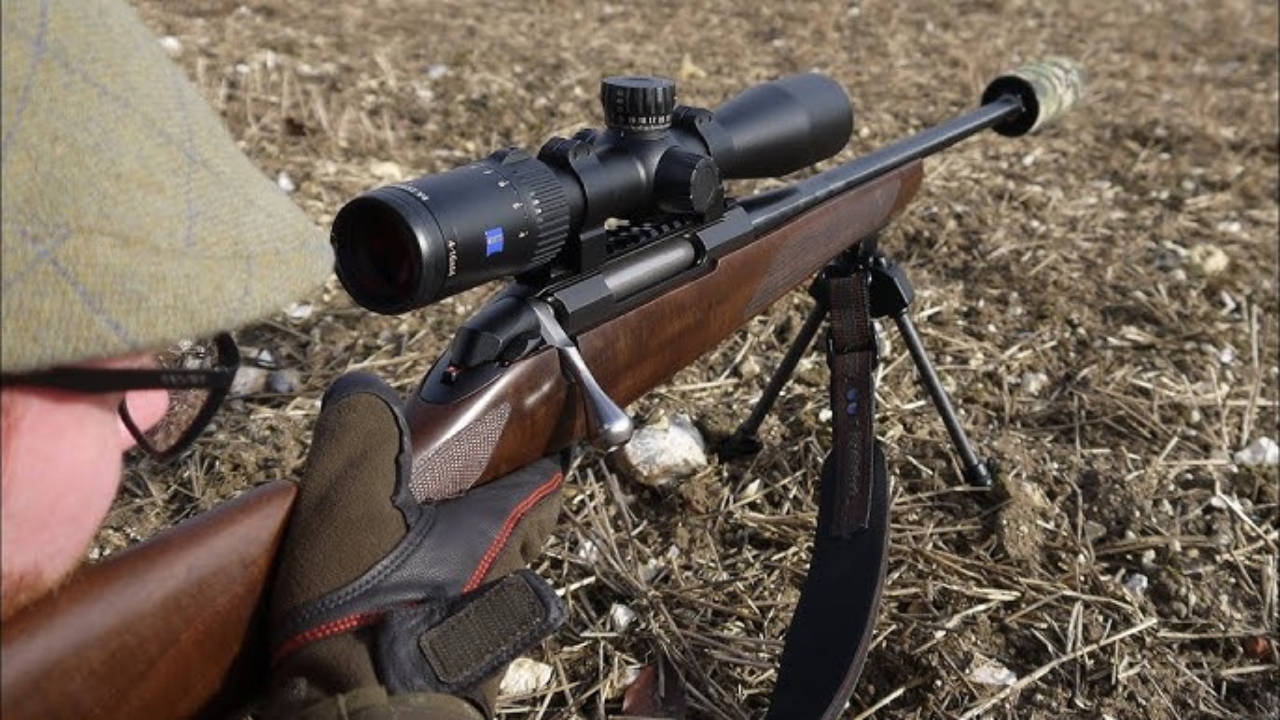
Tikka used to be one of those names that got a shrug from guys who only trusted rifles with walnut and blued steel. Then people actually ran the bolt and realized it was smoother than rifles costing a lot more.
The early buyers figured out you could get serious accuracy, a light carry, and excellent factory barrels without playing the “custom build” game. The magazines aren’t cheap, and it doesn’t have classic American vibes. In the field, none of that matters much.
7. CZ 527 (especially in 7.62×39)

For a long time, 7.62×39 in a bolt gun was something folks didn’t know what to do with. The CZ 527 made it make sense: handy, light, accurate enough, and just plain fun.
Then they stopped making it, and everyone suddenly became a fan. Ask me how I know. The 527 has quirks—the little mini-Mauser action, the set trigger, the magazines that hang down—but it has a personality that modern rifles keep sanding off.
8. Ruger Precision Rifle (RPR)
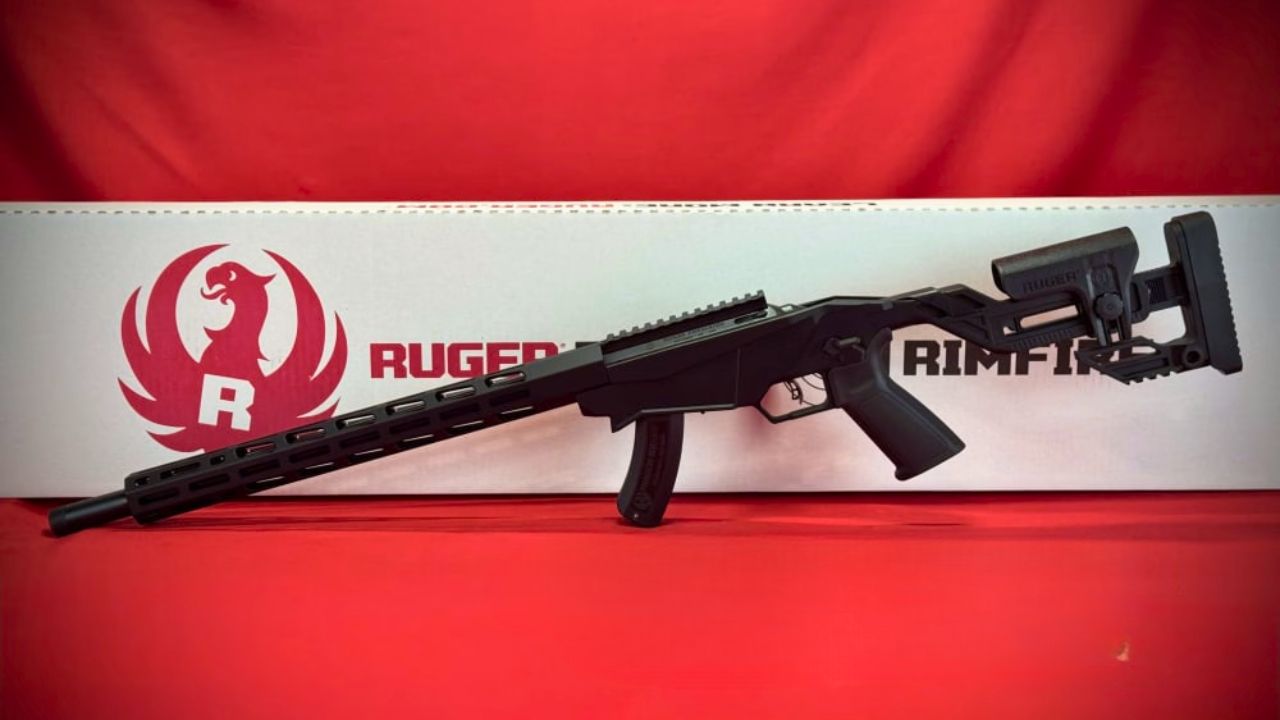
When the RPR hit, it looked like something out of a video game, and traditional hunters mostly ignored it. Serious shooters didn’t ignore it for long, because it brought long-range capability to regular guys who weren’t trying to build a custom rig.
Early buyers got an honest platform with good aftermarket support and a decent factory setup. It’s heavy, and it’s not what you grab for a mile hike. But it pulled a lot of shooters into stretching distance the right way—slow, measured, and on a real range.
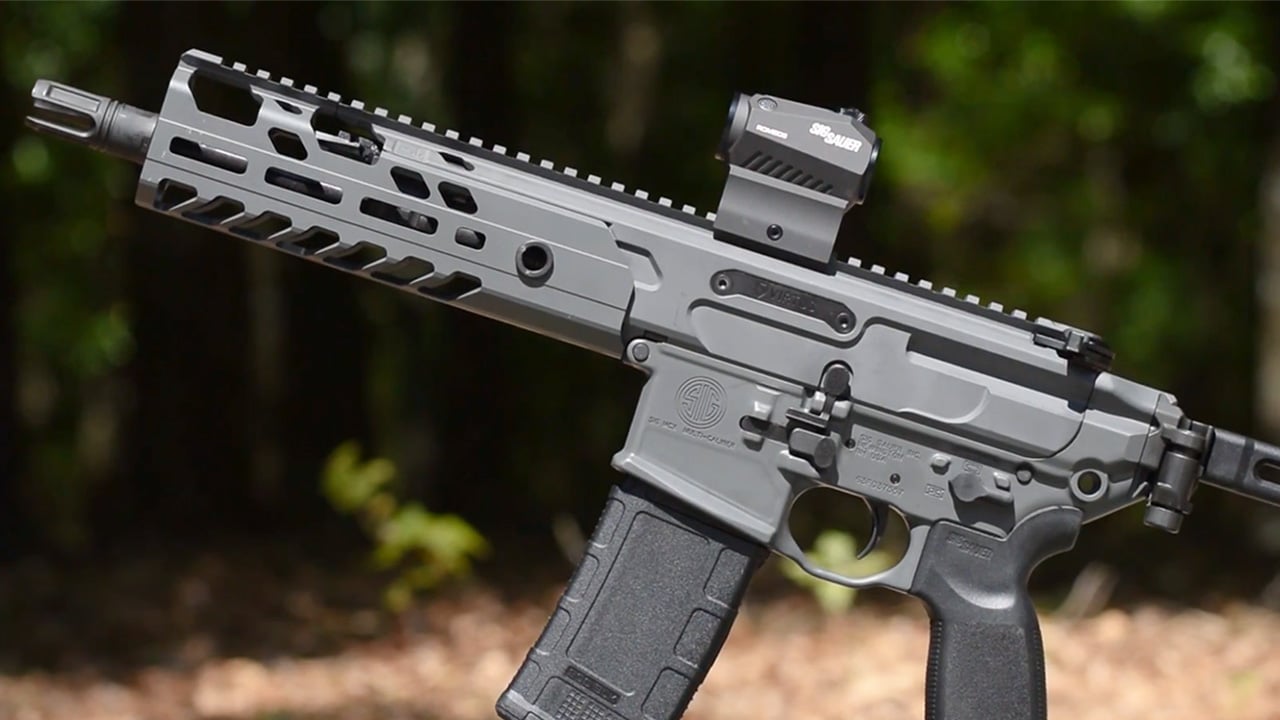
9. SIG Sauer MCX Virtus (carbine configuration)
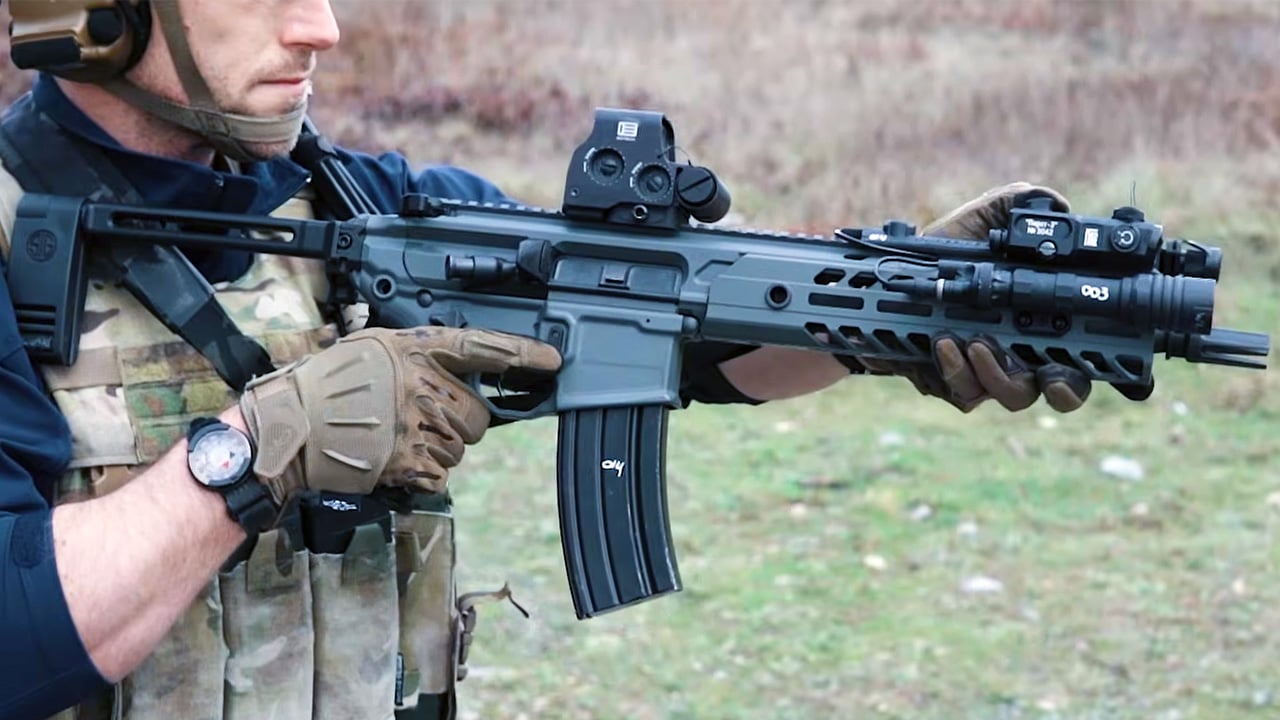
The MCX always felt like it was built for a purpose, not for tradition. Folding stock, piston system, modular setup—guys who bought them early weren’t buying nostalgia.
Where it shines is in being compact and controllable without feeling flimsy. The downside is cost and parts being more brand-specific than a basic AR. If you were early on it, you probably weren’t surprised when the demand stayed strong.
10. Daniel Defense DDM4 (early “buy once” buyers)
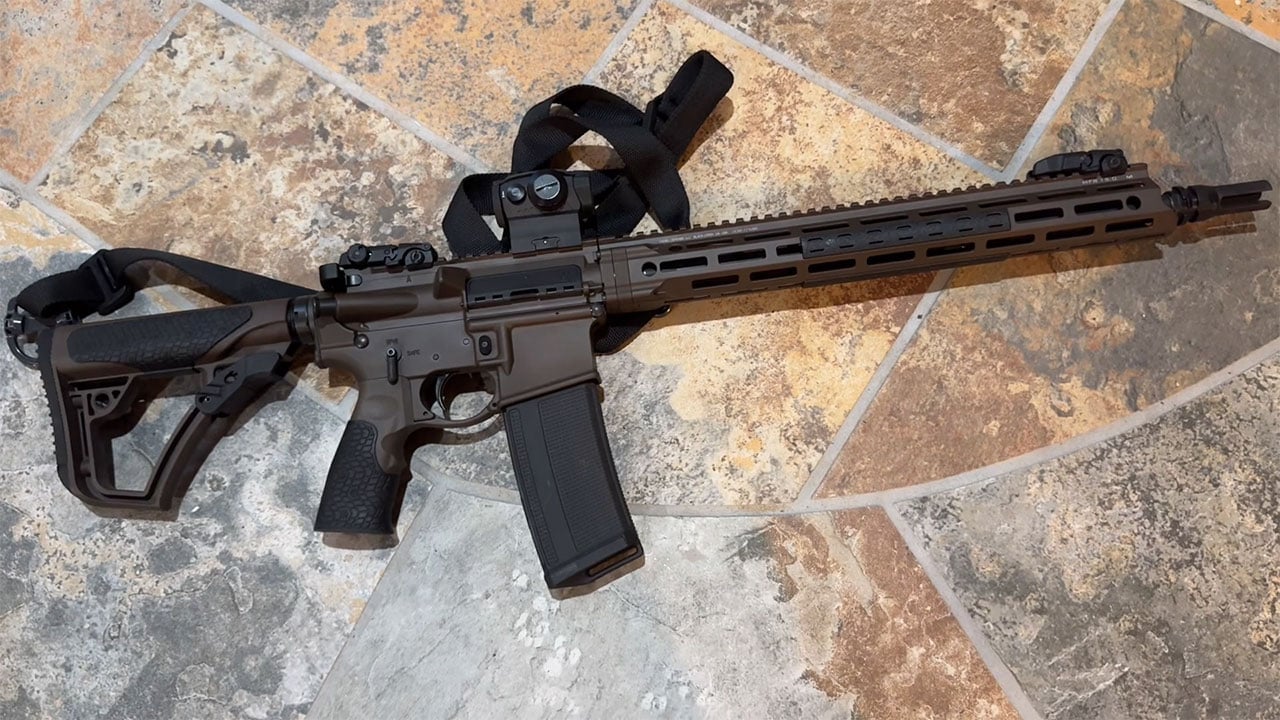
There was a time when dropping Daniel Defense money on an AR meant your buddies assumed you got taken. Then they shot it. Tight fit, consistent reliability, and the kind of build that doesn’t feel like it was slapped together on a Friday afternoon.
The story usually goes like this: one serious rifle class or one hard season of use, and the “expensive AR” label starts to sound less insulting. It’s not magic, but you can feel the difference if you actually run your gear.
11. Smith & Wesson M&P15 Sport (original)
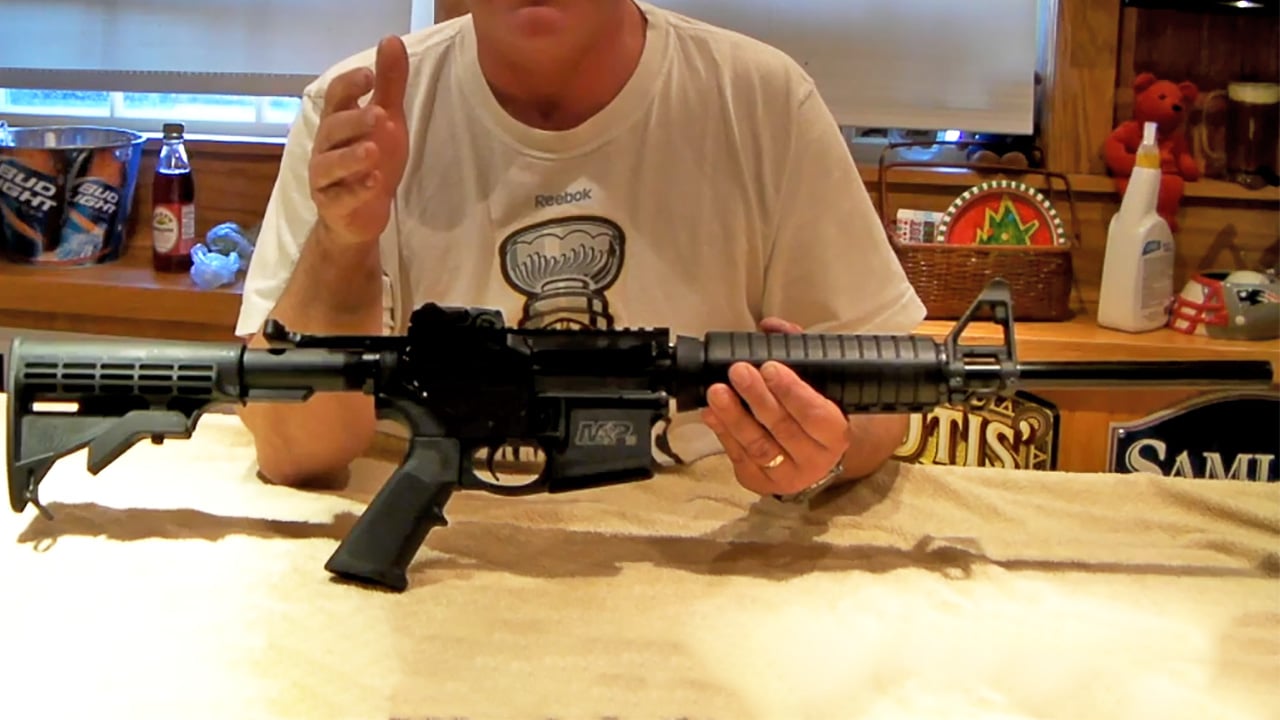
This is one of those rifles that got dismissed because it was affordable and didn’t have every feature under the sun. But the early Sport rifles did something important: they worked, and they worked for a lot of first-time AR owners.
They aren’t fancy, and they aren’t meant to be. The “story” here is usually a guy who bought one when everyone said he should save longer, then put thousands of rounds through it and kept showing up while other rifles sat at home with “issues.”
12. PSA PA-15 (the early gamble)
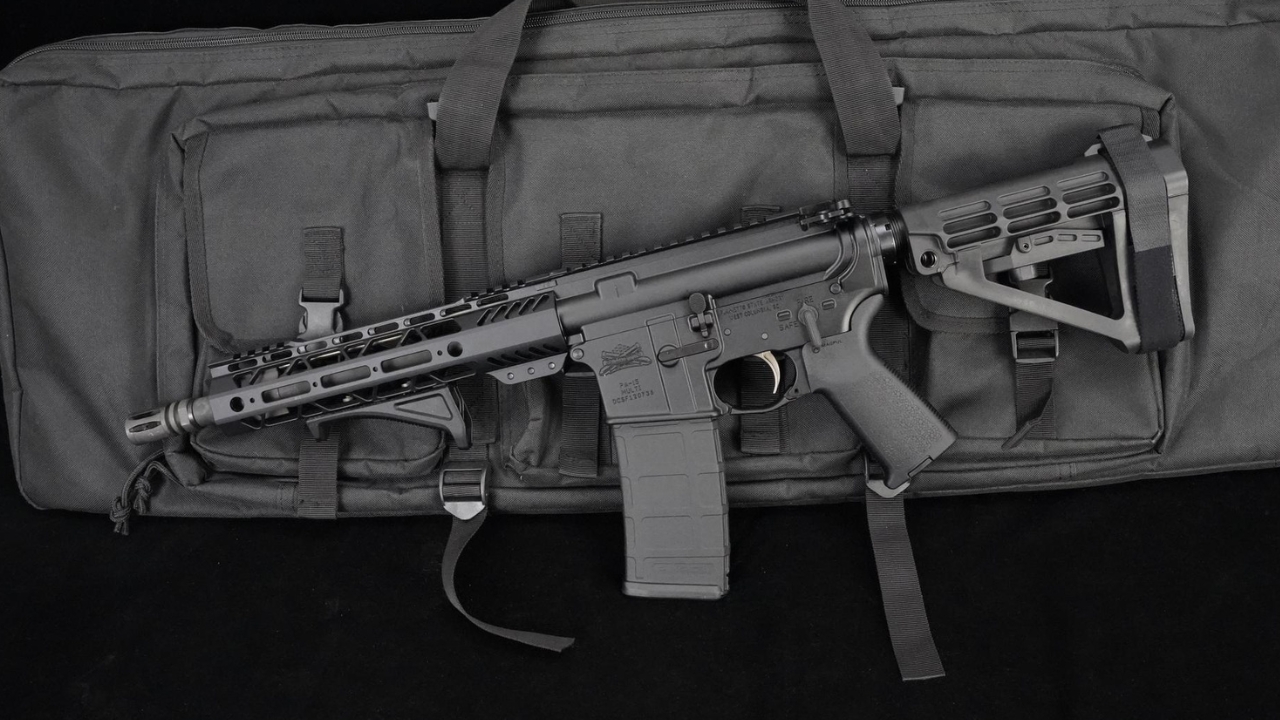
Buying a Palmetto State Armory rifle used to feel like a coin flip to some folks, and the internet had plenty of opinions. The early buyers who did their homework, checked their stuff, and ran the gun often ended up with a very usable rifle for not much money.
Are they all equal? No. But the guys with a good one will tell you it’s hard to argue with a rifle that feeds, fires, and holds zero, especially when the alternative was not owning one at all.
13. Ruger Mini-14 (580-series and up)
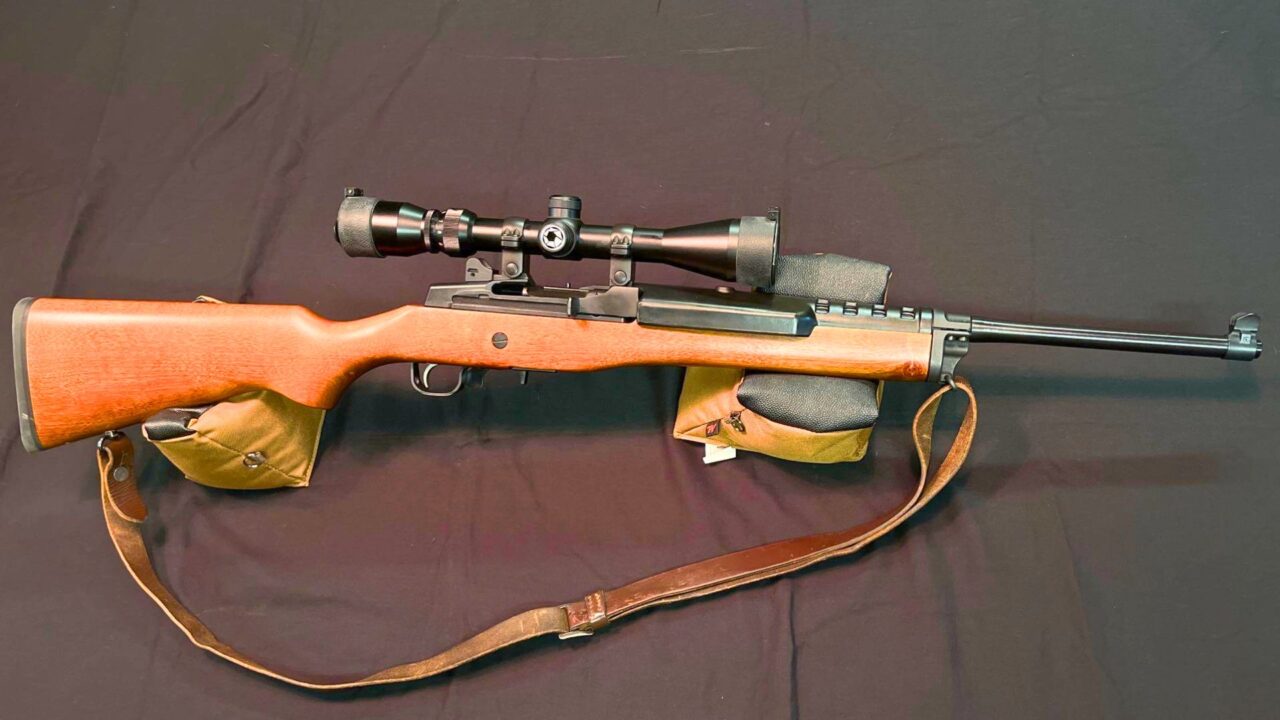
For years, the Mini-14 lived in that space between “cool ranch rifle” and “why won’t it group.” Early buyers of the later improved guns got something better than the reputation suggested.
It points fast, carries easy, and has a certain no-nonsense feel. Magazines can be a sticking point, and accuracy still isn’t match-grade in most cases. But for a practical semi-auto .223 that doesn’t scream for attention, it makes a lot of sense.
14. IWI Tavor X95

Bullpups confuse people until they spend time with one. Early X95 buyers figured out the advantage in a hurry: full-length barrel performance in a compact package that moves through tight spaces well.
The trigger feel is not what a good AR trigger feels like, and mag changes take practice. But if you want a short rifle that still feels “complete,” the X95 scratches an itch a lot of carbines never quite hit.
15. FN SCAR 16S
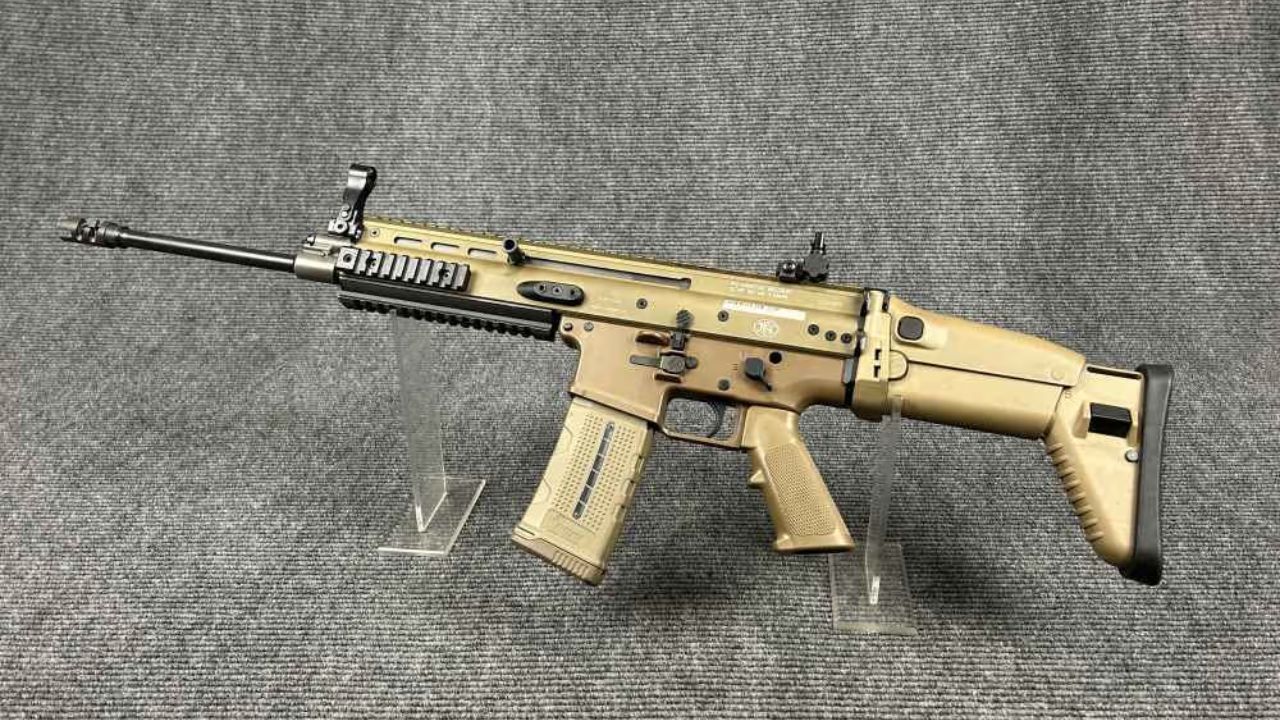
The SCAR has always been polarizing. It’s expensive, it looks different, and it doesn’t try to win a beauty contest. The early buyers usually weren’t trying to win one either.
They wanted a light, soft-shooting rifle with proven design cues and solid reliability. Parts and accessories can be their own rabbit hole, and it’s not a “cheap to feed” hobby. Still, a SCAR is one of those rifles you don’t forget after one range trip.
16. Springfield Armory M1A (especially older standard models)
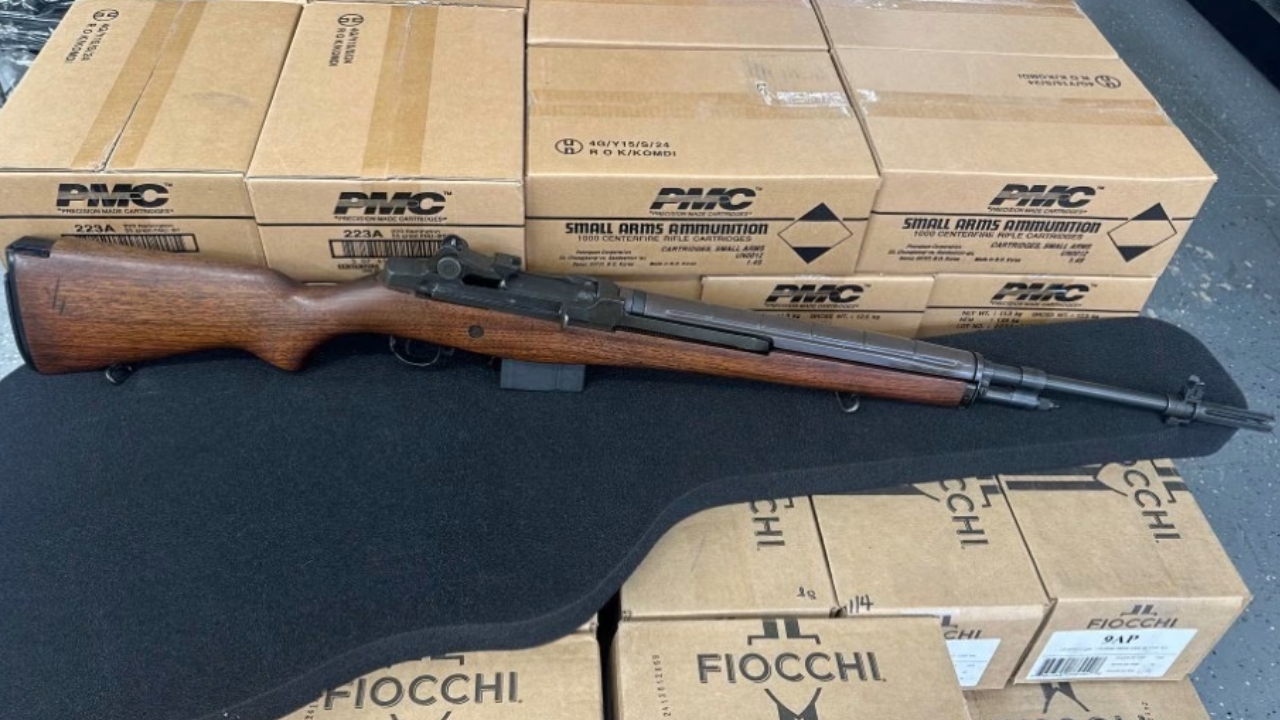
There was a period when M1As sat around longer because everyone was chasing lighter rifles and cheaper ammo. The guys who bought M1As early did it because they liked the way it balances and the way it runs, not because it was the “best choice on paper.”
It’s heavier than modern options, and keeping them truly optimized can be its own project. But when you settle into prone and start ringing steel with a .308 that feels like a real rifle, you remember why people still care about them.
17. Marlin 1895 Guide Gun (pre-Remington production)

The Guide Gun crowd is its own tribe. Before demand went nuts, you could find these used if you watched the racks and didn’t mind honest wear.
Early buyers got a compact .45-70 that carries like a lever gun should and hits like you expect a .45-70 to hit. It’s not a “fun all-day plinker” for most wallets or shoulders. In thick cover and close work, it’s a hammer.
18. Henry Big Boy X Model
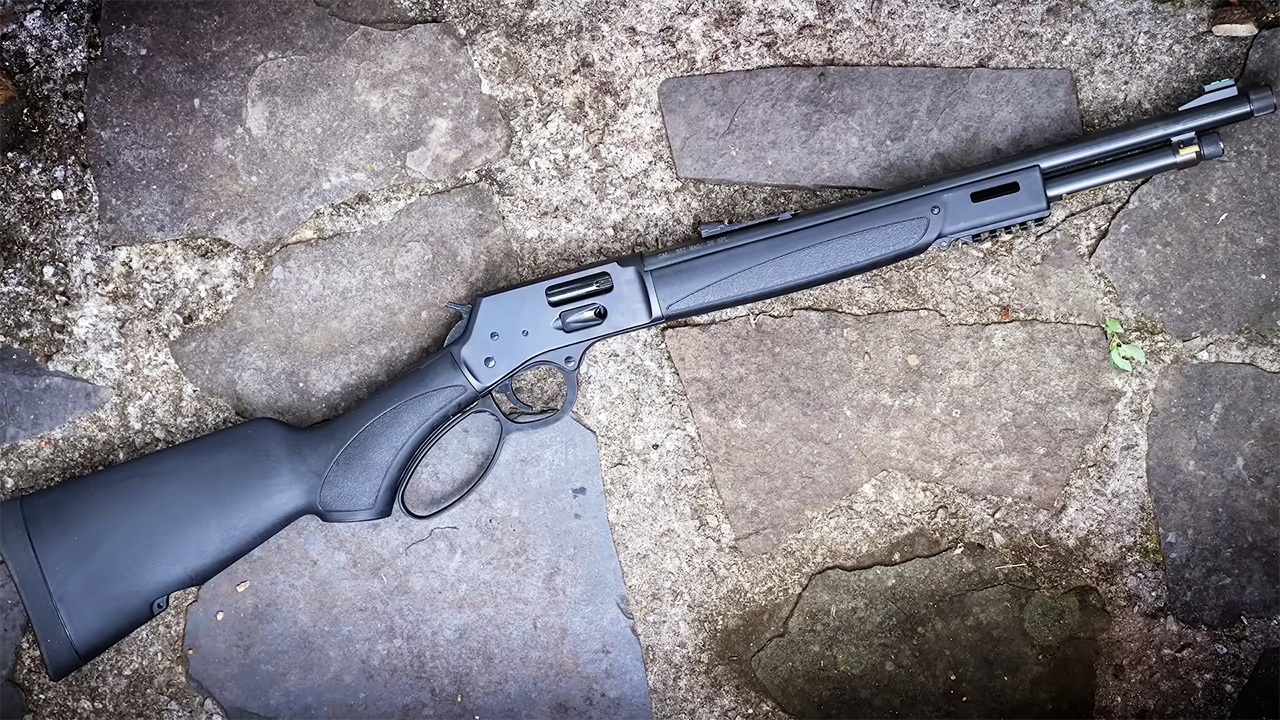
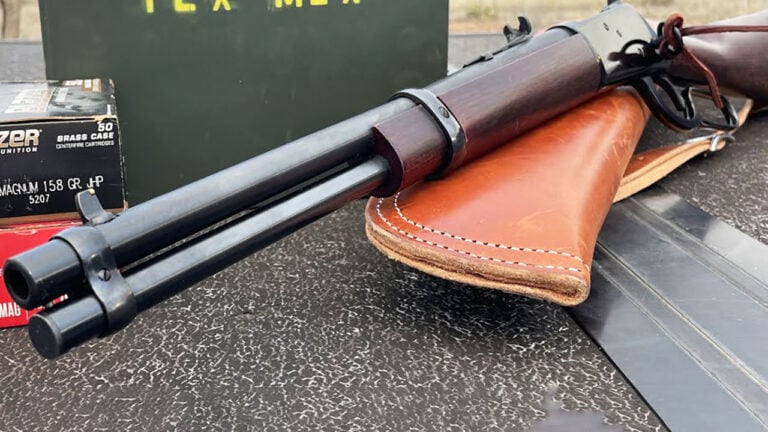
When Henry leaned into the more modern lever gun setup, traditionalists complained. Then hunters started realizing a threaded lever gun with decent furniture and practical sights solves real problems, especially for folks who like to keep rifles handy around a place.
Early buyers got ahead of the curve before the tacticool lever craze really caught fire. It’s still a lever gun, with lever-gun limitations, but it’s a very usable one for the way a lot of folks actually shoot now.
19. Ruger 10/22 (older carbines before the accessory wave)
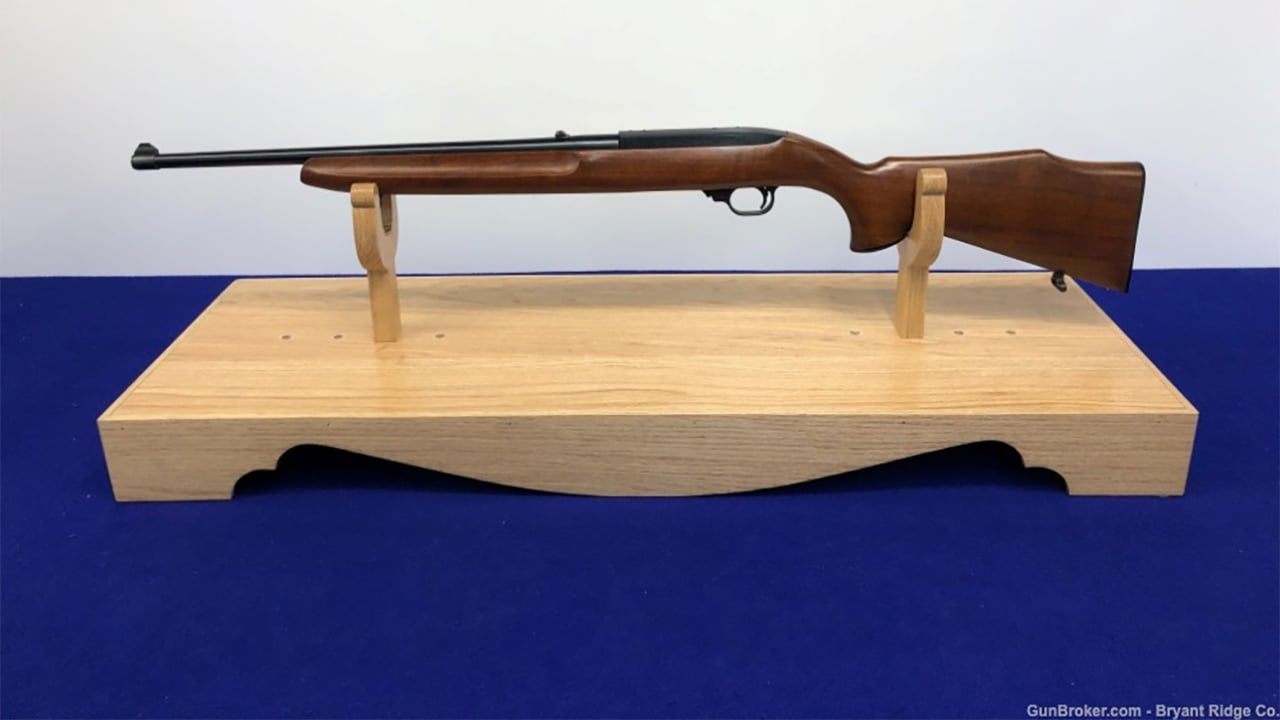
The 10/22 is almost too obvious, but the “story” is always the same: somebody bought one when it was just a rimfire rifle, not a platform. They tossed it behind the truck seat, taught kids to shoot, thumped squirrels, and never once worried about what the internet thought.
Now, everybody wants to build one into something else. The early owners already had the point figured out. A reliable .22 that feeds well and carries easy is useful for a lifetime, even if you never change a single part.
20. Steyr Scout
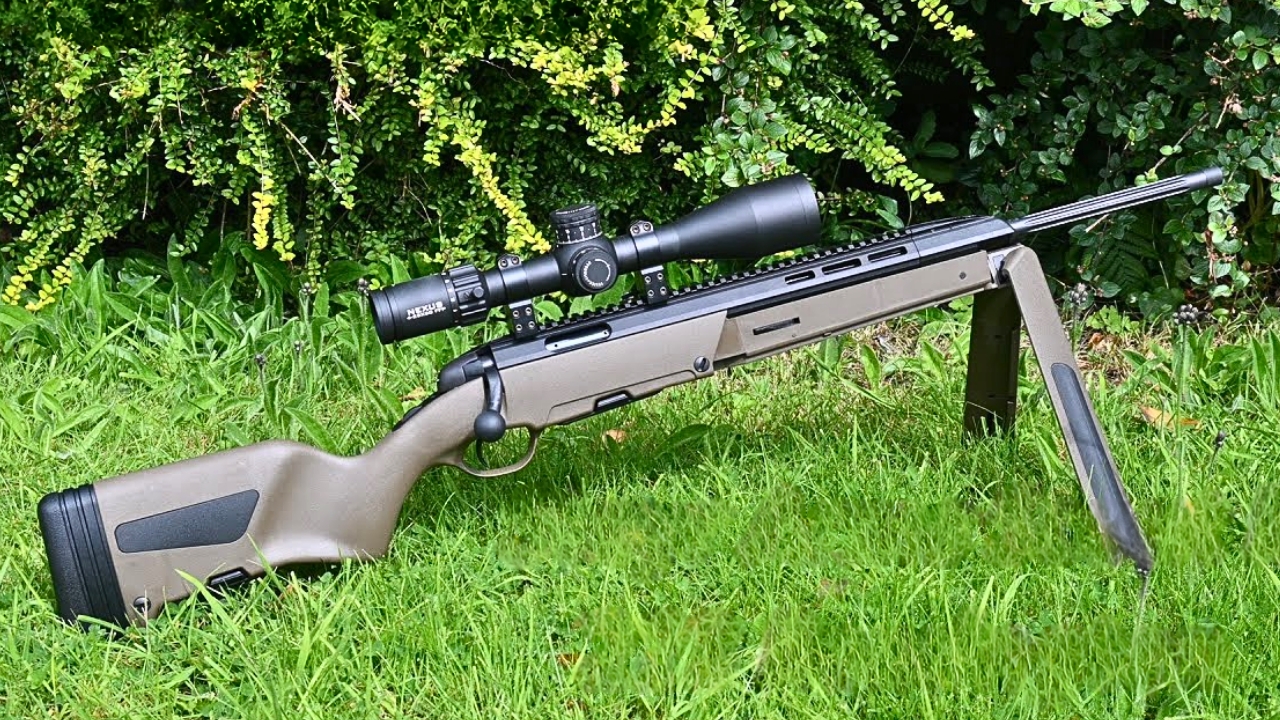
This one was misunderstood for a long time, mostly because it’s different on purpose. The built-in bipod, the spare mag storage, the overall design choices—none of it is trying to please the average gun counter browser.
Early buyers usually had a reason. They wanted a truly lightweight, do-it-all bolt rifle that travels well and doesn’t require babying. It’s pricey, it’s a little niche, and it won’t be everyone’s flavor. But if you know what it is, you know what it is.
If you notice a theme here, it’s not “buy rare stuff.” It’s “buy useful stuff before the crowd tells you it’s useful.” Some of these rifles got popular because they earned it. Some got popular because the supply dried up. Either way, the best stories usually come from the same place: a shooter who trusted his own hands, not the noise.
Like The Avid Outdoorsman’s content? Subscribe to our newsletter so you never miss an article.
Here’s more from us: