Photo credit: Indian Hen Outdoors/Youtube
I used to think a gun safe was just a holding pattern until the next trade. If a rifle didn’t shoot tiny groups on day one, or a shotgun didn’t feel perfect in the shoulder the first time I mounted it, I was liable to move it along. Life was simpler when I was chasing “better” and not paying attention to what actually worked.
Then seasons stack up. Kids grow. Hunting partners come and go. Ammo dries up. Parts get discontinued. And you figure out real fast that “value” has a lot more to do with trust, familiarity, and memories than whatever a shop is offering on trade that week.
1. Remington 870 Wingmaster
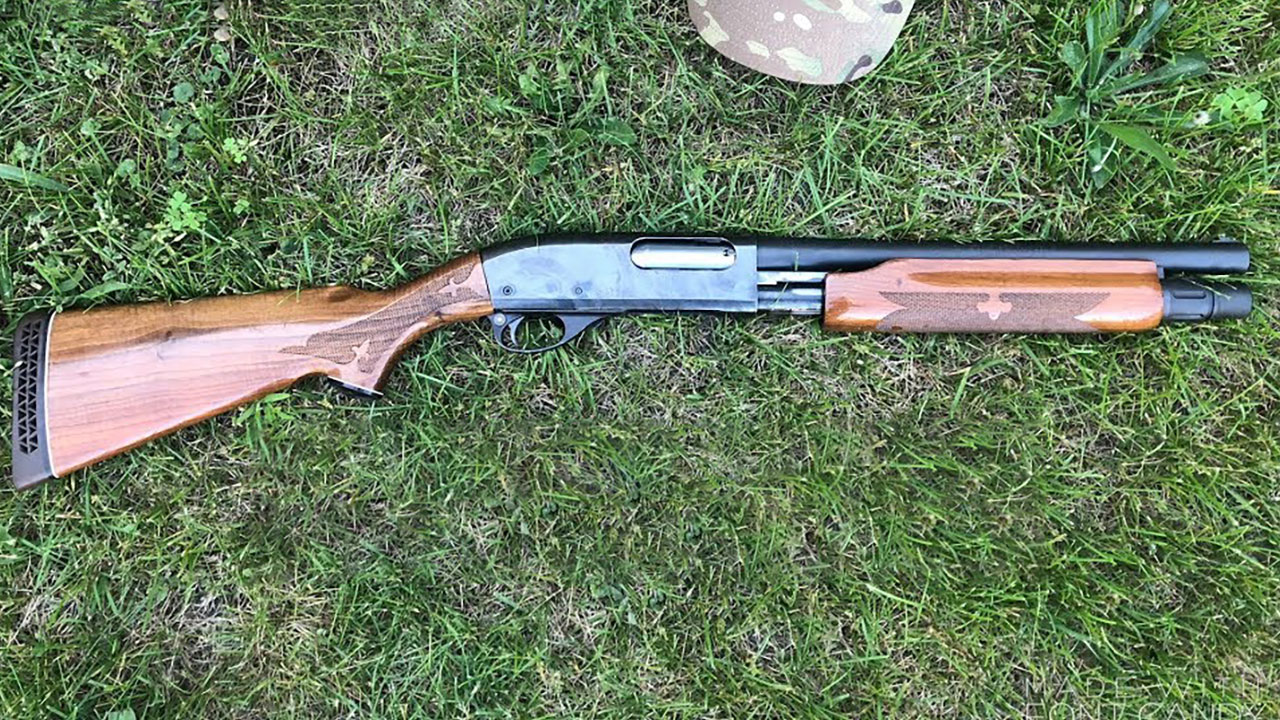
I sold a slick old Wingmaster because I “needed” something with a different finish and screw-in chokes. That Wingmaster cycled like it was on ball bearings, and it pointed like my eyes were the sights. I didn’t appreciate how rare that feel is until it was gone.
Sure, you can still buy an 870. But you don’t always get that same smooth action without years of use, and the older guns had a fit and polish that’s hard to replace without spending real money. That one hurts.
2. Winchester Model 70 Featherweight
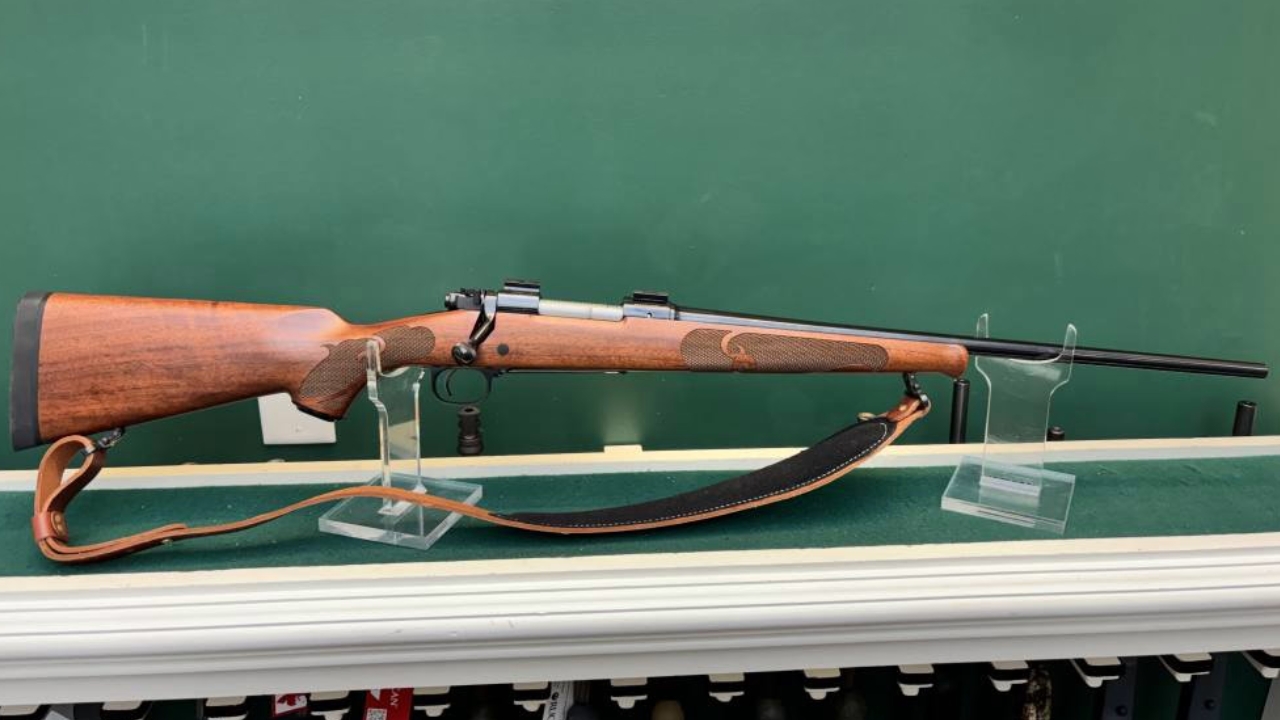
I let a Featherweight walk because I convinced myself I wanted a heavier rifle for the bench. In the woods, that lighter rifle carried like it belonged there. It was the kind of gun you didn’t notice on a long ridge climb until it was time to shoot.
It also taught me something: most hunting rifles don’t need to be benchrest darlings. They need to put the first cold shot where you want it, and the Featherweight did exactly that.
3. Ruger 10/22 Carbine (older wood-stock version)
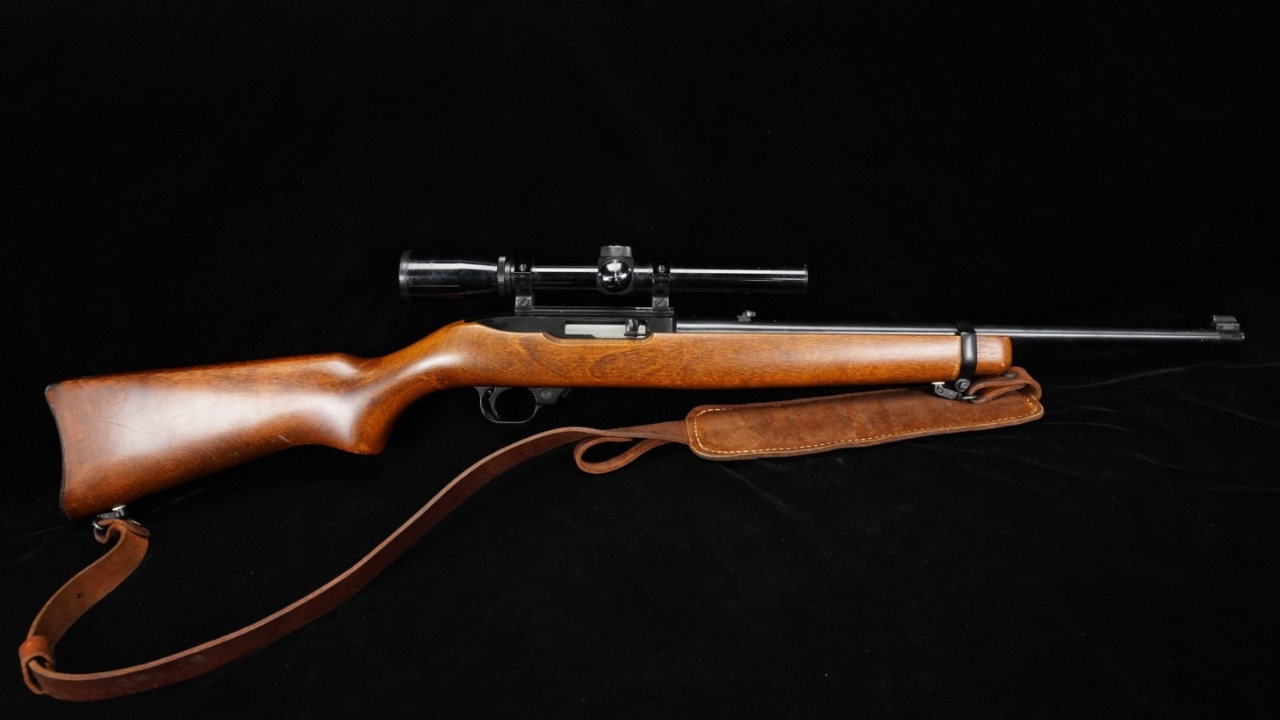
I treated a 10/22 like a spare tire. Easy come, easy go. Then .22 got scarce, and I realized the best “training rifle” is the one everyone actually wants to shoot, even when it’s cold and you’re just burning an hour behind the barn.
The older wood-stock carbines have a balance that feels right. Magazines are everywhere, parts are everywhere, and it’s the gun you hand to a new shooter without a long speech. I shouldn’t have sold it.
4. Marlin 336 in .30-30

I traded a 336 because I thought lever guns were “slow” and old-fashioned. Then I hunted thicker cover, where shots are quick and close, and where a trim rifle that carries one-handed actually matters.
A good .30-30 with a simple sight setup is still one of the most useful deer rifles ever made. And now that certain years and versions have gotten harder to find, replacing a good one is not as casual as it used to be.
5. Smith & Wesson Model 10
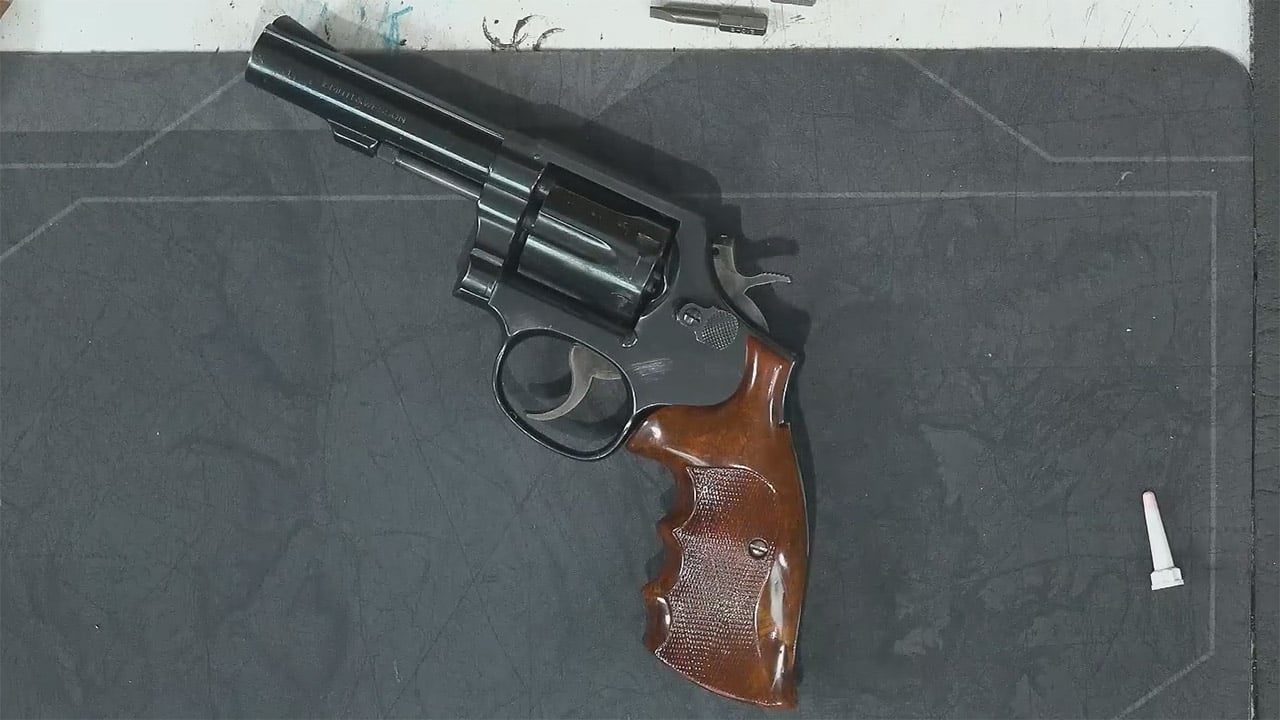
This was a plain, fixed-sight .38 that did nothing flashy. That’s why I didn’t respect it. I had it in my head that I needed adjustable sights and magnum power to be “serious.”
What I actually needed was a revolver that shot to point of aim, carried easy, and didn’t mind riding in a truck console or a nightstand. The Model 10 is boring in the best way.
6. Ruger GP100 (4-inch)
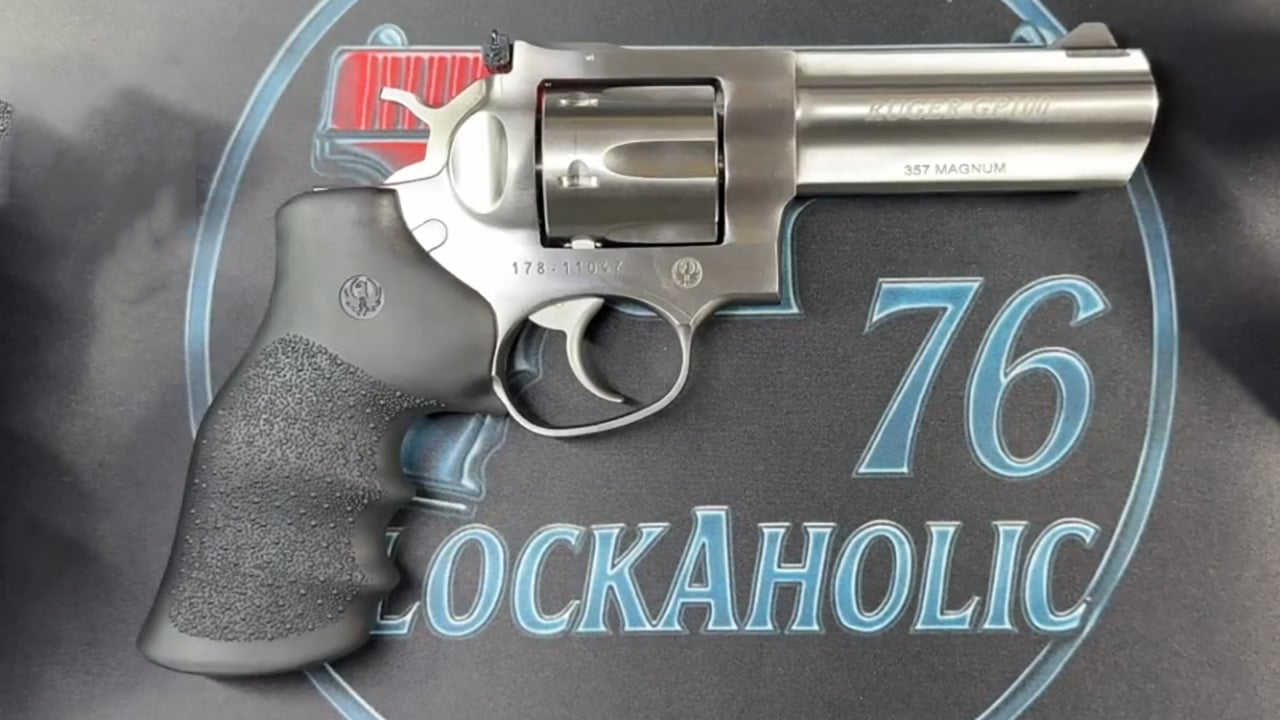
I sold my GP100 during a phase where I thought I was done with revolvers. Then I came back around and remembered why they still matter: they’re simple to verify safe, simple to maintain, and they don’t care if a magazine spring got tired.
The GP100 isn’t light, and it’s not sleek. But it’s steady, durable, and with the right loads it’s a legitimate woods sidearm. I miss having one I already knew inside and out.
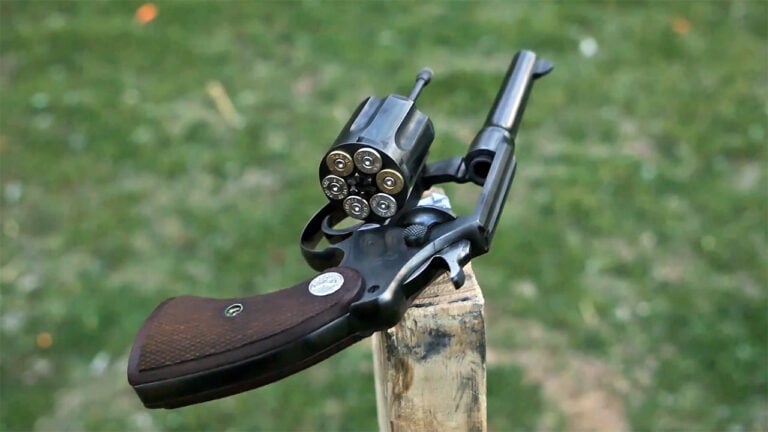
7. Colt Detective Special
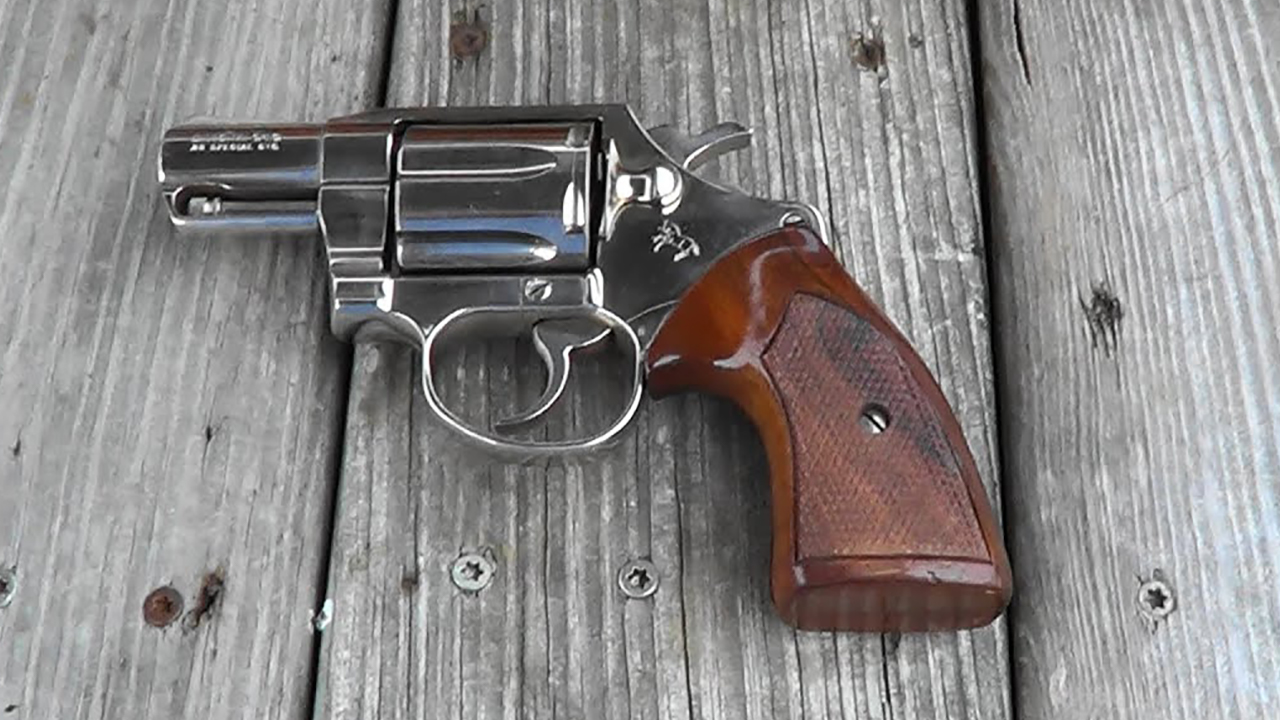
Small-frame Colts have a feel to the trigger that’s hard to explain until you’ve shot one a bunch. I sold mine because I was chasing newer, lighter carry options. I told myself I was being practical.
Then I watched what happened to prices and availability. More than that, I realized I’d let go of a revolver that carried well and shot better than it had any right to for its size.
8. Browning Auto-5
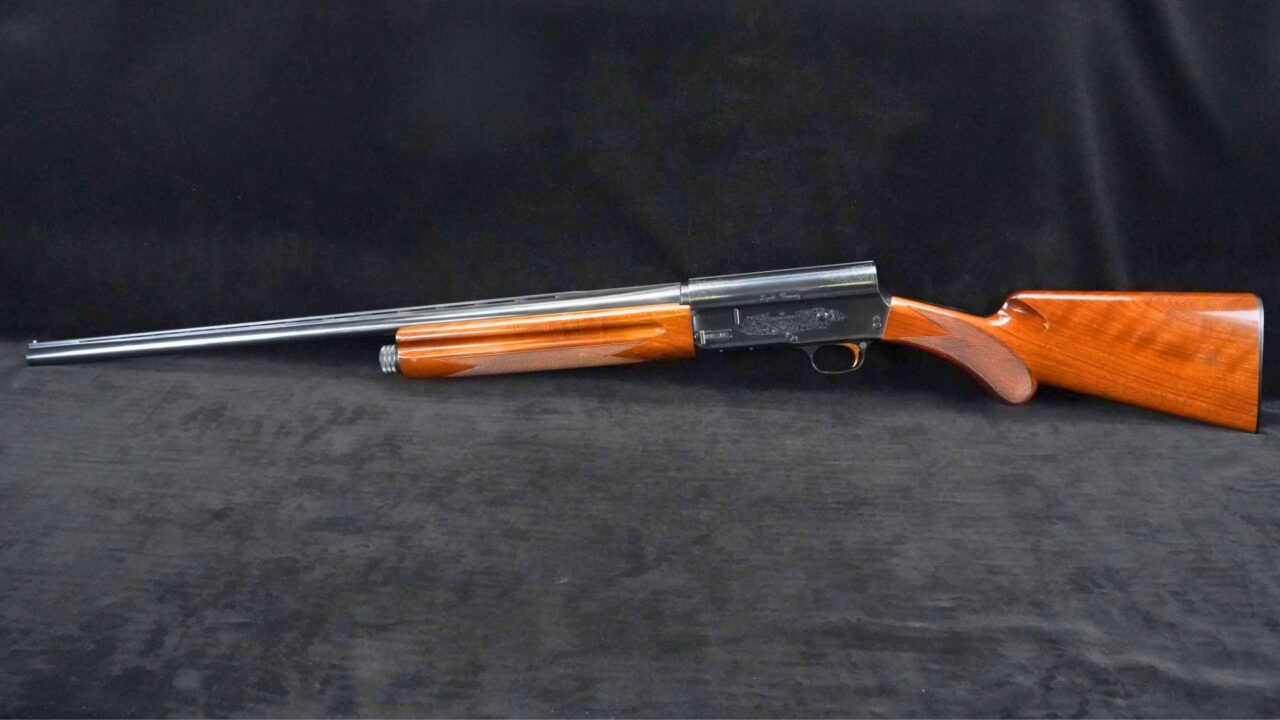
I didn’t grow up with an Auto-5, so I didn’t have the nostalgia for it. It was heavy, it kicked a little different, and it wasn’t “modern.” I moved it along to fund something that took screw-in chokes.
Later, I hunted with a buddy’s well-worn Auto-5 and remembered the part I’d forgotten: it runs, it points, and it has a personality. There’s nothing fancy about it, and that is kind of the point.
9. Beretta 686 Silver Pigeon

I told myself I wasn’t an over-under guy. I bought one, shot it for a season, then sold it when I got distracted by something else. Big mistake.
A good over-under is a lifetime tool. The balance is different, the carry is easy, and on upland days it’s hard to beat. When you find one that fits, you don’t treat it like a temporary experiment.
10. Savage 99 in .300 Savage
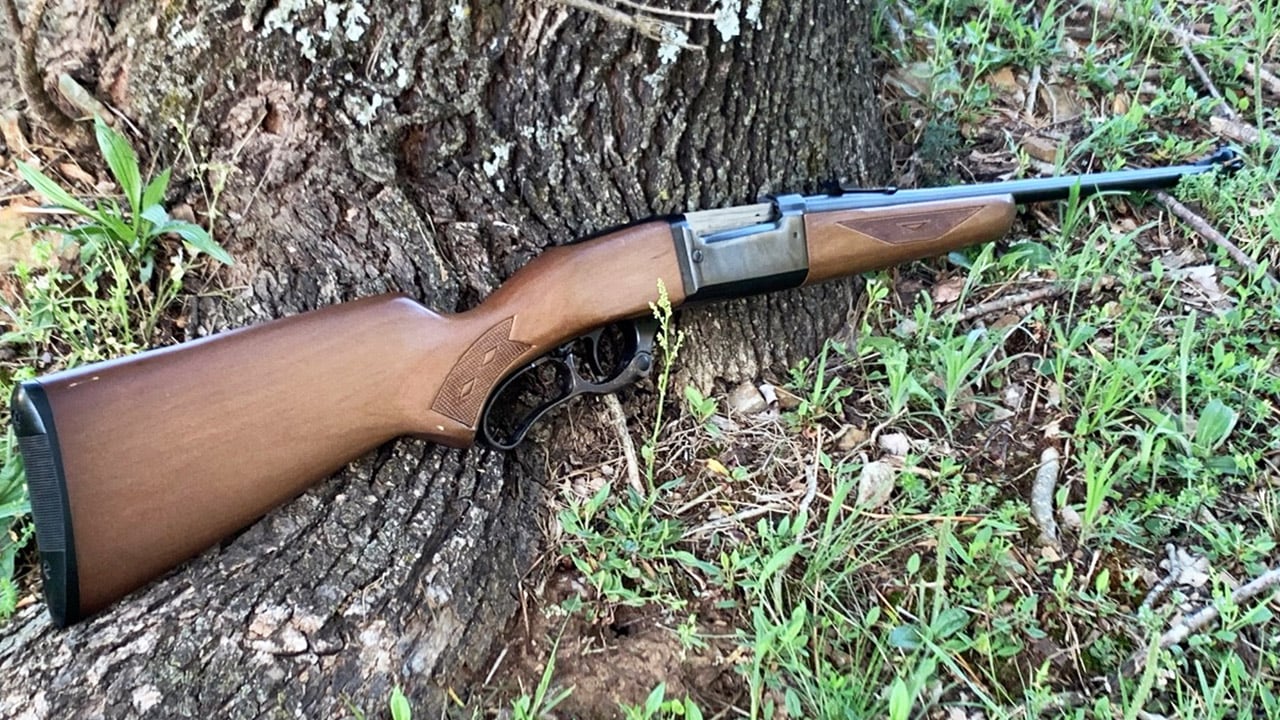
This is one of those rifles that doesn’t look important until you realize what it is. Mine had honest wear, a smooth lever, and it carried like it was made for still-hunting. I sold it because I wanted a scoped bolt gun with more aftermarket support.
Then I learned that “support” doesn’t mean much if you already had a rifle that worked. The Savage 99 is its own thing, and it’s getting harder to find clean examples that haven’t been messed with.
11. CZ 452 Lux
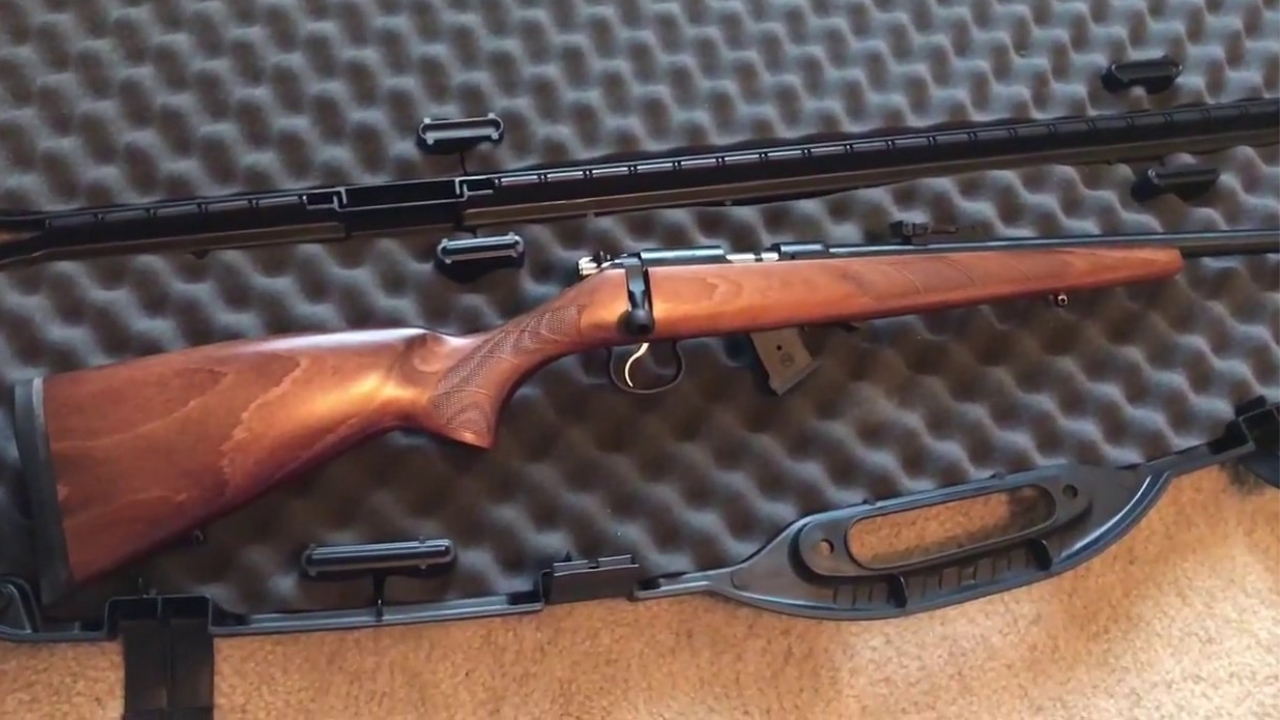
I sold a CZ .22 because I thought all rimfires were basically the same. They are not. The 452 had a trigger and a barrel that made you look like a better shot than you are, and it did it without being fussy.
It was the rifle I should’ve kept for small game and for teaching patience. When a gun makes you slow down and shoot well, it’s doing more than punching paper.
12. Ruger M77 Mark II
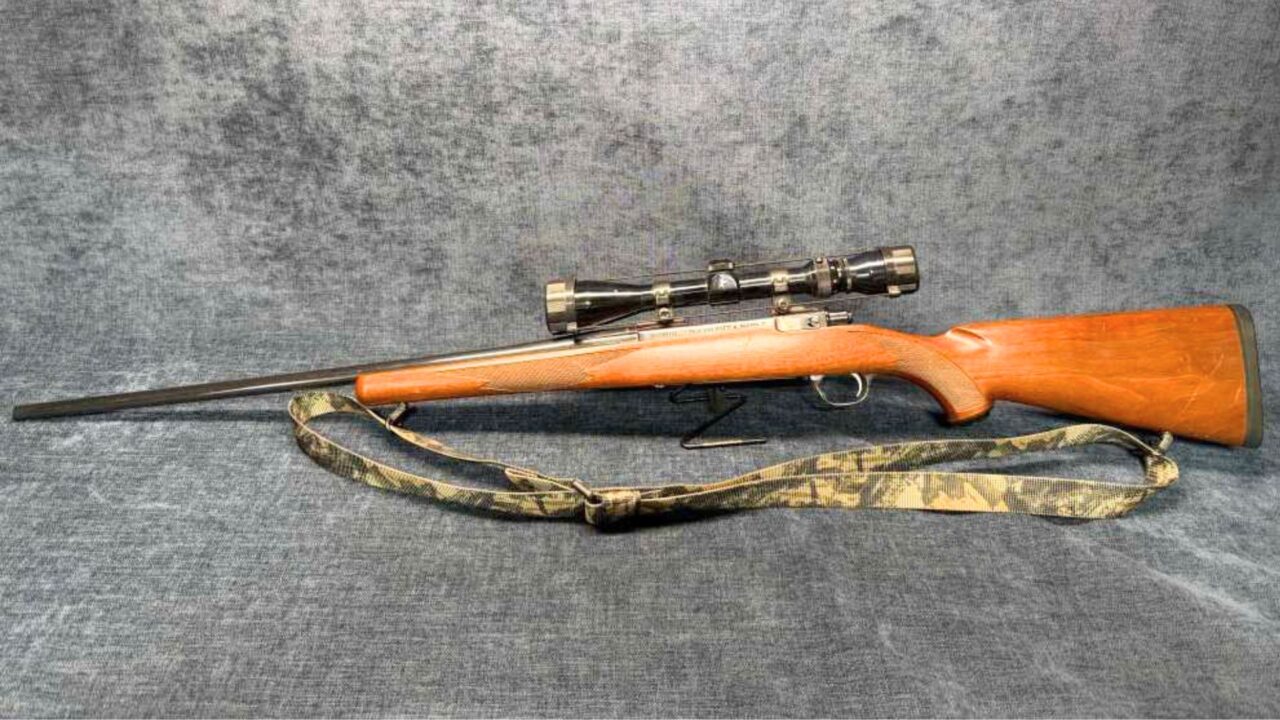
The M77 Mark II isn’t trendy. It’s a little heavier than some, and the action isn’t as “buttery” as the guys on the internet demand. Mine fed like a machine and never gave me a reason to worry in bad weather.
I sold it because it was “too plain.” Then I spent money trying to recreate that same kind of no-drama reliability with newer rifles that had nicer marketing.
13. Springfield Armory M1A Standard
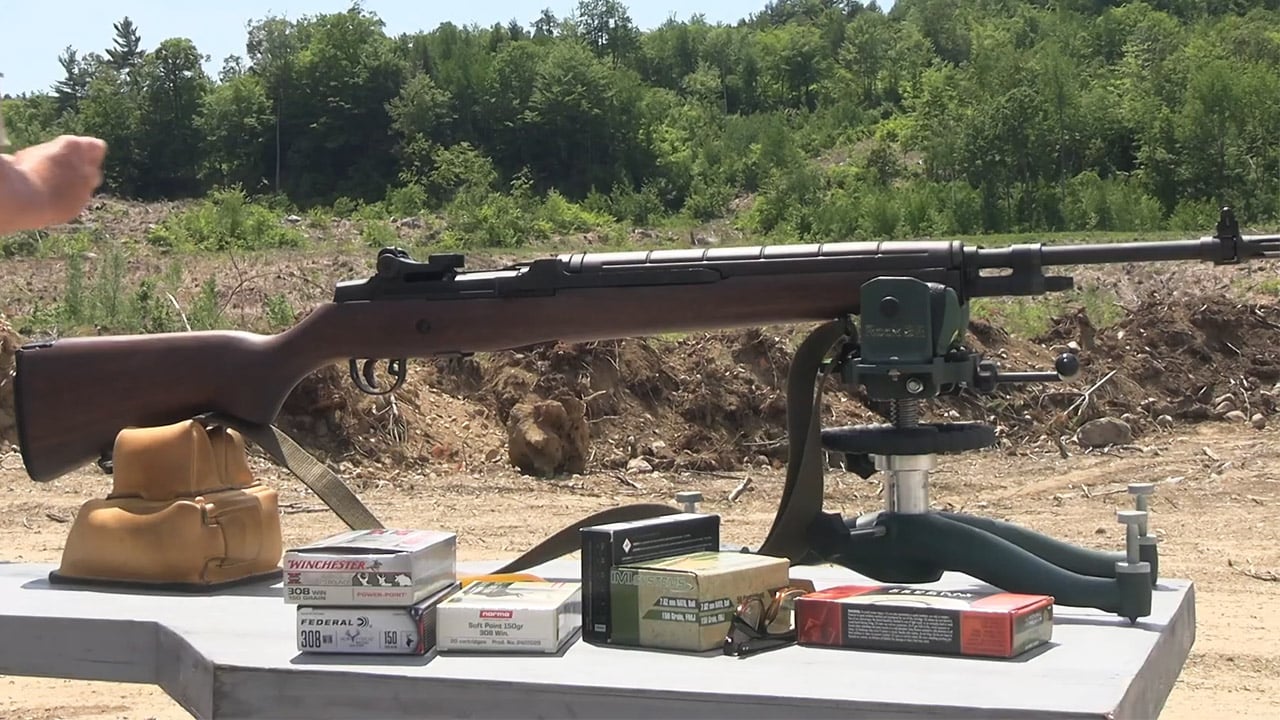
I went through a phase where I didn’t want anything that ate expensive ammo. So I sold an M1A thinking I was being responsible. What I really did was sell a rifle that made range days feel like something.
It’s not the most practical rifle for everybody, and it’s not light. But the irons are excellent, the recoil is friendly, and when you get one that runs right, it’s a serious piece of kit.
14. Ruger Mini-14 Ranch Rifle
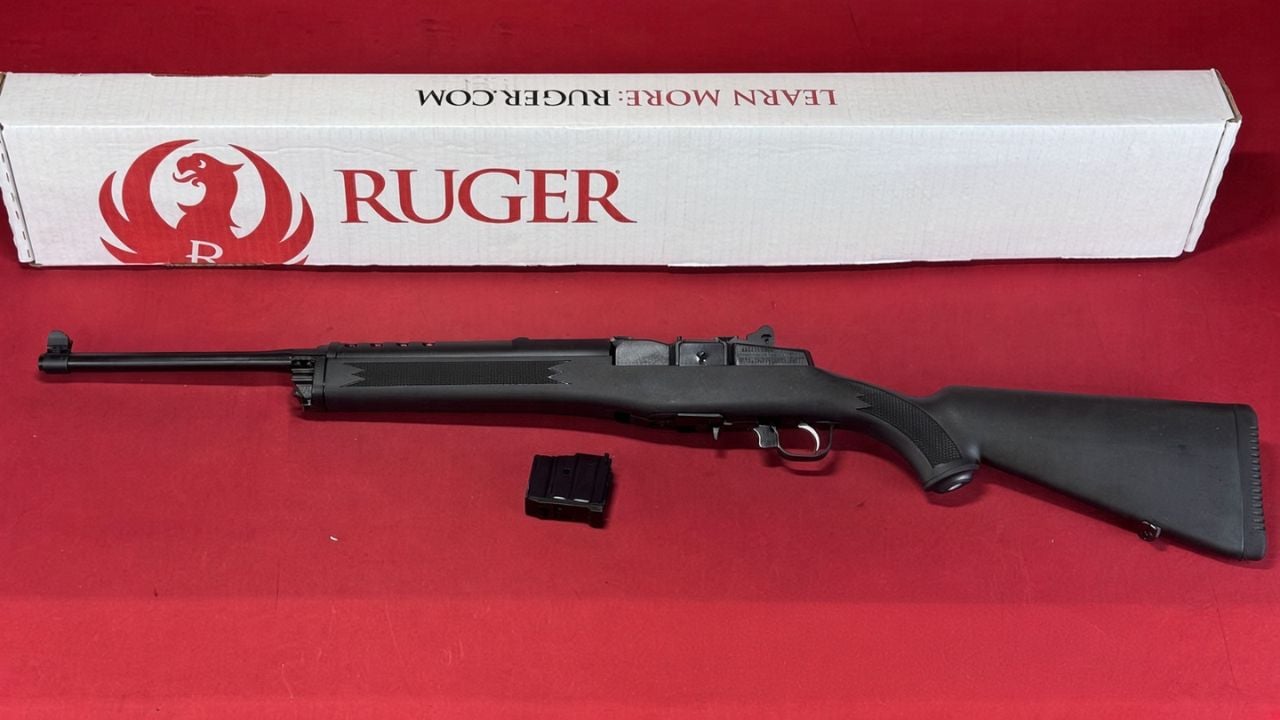
I used to laugh at Mini-14 accuracy jokes. Then I owned one that wasn’t a bench gun, but it was reliable, handy, and it rode in a truck like it was made for it. I sold it because I thought I “should” just have an AR.
ARs are great. Still, the Mini has a certain simplicity and field friendliness, and in some places it draws less attention. Magazine availability can be the hang-up, which is exactly why I wish I’d kept the ones I had.
15. Glock 19 (Gen 3)
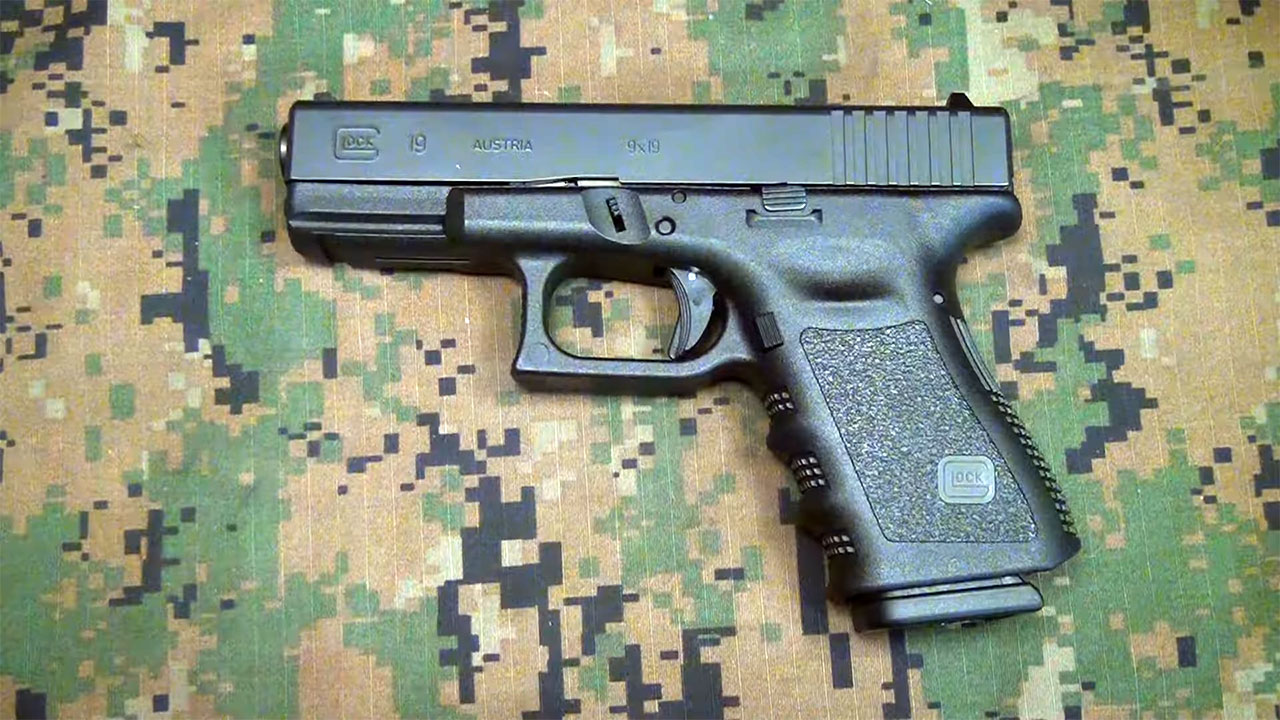
I sold a Glock 19 because I got bored. That’s it. No better reason. I wanted something different, something with a cooler finish and a different trigger feel.
Then I went back to the Glock 19 after chasing other pistols and remembered why it’s the default answer. It carries, it shoots, it runs dirty, and every holster maker on earth supports it. Boring is fine when boring works.
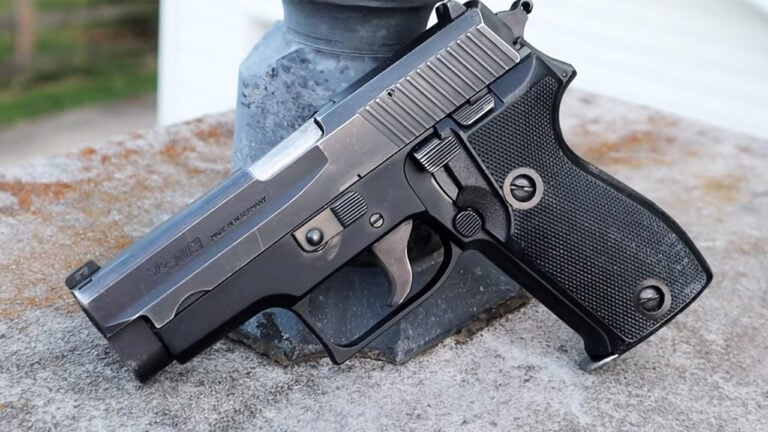
16. SIG Sauer P229
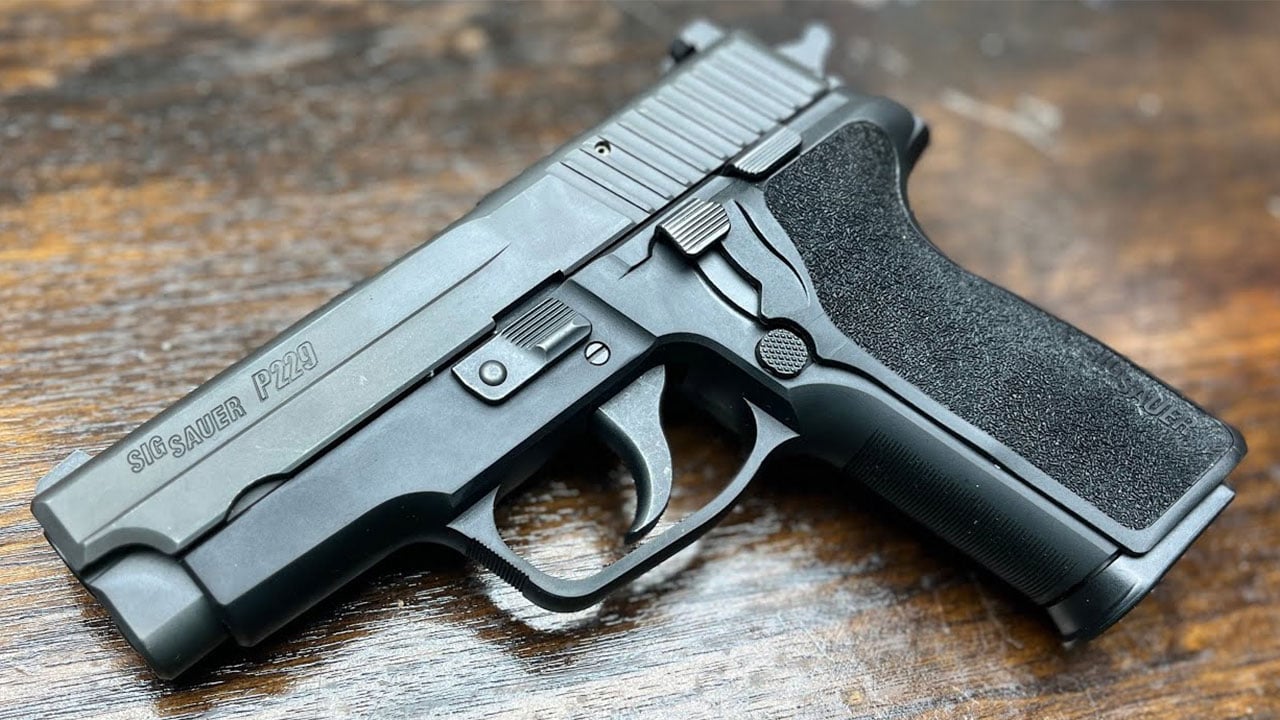
The P229 is not a lightweight. You know it’s on your belt. But it’s steady, it soaks up recoil, and it has that “built like a tool” feel you don’t always get anymore.
I sold mine during a polymer-only phase. Later on, after shooting one again, I realized how much I liked a heavier pistol that shoots flat and doesn’t feel snappy with defensive ammo.
17. Ruger Mark II (Target model)
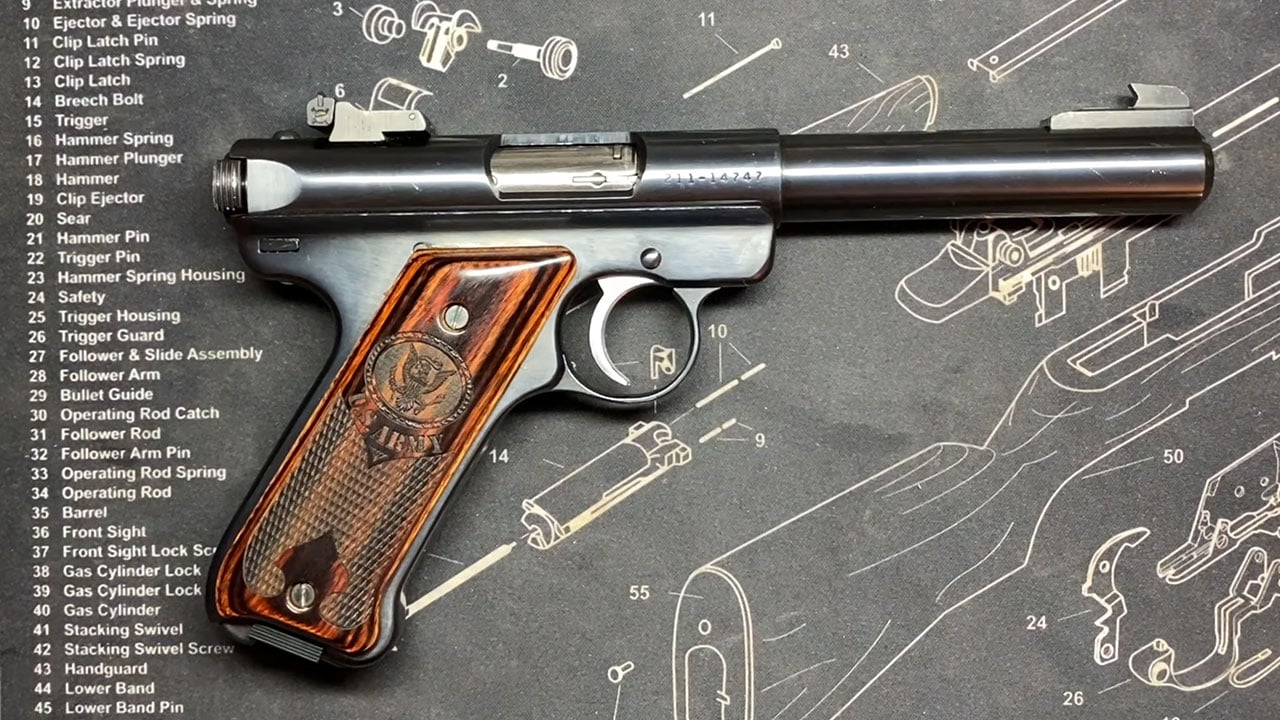
I traded away a Ruger Mark II because I didn’t like taking it apart. Ask me how I know that was shortsighted. Once you learn that pistol’s quirks, it’ll run forever, and it’ll outshoot a lot of fancier rimfire handguns.
A good .22 pistol is more than a plinker. It’s reps. It’s fundamentals. It’s the gun you can afford to shoot a lot when centerfire prices get stupid.
18. Mossberg 500 (plain 28-inch field model)
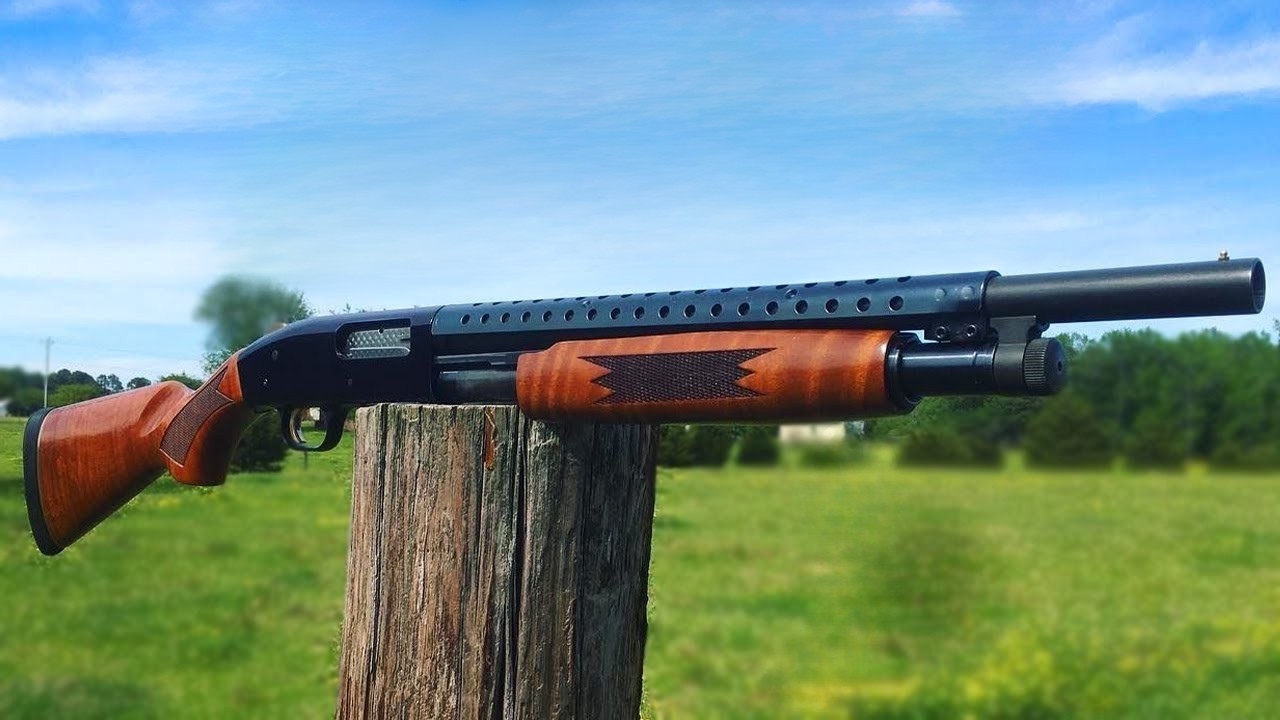
It was a no-frills pump with some rattle to it, and I didn’t think it deserved space. I sold it when I “upgraded” to something nicer. Then I ended up needing a spare shotgun for a buddy one season and realized I’d gotten rid of the exact gun for that job.
The Mossberg 500 isn’t glamorous. It’s just dependable, easy to maintain, and it takes abuse without getting precious about it.
19. Tikka T3 Lite
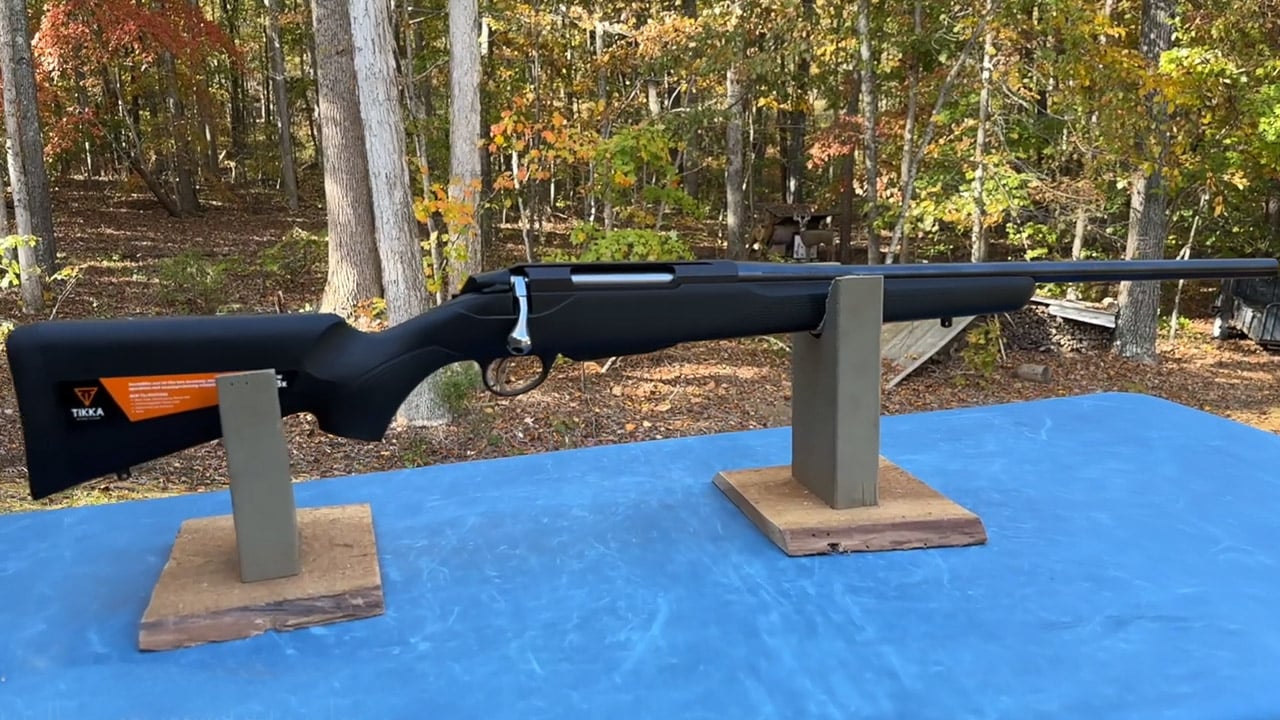
I sold a Tikka because I wanted a rifle with more weight and a different stock. The Tikka did what Tikkas do: it shot well with very little effort, fed smooth, and didn’t act picky about ammo.
The mistake wasn’t selling a rifle I didn’t love. The mistake was pretending I’d find that same easy accuracy again without spending more money and more time. Tikkas are almost unfair that way.
20. Remington Model 600

The little Model 600 is odd. It’s short, it’s loud, and it has that weird look that makes some guys hate it on sight. Mine carried like a dream in thick cover, and it was fast from slung to on target.
I sold it because it wasn’t “classic” enough for my tastes at the time. Now I see them for what they are: a handy, lightweight hunting rifle with real character, and a whole lot of practicality packed into a small package.
I’m not saying every gun you sell will haunt you, and I’m not telling anybody to become a hoarder. But I am saying this: before you trade off a rifle or shotgun that you already know, think about what you’re really buying with that money. If it’s just the rush of something new, you might be paying for it twice.
Like The Avid Outdoorsman’s content? Subscribe to our newsletter so you never miss an article.
Here’s more from us: