Photo credit: Gun News & Reviews/Youtube
Every now and then a pistol comes along that looks like it was designed by somebody who actually carries. The grip feels right. The sights make sense. It shoots flatter than you expected. Then you try to live with it for a month—holster, belt, sweat, truck seat, cold hands, thick cover garment—and the one detail that matters most for carry shows up like a thorn in your boot.
For carry shooters, the “one thing” usually isn’t accuracy or even recoil. It’s the stuff that makes you actually strap it on every day: weight, thickness, snag points, trigger feel under stress, reliability with carry ammo, or a control layout that doesn’t punish you. Here are 20 pistols that get almost everything right, but still trip up on that one carry-critical issue.
1. SIG Sauer P365 SAS
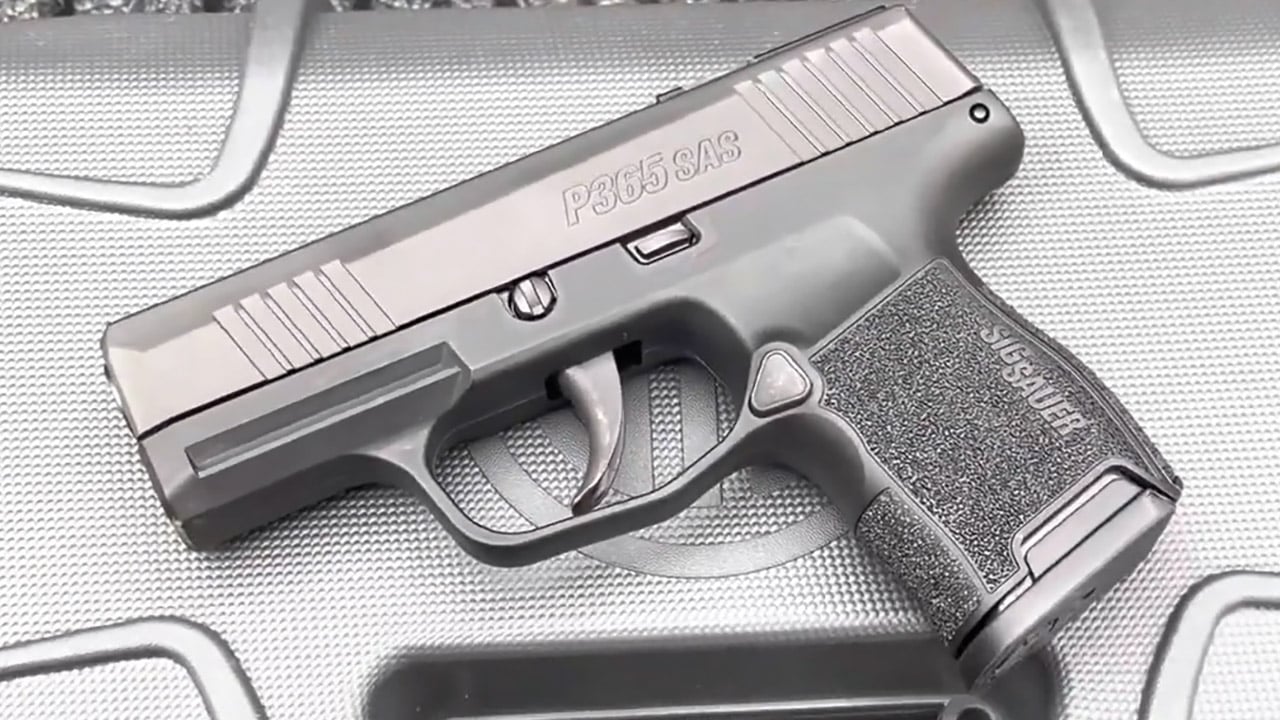
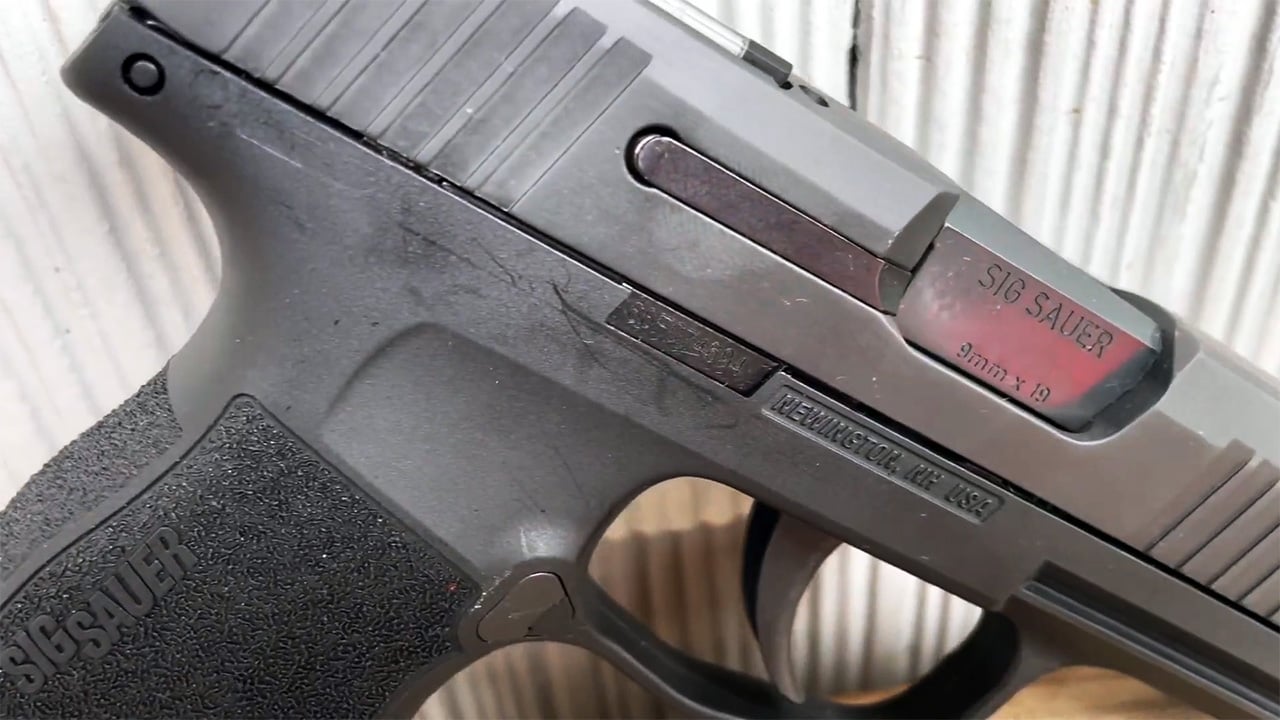
I wanted to like the SAS. On paper, a snag-free micro-9 with a flush “bullseye” sight is a slick idea for deep concealment. The gun is compact, the capacity is there, and the edges won’t chew up your cover garment.
The problem is the sighting system when you’re not standing still in perfect light. That flush sight can be slow to pick up, and in the real world you don’t always get a clean presentation or a perfect angle. A carry gun that makes you hunt for the dot is doing the one thing you cannot afford—costing you time.
2. Springfield Armory Hellcat OSP
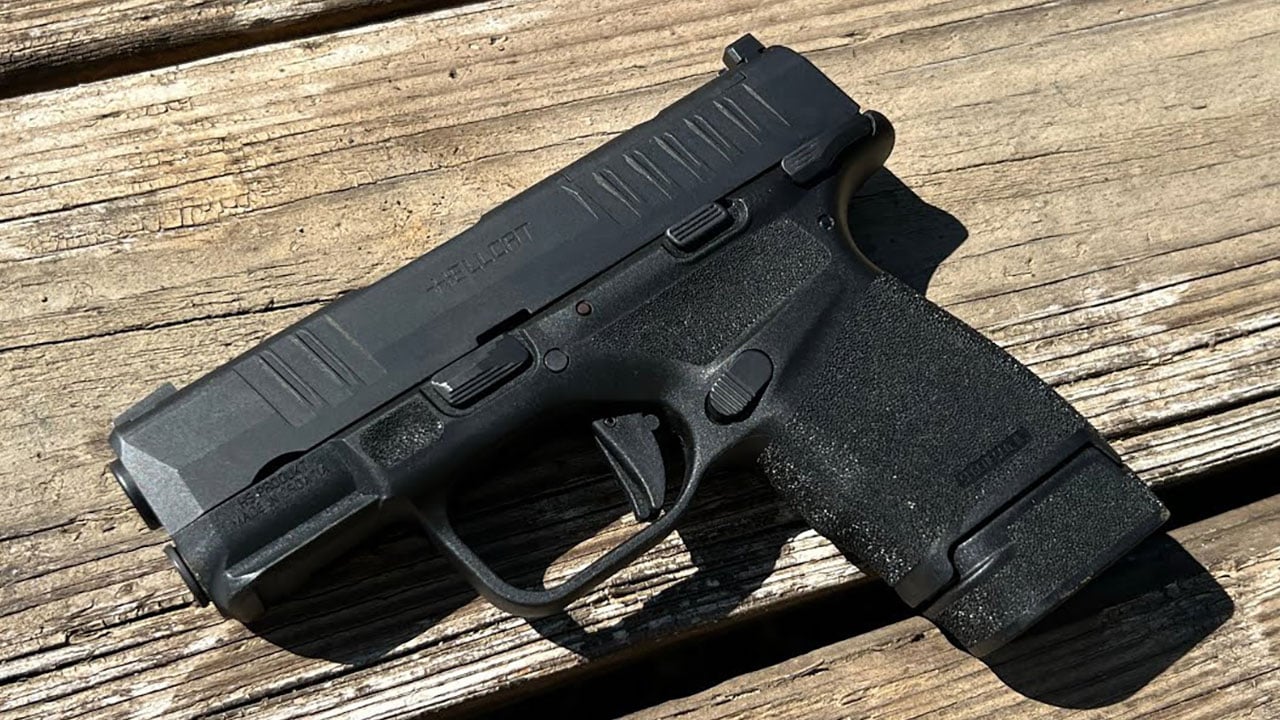
The Hellcat is a workhorse size with real capacity, and the OSP cut makes it easy to join the red-dot world. It carries well, points naturally, and it’s the kind of pistol you can actually shoot at speed once you learn it.
For a lot of shooters, the hang-up is the trigger feel. Some examples feel a bit mushy or stack weird, and that can mess with consistency when you’re trying to shoot fast and clean under pressure. A carry gun doesn’t need a match trigger, but it does need a predictable one.
3. Smith & Wesson M&P9 Shield Plus
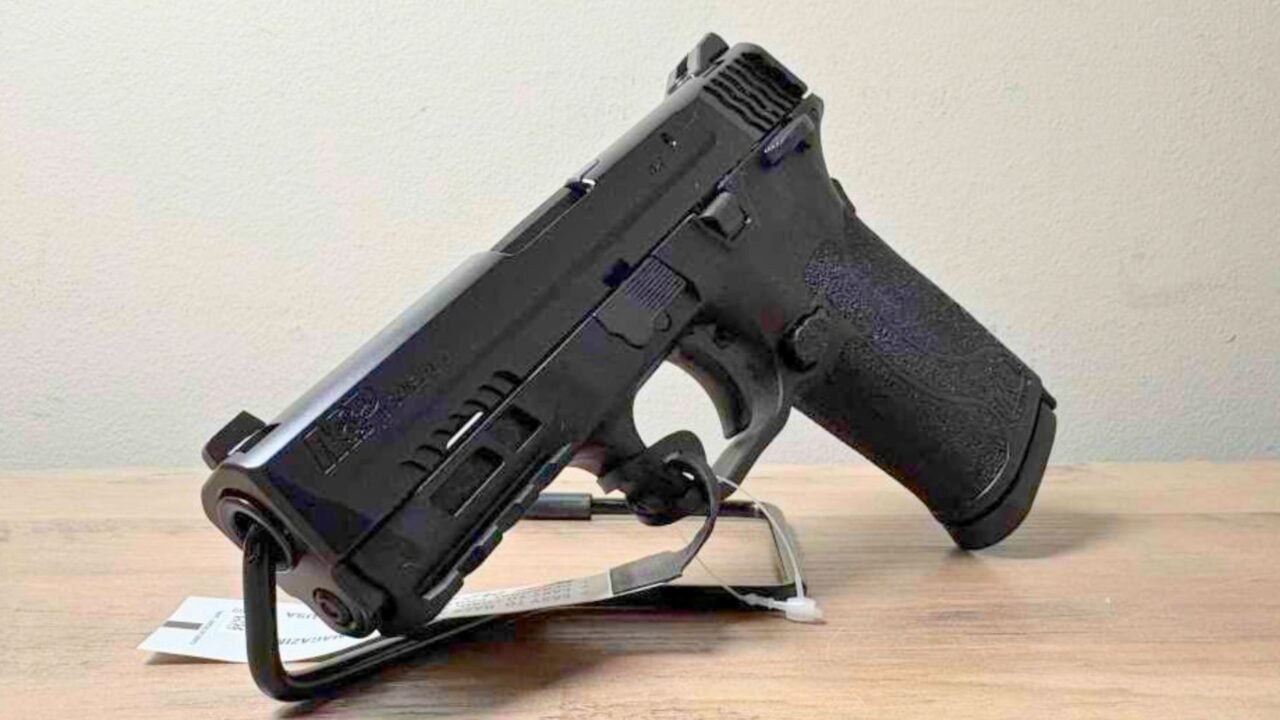
The Shield Plus is one of the most sensible carry pistols made. It’s thin, light, accurate enough, and the magazines are easy to find. It’s “boring” in the best way, and boring is usually what works.
What trips some folks up is the grip texture and how it treats skin over a long day. Against bare skin in summer, that texture can feel like sandpaper, especially with sweat and movement. If a gun makes you dread wearing it, it’ll start staying in the safe.
4. Glock 43X
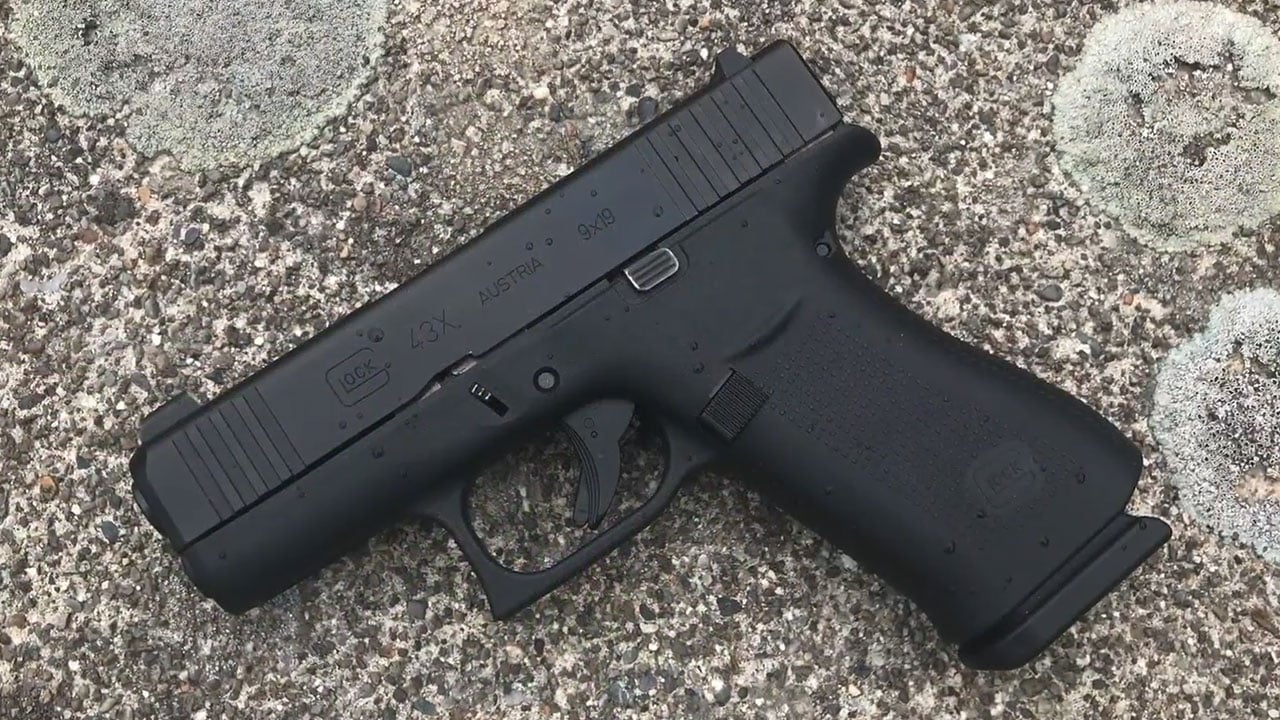
I get why the 43X sells so well. It’s slim, simple, and has that Glock track record. It also shoots bigger than it is, which matters when you actually practice and don’t just buy.
The catch is capacity—at least in factory form. Ten rounds isn’t nothing, but it’s hard not to notice what competitors offer in the same footprint. Yes, there are aftermarket magazine options, but leaning on aftermarket mags for a carry gun is a choice you’d better test hard.
5. Glock 48
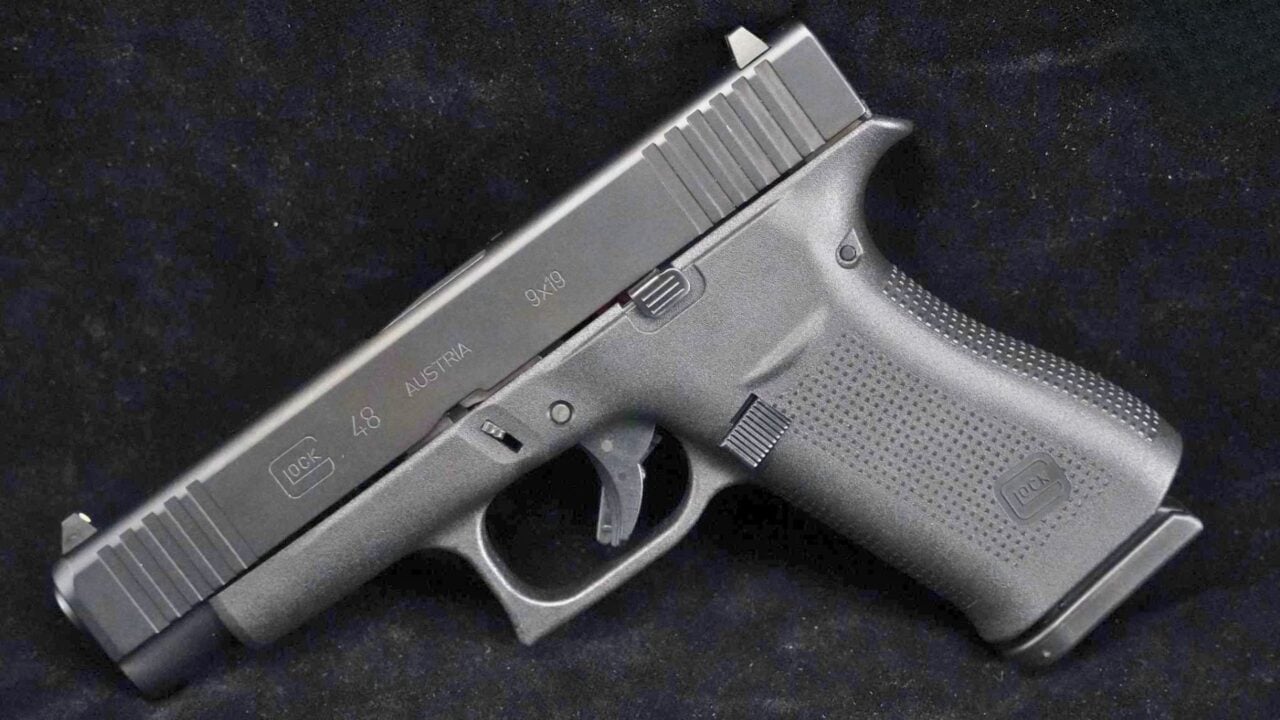
The 48 is one of the easiest slimline Glocks to shoot well. That longer slide settles the gun down, and the sight radius makes it forgiving. If you want a thin pistol that behaves more like a compact, it’s a good lane.
The one carry problem is the longer slide for certain body types and carry positions. Sitting in a truck, bending to pick up decoys, or crawling into a blind can make that extra length noticeable fast. Comfort isn’t a luxury item when you’re carrying day after day.
6. SIG Sauer P365 XL

The XL hits a sweet spot: better grip, better shootability, still compact. It’s a pistol that makes a lot of sense for folks who found the original micro-9s too small to run hard.
But the XL’s slightly taller grip is the deal-breaker for more people than they admit. That little extra length is what prints under a light shirt, especially when you twist, reach, or climb in and out of a stand. It’s a great shooter that sometimes gives up the main advantage of going small.
7. Ruger LCP II

The LCP II is a true pocket gun that actually disappears. It’s light enough that you forget it’s there, and in hot weather that matters. It’s a legitimate tool for the days you can’t dress around a gun.
The problem is shootability. Small, light .380s can be snappy, and tiny sights plus a short grip make practice feel like work. If you don’t practice because it’s unpleasant, the gun isn’t really doing its job.
8. Ruger Max-9
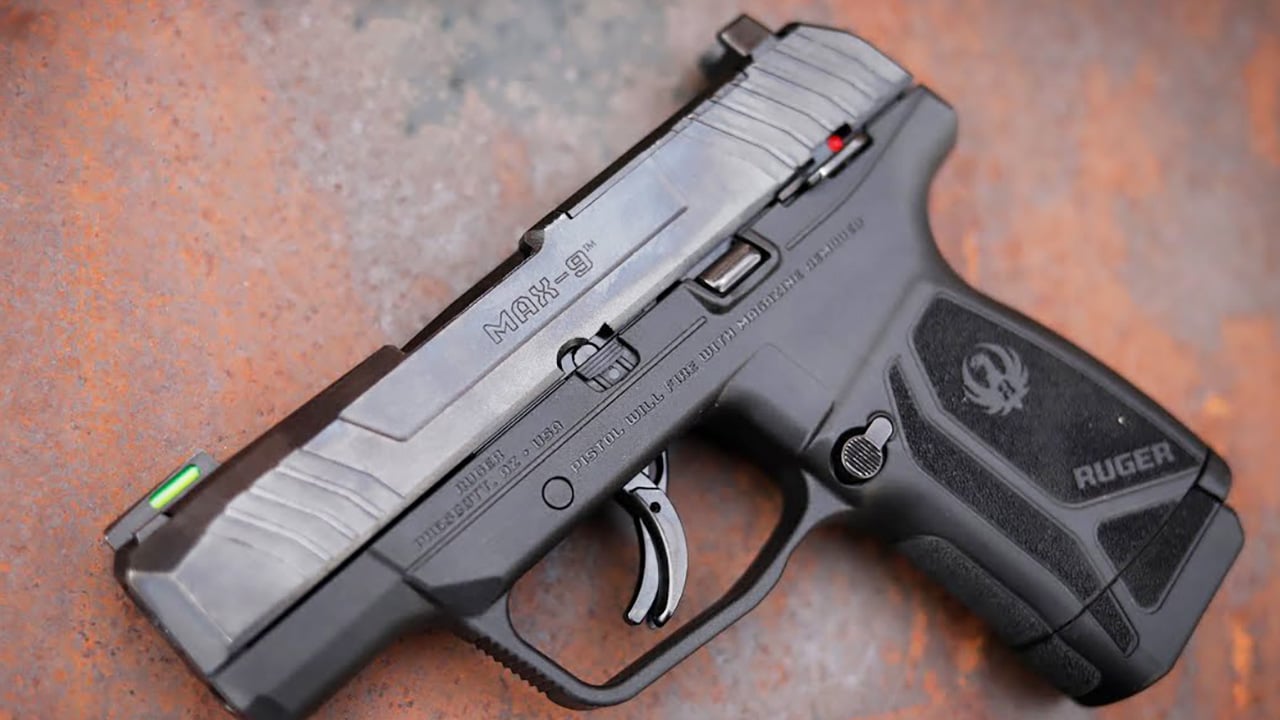
Ruger gave carry shooters a lot for the money here—capacity, optics-ready versions, decent sights, and a size that makes sense. It’s not flashy, but it covers the bases.
The hang-up is the trigger and reset feel for some shooters. If you’re used to a crisp break, the Max-9 can feel vague, and that shows up in rapid strings. Carry guns live and die by how well you can run them when you’re not fresh and calm.
9. Taurus G3c

For the price, the G3c gives you a lot. It’s usually reliable, it shoots fine, and it’s a very common “first carry” pistol for folks watching the budget. Magazines and holsters exist, which is half the battle.
The one issue that keeps it off a lot of belts is bulk for what it is. It’s not huge, but it can feel thick and blocky compared to the newer slim compacts. If you’re trying to keep carry comfortable and discreet, that thickness matters.
10. Walther PDP Compact
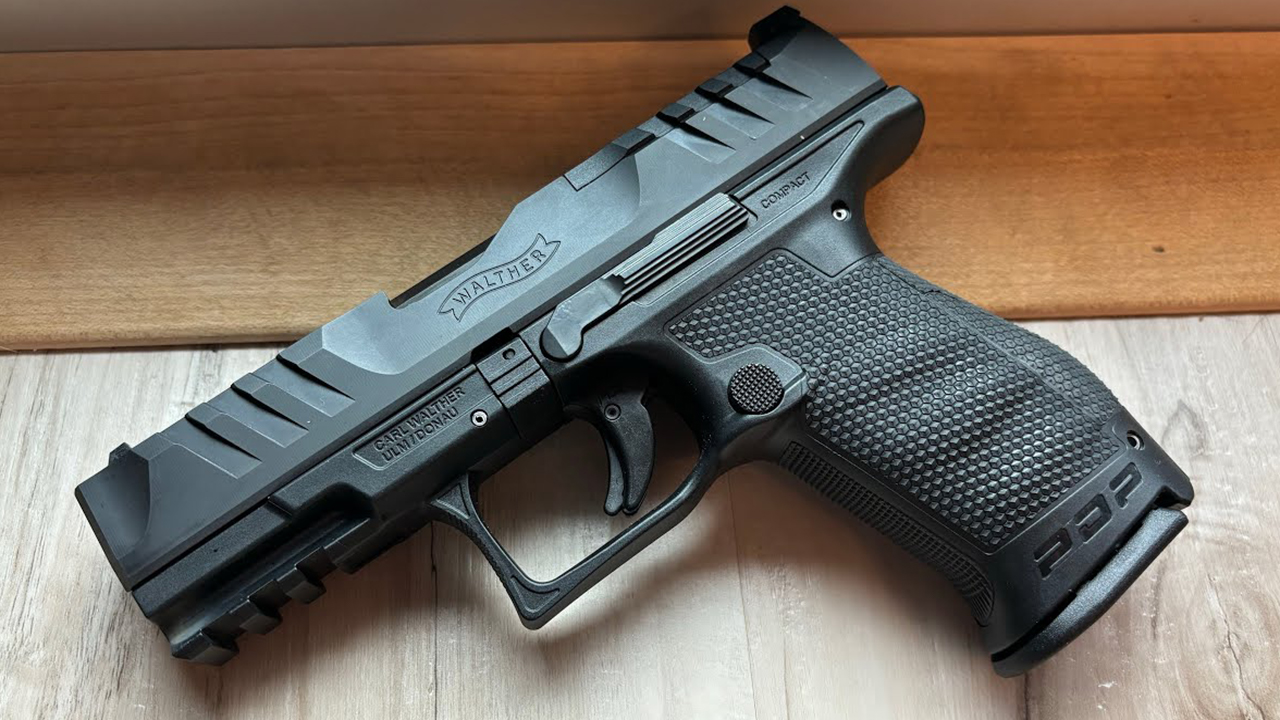
The PDP is one of those pistols that makes you look good at the range. Great ergonomics, great trigger, and it points like your finger. It’s easy to shoot well, and that counts.
The carry-killer is thickness and overall mass. It’s not a brick, but it’s not a “forget it’s there” pistol either. Add a light or optic and you’re back in full-size carry territory, whether you meant to be or not.
11. FN 509 Compact
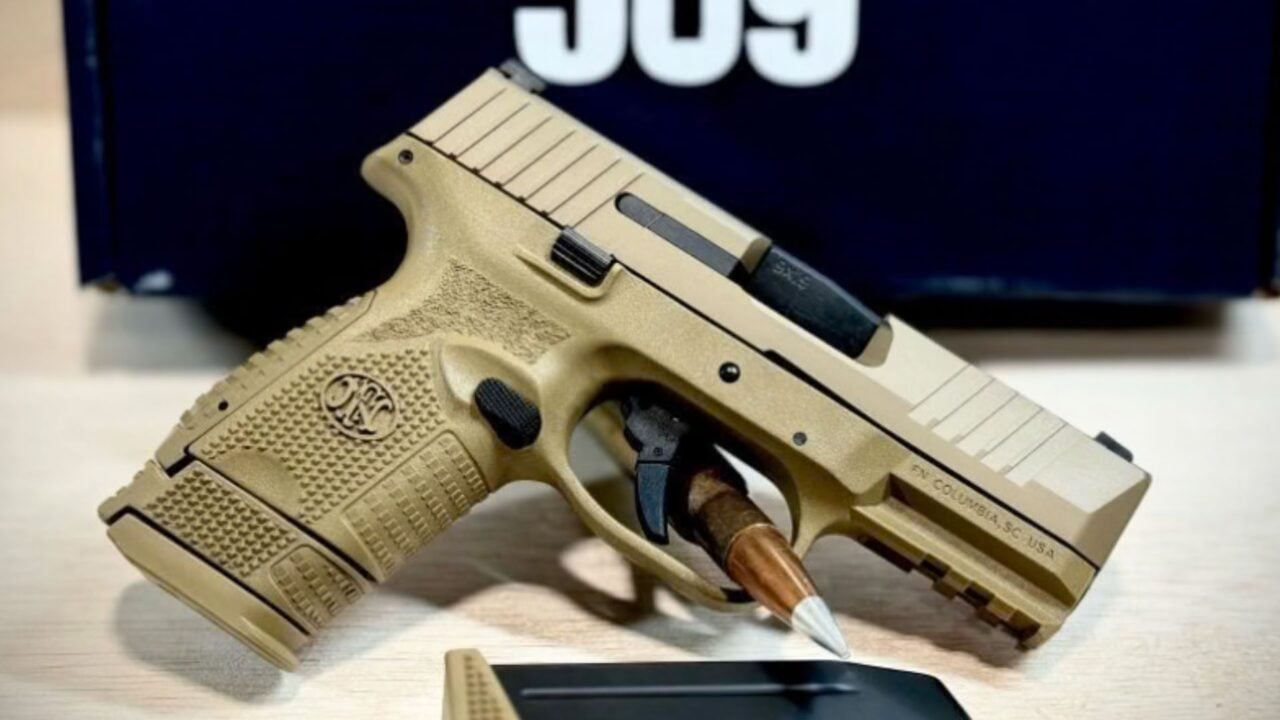
The 509 Compact is built like it wants to be used hard. It has that duty-gun toughness in a carry-friendly size, and it tends to run reliably with a wide range of ammo. It’s a serious pistol.
What gets in the way is the trigger feel for a lot of shooters. Some are fine, some feel gritty or heavy compared to competitors. A carry gun you shoot “okay” is not the same as one you shoot confidently.
12. CZ P-10 C
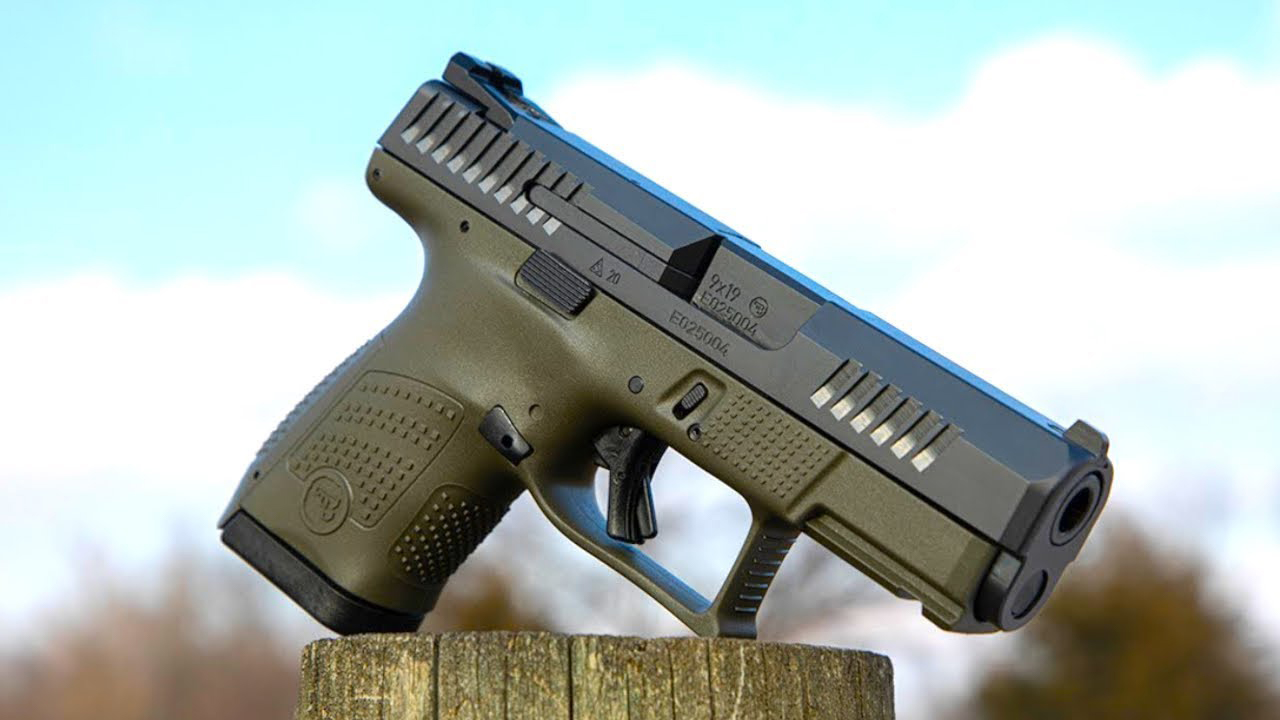
The P-10 C is a sleeper. It’s accurate, the grip feels glued to your hand, and it has a reputation for running like a sewing machine. If you like a striker gun that doesn’t feel like a 2×4, this is one.
The one thing that can bite you is the aggressive grip texture. In a holster it’s fine, but against skin it can rub you raw in the wrong setup. You can tame it with tape or a different holster, but out of the box it can be too much.
13. Heckler & Koch VP9SK
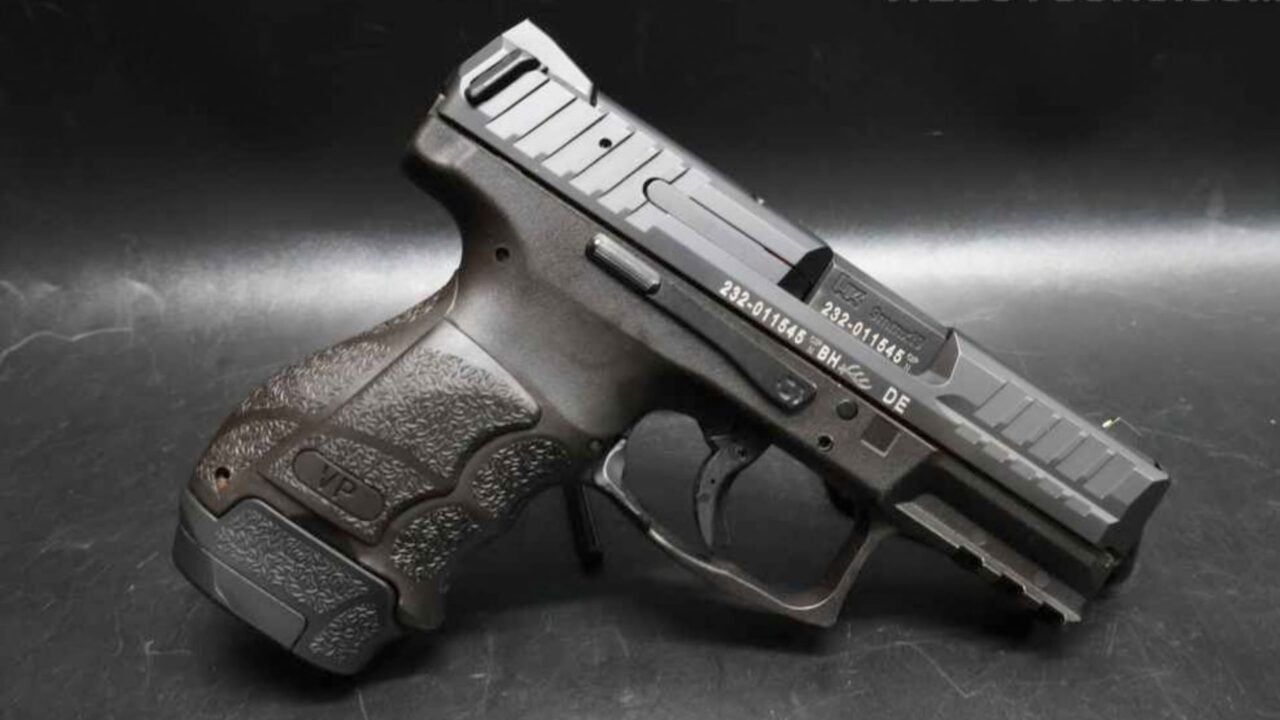
The VP9SK is easy to shoot, and HK got the ergonomics right. With the right backstrap and side panels, it fits hands that other subcompacts punish. The paddle or button mag release options also make some shooters happy.
The carry drawback is thickness. It’s chunky for its capacity compared to the latest micro-compacts. You can carry it, sure, but it’s harder to justify when thinner guns carry the same or more rounds.
14. Beretta PX4 Storm Compact
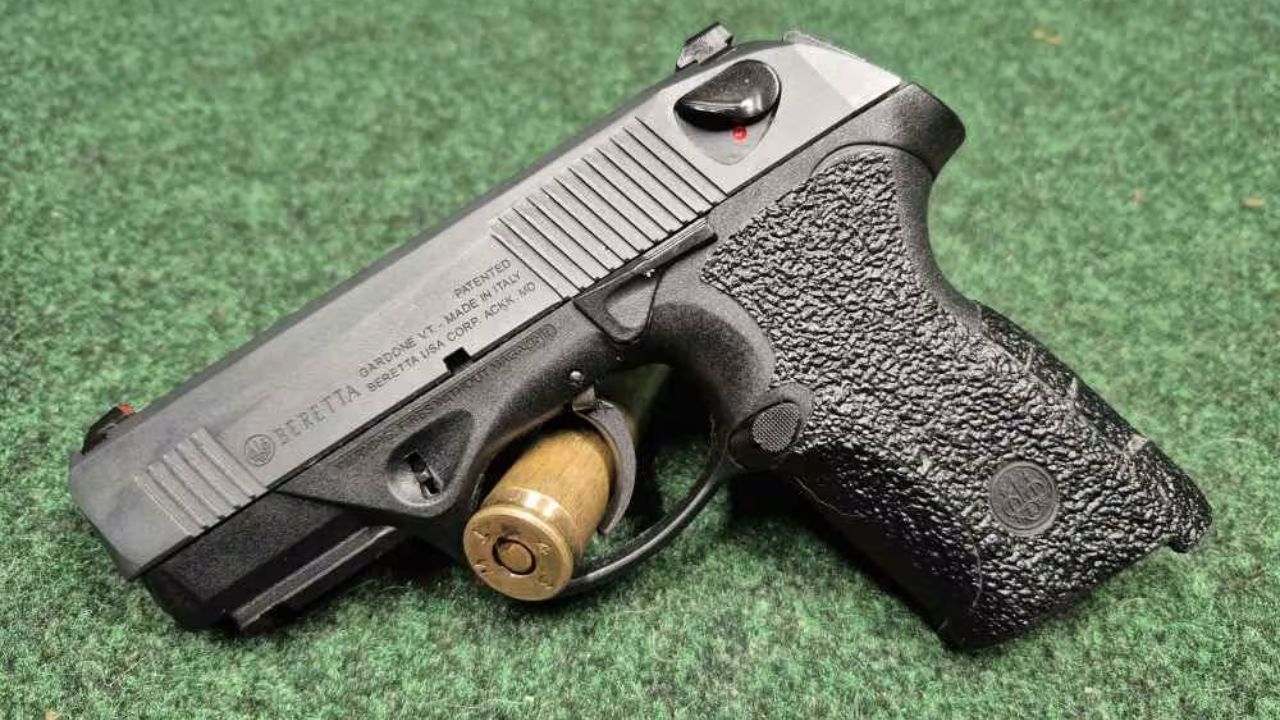
The PX4 Compact is one of those pistols that runs smoother than people expect. The rotating barrel system can make recoil feel softer, and the gun has a loyal following for a reason. It’s also very shootable for a compact.
Here’s the issue: it’s a little thick and a little oddly shaped for concealment, and holster selection isn’t as effortless as the mainstream stuff. Carry guns need support—holsters, sights, spare mags. When that ecosystem is thin, the gun becomes a project.
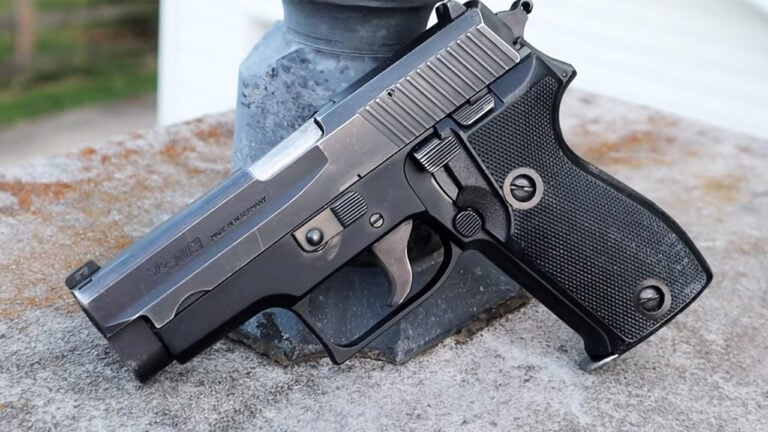
15. SIG Sauer P229

The P229 is a classic for a reason. It’s tough, accurate, and the DA/SA system can be run very well with training. It’s the kind of pistol that feels “serious” the moment you rack it.
But carrying it all day reminds you what metal-framed, double-stack compacts weigh. Weight isn’t just comfort—it changes what belt you need, what pants work, and whether you actually keep it on when you run to town. That one hurts, because it’s a great pistol otherwise.
16. Colt Defender (1911)

Short 1911s are tempting. Slim profile, familiar controls, and that crisp single-action trigger that makes accurate shooting feel easy. The Defender carries flat and looks good doing it.
The problem is that compact 1911s can be picky. Timing and spring weights get less forgiving as barrels get shorter, and not every example loves every hollow point. A carry gun has to run with your carry ammo, not just ball at the range.
17. Kimber Micro 9
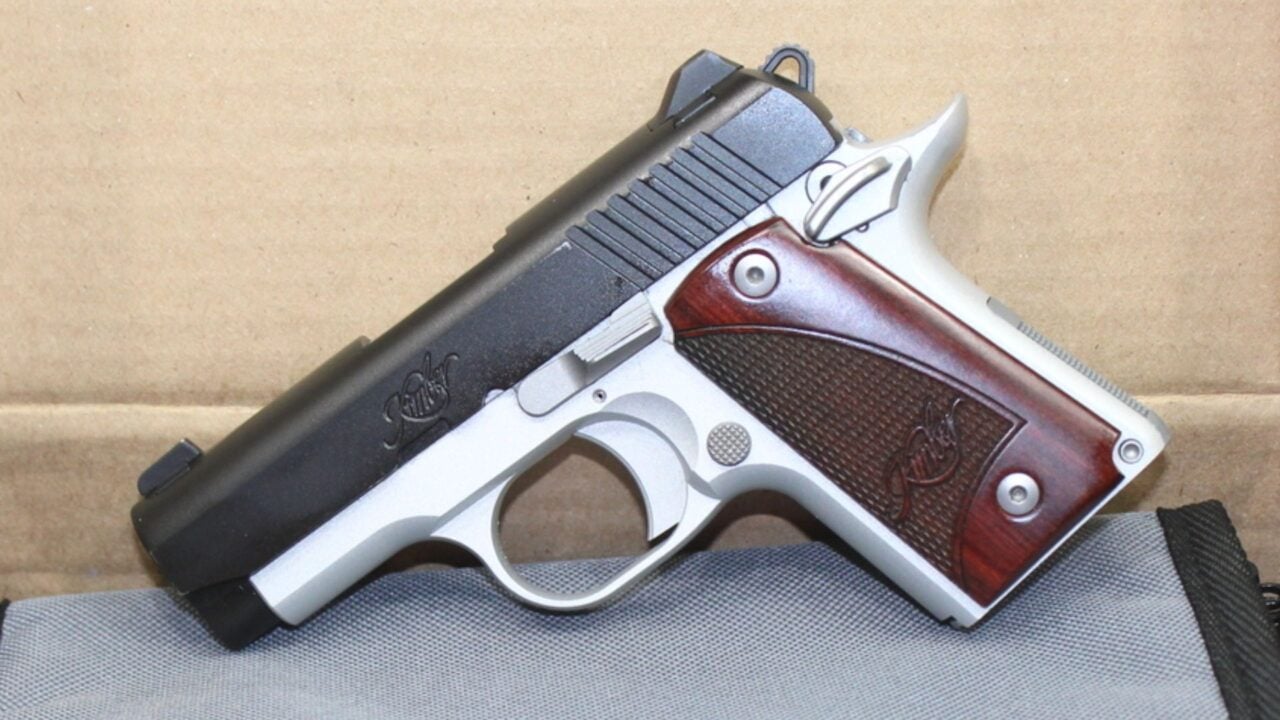
The Micro 9 is easy to carry and easy to like in the hand. It’s small enough for deep concealment, and the 1911-ish controls feel natural to a lot of shooters. When they run, they’re handy little pistols.
Where it loses carry shooters is consistency across examples and magazines. Some run great, some need tinkering, and that “maybe” is not what you want in a defensive pistol. Trust is the whole game with a carry gun.
18. Smith & Wesson 642 Airweight

The 642 is the “always” gun for a lot of folks. Drop it in a pocket holster, forget about it, and it’s still there when you need it. No magazine springs to worry about, no slide to rack, and it handles neglect better than most.
The catch is recoil and the trigger pull, especially for newer shooters. Lightweight snub-nose revolvers are not range toys, and they demand real practice. If you can’t shoot it well beyond bad-breath distance, it’s failing the main carry requirement.
19. Kahr PM9

Kahr’s PM9 has been around long enough to earn respect. It’s thin, smooth, and genuinely easy to conceal. The trigger is long but smooth, and the gun points naturally for a lot of hands.
The issue is the break-in and sensitivity to limp-wristing for some shooters, especially with micro pistols and mixed ammo. If a gun needs a “getting to know you” period before it settles down, that’s a hard sell for a tool you may bet your life on.
20. IWI Masada Slim

The Masada Slim is a smart design with good features for the money, and it carries nicely. It’s one of those pistols that makes you wonder why you’d pay more for something similar. In the hand, it feels sorted out.
The one carry snag is long-term ecosystem compared to the giants. Holsters, spare mags on every shelf, night sight options, and small parts availability matter more than the first 200 rounds. A carry pistol isn’t just a gun—it’s a system you have to live with.
None of these are “bad guns.” Most of them are actually excellent, which is why the letdown stings when the carry detail shows up. Before you buy, think less about the range counter and more about Tuesday afternoon in July, sweaty and busy, climbing in and out of the truck. If the pistol doesn’t make that routine easier, it won’t get carried—and the one thing that matters most is the thing you’ll actually have on you.
Like The Avid Outdoorsman’s content? Subscribe to our newsletter so you never miss an article.
Here’s more from us: