Photo credit: harley45acp/YouTube
Some handguns feel acceptable when they are new. The price seems right, the size looks useful, or the reputation makes you think the little annoyances will not matter. Then you live with the gun for a while, shoot it more, clean it more, carry it more, and those small problems start getting louder.
A handgun that feels worse over time is not always completely useless. Sometimes it still works. The issue is that every range trip reminds you of the trigger, recoil, controls, reliability concerns, weak support, or better options you should have bought instead.
Kimber Micro 9
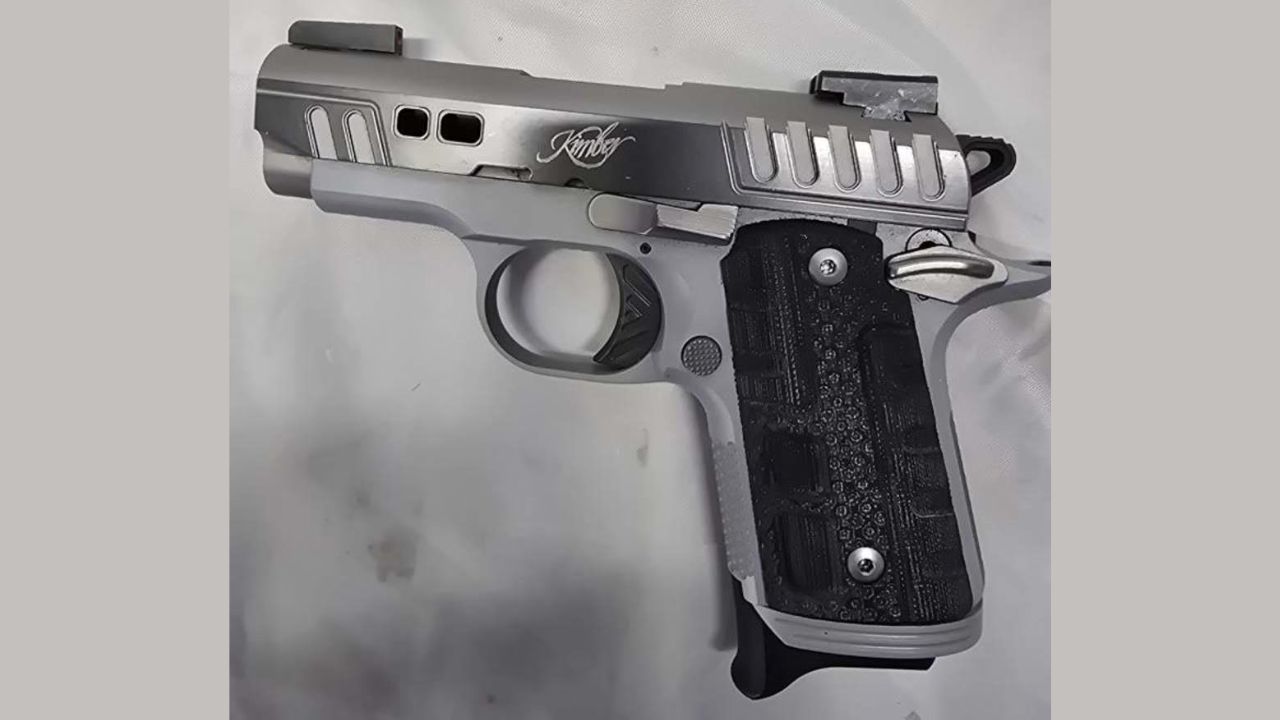
The Kimber Micro 9 looks better than it feels after extended ownership. At first, the small 1911-style layout, nice finish, and easy-carry size make it tempting. It feels like a classy little pistol that should be more enjoyable than a plain polymer micro gun.
Then you spend more time shooting it. The recoil can feel sharp, the grip is cramped, and the small controls ask for more attention than some owners want in a defensive pistol. It can run fine, but it still makes you work. After trying newer micro-compacts that shoot flatter and carry more rounds, the Micro 9 starts feeling like style carried too much of the sale.
Beretta APX A1 Carry

The Beretta APX A1 Carry has the problem of wearing a great name while feeling like one of the weaker pistols in its class. You expect Beretta polish, but the longer you own it, the more the trigger, grip, and recoil feel stand out for the wrong reasons.
It is not that the pistol has no purpose. It is small, optics-ready, and easy to conceal. But small carry guns live in a brutal market now. When competitors feel better in the hand, shoot better at speed, and offer stronger confidence, the APX A1 Carry becomes harder to defend the longer it sits beside them.
Springfield XD-S
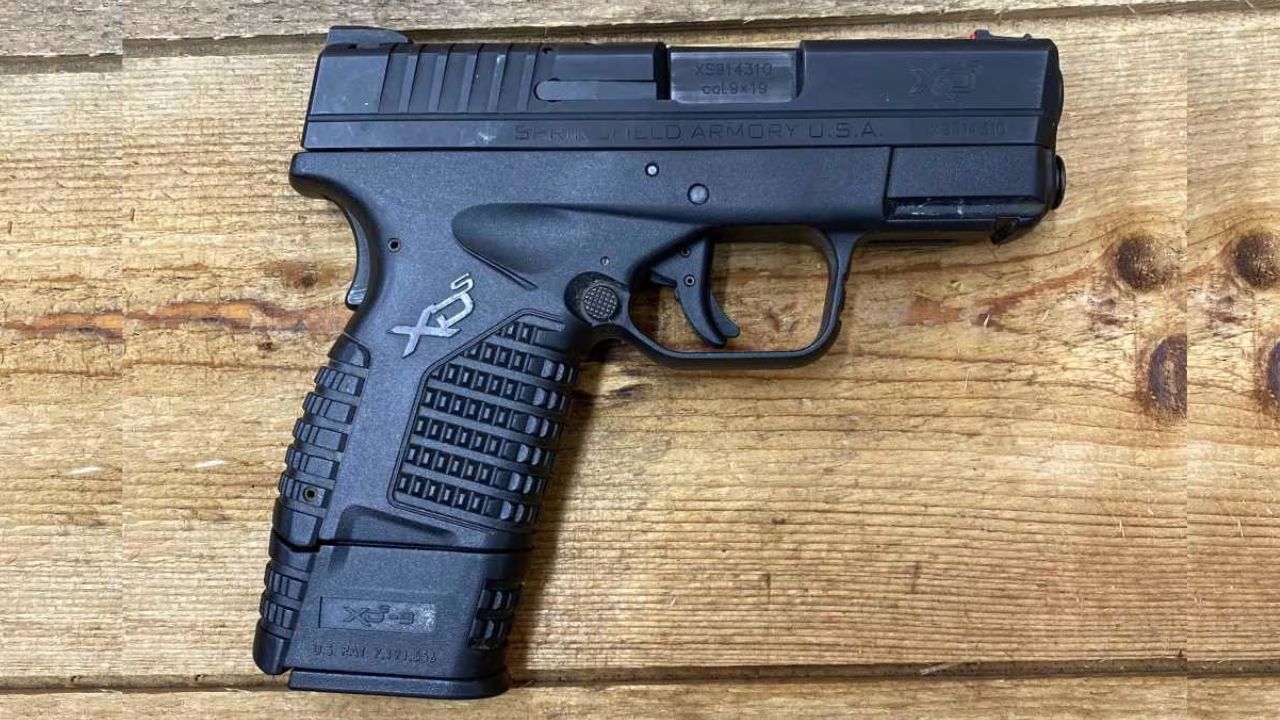
The Springfield XD-S made more sense when slim single-stack carry guns ruled the case. It was thin, serious-looking, and backed by a brand many shooters trusted. For a while, that was enough to make it feel like a smart carry choice.
Over time, though, the XD-S can start feeling dated. Capacity is limited, recoil is snappy in the smaller versions, and the grip safety is one more thing some owners simply stop wanting. Once you compare it to newer carry pistols that hold more rounds and shoot easier, the XD-S feels like a gun from a carry trend that moved on without it.
SCCY CPX-2

The SCCY CPX-2 often feels worse because the low price stops feeling like comfort after enough range time. At first, it seems like an affordable way to get a compact defensive pistol. It is simple, small enough to carry, and easy to understand.
Then the trigger starts wearing on you. The long, heavy pull makes good shooting harder than it needs to be, especially if you are trying to build skill instead of just make noise. It is not fun enough for practice and not refined enough to inspire confidence. Eventually, saving money up front feels less important than owning a pistol you actually want to shoot.
Taurus Curve
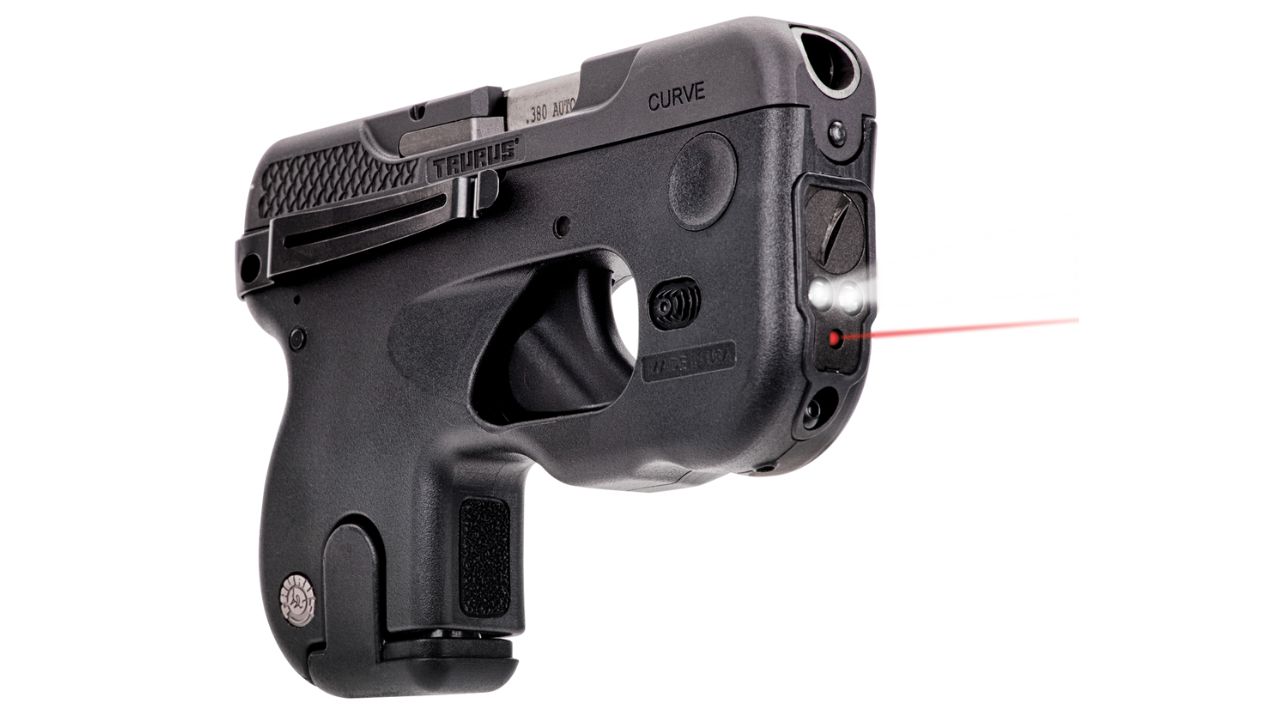
The Taurus Curve gets worse because the novelty fades faster than the awkwardness. At first, the curved frame and built-in light-laser setup make it feel like an interesting concealed carry idea. It is different, and different can be tempting.
But once you own it, the compromises become the whole story. The lack of normal sights, odd handling, and strange shape do not make training easier. They just make the pistol feel like it was built around a concept instead of a shooter. It is the kind of gun that seems clever until you realize normal carry pistols solved the problem better.
KelTec PF-9

The KelTec PF-9 had a real place when thin, affordable 9mm pistols were harder to find. It was light, flat, and easy to conceal. For buyers on a budget, that made it look like a practical answer.
Long-term ownership is where the rough edges show up. The recoil is sharp, the trigger is long, and the pistol can feel crude next to newer small 9mms. It is not a gun most people want to practice with heavily. The more modern carry pistols you shoot, the more the PF-9 feels like an old solution to a problem the market has mostly fixed.
Remington RM380

The Remington RM380 seems reasonable at first because it is small, metal-framed, and simple. For pocket carry, it looks like the kind of pistol that should be easy to live with. It also has a more solid feel than some featherweight .380s.
The longer you own it, though, the long trigger, small sights, and dated feel start dragging it down. It is not terrible, but it is rarely exciting or especially confidence-building. With better .380s and micro 9mms available, the RM380 starts feeling like a compromise you accepted before realizing you had more options.
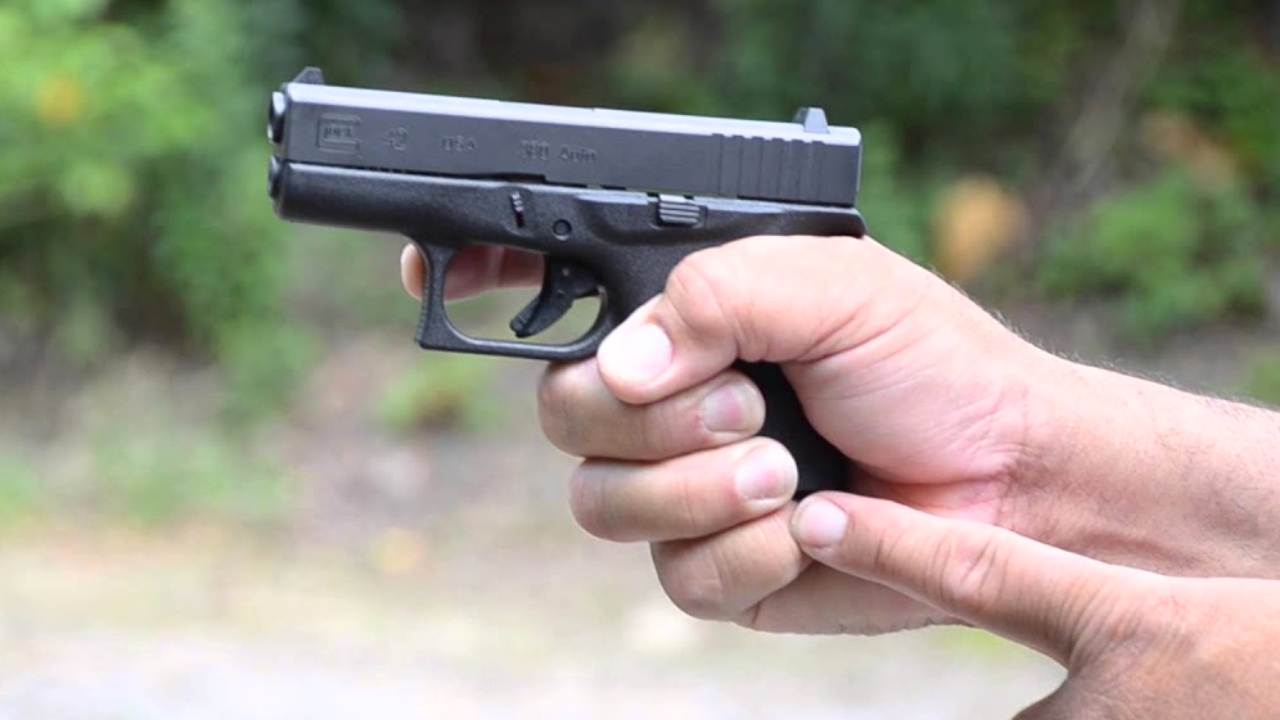
Glock 42

The Glock 42 is reliable and soft enough to like at first, especially if you want a small .380 from a trusted brand. It feels familiar, simple, and easy to carry. That first impression can be strong if you already trust Glock.
Over time, some owners start questioning the tradeoff. It is not tiny enough to feel like a true disappearing pocket gun, yet it is still only a low-capacity .380. Once you compare it to small 9mms or higher-capacity .380s, the G42 can feel less convincing. It still works, but the value of what you gave up becomes harder to ignore.
Diamondback DB9

The Diamondback DB9 wins people over with size. It is extremely small for a 9mm, and that makes it easy to imagine carrying when nothing else fits. At the counter, that kind of concealability feels like a major advantage.
After ownership, the size becomes the problem. The DB9 is not pleasant to shoot, and tiny 9mms make every grip flaw and trigger mistake more obvious. Practice matters with carry guns, but this is not the kind of pistol most people want to practice with often. It may disappear on the belt, but it also disappears from the range bag pretty quickly.
Smith & Wesson CSX

The Smith & Wesson CSX looked like it should have been an easy win. A small metal-framed pistol with strong capacity, hammer-fired operation, and a major brand behind it sounded like something different in a good way.
Then owners started spending time with the trigger. The odd reset feel bothered a lot of shooters, and that is hard to forget once you notice it. The CSX is not a bad idea, but execution matters. The longer you own it, the more frustrating it becomes that a pistol with this much promise did not feel more polished where it mattered most.
SIG Sauer P938
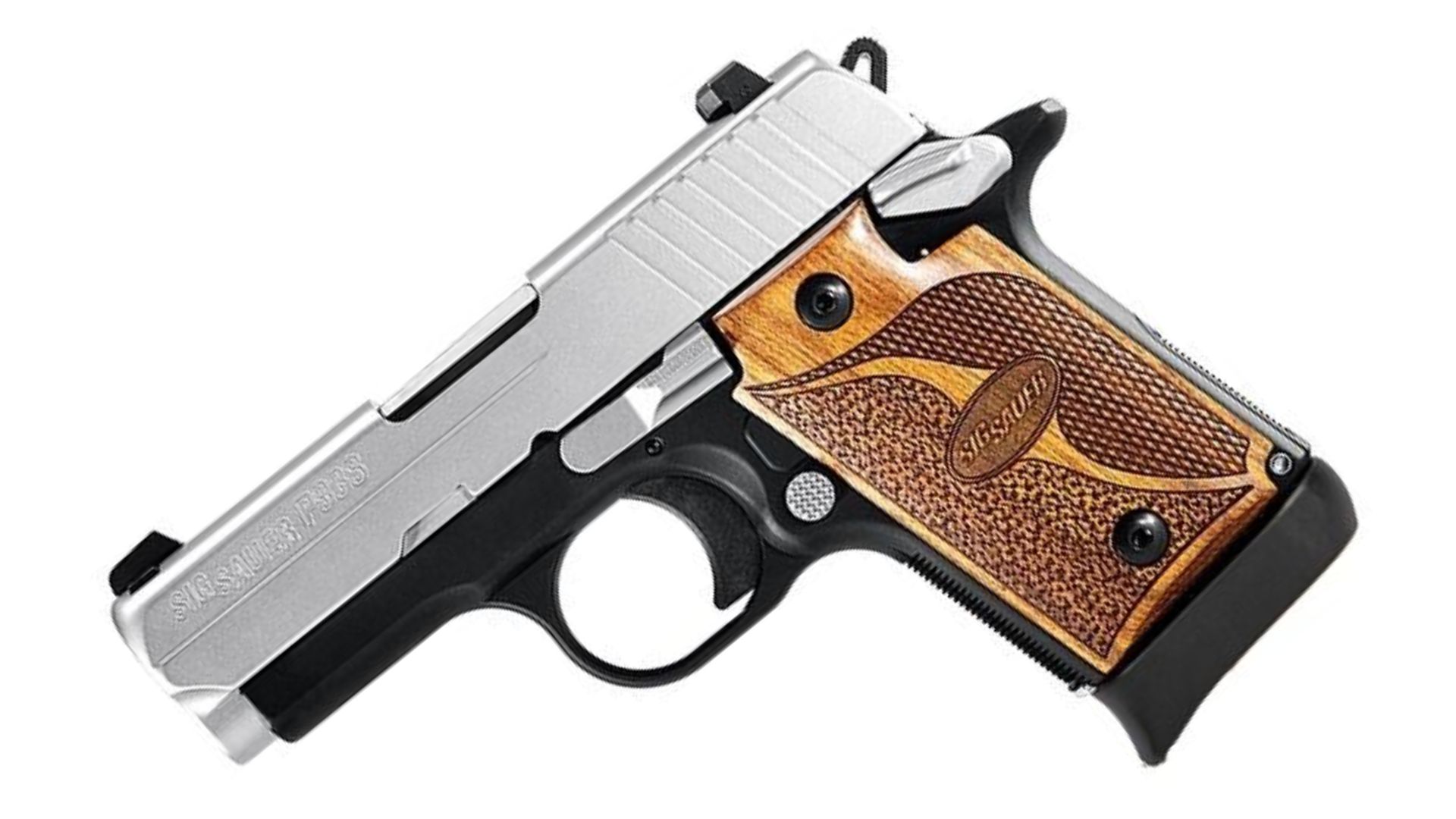
The SIG P938 feels great if you want a tiny metal single-action pistol with real craftsmanship behind it. It carries easily, looks sharp, and gives you a familiar manual safety setup if you like 1911-style controls. At first, it feels like a premium pocket 9mm.
The problem is that long-term ownership keeps reminding you how small and limited it is. Recoil is brisk, capacity is low by modern standards, and the little grip does not give you much room to work. Once you shoot newer micro-compacts with more capacity and easier control, the P938 starts feeling like a nice pistol from a previous carry era.
Ruger LCP

The Ruger LCP is one of the easiest pistols to buy and one of the easiest to stop enjoying. It is tiny, light, affordable, and simple to carry. For deep concealment, that makes it attractive immediately.
But tiny pocket guns often feel worse the more you shoot them. The sights are minimal on older models, the trigger is not fun, and the recoil feels sharper than people expect from a .380. It is useful as a last-ditch carry pistol, but not enjoyable as a regular shooter. After enough practice, many owners understand why convenience came with a cost.
Mossberg MC1sc

The Mossberg MC1sc seemed interesting when it arrived because Mossberg was stepping back into the handgun market. It was slim, clean-looking, and compatible with Glock 43-pattern magazines. That gave it an easy hook.
The longer you own it, the more it can feel like a pistol without a strong reason to stay. It is not bad, but the market around it is stronger. Better capacity, better support, more holster options, and more established reputations make other carry guns easier to justify. The MC1sc works, but it can start feeling like a gun you bought before the better answer became obvious.
Walther CCP
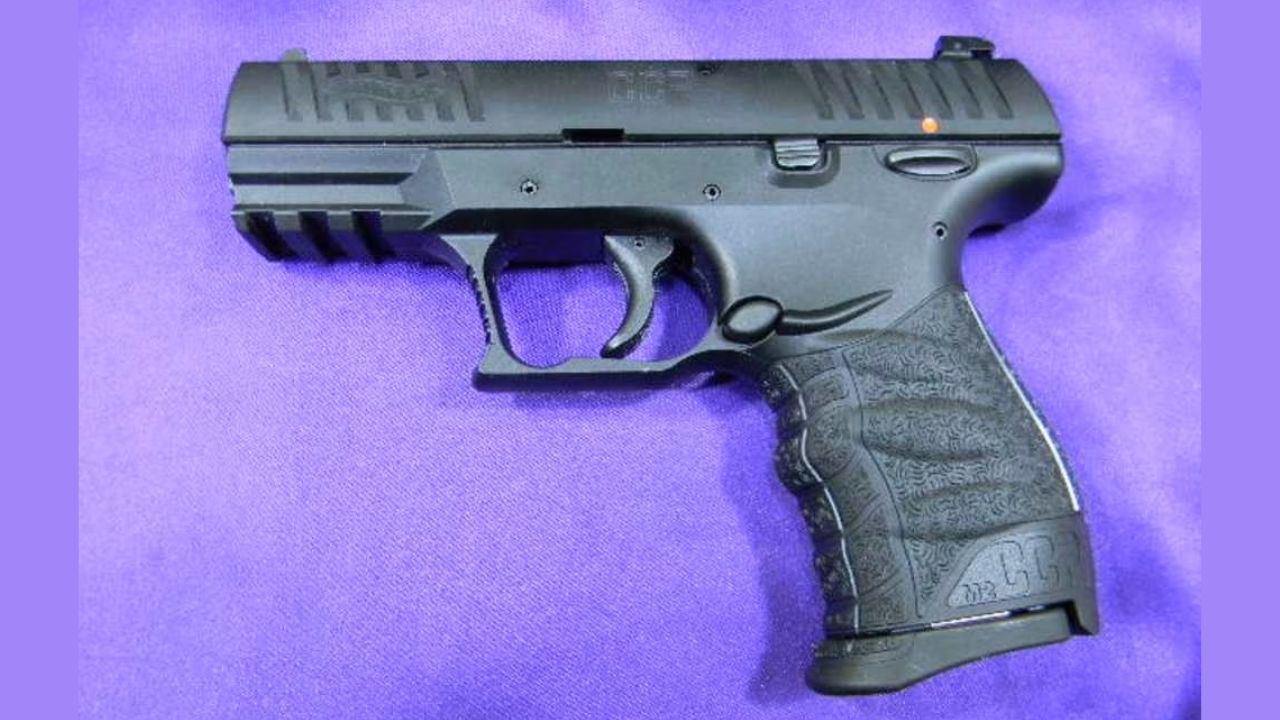
The Walther CCP feels comfortable right away. The grip shape is good, the pistol points well, and the gas-delayed system promises softer recoil. On first impression, it can seem like a smart carry gun for people who want something easier to shoot.
Ownership brings out the frustrations. Early takedown complaints, heat buildup, and mixed reliability experiences hurt its reputation. Even if yours runs well, the CCP still feels more complicated than many competing carry pistols. The longer you compare it to simpler, more proven designs, the more it feels like comfort was not enough to carry the whole gun.
Honor Defense Honor Guard
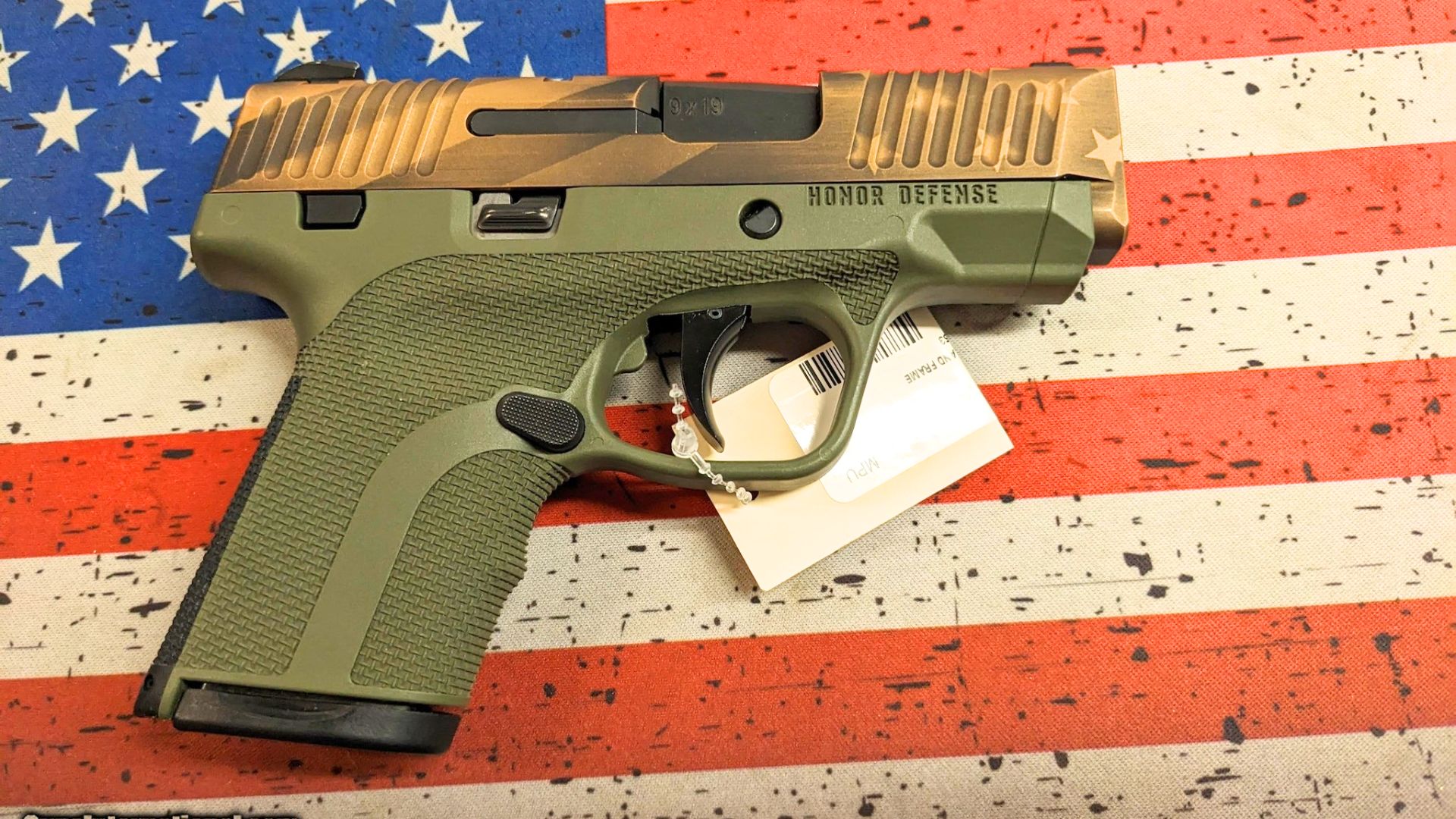
The Honor Guard had a short window where it looked like another serious single-stack 9mm option. It had aggressive texture, a compact size, and a name that tried to sound purpose-built. In a crowded carry market, it needed to stand out.
Over time, it mostly disappeared from the conversation. Limited support, limited availability, and a market that quickly moved toward higher-capacity micro-compacts made it feel dated fast. Even if an owner liked the gun, holsters, parts, magazines, and long-term confidence matter. The longer you own one, the more it feels like you bought into a platform that never really took off.
Like The Avid Outdoorsman’s content? Subscribe to our newsletter so you never miss an article.
Here’s more from us: