Photo credit: GunsOfTheWorld/YouTube
Some guns walk into the market with a whole attitude. They get the flashy rollout, the instant fanbase, and the kind of reputation that sounds bigger than the gun itself. Then there are the others. The plain ones. The ones that looked a little too practical, a little too ordinary, or a little too unfashionable to stir much excitement when they were new. Those are the guns people passed over while chasing cooler names, better stories, or whatever seemed more impressive at the counter that year.
Then time does what time always does. It strips away the hype and leaves only what still works. That is when some of these old, steady firearms start looking a whole lot better. They may not have had swagger, but they had durability, usefulness, and the kind of honest performance that makes more sense the longer you own guns. These are the models that aged into respect because they never depended on charm in the first place.
Smith & Wesson 5906

The 5906 never had the sleek image of the Euro service pistols people loved to talk about, and it definitely did not have the cool factor of later polymer guns. It was heavy, all steel, and built like something meant to ride in a duty holster instead of star in magazine spreads. For a long time, that worked against it. It felt more solid than sexy.
But that same lack of swagger is exactly why people respect it more now. The gun holds up, shoots soft for a 9mm, and has the kind of durability that made it hard to wear out. Once shooters got past appearances, the 5906 started looking like what it always was: a serious service pistol that cared more about doing the job than impressing anybody.
Ruger P95
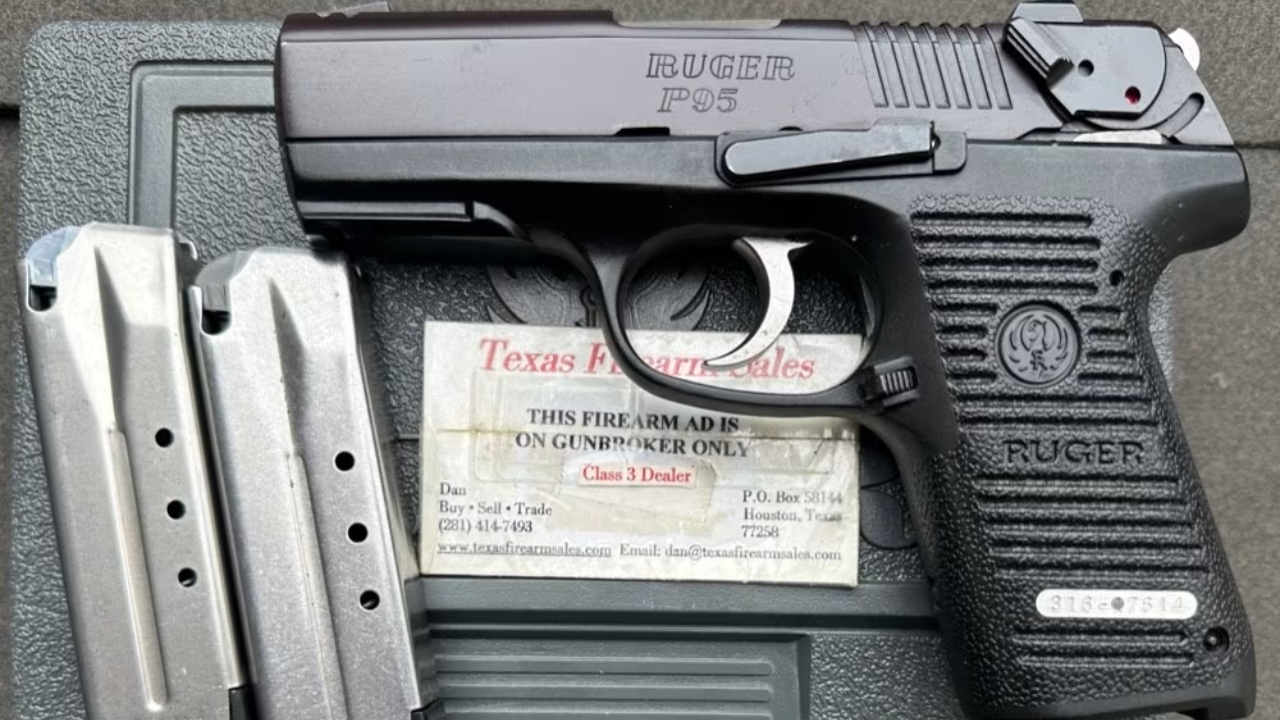
The Ruger P95 never got much love from people who bought guns with their ego first. It looked bulky, felt utilitarian, and had all the visual appeal of a tool you would leave in a truck box. Nobody was calling it refined. Nobody was buying it to flex. It was one of those pistols that seemed destined to live forever in the shadow of cooler names.
Then enough people actually used them. That changed the conversation. The P95 gained respect because it was reliable, easy to live with, and far tougher than its price and looks suggested. It was never graceful, but it kept working while prettier pistols came and went. That kind of long-term honesty ages better than swagger ever does.
Winchester 1200
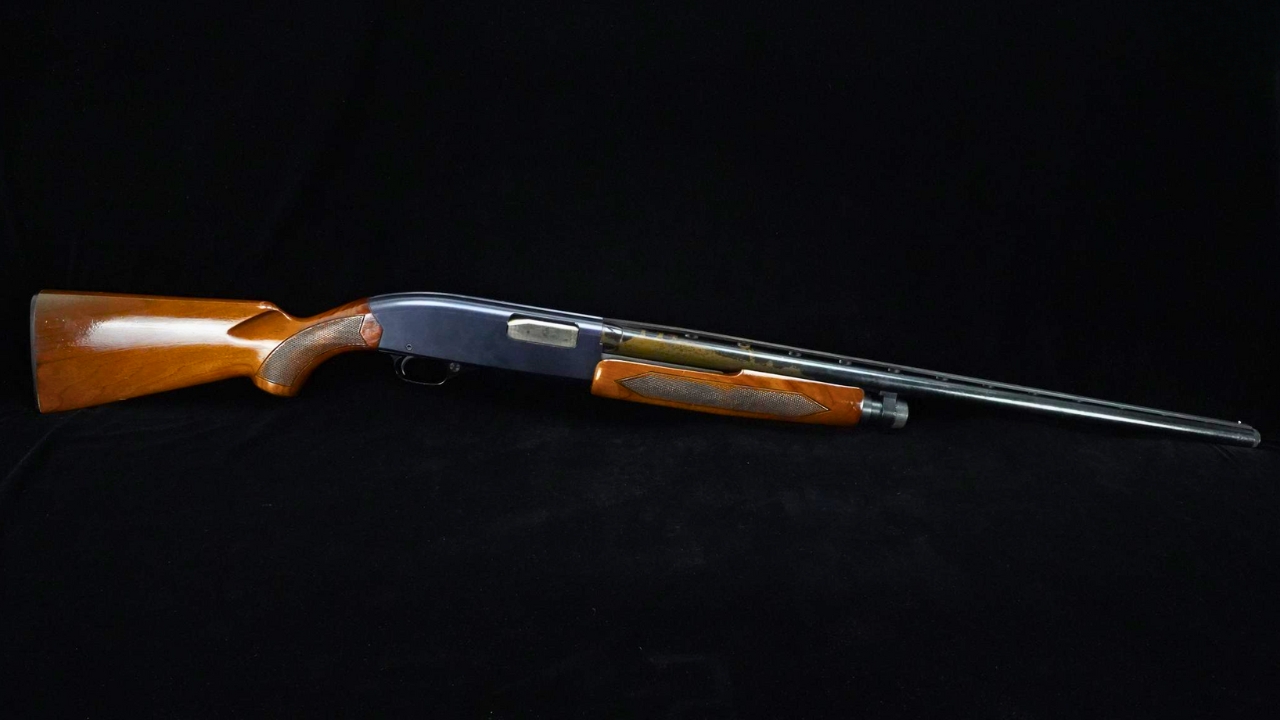
The Winchester 1200 never carried the aura of an 870 or the working-man mythology of a Mossberg 500. To a lot of buyers, it was just another old pump gun from a company better known for rifles. It did not have much personality in the shotgun world, and that meant it often got overlooked when people were listing the classics.
Over time, though, shooters started seeing it more clearly. The 1200 handled well, cycled fast, and had a slickness that many owners came to appreciate more after years with it. It was not the gun people bragged about owning, but it quietly proved itself in blinds, fields, and pickup cabs. Now it gets more respect because people know it deserved more credit than it got.
Beretta PX4 Storm

The PX4 Storm had a hard time winning cool points from the start. It looked unusual, came into a crowded polymer market, and never quite captured the broad cultural pull of the handguns it competed against. A lot of buyers saw it as the odd one sitting next to more obvious choices. That kept it from building much swagger early on.
But guns do not have to be stylish to age well. The PX4 earned respect by shooting softly, running reliably, and offering a genuinely useful design that held up better than many people expected. The rotating barrel was not just a talking point. It worked. Over time, the pistol started looking smarter and more mature than a lot of trendier guns that got louder launches and shorter shelf lives.
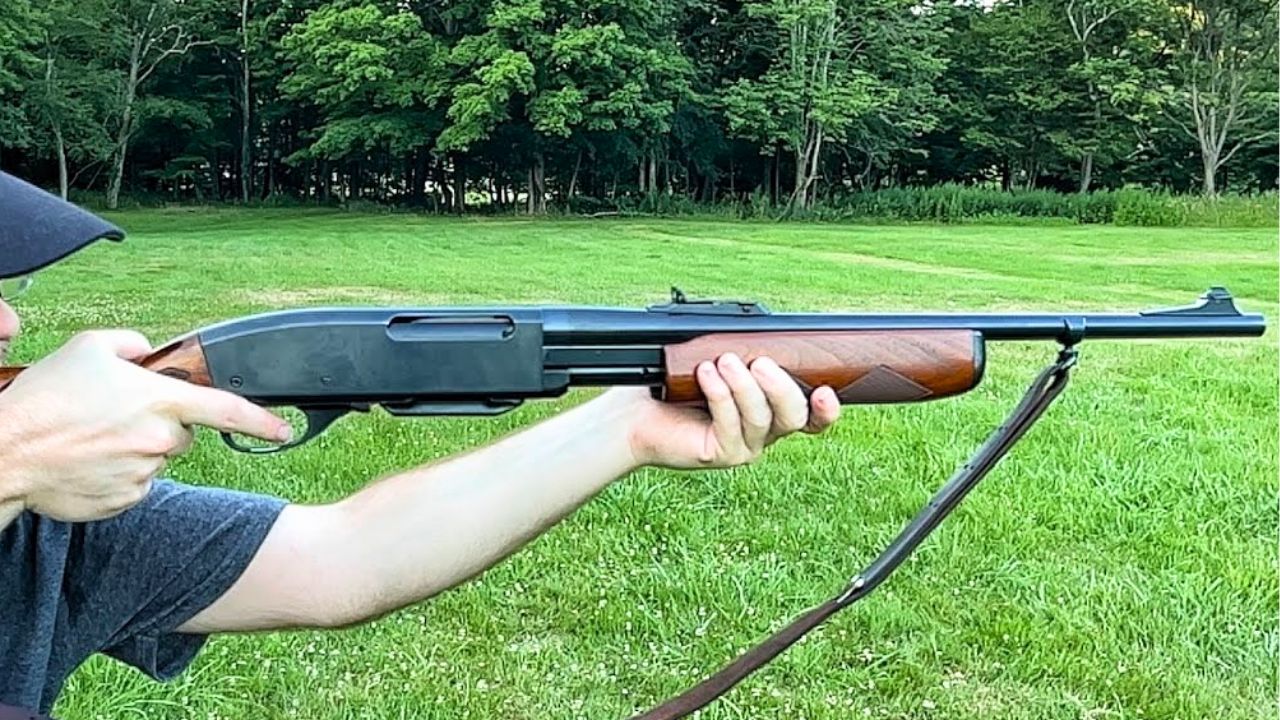
Remington 760

The Remington 760 never looked glamorous. To people outside its lane, it was just a pump-action deer rifle, which sounded about as exciting as work boots. It did not have the romance of a lever gun or the status of a fine bolt action. It was regional, practical, and easy for the broader market to underestimate.
That changed as more shooters started appreciating what those rifles actually offered. In thick woods and fast-moving deer country, the 760 made a lot of sense. It was quick, familiar, and effective in the hands of hunters who knew exactly what they were doing. That kind of field usefulness gave it staying power, and over time the rifle grew into the respect that flashier designs never really earned.
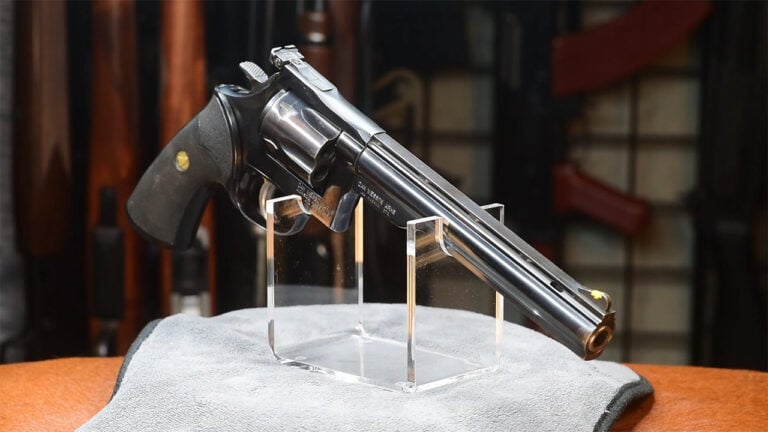
Smith & Wesson Model 10

The Model 10 was never exotic, never fancy, and never especially loud about what it was. It was a service revolver. A plain one. Generations of police officers carried it because it worked, not because it made them feel special. For a long time, that plainness made it feel ordinary to the point of being invisible in the collector and enthusiast world.
Now that ordinariness is part of its value. The Model 10 represents a time when a handgun could earn its place through sheer usefulness and balance. It points well, shoots honestly, and still feels better in the hand than many more celebrated revolvers. People respect it now because they understand that simple, durable, and well-proportioned has a shelf life that never really runs out.
Savage 340

The Savage 340 was never a rifle people bought to admire. It was plain, affordable, and lacking the kind of finish or feel that made gun buyers stop and stare. It often got treated like the humble entry point for somebody who just needed a deer rifle and did not care about impressing anybody. That made it easy to dismiss for years.
But practical rifles often age into respect because they remind people what matters. The 340 was light enough, useful enough, and accurate enough to earn a lot of freezer-space credit in the real world. It was not elegant, but it worked. And once shooters started looking back through the lens of function instead of pride, the old Savage started getting the appreciation it always quietly deserved.
SIG Sauer SP2022

The SP2022 never had the glamour of the classic metal-frame SIGs, and it definitely did not get treated like the future of the brand. To a lot of shooters, it was the budget SIG, which is usually a backhanded label no matter how politely people say it. It lacked the prestige that made the P226 and P228 feel desirable, so it sat in a weird spot from the beginning.
Then owners kept having the same experience with them: the guns ran. They shot well, held up, and gave shooters a lot more substance than the “cheap SIG” label ever suggested. That kind of performance builds respect slowly but firmly. The SP2022 aged well because it was better than the market gave it credit for, and enough shooters eventually figured that out.
Marlin Model 60

The Marlin Model 60 never had swagger because it was a tube-fed .22 that lived in the most practical corner of the rimfire world. It was the kind of rifle people learned on, loaned out, or kept by the back door. Nobody was treating it like a premium piece. It was just there, and for a long time that familiarity made it easy to take for granted.
But the Model 60 earned respect the honest way. It introduced generations to shooting, kept running on cheap ammo, and delivered more real utility than a lot of “serious” guns people spent far more money on. Over time, that counts for something. A rifle that teaches people well and lasts forever has more dignity than many flashy rimfires ever manage to build.
Colt Mustang Pocketlite

The Mustang Pocketlite never had the swagger of a full-size 1911, and it came from a time when small carry guns were often judged harshly if they were not built around a bigger legend. It looked light, a little niche, and not especially imposing. To some buyers, it felt more like a compromise than a real statement handgun.
Then the carry market matured, and people started seeing what it offered. It was slim, practical, and actually built around real concealment instead of fantasy. The little Colt aged into respect because it proved that useful carry guns do not have to be loud or dramatic to matter. It made more sense with time, which is a better legacy than early swagger ever could have given it.
Mossberg 835 Ulti-Mag

The 835 Ulti-Mag was never the shotgun people spoke about with much romance. It felt like a big, practical turkey and waterfowl gun built around purpose rather than personality. It lacked the broad emotional appeal of some other pumps, and that kept it from becoming the shotgun people daydreamed about owning. It was mostly seen as a niche workhorse.
That workhorse identity is exactly why it aged well. Hunters who actually used them came to respect the gun for what it could do, especially in rough conditions and hard use. It did not need grace. It needed to function. Years later, that blunt practicality has aged into a kind of respect that more image-driven guns often fail to hold onto once the first excitement burns off.
CZ 83
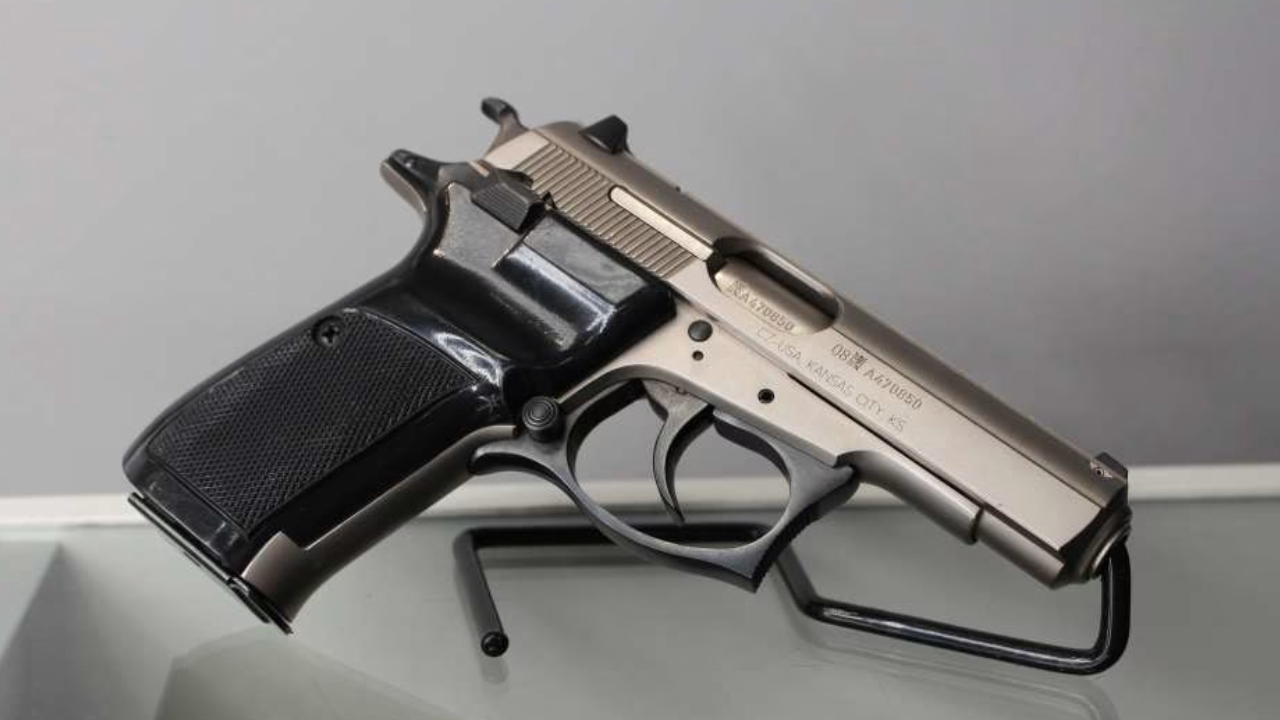
The CZ 83 never had the swagger of a service pistol or the collector mystique of some other surplus-adjacent handguns. It was compact, all steel, and chambered in a way that kept it from being treated as especially exciting by the American market. For a lot of buyers, it lived in that category of guns that seemed interesting but never urgent.
Then people started shooting them more and talking honestly about what they found. The ergonomics were good, the handling was easy, and the overall feel was far more mature than many expected. The pistol gained respect because it was one of those guns that made a better impression on the range than in a conversation. That kind of delayed appreciation usually lasts.
Winchester Model 88
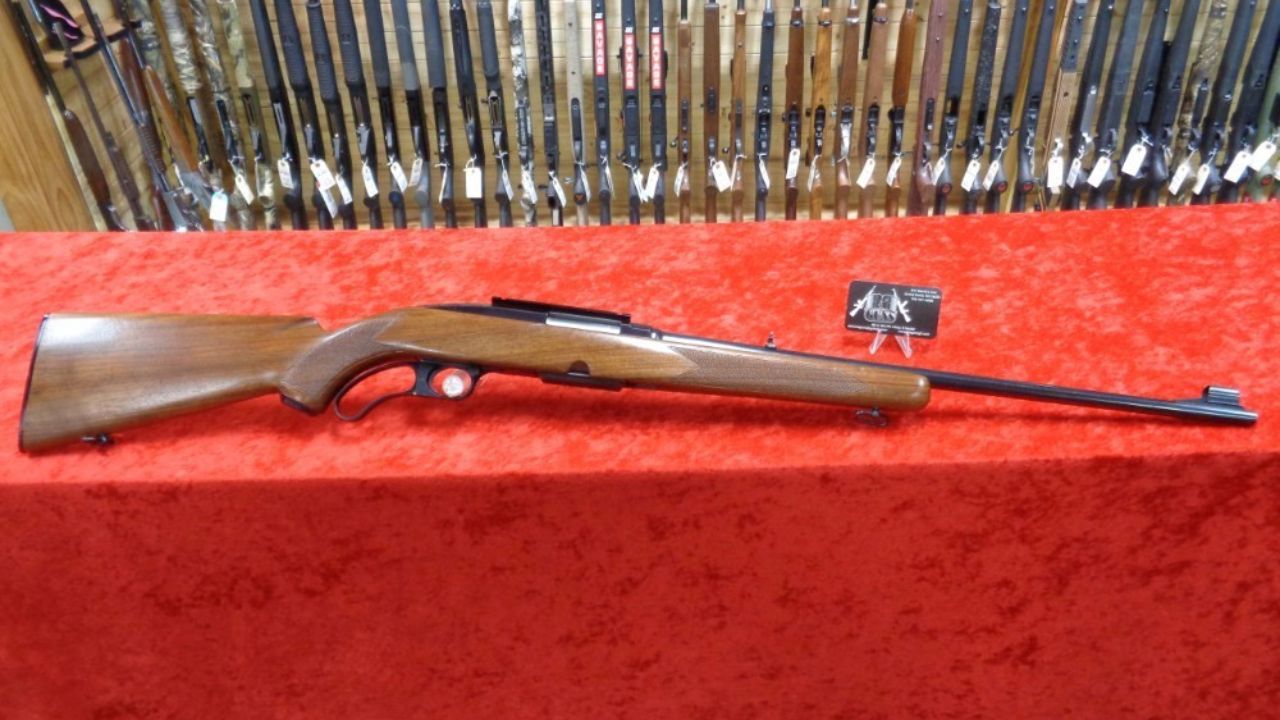
The Model 88 never fit neatly into the kinds of rifle stories that create swagger. It was not a traditional lever gun in the old cowboy sense, and it was not a bolt action either. That left it in a weird middle ground that kept some buyers from fully embracing it. It looked practical, but not especially romantic, and that matters more in gun culture than people like to admit.
Now the very things that made it awkward once are part of why it gets so much respect. The rifle was smart, handy, and more modern in concept than many people gave it credit for at the time. Once shooters began looking back with better perspective, the 88 started standing out as a rifle that had real substance even when it lacked the swagger to sell itself loudly.
Walther P5

The Walther P5 never had much swagger in the American market because it lived in the shadow of other European pistols with bigger followings and simpler reputations. It looked serious but not flashy, smart but not loud. For many buyers, it was the kind of handgun they admired briefly and then moved on from because something else felt easier to talk about.
Over time, that changed for the shooters who actually spent time with one. The P5 offered quality, thoughtful design, and handling that felt more refined than its modest reputation suggested. It earned respect because it did not need a gimmick or a trend cycle to justify itself. It simply needed shooters willing to understand it, and once they did, the respect came naturally.
Ruger M77 Mark II

The Ruger M77 Mark II was never the rifle that turned heads in a gun shop. It looked like a straightforward hunting rifle from a company known more for toughness than glamour. It did not have the custom-rifle aura of certain bolt guns or the old-world prestige of others. That made it easy to overlook if you were shopping with your imagination instead of your actual needs.
Then enough hunters used them long enough to see the point. The rifle was strong, dependable, and built with the kind of practical confidence that makes more sense over decades than during a quick sales pitch. It aged into respect because it stayed honest. It did not ask to be loved for style. It just kept being the rifle people were still happy to own once the novelty phase of other guns had long since worn off.
Browning BDA 380

The Browning BDA 380 never carried much swagger because it lived in a category people often underestimate. It was not a duty pistol, not a magnum revolver, and not a full-size combat legend. It was a polished .380 with good manners and quiet competence, which tends to be a hard sell in a culture that often confuses power with personality.
But time has a way of being kinder to guns that were built well and used honestly. The BDA 380 earned respect because it handled nicely, felt refined, and gave owners the kind of smooth, dependable shooting experience that grows on you. It never had much swagger, but it had class and usability, and those things tend to age a lot better than noise.
Like The Avid Outdoorsman’s content? Subscribe to our newsletter so you never miss an article.
Here’s more from us: