Photo credit: WHO_TEE_WHO/YouTube
Some rifles seem like a great deal at first glance, but it doesn’t take long in the field to realize they weren’t built to last. Problems like poor accuracy, unreliable feeding, or parts wearing out fast can turn a promising rifle into a major headache. Instead of being a trusty companion season after season, these rifles tend to disappoint after just a few outings. Here are twelve rifles that might leave you frustrated after your first full season of use.
Mossberg Patriot Synthetic

The Mossberg Patriot Synthetic seems like a bargain, but long-term use reveals its weak points. The action can feel gritty, and the plastic stock flexes under pressure. Many shooters report accuracy dropping off as soon as conditions get rough. While it might handle light hunting duties, it’s not a rifle you’ll want to rely on season after season. After one hunting season, the little quirks become annoying, making it a rifle that often gets left in the safe.
Remington 783

The Remington 783 offers low entry costs, but quality control has been hit or miss. Triggers can feel inconsistent, and the factory stocks aren’t known for durability. After a few trips to the range or woods, feeding issues and loss of zero tend to show up. While some may have decent luck with them, many owners end up frustrated by performance issues after a single season, especially when compared to more refined bolt-action rifles in the same price range.
Winchester XPR

Winchester’s XPR had a lot of early interest, but users often discover its flaws within a season. The stiff bolt throw and questionable trigger feel don’t get any better with use. More importantly, the rifle’s accuracy can be inconsistent across different calibers. For many hunters, the XPR’s feel and performance wear thin fast, especially when more refined options are available just a little higher up the price ladder.
Savage Axis XP
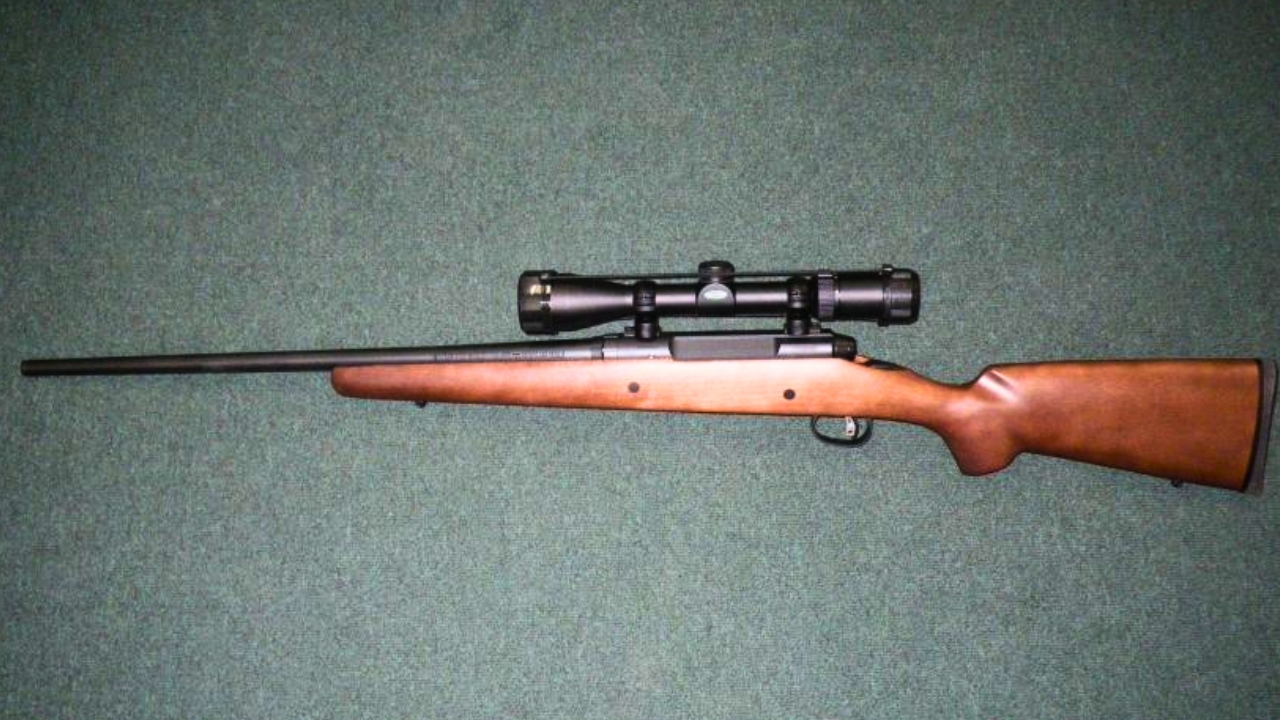
Savage’s Axis XP is known for affordability, but it’s not a rifle built for longevity. The factory scope is barely passable, and the flimsy stock causes accuracy issues, especially when shooting from a rest. After a season of dealing with poor ergonomics and finicky performance, most owners look to upgrade. It’s a rifle that teaches many hunters the hard way why paying a little more upfront can save money in the long run.
Ruger American Compact

While Ruger’s American line has its fans, the Compact version tends to frustrate shooters after a few outings. Feeding issues and sticky bolt operation aren’t uncommon, and the light stock can magnify recoil in larger calibers. In the field, these problems add up. By the end of the season, many users realize the rifle feels cheap and doesn’t inspire confidence, leading them to search for more consistent performers.
Thompson Center Compass

The Compass promised a lot of value, but durability wasn’t its strong suit. Owners report cheap-feeling stocks, inconsistent groups, and feeding hang-ups after limited use. Even though it’s lightweight, reliability suffers under field conditions. After your first season, you’re more likely to find yourself annoyed by the little issues that pop up than impressed with any budget-friendly savings the Compass offered upfront.
Remington 770

The Remington 770 is infamous for disappointing owners fast. It feels clunky from the start, and the problems only grow worse with use. The bolt is rough, accuracy is inconsistent, and the cheap scope included doesn’t hold zero well. Most folks who buy a 770 end up regretting it after one season, realizing it’s a rifle that corners were cut on at every level. It’s a common “first rifle” mistake that leaves many wishing they held out for something better.
Marlin X7

Marlin’s X7 rifles had a brief moment of popularity, but time hasn’t been kind to them. Trigger quality varies, and the synthetic stocks flex more than they should. Accuracy starts decent but often degrades quickly with heavier use. They tend to feel less refined than their competition, and after a full season of use, many hunters find themselves wishing they’d gone with a more proven platform.
Mossberg ATR

The Mossberg ATR is a perfect example of a rifle that feels like a steal—until you use it enough. While it cycles rounds fine out of the box, parts wear quickly, and the stock doesn’t handle abuse well. Accuracy tends to fall off after a bit of use, and the overall fit and finish leave plenty to be desired. After one full hunting season, many folks end up with buyer’s remorse on this one.
CVA Cascade

CVA made a name with muzzleloaders, but their Cascade bolt-action hasn’t earned the same praise. While accurate at first, several users report feeding problems, sticky bolt lift, and durability concerns after moderate use. With just one season under your belt, little issues start to stack up, making it feel more like an experimental rifle rather than a dependable long-term option. It’s not the most confidence-inspiring rifle to rely on.
Browning AB3

The Browning AB3 aims to be a budget option, but it falls short in several key areas. Owners frequently complain about a stiff bolt, a less-than-crisp trigger, and inconsistent accuracy. The rifle feels cheaper than other Browning models and lacks the smooth action Browning fans expect. After a season, these drawbacks become more obvious, leaving many wondering if the extra money for a better Browning model would’ve been a smarter move.
Ruger American Ranch

Ruger’s American Ranch rifles offer fun calibers like .300 Blackout, but the novelty wears off for many owners. The feeding can be fussy, the stock feels hollow, and accuracy tends to be inconsistent, especially with heavier loads. While it’s a compact rifle great on paper, field use exposes its limitations fast. After a season, shooters often find themselves leaving it behind in favor of more refined, better-handling bolt-actions.
*This article was developed with AI-powered tools and has been carefully reviewed by our editors.