Photo credit: Body Stock/Shutterstock.com
Some rifle cartridges never really needed a big sales pitch. They do not rely on flashy marketing, overblown claims, or constant online arguments to stay relevant. They keep hanging around because they feed well, shoot predictably, hit with enough authority for the job, and are still easy to understand in the real world. When you talk to hunters and experienced shooters, these are usually the kinds of rounds that come up when people are more interested in results than trends.
That is really the appeal here. A cartridge that gets the job done without drama is usually one that gives you manageable recoil, solid availability, reasonable versatility, and performance that makes sense inside normal hunting and shooting distances. It may not be the newest thing on the shelf, but it works when the shot matters. And in a market full of hype cycles and short-lived obsessions, that kind of steady usefulness still counts for a lot.
.30-06 Springfield
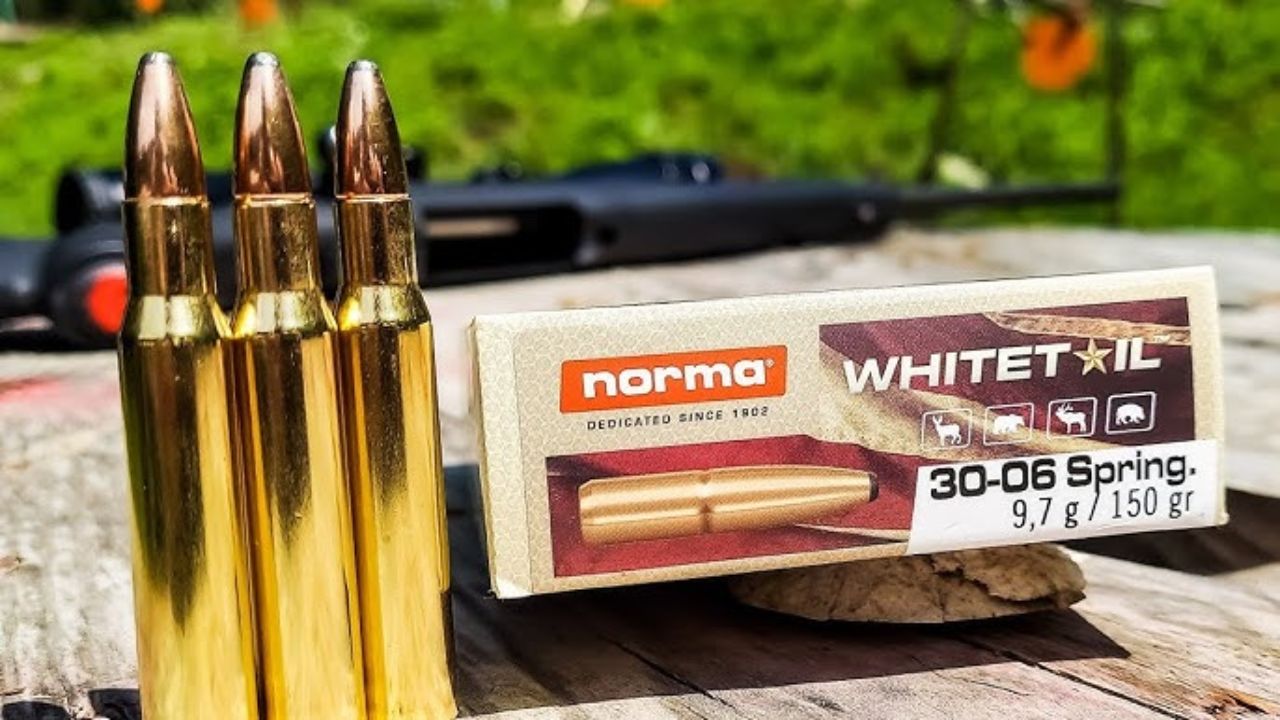
The .30-06 keeps surviving every round of “do you still need one?” talk because it has never really stopped doing useful work. It can handle a wide spread of bullet weights, it has enough reach for most hunting situations, and it carries the kind of proven track record that is hard to argue with. For deer, elk, black bear, and a whole lot in between, it still makes a strong case without trying too hard.
What keeps it drama-free is how easy it is to live with. Ammo is widely available, rifle choices are everywhere, and load data is about as deep as it gets. You do not have to explain it, defend it, or build a personality around it. You sight it in, learn your rifle, and go hunting. That alone keeps the .30-06 relevant in a world that keeps trying to replace it.
.308 Winchester

The .308 Winchester is one of the easiest rifle cartridges to recommend because it avoids most of the headaches people run into with more specialized rounds. It is accurate, effective, and found in everything from compact hunting rifles to precision bolt guns. It may not be the flattest round on paper anymore, but it still does real work at real distances without needing much explanation.
That is the whole point of the .308. Recoil is manageable for most shooters, barrel life is generally better than many speed-focused cartridges, and ammo is still common enough that you are not playing scavenger hunt every time you want to shoot. It handles deer, hogs, and even larger game well with the right bullets, and it does all of it without turning every rifle conversation into a technical debate.
.270 Winchester

The .270 Winchester has been dropping game cleanly for so long that it almost feels silly when people act like it needs defending. It shoots flat enough for normal hunting work, carries enough energy for deer and elk with good bullets, and tends to be easy to shoot well in a hunting rifle. There is nothing mysterious about why it has stuck around.
A lot of shooters like it because it offers a nice middle ground. It reaches farther than many older woods cartridges, but it usually does not beat you up like the heavier magnums. Ammo is still easy to find, rifles are easy to find, and the cartridge has a long history of doing exactly what hunters ask of it. It is not trendy, but that is part of why it stays useful.
6.5 Creedmoor

The 6.5 Creedmoor got so much attention that some shooters got tired of hearing about it, but the cartridge itself is still a very practical answer to a lot of common needs. It is easy to shoot, accurate in a wide range of rifles, and capable enough for deer-sized game and more when paired with proper bullets and reasonable distances. The hype may have been loud, but the actual performance is steady.
What matters now is that the noise has settled and the cartridge is still here. That usually tells you something. Recoil stays manageable, factory ammo choices are broad, and most shooters can get comfortable with it pretty quickly. It may have arrived with more fanfare than some old standbys, but at this point the Creedmoor has earned a place among cartridges that work without requiring much drama from the shooter.
.243 Winchester

The .243 Winchester has spent decades being useful in a very straightforward way. It is mild enough for a lot of newer or recoil-sensitive shooters, accurate enough to build confidence fast, and effective on varmints and deer with the right loads. That kind of flexibility keeps it in the conversation even when newer cartridges try to crowd it out.
Part of the reason it stays around is that it solves problems simply. A hunter can use lighter bullets for coyotes and heavier controlled-expansion bullets for deer without changing to a completely different rifle. It is not a do-everything round, but it does enough well that many people never feel undergunned inside its lane. When a cartridge is easy to shoot and easy to trust, that usually keeps the drama low.
7mm-08 Remington

The 7mm-08 Remington has always felt like a cartridge that experienced hunters quietly appreciate more than loud internet arguments do. It gives you efficient performance, moderate recoil, and enough punch for deer, hogs, and elk in capable hands. It does not show off much, but it gets results with very little fuss.
That is what makes it easy to like. It fits nicely in short-action rifles, often shoots very well, and avoids the recoil jump that pushes some people away from larger cartridges. It also has a reputation for killing game cleanly without needing exaggerated velocity numbers to make the case. The 7mm-08 is one of those rounds that tends to make more sense the longer you own it.
.30-30 Winchester

The .30-30 Winchester is still doing useful work because the situations it was built for never went away. In thick woods, short to moderate ranges, and real-world deer hunting, it still makes a ton of sense. It points fast in lever guns, hits hard enough for the task, and carries a long history of putting meat in freezers without a lot of drama attached.
People sometimes forget how much normal hunting still happens inside .30-30 distance. Not every shot is across a canyon. Not every rifle needs to be built around dialing turrets and stretching range. The .30-30 remains a practical answer for hunters who want simple rifles and honest performance. It is not flashy, but when a cartridge keeps working generation after generation, flash stops mattering much.
.223 Remington
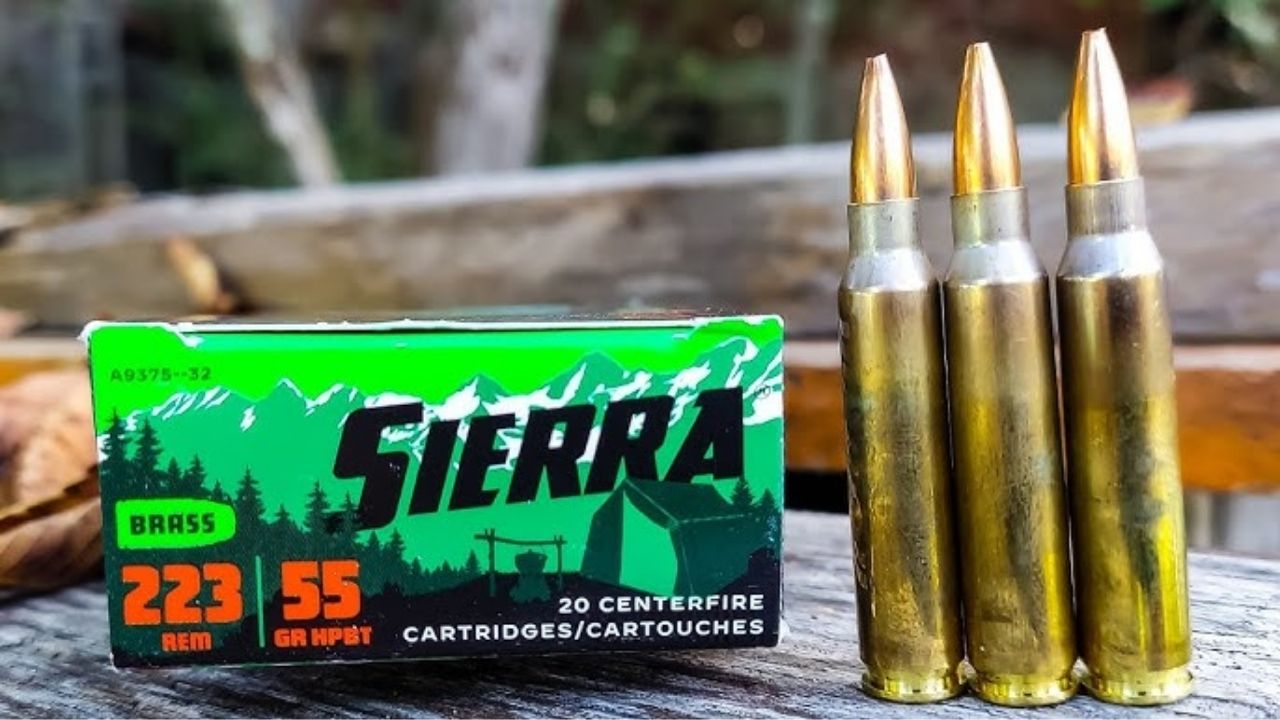
The .223 Remington does not belong in every role, but inside the roles it handles well, it stays one of the easiest cartridges in the country to live with. For varmints, predators, target shooting, and a lot of general utility work, it is cheap enough to practice with, light on recoil, and easy to shoot accurately. That combination is tough to beat.
Its biggest strength may be how accessible it is. Ammo and rifles are everywhere, recoil is minimal, and shooters of almost any experience level can spend real time behind it without getting worn down. Some people also use it for deer where legal and with the right loads, though it is still best thought of as a lighter-duty round. Even so, it earns its keep by being practical and uncomplicated.
.22-250 Remington
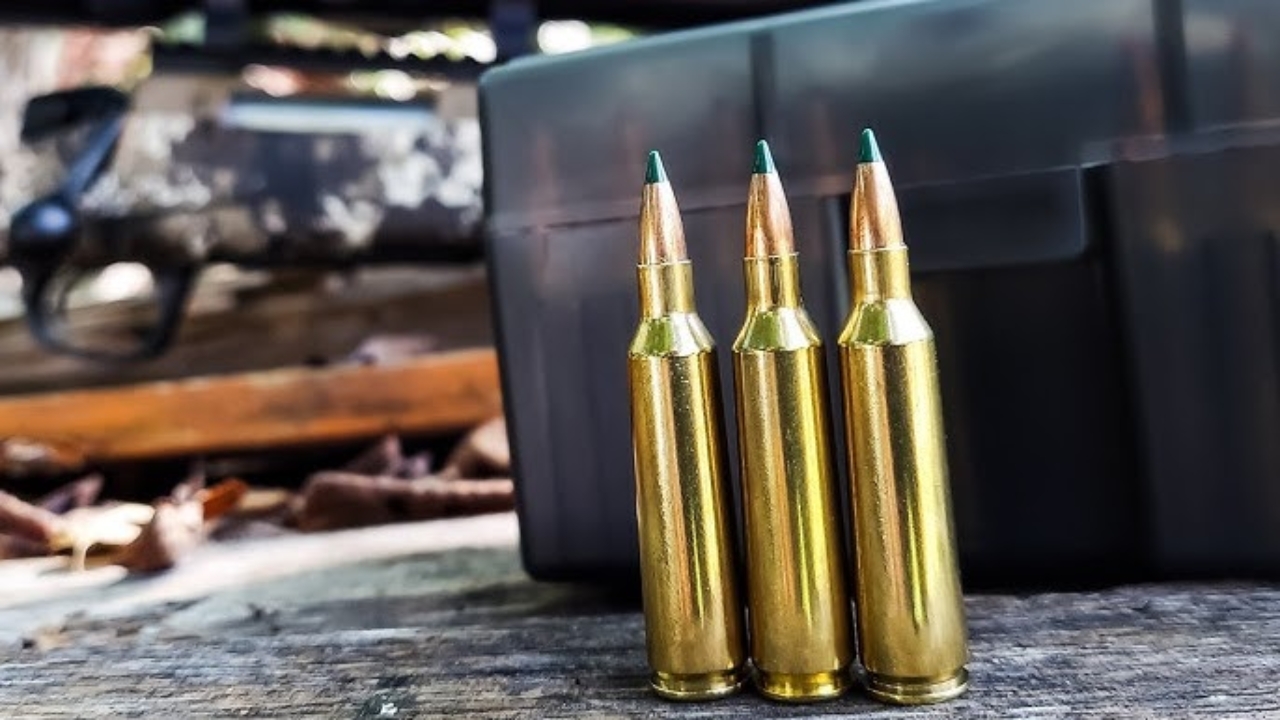
The .22-250 Remington is one of those cartridges that keeps doing exactly what people expect from it, which is probably why it has held on so well. It is fast, flat-shooting, and extremely effective for varmints and predators. If your goal is reaching out on coyotes, groundhogs, or similar targets with confidence, the .22-250 still makes a very strong case.
What helps it stay drama-free is that it is not trying to be something else. It knows its lane. Shooters who buy a .22-250 usually know what they want, and the cartridge tends to deliver it. It has enough speed to stay useful at longer distances, enough reputation that nobody is guessing what it is good for, and enough history that it no longer needs trendy talking points to sell itself.
.35 Remington

The .35 Remington may not dominate shelf space the way it once did, but hunters who know it tend to respect it for very practical reasons. In the woods, especially on deer and black bear at sensible distances, it hits with authority and carries a kind of calm, unpretentious usefulness. It is one of those rounds that never cared much about impressing anyone on paper.
That is part of its charm. The .35 Remington works best for people who value straightforward performance over marketing energy. In rifles like the Marlin 336, it became a dependable thumper for hunters who like a little more bullet weight and a little less noise about velocity numbers. It is not for every situation, but inside its lane it still gets the job done with very little hassle.
.257 Roberts

The .257 Roberts has been overlooked enough times that it almost feels like its natural state. Even so, it remains a very capable cartridge for deer-sized game and general light-recoiling hunting work. It shoots pleasantly, carries enough reach for sensible field use, and has a reputation for being far more effective than its modest public profile might suggest.
What keeps it in this conversation is how balanced it feels. It is easy on the shoulder, accurate in the right rifle, and capable of clean kills without requiring magnum recoil or oversized expectations. It may not be the easiest round to find compared to the big mainstream names, but it still represents the kind of cartridge shooters hang onto because it never gave them much reason to complain in the first place.
.280 Remington
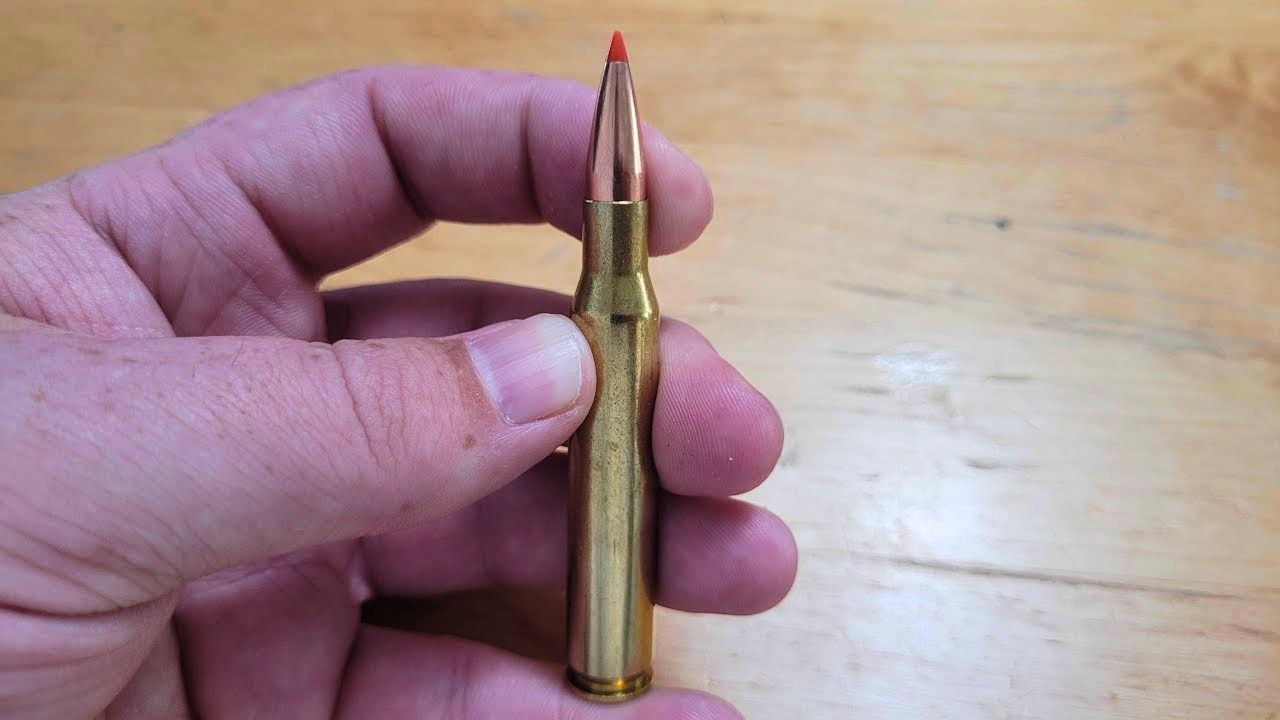
The .280 Remington has long lived in the shadow of the .270 Winchester and .30-06, but that does not stop it from being a very useful hunting cartridge. It offers strong bullet selection, solid reach, and enough versatility for everything from deer to elk with proper loads. For many hunters, it feels like one of the best all-around rounds that never quite got the attention it deserved.
That lack of noise may actually fit the cartridge well. It has never needed much hype because the people who use it tend to stay impressed by it. Recoil is workable, performance is well-rounded, and it avoids some of the excess that comes with jumping to larger magnum options. The .280 is the sort of cartridge that makes a hunter wonder why more people do not use one, then quietly keep using it anyway.
7×57 Mauser
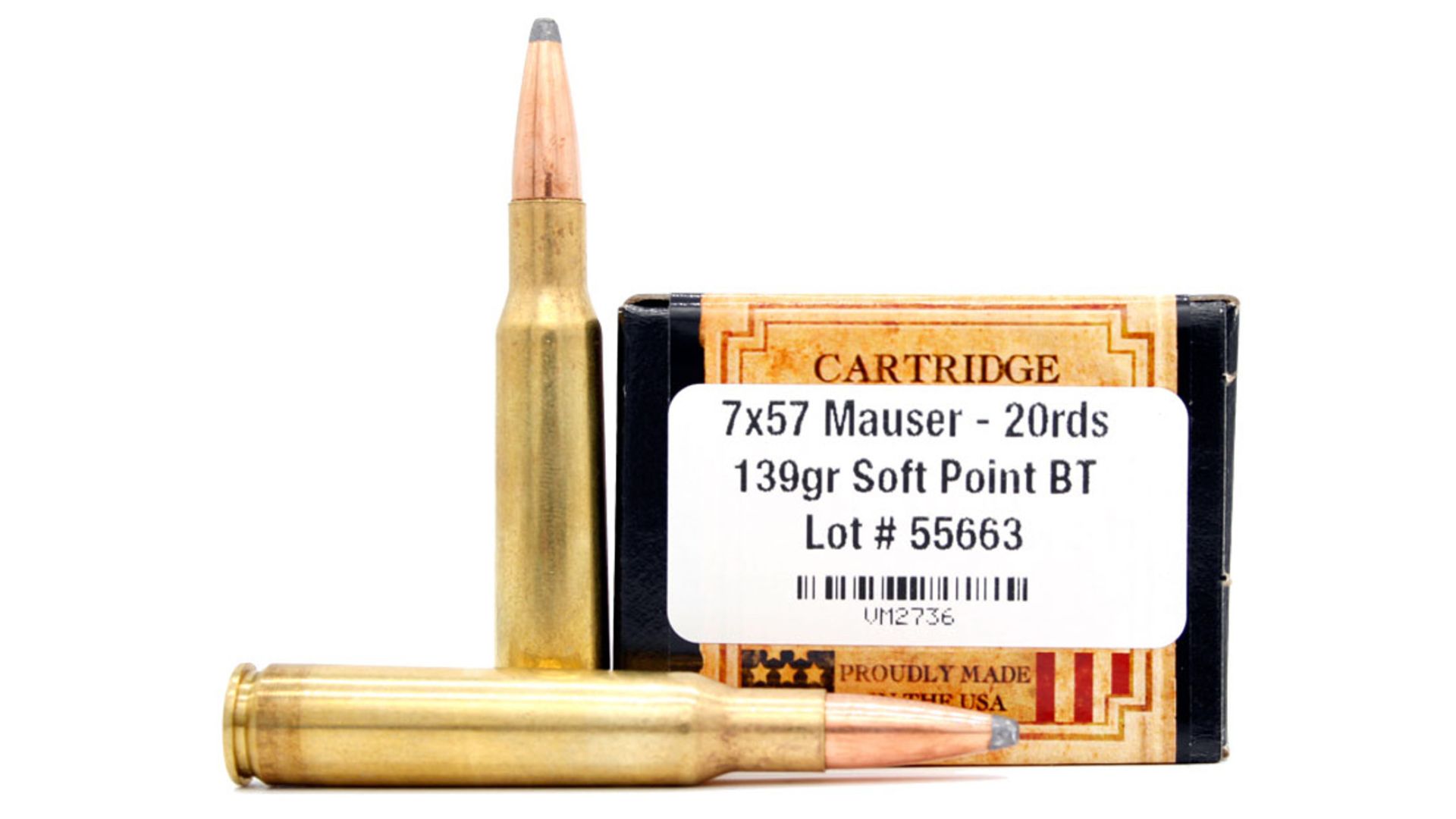
The 7×57 Mauser has been getting the job done for so long that its continued usefulness should surprise nobody, but people still overlook it. It has mild manners, a long and proven hunting history, and enough bullet performance to stay relevant well beyond what some assume when they first hear the name. In the right rifle, it remains a very smooth and capable cartridge.
One reason it still earns respect is that it does not punish the shooter much while still performing like a serious hunting round. That matters more than ever when so many shooters buy more recoil than they actually enjoy practicing with. The 7×57 may not dominate modern marketing, but it continues to prove that a well-balanced cartridge with a long track record can stay useful long after louder options come and go.
.300 Winchester Magnum

The .300 Winchester Magnum is more cartridge than some hunters need, but it still earns a place here because it has remained one of the most dependable answers for people who want serious reach and serious power in one familiar package. It has enough authority for large game, enough range for open-country hunting, and enough staying power that nobody has to wonder whether it still belongs.
What keeps it from becoming too dramatic is how established it is. Everybody already knows what it is, what it does, and what the tradeoffs are. Recoil is real, but so is performance. Ammo is common enough, rifles are everywhere, and the cartridge has decades of proven field use behind it. For hunters who truly need that extra margin, the .300 Win. Mag. still makes sense without pretending to be something it is not.
.45-70 Government

The .45-70 Government keeps surviving because there are still real situations where a big, heavy bullet at sensible distance is exactly what a hunter wants. In thick cover, on tough game, or in lever guns that feel right in the hands, the cartridge still delivers a kind of straightforward authority that never needed modern reinvention. It is old, but old does not mean outdated.
What makes it useful without drama is that most owners understand what it is for. Nobody buys a .45-70 expecting it to be a flat-shooting long-range laser. They buy it because it hits hard, carries well in the right rifle, and works inside its lane with very little confusion. When expectations match reality, cartridges tend to age well. The .45-70 is a perfect example of that.
.270 WSM

The .270 WSM does not always get mentioned first anymore, but it still does real work for hunters who want a flatter-shooting .270-style cartridge with extra speed. It offers strong performance on deer and elk-sized game, and in the right rifle it gives hunters a confident long-range option without stepping all the way into some of the heavier magnum territory.
It makes this list because it generally does what buyers wanted it to do. It did not vanish, it did not become irrelevant, and it still offers a practical mix of speed and hunting performance for those who use it. While it may not enjoy the same broad simplicity as .308 or .30-06, it has held on by being effective rather than fussy. That still counts for plenty.
Like The Avid Outdoorsman’s content? Subscribe to our newsletter so you never miss an article.
Here’s more from us: