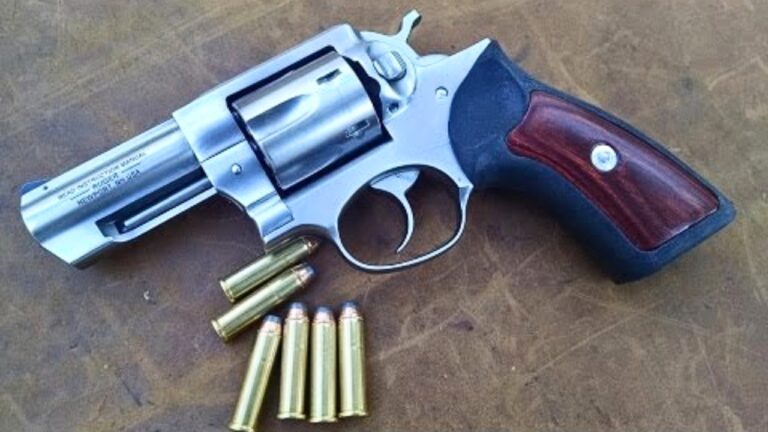
Photo credit: yok naris/Shutterstock.com
When you have to shoot fast, recoil stops being a bragging point and starts being a timer. The calibers that work best under speed aren’t always the most powerful on paper. They’re the ones that let you keep the sights tracking, run the trigger clean, and get accurate follow-up shots without the gun turning into a handful. That controllability comes from a mix of pressure, bullet weight, and how the recoil impulse feels in your hands. It also depends on the gun, because a soft-shooting caliber can feel sharp in a tiny pistol, and a “snappy” caliber can feel very manageable in a heavier setup.
The calibers below have a strong track record for staying controllable when you’re pushing pace. They won’t all fit every role, but they all offer a recoil profile that helps you keep hits coming when time matters.
9mm Luger

If you want speed and control in the real world, 9mm is the default for a reason. The recoil is manageable for most shooters, and you can run fast splits without losing the sight picture as badly as you would with harder-kicking rounds. In a mid-size or full-size pistol, it’s one of the easiest ways to stay accurate at pace.
The bigger advantage is consistency. You can find practice ammo everywhere, and defensive loads are plentiful. That means you can actually train with the caliber you carry. With good technique, 9mm lets you drive the gun hard without feeling like you’re wrestling it. When the goal is fast, repeatable hits, 9mm keeps you in the fight.
.380 ACP

.380 can be very controllable, but the gun matters a lot. In a slightly larger .380 pistol, the recoil is mild and easy to track, and you can shoot fast without the muzzle climbing much. That’s why some shooters run .380 in compact guns that still have enough grip to hold onto.
Where people get surprised is micro .380s. Very small frames can make the recoil feel sharper than expected, even though the caliber is mild. Still, if your priority is fast shots with low recoil and you’re using a gun you can grip well, .380 is easy to manage. It rewards clean trigger work and steady hands, and it can be shot quickly without beating you up.
.32 ACP
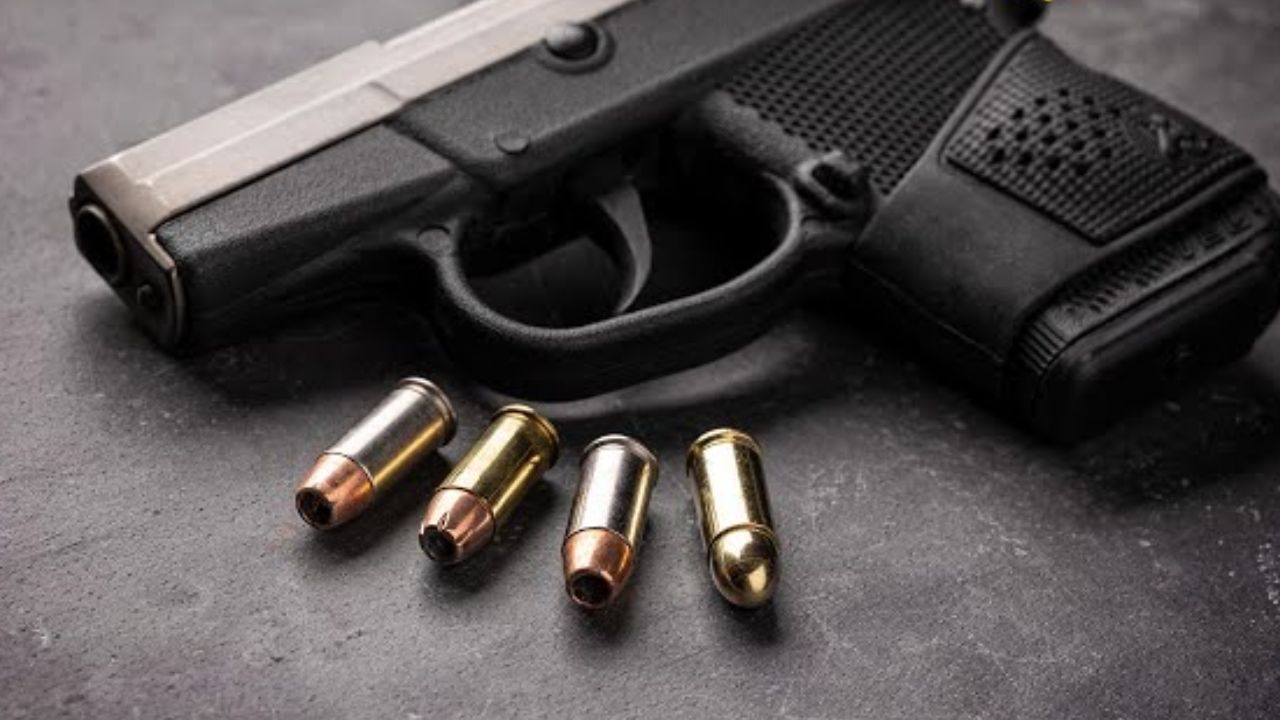
.32 ACP is one of the most controllable centerfire pistol calibers you’ll find. The recoil impulse is light, and in many pistols it tracks flat enough that fast, accurate strings feel natural. It’s also a caliber that can be surprisingly pleasant for shooters who struggle with recoil or grip strength.
The tradeoff is performance and platform choice. Many .32 ACP pistols are small, and small guns can be harder to run fast due to short grips and tiny sights. Even so, the caliber itself stays easy to control, which can help you place shots precisely under time pressure. If your goal is pure shootability and fast follow-ups, .32 ACP is hard to argue with.
.30 Super Carry

.30 Super Carry was designed around an idea that makes sense for speed: lighter recoil than 9mm in many setups, with the potential for more capacity in similar-sized magazines. That lighter impulse can help you keep the gun flatter during fast strings, especially in compact pistols where recoil management matters most.
You still need to be realistic about support and availability. Ammo is not as common as 9mm, and carry load options are more limited. But strictly from a controllability standpoint, it can shoot very flat and allow quick sight recovery. If you’re the kind of shooter who values fast, clean follow-ups and you’re willing to stock your ammo, .30 Super Carry can be a very easy caliber to run hard.
.38 Special

.38 Special earns its place here because it can be extremely manageable, especially in medium-frame revolvers with decent grips. The recoil tends to be more of a straight-back push than a sharp snap, and with standard-pressure loads you can run fast double-action work without the gun jumping out of your hands.
The warning is small revolvers. A lightweight snub can make even .38 feel brisk, and short grips can slow you down when you’re trying to shoot fast. In a steel revolver with a good trigger and sights you can actually see, .38 Special is a great “speed caliber.” It lets you stay accurate on rapid pairs and short strings while keeping recoil in a range most shooters can handle.
.32 H&R Magnum

.32 H&R Magnum is a sleeper for fast shooting, especially in a revolver that fits your hand. You get more punch than mild .32 revolver loads, but recoil often stays very controllable. The muzzle rise is typically modest, and the gun settles back on target quickly, which helps when your pace is high.
This caliber also benefits from good revolver ergonomics. In the right frame size, you can get a solid grip and run the trigger without feeling rushed by recoil. It’s not as mainstream as .38 Special, so ammo selection and availability can vary, but the shooting experience is often excellent. If you want a revolver caliber that stays calm while you shoot fast, .32 H&R Magnum makes a strong case.
.327 Federal Magnum

.327 Federal Magnum can be loaded hot, and at full power it’s not always what you’d call gentle. Even so, it can still be a controllable “fast shot” caliber in the right revolver because the bore size is small and many guns chambered for it are sized to handle pressure well. With sensible loads, it can track flatter than you’d expect.
It also has flexibility. Revolvers chambered in .327 can often shoot milder .32-family cartridges, letting you tune recoil to your goals while keeping the same gun and trigger. That matters for training fast, because you can practice with softer recoil and still run the same setup. If you approach it intelligently, .327 gives you a wide controllability range without changing platforms.
.32 S&W Long
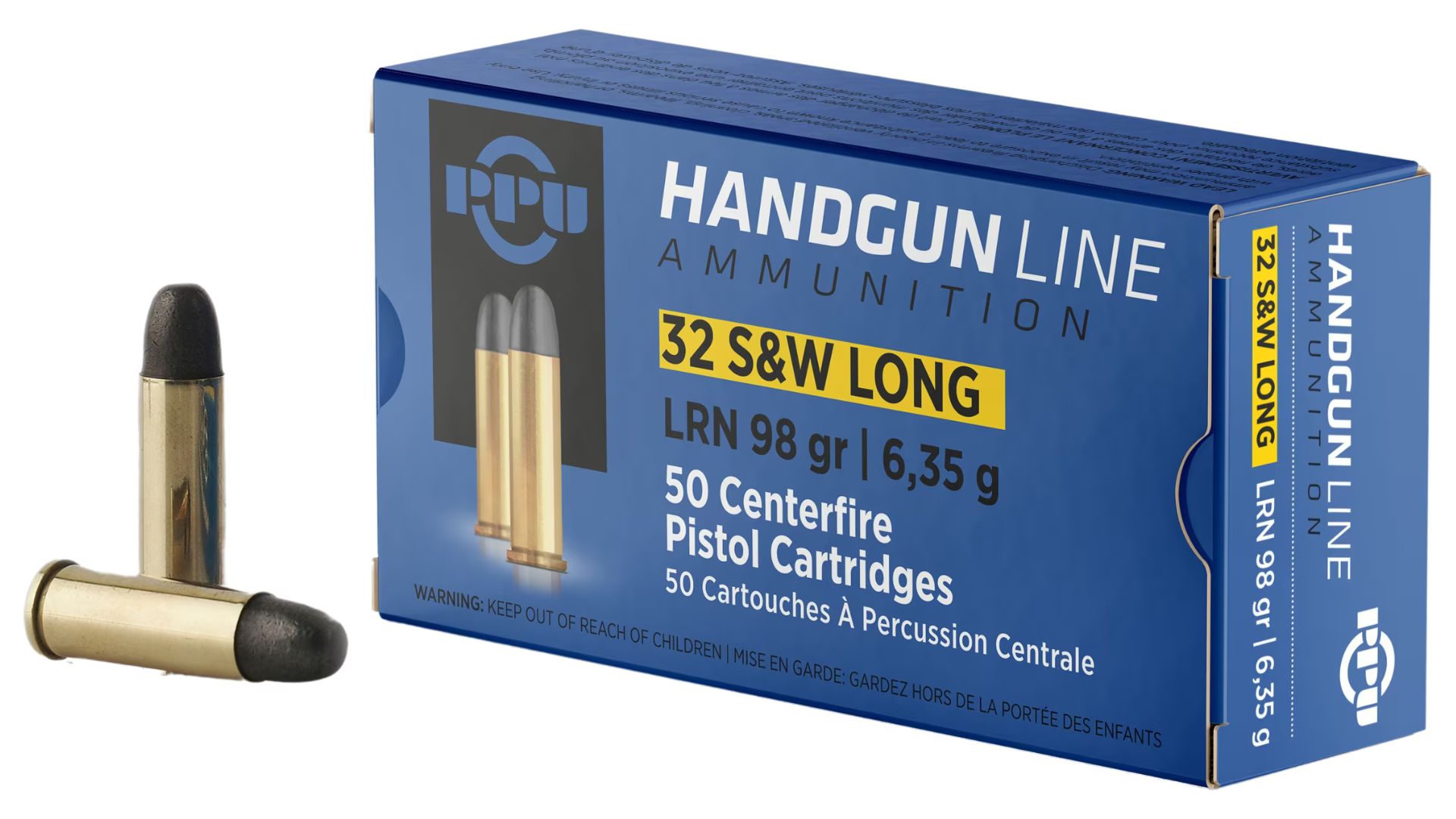
.32 S&W Long is not built for flash or loud claims, but it is built for control. In a revolver, it’s one of the easiest cartridges to shoot quickly while keeping your sights steady. Recoil is light, the gun tracks smoothly, and it’s forgiving when you’re pushing speed.
The downside is that it’s a niche caliber today, and many people don’t carry it for defensive use. Still, for the specific skill of shooting fast and accurately, it’s an excellent teacher. It lets you focus on grip pressure, trigger control, and calling your shots without recoil covering up mistakes. If you want a caliber that makes rapid double-action work feel clean and repeatable, .32 S&W Long is a great fit.
.22 LR

For pure controllability, .22 LR is hard to beat. Recoil is minimal, and that makes it easier to learn what fast, accurate shooting is supposed to feel like. You can work transitions, rapid strings, and cadence drills with a sight picture that barely moves.
The limitation is reliability, because rimfire ammo can be less consistent than centerfire. Still, in a quality .22 pistol with ammo it likes, it’s a great way to train speed and precision. It also helps you spot bad habits, since you can’t blame recoil when shots drift. If your goal is building fast-shot skill, .22 LR lets you practice more, recover faster, and keep the work honest without beating up your hands.
.22 WMR
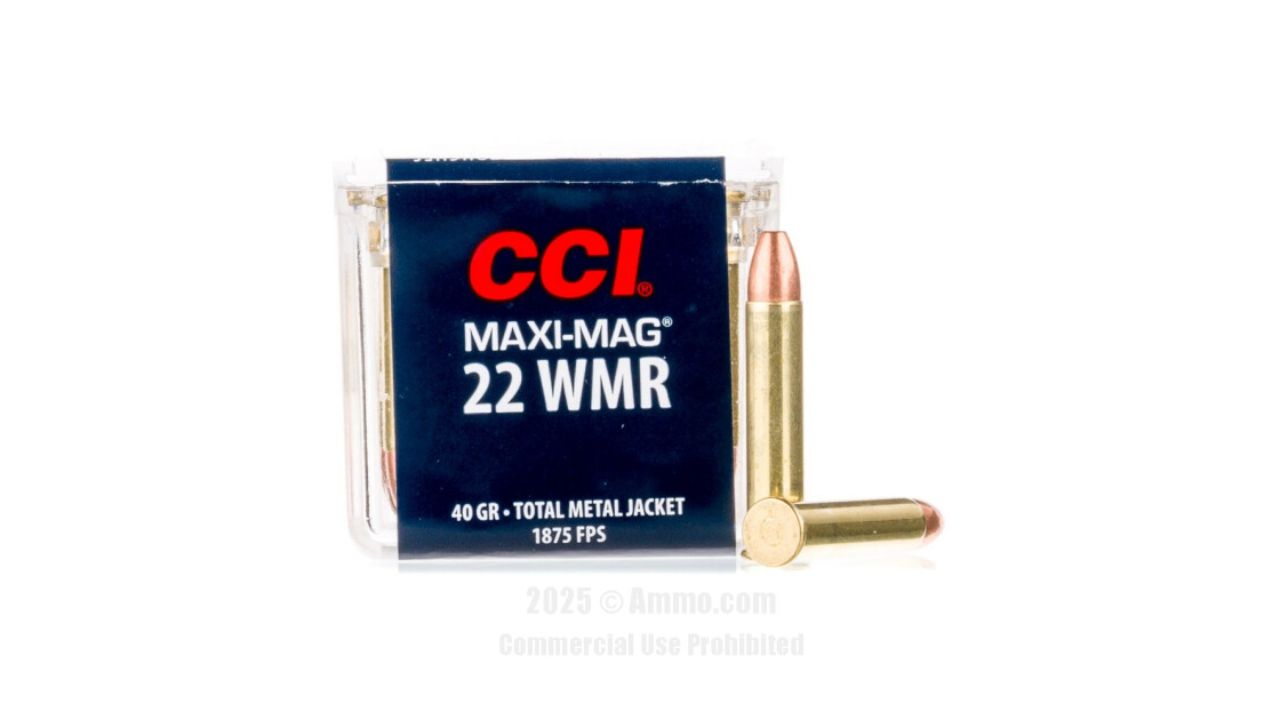
.22 WMR stays controllable and adds more snap and blast than .22 LR, but recoil is still light compared to most centerfire calibers. In handguns built for it, it can be shot quickly with a sight picture that remains easy to track. That makes it appealing for shooters who want more reach and energy than .22 LR while keeping recoil low.
There are tradeoffs. Rimfire reliability still applies, and handgun ammo performance can vary more than people expect. Even so, from a speed-and-control perspective, .22 WMR remains easy to manage and lets you run fast follow-up shots. It won’t feel like a duty caliber, but it can be a useful option for people who prioritize low recoil and fast, accurate shooting.
9×18 Makarov
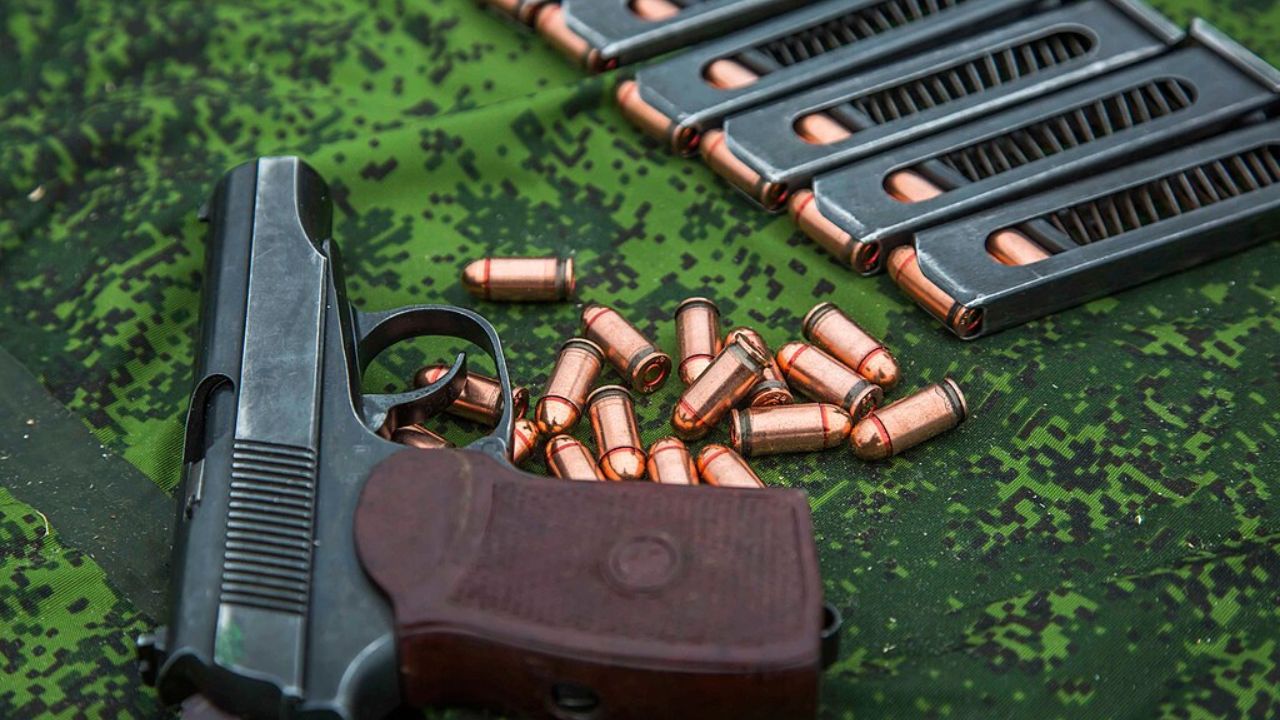
9×18 Makarov sits in a middle ground where it can be very controllable, especially with standard loads. Recoil is often mild enough to run fast, and the caliber has a reputation for being easy to shoot well at a steady pace. In practical terms, it’s closer to the lower end of 9mm-class recoil than many expect.
The catch is that many 9×18 pistols are straight-blowback designs, and blowback guns can feel snappy even with mild cartridges. Grip shape and weight matter a lot. In a heavier pistol with a grip you can lock into, 9×18 can be a very manageable round for quick shooting. It rewards a firm grip and good trigger control, and it can stay surprisingly flat when you push tempo.
.45 ACP

People often assume .45 ACP is slow because it’s bigger, but the recoil character can be very manageable, especially in a full-size pistol. Instead of a sharp snap, many shooters feel more of a heavy push, and that can be easier to track during fast strings than a whippy recoil impulse.
You still need a solid grip and a gun that fits you. In compact .45s, recoil can get lively and slow you down. In a service-size pistol, .45 ACP can be shot quickly with good control if your fundamentals are in place. It’s not as effortless as 9mm for most people, but it can stay very shootable when speed matters, especially if you’re consistent with stance, grip pressure, and follow-through.
.44 Special

.44 Special is a controllable big-bore revolver round when it’s shot in an appropriately sized revolver. The recoil is typically a smooth, heavy push rather than a violent snap, and that can help you keep the sights from bouncing as much when you’re trying to shoot quickly and accurately.
The downside is platform size and capacity. Most .44 Special revolvers are larger than what many people carry daily, and reload speed depends on your setup and practice. Still, when the focus is on fast hits with manageable recoil, .44 Special deserves credit. It can be shot quickly with good control, especially with loads that stay in the traditional pressure range. It’s a caliber that rewards good technique without punishing you for every shot.
.25 ACP
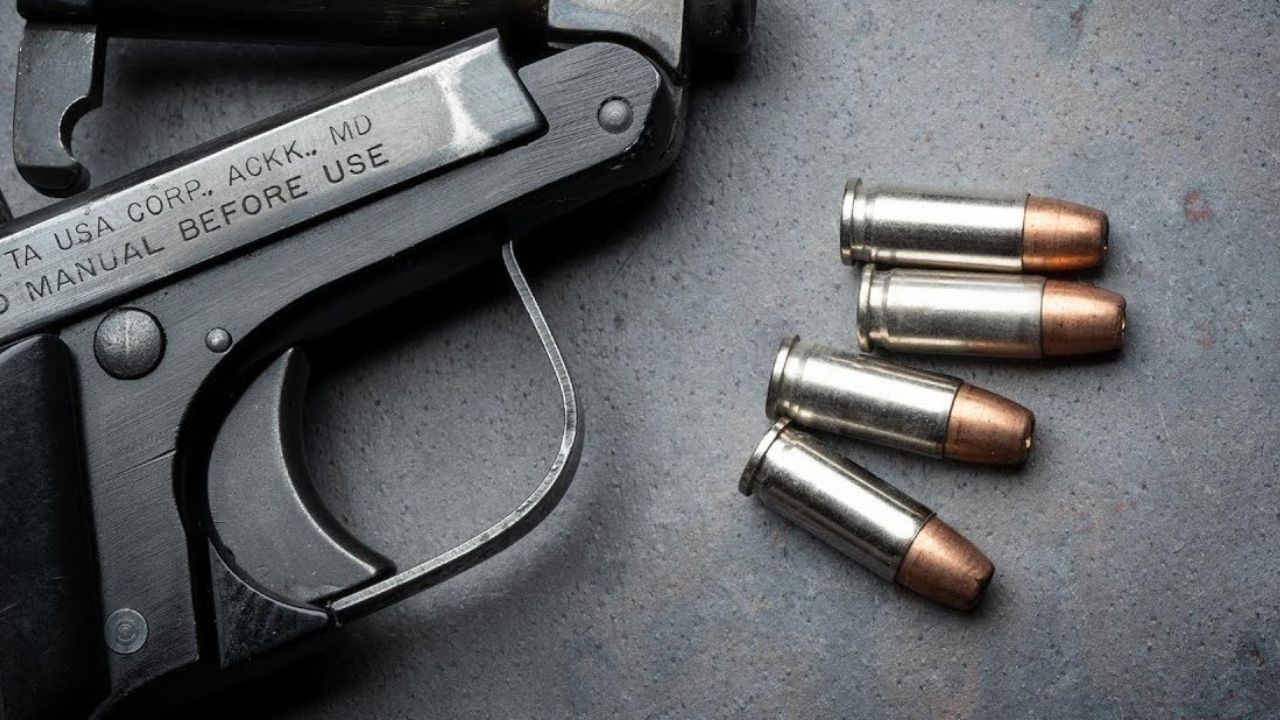
.25 ACP is extremely easy to control. Recoil is minimal, and fast follow-up shots are not the problem. The reason it shows up in this conversation is because it demonstrates a truth: controllability can be excellent even when the cartridge is small.
The other truth is that .25 ACP is limited in performance compared to modern defensive standards, and many pistols chambered for it are tiny, with short grips and small sights. Those factors can make fast, accurate shooting harder than the recoil would suggest. Still, purely in terms of staying controllable at speed, .25 ACP is calm and predictable. It’s not a caliber you choose to win arguments, but it is one you can shoot quickly without fighting the gun.
.32 ACP in larger, heavier pistols
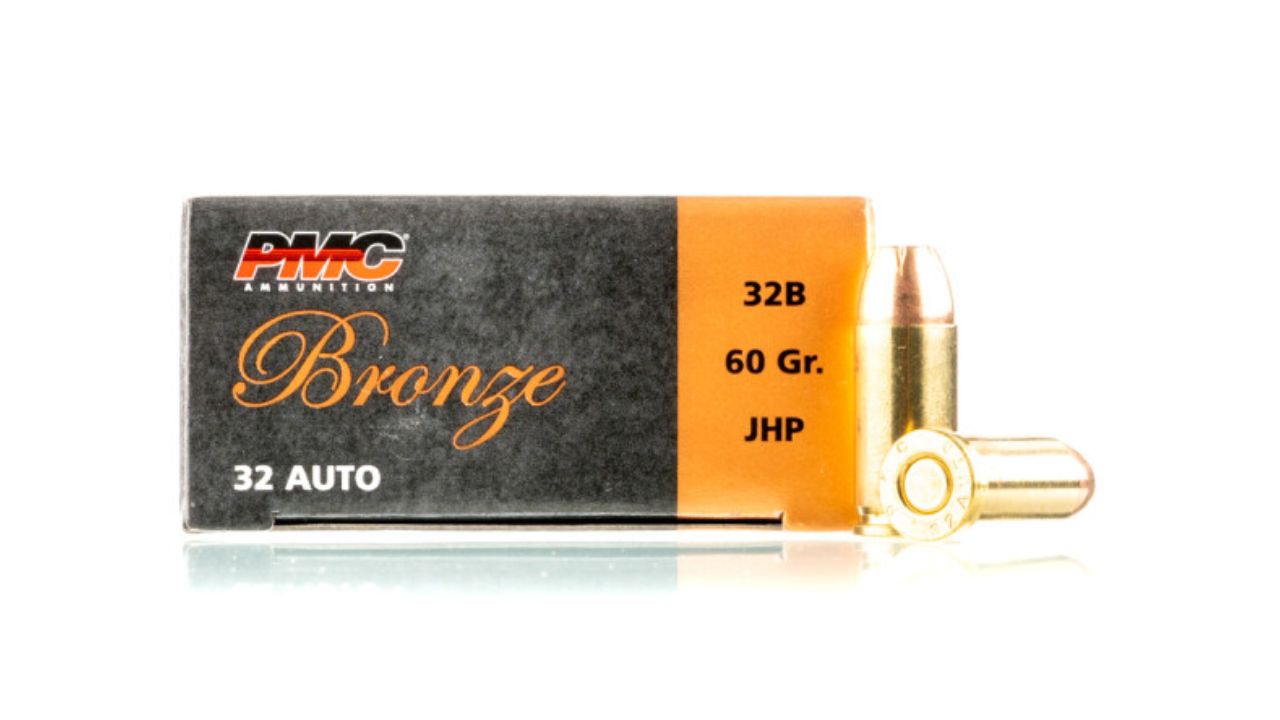
.32 ACP becomes even more controllable when you shoot it in a larger, heavier pistol rather than a featherweight pocket gun. The extra mass and better grip geometry keep the gun flatter, and the recoil is light enough that you can run fast strings with excellent sight tracking. This is where the caliber really shows what it can do.
The practical advantage is how easy it is to stay accurate under tempo. You can focus on driving the trigger cleanly and calling your shots, instead of managing muzzle rise. It also tends to be pleasant for high round counts, which matters if you train often. Performance and modern ammo options still matter, but if the goal is fast, controllable shooting, .32 ACP in a substantial pistol is one of the smoothest experiences you can get.
9mm with heavier-for-caliber loads
9mm stays controllable in general, but heavier bullet loads often feel smoother in recoil. Instead of a sharp pop, you often get a more rolling impulse that returns the sights in a predictable way. That predictability helps when you’re shooting fast because you’re not waiting on the gun to settle down from a snappy bounce.
You still have to verify reliability and point of impact in your own pistol. Different loads can change how the gun cycles and how it shoots. Even so, this is a common reason experienced shooters lean toward heavier 9mm loads for fast work: they can track the sights better and keep their cadence more consistent. It’s the same caliber, but the feel can support speed, especially in compact pistols where recoil character matters.
Like The Avid Outdoorsman’s content? Subscribe to our newsletter so you never miss an article.
Here’s more from us: