Photo credit: guruXOX/Shutterstock.com
Shotguns are one of the easiest parts of the gun world to overcomplicate. There is always some new setup, some specialized loading scheme, or some gear-heavy argument about what the “right” shotgun ought to be. Meanwhile, most real-world shotgun use is still pretty plain. You need a gun that works, handles naturally, and fits the job without turning every outing into a test of tolerance. Whether the role is home defense, bird hunting, deer season, farm use, or just owning one dependable long gun that can cover a lot of ground, the old rules still hold up better than people like to admit.
That is why certain shotgun choices keep making sense no matter how much the market shifts. They are not always the flashiest guns on the shelf, and they usually are not the ones loaded down with every possible accessory. They are the ones that keep proving useful in the hands of ordinary shooters. A practical shotgun should point well, run reliably, and be easy enough to live with that you do not dread carrying it, cleaning it, or trusting it. Those qualities still matter more than novelty.
The 12 gauge pump still solves more problems than most people need solved
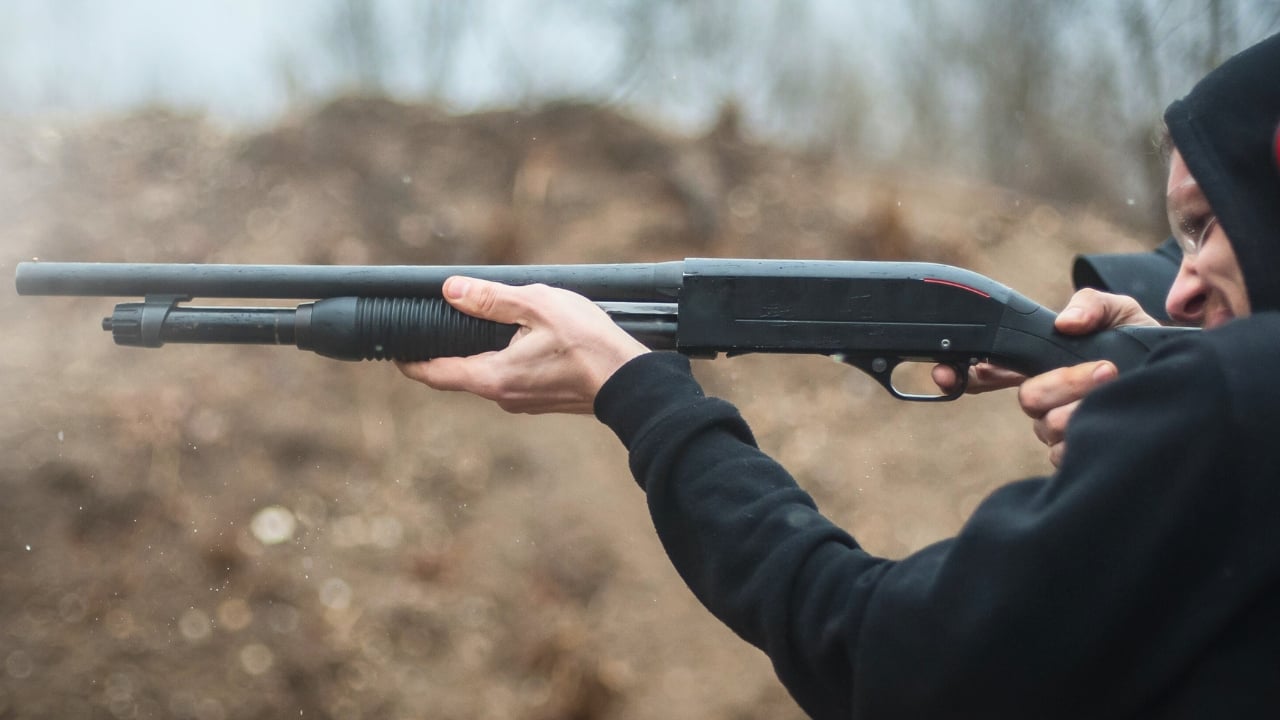
There is a reason the 12 gauge pump refuses to fade. It still covers an enormous amount of real-world use without asking the owner to make many compromises. Bird hunting, home defense, slug season, predators around the property, and all-purpose utility work can all be handled with one if the gun is set up sensibly. A Remington 870 or Mossberg 500 is not exciting because it is new. It is useful because it keeps doing ordinary work well without demanding much attention. That kind of flexibility is hard to replace with anything more specialized.
It also helps that a good pump is easy to understand. Load it, run it correctly, keep it reasonably clean, and it tends to keep working. There is real value in that. A shotgun does not become less practical because something more modern exists beside it. It becomes less practical only when it stops fitting actual use, and the 12 gauge pump has not reached that point. For someone who wants one shotgun that can handle a wide range of tasks, it is still one of the smartest answers available.
A plain field semi-auto still earns its keep
The semi-auto shotgun world gets noisy fast, but a plain, reliable field semi-auto still makes a lot of sense for people who actually spend time hunting birds or shooting clays. If the shotgun runs well, carries comfortably, and does not become fussy about ordinary use, it remains one of the more practical choices a shooter can make. A Beretta A300, Browning Maxus, or Benelli M2 may not satisfy every tactical conversation online, but in the field they still answer real needs. Softer recoil, fast follow-up shots, and good carry balance are not theoretical advantages. They matter when the shooting gets fast and the day gets long.
The key is not trying to force the semi-auto into every role just because it works well in one. A field gun should still feel like a field gun. Once the owner starts adding too much extra bulk or starts buying around image more than actual use, some of the practical advantage disappears. But in its proper role, the straightforward sporting semi-auto remains one of the better shotgun choices in the real world. It is hard to argue with a gun that helps the shooter stay comfortable, stay on target, and stay in the field.
Short, simple defensive shotguns still have a place
A defensive shotgun does not need to look like a science project to make sense. A plain, reliable pump with a sensible barrel length, a workable stock, and a light if the owner truly needs one still covers most serious home-defense shotgun use just fine. This is where guns like the Mossberg 590 or Remington 870 Police-style setups continue to hold their ground. They are not trying to be everything. They are trying to be dependable, straightforward, and easy to understand under stress.
That simplicity matters more than a lot of buyers realize. A gun that feels intuitive in the dark, manageable in tight spaces, and reliable with proven ammunition still solves the core problem. Once a shotgun gets overloaded with extra parts and starts becoming heavier, more awkward, or more confusing to run, the real-world value starts slipping. A defensive shotgun should stay simple enough that the owner can actually train with it and trust it. That part still matters more than whatever trend is currently selling well.
The right bird gun still looks a lot like an old bird gun
For upland hunting and general bird work, the guns that keep making sense are still the ones that carry well and move naturally. That often means a good pump or a sensible over-under, not because newer choices are automatically worse, but because balance and handling remain the whole story once the dog locks up and the birds get up fast. A Browning Citori, Ithaca 37, or Winchester Model 12 still feels right because those guns were built around movement, instinctive mounting, and practical field carry. That part of hunting has not changed enough to make them irrelevant.
A lot of shooters eventually learn that the best bird gun is not the one with the most features. It is the one that becomes part of your hands without much thought. That is why older field-oriented shotgun designs keep surviving trend cycles so easily. The job itself still looks familiar, and the guns that were built around that job still understand it. A good bird shotgun should feel like a companion, not like equipment you are constantly managing.
Slug guns and turkey guns still reward purpose-built simplicity
This is another place where real-world use tends to reward focus over excess. A dedicated deer shotgun or turkey shotgun often makes the most sense when it stays built around its actual lane. A plain rifled-barrel slug gun with a good optic or a compact turkey gun with the right choke and load can still be extremely effective. The key is that the gun should stay centered on the role instead of becoming weighed down by unrelated ideas. A shotgun that knows what job it is there to do almost always ends up more useful than one trying to be ten guns at once.
That is why purpose-built models still hold their own so well. A straightforward slug gun or a no-nonsense turkey setup does not need much defending once it proves itself in the field. These shotguns are practical because they make the hunt easier, not because they look impressive in storage. When a shotgun matches the season and the terrain this closely, it rarely feels outdated.
Gauge choice still matters less than fit and use
A lot of shotgun talk gets hung up on gauge arguments, but the more practical question is usually whether the gun fits the shooter and the role. Twelve gauge remains the broadest answer, but 20 gauge still makes an enormous amount of sense for plenty of people. If a shooter handles it better, carries it more comfortably, and shoots it more confidently, then it may be the more practical choice regardless of what someone else prefers. Real-world usefulness often has less to do with “most powerful” and more to do with “most likely to be used well.”
That is one reason shotgun choice stays personal in a way rifle choice sometimes does not. A slightly lighter gun, a little less recoil, or a better fit can matter more than the badge on the barrel or the exact shell length stamped on the receiver. Shotguns are point-and-swing tools as much as they are ballistic ones. If the gun fits poorly or wears the shooter out, it stops being a smart real-world option no matter how good it looked on paper.
The best shotgun choices usually stay honest
The shotgun choices that still make sense for real-world use are usually the ones that stay honest about what they are. A field pump, a dependable semi-auto, a practical home-defense shotgun, or a cleanly set-up turkey gun all make sense because they fit real roles without a lot of pretending. They are not there to impress anyone with complexity. They are there to work. That is why so many older models and simpler setups continue holding their place.
A practical shotgun does not have to win every category. It has to stay useful long after the excitement of buying it wears off. That is the real test. If the gun still points naturally, still runs without excuses, and still feels like the right answer when the season or situation arrives, then it is doing exactly what it needs to do. That is why the smartest shotgun choices still tend to be the ones that understand the job and do not try too hard to be something else.
Like The Avid Outdoorsman’s content? Subscribe to our newsletter so you never miss an article.
Here’s more from us: