Photo credit: hickok45 /YouTube
A spotless used firearm can look like a bargain, but a gun that is “too clean” often tells a more complicated story. When finish, internals and accessories look oddly perfect for the asking price, I read it as a warning sign that someone may be hiding hard use, amateur gunsmithing or even safety problems that only show up at the range.
Understanding what honest wear looks like, and how it differs from aggressive polishing or hasty refinishing, is the key to separating a well loved workhorse from a scrubbed lemon. The details are small, but they are visible if you know where to look and are willing to walk away when the shine does not match the story.
Why “too clean” should raise your suspicion
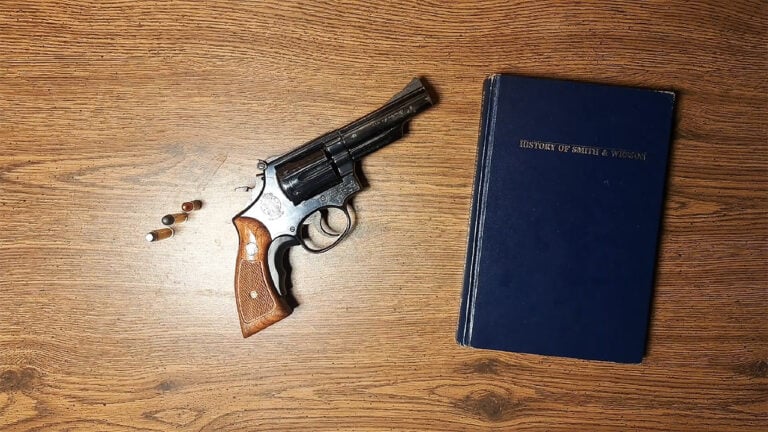
Most working guns accumulate a predictable mix of finish wear, carbon and handling marks, so a used pistol or rifle that looks like it just left the factory deserves extra scrutiny. When I see a slide with mirror bright flats but no trace of holster burn, or a revolver with a flawless frame and a mysteriously pristine forcing cone, I start asking what has been polished, replaced or concealed. Experienced buyers talk about “certain types of wear that only come from shooting, not from handling,” and when those patterns are missing while the seller insists the gun has seen “thousands of rounds,” the mismatch is a red flag that something is off in the description of use, storage or maintenance, as shooters in one Dec thread point out.
That does not mean a clean gun is automatically bad, only that cleanliness by itself proves almost nothing about mechanical health. A seller can strip a pistol, scrub every surface and even buff contact points to a shine in an afternoon, but they cannot easily erase peening, stretched springs or microscopic cracks that come from high round counts or overpressure loads. The risk is that cosmetic perfection lulls buyers into skipping the slow work of checking barrel condition, timing, headspace or trigger geometry, which is why I treat an immaculate finish as the start of my inspection, not the end of it.
Honest wear versus cosmetic perfection
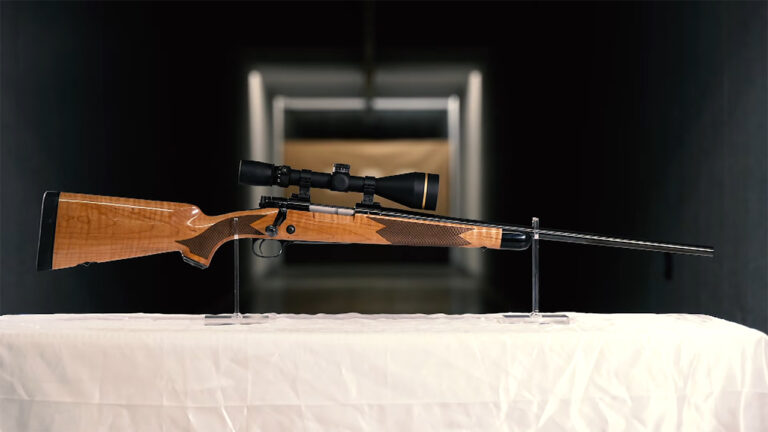
To judge whether a used gun is trustworthy, I first look for the kind of “honest wear” that lines up with its claimed history. A carry pistol that rode in a holster for years should show thinning finish on slide edges, a bit of shine on the barrel hood and some smoothing on high spots of the frame, exactly the sort of contact marks that experienced staff describe when they tell buyers to inspect the barrel hood and other friction points for realistic Look for patterns. A hunting rifle that has been in the field should have small dings in the stock and light scuffs on the floorplate or magazine, not a glass smooth exterior with no trace of use anywhere.
By contrast, a gun that is uniformly glossy, with roll marks that look softened and screw heads that show tool marks, often signals that someone has sanded or buffed the metal before refinishing. Collectors warn that once a firearm has been re-blued it loses its originality and “collector appeal,” because the new finish erases the subtle cues that show how it was actually used by the original owner, a point made bluntly in guidance that notes that Once a gun is refinished it is no longer in factory condition. When the metal looks perfect but the story does not, I assume the seller is selling appearance, not transparency.
Over-cleaning and the hidden damage it can cause
There is a second problem with guns that look surgically clean, which is that some owners are far too aggressive with solvents, brushes and disassembly. Over time, repeated stripping and scrubbing can round off sharp edges, weaken small parts and even damage springs and rings that were never meant to be polished, a risk highlighted in technical advice that notes that Some components can be harmed by overzealous cleaning. A gun that has been “detail cleaned” after every short range trip may look pristine, but the cumulative wear from constant takedown and harsh chemicals can leave it less reliable than a similar firearm that was cleaned more moderately.
Even meticulous owners admit that there is a nervous moment after a deep cleaning, before the next test fire confirms that everything went back together correctly. One widely shared maintenance clip captures that tension, noting that it is “always nerve racking after a cleaning until you get your next test fire in,” and that only shooting will tell you whether you have struck the right balance between cleanliness and function, a point that resonates in a Feb discussion of post cleaning anxiety. When I see a used gun that looks like it has been stripped to bare metal after every outing, I assume the small parts have had a harder life than the finish suggests.
Barrels, bores and the illusion of a spotless crown
The barrel is where the difference between cosmetic cleaning and real care shows up fastest, which is why I always inspect it from both ends. A seller can run patches through a bore until it looks mirror bright, but they cannot easily hide erosion at the throat, a worn crown or pitting under the surface, which is why detailed buying guides urge shoppers to visually inspect the barrel from both the muzzle and breech, including the crown and rifling, and to use any tool the seller will allow to clean the barrel enough to see what is really going on, advice captured in the instruction to Visually Inspect the Barrel. A crown that looks freshly cut on an otherwise older rifle, or rifling that seems oddly shallow near the throat, can indicate that the gun has seen far more rounds than the seller admits.
On the flip side, a heavily fouled bore can be its own warning sign, because it suggests an owner who did not bother to clean at all before offering the gun for sale. One seasoned rifle buyer describes a heavily fouled barrel as a “red flag,” comparing it to a used car that has not even been washed before being listed, and warning that such neglect often signals that the seller is trying to hide some other problem with the gun, a point made explicitly in advice that calls a dirty bore a sign that someone may be trying to hide an issue. For me, the ideal used barrel shows clear, sharp rifling, a clean but not over polished crown and just enough residue to suggest regular, not obsessive, maintenance.
Refinishing, re-bluing and the collector’s nightmare
Refinishing is where “too clean” crosses from cosmetic preference into financial risk, especially for older or collectible guns. Once a classic revolver or early semi automatic has been re-blued or re parkerized, it may look beautiful, but its value to collectors drops sharply because originality is what they pay for. Longtime enthusiasts stress that you “seldom see a ‘Refurbished’ gun in a collectors safe” and that original finish is where the real money is, urging owners to “Keep it original” whenever possible, a sentiment captured in a discussion that bluntly states that You should resist the urge to refinish. When a seller presents a century old rifle with flawless blueing and no edge wear, I assume I am looking at a refinish unless proven otherwise.
Specialist forums are full of examples where refinishing has not only reduced value but also introduced inaccuracies, such as a Marlin 1893 that was declared “refinished, and in an incorrect manner,” with nickel where the factory never used it and other details that showed the gun was not factory original, a case that prompted one expert to label it Refinished and effectively Ruined for serious collectors. Another thread on refinishing warns that applying new bluing over pitted metal will still leave the pits visible and that there is “no easy” way to undo the damage, urging owners to focus on conservation rather than aggressive restoration, a point summed up in a comment that begins with a firm Agreed and then pivots to long term preservation. When a used gun looks too perfect for its age, I start looking closely at roll marks, screw slots and sharp edges for the telltale rounding that betrays a refinish.
Spotting refinished pistols and parts swapping
Modern pistols are not immune to this problem, and in some ways they are easier to “clean up” in ways that hide their past. Professional refinishers who work on models like the Colt 1911 note that sometimes even experts struggle to tell whether a gun has been refinished, especially when the work is subtle and the parts are blended carefully, a point made by one specialist who explained that he had refinished guns for years and that it can be difficult to spot the work, a warning shared in an Oct discussion of Colt markings. That uncertainty is exactly why I treat any used pistol with unusually crisp finish but slightly softened lettering as suspect, and why I pay close attention to whether the slide, frame and small parts all match in color and texture.
Parts swapping adds another layer of risk, because a seller can combine a cosmetically clean slide with a heavily used frame or barrel to create a gun that looks better than it shoots. Enthusiasts who have handled large numbers of surplus pistols, including surplus Glocks, point out that some guns show heavy holster wear on the outside but are mechanically sound, while others look clean but hide internal wear that only shows up when you inspect the top of the barrel near the muzzle and other stress points, advice that surfaces in a Not a gun store employee comment that still offers hard earned insight. When I evaluate a “like new” pistol, I field strip it if allowed, check for matching serials and look for uneven wear that suggests the top and bottom halves have lived different lives.
Community wisdom: what experienced buyers actually check
Beyond finish and barrels, experienced buyers lean on a checklist of small details that together tell a more honest story than any sales pitch. They look for guns that still have their original box, magazines and accessories, reasoning that a seller who kept the complete package is more likely to have maintained the firearm carefully, and they pay close attention to the barrel hood, slide rails and other contact points for realistic wear, a pattern of advice that runs through a Look
On the policy and culture side, communities that think hard about responsible ownership tend to be especially wary of heavily modified or cosmetically altered guns. One discussion among liberal gun owners, for example, lists aftermarket modifications like stippling on the frame, refinishing and other visible changes as things to watch for, because they can signal that a previous owner has altered the gun in ways that affect safety or reliability, a concern spelled out in a Nov thread that starts with “Anyway” and then walks through specific red flags. When I see a used gun that is both extremely clean and heavily modified, I assume I am buying not just a firearm but also someone else’s experiment, and I price that risk into my decision.
When “used, very good” is exactly what you want
Not every clean gun is a trap, and the language sellers use can help you calibrate expectations. In other markets, such as surplus gear, “Used/Very Good” is understood to mean that an item has clearly seen some use but only shows minor marks from handling or storage, with descriptions that explicitly say there may be some minor signs of use or marks from storage and that a Used/Very Good item has clearly had some use but remains in strong condition, as spelled out in one listing that notes that There may be marks but the item is still Very Good. When I see a firearm described in similar terms, with photos that show light wear consistent with that label, I am often more comfortable than when a seller insists a decades old gun is “mint” with no flaws at all.
The key is that “very good” implies a balance between use and care, rather than the implausible perfection that often hides a refinish or rushed cleanup. I look for small dings, faint scratches and other signs that the gun has lived a normal life, because those imperfections are easier to trust than a surface that looks like it has been sandblasted and repainted. In that sense, a slightly worn but mechanically sound rifle or pistol is like a well maintained weightlifting bar where the visible finish may show some patina but the critical components inside the sleeves and under the collars are still solid, a comparison that echoes advice to remember that Also the components you cannot see are not always finished. With guns, as with bars, I care more about unseen integrity than showroom shine.
Red flags that matter more than shine
Ultimately, the most important red flags in a used gun have less to do with how clean it looks and more to do with how honestly its condition lines up with its story. Deep scratches, worn finish or dings in the stock can indicate a heavily used or poorly cared for firearm, and when those marks are combined with mechanical slop, gritty triggers or loose sights, they are a sure sign of future disappointment, as one practical guide puts it when it warns that such Scratches and dings are not just cosmetic. At the same time, a gun that is too clean, with no such marks at all, can be just as worrying if it suggests that someone has sanded away the evidence.
That is why I treat a used firearm like any other complex tool: I assume that the most important parts are the ones I cannot see at a glance. Just as a vintage shotgun can look neglected on the outside but still be mechanically sound and unworn inside, as one assessment of an 1866 patent gun notes when it describes a piece that appears uncared for over decades but is mechanically very sound and un worn, a scenario detailed in an analysis that begins with the phrase A visual inspection, a modern pistol can present the opposite pattern, with flawless cosmetics hiding tired springs and battered locking surfaces. When I buy used, I focus less on whether the gun looks like new and more on whether its visible wear, internal condition and seller’s story all line up in a way that feels consistent, testable and safe.
Two quick tests that beat a wiped down finish
For buyers who feel overwhelmed by all these variables, there are a couple of simple checks that do more to protect you than any amount of surface shine. One practical tip is to develop a quick routine for gauging overall quality, such as checking slide to frame fit, dry firing with permission to feel for smoothness and consistency, and inspecting the bore and crown under good light, a pattern that aligns with advice in a short video that walks through two quick ways to gauge used gun quality and emphasizes that most people will not do elaborate tests, a point made in an Apr demonstration. Another is to pay attention to how the controls feel, because mushy safeties, spongy triggers or inconsistent reset often reveal more about a gun’s history than a polished slide ever will.
Finally, I remind myself that walking away is always cheaper than buying a problem, no matter how attractive the price or how spotless the finish. If the gun’s condition seems too good for its age, if the seller’s story shifts under basic questioning, or if the internal wear does not match the exterior, I take that as a sign that the risk is not worth it. In a market where even surplus and budget guns can be reliable when honestly represented, the real danger is not a bit of dirt or patina, it is the “too clean” used gun that has been scrubbed, buffed or refinished just enough to hide the truth.