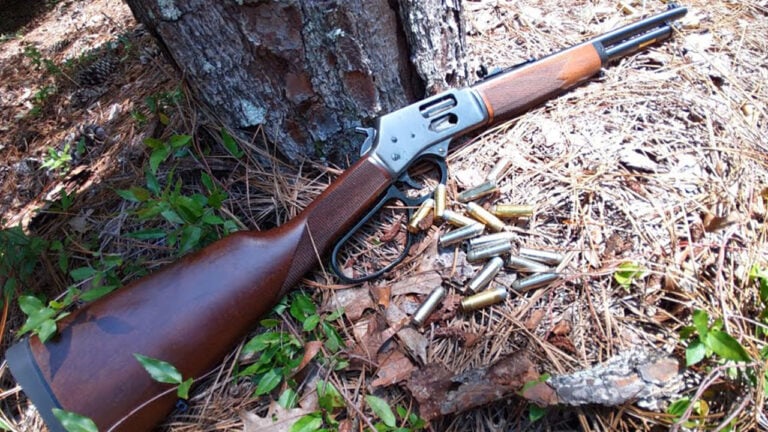
Photo credit: YES Market Media/Shutterstock.com
Gun shows can be a blast, but the pricing psychology is real. You’re standing at a table with cash in your pocket, a guy telling you it “won’t last,” and a crowd that makes anything feel scarce. That’s how a so so gun turns into a must-buy in your head. A lot of bad purchases aren’t scams. They’re normal guns with one big catch: missing parts, tired springs, sketchy past work, or a price that assumes collector value that isn’t there.
If you want to leave happy, focus on what costs money after the handshake. Parts availability, known weak points, and whether you’re buying someone else’s problem. Here are specific guns that often sound like steals at a gun show, then quietly drain your wallet.
Remington 700 with a mystery trigger swap

A used Remington 700 can look like the safest purchase in the building, especially when it’s wearing a scope and a camo stock. The catch is what’s been changed. A lot of these rifles have had trigger work done by a buddy, or they’re wearing an unknown aftermarket trigger that was never set up right.
You end up paying for the name, then paying again to make it trustworthy. Check for consistent trigger pull, safe function, and any signs of kitchen-table gunsmithing on the action screws and bedding. If the seller can’t tell you what trigger is in it, treat it like a project rifle and price it that way.
Ruger Mini-14 that “shoots great” but patterns past 100

Older Mini-14s get pitched as the perfect ranch rifle, and they do a lot of things well. The gun show trap is the promise of accuracy that isn’t there. Some older guns throw groups that surprise you in the worst way once the barrel heats up, especially with bulk ammo.
You can end up buying nostalgia and walking out with a rifle you never enjoy shooting. Look for the series, ask what it actually groups with, and be realistic about your use. If you want a compact rifle that hits like a carbine, you need to know whether you’re buying a solid newer gun or a “looks right” Mini that lives on hope.
Mosin-Nagant with a shiny bore and a ruined crown

Mosins are everywhere, and they still get treated like they’re rare. A bright bore is nice, but it doesn’t tell you what the muzzle looks like, and the crown is where accuracy goes to live or die. A lot of these rifles were cleaned from the muzzle with steel rods for decades.
At the table, you see clean rifling and a low price tag and call it good. Then you chase flyers forever. Look closely at the crown, check the muzzle wear, and watch for sloppy counterboring. Also remember ammo costs and recoil add up fast. A cheap Mosin can become a loud, expensive way to miss steel.
SKS that’s been “tacticooled” with bargain parts
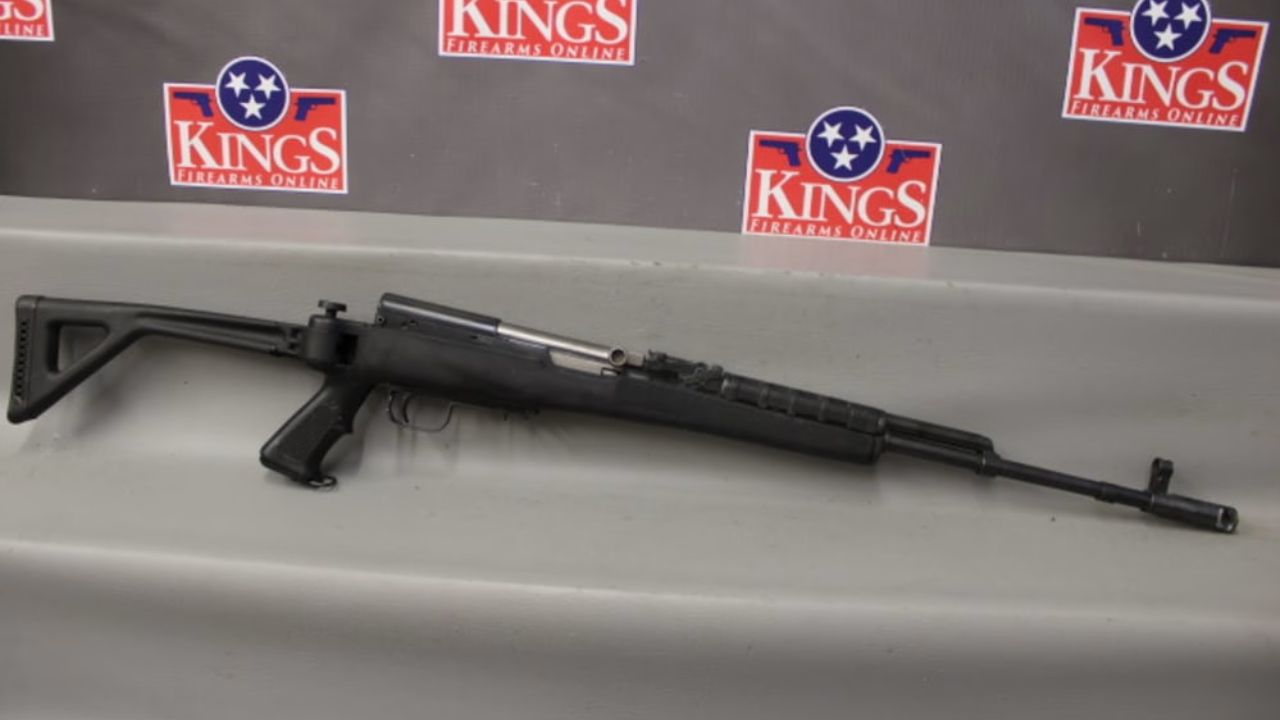
A stock SKS is a dependable rifle. A gun show SKS with a plastic stock, detachable mags, and random rail parts is often the opposite. Those add-ons usually create feeding problems and turn a solid rifle into a finicky range toy.
The seller will talk about “upgrades,” but most of those parts lower value and reliability. Check whether it still has its original fixed magazine, whether the gas system is intact, and whether anything has been ground or cut. If it’s been modified hard, you’re not buying a classic SKS anymore. You’re buying someone’s experiment, and experiments rarely run on the first try.
Century-built AK that looks right but runs rough
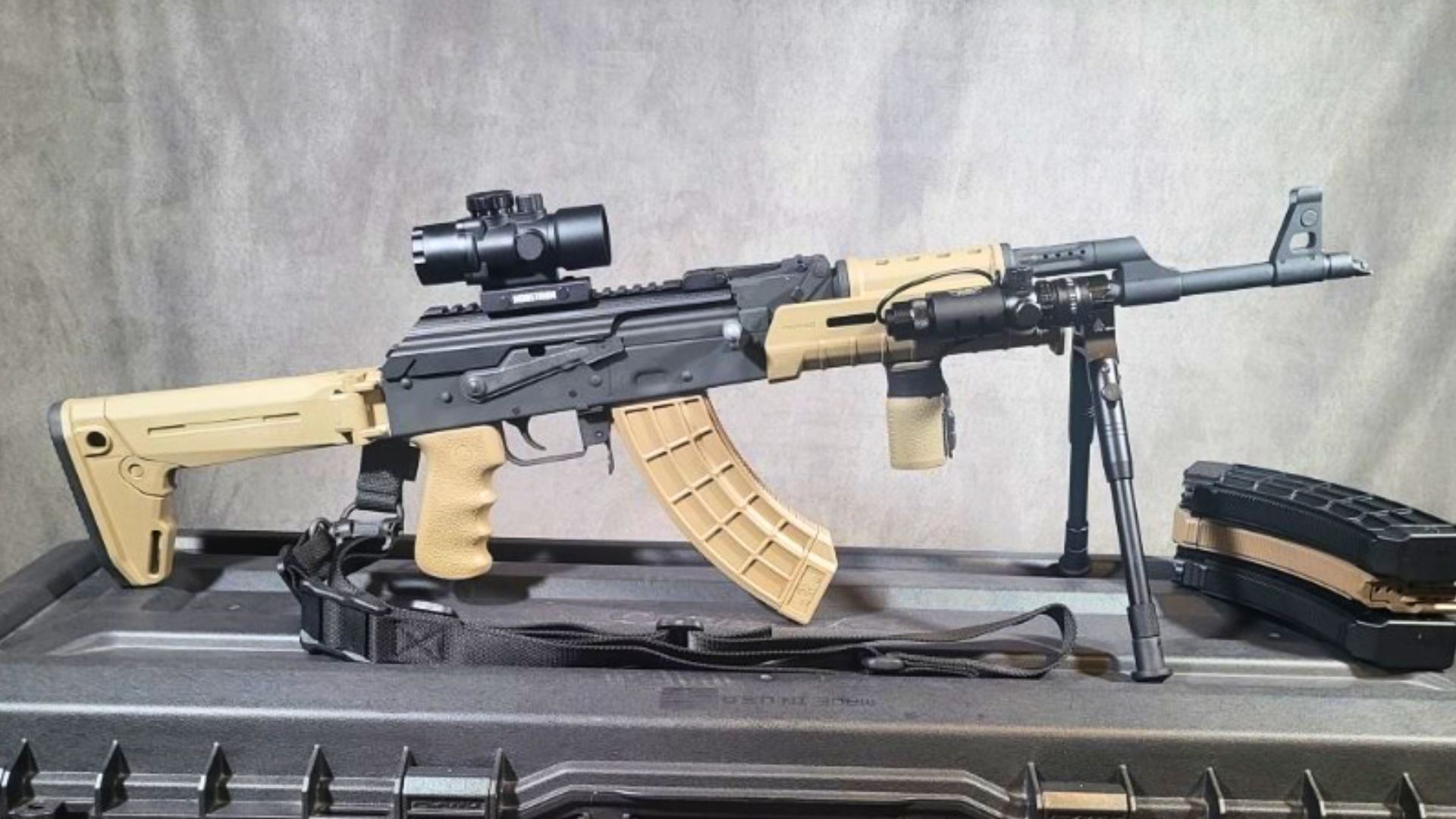
Some Century AKs run fine. Some don’t. The gun show problem is you can’t easily tell which one you’re holding by looking at the furniture and finish. Issues like canted sights, rough rivets, out-of-spec mags fit, and poor assembly show up later when you start shooting fast and the gun heats up.
People see an AK and assume it will eat anything. Don’t. Check sight alignment, mag wobble, and overall build quality. If the seller can’t name the model and origin clearly, assume you’re taking a chance. The money you “save” can disappear the first time you pay a competent builder to correct problems you didn’t create.
Kimber 1911 that’s tight until it starts choking
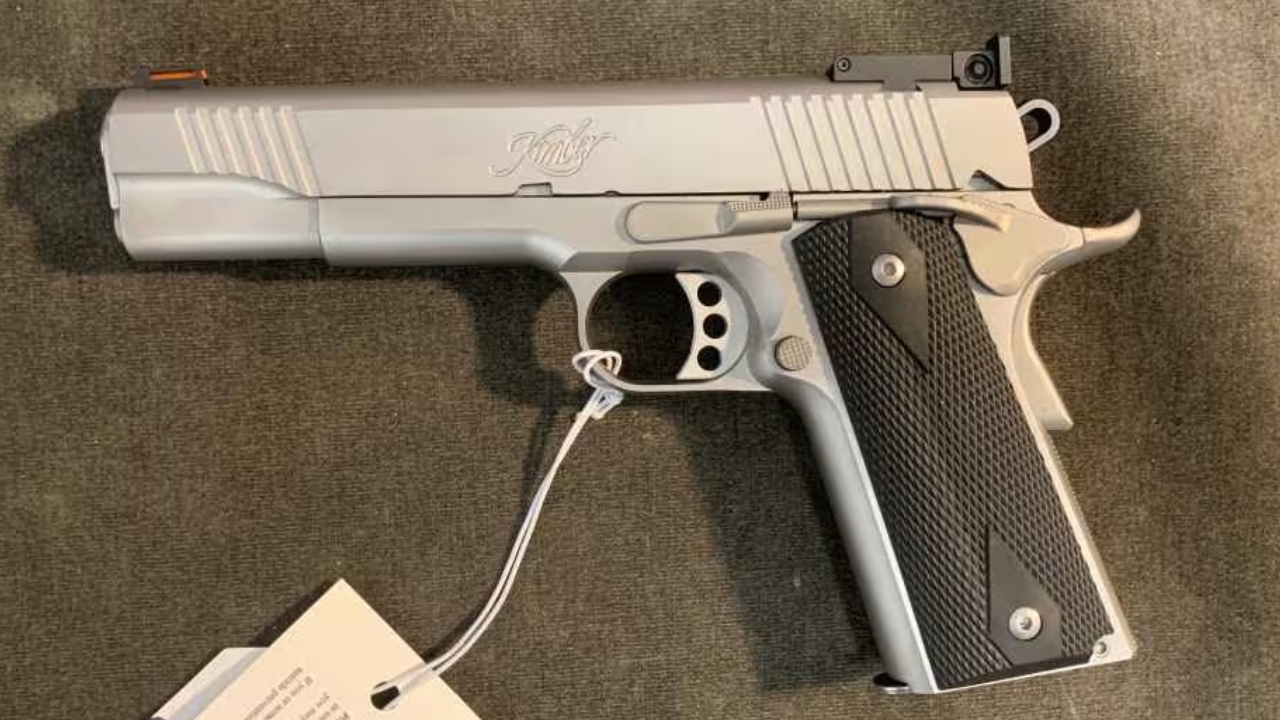
A Kimber 1911 on a table looks like a premium buy, especially with sharp checkering and a crisp trigger. The trap is thinking tight equals reliable. Some of these pistols run great, and some start acting up when you run drills, especially with certain mags or hollow points.
The gun show pitch is always “it’s barely been shot.” That doesn’t tell you how it behaves when it’s hot and dirty. Look for signs of extractor tuning, check feed ramp condition, and pay attention to what mags it comes with. If it needs a reliability tune and a pile of proven mags, that “good price” starts looking a lot thinner.
Taurus Judge that seems versatile but solves nothing well

The Taurus Judge sells the idea of one gun that covers everything, and that’s why it moves at shows. In real use, it’s a compromise machine. Patterns can be unpredictable, recoil can be sharp, and the bulk makes it awkward to carry the way most people imagine.
You buy it for peace of mind, then realize it doesn’t fit a clear role. If you want a revolver, a solid revolver is a better answer. If you want a defensive handgun, you’re better off with something designed around consistent handgun performance. The Judge can be fun, but “fun” is not the same thing as a smart purchase when you’re trying to spend money wisely.
Springfield XD with unknown spring life
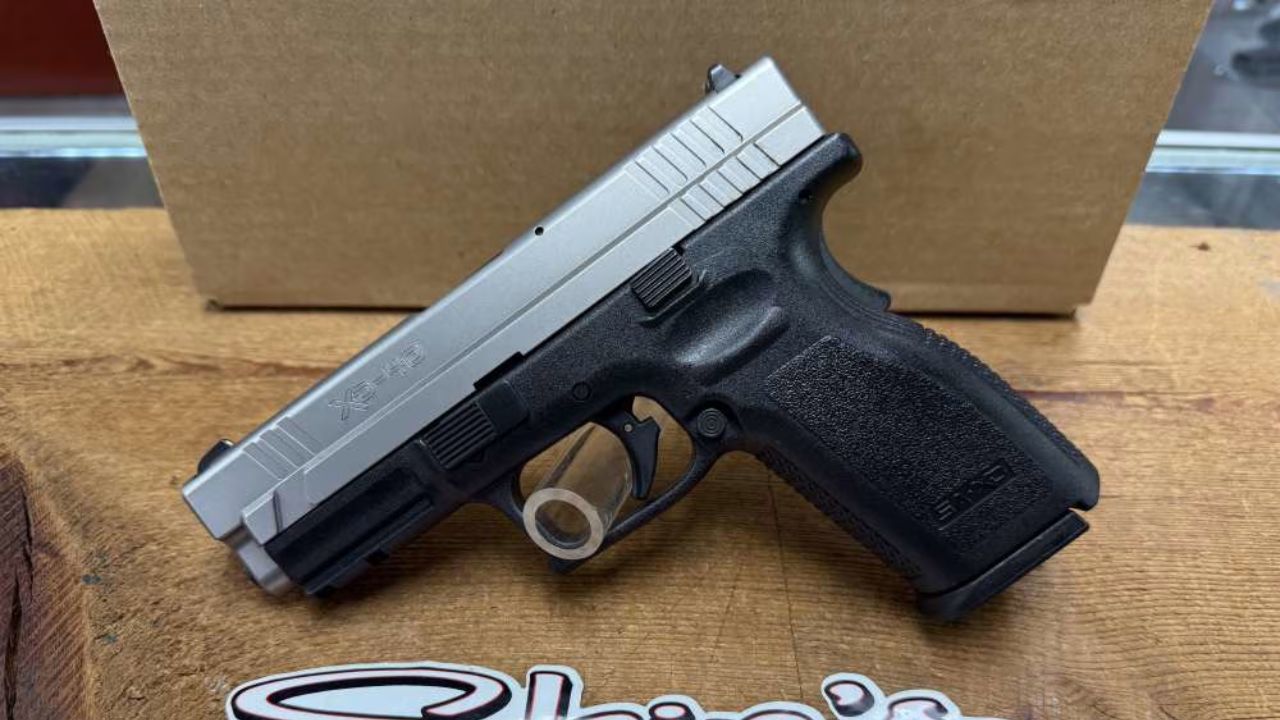
The Springfield XD series has a loyal following, and used prices can look tempting. The trap is buying one that feels fine at the table but has a tired recoil spring and a history you’ll never know. Some examples run forever, others start showing odd malfunctions when you’re trying to shoot fast.
The gun show price often assumes you’re getting a ready-to-go pistol. Budget for springs and magazines immediately unless you have solid info. Inspect the slide rails, check for peening, and look at overall wear. If it comes with a random mix of mags and no clear maintenance story, treat it like a used machine that needs service, not a turnkey bargain.
SIG Sauer P226 trade-in with worn small parts

A P226 trade-in can be a great pistol, and that’s exactly why it gets overpriced at shows. People see the name and assume it’s automatically a steal. The real cost shows up in small parts: recoil spring, locking insert wear, tired magazines, and night sights that are long dead.
If you pay too much because it has “police history,” you’re paying extra for honest wear. Check slide to frame fit, inspect the barrel hood, and look at the condition of the mags. If it needs springs, sights, and fresh magazines, price it like a base gun. A real bargain on a P226 is still a bargain after you budget the maintenance.
Beretta 92FS with bargain magazines and weak springs
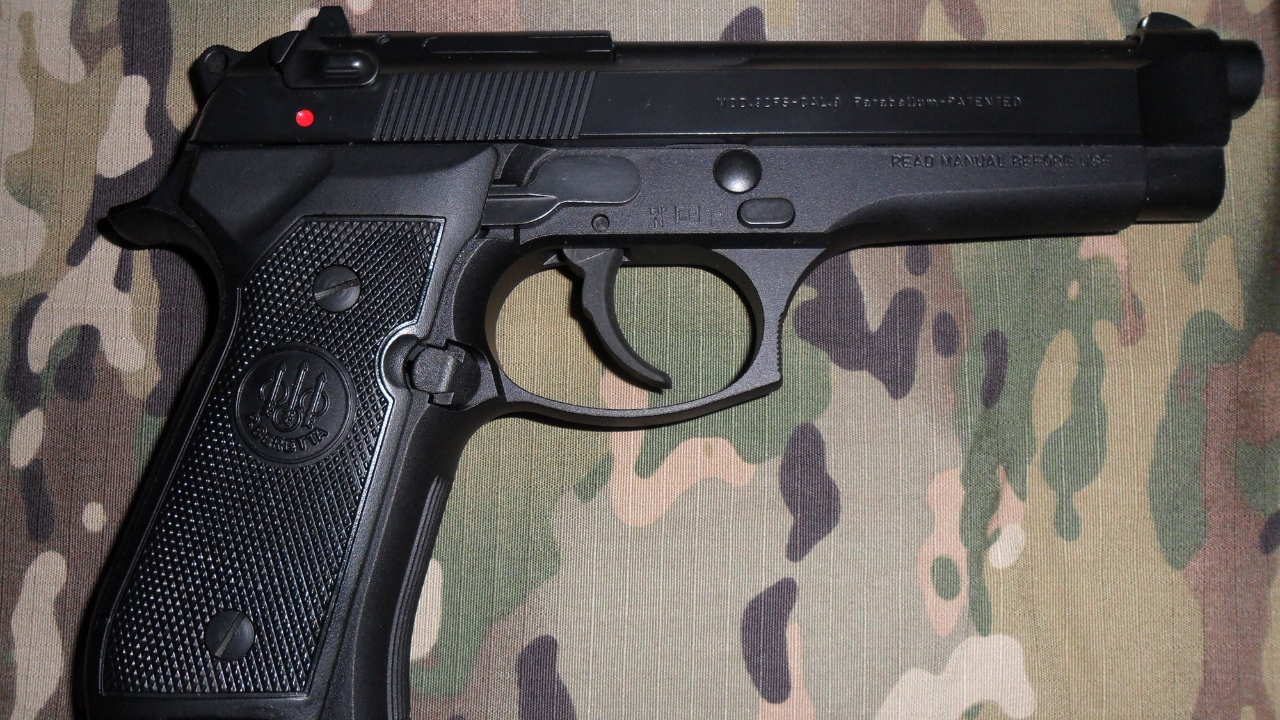
The Beretta 92FS is a proven pistol, but gun show packages often come with a stack of cheap magazines that cause most of the problems people blame on the gun. Add an unknown recoil spring and you’ve got a recipe for stoppages that feel confusing and random.
The seller will tell you it “runs great” and it might, with good mags and fresh springs. Check the locking block area for wear, look for peening, and pay attention to magazine brand and condition. If the deal includes five questionable mags, don’t value them like real mags. A 92FS is only as boringly dependable as the parts you feed it.
Remington 870 Express that’s rough inside and rust-prone

A used Remington 870 Express can look like the perfect hard-use shotgun buy, especially if it’s wearing a short barrel and a light. The issue is that many Express guns have rough chambers and finishes that invite rust, especially if they lived in a closet or truck.
At the show, you rack it a few times and it feels fine. Then you try cheap birdshot and it sticks, or you start seeing surface rust after one damp season. Check the chamber smoothness, inspect for rust under the forend and around the magazine tube, and look at overall wear. If it needs polishing and refinishing, it was not a bargain, it was deferred maintenance.
Marlin 336 that’s priced like a collector gun

A Marlin 336 is a fantastic deer rifle, and gun shows love them. The trap is the price. Plenty of basic 336s are tagged like they’re rare, especially if they have a little honest wear and a scope that isn’t worth much. People hear “older Marlin” and start paying collector money for a working rifle.
You want to buy it to hunt with, not to put in a safe. Check the bore, make sure the action cycles smoothly, and look for cracked stocks and sloppy mounts. Then compare the asking price to what a clean, hunt-ready 336 actually brings. If the price is inflated because of internet chatter, walk away and keep your money.
Winchester 1894 that’s been drilled, tapped, and tired

Winchester 1894s are classic, and that’s why they get impulse-bought. The gun show version often has extra holes, a crooked scope base, or a patchwork of parts from past repairs. None of that makes it unusable, but it does crush value, and it can create headaches if the work was sloppy.
A seller will lean hard on the “Winchester” name. You need to look at the gun in front of you. Check screw heads for damage, look for cracks at the tang, and pay attention to how the lever feels through the full cycle. If it’s loose, gritty, or heavily modified, it needs to be priced like a shooter, not like a clean legacy rifle.
Ruger LCP that seems perfect until you try to shoot it well

The Ruger LCP is easy to carry, and that’s why it sells fast at shows. The bad buy happens when you convince yourself it will shoot like a larger pistol. Tiny sights, short grip, and snappy recoil make it hard to run quickly, and that reality shows up the first time you try to shoot tight groups at speed.
The LCP can do its job, but it demands practice and realistic expectations. If you buy it because it “disappears,” remember you still have to hit what you aim at under stress. Check the trigger feel, sights, and overall condition. Also factor in ammo and range time. A small pistol that you avoid practicing with is a poor bargain.
Smith and Wesson SD9 that gets sold as “basically a duty gun”
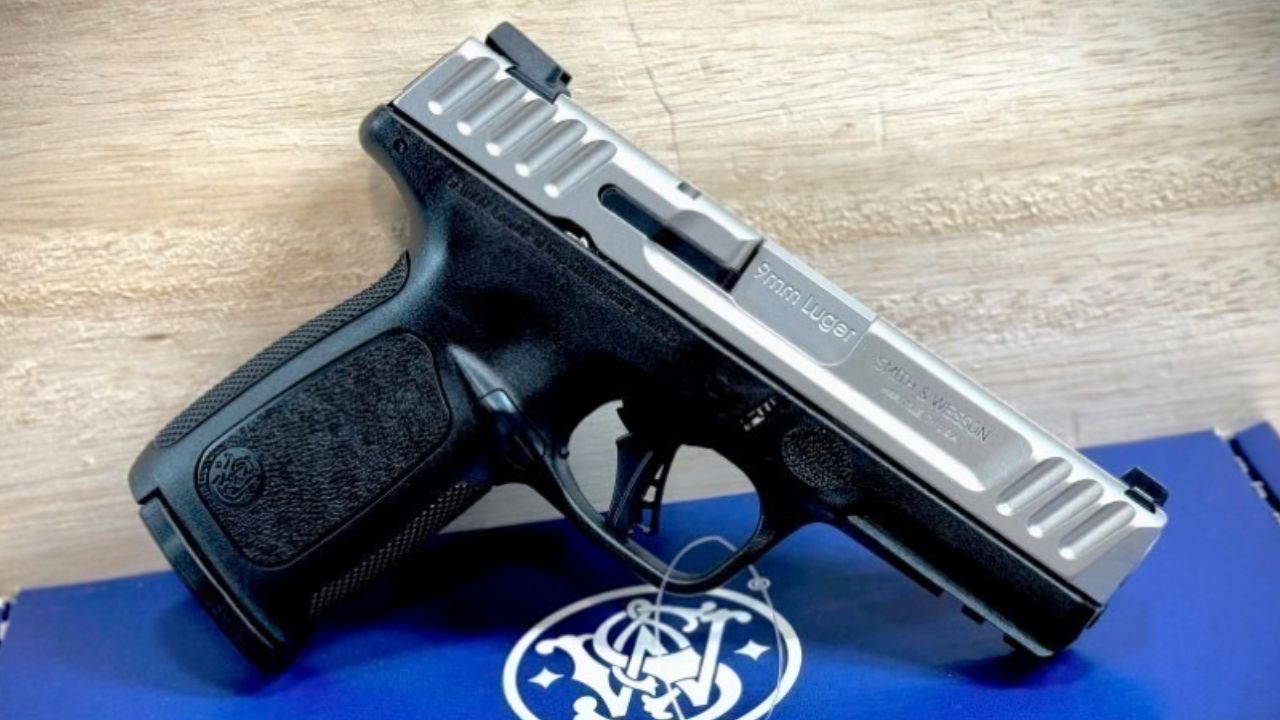
The SD9 and its variants get pitched as the working man’s service pistol, and the price tag makes it tempting. The trap is buying it with the expectation of a duty-grade trigger and shootability without upgrades or practice. It can be reliable, but the trigger feel and reset can slow you down if you’re trying to run drills clean.
At the show, people handle it and think “good enough.” Later, they chase accuracy and speed and blame the gun. If you buy one, accept what it is and price it accordingly. Check for wear, inspect magazines, and understand that you might spend time learning it or spend money improving it. Either way, it is not “cheap and perfect.”
SCCY pistols that look like a steal until parts and support matter

SCCY pistols show up on tables because the entry price is low and the pitch is always the same: “It’s a lot of gun for the money.” The real cost is how quickly you find the ceiling when you shoot hard. Triggers can be heavy, recoil can feel sharp, and long-term durability can be a mixed bag depending on use.
If you’re buying it as a backup, understand what that means. A backup still needs to run, and you still need to shoot it enough to trust it. Check for smooth cycling, inspect the feed ramp, and be honest about what you expect. The bargain disappears fast if you end up replacing it after a short stretch of real training.
Like The Avid Outdoorsman’s content? Subscribe to our newsletter so you never miss an article.
Here’s more from us: