Photo credit: Michael Vi/Shutterstock.com
A property usually does not become a problem spot all at once. It happens in stages. First it is a few small signs that seem easy to laugh off or explain away. Tracks near the fence. Trash getting disturbed. A dog acting strange in one corner of the yard. A little more movement on the camera than usual. Then those things start repeating, and the pattern gets harder to ignore. That is when people realize the land around their house is not only being passed through. It is being used.
That shift matters because trouble rarely announces itself with one dramatic event right away. More often, the property starts offering the exact combination wildlife, pests, and predators want without the owner realizing how obvious it looks from the outside. Food, water, cover, quiet travel lanes, and predictable routines can turn an ordinary yard into a regular stop fast. Once that happens, the problem is no longer only what shows up. It is the fact that your place now makes sense to the wrong kind of animal.
The same areas keep showing tracks, droppings, or disturbed ground
One of the clearest warning signs is repeated activity in the same parts of the property. Maybe tracks keep turning up by one gate after rain. Maybe droppings keep showing up near the shed, along the back fence, or beside the wood line. Maybe mulch gets torn up, grass gets flattened, or the same corner of the yard keeps looking stirred up every few mornings. That kind of repeat sign matters more than one quick sighting ever will.
A single pass-through can happen anywhere. A pattern is different. A pattern means something has started using your property with purpose. It knows where the quiet edges are, where the cover sits, and how to move through without much trouble. Once the same sign keeps appearing in the same place, your land is no longer random ground to whatever is coming through. It is part of a route.
Food is disappearing or getting hit more often
If bird seed keeps vanishing, trash gets knocked over, pet food disappears overnight, or fallen fruit never seems to stay on the ground long, pay attention. Food problems are one of the fastest ways a property becomes attractive to the wrong kind of wildlife. What starts as a squirrel issue or a raccoon issue can easily turn into something bigger once the property gets known as an easy place to find calories.
The danger here is that food sources create layers of trouble. Seed and scraps draw rodents. Rodents draw snakes and predators. Trash and pet food draw scavengers first, then larger animals that learn there is a payoff in checking your place. Most properties do not become magnets because an animal picked them at random. They become magnets because they keep quietly feeding whatever comes through.
Cover is building up in the exact places you ignore
A lot of people focus on the open parts of the yard and miss the real problem spots. Brushy fence lines, stacked lumber, wood piles, junk corners, heavy mulch beds, rock borders, low decks, thick shrubs, and the shaded space beside outbuildings all matter more than people think. If those places stay cluttered, cool, and quiet, they stop being harmless parts of the property and start becoming shelter.
That is when the trouble deepens. A yard that offers food is one thing. A yard that offers food and cover is a much better setup for repeated use. Animals do not only want to pass through. They want to hold somewhere safe during the day, move unseen, or bed close enough to come back easily. The more your property gives them that, the more likely the problem sticks instead of staying occasional.
Water is available more than you realized
Water pulls in trouble fast, especially when it is steady and easy to reach. It does not have to be a pond to matter. A dripping hose, a pet bowl left outside, a low muddy corner, a birdbath, poor drainage, a decorative water feature, or standing water along a ditch line can all make the property more attractive. In hot weather or dry stretches, even a small source becomes a reason to stop and keep coming back.
This is one of the easiest things for homeowners to miss because the water often looks minor. But wildlife does not judge it the way people do. It only needs the source to be dependable enough to matter. Once water sits near food and cover, the property starts becoming more than convenient. It starts becoming useful in a way that supports repeat visits.
Your pets are acting like something changed
Dogs and even some cats will often tell you the property feels different before you know why. If your dog keeps barking at the same fence line, refusing one part of the yard, sniffing one corner obsessively, or getting tense around the shed or brush line, that is worth taking seriously. Repeated alert behavior usually means the animal is picking up on scent or movement that keeps coming back.
People often ignore this because they do not immediately see the cause. That is a mistake. Pets are often reacting to what has already begun happening at the edge of your awareness. A dog that suddenly does not like one patch of yard is often responding to a real pattern. If your animals seem more watchful, more reluctant, or more keyed up in the same places over and over, the property may already be attracting something you have not fully seen yet.
Cameras and nighttime noise are becoming more predictable
A property becoming a magnet for trouble often reveals itself after dark first. Motion lights go off more often. Cameras keep catching movement along the same path. You hear rustling near the trash, along the fence, or around the outbuildings at the same times every few nights. Neighborhood dogs start barking in a chain. These are the kinds of signs people brush off because they happen while everyone is half-paying attention.
But predictable nighttime activity is one of the strongest clues that something has your property figured out. A random animal blundering through once is not usually a pattern. Repeated movement on schedule is. That means whatever is coming through knows the quiet hours, knows where to move, and has started using your place with confidence instead of caution.
Prey animals are increasing around the house
If your property suddenly has more mice, rats, rabbits, squirrels, or other small animals hanging around, that is a warning sign by itself. A yard heavy with prey becomes a lot more attractive to predators, snakes, and scavengers. People sometimes treat the prey issue as separate from the wildlife issue, but the two are often the same story at different stages.
That is why this sign matters so much. A property can become a magnet for trouble without ever directly feeding a predator. It only has to support enough prey to make the stop worthwhile. Rodents in the shed, rabbits under the hedge, squirrels around feeders, frogs around a damp edge, all of that builds the kind of food chain that draws in the wrong attention sooner or later.
The same weak spots keep failing
Loose fence sections, gaps under gates, broken lattice, overgrown corners, low spots under hedges, and brushy edges where the property opens into cover all become bigger problems when they keep staying open. Those are not only maintenance issues. They are access points. If the same weak places keep letting animals move in and out easily, your property is becoming simple to read and use.
This is where a lot of homeowners fall behind the problem. They clean up a mess, patch one spot, or scare something off once and assume the issue is handled. But the basic invitation is still there. Easy food, easy cover, and easy access work together. If the property is simple to enter and simple to move through, trouble will usually keep finding it.
You are getting too used to “little signs”
That may be the biggest warning sign of all. The tracks no longer surprise you. The overturned trash feels routine. The movement on the camera seems normal. The dog barking at night feels like part of life now. Once the warning signs start blending into the background, the property is usually well past the point of being neutral ground. It has become known territory to whatever keeps coming around.
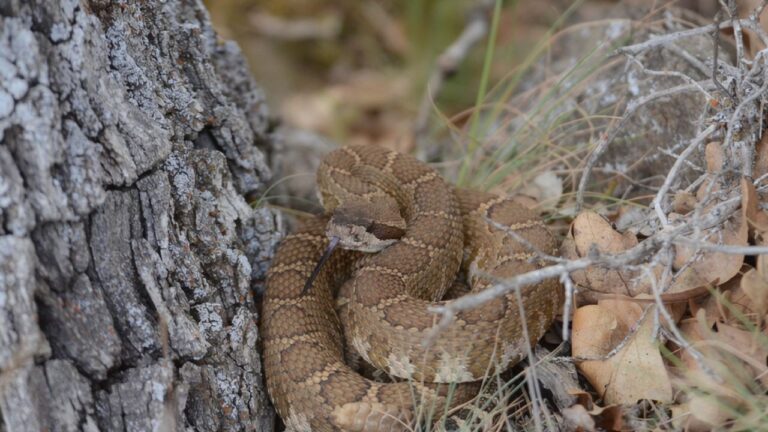
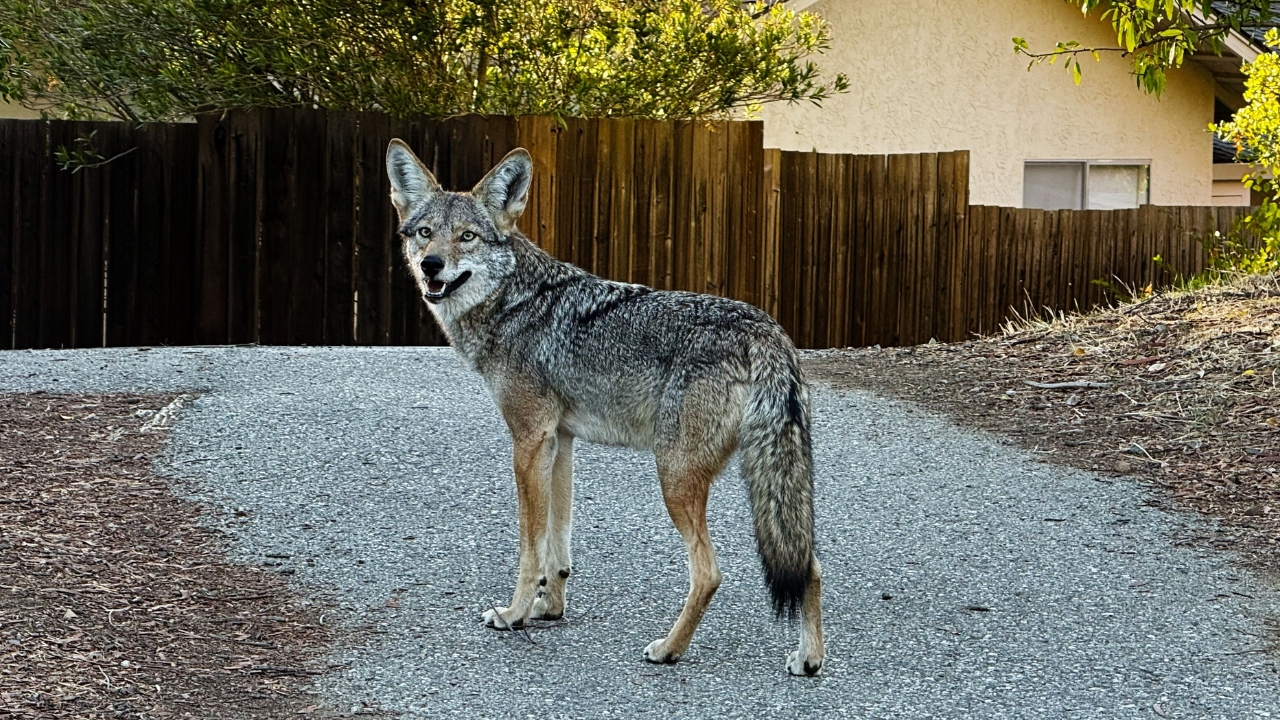
That is when people get caught off guard by the bigger moment. They think the serious problem started with the close coyote sighting, the snake under the chair, the hog damage, or the bear at the trash cans. In reality, the serious problem started much earlier, when the small signs stopped feeling urgent enough to act on.
Trouble usually builds before it shows itself
That is the truth most people learn too late. A property becomes a magnet for trouble gradually, then all at once. The clues are usually there first: repeated sign, food getting hit, cover building up, pets acting off, cameras catching movement, prey increasing, and the same weak spots staying weak. None of those signs look dramatic by themselves. Together, they tell a very clear story.
The smartest move is to treat those little warnings like what they are: early proof that your property is starting to make too much sense to the wrong kind of wildlife. By the time the problem feels obvious, the setup has usually been in place for a while. The people who stay ahead of it are usually the ones who stop waiting for one big encounter and start reading the smaller clues for what they already mean.
Like The Avid Outdoorsman’s content? Be sure to follow us.
Here’s more from us: