Photo credit: U.S. Forest Service/rawpixel
A lot of backyard wildlife is more interested in getting away from you than picking a fight. The problem is that people keep reading a close-range surprise as if it is a normal sighting. It is not. A bear under a feeder, a goose on a nest, a doe hiding a fawn near the shed, or a coyote working a denning area can go from calm to defensive fast when there is no room, no warning, or young nearby. Wildlife agencies are pretty consistent on this point: most bad encounters start when people get too close, corner an animal, or stumble into a nesting or nursery setup without realizing it.
The mistake a lot of homeowners make is assuming “backyard animal” means “safe animal.” It doesn’t. Some of the worst close-range reactions come from animals that people see often enough to get careless around. If one is surprised, protecting food, guarding young, or pinned in a tight space, the whole tone changes. These are the backyard visitors I’d take seriously.
Black bears

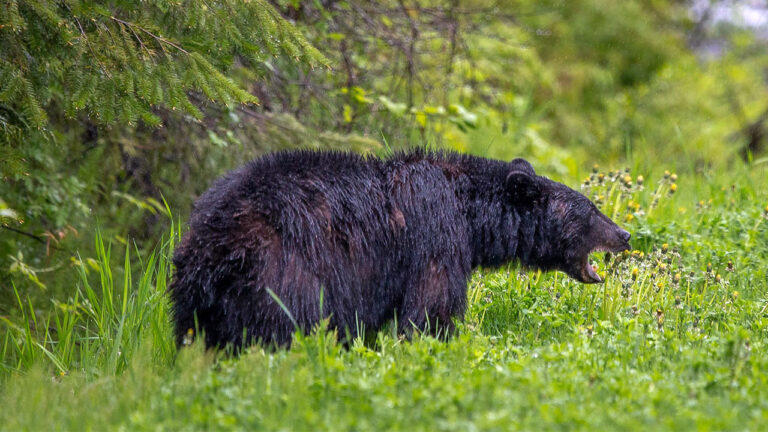
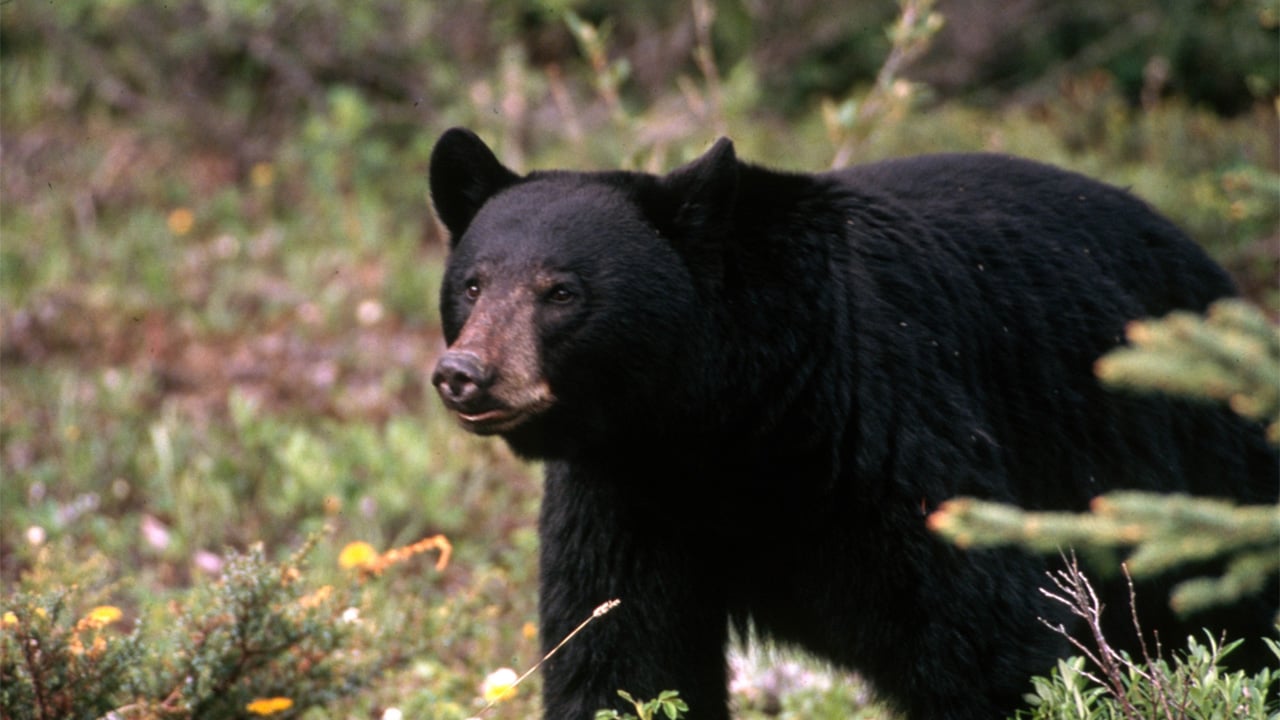
Black bears still rank high on this list because people keep underestimating how defensive a close surprise can get. Florida wildlife officials note that bears have bitten and scratched people while defending themselves, their cubs, or food sources, and BearWise guidance makes the same broader point: if a black bear feels trapped, crowded, or suddenly confronted, that is when the situation can go sideways. A bear in a yard is already too close for sloppy behavior, especially if feeders, trash, or pet food helped put it there.
The bigger issue is that homeowners often do the exact wrong thing when surprised. They run outside, yell from too close, or try to push the bear off without giving it space to leave. That can turn a nervous bear into a defensive one in a hurry. If a sow has cubs nearby, or a bear is guarding an easy food source it already claimed, you do not have much room for error. Around a house, a black bear is not always looking for trouble, but it can absolutely make trouble when it feels boxed in.
Canada geese
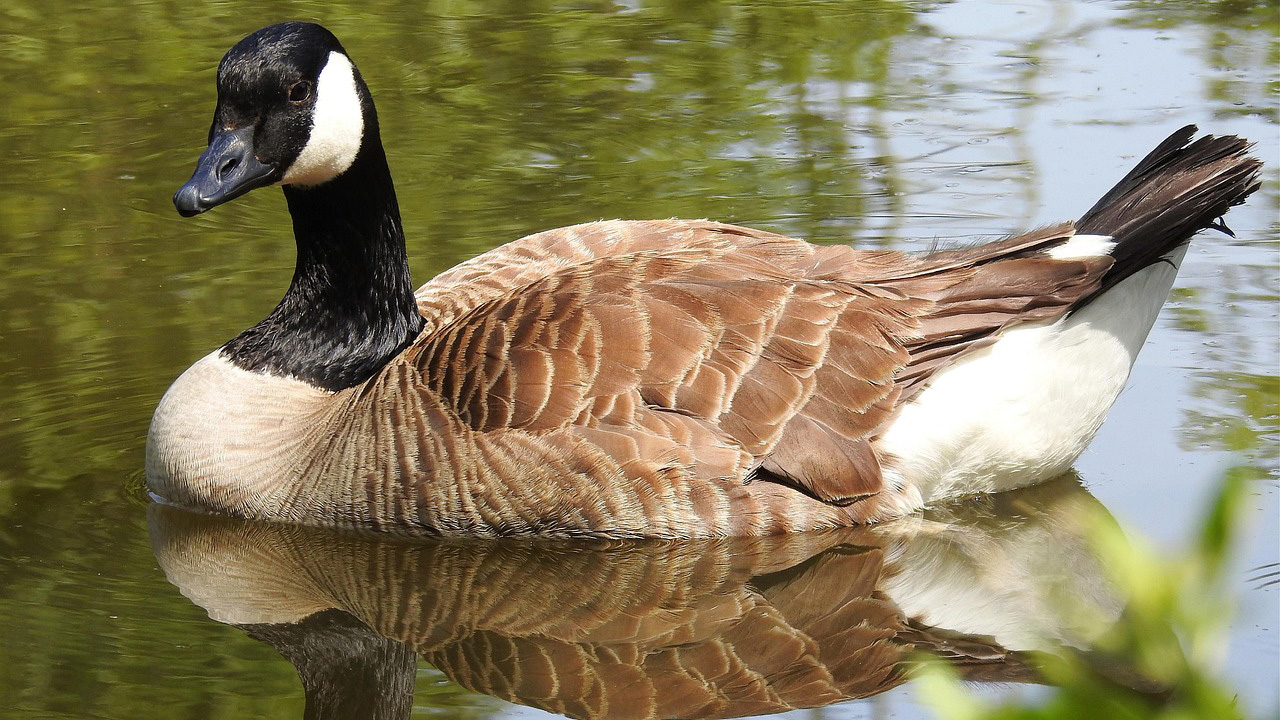
Canada geese are one of the most common backyard animals people laugh off right up until one comes at them. North Carolina wildlife guidance says nesting geese can aggressively defend a nest, nest site, and goslings, and state species guidance notes that an aggressive nesting goose can become enough of a problem that nest destruction is sometimes used as a direct fix. That tells you this is not just internet folklore. During nesting season, geese can get mean in yards, near ponds, beside driveways, and around walking paths.
What makes geese tricky is that people treat them like oversized park birds instead of protective parents with a bad attitude. If you round a hedge and end up too close to a nest, the response can be immediate. Hissing, wing spreading, charging, and repeated bluffing are all common ways they try to drive you off. They are not the deadliest animal on this list, but they may be the most underestimated one because they show up in neighborhoods so often that people forget how territorial they get when surprised.
White-tailed does with fawns
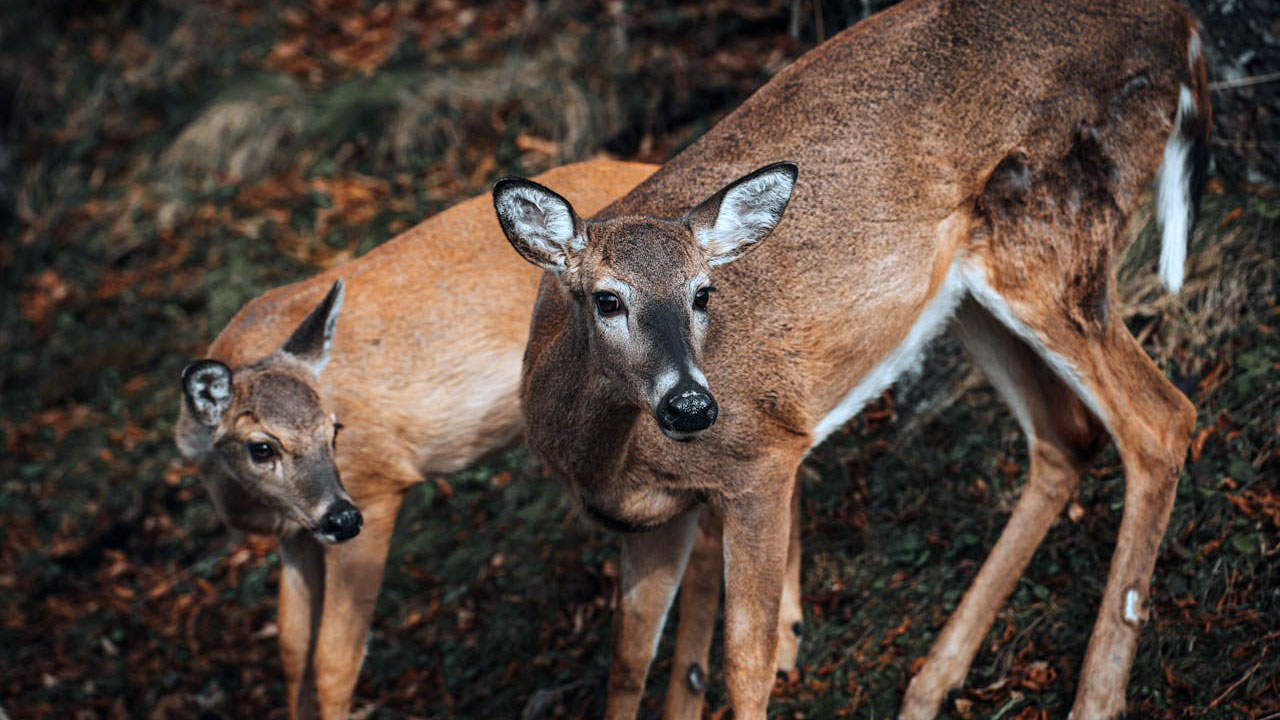
A doe with a hidden fawn is one of those situations people accidentally create for themselves. New York wildlife rehab guidance says a doe usually keeps her fawns separated and nearby for protection, which means the little fawn somebody finds near the shrubs or fence line is often not abandoned at all. It also means the mother may be closer than you think while you are standing there trying to figure out what to do.
Most does would rather slip off than stand their ground, but that changes when people or dogs get too close to a newborn. The real risk is not that every doe becomes aggressive on command. It is that people do not realize they have stepped into a nursery spot until the animal is already keyed up. In suburban yards, wooded edges, and greenbelts, that can happen fast in spring and early summer. Add a loose dog and the whole situation gets hotter. A doe is not built like a predator, but a panicked, defensive deer can still stomp, strike, and hurt someone badly at close range.
Cow moose
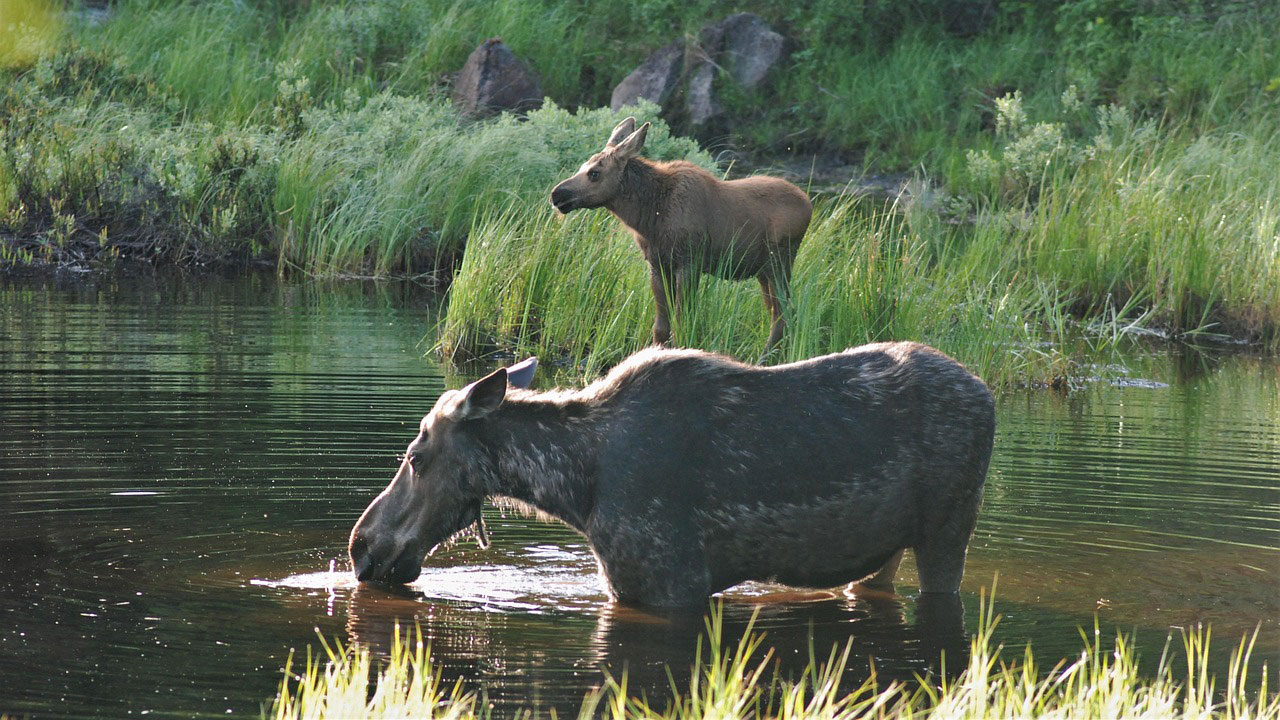
Moose are not a normal backyard problem in most of the country, but in the places where they show up around homes, they belong near the top of this list. Colorado Parks and Wildlife says cows can be dangerous if approached or caught off guard, and are more likely to be aggressive to people and especially dogs when calves are around. That is exactly the kind of animal people misread because it is standing still and not making much noise until the moment it decides you are too close.
The mistake with moose is thinking they will always telegraph everything clearly. Sometimes they do. Sometimes people only notice the danger once they are already in it. A cow moose surprised near thick cover, landscaping, or a neighborhood trail can close distance fast enough to make a mess, and a dog tends to make that worse, not better. If you live where moose wander through yards, willows, or drainage corridors, this is not an animal to crowd for photos or to “shoo off” casually.
Cow elk
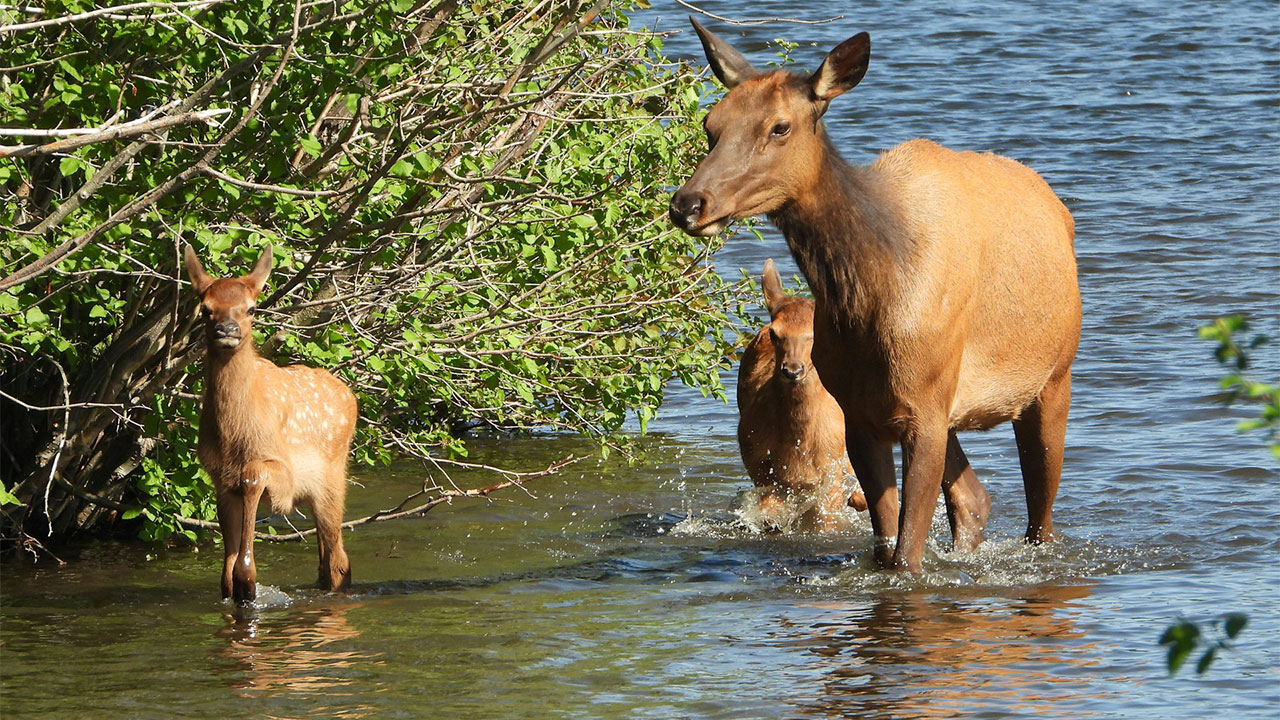
Elk have the same basic issue as moose in that a lot of people think “big deer” when they should be thinking “large wild animal that can flatten you.” Colorado Parks and Wildlife warned in 2024 that cow elk can display aggression toward people and pets during calving season to protect calves from perceived threats. That window matters because it lines up with the exact time families, dog walkers, and yard workers are spending more time outside.
The backyard version of this problem usually starts when elk bed down near houses, feed through open spaces, or stash calves in brush people assume is empty. Then somebody with a dog, stroller, mower, or just bad timing gets too close. Cow elk are not looking for random conflict, but if they think you found the calf before it can move well, they may come hard and fast. Around neighborhoods on the edge of elk country, that is more than enough reason to give them a lot more room than most people do.
Coyotes

Coyotes are usually trying to avoid people, but den season changes the equation. New York DEC says coyotes become exceptionally territorial around den sites and that conflicts with dogs are more likely in spring when denning areas are being set up and pups are nearby. That is a big reason coyotes can feel bolder around greenbelts, back lots, golf-course edges, and neighborhoods with easy cover.
The part people miss is that a surprised coyote does not need to “attack” in the dramatic sense to create a dangerous situation. It may rush, posture, escort, or challenge a dog that got too close to a denning area. If people have been feeding wildlife intentionally or accidentally, that adds another layer because fed wildlife loses some fear of people and lingers around homes longer. A coyote cutting through a yard is one thing. A territorial coyote that thinks your dog is a threat to pups is another.
Alligators

Alligators are a different category of problem because the surprise often happens at water’s edge. Florida says an alligator may be considered a nuisance if it is at least 4 feet long and believed to pose a threat to people, pets, or property, and the agency repeatedly warns people not to let pets walk or swim near pond and lake edges where gators may be present but not visible. That hidden factor is what makes surprise encounters so bad.
The backyard version usually involves retention ponds, golf-course water, drainage canals, or neighborhood lakes that people get casual around. A gator does not have to be actively hunting a person to cause real damage if somebody walks up on it or lets a dog get too close. During nesting season, or where food conditioning has happened, the risk gets worse. In gator country, the biggest mistake is acting like the calm-looking pond behind the house is some kind of safe pet path. It is not.
Nesting hawks
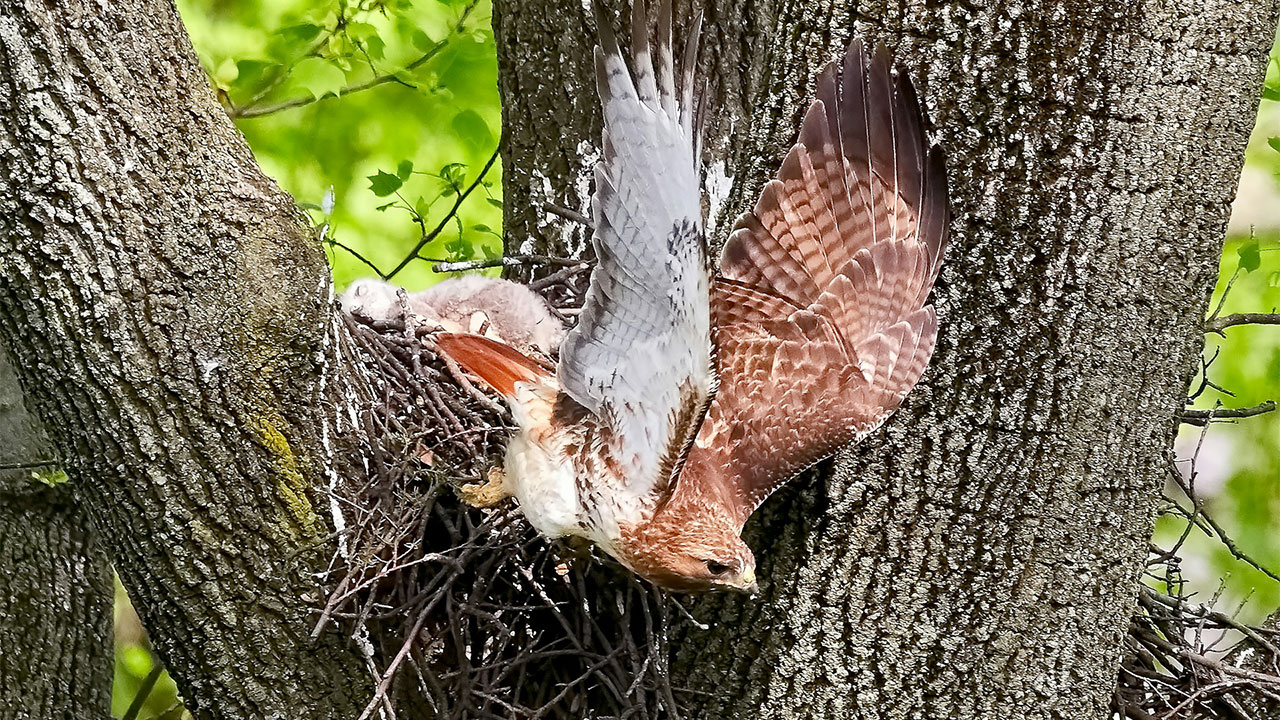
People do not always think of hawks as aggressive backyard wildlife until one starts hitting the air over a driveway. Florida wildlife guidance says raptors can become more aggressive while nesting and raising young, and may dive or swoop at people and pets that come too close to the nest. The agency also notes that aggressive raptors can create a human-safety hazard around man-made structures. That matters because some of these birds nest right in neighborhoods.
The surprise factor is huge with hawks because the first sign can be the hit itself or a close swoop over your head. People trimming trees, checking mail, walking small dogs, or letting kids play under a nest tree can step into a defended zone without any clue why the bird is suddenly keyed up. The danger is not that a hawk is likely to kill somebody. It is that sharp talons and repeated strikes around faces, heads, or pets can turn a routine yard moment into a real problem fast.
Owls on a nest
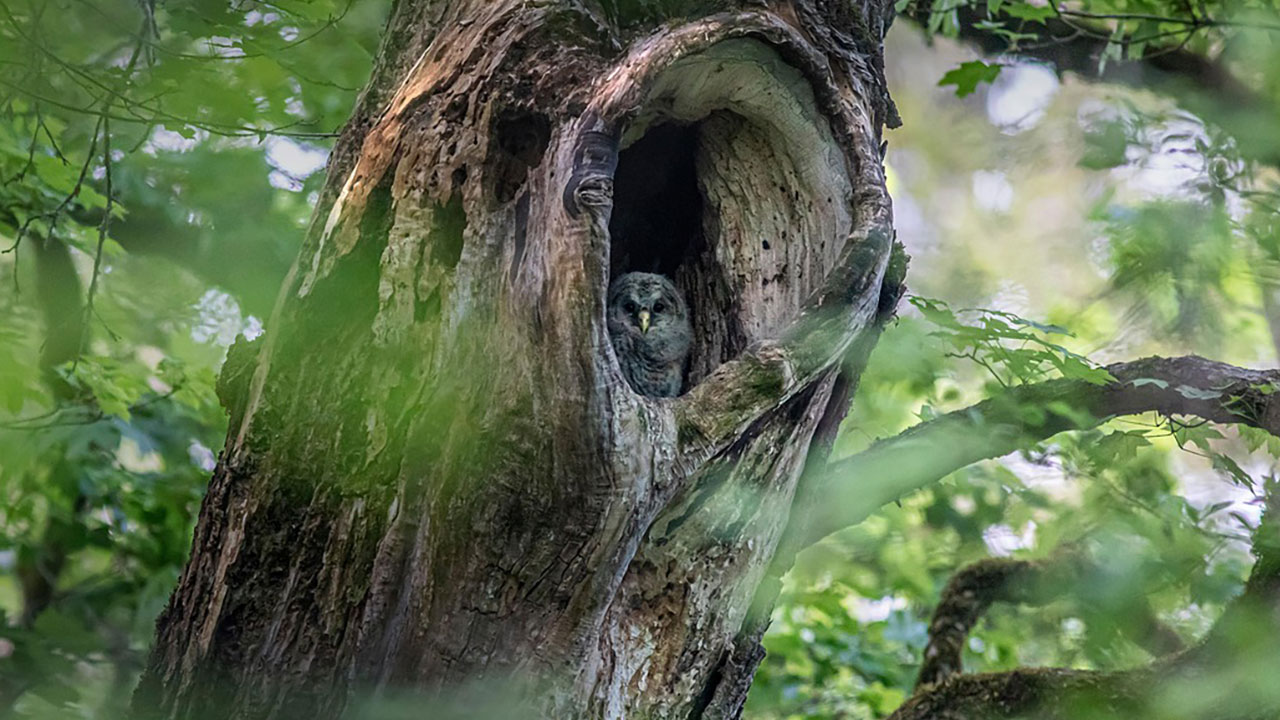
Owls get overlooked because they are quieter and less visible than hawks, but the same nesting-season rules apply. Florida’s protected wildlife guidance specifically says hawks and owls nesting on structures can create conflicts and may engage in attacking behaviors that present a human-safety hazard. That is not something a state agency says casually. If an owl has claimed a roofline, barn, or tree near a walkway, you can absolutely get too close without realizing it until the bird reacts.
Owls are especially rough on people because they often work in low light, which means the encounter can feel like it came out of nowhere. Early morning yard work, evening dog walks, and barn chores are when a lot of folks would be most likely to blunder into that zone. The bird is not being evil. It is defending a nest site. But if you are surprised by something silent with talons coming in at head height, the fact that it is “just an owl” stops being comforting real quick.
Venomous snakes
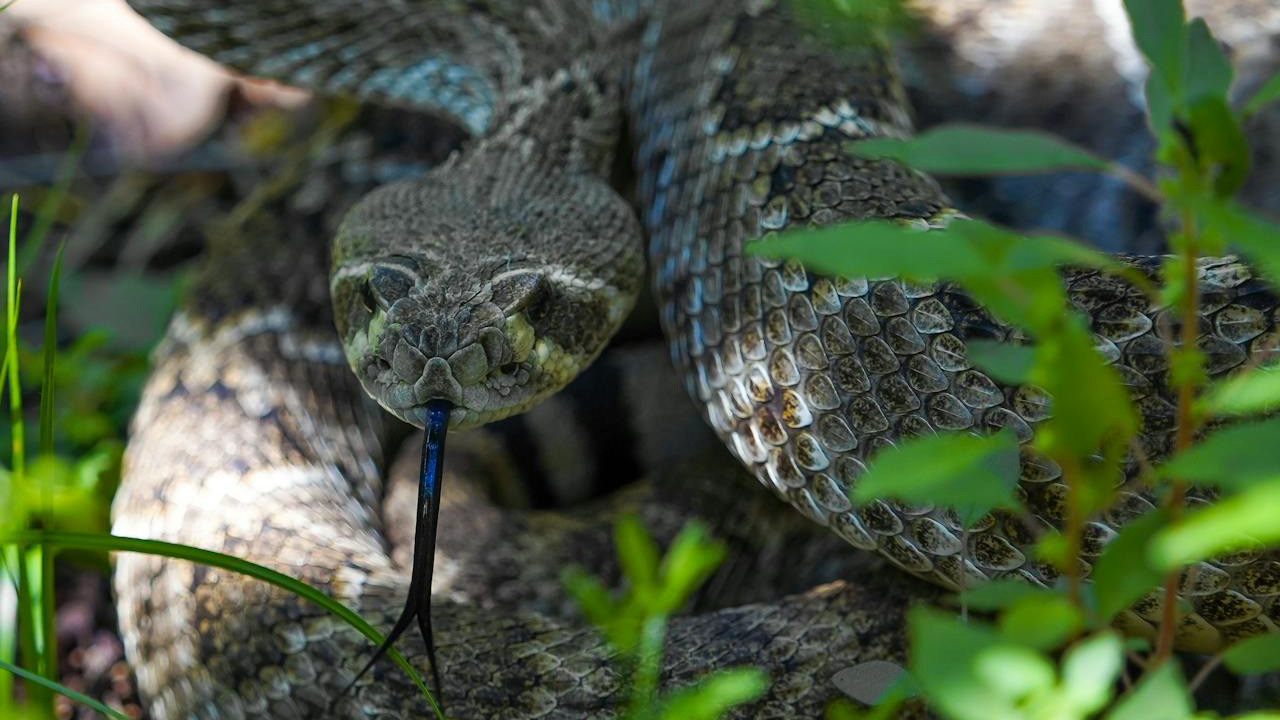
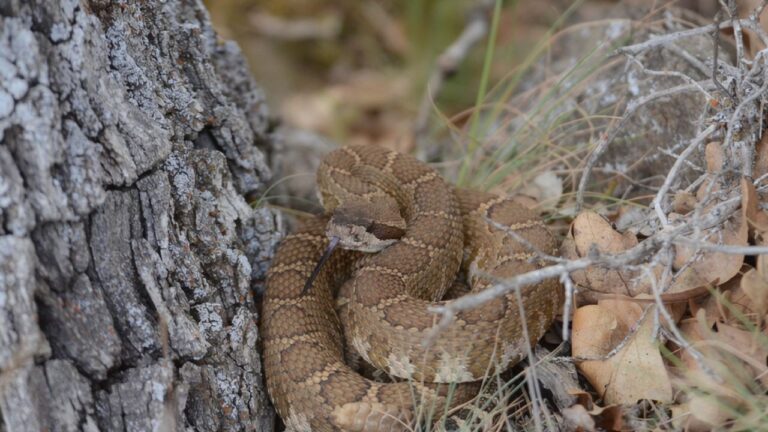
Venomous snakes are one of the purest examples of an animal that gets people hurt because they try to handle a surprise badly. Wildlife agencies are consistent that snakes usually strike defensively when threatened, cornered, or stepped near, not because they are out looking for people. New Hampshire wildlife guidance notes even nonvenomous snakes may coil and vibrate when startled, and general wildlife guidance from Colorado says not to approach wild animals, especially those acting aggressively or with young. That same common-sense rule applies hard with snakes.
The backyard problem is simple: mulch, firewood, rock borders, sheds, flowerbeds, and pond edges all hide snakes well. Then somebody reaches where they cannot see, flips a board, or nearly steps on one. Most bites are the result of that kind of close-range surprise or somebody trying to move or kill the snake afterward. The snake did not go bad. The spacing did. If you live where copperheads, cottonmouths, rattlesnakes, or coral snakes occur, the rule is easy: don’t put your hands or feet where your eyes have not gone first.
Wild hogs

Wild hogs are not on every suburban block, but where they roam near yards, acreage, feeders, and edge habitat, they deserve respect. Florida wildlife says wild hogs travel in family groups or alone and can tear ground up badly while feeding. Other state documents have warned that feral swine can be aggressive toward humans and pets. That tracks with what makes them dangerous in real life: they are heavy, fast at short range, and a sow with piglets is not something you want to surprise in brush behind the house.
The trouble with hogs is that people read damage before they read danger. They see rooted-up ground and think nuisance first, not “what if I walk into the group that did this at dusk?” In the South especially, hogs can move close to homes, pastures, and feeders without much warning. Most will slip off if they can, but a cornered hog or a protective sow can make a bad decision fast. And because they tend to stay low and use cover well, surprise distance can get uncomfortably short before anybody notices.
Raccoons in tight spaces
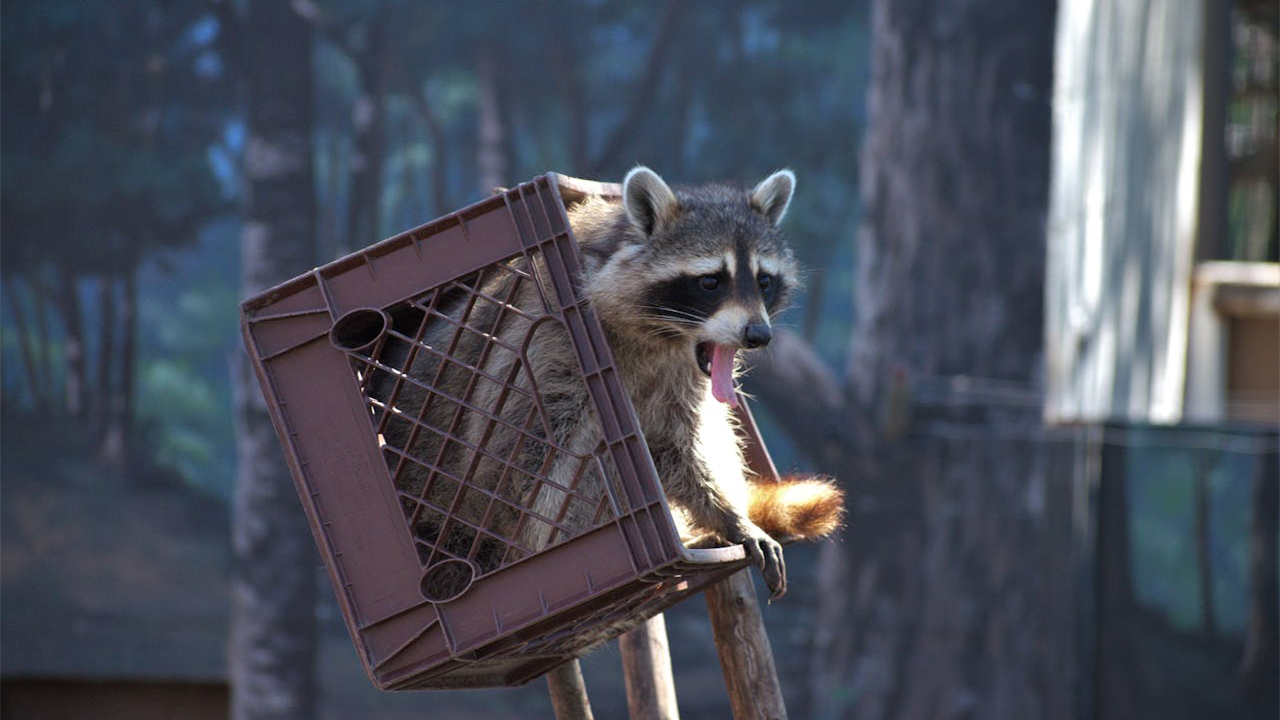
Raccoons are classic shed, attic, and under-deck troublemakers, and the surprise problem is usually less about normal yard sightings than close quarters. A raccoon in the trash line is one thing. A raccoon you accidentally corner in a garage, crawl space, or coop is something else. General safety guidance warns that mammals can bite or scratch when cornered or surprised, and that is exactly how raccoon encounters tend to get ugly.
They also carry the extra worry that abnormal behavior can signal disease, including rabies concerns in some areas. That is why trying to handle one yourself is a bad move. Around homes, raccoons get emboldened by pet food, trash, and easy denning spots, but aggression is most likely when escape routes disappear. If you surprise one at close range inside a confined spot, do not read the size of the animal and talk yourself into thinking it is no big deal. Small wildlife can do a lot of damage when panic takes over.
Skunks under decks and porches

Skunks are not usually looking to mix it up with people, but they are another animal that becomes a whole lot worse when trapped or startled in close quarters. The problem around homes is that decks, porches, sheds, and crawl spaces give them perfect hide spots. General wildlife safety guidance about mammals biting or scratching when cornered applies here too, even if the first defense you think of with a skunk is spray rather than teeth.
The real danger with skunks is how often people create the confrontation themselves. They stick a hand where they cannot see, let a dog nose around under the porch, or block the animal’s exit trying to push it out. Then the skunk does what a cornered wild animal does. Even if the result is “just” getting sprayed, that can still mean a mess for pets and a miserable cleanup. And if the animal acts strangely or unusually bold, that is not something to test at close range.
Bobcats with kittens
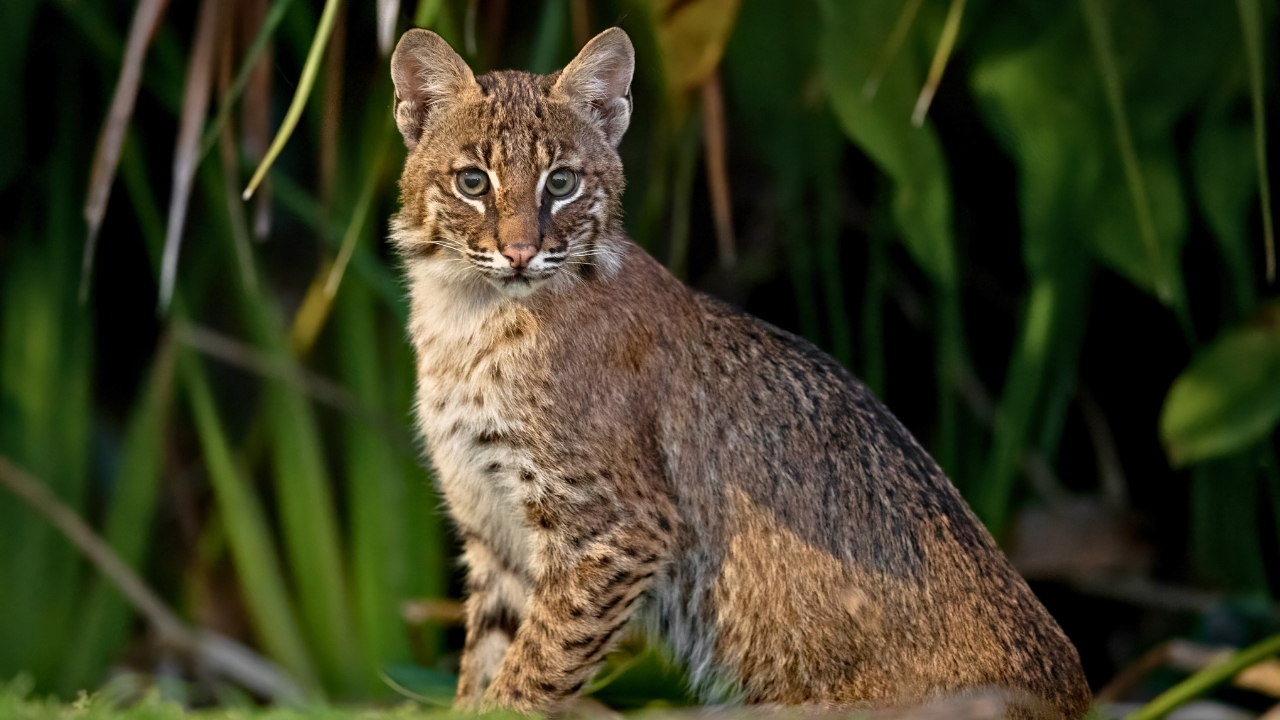
Bobcats usually want no part of people, which is exactly why they fool folks into dropping their guard. Florida wildlife guidance notes bobcats show up often enough in nuisance-wildlife situations to be specifically regulated in live-capture and release rules, and the same agency warns that free-ranging cats can be prey for bobcats. On their own, those facts do not make bobcats aggressive by default. What they do show is that bobcats use residential edges more than many people realize.
If a female has kittens tucked into thick cover near a house, that changes the tolerance level. Like most predators, a bobcat would rather disappear, but a surprise at close range near young is different from seeing one trot across the yard at dusk. This is not an animal most homeowners will have direct conflict with, but in places where bobcats regularly use neighborhoods, the right move is the same as always: don’t crowd it, don’t corner it, and don’t let pets investigate what you haven’t checked first.
River otters
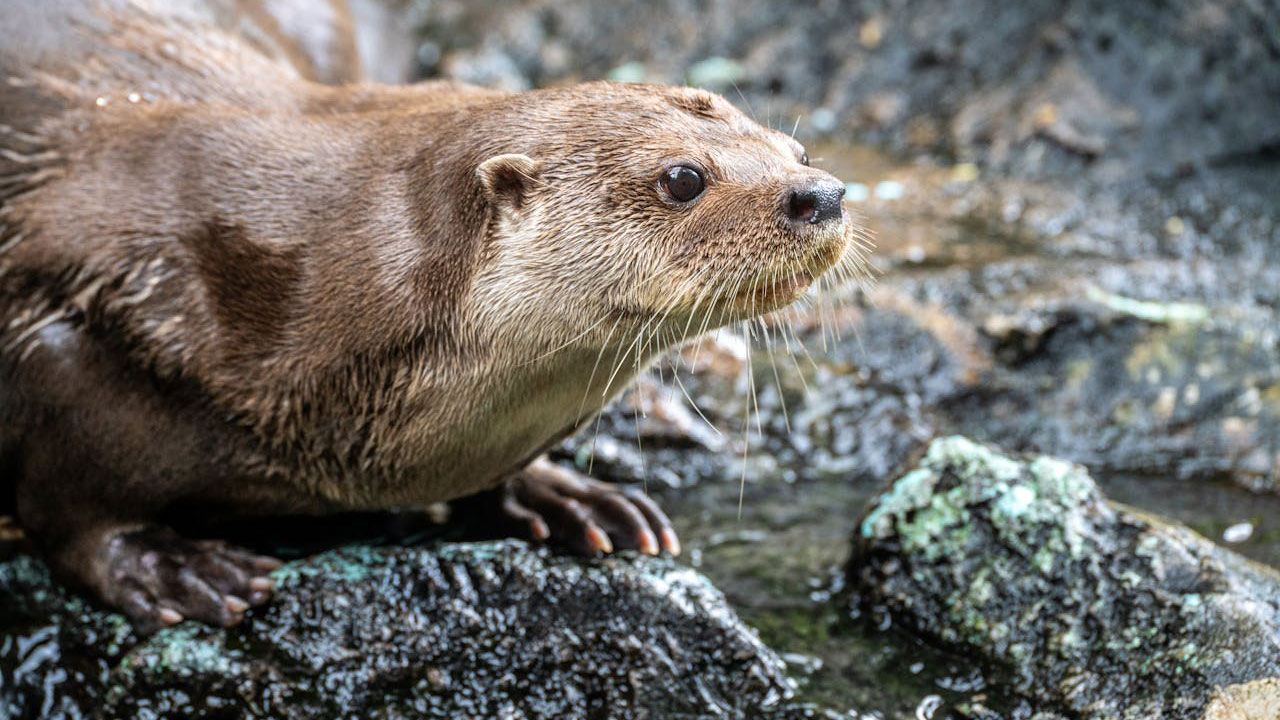
River otters are another one people misread because they are fun to watch. Florida pond guidance even says they are cute and enjoyable to observe, which is true right up until someone forgets they are still wild predators with sharp teeth. Most backyard trouble involves ponds, stocked water, dock areas, or waterside properties where otters show up often enough that people stop keeping distance.
The aggression risk is mostly about close-range surprises, den sites, and dogs. An otter that feels cornered at shoreline level can come hard and fast, and people near the water often do not have good footing or much reaction time. They are not the most common dangerous yard visitor, but where water features and otter activity overlap, they get underestimated in a hurry. A lot of folks see playful behavior and assume that means safe behavior. Those are not the same thing.
Like The Avid Outdoorsman’s content? Subscribe to our newsletter so you never miss an article.
Here’s more from us: