Photo credit: Alida_Garcia/Shutterstock.com
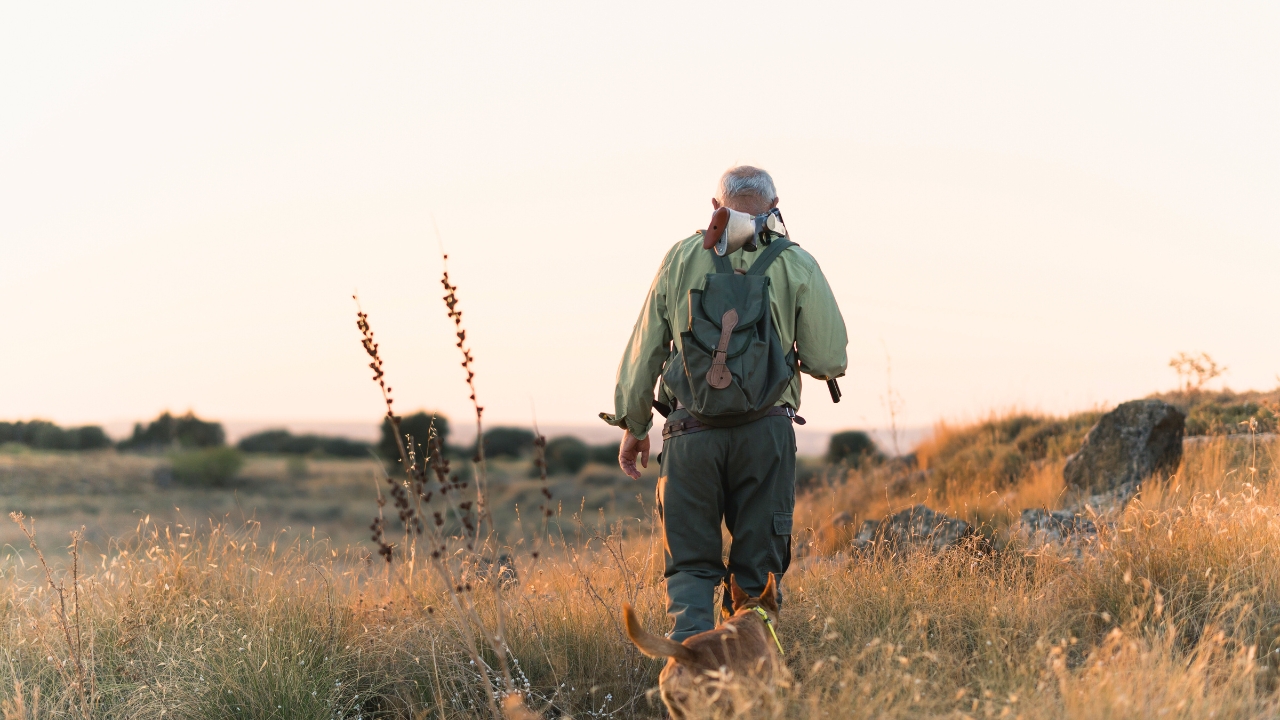
Old timers will tell you that you do not need a backpack full of gadgets to kill a smart whitetail, you just need to move like a predator and think like a deer. The one “trick” they keep going back to is not a scent, a call, or a new app, it is the simple act of slipping through the woods on foot and catching bucks on their feet before they ever know you are there. Still-hunting and its close cousins, like tracking and slow ground sneaks, are the old-school moves that keep filling tags because they work on pressured deer that have already patterned everyone sitting in stands.
If you are willing to trade comfort for control, and patience for a real shot at a mature buck in daylight, this ground game can quietly become your best card. You are not abandoning modern tools, you are layering them on top of a tactic that has been killing whitetails since long before the first climbing stand or trail camera.
The old trick: moving through the woods instead of waiting
At its core, the “secret” veteran hunters lean on is simple: you still-hunt, which means you hunt while you move, instead of parking yourself and hoping a deer wanders past. You ease along at a crawl, using cover, terrain, and wind to stay hidden, and you stop far more than you walk. That is how James Jordan followed tracks, jumped a now famous 206-inch giant and turned a random snow day into a record-book buck, not by sitting over a field edge but by slipping through the timber until he was close enough to capitalize.
Modern hunters often default to stands and blinds because they feel safer and more efficient, but that comfort comes with a cost. Mature deer quickly learn where the ladder stands are, where the ground blinds pop up, and which food plots get hunted hardest. When you stay on the ground and still-hunt instead, you are operating on the same level as the deer, which means they can spot you more easily, but you can also slide into pockets that stands simply cannot cover and catch a flick of an ear or a tail only yards away if you move right. That is why some seasoned hunters argue that this tactic, even though many have abandoned it, remains one of the most lethal ways to hunt pressured whitetails.
Why still-hunting fell out of style (and why that helps you)
There is a reason you do not see as many people creeping through the timber anymore. Tree stands, box blinds, and mobile saddle setups promise safety, visibility, and a clear shooting lane, and they pair perfectly with digital scouting tools that tell you exactly where to hang them. It is easier to climb into a preset stand over a food plot or a funnel than to spend hours easing along a ridge, and a lot of hunters have been told that any movement in the woods is a mistake. As a result, the ground game has quietly slid into the “old-fashioned” category, even though it still produces for those who stick with it.
That shift actually works in your favor. When most hunters are locked into fixed locations, deer adjust their travel to skirt those obvious ambush points, often slipping through inside corners, staging areas, and thick cover that nobody is watching. If you are willing to still-hunt those overlooked pockets, especially in the kind of cover where others refuse to go, you are suddenly hunting deer that are far less on edge. Veteran rifle hunters talk about piling into cover from October through the rut, pushing into the fringes of bedding areas and thick timber where bucks ride out pressure, and that same mindset applies when you are sneaking on foot with a bow or gun.
Conditions that turn the trick from risky to deadly
Still-hunting is brutally unforgiving on the wrong day, which is why the old hands are picky about when they use it. You want conditions that hide your noise and outline, like a steady breeze, damp leaves, or a soft snowfall. Gently falling snow is ideal because it quiets your footfalls, covers old tracks, and highlights fresh buck sign so you can sort out which trails and prints are worth following. Cloudy light also helps, since harsh sun throws sharp shadows that make your movement stand out, while overcast skies flatten the woods and make it easier to blend in.
Wind direction is non-negotiable. You need to move with the breeze in your face or quartering into your approach so your scent is always blowing away from where you expect deer to be. Experienced still-hunters talk about using a “fox walk,” placing your heel down softly, then rolling your weight forward and feeling for sticks or obstacles before you commit, which keeps your noise to a minimum as you work into the wind. On days when the woods are crunchy, or the wind is swirling, you are usually better off backing out and saving the ground game for when conditions line up, instead of educating every deer in the county.
How to actually move: the fox walk and the 90 percent rule
The mechanics of this trick are not complicated, but they demand discipline. You move a few slow steps, then you stop and scan, and you repeat that pattern for hours. The “fox walk” approach, where you test each step before you put weight on it, keeps you from snapping twigs or kicking rocks that broadcast your presence. You keep your knees slightly bent, your center of gravity low, and your eyes up, because the less time you spend staring at your boots, the more likely you are to spot a deer before it sees you. Veteran ground hunters stress that you should be looking for horizontal lines, like a back or belly, and small details like the curve of an ear or the white of a throat patch, not a full deer silhouette.
A simple rule helps: spend about 10 percent of your time moving and 90 percent standing still. When you stop, you do not just glance around and go again, you pick apart the cover in front of you, then to your sides, then behind you, using trees, brush, and topography to break up your outline. Use ridges, benches, and little rises to peek over into bedding cover instead of skylining yourself. Some hunters even plan their routes to stay just off the crest of a ridge so they can look down into the next hollow without putting their whole body on the skyline, which lets them spot bedded deer that would never be visible from a stand on the edge of a field.
Where to still-hunt: inside cover, staging areas, and snow tracks
The best ground hunters are not wandering aimlessly, they are threading through specific terrain features that deer already use. Inside corners of fields, narrow strips of timber between openings, and the downwind edges of bedding cover are classic routes. Using inside cover, instead of walking the obvious field edge, puts you where deer feel safe traveling in daylight, especially when you factor in prevailing winds and how thick the vegetation is. Natural staging areas, those small openings set back from food sources where bucks linger before stepping into the open, are prime spots to still-hunt into, because deer are already on their feet and moving slowly there.
Snow adds another layer. Fresh powder gives you a live map of what happened overnight, and gently falling flakes keep updating it as you move. You can sort out older tracks from the crisp, sharp prints that tell you a buck passed through recently, then decide whether to follow. That is exactly how hunters like James Jordan turned random tracks into a close encounter with a 206-inch deer, by committing to a single set of big, fresh prints and easing along until they caught up. Even without snow, clusters of rubs just inside cover near open ground often mark staging areas where bucks linger, and those are perfect places to slow your pace to a crawl and let the woods reveal what is actually using them.
Blending old-school movement with modern patterning
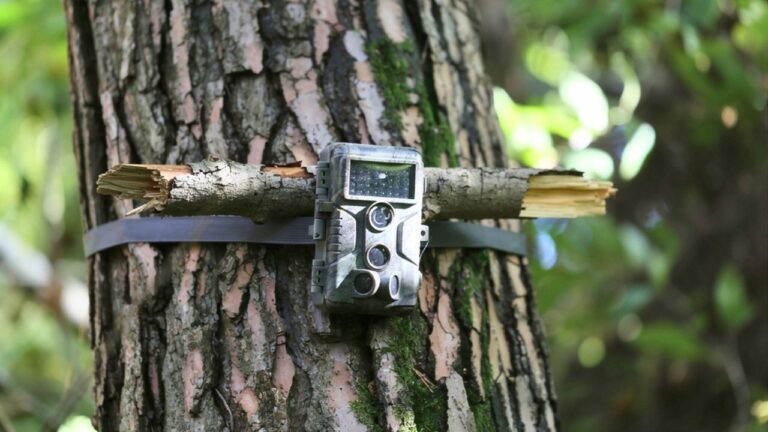
Just because you are using a traditional tactic does not mean you ignore modern intel. Trail cameras, mapping apps, and even simple glassing sessions can tell you where bucks like to travel, bed, and feed, which lets you plan a still-hunt route that actually intersects those patterns. Some hunters lean on a simple “Day Rule” approach, focusing on the fact that mature bucks often revisit the same scrapes, trails, or stand locations on a predictable cycle. If you know a buck showed up in daylight in a certain pocket, you can time your ground sneak to hit that area on the same rhythm, instead of hoping he wanders past a fixed stand again.
Digital tools like Google Earth and apps that show aerial imagery help you spot likely staging areas, inside corners, and thick cover before you ever lace up your boots. You can mark those spots, then use boots on the ground to confirm which ones actually hold fresh sign, like rub clusters or active trails. Once you have that intel, you can decide whether to still-hunt through them, set up for a short sit on the downwind edge, or combine both by sneaking in, sitting for an hour, then slipping another hundred yards deeper. The trick is to let the old-school movement tactic work hand in hand with the patterning data you already have, instead of treating them as separate strategies.
Other “forgotten” ground tricks that still tag bucks
Still-hunting is the backbone, but a few related tactics live in the same family and get used by the same kind of hunters. One is the classic deer drive, where a small group pushes through cover while others post up in likely escape routes. When it is done carefully, with everyone knowing their lanes and never shooting toward standers, it can move otherwise unkillable bucks that refuse to leave thick cover. Another is the “Bump and Dump” Method, where you intentionally bump a buck from his bed, then circle around to the downwind side and set up where you expect him to return later that day or the next. Some bucks move minimal distances in daylight, and some of those same bucks will slip right back into the same bed once they think the danger has passed, which gives you a high odds ambush if you set it up correctly.
There are also timing tricks that feel like old wives’ tales until you see them work. Think about how most hunters leave the woods at midday to eat lunch and take a break. If a good percentage of people are walking out at the same time, bumping deer and making noise, that window can actually trigger big bucks to move into areas that suddenly got quiet. Some hunters quietly slip into overlooked pockets or staging areas during that lull, banking on the fact that the woods are emptying out. Others focus on overlooked micro food plots or small openings that sit back from main fields, spots that do not look like much on a map but get visited almost every afternoon because deer feel safe there.
When to sit tight instead of sneaking
For all its upside, the old ground trick is not a cure-all. There are days when the woods are loud, the wind is swirling, or the deer are locked into a tight pattern that makes a stand or blind the smarter play. Early season evenings over a carefully placed mock scrape or a staging area just inside cover can be perfect times to sit still, especially if you have a recent daylight sighting of a buck using that exact route. If you know from cameras or glassing that a deer is hitting a certain trail or scrape on a predictable schedule, you might lean on a Day Rule style approach and wait him out rather than risk blowing him out of the area by moving through it.
The key is to be honest about your conditions and your own patience. If the leaves are crunchy and the wind is dead calm, every step you take will sound like a warning siren, and you are likely better off slipping into a stand on the downwind side of thick cover and letting the deer come to you. On the other hand, if a front is pushing in, the wind is steady, and the woods are damp or snowy, that is when you holster the comfort of a chair and trust the old trick that has quietly filled freezers for generations. When you pick your moments, move like a fox, and think like a deer, still-hunting stops feeling like a lost art and starts looking like your most reliable way to meet a whitetail on his own terms.
Like The Avid Outdoorsman’s content? Be sure to follow us.
Here’s more from us: