Photo credit: Gun Sam Revolver Ballistics/Youtube
Walk into any gun shop on a Saturday and you’ll hear the same argument bouncing off the glass counters: “What’s the best carry caliber?” It used to be a real fight. Then 9mm kept getting better, and better, and better—until the argument mostly turned into: “Which 9mm load do you shoot well and trust?”
The truth is the caliber didn’t win because of internet charts. It won because modern 9mm loads started doing the two things that actually matter for concealed carry: they run reliably in small pistols and they perform consistently when they hit real-world barriers like heavy clothing. Here are 20 loads that helped push 9mm over the top, from old standbys to newer “carry-optimized” designs that make a lot of sense for everyday folks.
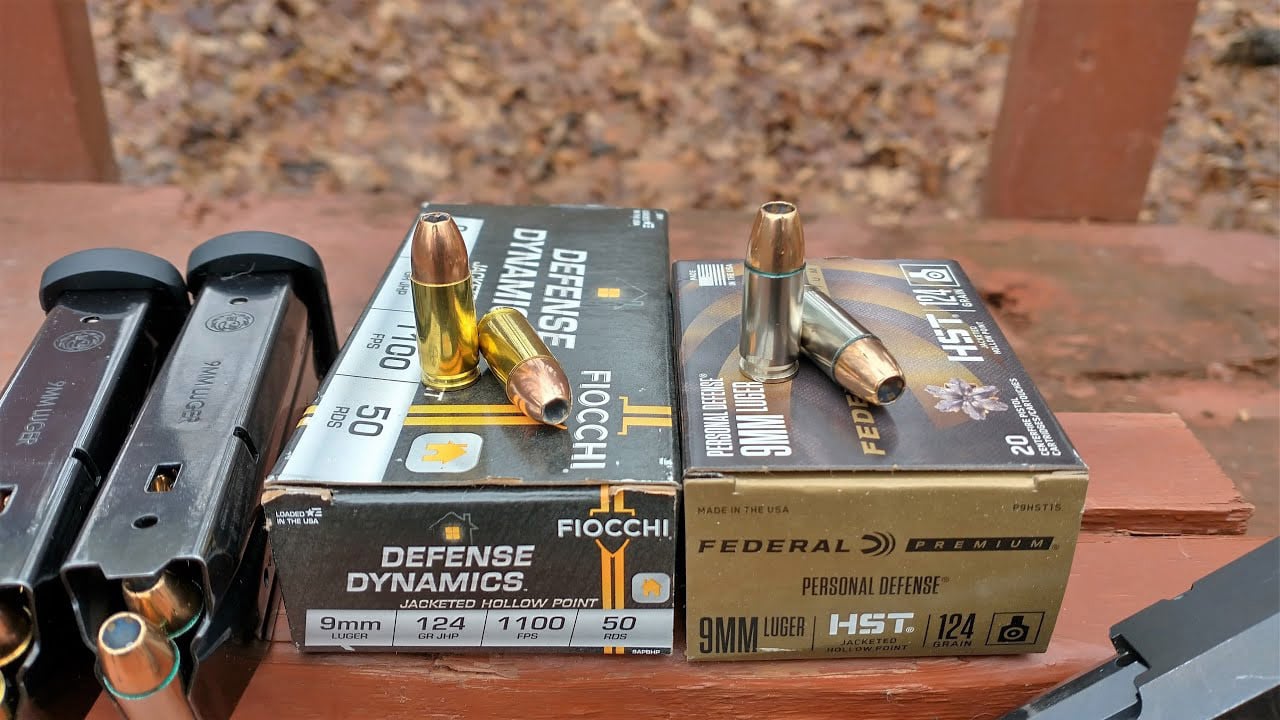
1. Federal Premium HST 124-grain Jacketed Hollow Point

If you’ve been around serious shooters for any amount of time, you’ve seen HST show up again and again. It feeds in a wide range of guns, and it’s one of those rounds that tends to shoot to point of aim in a lot of compact pistols. There’s nothing flashy about the box, and that’s kind of the point.
HST has a long track record of expanding reliably without needing exotic marketing. When someone says, “I just want something proven,” this is the kind of load they usually mean.
2. Federal Premium HST 147-grain Jacketed Hollow Point
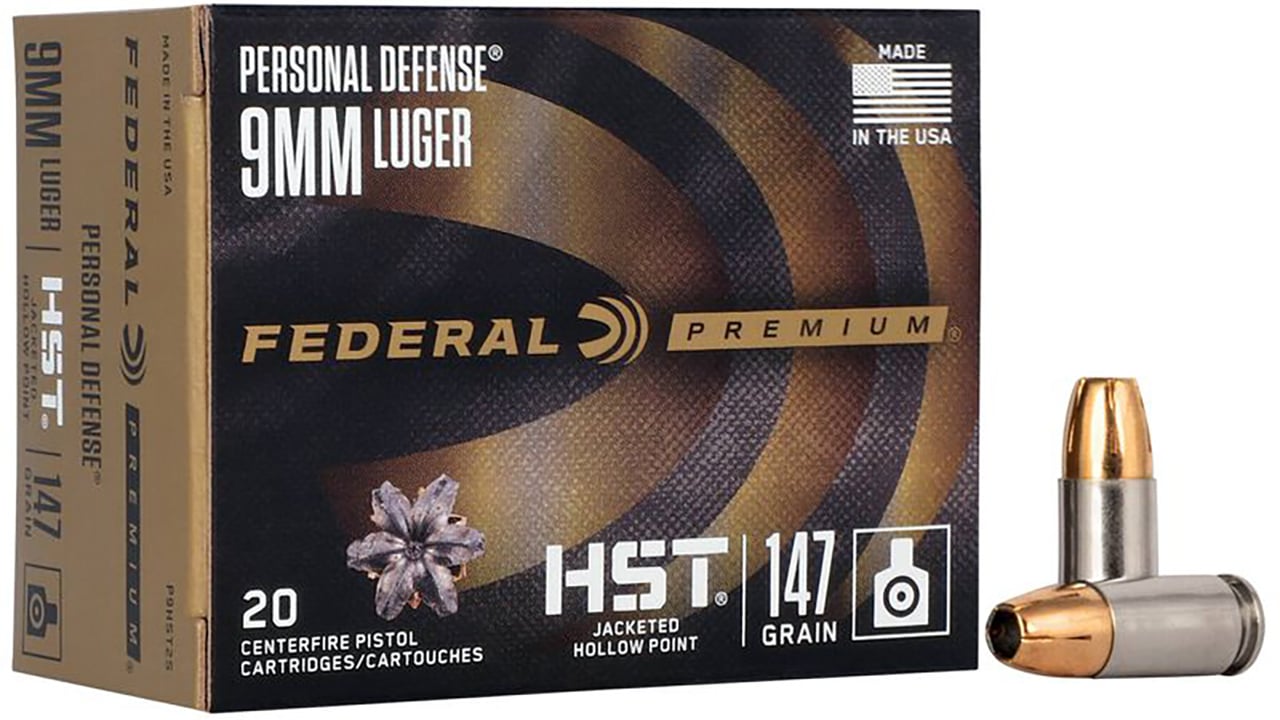
The 147-grain HST is the answer for folks who prefer a little more bullet weight and often a slightly softer recoil impulse. In many guns it feels more like a firm push than a snap. In short barrels, it can still behave well, which is not something older 147-grain hollow points were famous for.
This is also one of those loads that tends to run clean and consistent. If your carry gun is picky, the heavier HST sometimes surprises you in a good way.
3. Speer Gold Dot 124-grain +P
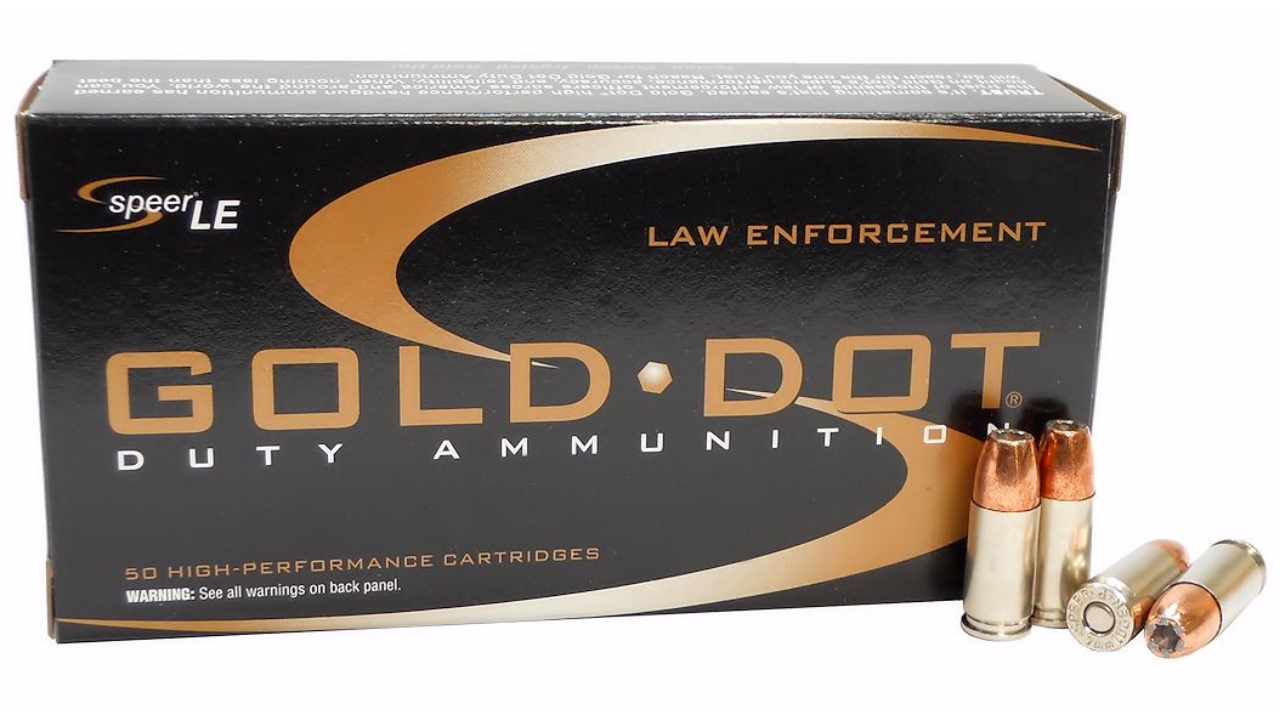
Gold Dot is one of the most recognized names in duty and defensive ammo for a reason. The bonded bullet design is built to hold together when it hits intermediate barriers, and it has earned a reputation for consistency. The +P version brings a little extra velocity, which can help with expansion out of shorter barrels.
The tradeoff is you feel it, especially in micro-compacts. If you can control it and it runs in your gun, it’s a serious load.
4. Speer Gold Dot 124-grain (standard pressure)
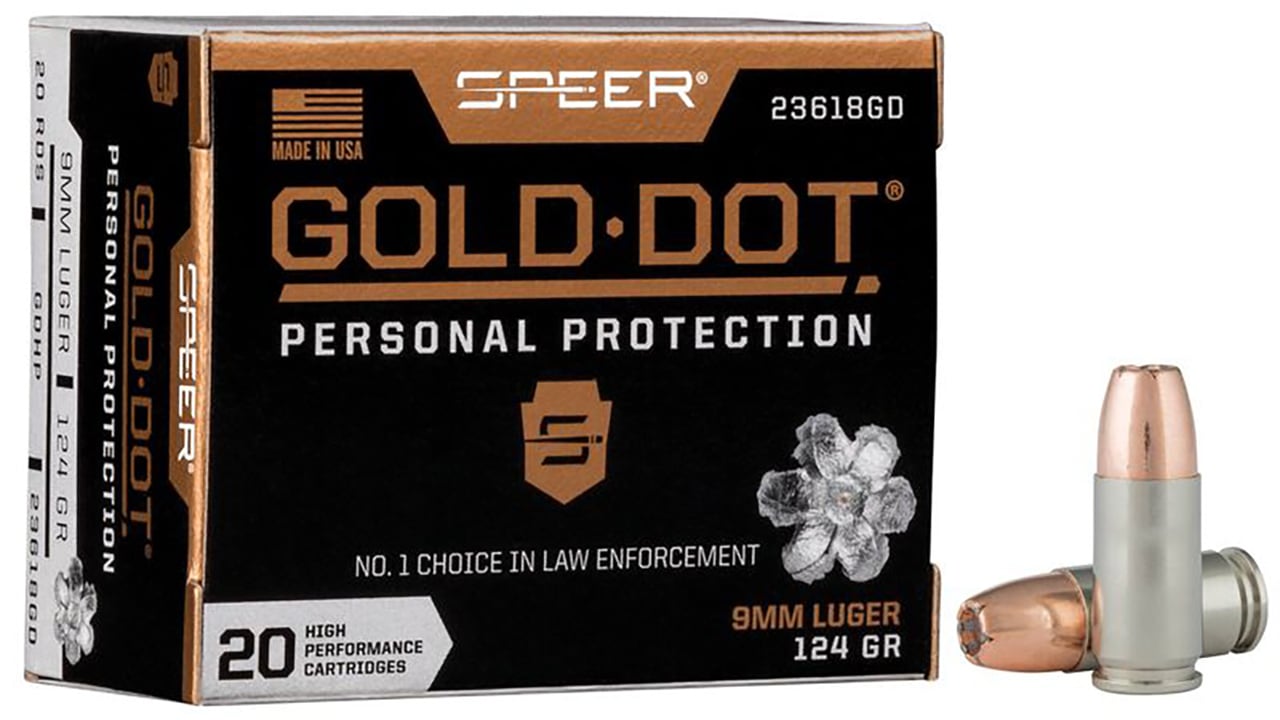
Not everybody needs +P, and not every pistol loves it. Standard pressure Gold Dot is a practical compromise that still carries the pedigree. It’s easier on small guns over the long haul and usually easier on the shooter, too.
If you actually practice with your carry ammo now and then, standard pressure makes that less miserable. Ask me how I know.
5. Speer Gold Dot 147-grain
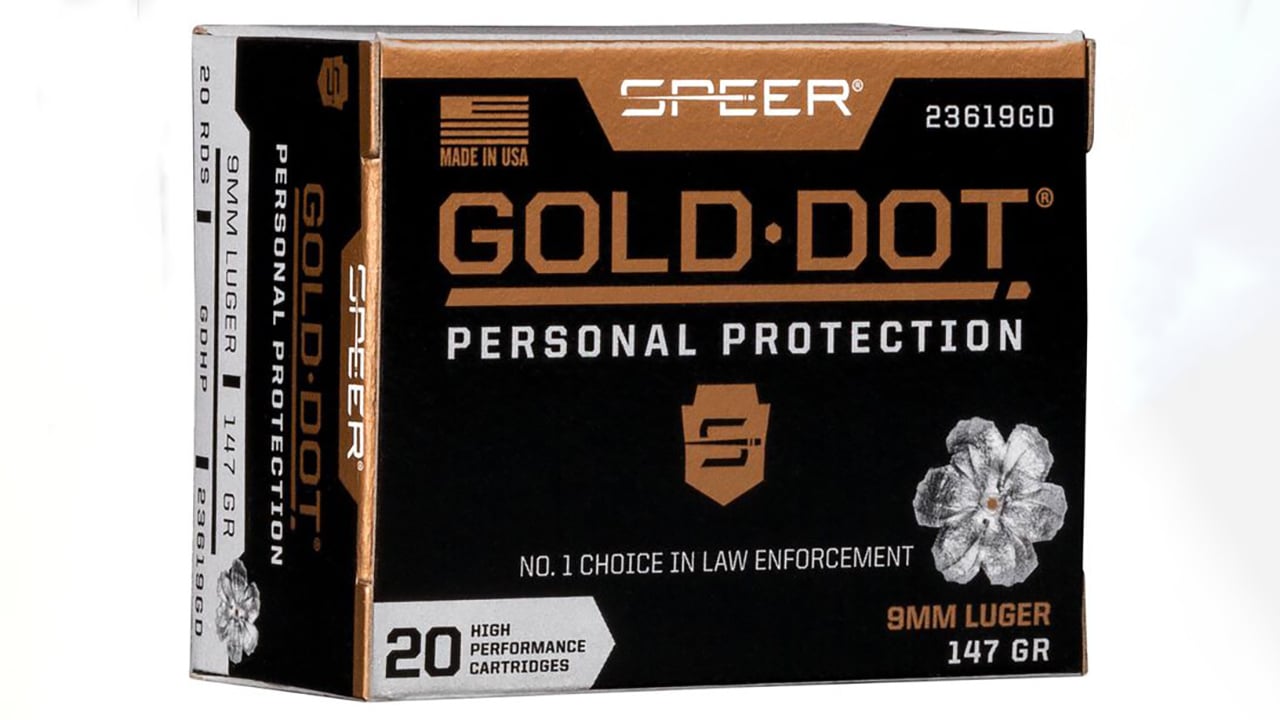
This is the “heavy for caliber” option from a line that already has a lot of trust behind it. It tends to be a good performer through clothing and often prints well in compact and full-size pistols alike. In some guns it’s the most accurate Gold Dot weight, period.
If you’re the kind of person who keeps a pistol for ten years and wants one load that stays steady, this one is hard to argue with.
6. Hornady Critical Duty 135-grain +P FlexLock
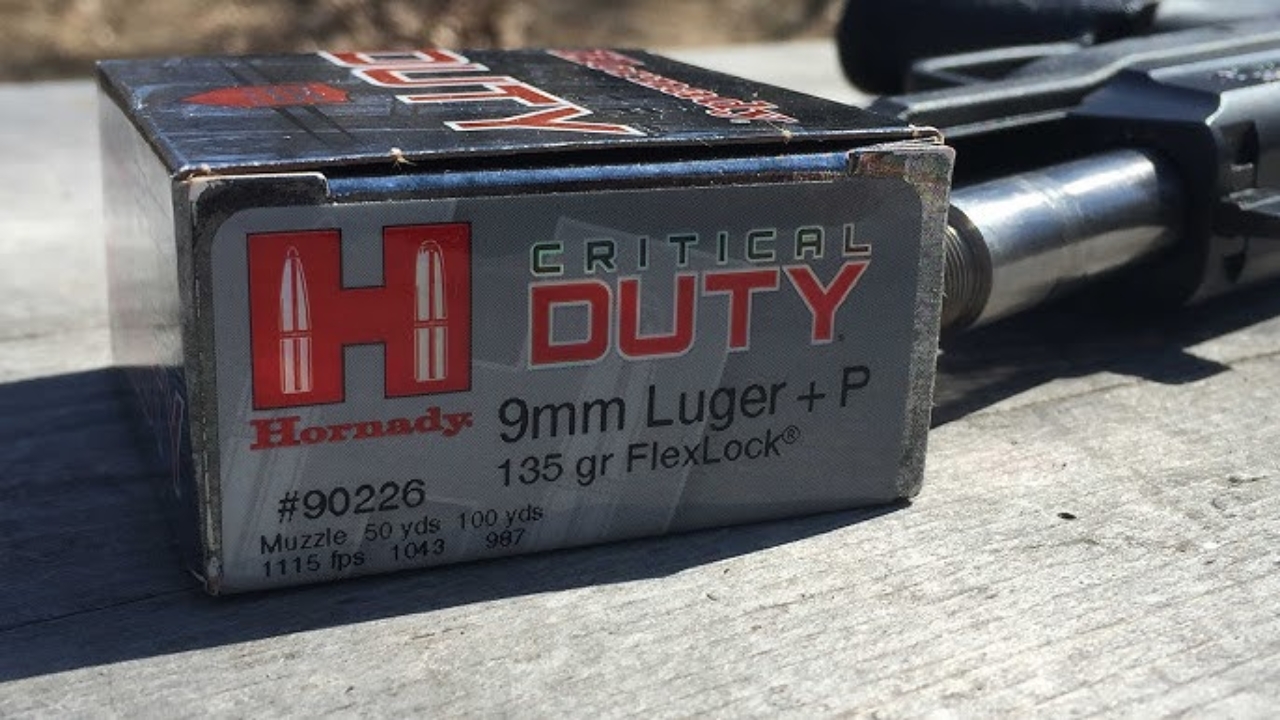
Buffman – R.A.N.G.E./YouTube.
Critical Duty is built with barriers in mind. It’s not the softest-shooting option, and it’s not the cheapest, but it’s designed to keep performing when things aren’t ideal. The FlexLock setup is meant to resist clogging and keep the bullet doing what it’s supposed to do.
This is the sort of load I think about for a belt gun or a “carry it in a coat half the year” setup. It’s a little more serious and a little less cozy.
7. Hornady Critical Defense 115-grain FTX

Critical Defense is the more “carry-friendly” sibling—lighter, generally softer in recoil, and commonly found on store shelves. It’s aimed at personal defense scenarios rather than heavy barrier performance. In many small pistols it runs well and shoots flat enough for realistic distances.
If you’re carrying a micro-9 and you want something that feeds and doesn’t beat you up, this is often on the short list.
8. Winchester Ranger-T 127-grain +P+
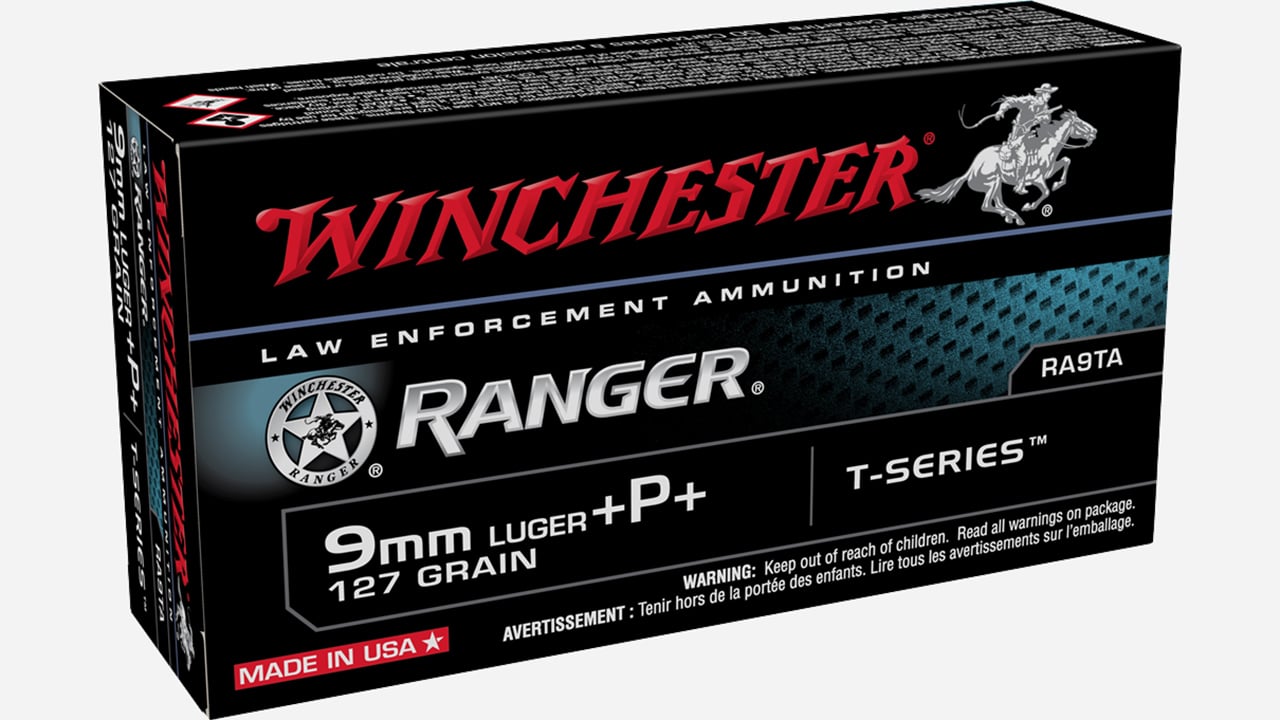
This one has a reputation that’s almost bigger than the box it comes in. The 127-grain +P+ Ranger-T is known for speed and aggressive expansion, but it’s also known for being spicy. In small guns it can feel like it’s trying to leave your hands behind on the firing line.
Not every pistol is rated for +P+, and not every shooter wants to deal with it. Still, it’s one of the loads that helped cement the idea that 9mm can hit hard when engineered right.
9. Winchester Ranger-T 147-grain
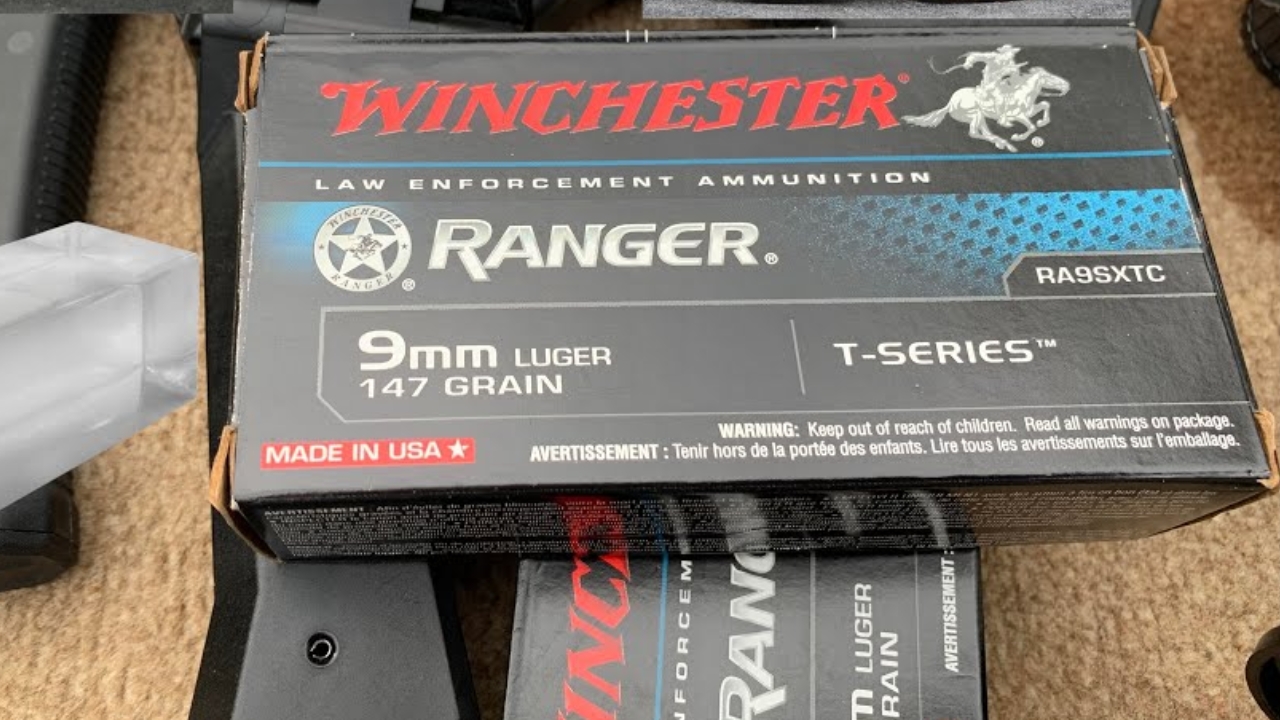
If you want Ranger performance without the +P+ blast, the 147-grain option is the calmer cousin. It’s a common pick for folks who like heavier bullets and want good performance through clothing. It also tends to be easier to control in fast follow-up shots.
The downside is availability can be hit-or-miss depending on where you live. When you find it, it’s worth a close look.
10. Winchester PDX1 Defender 124-grain +P
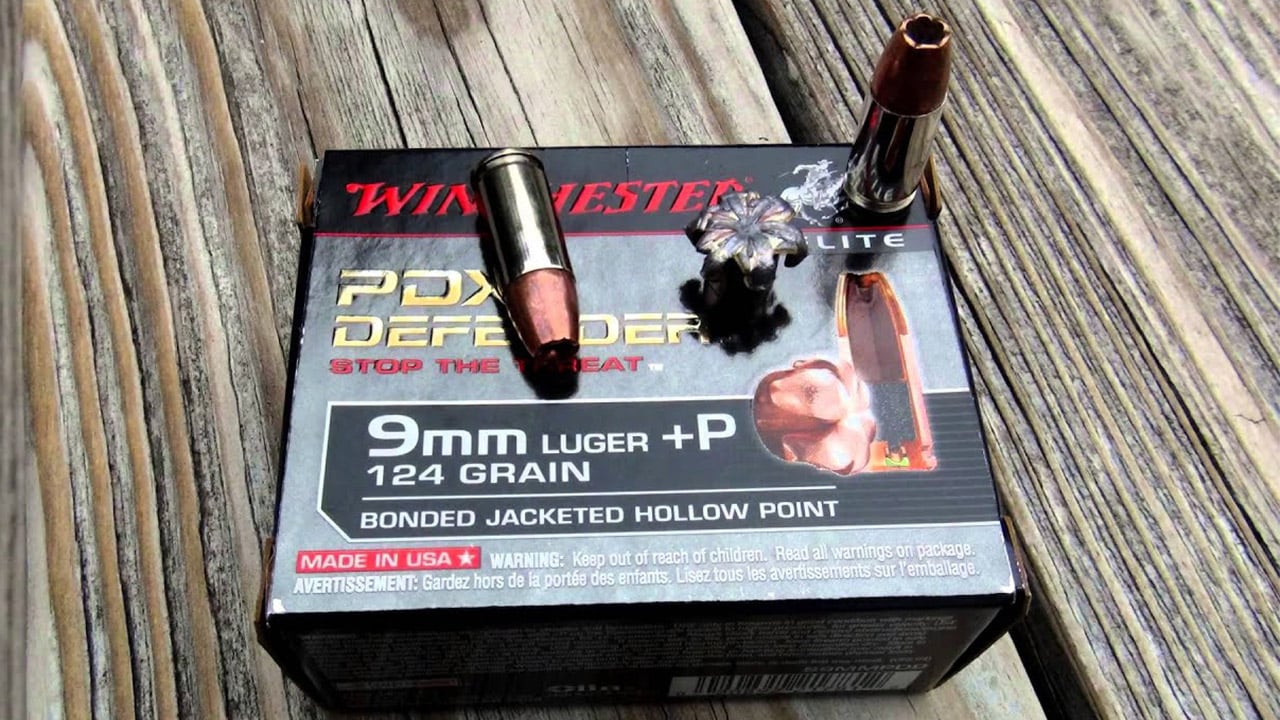
PDX1 had a big moment for a reason: it brought a bonded bullet design into mainstream shelves where normal working folks could actually buy it. It’s a solid choice when you want barrier-capable construction in a box you can find at sporting goods stores. The +P load has a little extra snap, but it’s manageable in many compacts.
I’ve seen PDX1 shoot extremely well in some pistols and just “okay” in others. Like always, your gun gets the final vote.
11. Remington Golden Saber 124-grain +P (Bonded)
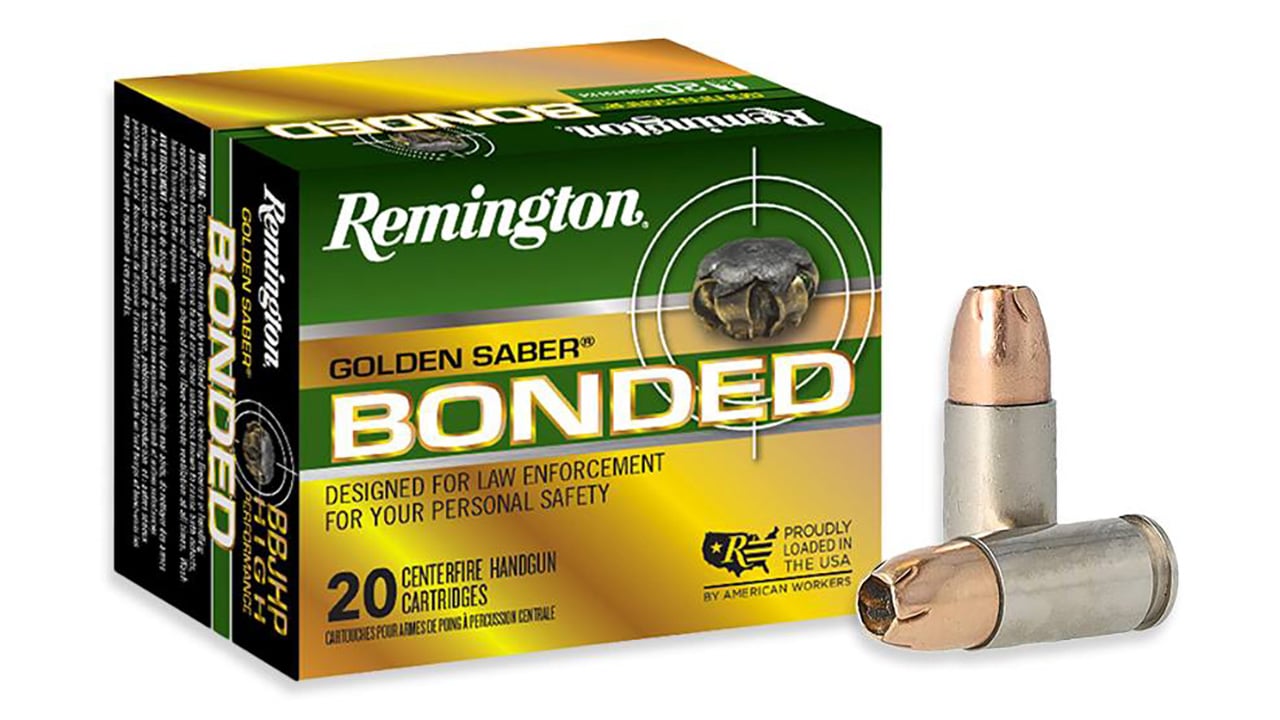
Golden Saber has been around long enough that some shooters forget it’s still a contender. The bonded version is the one I care about for carry, because it’s built to hold together better. The bullet design has its own look, and it tends to feed well in a lot of guns.
It’s also a load that reminds you how long 9mm has been getting refined. This wasn’t a trend; it was a steady climb.
12. Remington Golden Saber 147-grain
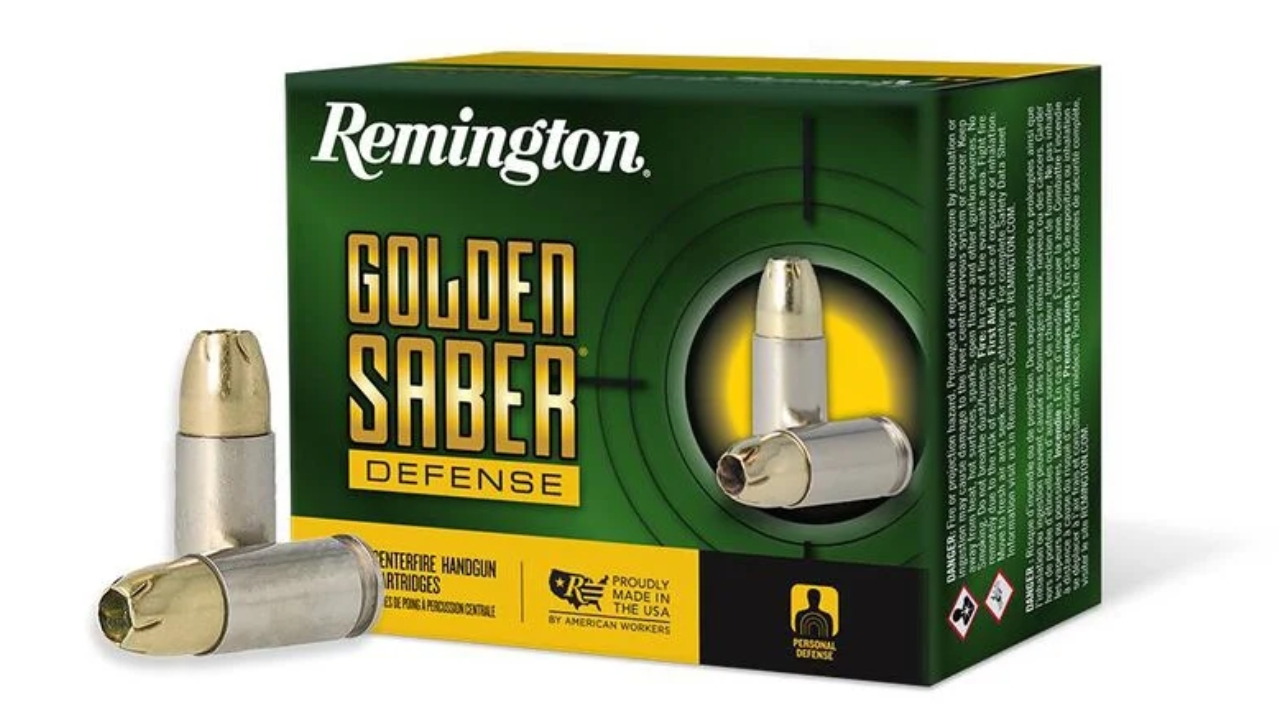
The heavier Golden Saber offers a different recoil feel that some shooters prefer, especially in compact guns where a sharp snap can slow you down. If you’ve got a pistol that groups well with 147s, this load is worth testing. It’s not new-school flashy, but it’s not junk either.
Sometimes the “boring” older designs just keep working. That counts for a lot when you’re carrying every day.
13. Barnes VOR-TX 115-grain TAC-XPD (all copper)
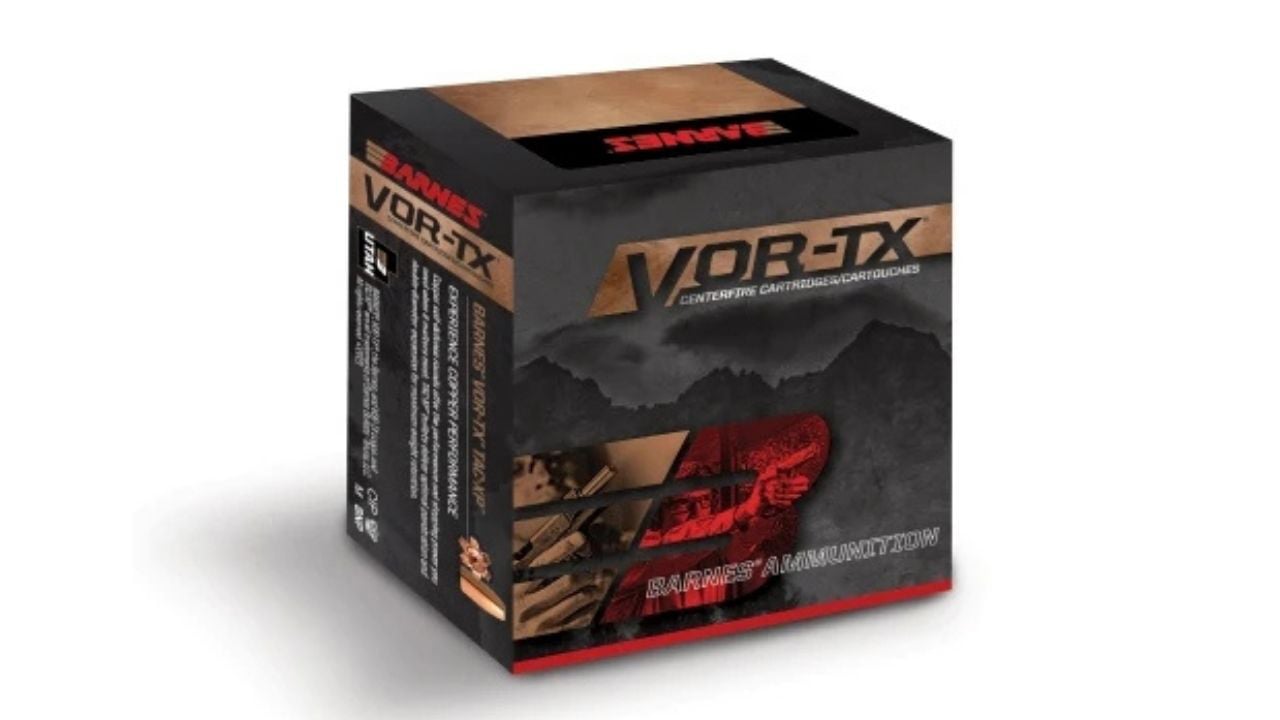
All-copper hollow points have their fans, and Barnes is the name most folks recognize first. The TAC-XPD load is known for consistent expansion and good weight retention. It’s also a lighter bullet, which can run fast and flat in many pistols.
The price is usually the sting. Still, if you want a round that’s built a little differently and tends to hold together, Barnes is a legitimate option.
14. Federal Premium Tactical Bonded 124-grain
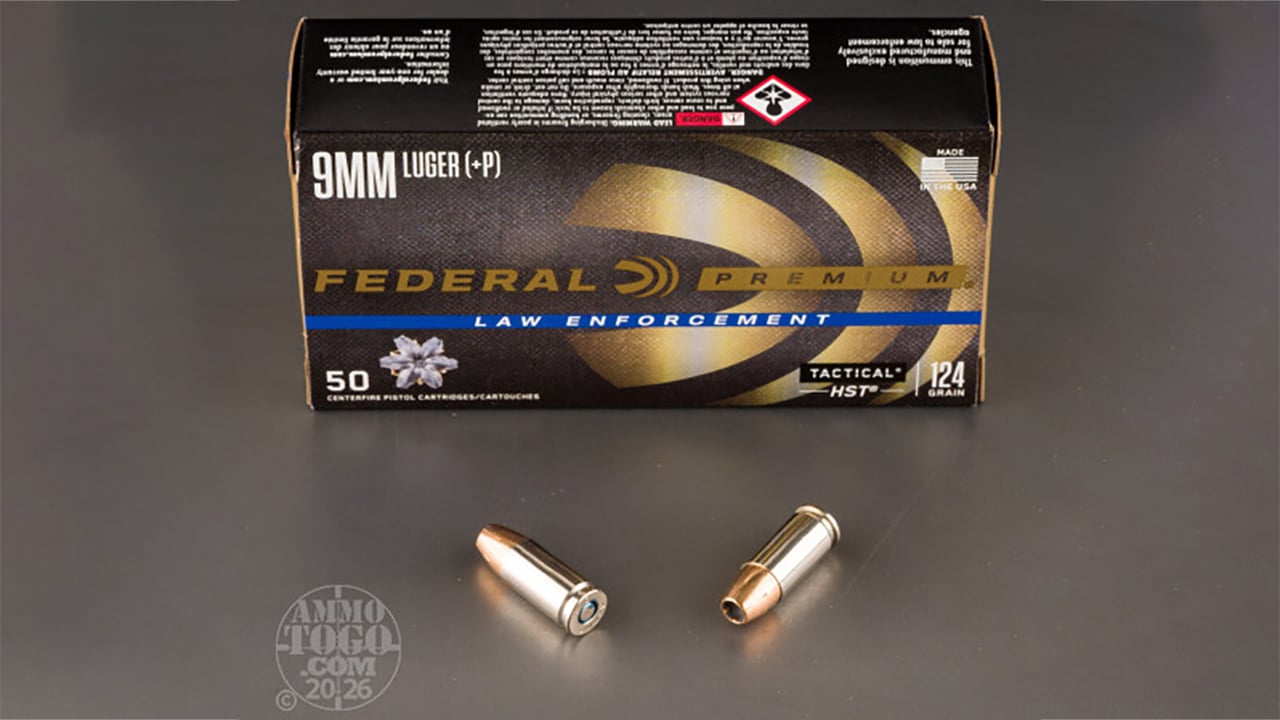
Bonded loads aren’t magic, but they can be a good hedge when you’re worried about performance after passing through common barriers. Federal’s Tactical Bonded line has been used in serious roles for a long time. It’s the kind of ammo that makes sense if you want something a step up from “basic hollow point.”
It can be harder to find than HST at times, and it can cost more. But it’s a workhorse choice when you can get it.
15. Federal Punch 124-grain Jacketed Hollow Point

Punch is Federal’s “real defensive ammo that normal people can actually afford” lane. It’s not marketed as premium duty ammo, but it’s designed to do the job better than generic hollow points from the bargain bin. For folks trying to load multiple mags and rotate carry ammo without wincing at the receipt, it fills a real niche.
9mm won partly because you can afford to practice. Punch helps that argument.
16. Speer Lawman 124-grain TMJ (training companion to Gold Dot)
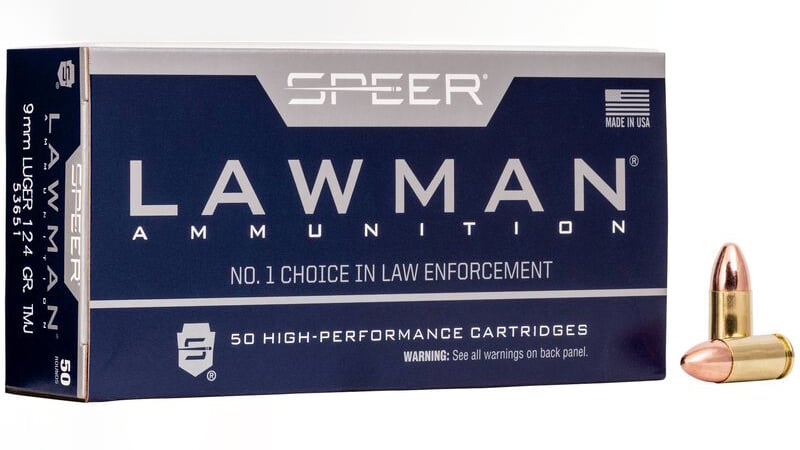
Lawman isn’t a defensive hollow point, and I’m not going to pretend it is. But it absolutely played a role in the “carry wars” because it gives you a training round that often matches the feel of duty-weight defensive ammo. TMJ also helps keep airborne lead down on indoor ranges.
If your practice ammo shoots nothing like your carry ammo, you’re paying for training but not getting the full benefit. Lawman helps close that gap.
17. Federal American Eagle 124-grain FMJ (range standard)
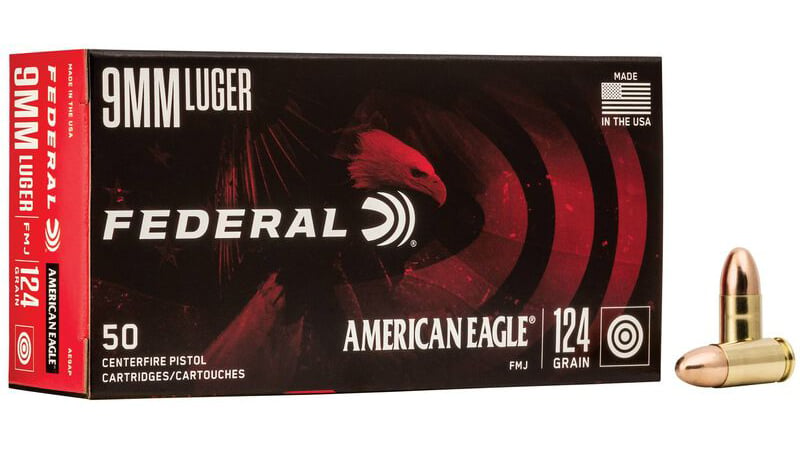
This is another non-defensive pick, but it matters. The 9mm became the king of carry because it’s easy to shoot a lot, and loads like American Eagle made it realistic to stack reps without taking out a loan. It’s generally reliable, generally consistent, and it’s widely available.
When a caliber is cheap enough to practice with, people get better with it. Better shooting beats bigger-caliber daydreaming.
18. PMC Bronze 124-grain FMJ
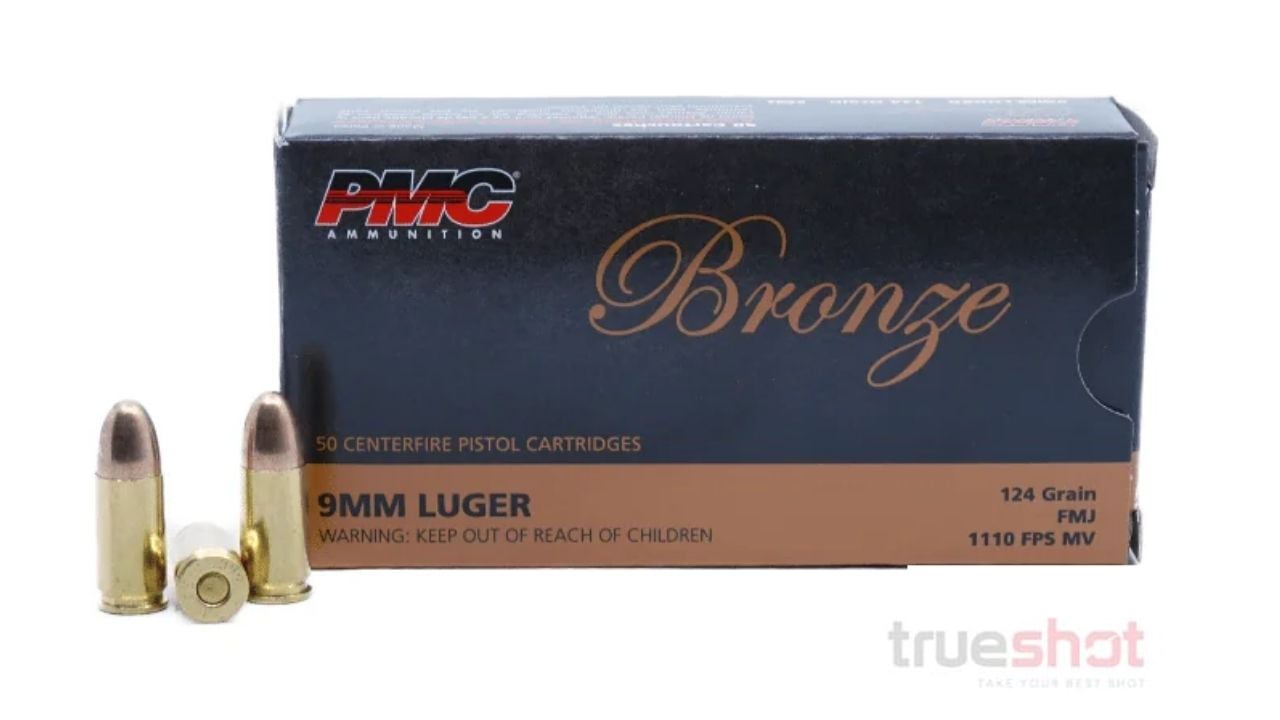
PMC Bronze has bailed out plenty of range days when shelves were thin. It’s not fancy and it’s not match ammo, but it tends to run. In compact 9mms, reliability matters even for training ammo because tiny pistols can be picky.
If you can’t afford to shoot, you can’t afford to be confident. This kind of basic FMJ keeps the lights on.
19. CCI Blazer Brass 115-grain FMJ
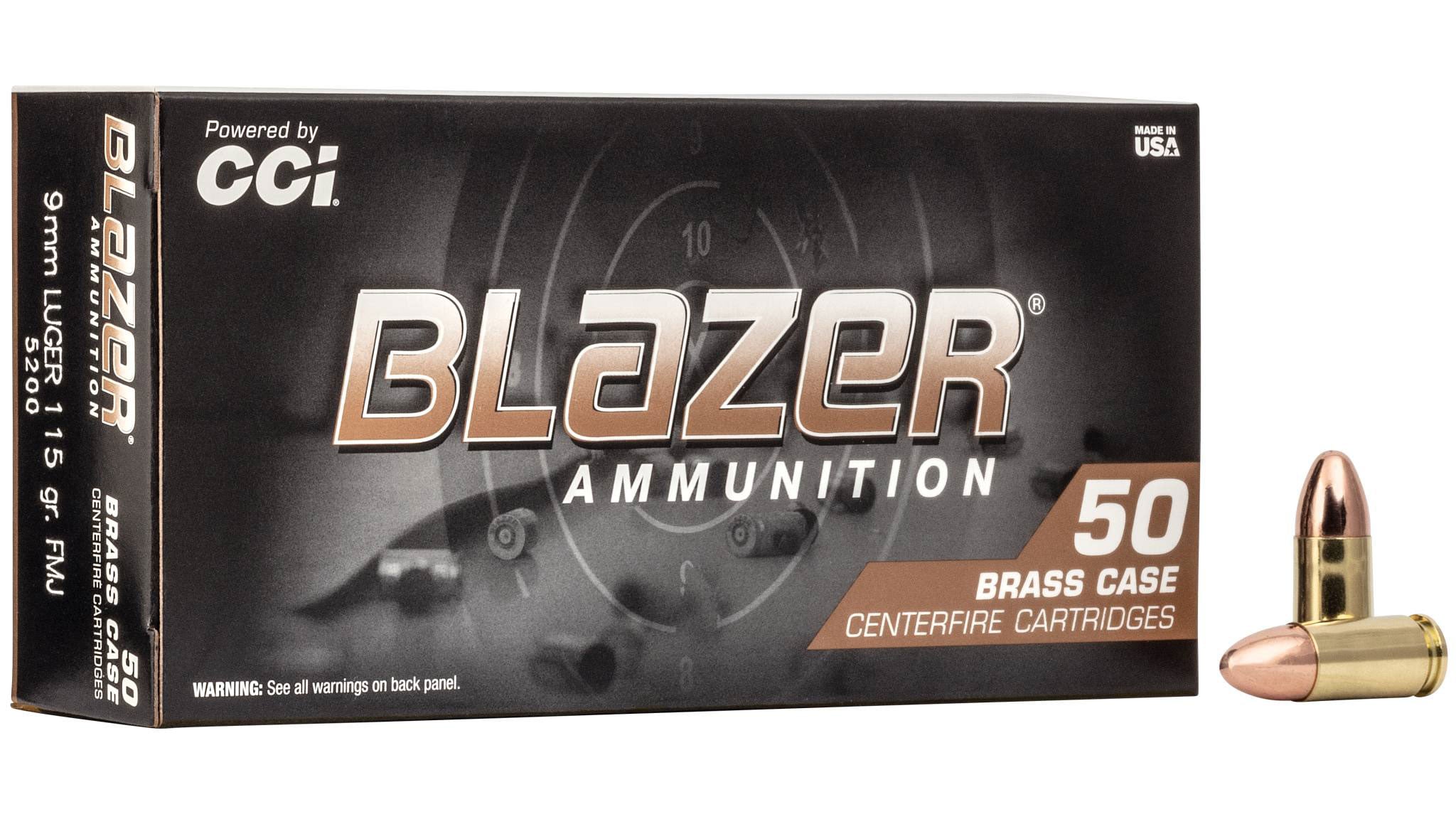
Blazer Brass is another “it just works” training load. The 115-grain version is common, and it’s often what people start with when they buy a first 9mm. In some guns it’s a little snappier than 124-grain, but it’s still very manageable for most shooters.
This is the ammo that gets new carriers to the range more often, and that matters. Comfort with your gun beats a caliber debate every time.
20. Hornady XTP 124-grain Jacketed Hollow Point
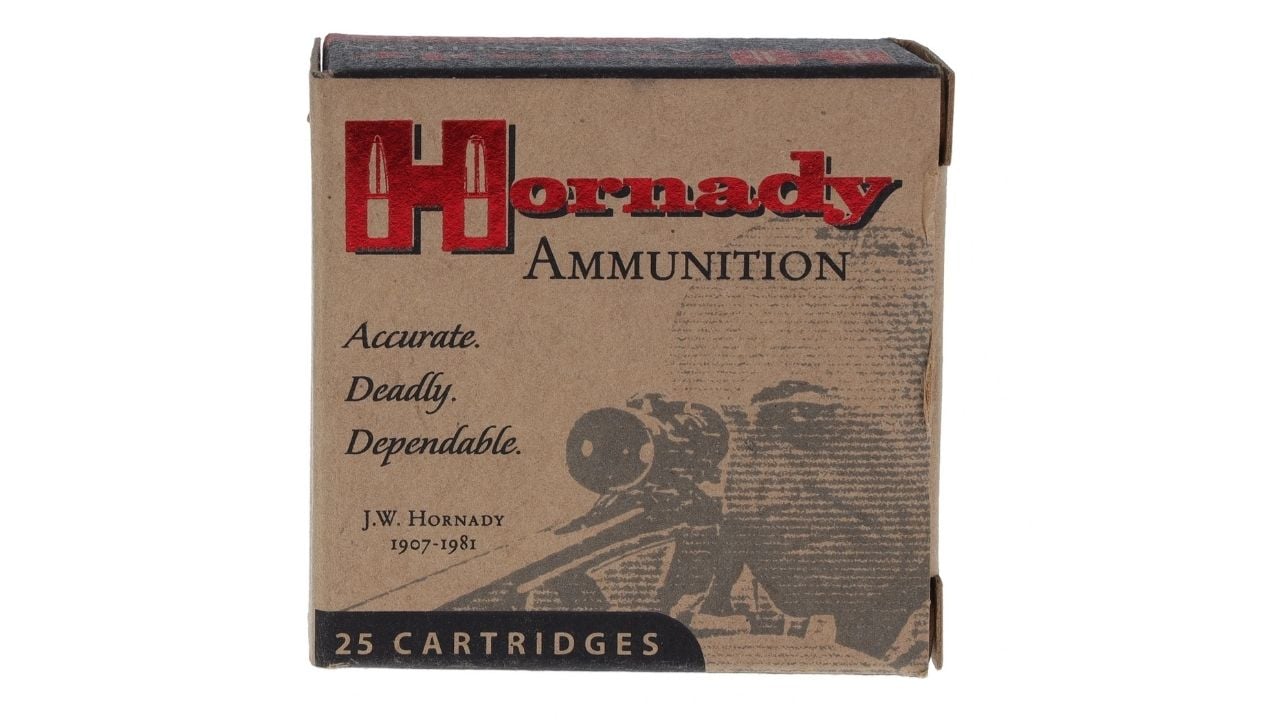
The XTP has been around forever, and it’s still respected because it tends to be accurate and well-made. It’s not always the most aggressive-expanding design compared to newer boutique hollow points, but it’s consistent and widely loaded by multiple manufacturers. For some pistols, it’s the load that groups the tightest, and that’s not nothing.
A carry load has to hit where you aim, feed every time, and give you confidence. XTP checks those boxes for a lot of shooters, even if it’s not the internet’s newest favorite.
Here’s what all of this adds up to: 9mm didn’t take over because it suddenly became a different caliber. It took over because the ammo got good enough that you could carry a smaller, lighter pistol, control it under stress, and still get consistent performance. Pick a reputable load, make sure it runs in your gun, shoot enough to trust your hits, and you’ll understand why the “carry wars” cooled off in the first place.