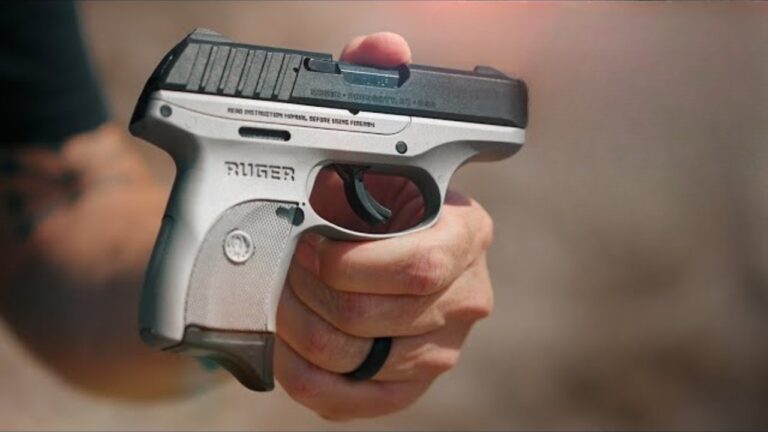
Photo credit: sootch00/YouTube
Some pistols get defended way harder than they get enjoyed. You see it all the time. Somebody spends the money, buys into the reputation, repeats all the usual talking points, and then slowly realizes the gun is more frustrating, more limited, or less satisfying than they expected. But instead of admitting that, they double down. They defend the purchase, defend the brand, defend the quirks, and act like everybody else is missing the point.
A lot of that comes down to pride. Nobody likes admitting they bought the wrong pistol, especially when the gun was expensive, heavily hyped, or sold as some kind of smart-guy choice. So the excuses start piling up. It is “meant for a niche role,” or “runs great with the right ammo,” or “you have to understand what it is.” Sometimes that is fair. A lot of times it is cover for regret. Here are 15 pistols people keep defending because saying they were disappointed would sting a little too much.
Kimber Solo

The Kimber Solo looked like the answer a lot of people wanted before the micro-9 market really matured. It was sleek, small, attractive, and wore a name that made buyers expect a premium experience. On paper, it felt like the kind of pistol you could carry with pride and show off as a smarter alternative to the usual options.
Then people started living with them. Reliability complaints, ammo sensitivity, and a reputation for being fussier than a carry gun ought to be made the glow fade fast. Even so, plenty of owners kept defending the Solo because admitting they spent good money on a pistol that never really settled in would be painful. It is easier to talk about “proper break-in” than to say the gun was more headache than payoff.
Remington R51
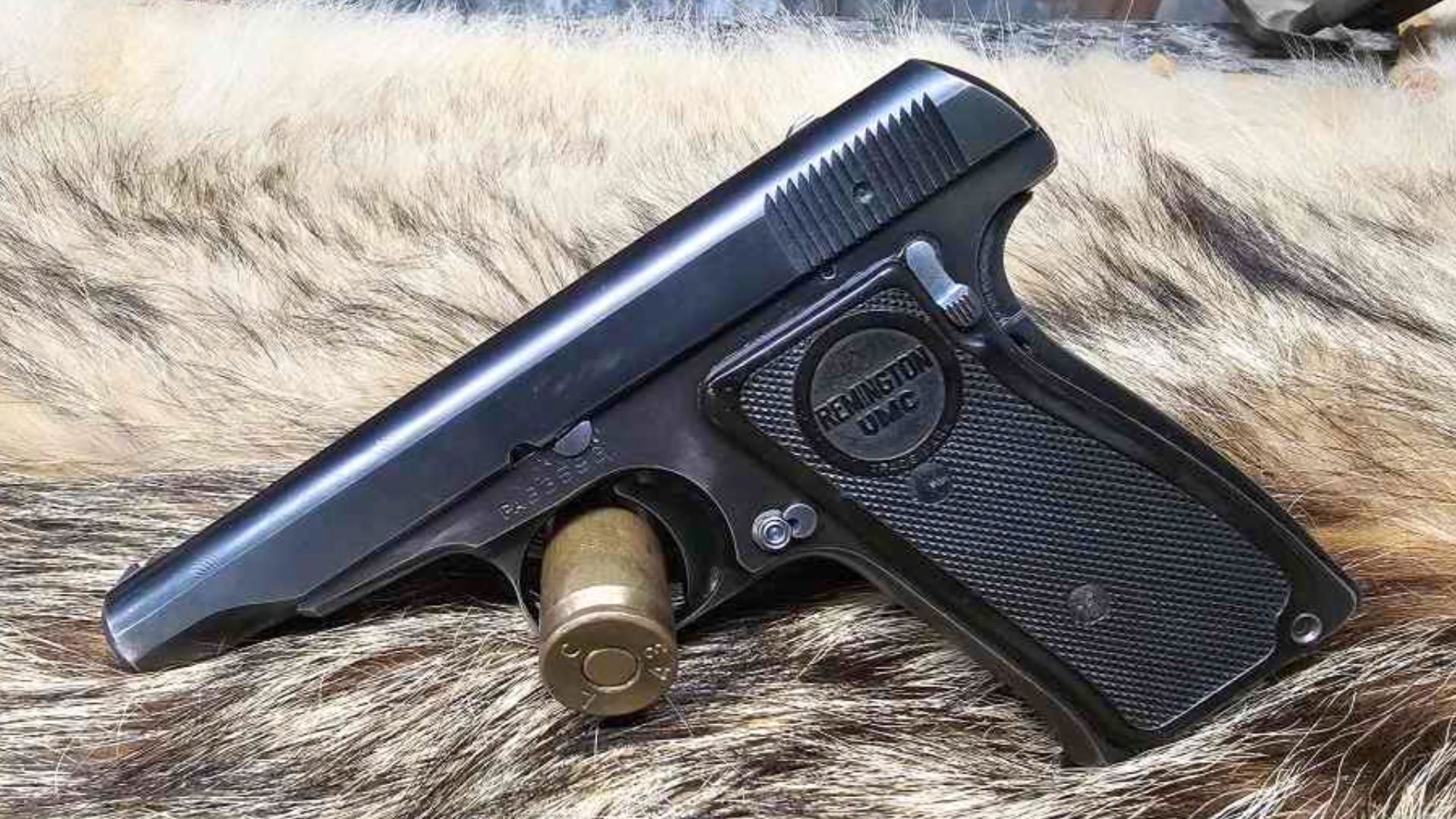
The R51 had one of those stories people badly wanted to come true. Slim carry profile, different operating system, familiar name, and the promise of something softer-shooting and more refined than the usual small pistol. It sounded great, and a lot of buyers convinced themselves they were getting in on a misunderstood design that other people simply did not appreciate.
That defense got harder and harder to maintain once the gun’s real-world problems became obvious. Even after the bad reputation stuck, some owners still clung to the idea that theirs was one of the good ones or that the whole thing got overblown. That usually tells you enough right there. People do not fight that hard for pistols that truly made them happy. They fight that hard for pistols they do not want to admit let them down.
Taurus Judge

The Judge is one of the easiest pistols to defend after the purchase because the concept is so easy to sell. It is different, it is memorable, and it feels like it ought to be doing something no normal handgun can do. That gives owners a built-in reason to keep explaining it to people long after the novelty starts wearing thin.
The problem is that range time often makes the limitations hard to ignore. It is bulky, awkward for what it offers, and usually less satisfying in real use than the original sales pitch made it sound. Still, plenty of people keep defending it because once you have bought into the idea, admitting it was mostly a gimmick with a loud reputation feels a lot worse than pretending you are one of the few who really “get” it.
AMT Hardballer
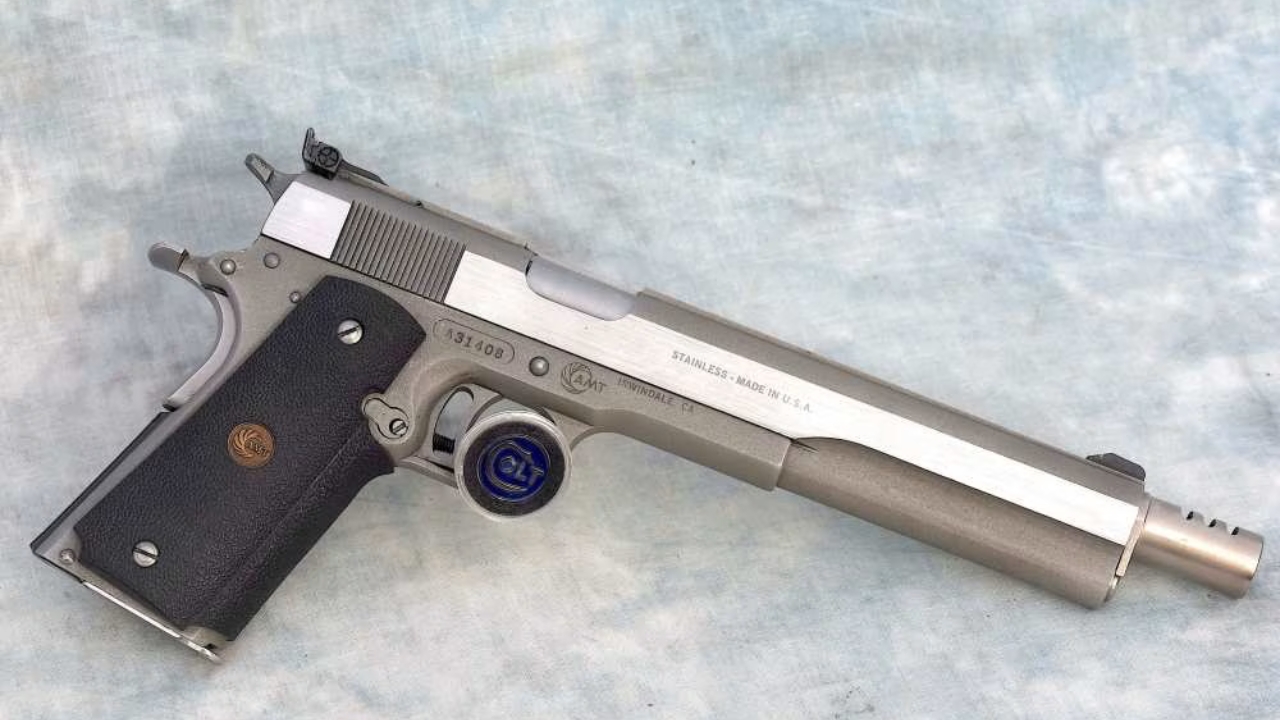
The Hardballer gets defended because it looks like it should be better than it often is. Stainless 1911 styling, recognizable presence, and a certain old-school cool make buyers want it to be a hidden classic. People who bought one were not usually looking for a beater. They were buying a vibe, and that makes regret harder to swallow.
Once ownership starts involving rough fit, inconsistent reliability, or the general feeling that the gun is more interesting in theory than in practice, the excuses tend to start. Owners will talk about finding the right magazines, the right ammo, the right smith, the right example. Sometimes all of that is true. But when a pistol needs that much explanation, it is often being defended because the alternative is admitting it never really earned the effort.
Walther P22

The P22 is one of those pistols people keep sticking up for because it is easy to like at first glance. It is compact, modern-looking, and feels like it should be a fun little rimfire that anybody can enjoy. A lot of people bought one expecting easy range days and cheap practice, and once they did, they became personally invested in that idea being true.
That is why the defense often lasts longer than the satisfaction. The P22 has frustrated plenty of owners with pickiness and inconsistent performance, yet many still speak about it like the problem was always something else. Bad ammo, dirty gun, weak grip, wrong expectations. Maybe sometimes. But a lot of those defenses sound like people protecting themselves from admitting they bought a rimfire that never became as enjoyable as they wanted it to be.
SIG Sauer Mosquito
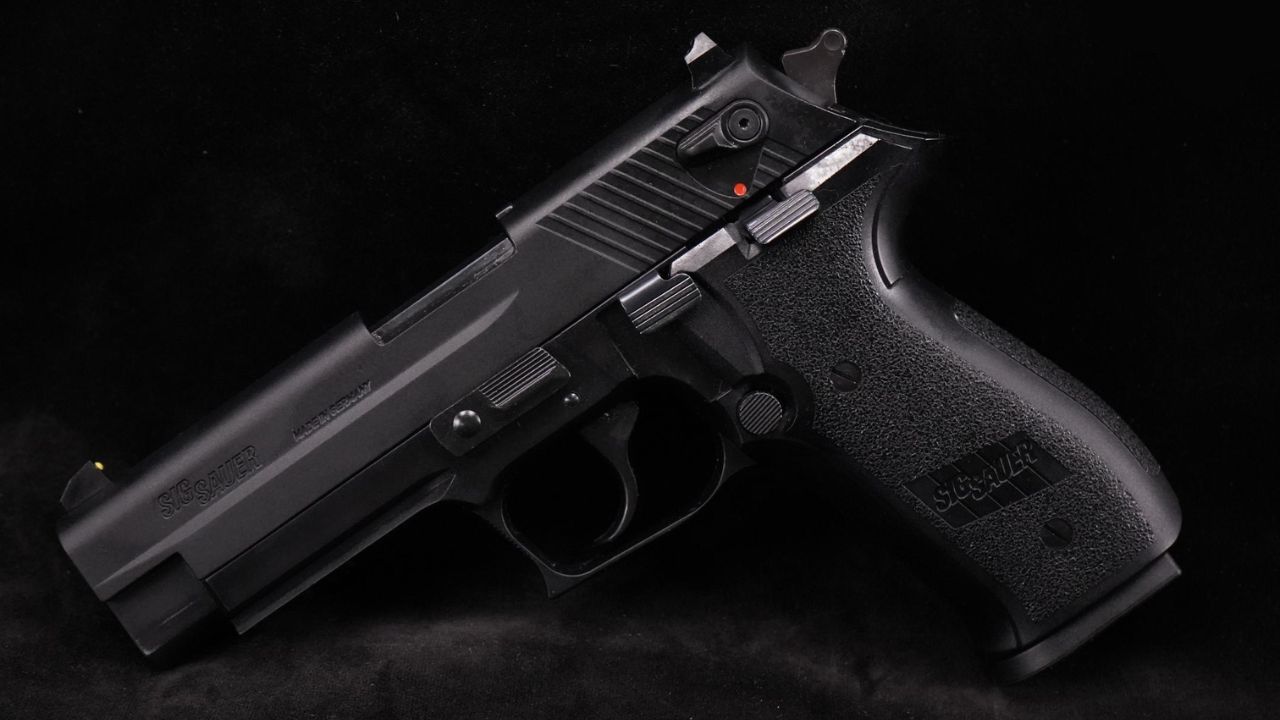
The Mosquito got a long leash from buyers because it had the SIG name on the slide. That mattered. People assumed they were getting a respectable little trainer with some brand credibility behind it, and once they bought in, they were naturally reluctant to admit it was not really living up to the badge. A lot of owners wanted it to be their affordable practice gun that still felt like part of the SIG family.
Instead, many found themselves owning a pistol that demanded too much patience for a .22. It is one thing for a rimfire to be a little finicky. It is another for that finicky behavior to become the defining part of the experience. Even then, plenty of owners kept defending the Mosquito because it is easier to say a gun is “ammo sensitive” than to admit you paid for a name and got a mediocre range companion.
Bond Arms derringer

Bond Arms derringers are built well enough that people feel almost obligated to defend them. They are heavy for their size, look solid, and give off that strong little pocket-cannon energy that makes buyers feel like they bought something serious. Once somebody spends money on one, they usually want that purchase to mean more than “interesting novelty.”
The trouble is that range time tends to expose how narrow the appeal really is. Recoil can be harsh, handling is limited, and the actual shooting experience often wears thin faster than the charm of ownership. That is where the defensive language comes in. People start talking about craftsmanship and niche uses because saying “this thing is not very enjoyable and I barely shoot it” would make the purchase feel harder to justify.
Desert Eagle

Nobody wants to admit regret with a Desert Eagle because the whole appeal is tied to image. You do not buy one by accident. You buy one because it is iconic, oversized, and supposed to make an impression. Once you have spent the money and dealt with the ammo cost, admitting it is mostly a novelty that you got tired of would take a real hit to the ego.
So owners defend it hard. They will explain that practicality was never the point, that critics do not understand it, that it runs great when used as intended. Some of that is true. But it is also true that a lot of people lose enthusiasm once they have actually hauled it to the range a few times. The defense stays strong mostly because saying “I wanted the legend more than the pistol” is not a fun confession.
KelTec PMR-30
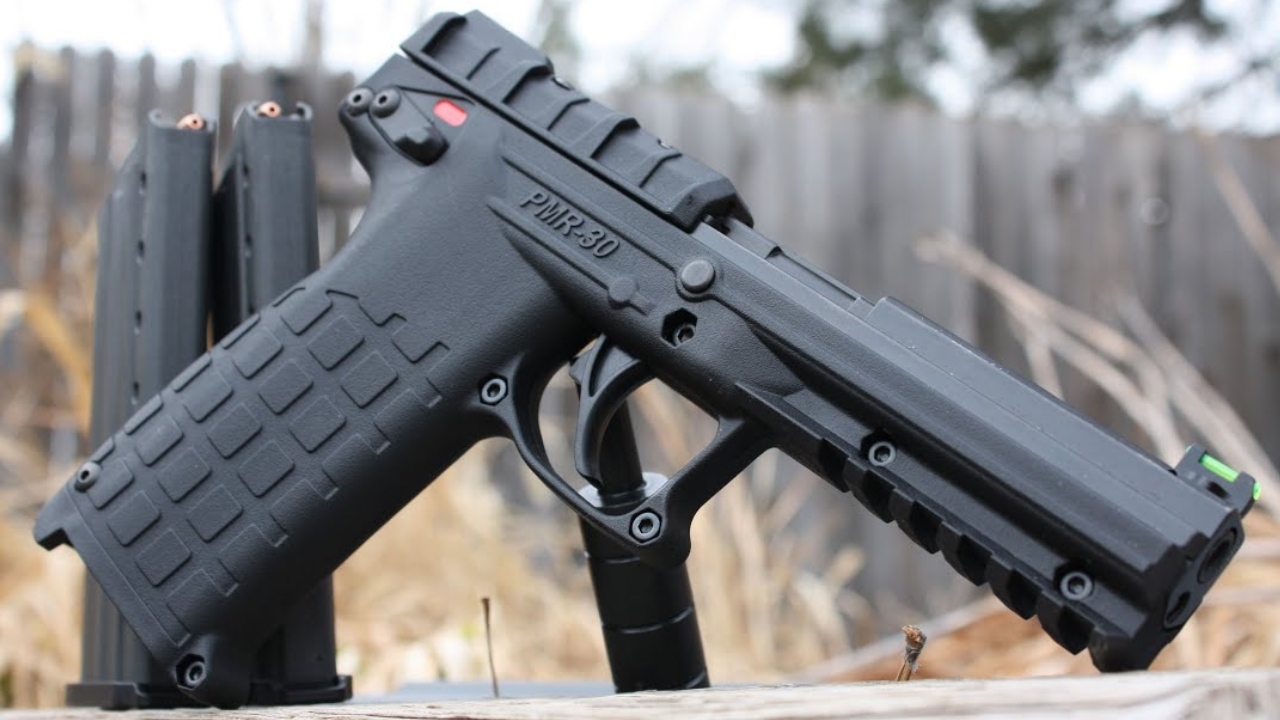
The PMR-30 sells people on being different. Big capacity, lightweight feel, and .22 Magnum chambering make it sound like one of those clever handguns only smarter buyers appreciate. In the store, it feels like a conversation starter with real promise behind it. That promise is exactly why owners keep defending it long after the shine starts to wear off.
Once you get past the novelty, the gun’s quirks and limitations can become a lot more obvious. That does not stop people from standing up for it, though. In fact, unusual guns often inspire stronger defense because buyers feel like they joined a club. Admitting the pistol is more quirky than satisfying would not only mean regretting the purchase. It would also mean admitting the “different is better” story did not really pay off.
Chiappa Rhino

The Rhino gets defended because people fall in love with the idea before they fully understand the ownership experience. The low bore axis, strange shape, and engineering story make it feel like a revolver for people who are too smart to settle for ordinary. That is powerful marketing even when nobody is technically marketing it. Once somebody buys into that, backing off becomes tough.
Some shooters genuinely like them, but others find the trigger feel, controls, or overall handling less impressive than the concept promised. That is when the defensive tone shows up. Instead of saying the gun never quite clicked, owners start explaining why everybody else is too traditional or has not spent enough time with it. A lot of Rhinos get defended because they look like they should be genius, and admitting otherwise would bruise more than just the wallet.
Coonan .357
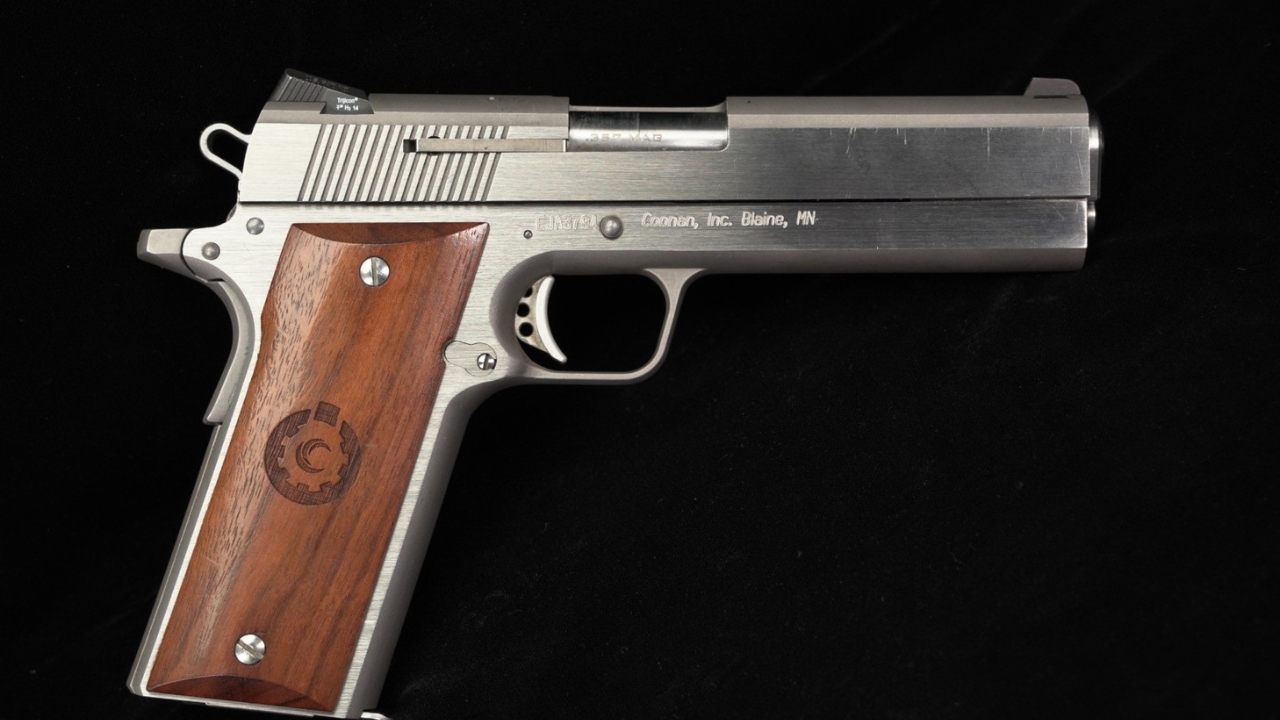
The Coonan is one of those pistols that attracts buyers who want something rare, unusual, and undeniably cool on paper. A 1911-style pistol in .357 Magnum sounds like exactly the kind of gun a serious enthusiast ought to appreciate. That makes regret especially hard, because you are not only admitting the purchase disappointed you. You are admitting the whole clever premise did not lead to a better experience.
For many owners, that reality shows up once the novelty wears off and the practical downsides start getting louder. It is specialized, not the easiest thing to support, and often more satisfying to describe than to keep running and shooting regularly. Still, the Coonan keeps getting defended because it represents a certain kind of taste. Saying it was more hassle than reward feels like saying your taste was wrong.
HK VP70

The VP70 gets defended by people who respect what it represents more than what it feels like to shoot. HK history, unusual styling, and that cold, strange retro appeal make it the kind of pistol people want to appreciate on principle. That is exactly why it becomes hard to be honest about it once you own one and realize the experience is not all that rewarding.
The trigger alone has been enough to sour a lot of shooters, but owners still tend to describe the gun in terms of significance rather than satisfaction. That is usually a sign. When people spend more time explaining why a pistol matters than why they enjoy it, they are often protecting themselves from admitting it is far more interesting in the safe than on the firing line.
Taurus PT-111 Millennium

The PT-111 Millennium inspired a lot of defensive loyalty because it gave budget-minded buyers something they badly wanted to believe in. It looked practical, it offered decent capacity for the money, and it let people feel like they had beaten the system by finding an affordable carry option that others unfairly dismissed. Once somebody takes pride in a budget buy, criticism hits a little more personally.
That is why disappointment often gets buried under justification. Even when owners had enough issues to make them move on later, many still defended the gun as a value play or claimed theirs worked fine once they figured it out. Maybe so. But repeat-buy behavior usually tells the truth, and a lot of people who defended those pistols eventually spent their next dollars somewhere else.
Kimber Micro 9

The Kimber Micro 9 gets defended because it looks like it should be the classy answer to the tiny carry-gun problem. It is attractive, compact, and sold with just enough premium polish to make buyers feel like they stepped above the polymer crowd. When people spend extra for style and branding, they naturally want to believe they made a more refined choice.
Then the real-world tradeoffs start showing up. Small 1911-style pistols can be less forgiving than buyers expect, and the difference between “nice-looking” and “confidence-inspiring” becomes harder to ignore. Still, many owners keep defending the Micro 9 because admitting it never gave them the stress-free carry experience they imagined would sting. It is easier to praise the fit and feel than to admit the gun left them shopping again later.
Walther CCP

The CCP was easy to defend because it came with a story buyers wanted to repeat. Soft recoil, easy slide operation, and an approachable feel made it sound like a thoughtful answer for people who did not love harsher compact pistols. That is the kind of pitch that makes owners feel smart, especially if they believe they found a more comfortable alternative to the usual carry choices.
When the overall ownership experience turned out to be less impressive than the concept, though, many buyers had a hard time fully admitting it. Some still talk about what the pistol was trying to do instead of how satisfied they actually were with it. That usually says enough. A pistol that truly wins people over does not need to hide behind its intentions. The CCP often gets defended because the idea was easier to love than the result.
AMT Backup
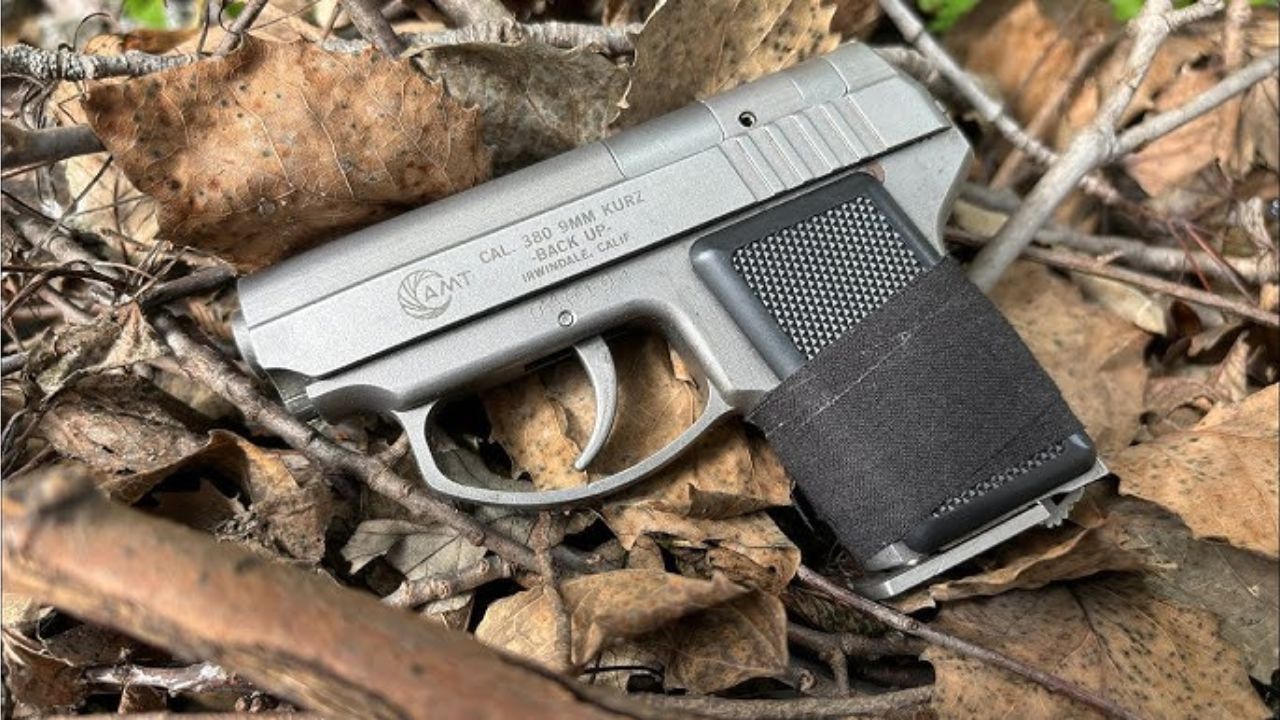
The AMT Backup has always had a certain kind of appeal to people who like tough-looking little pistols with a lot of attitude. Stainless construction, compact form, and that old-school backup-gun image made it easy to want. Buyers did not pick one because it seemed comfortable or refined. They picked it because it looked serious and felt like a little chunk of steel you could trust.
Then range time had a way of changing the conversation. Harsh shooting manners, limited comfort, and a generally unforgiving experience made a lot of owners rethink the romance pretty quickly. Still, it kept getting defended because buyers often respected the concept and the toughness more than the actual use. Saying you own one sounds better than saying you actually enjoy shooting one, and that gap tells the story.
Like The Avid Outdoorsman’s content? Subscribe to our newsletter so you never miss an article.
Here’s more from us: