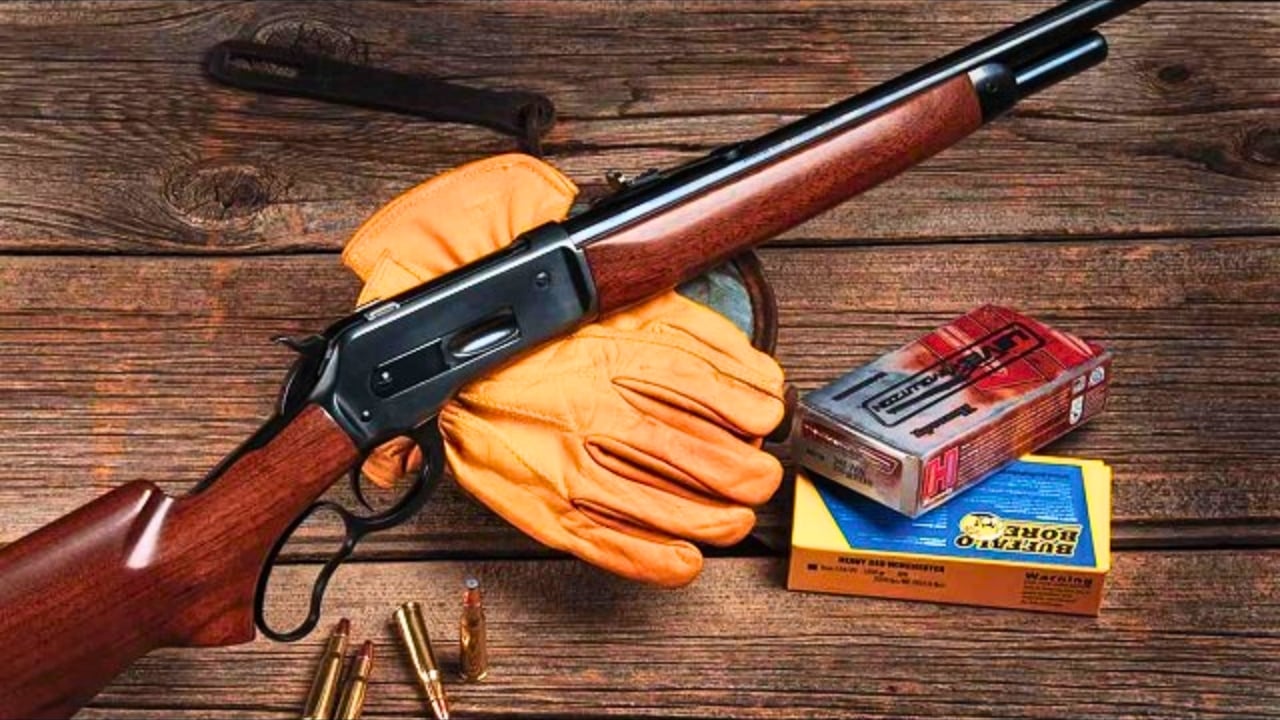
Photo credit: R & L Guns & Ammo LLC/YouTube
Lever-action rifles are no longer the cheapest way to put a dependable hunting rifle in the woods. Basic bolt actions have taken over that role, and modern semiautomatics offer more capacity and easier accessory mounting. If pure specifications were all that mattered, the lever gun probably would have faded away years ago.
It hasn’t, because a good lever action still offers something other rifles struggle to duplicate. They are narrow through the receiver, quick to shoulder, easy to carry with one hand, and remarkably useful in the woods. Modern versions have also expanded far beyond the traditional .30-30. You can now find lever guns chambered for everything from .22 LR and .357 Magnum to .300 Blackout and powerful big-bore cartridges. Older designs remain worth hunting down as well. These 20 lever-action rifles still provide enough utility, performance, or sheer shooting enjoyment to justify buying today.
Henry Lever Action Supreme .300 Blackout

The Lever Action Supreme is one of the strongest arguments that the lever rifle still has somewhere new to go. Instead of simply updating a 19th-century tube-fed design, Henry built a rifle around a detachable box magazine, rotating bolt, free-floated barrel, and an internal hammer. Chambering it in .300 Blackout makes even more sense because the cartridge is compact, widely available, and particularly interesting to shooters who already own rifles in the caliber.
It will not appeal to everyone who wants walnut, exposed hammers, and traditional lever-gun nostalgia. That is exactly why it matters, though. It offers a lever action to shooters who otherwise might never consider one. The .300 Blackout model has a 16.5-inch barrel and feeds from a detachable 10-round magazine, giving it an entirely different personality from a conventional hunting lever gun.
Winchester Model 1892 Short Rifle
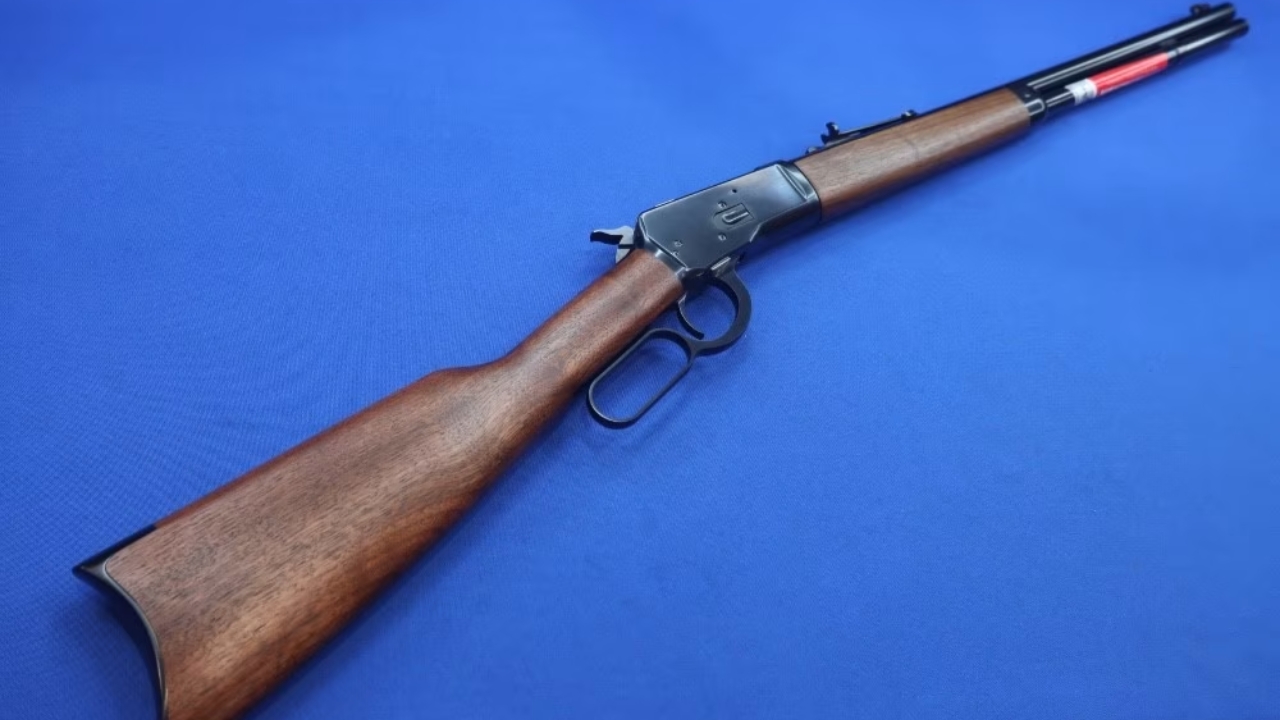
The Model 1892 remains one of the finest pistol-caliber lever designs ever created. It uses dual vertical locking lugs and an action that feels remarkably compact compared with larger hunting-caliber lever guns. Chambered in something like .357 Magnum, it becomes a light, quick rifle that is just as entertaining on steel targets as it is useful for appropriate hunting and general ranch work.
The biggest reason to buy one today is handling. Modern rifles keep getting wider, heavier, and more covered in accessories. An 1892 feels almost delicate by comparison. The receiver is narrow, the balance is excellent, and the lever throw is quick. Being able to shoot .38 Special in a .357 model also gives you an inexpensive, low-recoil practice option. Winchester still supports the Model 1892 as a current rifle platform, so this is not merely a collector’s recommendation.
Winchester Model 1886 Short Rifle
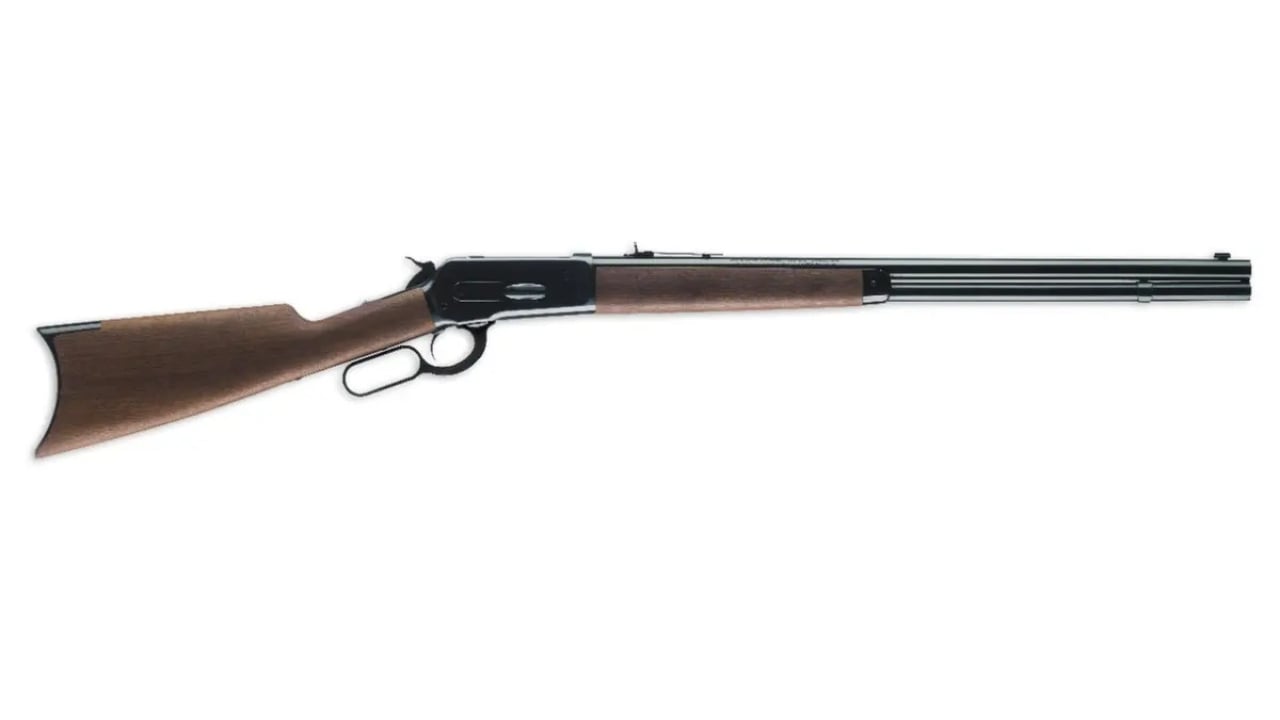
If you want a traditional .45-70 lever rifle but do not necessarily want another version of the same modern Marlin, the Model 1886 deserves serious consideration. John Browning’s action was designed around considerably more power than earlier toggle-link lever rifles could tolerate, and that strength is still one of the defining characteristics of the design.
What makes the 1886 worth owning today is how substantial it feels without losing the character of a classic lever gun. The receiver is beautifully proportioned, the action locks up solidly, and .45-70 gives the rifle enormous flexibility depending on the ammunition you choose. It is not the lightest rifle to haul through the woods, and ammunition is not cheap, but it has the durability and capability to be much more than a nostalgia purchase. Winchester continues to list the 1886 among its current rifle platforms.
Winchester Model 1873 Sporter

There are faster and stronger lever actions than the Model 1873, but few are more enjoyable to shoot. The toggle-link action has an exceptionally smooth feel, especially after it has been used enough to wear in properly. In pistol cartridges such as .357 Magnum, the rifle becomes an easy-shooting range gun that can digest a lot of ammunition without punishing your shoulder.
That makes it worth buying even if you have no interest in cowboy-action competition. A long afternoon with a mild .38 Special load through a heavy 1873 is about as relaxed as centerfire rifle shooting gets. You also get one of the most historically significant American rifle designs in a gun you can actually use regularly rather than treating it like a museum piece. Winchester still identifies the 1873 among its current rifle families, which helps keep the old design relevant.
Henry Steel Side Gate .360 Buckhammer
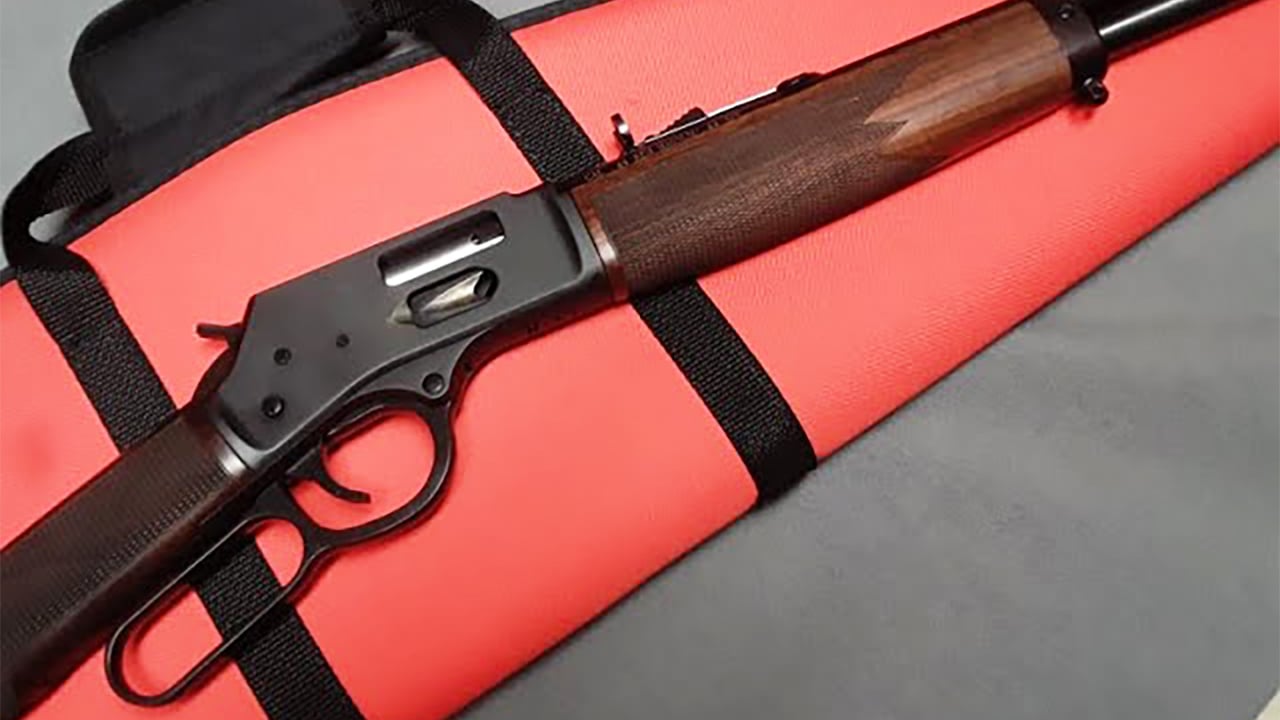
The .360 Buckhammer gave traditional lever-gun hunters something genuinely different. It was designed around straight-wall hunting requirements while still delivering considerably more reach and authority than many handgun-derived straight-wall cartridges. Put it into a steel Henry with a loading gate and you end up with a rifle that feels traditional but exists for a thoroughly modern reason.
It makes the most sense for hunters in states where straight-wall cartridge regulations influence rifle choice, but that is not its only appeal. Recoil is reasonable, the rifle handles quickly, and the side gate means you are not dependent solely on removing the magazine tube for loading. You are buying a specialized hunting combination, so ammunition availability deserves consideration, but for the right hunter it offers a compelling alternative to both .30-30 and the heavier big-bore lever cartridges.
Chiappa 1886 Wildlands

Chiappa’s 1886 Wildlands takes one of the strongest traditional lever actions and removes any expectation that it needs to look like something from 1890. The shortened configuration, modern sights, weather-resistant treatment, and threaded muzzle turn the old 1886 concept into a rifle intended for contemporary field use.
That makes it particularly attractive as a serious woods rifle. You still get the strength and big-bore capability associated with the 1886, but the rifle is configured around hunters who may actually be out in rain, snow, brush, or rough terrain. Traditionalists may hate the appearance, but practicality is the argument here. If you want a powerful lever gun you will use hard instead of worrying about scratching, the Wildlands makes more sense than a beautifully polished reproduction.
Uberti 1866 Yellowboy
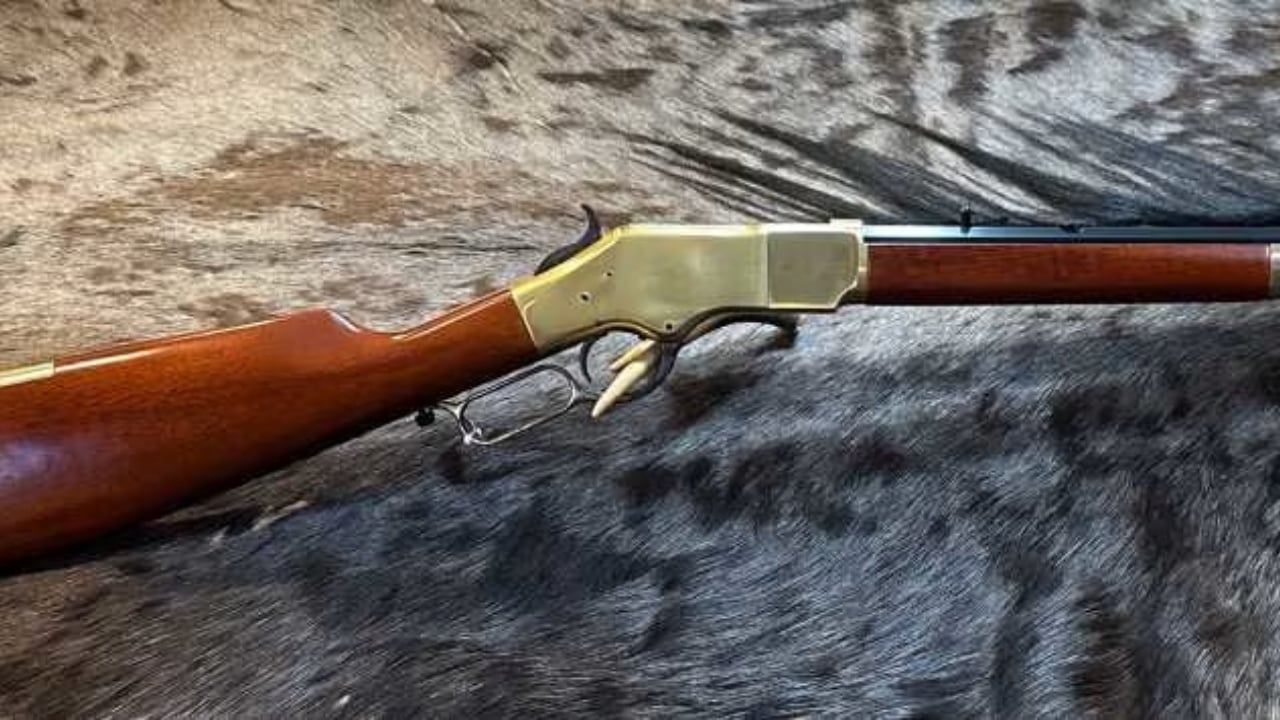
The 1866 Yellowboy does not earn its place by being the most practical hunting rifle here. It earns it because very few centerfire rifles are this pleasant to shoot. The brass-colored receiver, octagonal-barrel options, and classic lines make it one of the prettiest reproductions available, but the real attraction is the action.
With a mild pistol cartridge such as .38 Special or .45 Colt, an 1866 barely moves under recoil. The relatively heavy rifle settles naturally on target, and the toggle-link action cycles with a smoothness that encourages you to keep shooting. It is a great choice for steel targets, cowboy-action shooting, or simply owning a functional piece of lever-action history. Not every rifle purchase has to be justified by deer season.
Ruger 96/44

The Ruger 96/44 is one of the forgotten lever actions that becomes more interesting as modern lever-gun prices climb. Instead of copying Winchester or Marlin, Ruger built the Model 96 around a short-throw lever system and a detachable rotary magazine. The .44 Magnum version essentially gives you some of the familiar Ruger carbine concept in lever-action form.
It is an especially useful used-market rifle for thick woods. The rifle is short, quick, and chambered in a cartridge that performs considerably better from a carbine barrel than from a handgun. The detachable magazine also sidesteps some of the loading quirks associated with tubular magazines. Production did not last long enough for the Model 96 to become common, so prices can vary, but it remains one of the more interesting alternatives for someone tired of conventional lever designs.
Sako Finnwolf VL63
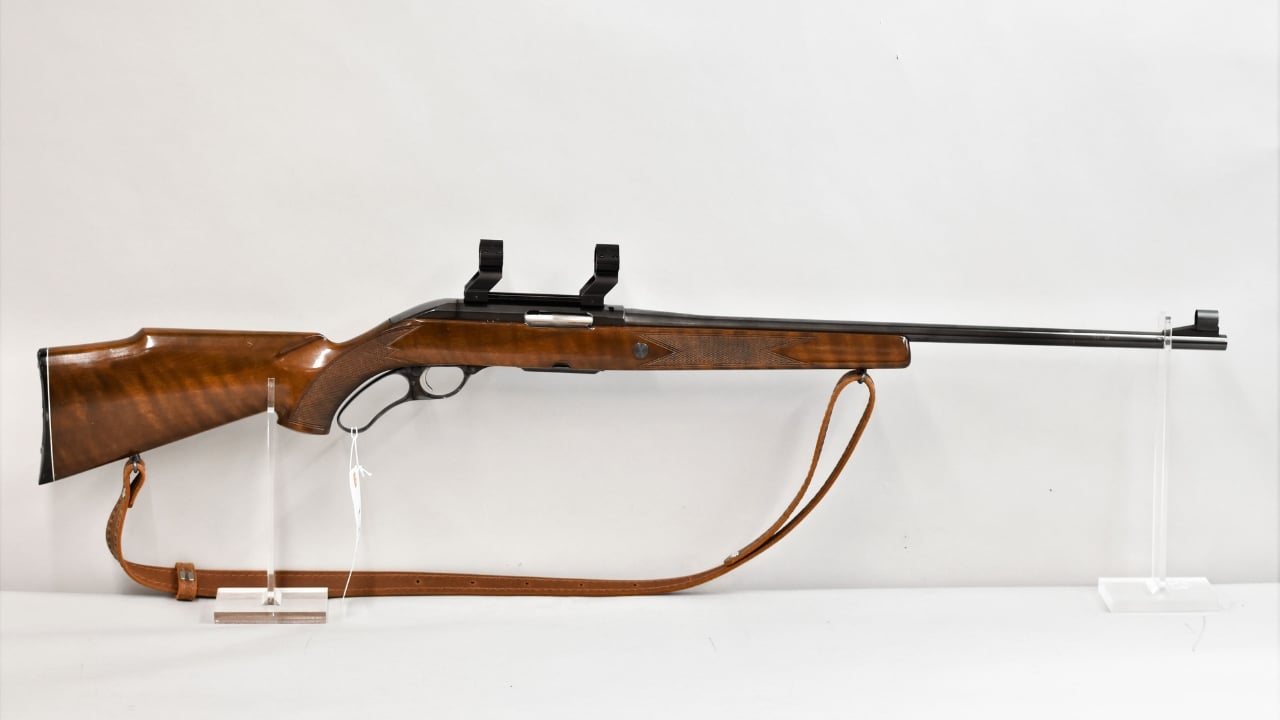
The Finnwolf is proof that lever rifles did not have to stay trapped in the traditional tube-magazine format. Sako built the VL63 around a detachable box magazine, allowing it to use conventional spitzer bullets in cartridges such as .243 Winchester and .308 Winchester. The result was a lever rifle that behaved much more like a premium bolt-action hunting rifle.
Used examples are collectible enough that you probably will not drag one through briars without thinking twice, but the design remains genuinely useful. The action is smooth, the rifles have a reputation for excellent accuracy, and the stock geometry feels more like a European sporting rifle than a cowboy carbine. If you want a lever action because you like the operating system rather than Old West styling, the Finnwolf is still one of the most interesting choices ever made.
Browning Model 71
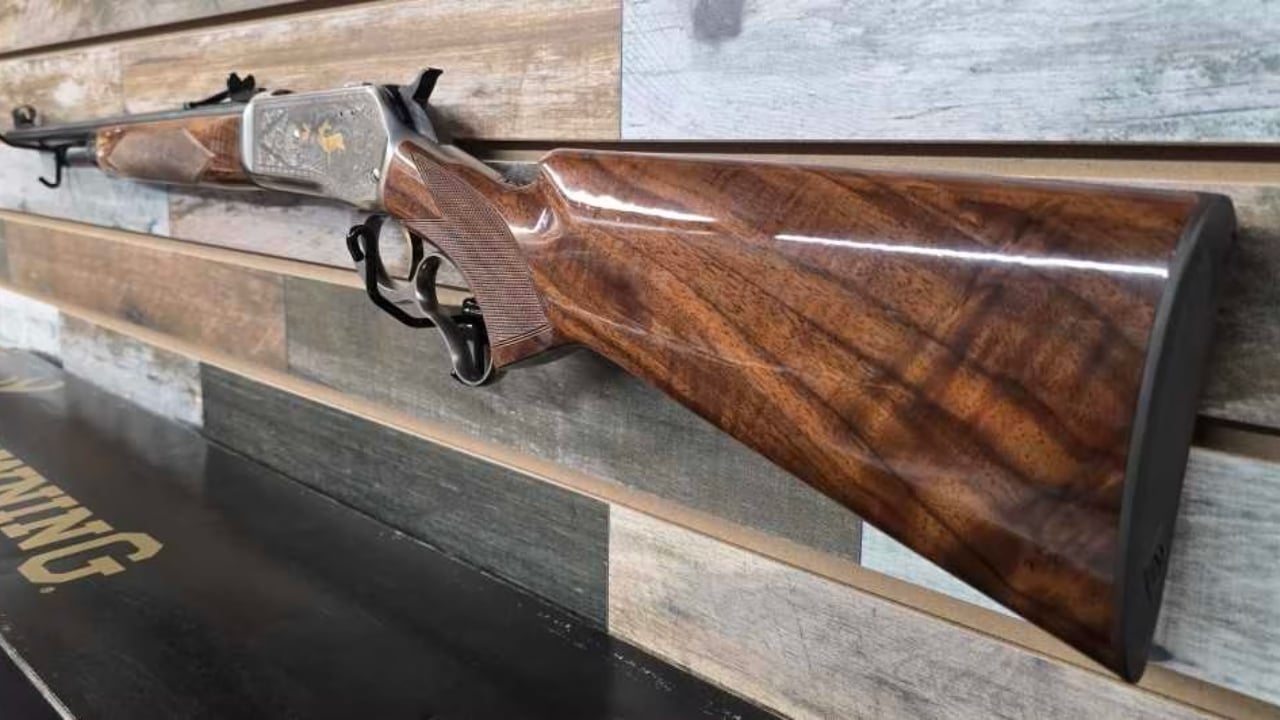
Browning’s reproduction of the Model 71 gave shooters another chance at one of Winchester’s great big-game lever rifles. Chambered in .348 Winchester, it occupies a completely different category from lightweight pistol-caliber carbines. This is a substantial hunting rifle built around a substantial hunting cartridge.
The problem today is ammunition. .348 Winchester is nowhere near as easy or inexpensive to feed as .30-30, .357 Magnum, or .45-70. If you are willing to deal with that, though, the Model 71 provides a shooting experience very few modern rifles can duplicate. The long receiver, smooth action, and excellent balance make it feel like a serious North American hunting rifle. It is a specialist’s choice, but being specialized does not make it obsolete.
Marlin Model 39A
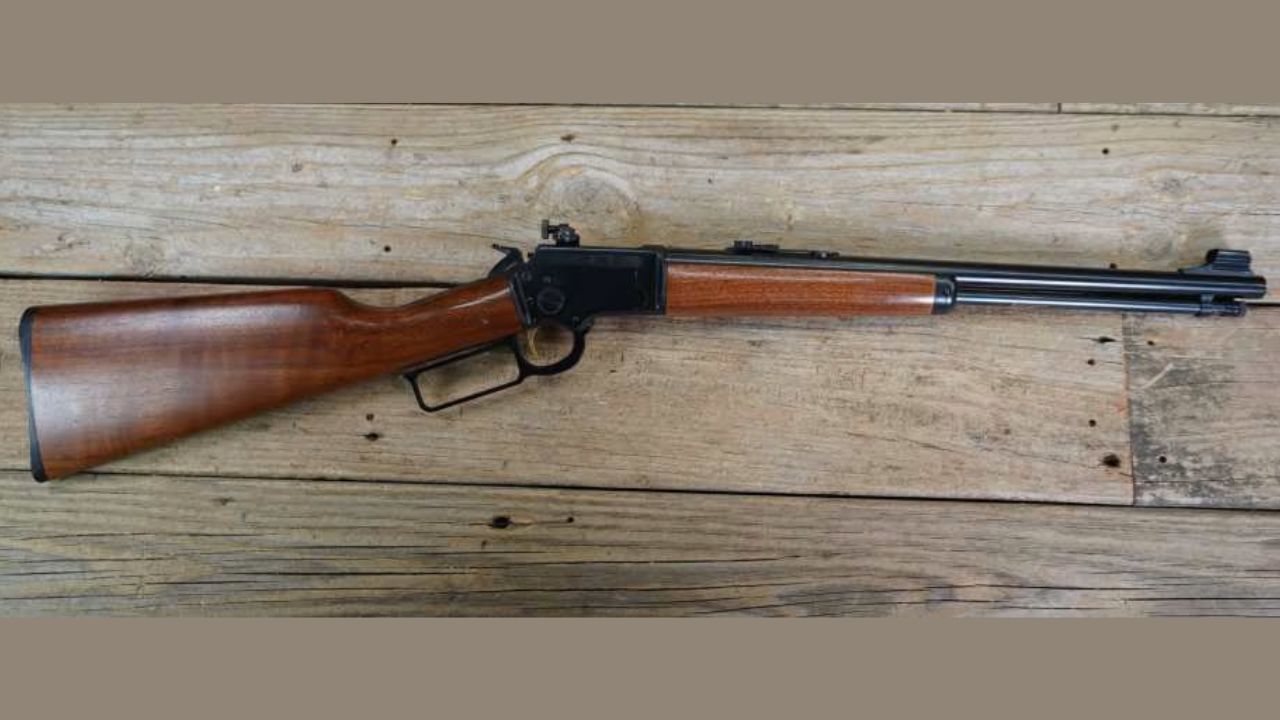
A clean Model 39A remains one of the best lever-action rimfires you can buy, even though buying one now generally means searching the used market. The rifle is substantially heavier and more solid than many modern .22s, and that construction gives it a wonderfully steady feel when shooting offhand.
The takedown design, tubular magazine, and ability to run common .22 rimfire ammunition made the 39A useful for generations. More importantly, these rifles are simply enjoyable to shoot. There is almost no recoil, the action encourages deliberate cycling, and the mechanical quality of good examples makes many modern rimfires feel disposable. Prices have risen because people finally realized how good they are, but a well-kept 39A is still a rifle you can shoot for the rest of your life.
Winchester Model 64

The Model 64 took the basic Winchester lever-rifle concept and turned it into a more refined sporting rifle. The pistol-grip stock and longer fore-end make it feel less like a saddle carbine and more like a dedicated hunting gun, while common .30-30 versions retain one of the most useful woods cartridges ever made.
That combination still works today. A Model 64 carries flat against the body, comes naturally to the shoulder, and gives you fast follow-up shots without adding the width or protruding magazine of a semiautomatic. Good originals are increasingly collectible, so condition matters. Still, shooters who want an older Winchester they can actually hunt with should not automatically overlook the 64 in favor of the far more famous Model 94.
Savage 99F
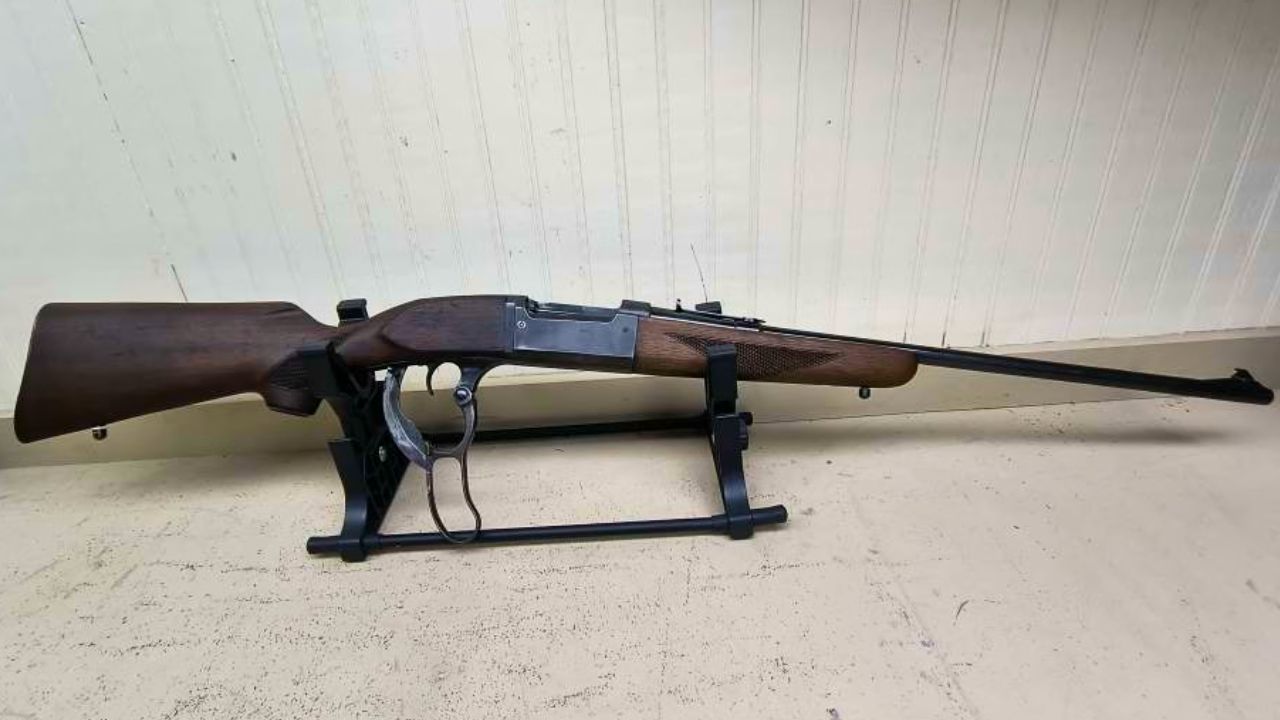
The Savage 99F remains one of the most sophisticated classic lever rifles, especially when chambered in .300 Savage. Instead of relying on a tubular magazine, the Model 99 could use pointed bullets, which let it compete with bolt-action hunting rifles in ways many traditional lever guns could not. The hammerless receiver also gives the rifle wonderfully clean lines.
The lighter 99F versions are particularly good hunting rifles because they carry easily without sacrificing the advantages of the action. A good .300 Savage rifle still has more than enough performance for deer and similar game at sensible distances. Ammunition selection is nowhere near what it once was, but the rifle itself has not become any less capable. If you find a clean shooter rather than a pristine collectible, it can still earn its keep every fall.
Rossi Rio Bravo

Not every lever gun needs to cost more than a centerfire bolt rifle. The Rio Bravo gives shooters a relatively affordable route into a lever-action .22 without forcing them to search the used market for an older Winchester or Marlin.
That makes it particularly attractive as a family rifle. Recoil is essentially nonexistent, ammunition is inexpensive, and the lever action slows the shooting pace just enough to make every shot feel deliberate. It can handle informal target shooting, small-game use, and the endless tin-can sessions that make rimfires fun in the first place. The finish may not have the elegance of a collectible rimfire lever gun, but that also means you can actually use it without worrying about every scratch.
Citadel Levtac-92
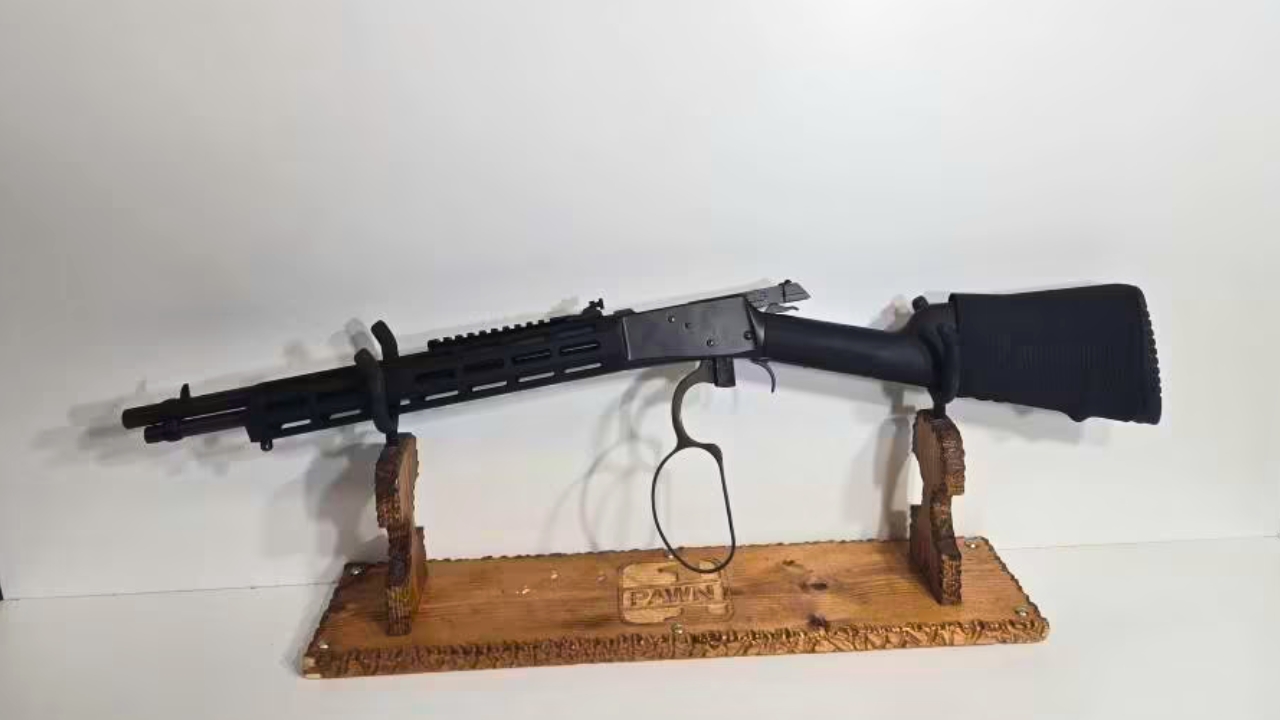
The Levtac-92 is aimed squarely at shooters who like the lever action but have no interest in keeping everything historically correct. It takes the compact Model 1892-style action and combines it with modern furniture and attachment capability, creating a rifle that is much easier to configure with lights, optics, and other contemporary equipment.
Traditionalists will understandably prefer walnut and blued steel, but there is real utility behind the appearance. A pistol-caliber lever gun remains short, narrow, and easy to handle, while modern furniture gives the shooter more freedom to tailor the rifle to a particular use. Chamberings such as .357 Magnum are particularly appealing because they give you inexpensive .38 Special practice along with considerably stronger magnum loads when needed.
POF-USA Tombstone
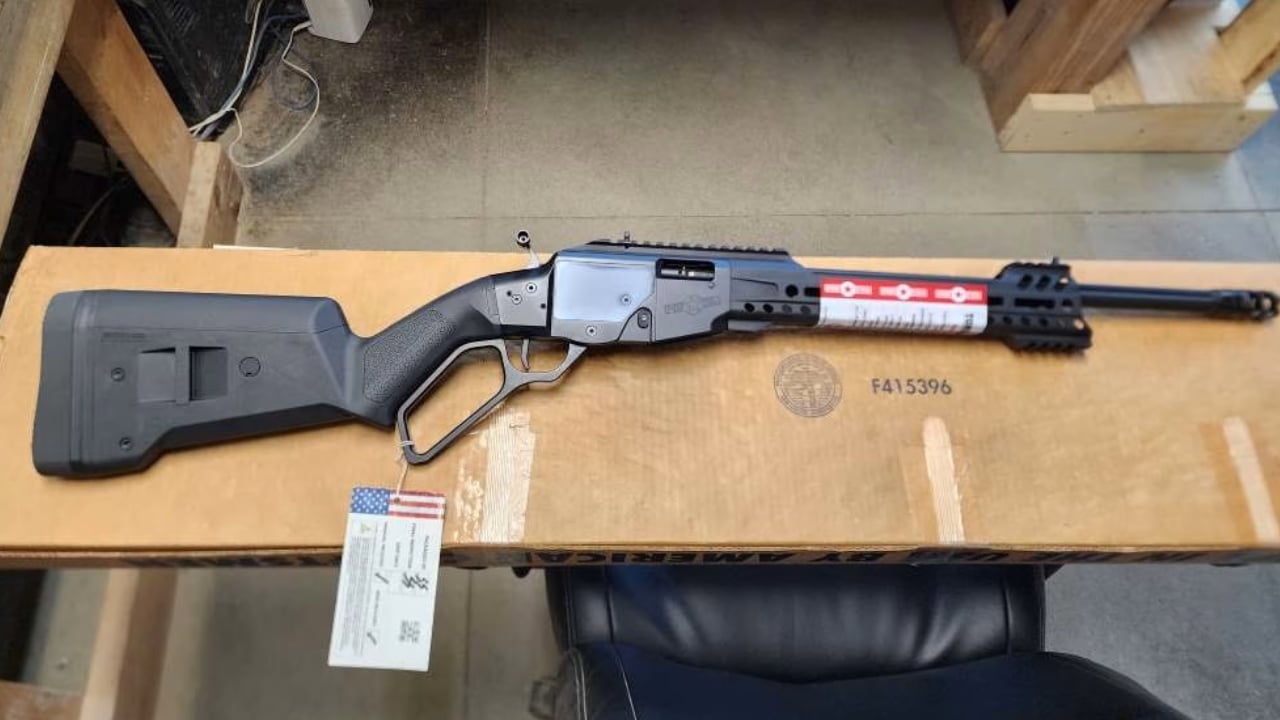
The Tombstone is one of the strangest rifles to come out of the recent lever-action revival, and that is exactly why it deserves attention. Instead of adapting a traditional hunting cartridge, POF built a modern lever rifle around 9mm and detachable magazines. The result looks more like a modern defensive carbine that happens to use a lever than anything John Browning would immediately recognize.
There is a legitimate use case behind the weirdness. 9mm is relatively inexpensive, recoil is extremely mild, and many shooters already keep substantial quantities of it around for handguns. The rifle is not going to replace a .30-30 for deer hunting or a .45-70 for heavy game, but as a range and utility carbine it offers something genuinely different. Modern lever guns are more interesting when manufacturers stop merely copying old ones.
Winchester Model 1895
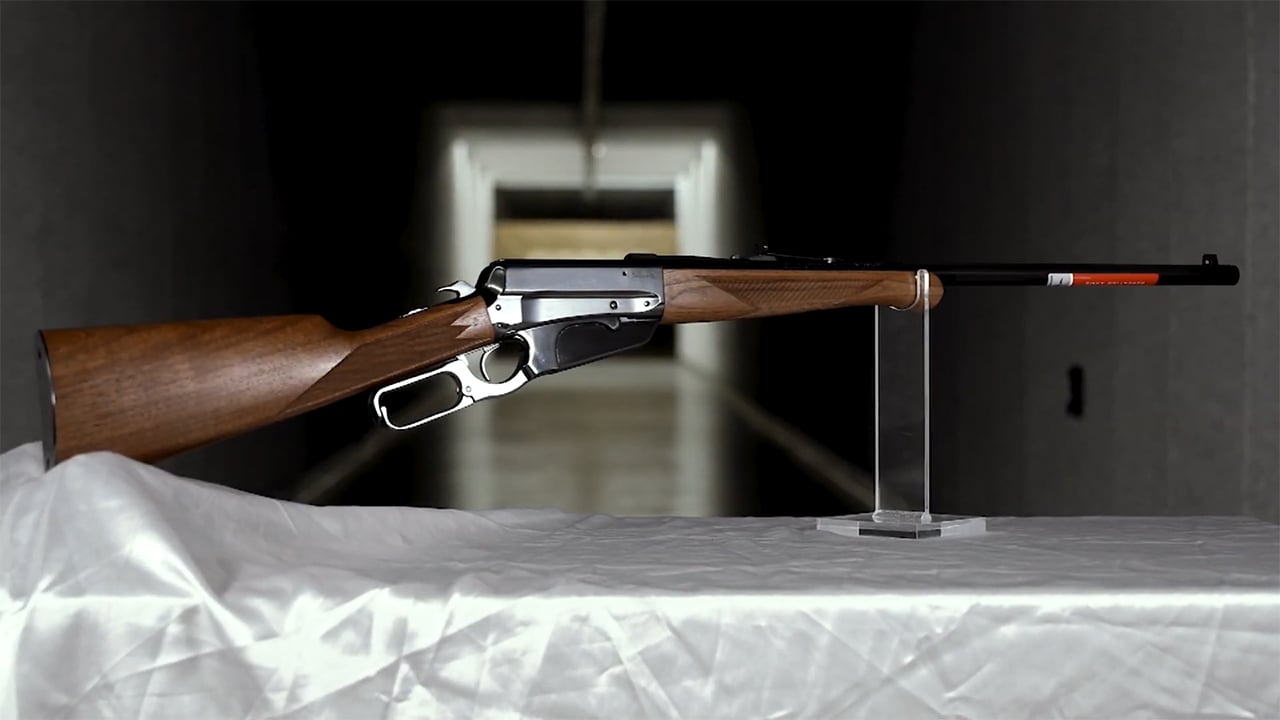
The 1895 remains one of the best choices for someone who wants a traditional lever action chambered for cartridges that normally belong in bolt rifles. Its box-magazine design allowed Winchester to use pointed bullets and powerful cartridges without the restrictions of a tubular magazine.
It is also unmistakably different from the more common Model 94 pattern. The action is larger, the receiver has a distinctive profile, and the rifle feels more like an early 20th-century big-game gun than a compact deer carbine. Some versions are heavy, and certain chamberings are expensive to feed, but the 1895 remains capable rather than merely historic. Winchester continues to maintain the Model 1895 among its current lever-action rifle platforms.
Marlin Model 1894 Classic
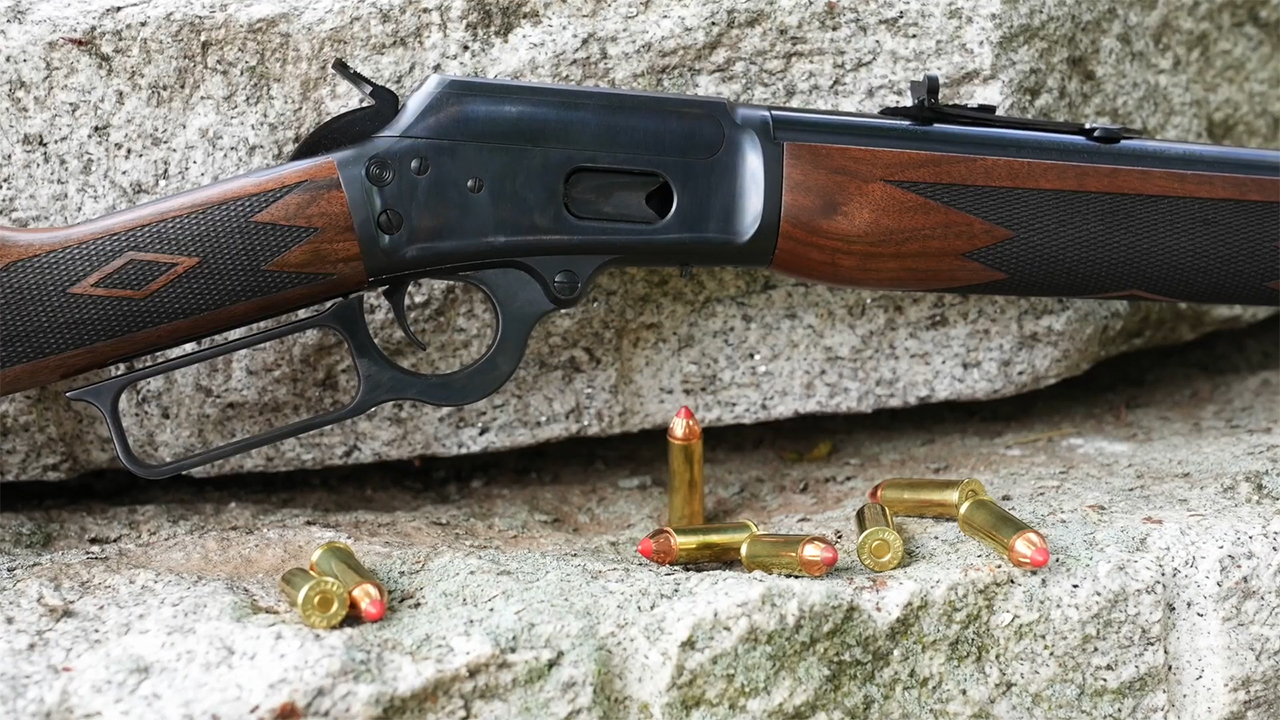
The current Ruger-built Marlin 1894 Classic brings the pistol-caliber Marlin back in a form that stays close to the traditional formula. The .44 Magnum version uses a 20-inch barrel, American walnut furniture, and the familiar tube-fed action rather than turning the gun into another rail-covered tactical carbine. It can also fire .44 Special, which makes practice considerably softer.
What keeps the 1894 relevant is versatility. Full-power .44 Magnum from a rifle-length barrel gives the cartridge substantially more authority than many shooters associate with revolver ammunition, while lighter .44 Special loads make the same rifle enjoyable for casual shooting. Ruger officially brought the model back in 2023, and that return gave hunters a fresh-production option instead of forcing everyone into increasingly expensive used Marlins.
Henry Frontier .17 HMR
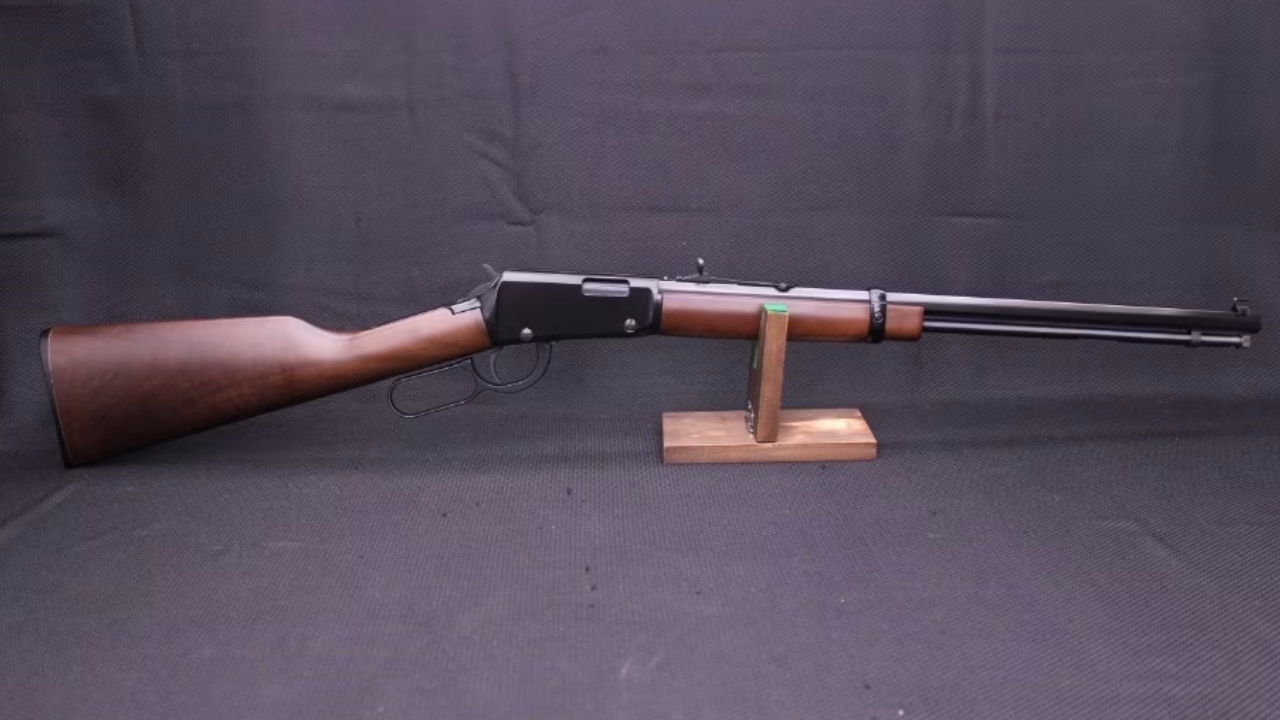
Most lever-action rimfire conversations start and end with .22 LR, but the Frontier in .17 HMR gives the format considerably more reach. The cartridge shoots flatter than traditional .22 rimfire ammunition and works particularly well for small game, varmints, and targets where you want a little more precision at distance.
The lever action makes the rifle more enjoyable without hurting its practical usefulness. There is essentially no meaningful recoil, the tubular magazine keeps the profile clean, and the longer barrel gives the gun a steady feel from field positions. Ammunition costs more than .22 LR, so it is not the rifle for burning through bricks of ammunition. For someone who wants a lever rimfire that can do more than casual plinking, though, the .17 HMR version makes a strong case.
Winchester Model 88

The Model 88 deserves attention whenever used lever rifles come up because it was effectively Winchester’s attempt to build a lever gun for the bolt-action era. It uses a rotating bolt and detachable box magazine, allowing cartridges such as .243 Winchester, .308 Winchester, and .358 Winchester depending on the version. That gave hunters conventional rifle-ballistic performance without abandoning the lever.
Today, a good Model 88 remains an exceptionally useful deer rifle. It carries flat, cycles quickly, and feels much more modern than its production dates would suggest. Triggers are not generally the highlight, and pristine examples have become collectible, but a sound shooter can still make an excellent hunting rifle. If you want a lever action because you genuinely like operating one rather than because you need a cowboy aesthetic, the Model 88 remains difficult to dismiss.
Like The Avid Outdoorsman’s content? Subscribe to our newsletter so you never miss an article.
Here’s more from us: