Photo credit: Colion Noir/Youtube
When you spend your weekdays fitting barrels, chasing tolerances, and fixing other people’s “simple” home projects, your off-the-clock carry gun ends up being a pretty honest thing. Most gunsmiths aren’t trying to impress anyone at the gas station. They want boring reliability, easy parts, magazines that actually show up in stock, and a trigger they can live with after 500 dry presses.
I’ve asked enough of them over the years—at the counter, at the range, and in the back of shops—to notice patterns. Sure, there’s some personal taste, and yes, a few carry something with some soul. But the list below is what comes up again and again: pistols that run, pistols that are easy to keep running, and pistols that make sense when you’re the guy everybody else calls when their stuff stops working.
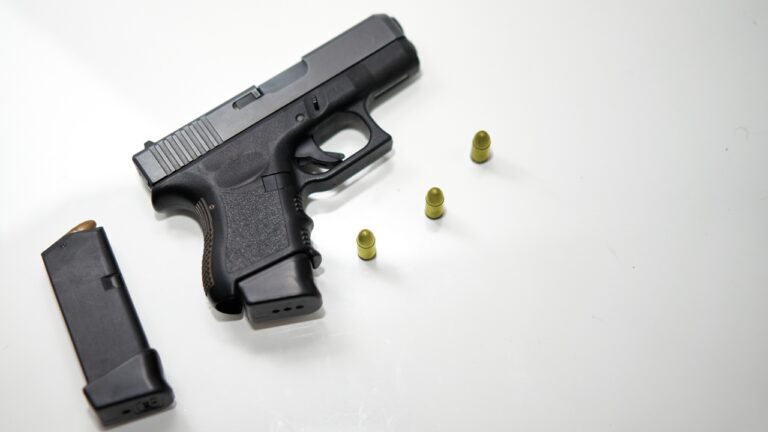
1. Glock 19 (Gen 3/4/5)
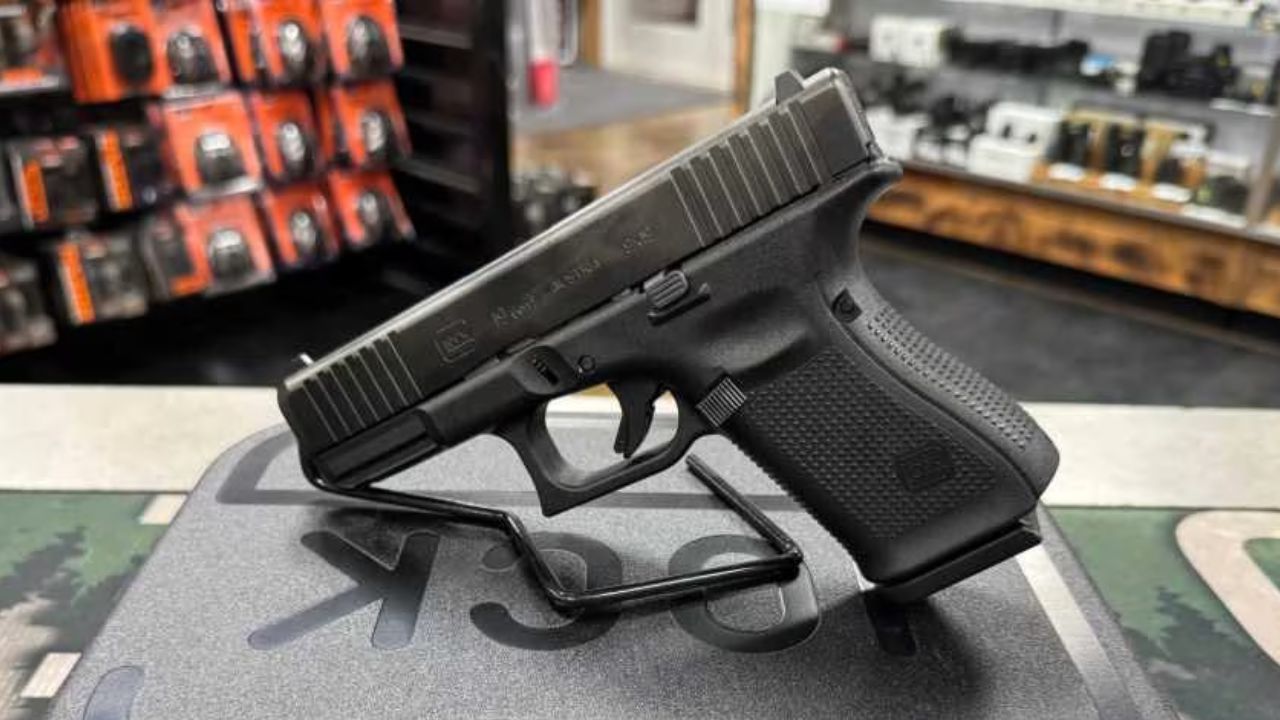
If you want the “no surprises” answer, this is it. The Glock 19 carries like a compact but shoots like a duty gun, and it’s forgiving when life gets in the way of range time. Gunsmiths like guns that don’t demand attention, and a 19 will happily go a long time with basic maintenance.
Parts are everywhere, magazines are everywhere, and holster support is basically endless. It’s not romantic, and it’s not supposed to be. When a pistol is your daily tool, boring starts looking smart.
2. Glock 43X

The 43X is what you see on guys who want something slimmer than a 19 but don’t want to step all the way down into “tiny gun” problems. It points naturally, it hides under a flannel or a light jacket, and it doesn’t beat you up at the range.
It’s also simple to live with. In the real world, that matters more than internet arguments about capacity or what’s “optimal.” A gun you actually carry wins.
3. Glock 48
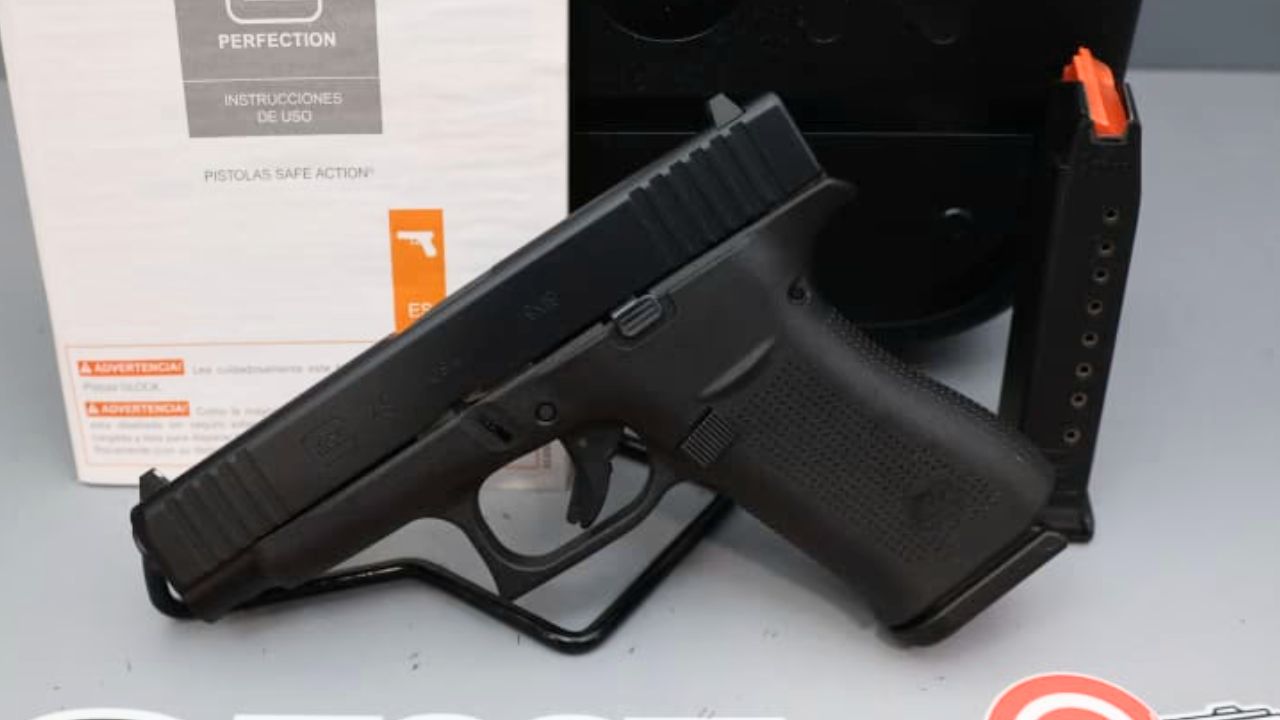
Same general idea as the 43X, just with a longer slide that settles the gun down. A lot of folks shoot the 48 noticeably better, especially when they’re trying to run it like a service pistol. That extra sight radius and weight out front helps.
If you spend your days diagnosing little problems, you start appreciating designs with fewer little problems. The 48 fits that bill.
4. SIG Sauer P365

The P365 is the gun that made a lot of people rethink what “small” can be. It carries easy, shoots bigger than it looks, and the aftermarket is deep. Gunsmiths carry them because they’re practical, not because they’re chasing trends.
The other thing: the P365 is easy to tailor to the person. Different grip modules, different sights, different feels—without turning into a science project.
5. SIG Sauer P365 XL

The XL is what you get when you want the P365 concept but you’re honest about your hands. The longer grip gives better control, and the longer slide tends to run flatter. If you’re putting rounds downrange regularly, that starts to matter.
I’ve also noticed the XL comes up with guys who spend time outdoors—driving, bending, climbing in and out of trucks—because it’s still comfortable while being easier to shoot well.
6. SIG Sauer P365 XMacro

The XMacro is the “I want one gun to do most things” version. It’s still slim, but it’s closer to a duty-size feel. For gunsmiths, it scratches that itch of carry comfort without giving up shootability.
It’s also a gun that tends to run when it’s kept stock and fed decent ammo. That’s usually the unspoken qualifier in a gunsmith’s carry choice: keep it sane.
7. Smith & Wesson M&P9 M2.0 Compact
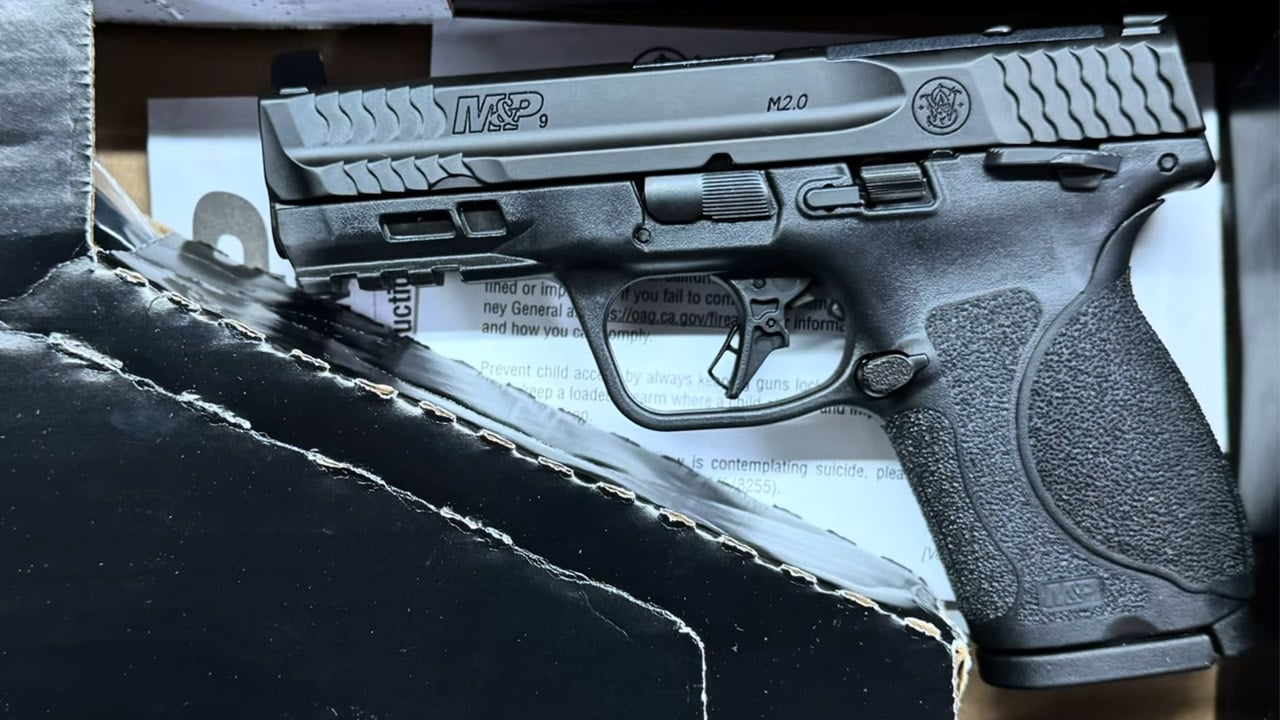
The M&P Compact is a working-man pistol. Good texture, good ergonomics, and it points fast. Plenty of gunsmiths trust them, especially the later 2.0 versions that tightened things up.
Also, magazines and parts aren’t exotic. If a spring wears out, you’re not waiting on a unicorn shipment to keep your daily gun alive.
8. Smith & Wesson Shield Plus
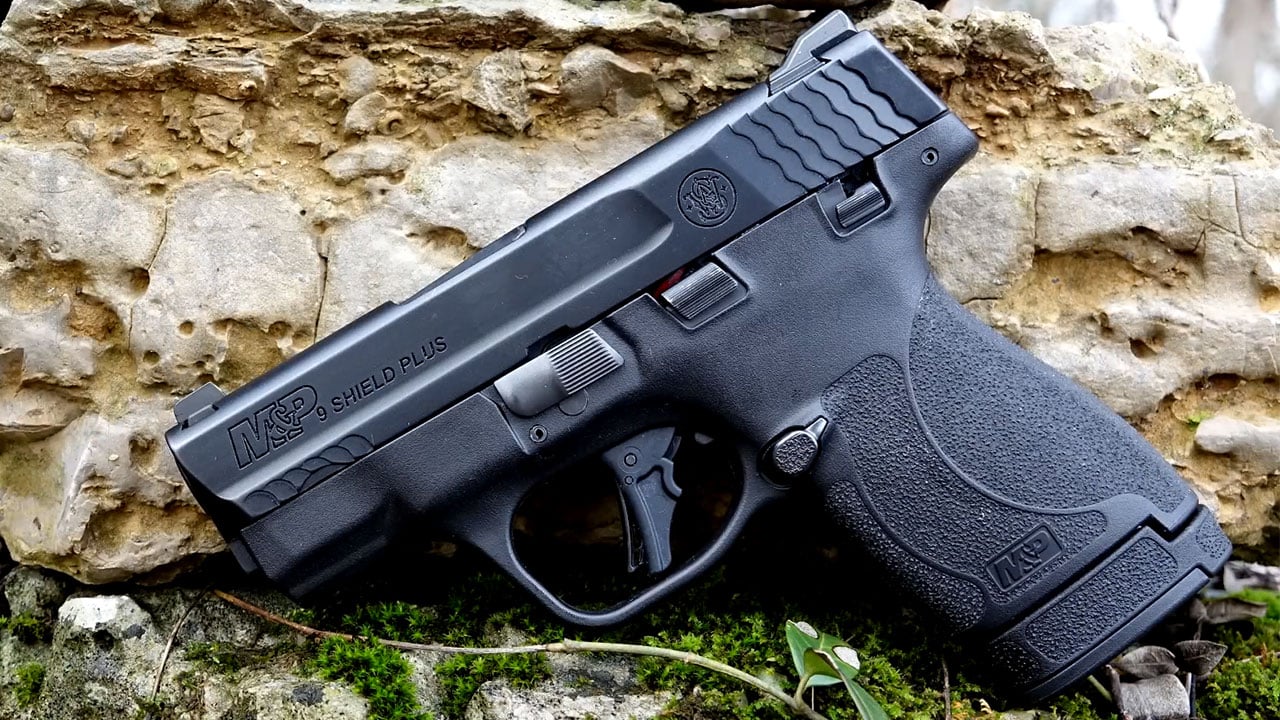
If you live in a T-shirt most of the year, the Shield Plus makes sense. It’s slim, light, and it’s one of the few small pistols that doesn’t feel like a compromise the minute you try to shoot a real drill.
It’s also a pistol that a lot of gunsmiths recommend to normal folks because it’s easy to run without “special handling.” There is nothing fancy about it, and that is kind of the point.
9. Ruger LCP II
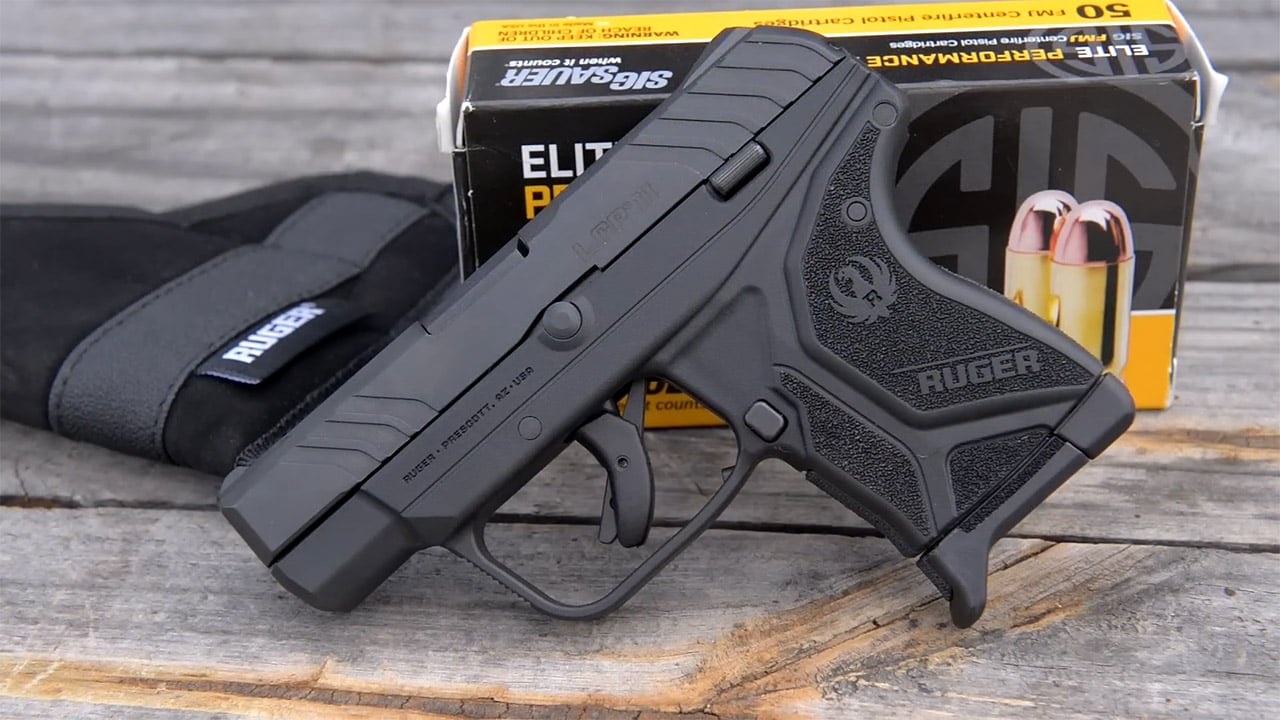
The LCP II shows up as a true “always” gun. Pocket carry, deep concealment, quick trips to town—this is the pistol that’s there when a bigger one isn’t. Gunsmiths aren’t immune to convenience.
No, it’s not a range toy. It’s snappy, it’s small, and it takes practice. But when the alternative is leaving a gun at home, the LCP II earns its keep.
10. Ruger LCR (in .38 Special)
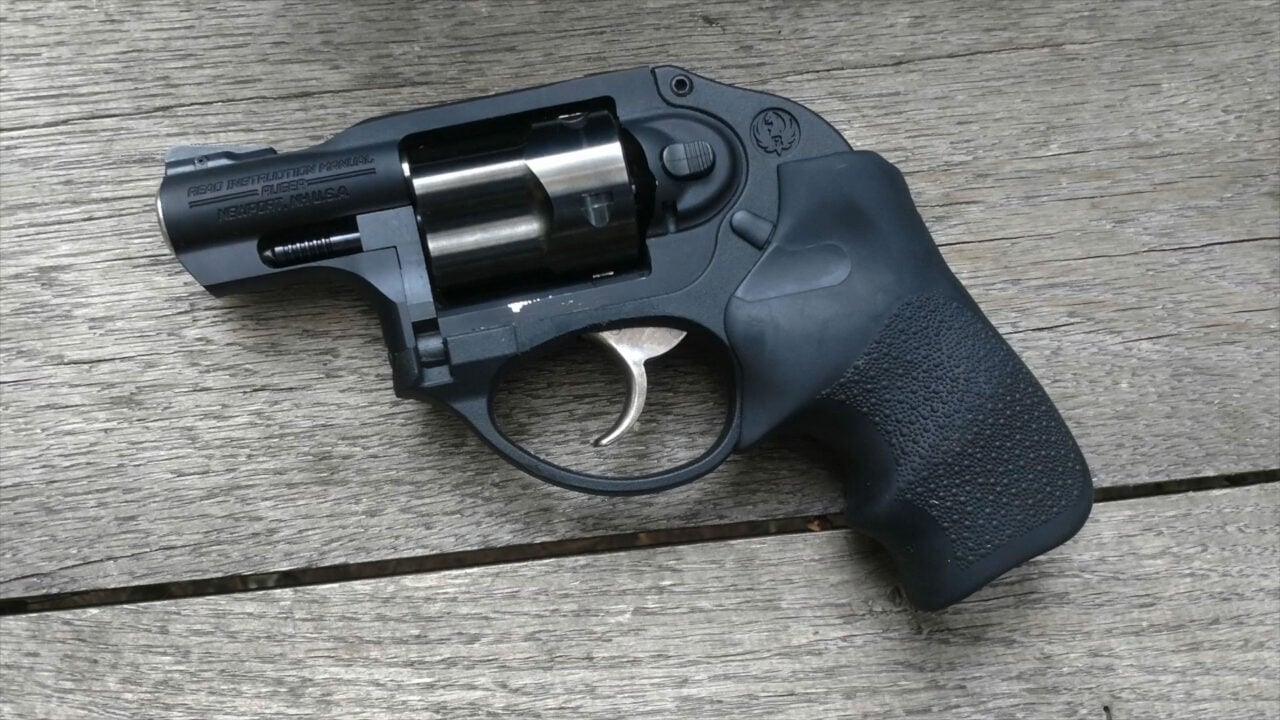
Revolvers still live in a lot of gunsmith pockets, especially the LCR. It’s light, it carries easy, and it doesn’t care if it rides in a dusty truck or gets ignored for a week. A good double-action revolver is a different kind of dependable.
.38 Special is common, manageable, and effective with the right load. And for an outdoorsman, a revolver is still hard to beat for “grab it and go” simplicity.
11. Ruger SP101
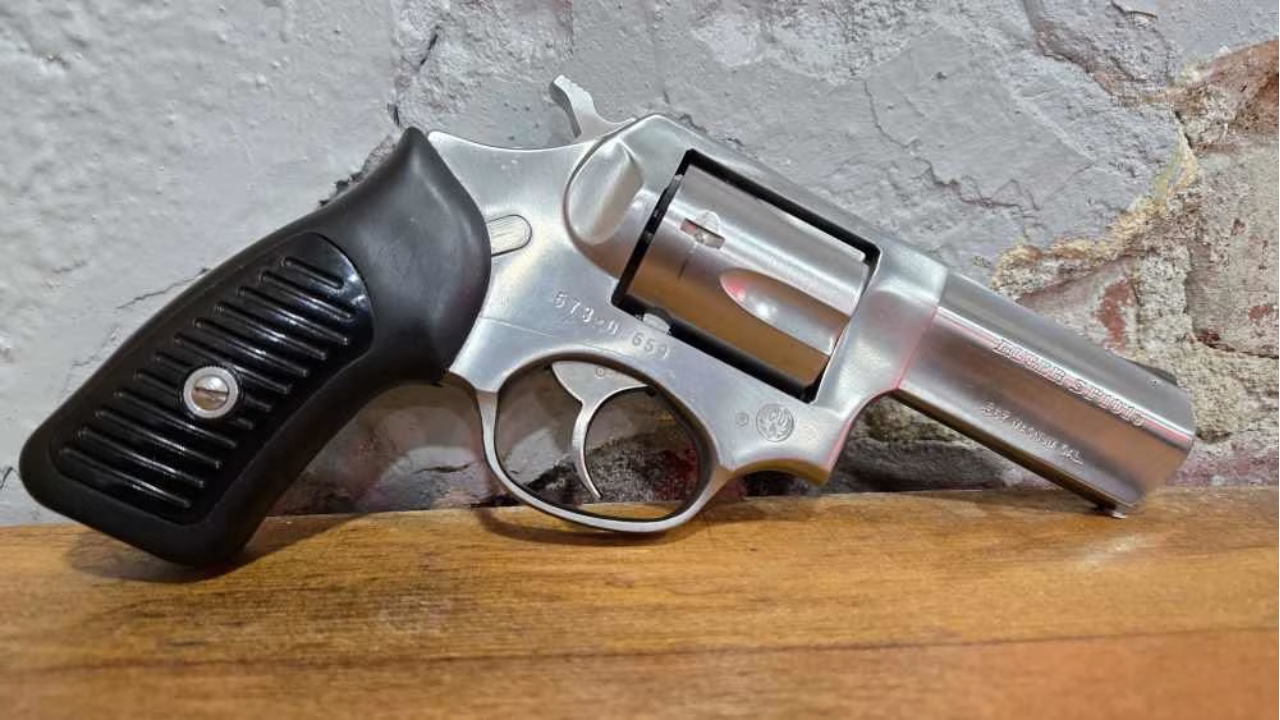
The SP101 is heavier than the LCR, but it shoots better for most hands and it’s built like a fence post. If you’re around the woods, around a farm, or around critters, a stout little revolver makes a lot of sense.
It’s also one of those guns you can hand down without apologizing for it. You might change grips, you might change sights, but the bones are solid.
12. Smith & Wesson Model 642 Airweight

The 642 is an old-school answer that keeps surviving new-school trends. Hammerless, snag-free, light enough to carry when you’re not “in the mood” to carry. Gunsmiths like tools that do exactly what they’re supposed to do.
The trade-off is shootability. Light revolvers take work. Still, for a pocket gun that behaves, the 642 is a classic for a reason.
13. Smith & Wesson Model 686 (2.5–3 inch)
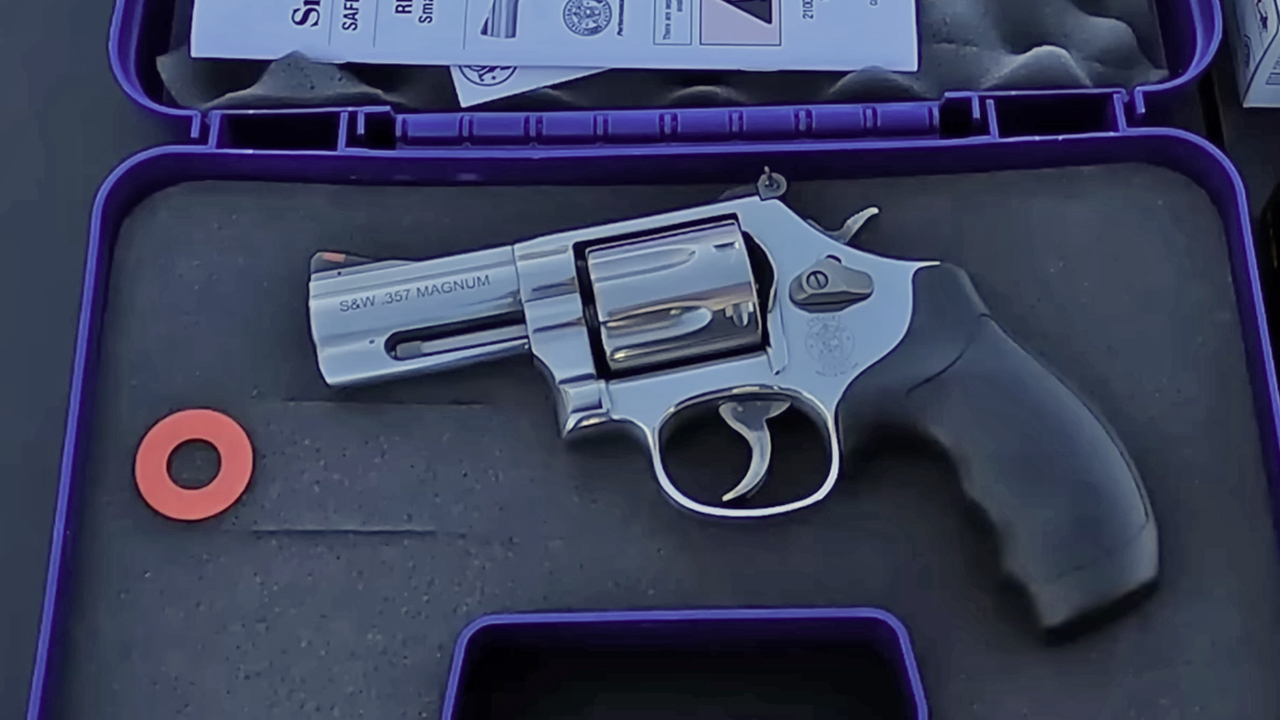
Now we’re into the “belt gun” revolver crowd. A short-barrel 686 is not light, and it’s not subtle, but it shoots like a dream. A lot of gunsmiths appreciate a revolver that can live on a steady diet of full-power loads without feeling fragile.
For outdoors use, the 686 also has that comforting “I can press the trigger again” reality when conditions are messy—rain, gloves, mud, whatever.
14. Colt King Cobra (3 inch)
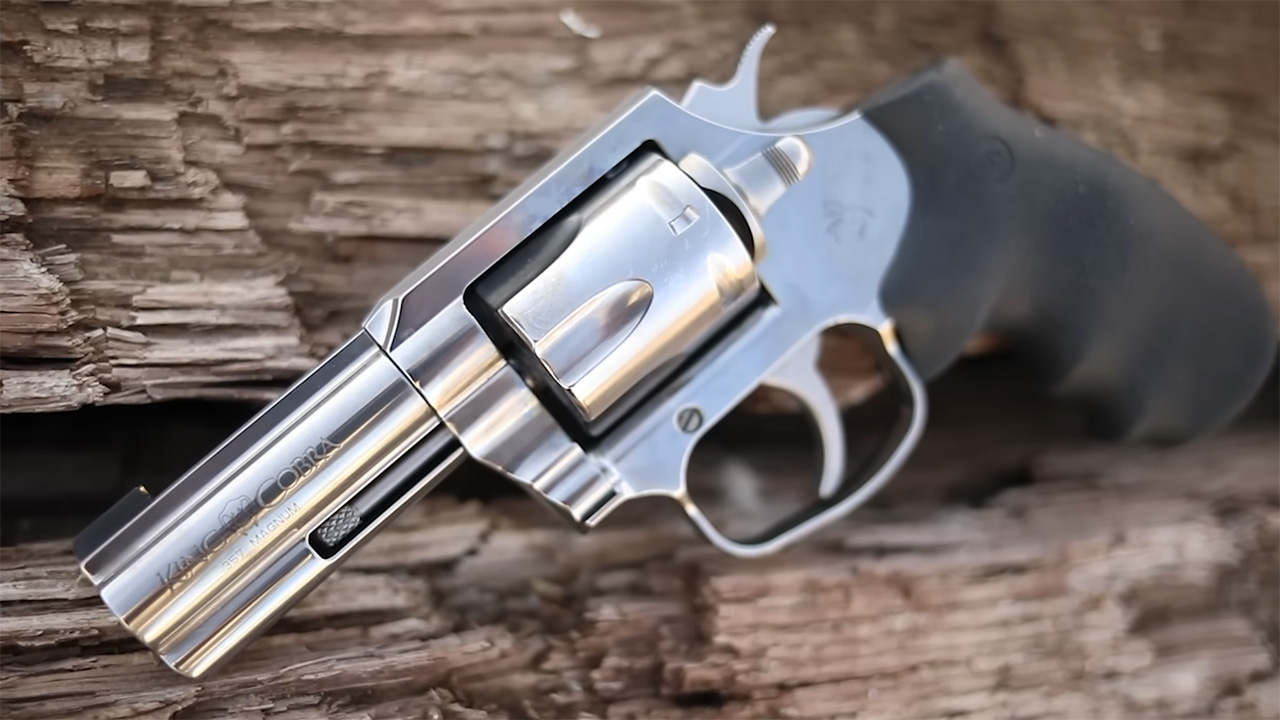
The King Cobra is one of those revolvers that feels like it was made by people who actually carry revolvers. The 3-inch version balances well, rides well, and gives you a little more than a snub without turning into a hip anchor.
It’s also got that Colt feel some folks just shoot better. Not everybody cares. The guys who do, really do.
15. Springfield Armory Hellcat
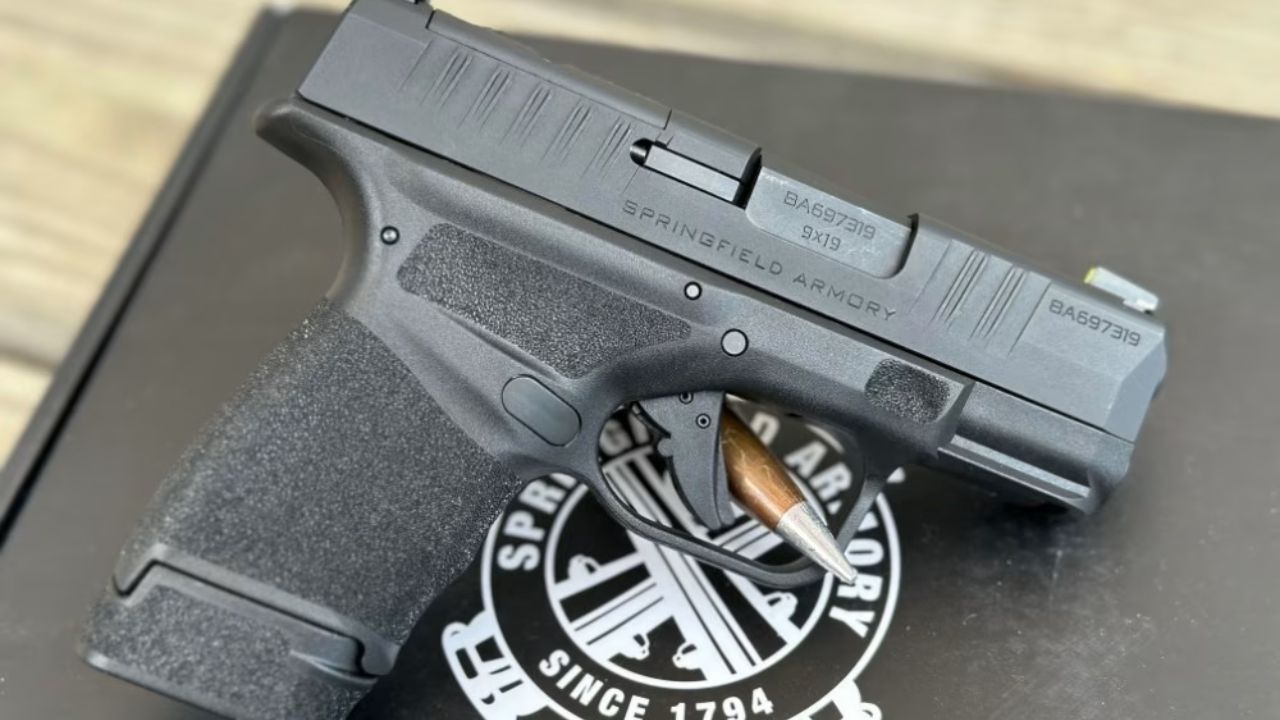
The Hellcat is another modern micro-compact that gunsmiths actually tote because it’s easy to live with. It’s small, it holds enough, and it’s built for real carry, not just gun-counter fondling.
It can be a little lively in the hand, like most of this class. If you’re willing to put in the reps, it rewards you with a whole lot of capability for the size.
16. Heckler & Koch VP9
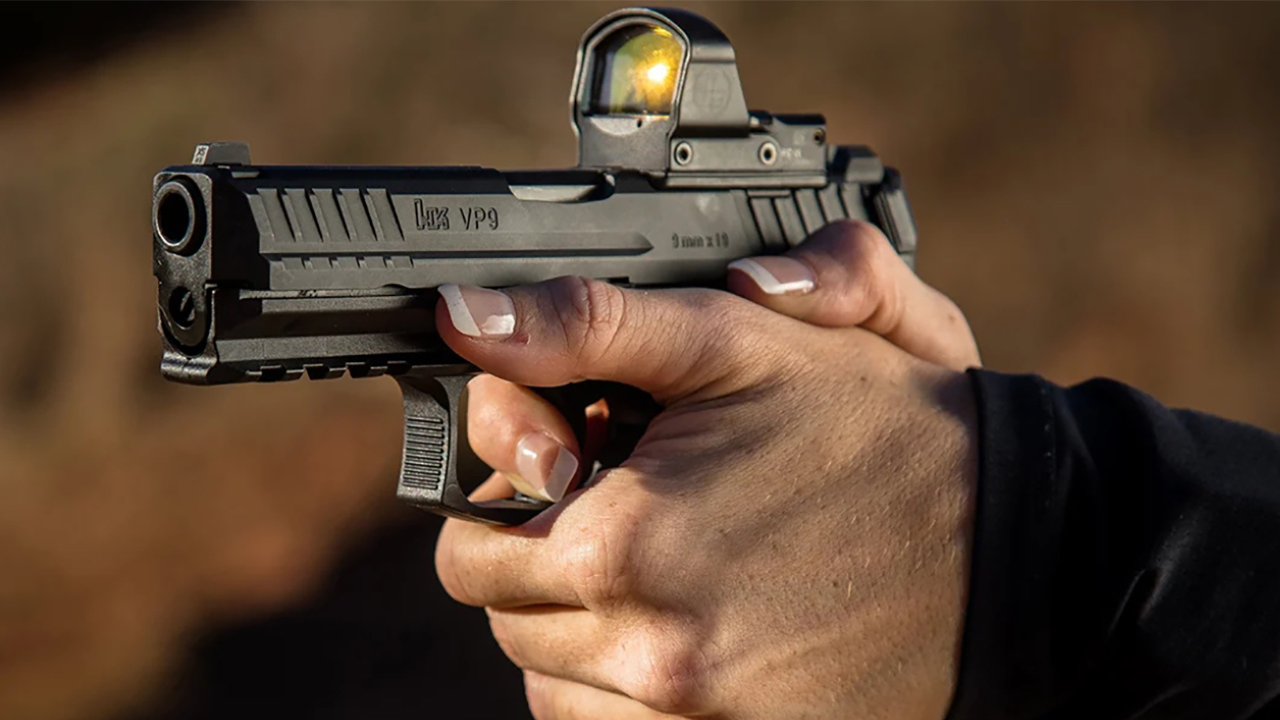
The VP9 tends to show up with guys who care about how a gun feels in the hand. The ergonomics are excellent, it’s accurate, and it’s soft shooting. Gunsmiths who carry HK usually aren’t trying to be different—they just like quality.
The downside is you’re not always going to find parts and mags as cheap as Glock or M&P. But the VP9 is a pistol that generally doesn’t create drama.
17. Heckler & Koch P30
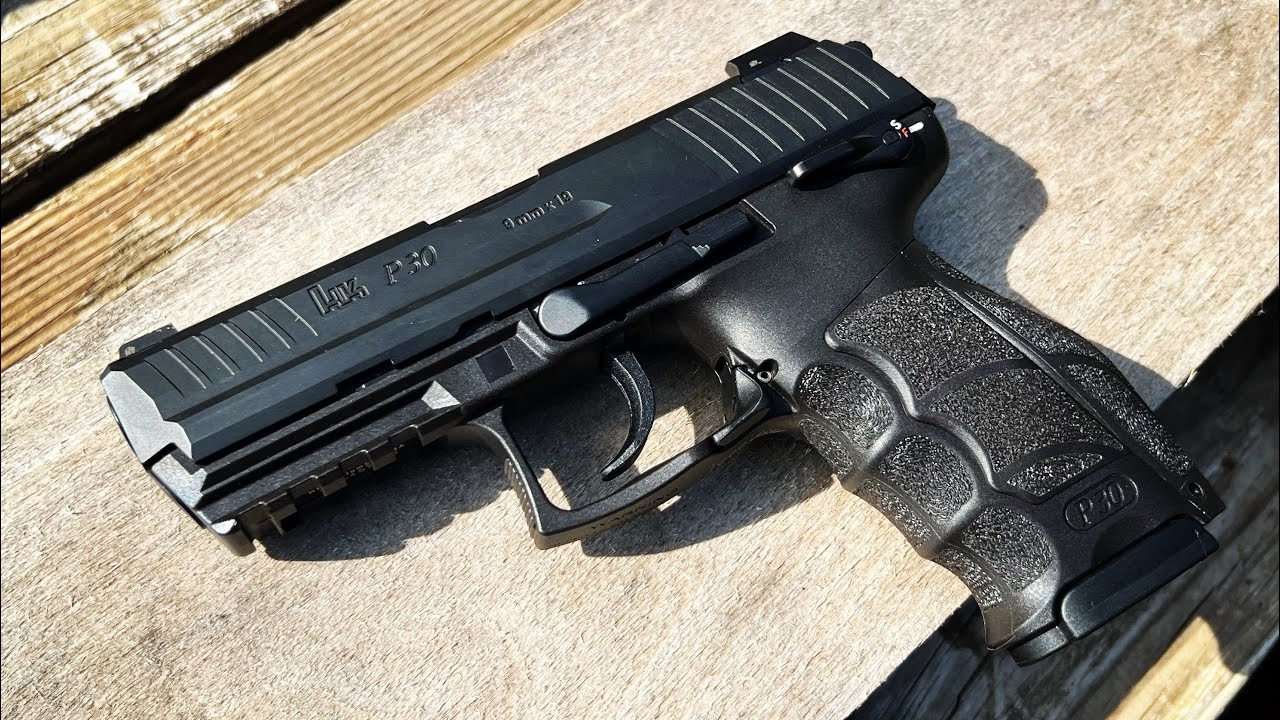
The P30 is another “built right” option, especially in the DA/SA setup for those who prefer it. The trigger system isn’t for everyone, and it takes practice. But it’s rugged and it runs in conditions that would make some pistols act picky.
I’ve noticed this is the choice of the gunsmith who is willing to train, and who wants a gun that feels like it was designed by engineers instead of marketers.
18. Beretta 92FS / M9
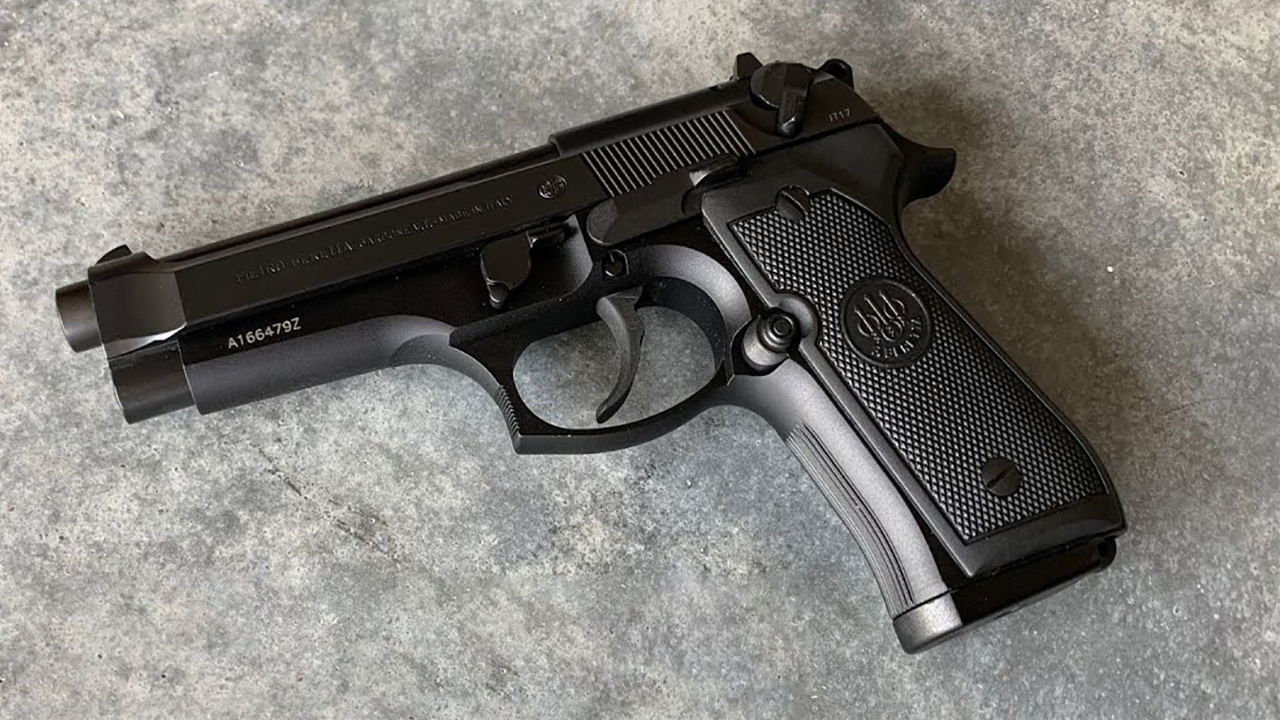
Yes, it’s big. Yes, it’s older. And yes, plenty of gunsmiths still carry a Beretta 92 because it’s reliable and shoots flat. The open-top slide design has a reputation for running when other guns start getting sluggish.
It’s not the easiest to conceal for everyone, but if you’re more “jacket and belt” than “gym shorts,” it’s doable. Also, it’s one of those pistols that just feels good when it cycles.
19. CZ 75 Compact (or PCR)
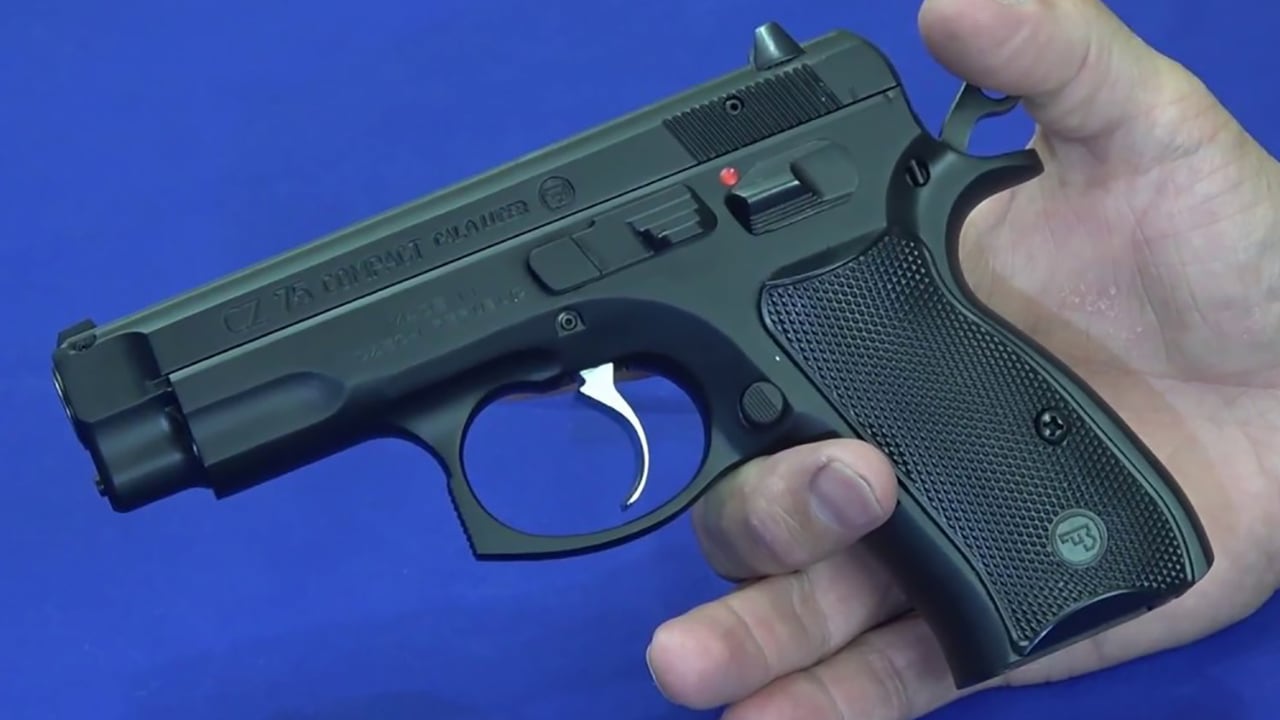
The CZ 75 Compact crowd is usually quiet about it, but they’re loyal. These pistols point naturally, the recoil impulse is friendly, and they tend to be accurate without trying. A lot of gunsmiths respect designs that balance well.
The decocker models like the PCR are especially popular for carry. The gun feels like it belongs on your belt, not like you’re strapping on a brick.
20. Kimber K6s (2 inch)

The K6s is the modern snub that converted some semi-auto guys back to a wheelgun for certain days. It’s compact, smooth, and built to be carried. The trigger on many of them is genuinely good for a small revolver.
It’s also a reminder that “simple” can still be smart, especially if you’re out checking fences, walking the property, or running into town for feed. No fuss, no chasing magazines, no wondering if lint got into something.
If you were expecting a list full of custom 1911s and rare European showpieces, this probably felt pretty plain. That’s the lesson. The guys who can make almost anything run usually choose the pistols that don’t need them in the first place—guns that carry comfortably, shoot predictably, and keep working when the novelty wears off. Whatever you carry, keep it reliable, keep it tested, and don’t let your daily gun turn into a hobby project.
Like The Avid Outdoorsman’s content? Subscribe to our newsletter so you never miss an article.
Here’s more from us: