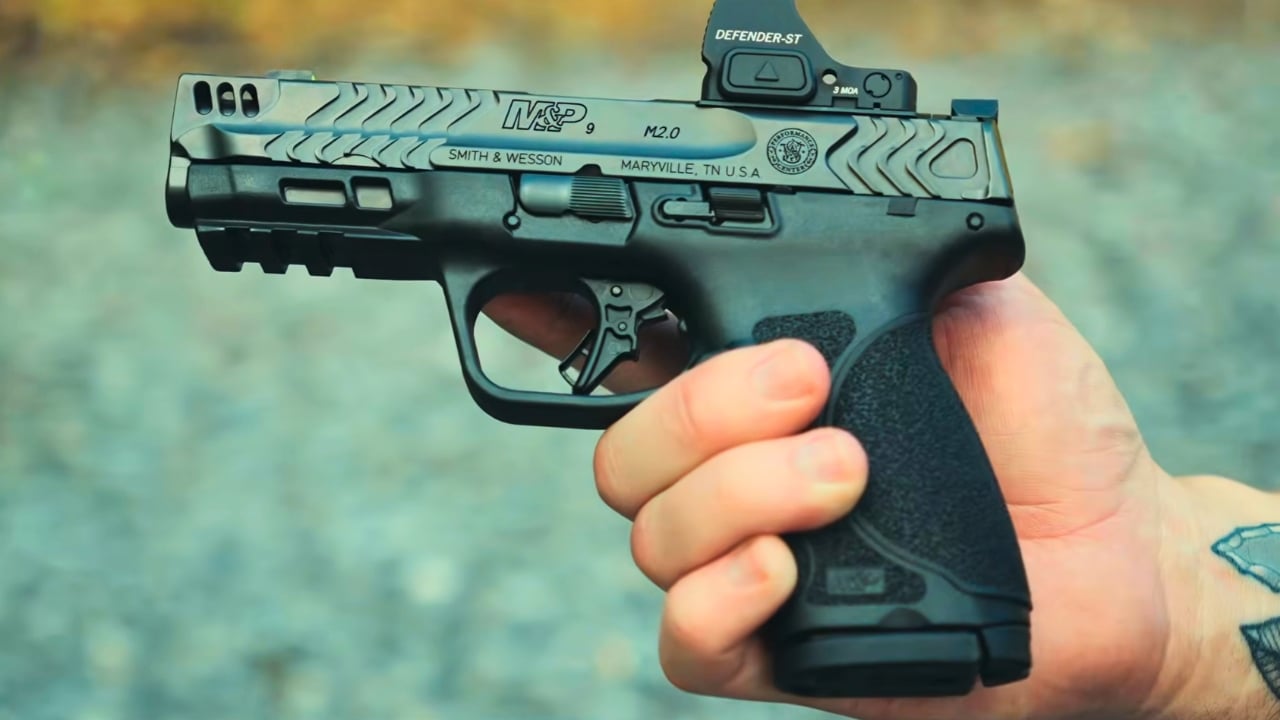
Photo credit: Smith & Wesson/YouTube
Compact 9mm pistols may be the most useful handguns on the market. They are large enough to shoot like serious defensive pistols but short enough through the grip and slide to carry every day without fighting your wardrobe. That middle ground gives you better recoil control, practical capacity, real weapon-light options, and enough sight radius or optic space to train seriously.
The category is also much better than it was even a few years ago. Buyers no longer have to choose between an easy-carry pistol and a gun that feels good at the range. Today’s best compacts offer excellent triggers, optics-ready slides, modular grip systems, integrated compensation, and capacities that used to require a full-size frame. These 20 are the compact 9mms I would put at the front of the line.
Glock 19 Gen 6
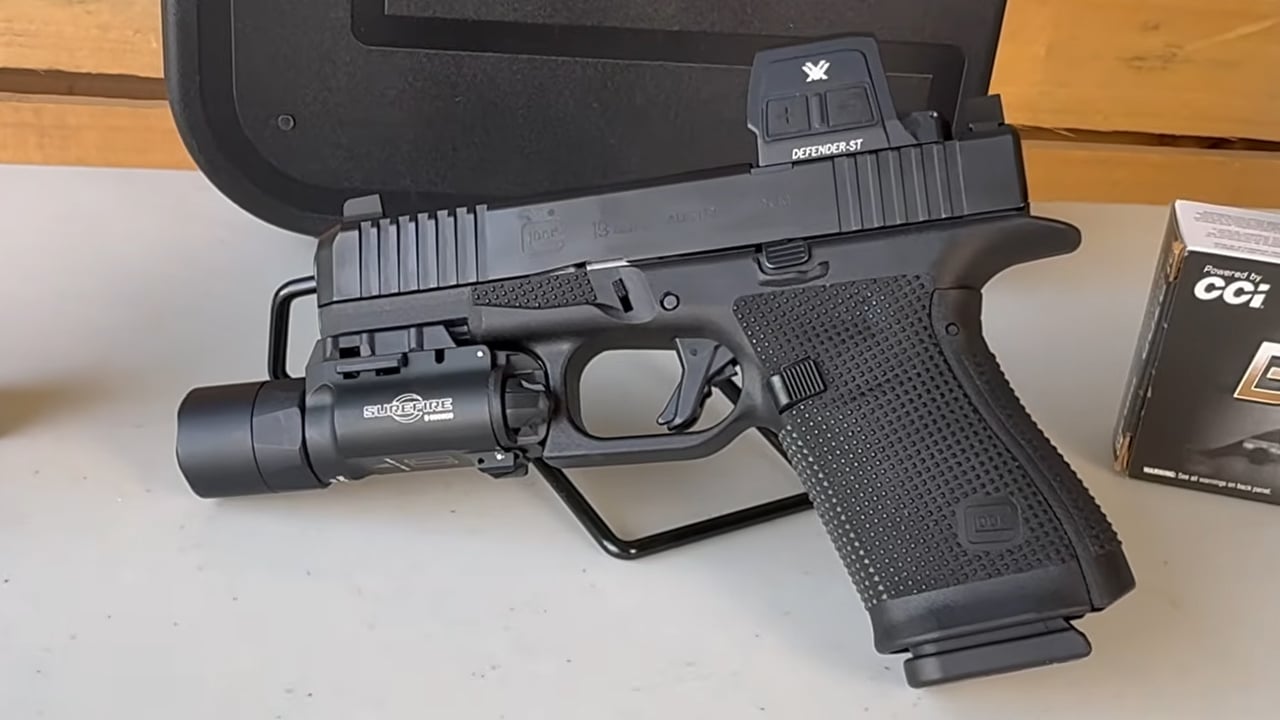
The Glock 19 remains the benchmark because nearly every compact 9mm eventually gets compared with it. The Gen 6 version keeps the dimensions that made the pistol so useful while updating the platform rather than simply changing cosmetics. It still sits in that nearly ideal middle ground where the grip is large enough for real control but short enough to conceal under ordinary clothing. Reliability, magazine availability, holster support, replacement parts, and sheer familiarity remain enormous advantages.
The more impressive part is how difficult the G19 is to outgrow. It works as a first defensive pistol, daily carry gun, home-defense gun, training pistol, and even a basic competition handgun. Several competitors now beat it in individual categories, especially trigger quality, but very few combine this many strengths in one package. The Gen 6 keeps the Glock 19 relevant rather than merely relying on reputation.
Walther PDP Compact 4-Inch
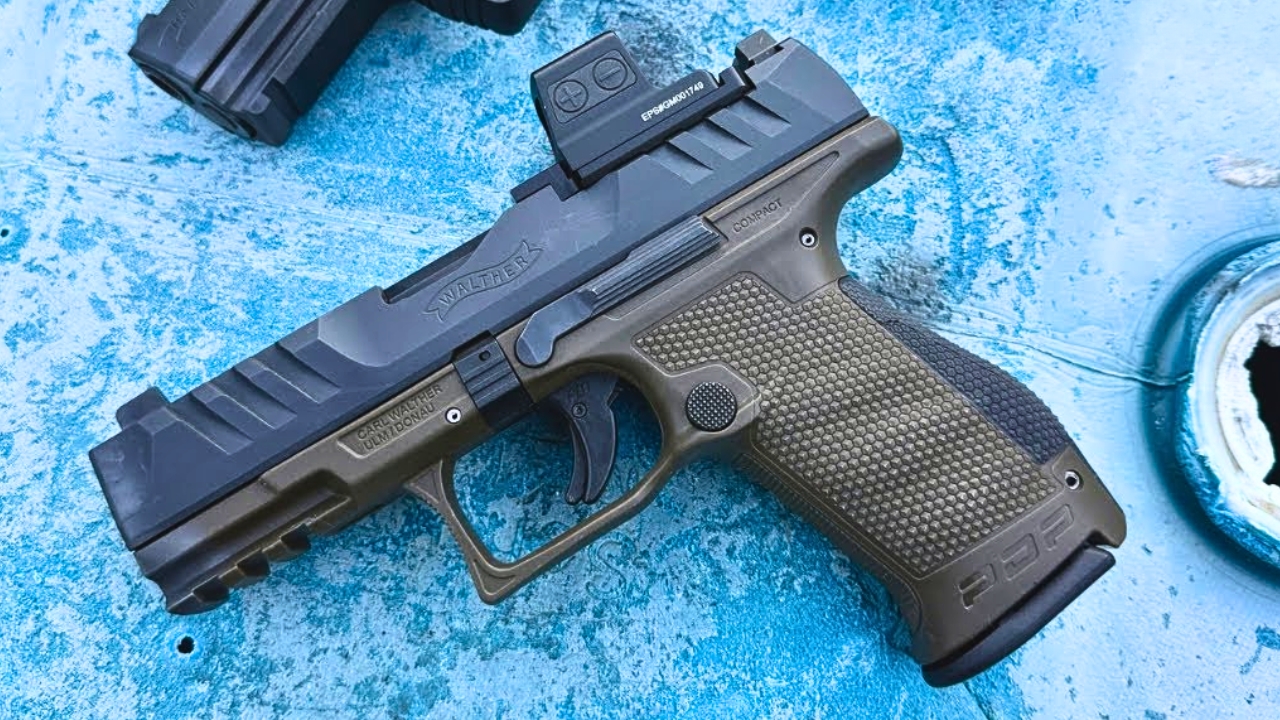
The PDP Compact remains one of the best choices for shooters who care about how a striker-fired pistol actually feels at the range. Walther gives it an excellent grip shape, aggressive but useful texturing, and one of the better factory triggers in the compact duty-pistol market. The 4-inch configuration also hits the sweet spot for carry without giving up the sight radius and slide weight that help make a pistol easier to shoot quickly.
The slide is somewhat chunky compared with the slimmest competitors, and the PDP can feel lively under recoil, but the ergonomics make controlling it easier than the specifications might suggest. What separates it is how little trigger work it asks from the owner. You can mount an optic, choose the backstrap that fits you, and start training. There is no immediate urge to replace half the fire-control system.
Springfield Echelon 4.0C Comp

The Echelon 4.0C was already a strong compact because Springfield shrank the original Echelon without throwing away the features that made the full-size gun interesting. The Comp version makes the argument even stronger by adding integrated compensation without turning the pistol into something excessively long or awkward for concealment. You still get the removable Central Operating Group, interchangeable grip components, aggressive controls, and Springfield’s extremely adaptable optic-mounting system.
The compensation is useful because compact pistols are exactly where reducing muzzle movement pays off. The gun feels flatter during rapid strings without requiring a giant competition-style compensator hanging from the muzzle. Springfield has continued expanding the 4.0C family, including new 2026 variants, which also makes the platform feel like something the company is seriously committed to rather than a one-off compact.
Smith & Wesson Performance Center M&P9 M2.0 Compact Carry Comp
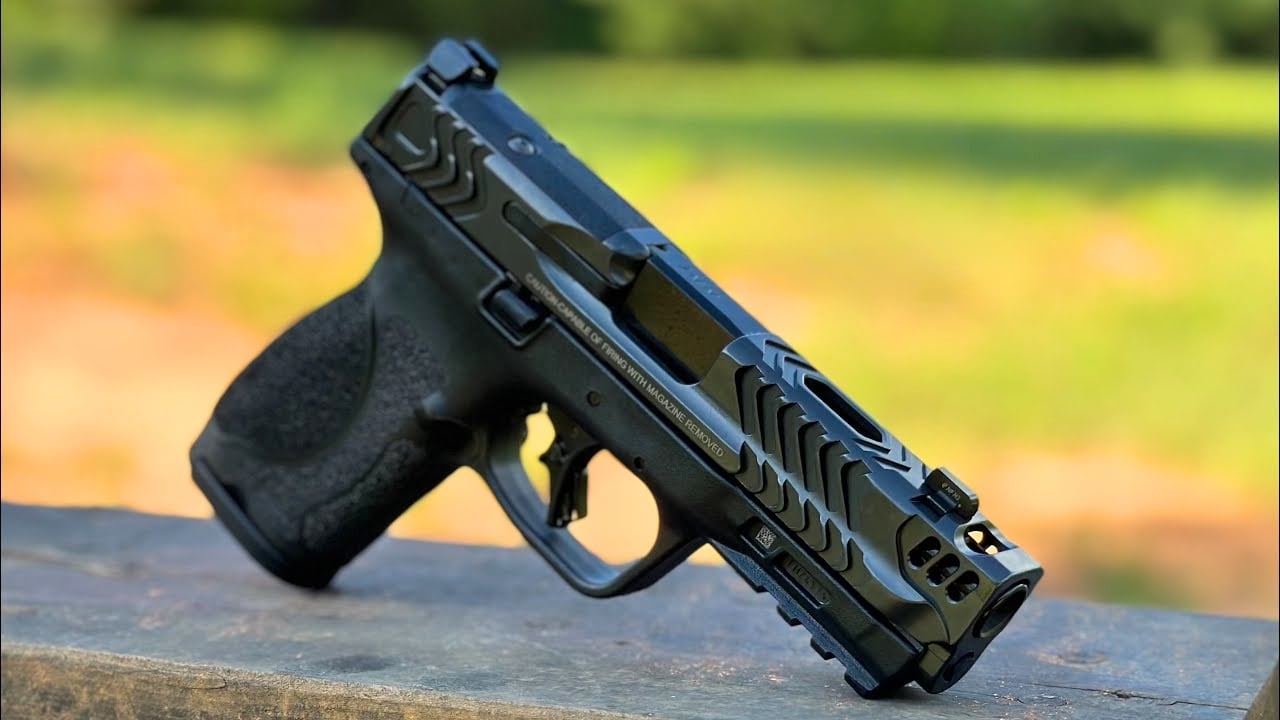
Smith & Wesson’s standard M&P Compact was already one of the easiest alternatives to the Glock 19 to recommend. The Performance Center Carry Comp takes the platform farther with an integrated porting system and a more performance-oriented setup while retaining dimensions appropriate for actual carry. You still get the excellent M&P grip angle, interchangeable palm swells, aggressive texturing, and controls that feel completely normal rather than competition-specific.
The biggest improvement is how composed the gun feels during fast shooting. The Compact was never especially difficult to control, but the Carry Comp reduces muzzle movement further without asking you to move into a heavy steel frame. Smith & Wesson has also continued expanding the Carry Comp line, so this is not simply an aftermarket-style experiment. For shooters who want a compact polymer pistol that arrives already optimized, it is one of the strongest choices available.
Shadow Systems MR920 Elite

The MR920 Elite starts with the general size and operating concept that made the Glock 19 successful, then addresses many of the things shooters routinely change after buying one. You get more aggressive frame shaping, interchangeable backstraps that meaningfully alter grip angle, an optics system designed around broad compatibility, and a slide and barrel package that feels finished rather than merely functional.
That makes the MR920 particularly appealing to someone who knows they would otherwise buy a basic pistol and immediately start changing sights, grip work, slide milling, and controls. It costs more up front, but the finished product feels much closer to a customized carry gun straight from the factory. The MR920 Elite is not necessarily more durable than the simpler pistol that inspired the format, but it is more refined in the areas shooters actually notice every time they train.
CZ P-10 C Optics-Ready
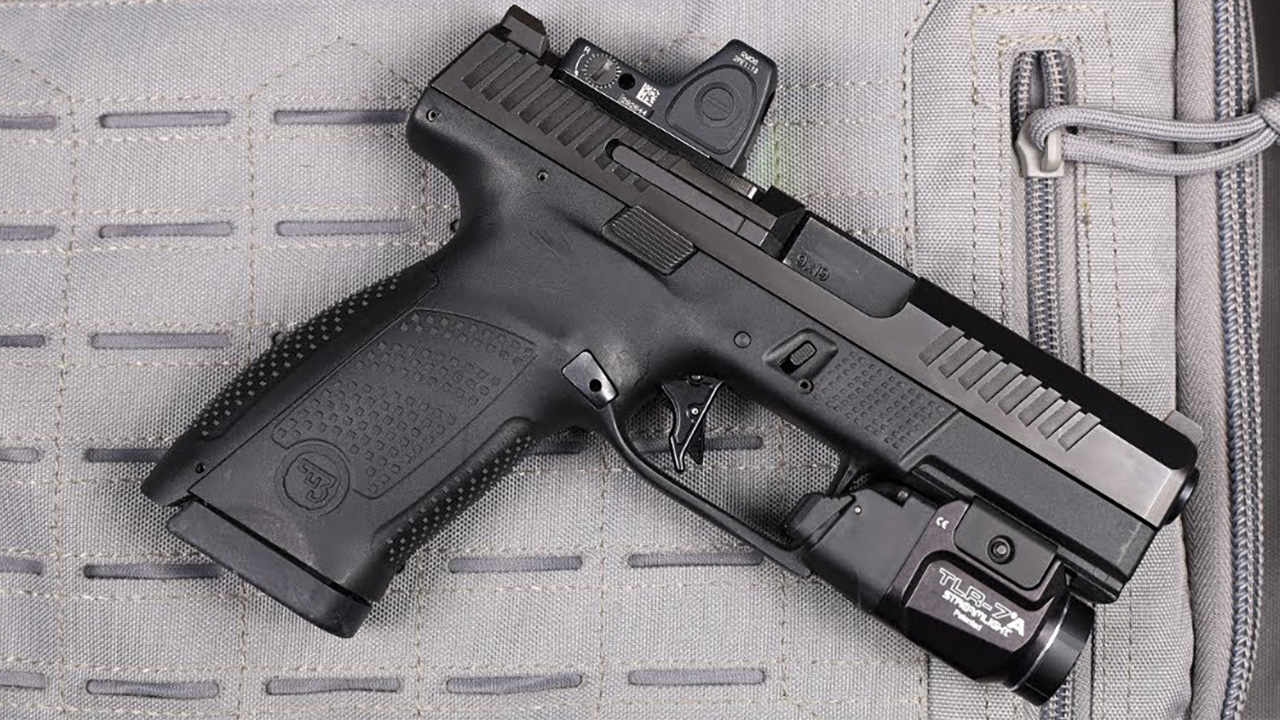
The P-10 C is one of the best examples of a pistol becoming a better value as the rest of the market gets more expensive. Its grip angle, trigger, low bore relationship, and excellent texturing make it unusually easy to shoot well for a straightforward polymer compact. It has the familiar roughly Glock-19-size footprint but feels very different in the hand, especially around the beavertail and frontstrap.
The trigger remains one of its biggest advantages. It has a clean break and useful reset without requiring aftermarket parts just to feel respectable. The optics-ready configuration fixes another limitation of earlier versions and makes the pistol much more relevant for current carry setups. CZ pricing can make the P-10 C look like a budget choice, but its shooting performance belongs in conversations with guns costing considerably more. It is value without feeling like compromise.
Staccato HD C3.6

The HD C3.6 takes Staccato’s high-end shooting characteristics and packages them into a genuinely compact pistol rather than merely shortening a competition gun. The shorter barrel and carry-oriented dimensions make it substantially easier to conceal, while the 2011-style operating system gives you the excellent trigger and controllability that draw shooters to Staccato in the first place. Current 2026 compact testing has already placed it among the premium leaders in the category.
The obvious drawback is price. Nobody needs to spend Staccato money to get a dependable compact 9mm. What you are paying for is how the pistol behaves once shooting starts. The trigger demands very little disturbance from the shooter, the frame gives you excellent leverage, and the gun returns quickly after each shot. If the question is simply which compact 9mms are among the absolute best, the C3.6 belongs regardless of whether it wins the value argument.
Free for gun owners: If something happened to you tomorrow, would your family know where the guns are, who has the safe combination, or what to do first? Our free Gun Owner’s Family Checklist walks them through it. It takes about 15 minutes to fill out. Get your free copy here.
SIG Sauer P365 XMacro Comp

The XMacro Comp stretches the original P365 concept far enough that it effectively created its own category. It remains noticeably thinner than conventional double-stack compacts while giving you a full enough grip to shoot seriously and capacity that rivals much larger service pistols. The integrated compensation also helps control the sharper recoil that naturally comes with building a light, narrow handgun.
That combination makes the XMacro particularly useful for people who carry every day. A traditional compact may shoot slightly softer because it has more width and mass, but the SIG disappears under clothing more easily while giving up surprisingly little at the range. The modular P365 fire-control system and enormous ecosystem are additional advantages. If you want the maximum amount of shootability and capacity from the minimum practical width, the XMacro Comp remains one of the smartest choices.
Heckler & Koch P30
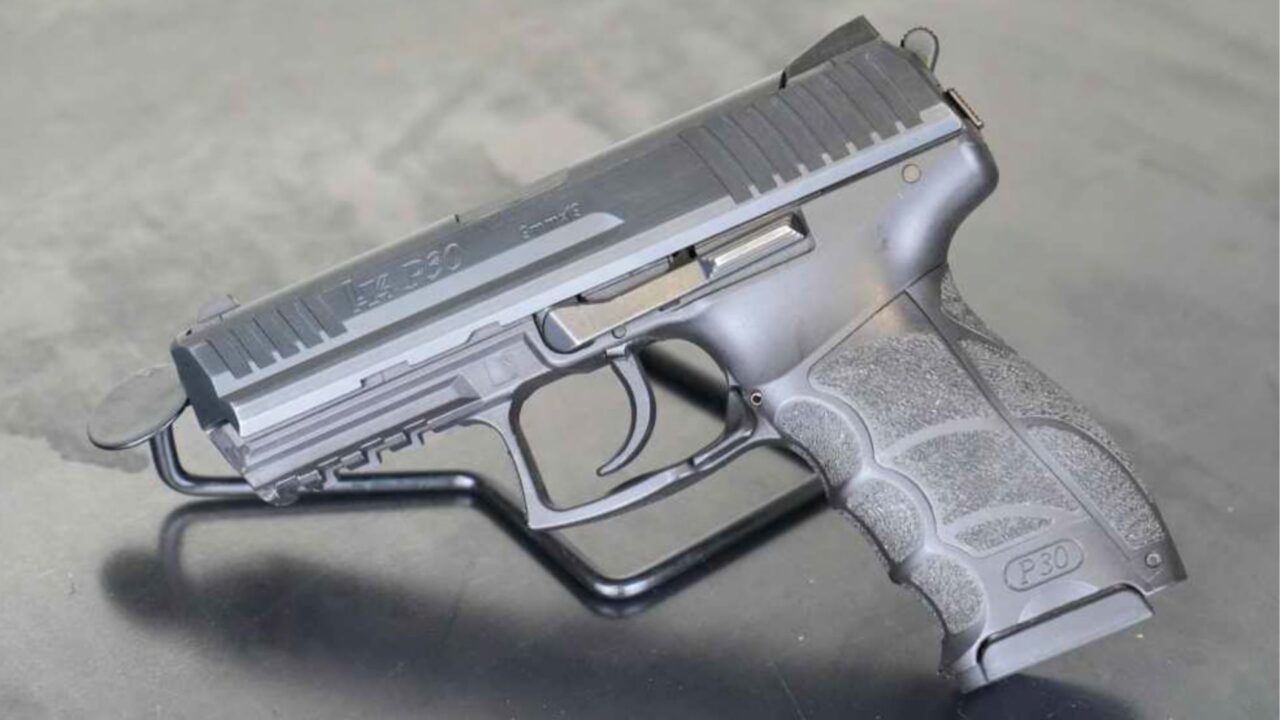
The P30 earns its place without needing an optics cut, compensator, or modular fire-control unit. Its biggest advantage is ergonomics. Interchangeable backstraps and side panels allow an unusual amount of adjustment, and when the grip is fitted properly, the pistol feels locked into the hand. That contributes directly to recoil control and consistency during longer training sessions.
The hammer-fired trigger is the part that divides shooters. Neither the conventional DA/SA nor LEM system has the immediate simplicity of a modern striker trigger, but both provide options that many experienced carriers still prefer. What you get in return is an exceptionally mature service-pistol design with excellent controls and a reputation for durability. It is not the newest compact here, but unlike the junk I packed into the previous version, the P30 remains a serious current-use choice rather than an antique included for novelty.
FN 509 Midsize Tactical

The 509 Midsize Tactical takes FN’s duty-pistol foundation and gives it a grip that is much more manageable for concealed carry. FN pairs the midsize 15-round frame with a tactical slide assembly, giving the pistol optics capability, suppressor-height sights, and a threaded barrel without requiring the longer grip of the full-size 509. FN specifically positions it as a multi-role option for concealed carry, personal protection, and duty use.
That multi-role character is exactly why it belongs here. The grip has enough room to control the pistol properly, the texturing is excellent, and the additional slide mass keeps it predictable during recoil. It is not as slim as an XMacro and not as inexpensive as some striker-fired competitors, but the FN feels built for serious use. For someone wanting one compact that can handle an optic, suppressor, light, and high-volume practice, it makes a lot of sense.
Beretta PX4 Compact Carry 2

The PX4 Compact Carry 2 is what happens when a manufacturer continues refining a good mechanical design instead of replacing it simply because it is old. Beretta’s rotating-barrel system gives the pistol a recoil impulse that feels different from the common tilting-barrel compact, and the Carry treatment addresses many of the controls and trigger details enthusiasts traditionally modified themselves. Beretta still lists the Compact Carry 2 among its current PX4 models.
The result is one of the softest-shooting hammer-fired compacts around. It is thicker than most modern striker guns, but that extra width provides a comfortable grip and helps make the pistol feel exceptionally stable. If you prefer DA/SA operation and care more about how a gun shoots than whether its basic architecture is fashionable, the PX4 Compact Carry 2 remains genuinely excellent.
Ruger RXM
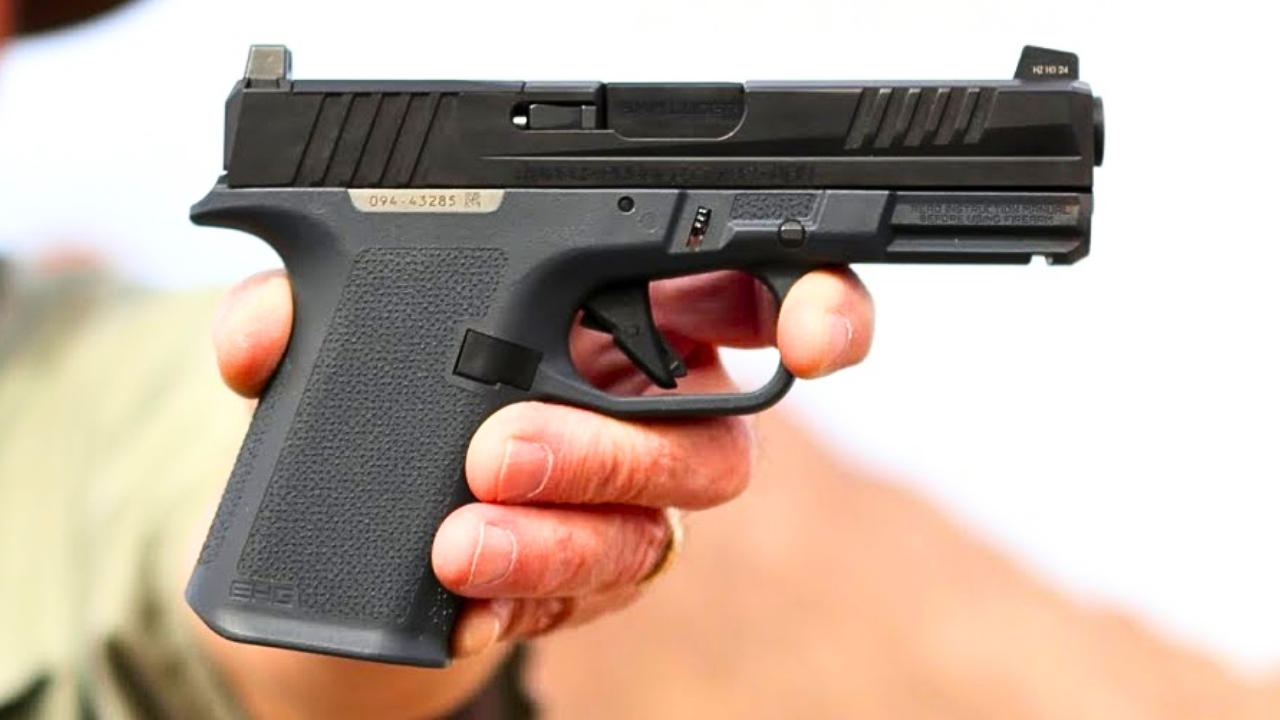
The RXM shook up the value side of the compact market because Ruger and Magpul built it around an architecture that already has enormous parts and magazine support. The pistol accepts widely available magazines and uses a removable fire-control system that allows the grip module to be changed rather than treating the polymer shell as the permanent serialized component.
More importantly, the RXM does not shoot like a gun chosen only because it is inexpensive. The grip geometry is well thought out, the trigger is usable out of the box, and the pistol comes prepared for the way people actually configure carry guns today. Current comparative testing has shown it can compete surprisingly well against much more established compact pistols. For someone who wants maximum flexibility without spending premium money, the RXM deserves to be taken seriously.
Canik METE SF

The METE SF is one of Canik’s better do-everything pistols because it trims the grip and overall dimensions compared with the company’s larger duty and competition models without giving up the excellent trigger characteristics that built Canik’s reputation. It offers enough grip for a proper two-handed hold, useful capacity, and an optics interface while remaining reasonably easy to conceal.
The trigger is the headline feature. Few pistols around its price provide such a clean break and short reset without modification. That makes the METE SF extremely rewarding at the range, where inexpensive carry pistols often reveal exactly where money was saved. It is a little thicker than the slimmest competitors, but that added substance helps control recoil. For buyers who want range performance without paying premium money, the METE SF is one of the most sensible compact 9mms available.
Kimber KDS9c

The KDS9c is Kimber’s answer for shooters who want a compact metal-framed 9mm with a single-action trigger but do not necessarily want the bulk of a traditional double-stack 1911. It uses an aluminum frame, a 4-inch barrel, and a 15-round magazine configuration while remaining slim enough to function as a legitimate carry pistol. Kimber lists the standard KDS9c at roughly 25 ounces empty.
That puts it in an interesting position between lightweight polymer compacts and heavier 2011-style guns. The trigger gives it a clear accuracy advantage for shooters comfortable carrying a single-action pistol, while the aluminum frame provides enough weight to keep recoil civilized without making the gun burdensome. It is not inexpensive, but it offers a distinctly different shooting experience from the striker-fired majority.
Springfield Armory Hellcat Pro Comp

The Hellcat Pro Comp is what the original micro-compact idea looks like when stretched into a pistol that people can actually shoot for long sessions. The grip is long enough for proper control, capacity is excellent for the gun’s width, and the integrated compensator takes some of the edge off the recoil that narrow, lightweight pistols naturally produce.
The main reason to choose it over a traditional compact is concealment. It gives you a thinner overall package than guns like the G19 or PDP Compact while getting surprisingly close to them in practical shootability. The trigger and grip feel are not going to win everyone over, but as a complete carry system the Hellcat Pro Comp makes a strong argument. It is particularly good for someone who thinks a conventional compact is just slightly too thick for comfortable daily carry.
CZ Shadow 2 Compact
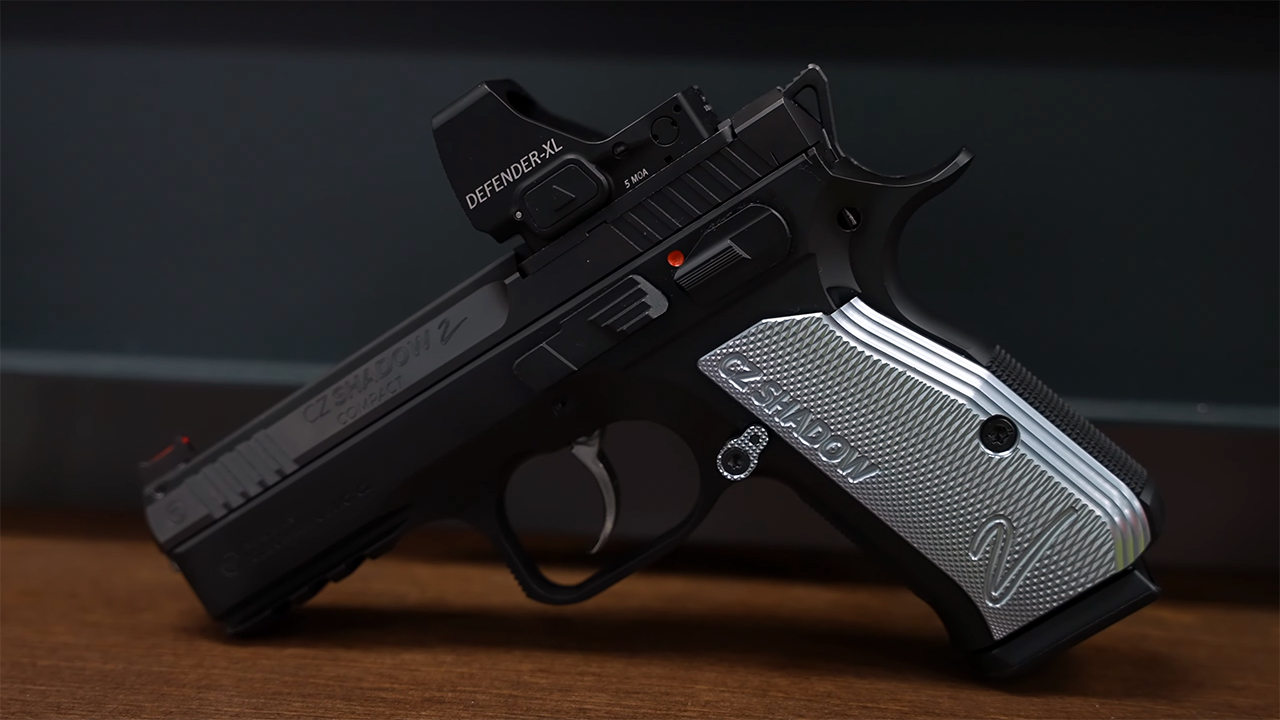
The Shadow 2 Compact answers a question plenty of CZ shooters had been asking for years: what if you took much of the handling and trigger quality of a Shadow 2 and packaged it into something realistic to carry? The result is a metal-framed compact with excellent ergonomics, low bore relationship, and the sort of DA/SA trigger that immediately separates it from ordinary defensive pistols.
It is heavier and more expensive than polymer compacts, but those drawbacks become advantages once you start shooting. The extra mass keeps the pistol flat, and the excellent grip shape makes rapid fire feel remarkably controlled. It is not the compact I would choose for somebody who prioritizes minimum carry weight, but if you want a pistol that carries reasonably while giving up very little range performance, the Shadow 2 Compact is exceptional.
Wilson Combat SFX9 3.25-Inch

The SFX9 takes Wilson Combat’s double-stack single-action concept and shrinks it into dimensions aimed directly at concealed carry. The solid-frame design keeps the grip thinner and more rounded than many traditional double-stack 1911s, while the 3.25-inch version cuts enough slide length to make the pistol genuinely compact.
What you are paying for is refinement rather than basic capability. The trigger is excellent, the frame-to-slide fit is tight, and the grip design makes the pistol unusually controllable despite the short barrel. It is dramatically more expensive than polymer options that will perform the same defensive job, but an “absolute best” list cannot be limited to value picks. For shooters who want a premium hammer-fired carry pistol and are comfortable with single-action operation, the SFX9 is one of the best-executed choices available.
Springfield Armory 1911 DS Prodigy Compact
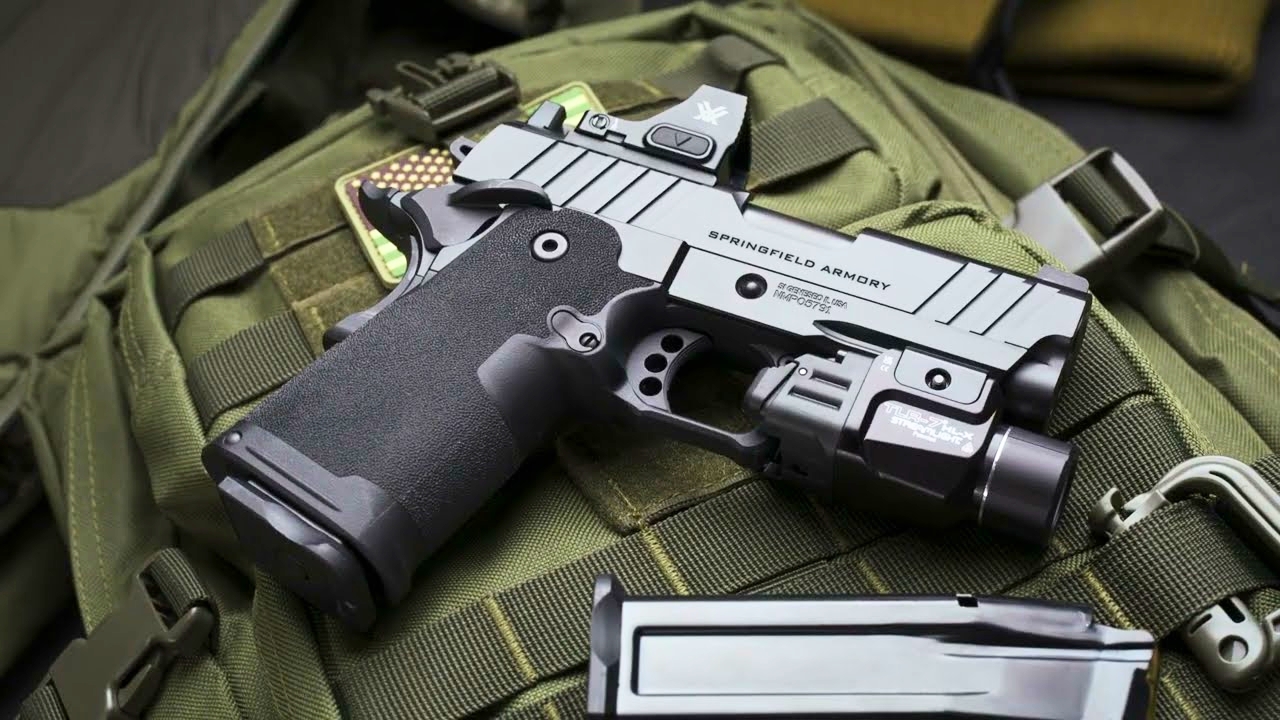
The compact Prodigy brings Springfield’s double-stack 1911 concept into dimensions much better suited to carry. You get the short, clean single-action trigger that makes the platform so easy to shoot precisely, plus double-stack capacity and modern features that make far more sense for a defensive pistol than a traditional single-stack Officer-size 1911.
The advantage is immediate on the range. Even compact double-stack 1911s tend to shoot flatter and more accurately than their dimensions suggest because the trigger requires so little movement from the shooter and the grip provides excellent leverage. The tradeoff is thickness and weight compared with polymer guns. If those matter less to you than shootability, however, the compact Prodigy offers a lot of performance without going all the way into boutique-2011 pricing.
Rost Martin RM1C
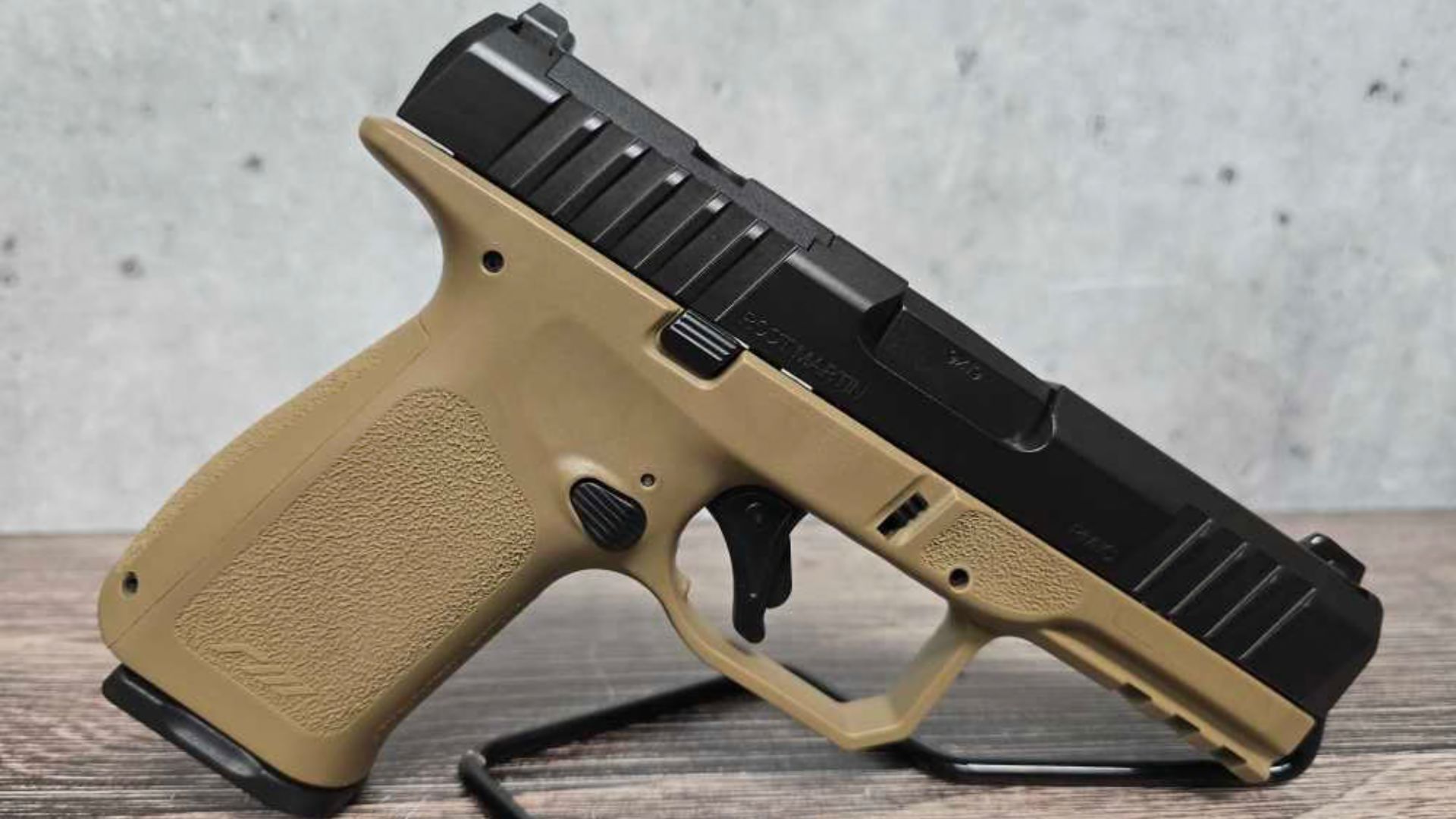
The RM1C deserves attention because it entered one of the most competitive categories in the handgun market and managed to avoid feeling like another generic polymer clone. It has sensible compact dimensions, a grip designed around a secure firing hold, useful capacity, and the optics-ready features buyers now expect without immediately pushing into premium pricing.
Its real appeal is balance. Nothing about the RM1C is wildly experimental, but that means there is also very little getting between the shooter and the basic job of using the gun. It handles recoil well, carries reasonably, and provides the kind of feature set that used to require spending much more. It may not have decades of history behind it yet, but for buyers willing to consider newer brands, the RM1C is one of the more interesting compact values.
Arex Delta Gen.2 M
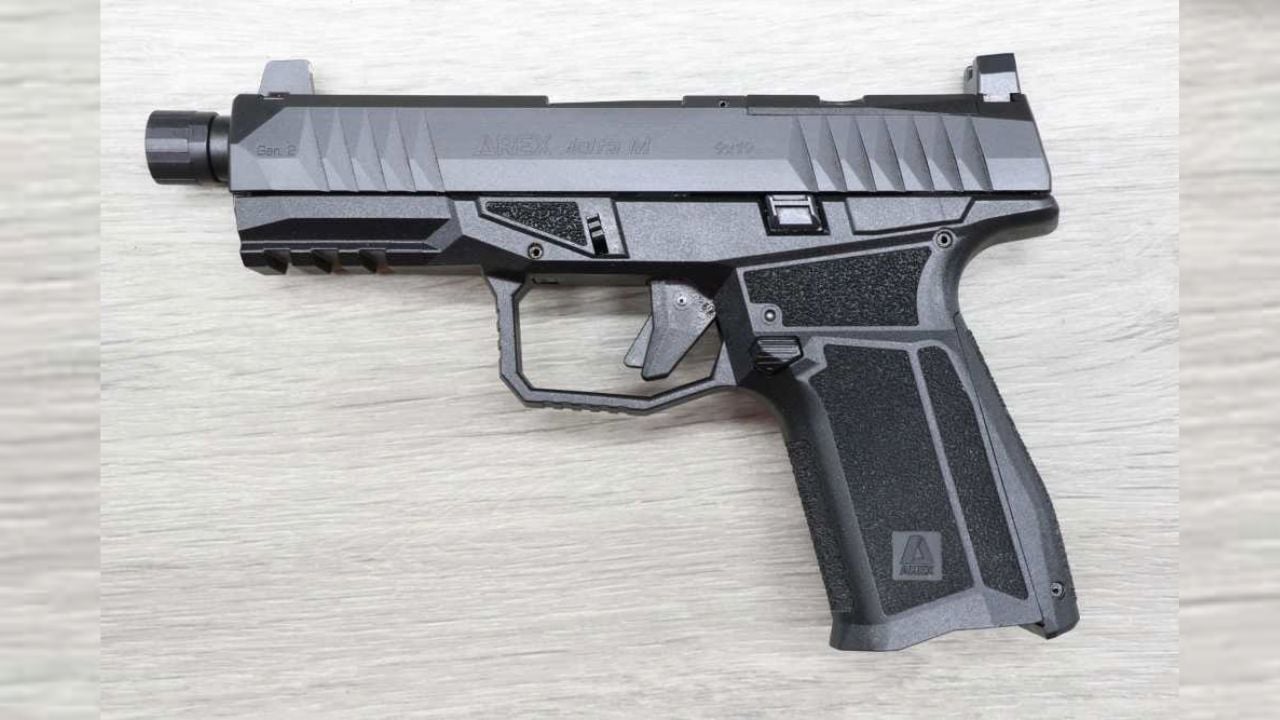
The Delta Gen.2 M is an excellent choice for someone who wants a thin, light compact without dropping all the way into micro-pistol dimensions. The grip is straightforward and comfortable, the controls are ambidextrous, and the pistol maintains enough slide and barrel length to remain easy to shoot. It is one of those guns that feels smaller on the belt than it does in the hand.
The biggest advantage is efficiency. Arex managed to keep the gun relatively light and slim without giving it the cramped grip or unpleasant recoil associated with tiny carry guns. The trigger is serviceable rather than spectacular, but the overall package works extremely well. It does not have the aftermarket of Glock or SIG, yet as a stand-alone compact 9mm it offers a lot of performance for its size and cost.
Shadow Systems CR920XP
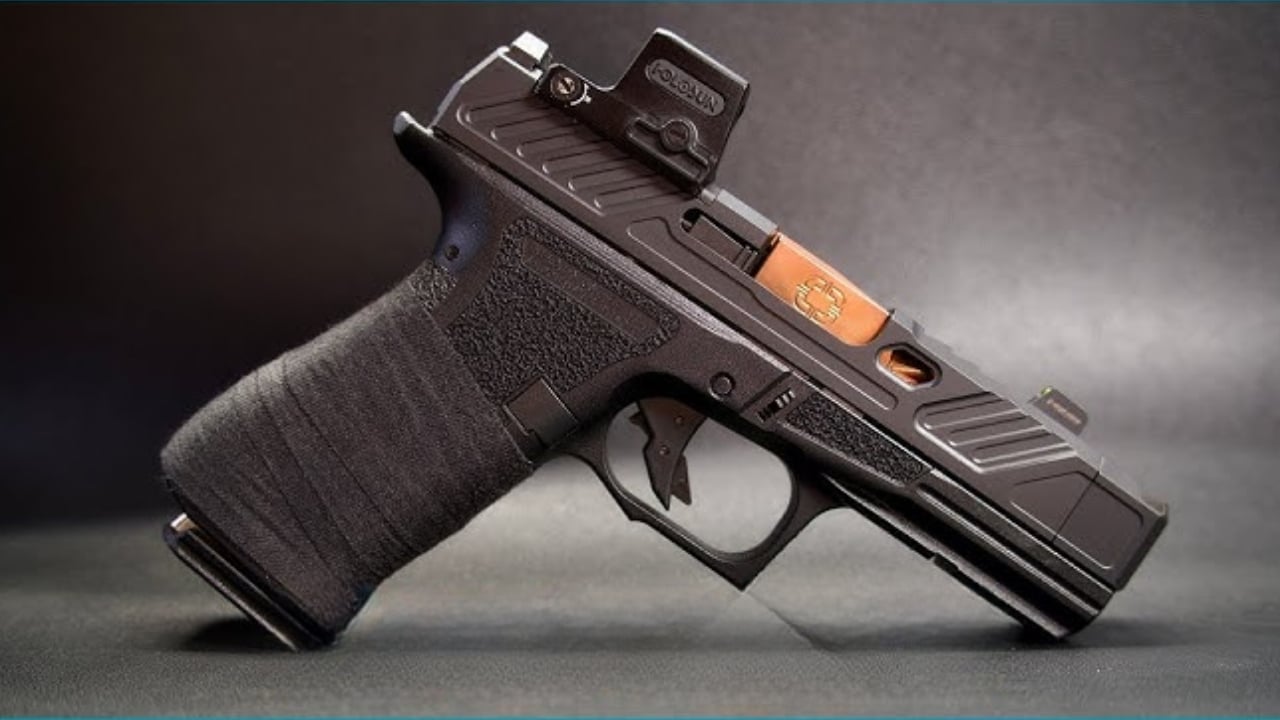
The CR920XP pushes the definition of compact toward the slim side, but the extended grip and compensated upper make it far more shootable than a conventional micro-compact. You get a narrow pistol that conceals extremely well, yet the grip provides enough room to establish meaningful control and the compensator helps reduce the muzzle movement normally associated with lightweight carry guns.
That makes the CR920XP especially appealing to shooters who want something thinner than an MR920 without giving up too much at the range. It is not quite as soft as a heavier conventional compact, and the price is higher than mass-market micro pistols, but the combination is unusually effective. If your idea of the best compact is the gun that gives maximum concealment while still being enjoyable to train with, the CR920XP deserves a spot near the top.
Like The Avid Outdoorsman’s content? Subscribe to our newsletter so you never miss an article.
Here’s more from us: