Photo credit: NuttyNu/YouTube
Gun owners can be incredibly forgiving when they really like a firearm. A rough trigger becomes “something you just need to learn.” Expensive magazines become “the price of quality.” A rifle that only runs well with certain ammunition becomes “picky but accurate.” At some point, though, explaining a gun’s shortcomings starts sounding more like defending the purchase than evaluating the firearm.
That does not mean every gun below is terrible. Several have genuinely clever features, excellent accuracy, or strong enthusiast followings. The problem is that each comes with a weakness owners regularly explain away because they like everything else about the design. Sometimes those excuses are reasonable. Sometimes they are doing a lot of work. These 20 firearms have enough good qualities to inspire loyalty, but enough obvious compromises to keep the arguments going.
KelTec P50
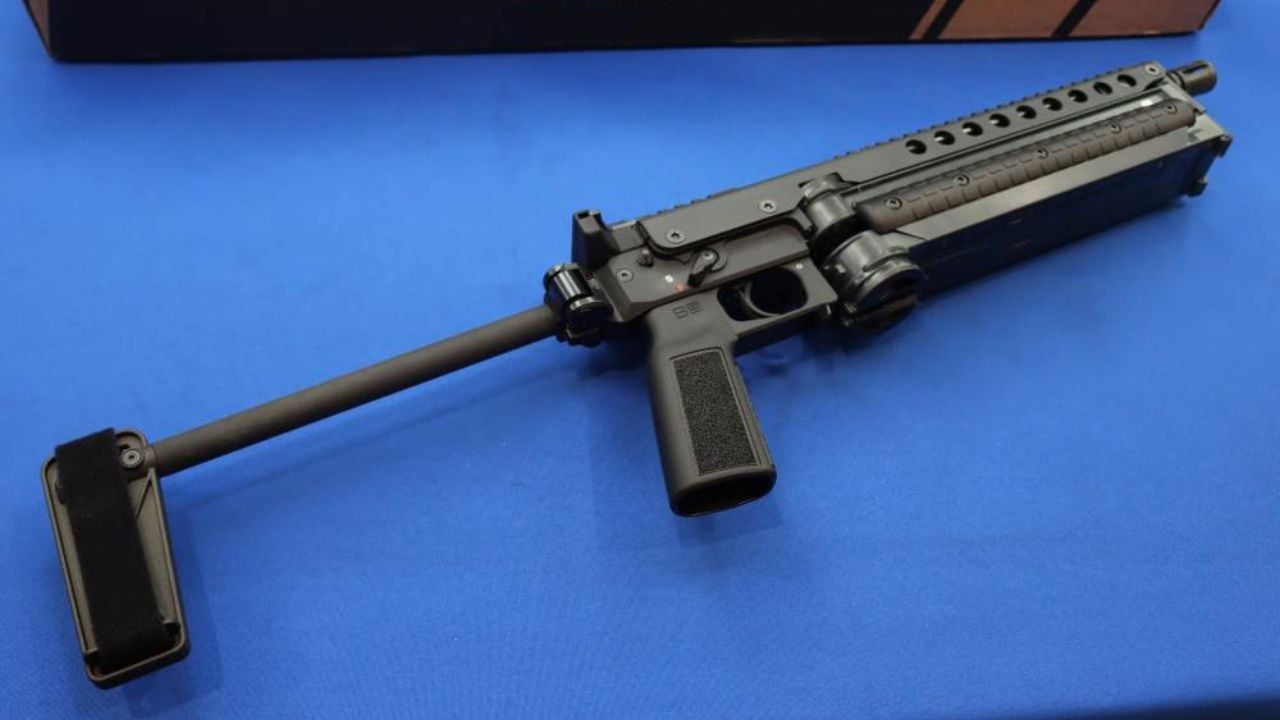
The P50 is undeniably clever. It feeds from horizontally mounted 50-round magazines and gives shooters an unusually compact 5.7x28mm platform with enormous capacity. It looks like something designed for a science-fiction movie, weighs surprisingly little, and generates almost no recoil. If the goal is owning something different, KelTec absolutely succeeded.
The excuses start when practicality enters the discussion. Loading requires opening the entire upper assembly, the magazine arrangement is unconventional, and carrying the gun in any normal defensive role takes creativity. Owners often respond that you simply need to understand what the P50 was designed to do. That is true, but it also highlights the problem: the gun’s coolest feature dictates nearly everything else about how you have to use it.
Mossberg MC1sc

The MC1sc was Mossberg’s attempt to enter the modern concealed-carry pistol market with a slim single-stack 9mm. It was lightweight, straightforward, and came from a company buyers already trusted with shotguns. The basic pistol was competent enough that there was never one catastrophic reason to hate it.
The problem was timing. The market was already moving rapidly toward higher-capacity slim pistols, and the MC1sc arrived offering modest capacity in a category that was about to leap forward. Defenders will point out that six or seven rounds can still solve the same problems they always did. True. But when similarly sized pistols started carrying several additional rounds, the Mossberg suddenly required buyers to make excuses for choosing less capability at essentially the same size.
Remington RP9
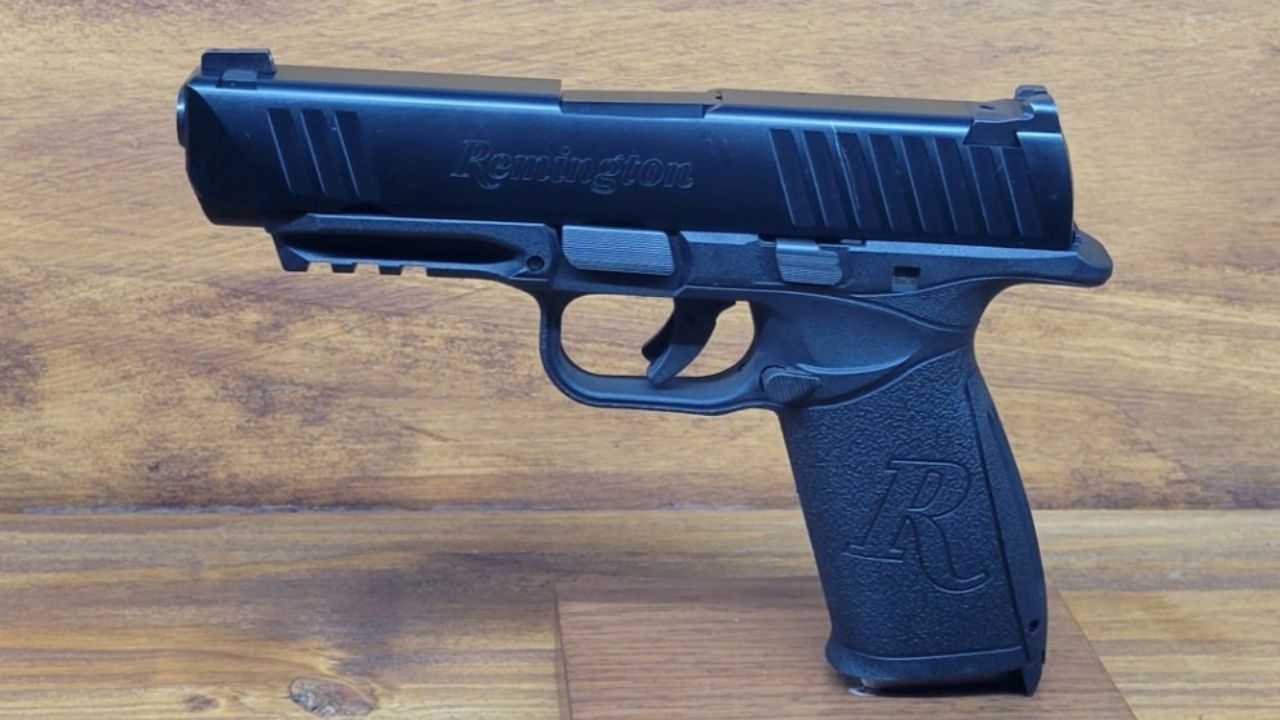
The RP9 looked like Remington finally taking the full-size striker-fired pistol market seriously. It offered high capacity, a relatively low bore axis, interchangeable grip inserts, and a price that undercut many established duty pistols. On paper, the feature list made plenty of sense.
Then shooters started handling the thing. The grip proportions were unusual, the trigger was nothing special, and the entire pistol felt larger than necessary for what it delivered. Owners who liked it tended to emphasize that it was reliable, affordable, and easier to shoot than critics claimed. Those are fair points, but they never answered the bigger question: why choose a huge, awkward service pistol when so many equally reliable alternatives were easier to live with?
Kimber EVO SP
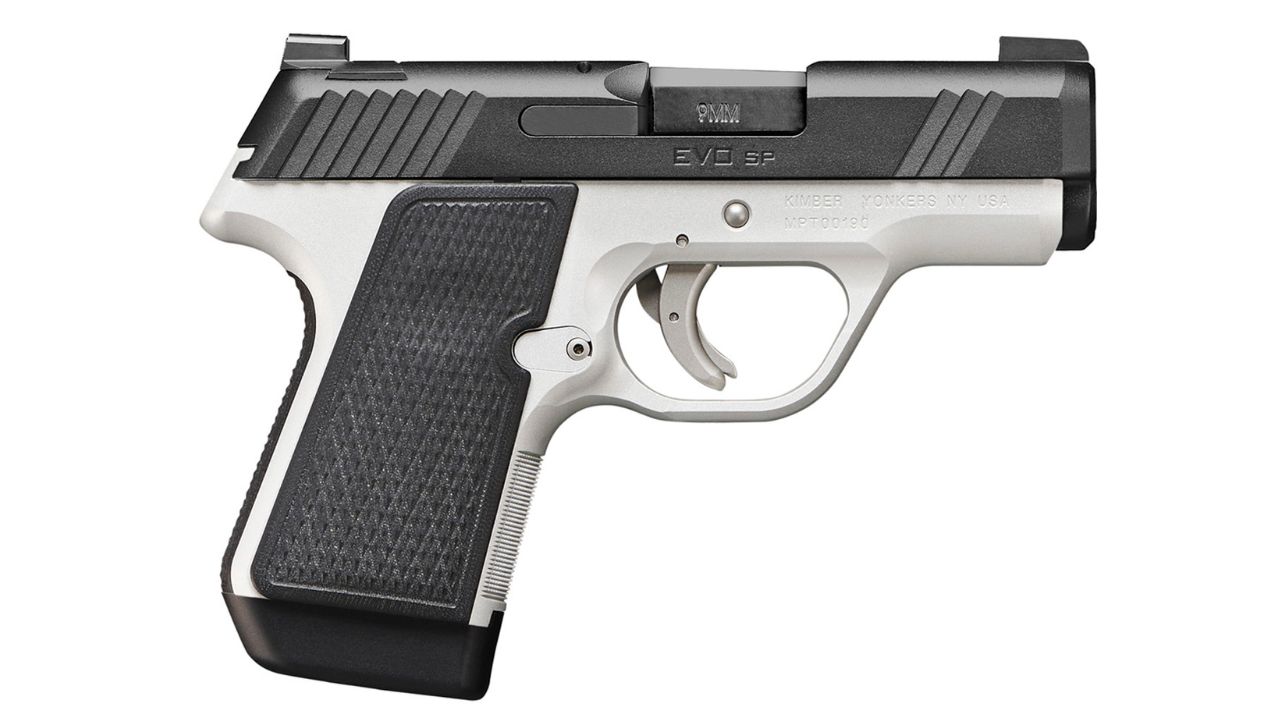
The EVO SP was Kimber’s attempt at a premium micro 9mm before the high-capacity micro-compact category truly exploded. It had excellent machining, metal construction, good sights, and the kind of upscale finish buyers expected from Kimber. It certainly did not feel cheap.
The problem was value and capacity. Buyers were paying premium money for a pistol holding fewer rounds than newer competitors that soon became available at lower prices. Defenders could point to the excellent metal frame, refined fit, and quality sights, but those features became harder to justify as the market moved forward. It remains a nicely made little pistol, yet owners often have to explain why craftsmanship matters more than capacity and ecosystem support.
Caracal F

The Caracal F has excellent ergonomics, an extremely low bore axis, and a grip that feels better than its plain appearance suggests. The design was built around serious service-pistol use, and when you shoot one, it becomes obvious that considerable thought went into keeping recoil flat and controls straightforward.
Unfortunately, the platform’s early recall history damaged trust badly. Later guns addressed those issues, but reputation is much harder to rebuild than machinery. Fans often insist that current-production examples should be judged separately from early guns, and technically they are right. The problem is that defensive handgun buyers tend to remember safety-related recalls for a long time. A pistol can be excellent today and still carry yesterday’s baggage everywhere it goes.
SCCY DVG-1
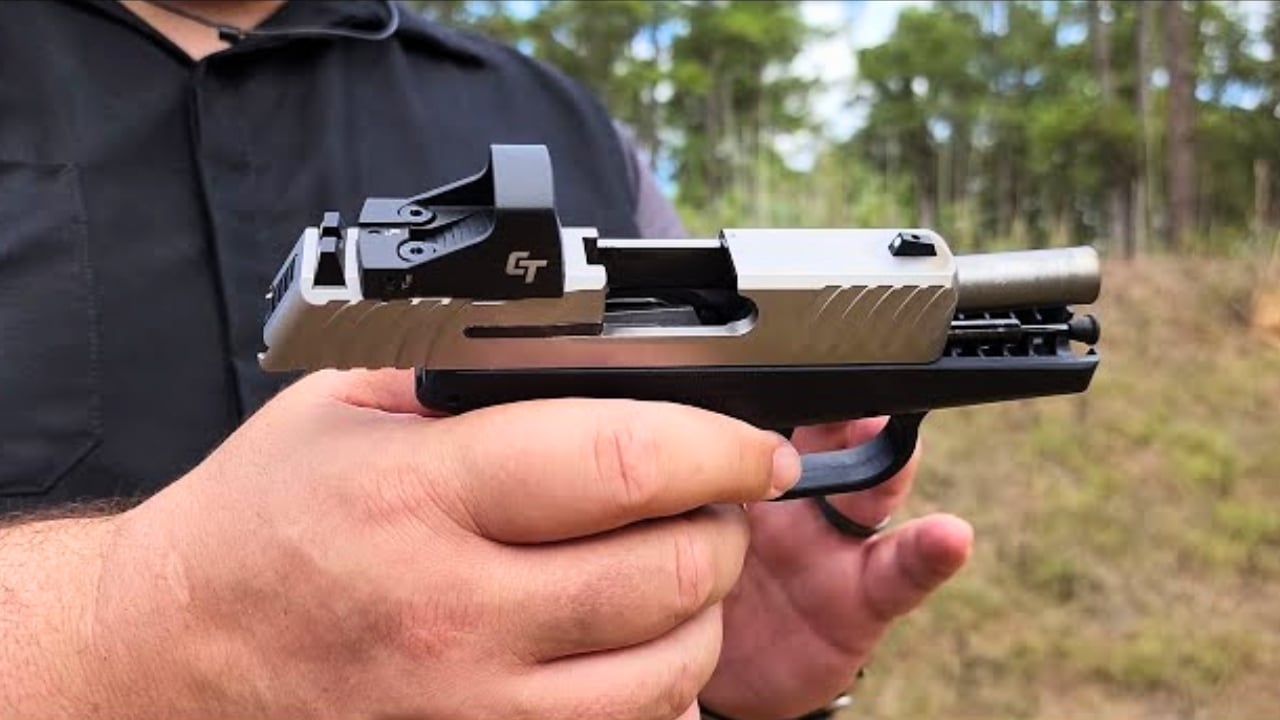
The DVG-1 was meant to move SCCY beyond the heavy double-action triggers associated with the company’s earlier pistols. The striker-fired system, slim frame, and affordable price gave buyers a more modern carry gun while keeping one of SCCY’s biggest advantages: very low cost.
The excuses usually revolve around refinement. Trigger feel, finish, magazine quality, and overall consistency do not always match more established pistols. Owners frequently respond that the gun works and costs dramatically less. That is a legitimate argument, but it also tells you exactly where the compromise sits. The DVG-1 can be a functional defensive pistol, yet enthusiasts often spend more time defending what it costs than praising how it actually feels.
Honor Guard HG9

The Honor Guard entered the market with modular construction, interchangeable grip components, and an American-made pitch that sounded attractive to concealed-carry buyers. The pistol was reasonably slim and designed around many of the same ideas that later became industry standards.
Its reputation became complicated by controversy over drop safety and subsequent design changes. Supporters argued that revised examples addressed the concern and that the platform deserved to be judged on its later configuration. That may be fair, but defensive pistols depend heavily on confidence. Once shooters start having to specify which production period is okay and which one needs attention, the gun becomes much harder to recommend casually. A carry pistol should reduce uncertainty, not require a history lesson before purchase.
Taurus 709 Slim

The 709 Slim was one of the earlier genuinely thin 9mm carry pistols available at an affordable price. It was light, easy to conceal, and gave budget buyers access to a category that was much less crowded than it is today. Plenty of owners carried them successfully for years.
The issue was consistency. Trigger feel, reliability, and general fit could vary enough that discussions about the pistol often became arguments over individual examples. Fans would say theirs had thousands of rounds through it without trouble. Critics would answer with a completely different experience. When a gun’s defense repeatedly becomes “mine works,” that is usually a sign the design or quality control did not earn universal confidence.
Diamondback AM2
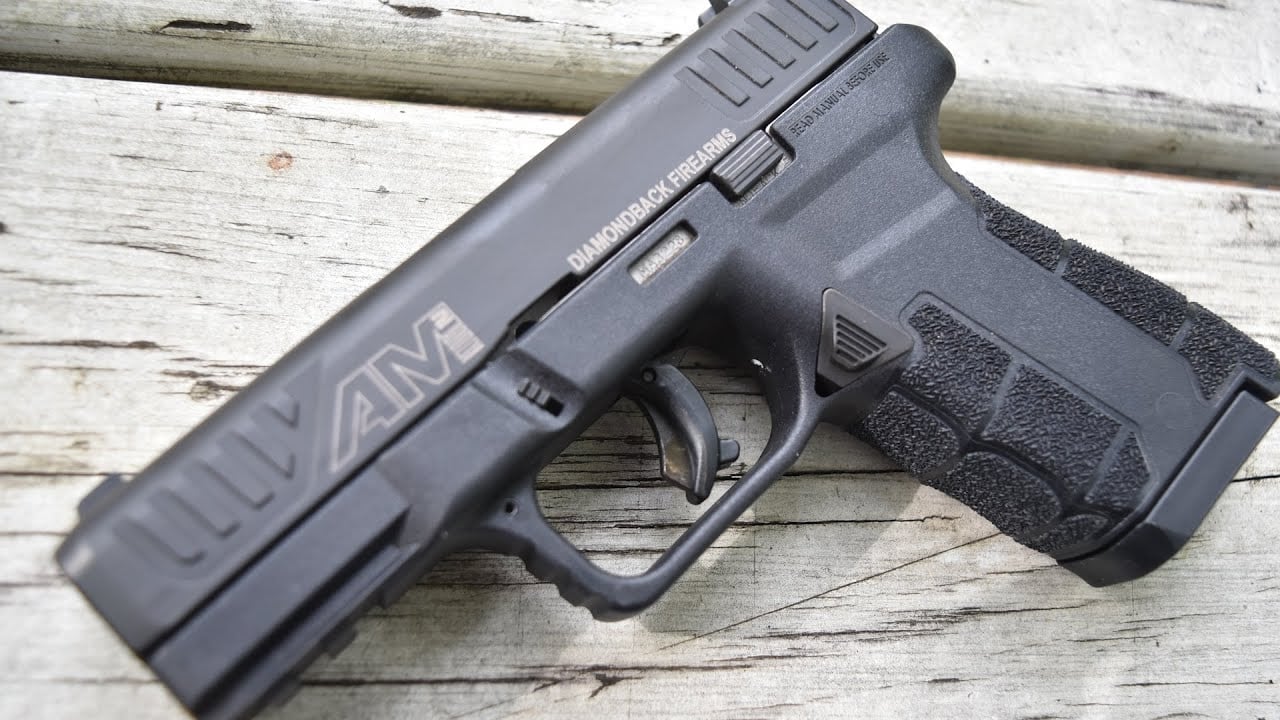
The AM2 tried to provide service-pistol capacity in a smaller carry package without charging premium money. It offered a respectable magazine capacity, straightforward striker-fired operation, and dimensions that made it easier to conceal than a full-size handgun.
What holds it back is confidence in refinement and long-term support. Diamondback has improved considerably over the years, but the brand still does not have the same track record, magazine availability, or aftermarket ecosystem as the established carry-pistol giants. Owners often defend the AM2 by pointing out that not everyone needs a massive aftermarket. That is true until you need a magazine, holster, replacement component, or factory support years later. Then ecosystem suddenly matters quite a bit.
Ruger LC380
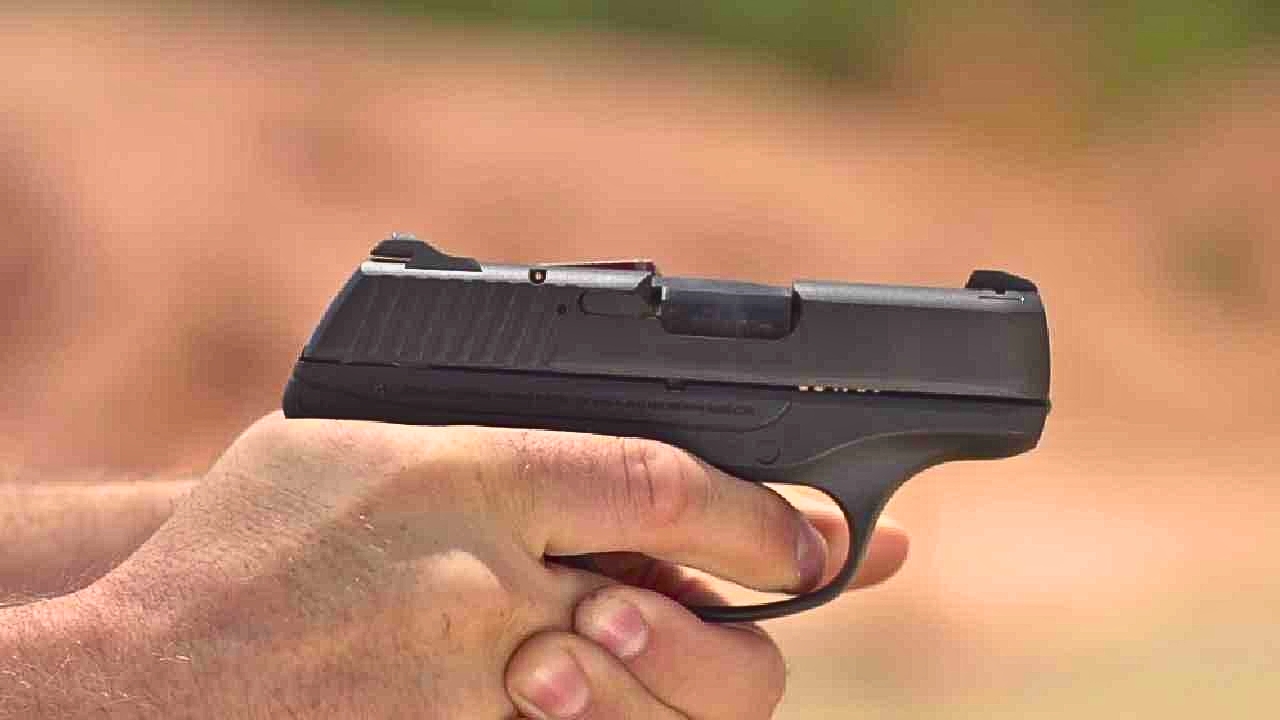
The LC380 solves one legitimate problem exceptionally well: it gives recoil-sensitive shooters a locked-breech .380 in a pistol larger and easier to manipulate than tiny pocket guns. The grip is manageable, recoil is gentle, and the overall platform is much easier to control than the smallest blowback .380s.
The problem is size efficiency. The pistol is essentially using dimensions similar to small 9mm guns while delivering .380 ACP performance and limited capacity. Supporters rightly point out that the LC380 was built for shooters who prioritize comfort over power. But that is still an explanation for why the pistol gives up ballistic performance without delivering the extreme concealability that normally justifies .380. It makes sense for a specific shooter, not necessarily as a general-purpose carry choice.
Savage A17
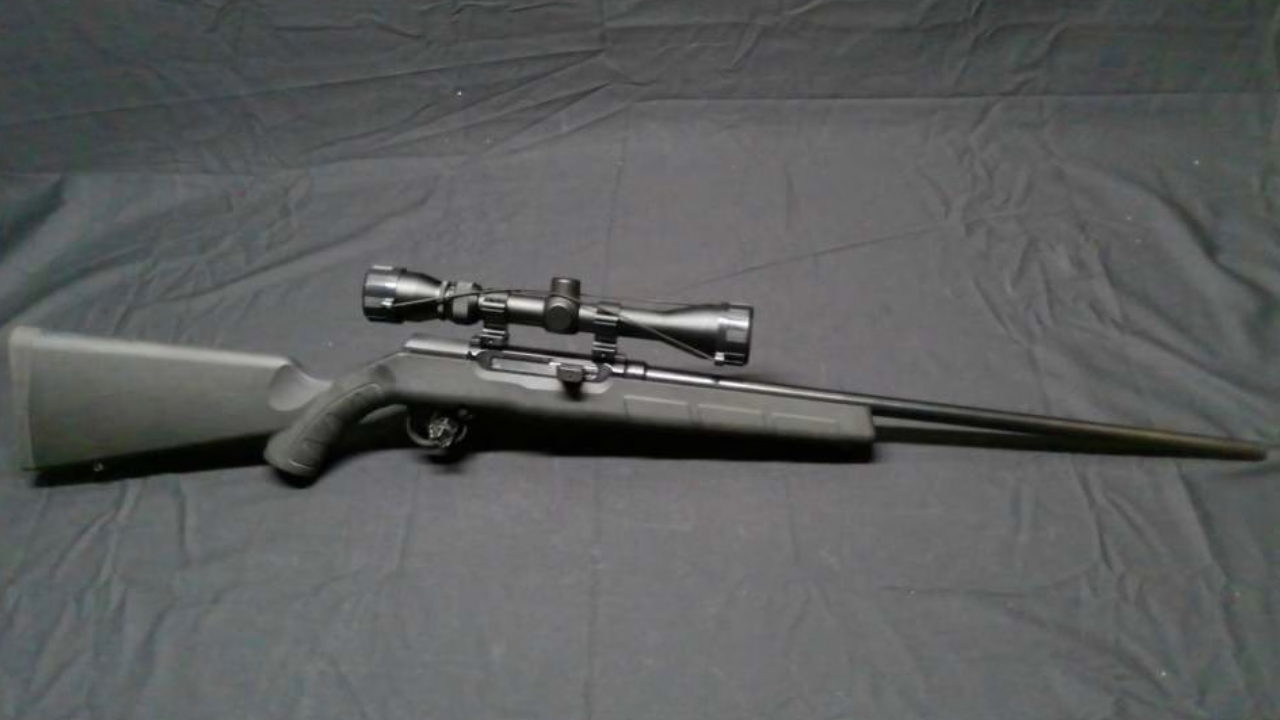
The A17 was an ambitious attempt to build a semiautomatic rifle specifically around .17 HMR, a cartridge that had historically been difficult to make work reliably in self-loading platforms. Savage developed a delayed-blowback system and paired it with the company’s AccuTrigger, creating an incredibly fun varmint rifle when everything works as intended.
The excuses tend to involve ammunition and maintenance. Rimfire ammunition is already dirty and variable, and .17 HMR semiautos add another layer of sensitivity. Owners will point out that keeping the chamber clean and using proper ammunition solves most problems. That may be true, but bolt-action .17 HMR rifles do not demand nearly as much attention. The A17 is fast and entertaining, yet its complexity exists mainly to solve a problem bolt guns never had.
Henry U.S. Survival AR-7
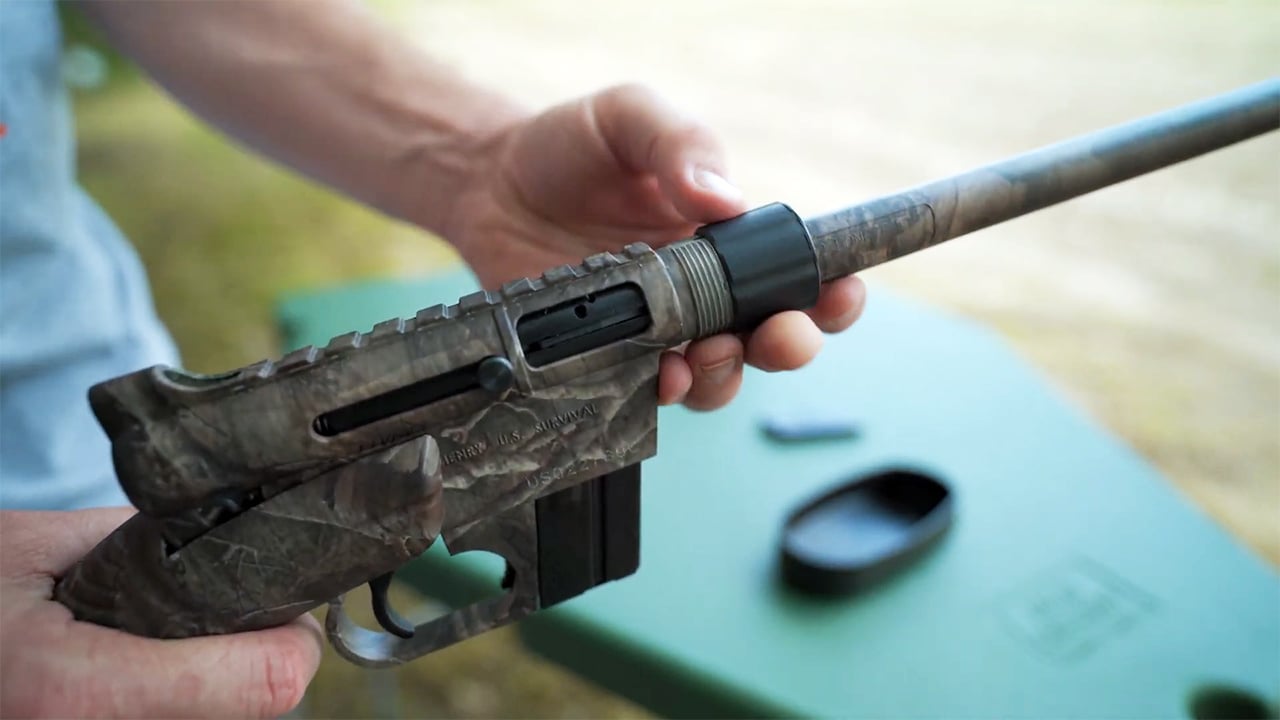
The AR-7 is one of the coolest survival-rifle concepts ever put into mass production. The barrel, receiver, and magazines store inside the stock, and the packed rifle can float. For camping, emergency kits, and anyone who appreciates clever engineering, the concept has enormous appeal.
Owners inevitably start explaining the compromises, though. The stock is bulky, the sights are basic, ergonomics are unusual, and reliability can depend heavily on magazines and ammunition. Fans correctly point out that you do not buy an AR-7 to compete with a conventional .22 rifle. Exactly. But once the survival gimmick is no longer needed, an ordinary rimfire is usually easier to shoot, easier to maintain, and more pleasant to carry assembled. The AR-7’s cleverness is also the source of most of its compromises.
Chiappa M6
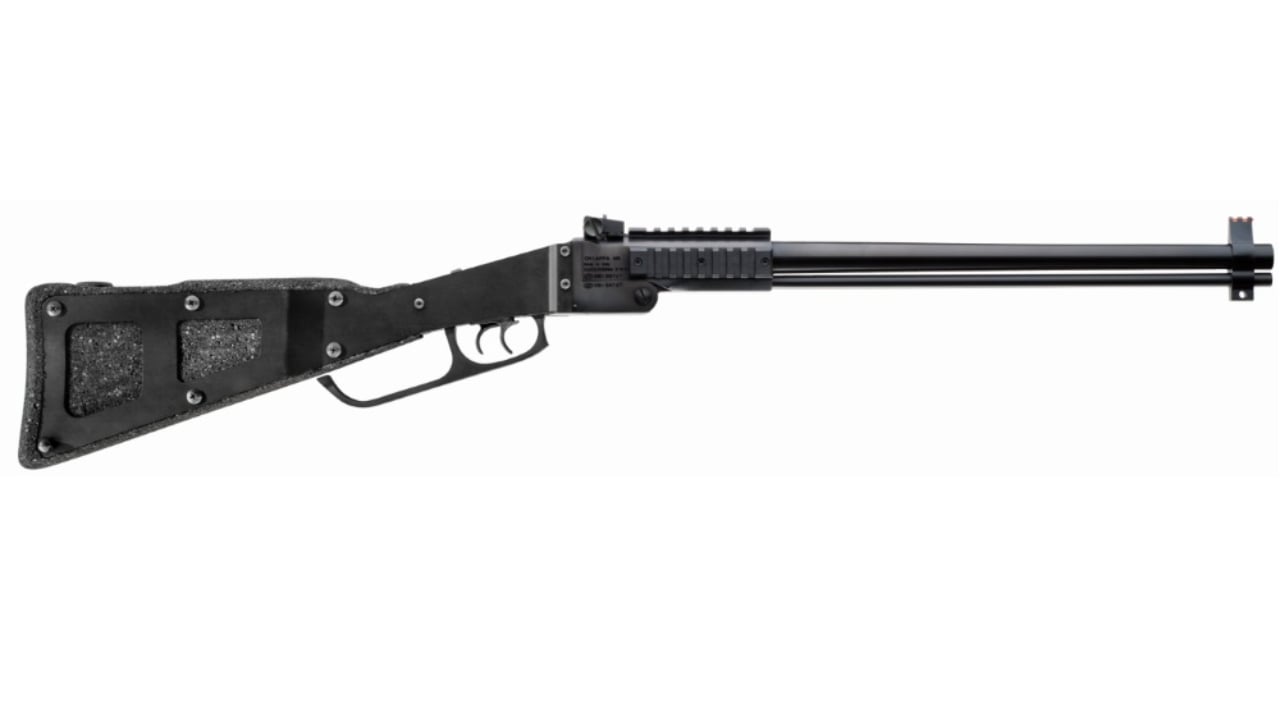
The M6 survival gun combines a shotgun barrel with a rifle barrel in a folding platform intended for compact emergency use. It is mechanically straightforward, breaks down easily, and gives you two ammunition types in one firearm. As a survival concept, it is genuinely interesting.
The tradeoff is ergonomics. The skeletal construction, unusual controls, and minimal furniture make the gun less comfortable than conventional rifles or shotguns. Supporters usually say comfort is irrelevant because the M6 is an emergency tool rather than a recreational firearm. That is defensible, but it also means owners are accepting poor handling for a hypothetical situation that may never happen. A gun can be brilliant within its niche while remaining awkward almost everywhere else.
Winchester Wildcat

The Wildcat is light, affordable, and designed around easy maintenance. The removable lower assembly allows surprisingly convenient cleaning, and magazine compatibility with common 10/22-pattern magazines gives it a major practical advantage over proprietary rimfires.
The complaint is that the rifle can feel almost too light and plastic-heavy. Owners defend that by pointing out that the low weight makes it excellent for young shooters and carrying through the woods. Again, true. But there is a line between lightweight and insubstantial, and the Wildcat crosses it for some buyers. It performs well enough, yet shooters accustomed to older steel-and-walnut rimfires sometimes struggle to accept how appliance-like the modern rifle feels.
KelTec RFB

The RFB is a bullpup .308 with forward ejection, compact dimensions, and a genuinely innovative operating system. It gives shooters a full-length barrel in an overall package shorter than many carbines, and it solves the left-handed ejection problem better than most bullpups.
The problem is complexity and weight. The gas system requires understanding, the gun is dense, and the forward-ejection mechanism adds components that conventional rifles simply do not need. Owners will say the manual explains how to set the rifle up properly and that the compact package is worth the extra learning curve. Maybe. But when a rifle requires significantly more owner involvement simply to provide the same basic .308 function as simpler platforms, the excuses start adding up.
Springfield M1A Scout Squad

The Scout Squad has enormous appeal because it combines the M14 look with a shorter barrel and a handier overall package. It feels substantial, sounds fantastic, and carries decades of military-inspired nostalgia with it.
Owners also spend plenty of time explaining away its weight, optics mounting challenges, expensive magazines, and the fact that modern .308 semiautomatics can be easier to configure and maintain. The standard defense is that you buy an M1A because you want an M1A, not because it wins a specification comparison. That may be the most honest excuse on this entire list. The rifle is enjoyable and historically interesting, but practicality stopped being its strongest argument a long time ago.
Mossberg MVP LC

The MVP LC tried to bridge bolt-action precision rifles and AR-style ergonomics by combining a chassis stock with detachable magazines and the MVP action. It looked modern, offered familiar magazine compatibility, and gave budget shooters an inexpensive way into a tactical-style bolt gun.
The issue was refinement. The action could feel rough, the chassis made the rifle heavier, and overall execution did not always match the premium appearance. Owners often argued that the rifle was accurate enough and cheaper than more polished alternatives. That was true, but “accurate enough” becomes less convincing when the rest of the gun feels like a collection of compromises. The concept was stronger than the final experience.
Taurus CT9 G2
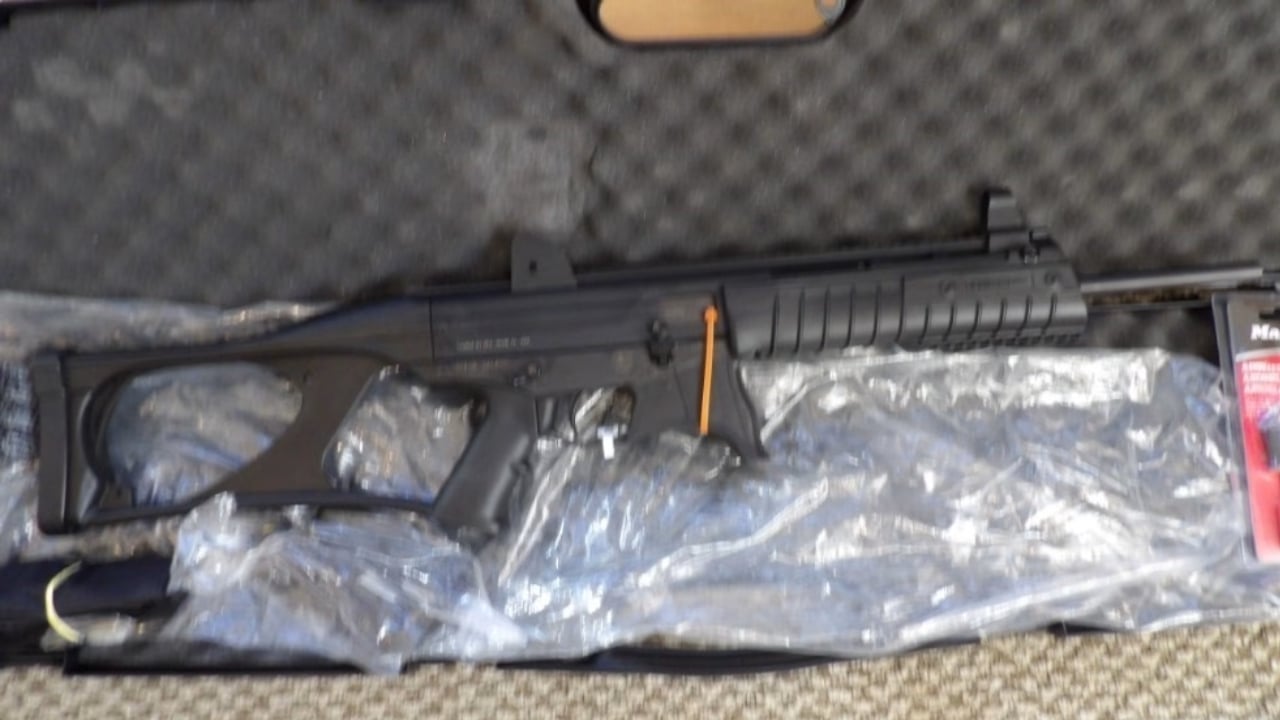
The CT9 G2 carbine offered a pistol-caliber semiautomatic platform before the modern PCC boom reached its current size. It was straightforward, soft shooting, and chambered in inexpensive 9mm, which made it appealing as a recreational or defensive carbine.
Its biggest weakness was the proprietary ecosystem. Magazine availability, accessories, and general aftermarket support could not compete with AR-pattern PCCs or carbines tied to widely used pistol magazines. Owners would point out that the rifle did not need endless customization to work. That is fair, but proprietary magazines become much harder to defend when the rest of the market offers broad compatibility almost by default. The gun itself was fine. The ecosystem was what eventually made it feel isolated.
Remington 597

The 597 was Remington’s attempt to challenge the dominant semiautomatic rimfire rifles, and it had some genuinely good qualities. The twin guide rails gave the bolt a smooth travel path, accuracy could be excellent, and the rifle often felt more substantial than the cheapest .22s.
The magazines became the recurring excuse. Early versions developed a reputation for feeding issues, and even after improvements, the platform never escaped that association completely. Fans would explain which magazine generation to buy or which ammunition worked best. That advice could solve problems, but it also highlighted how much easier competing rimfires were to recommend. A good 597 can be a great shooter; finding the right combination should not have been part of the ownership experience.
Keltec CMR30
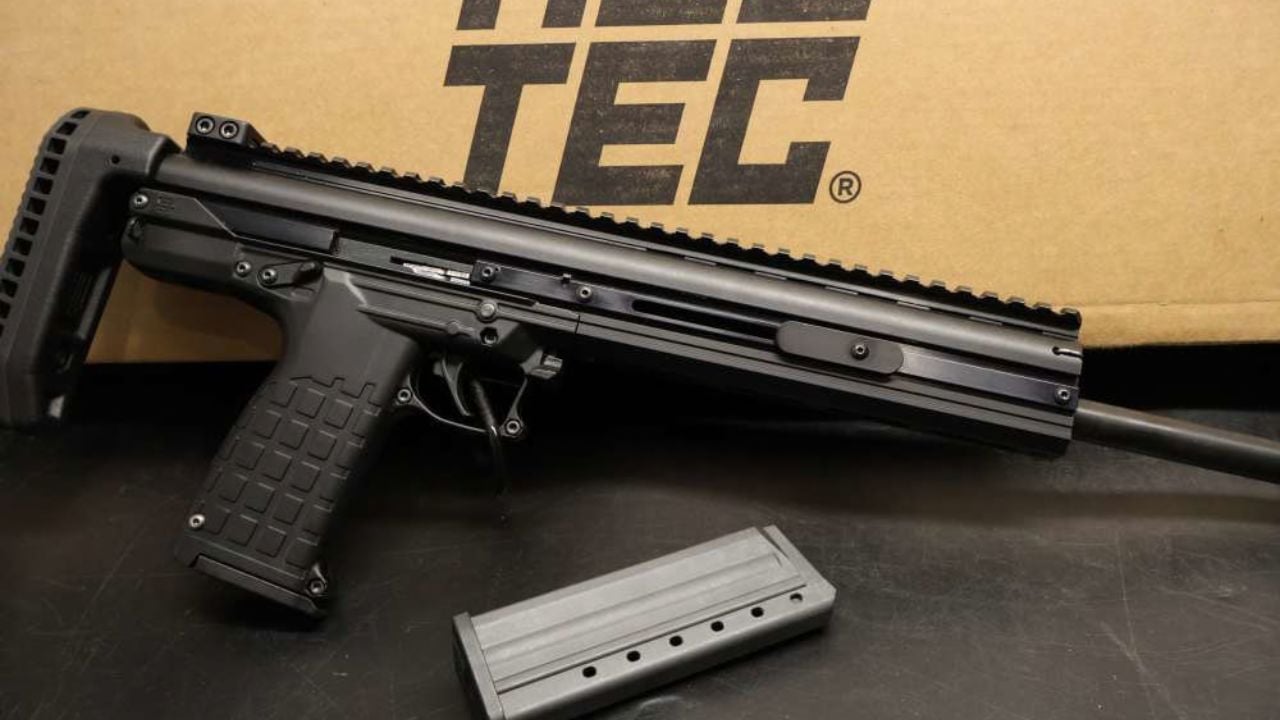
The CMR30 is incredibly fun when it is running well. Thirty rounds of .22 Magnum in a lightweight, collapsible-stock carbine gives you almost no recoil and a tremendous amount of shooting before a reload. It is compact, distinctive, and makes a fantastic range toy.
The excuses usually concern ammunition sensitivity and magazine loading. Rimmed cartridges stacked into a high-capacity magazine require more attention than ordinary centerfire rounds, and owners quickly learn that loading technique matters. Fans will tell you to use the recommended ammunition and take your time filling the magazines. That works, but it also means the rifle demands more cooperation from the owner than most modern carbines. When properly fed, it is brilliant fun. The fact that “properly fed” needs explanation is the issue.
Like The Avid Outdoorsman’s content? Subscribe to our newsletter so you never miss an article.
Here’s more from us: