
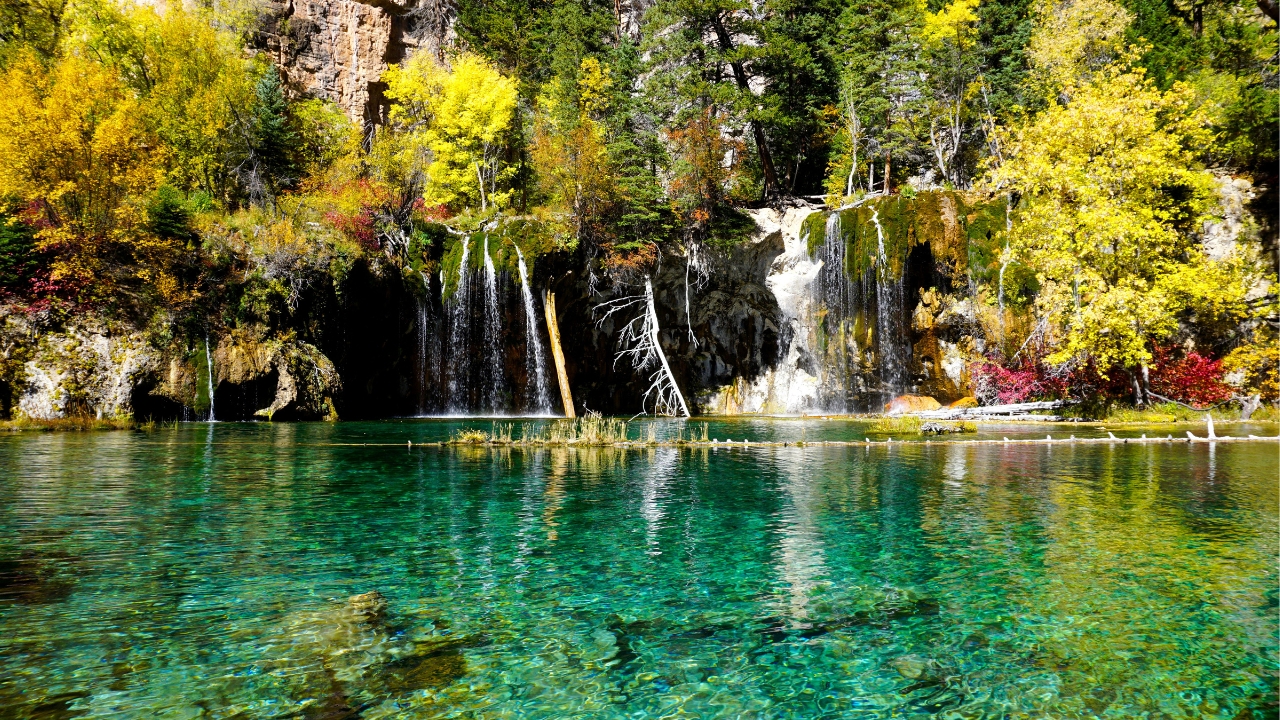
Photo credit: bjovaag/ Shutterstock.com
You don’t need a fancy lodge or a $70,000 bass boat to catch big fish. Some of the best fishing happens miles off the beaten path—where you hike your gear in, pack light, and earn every bite. These backcountry lakes don’t see much pressure, and that’s exactly why the fish get big.
If you’re willing to put in the effort, these spots can pay off in a big way. It might mean a long hike, a paddle through mosquito country, or a cold morning in the tent—but that first big strike makes it all worth it.
Quetico Provincial Park, Ontario
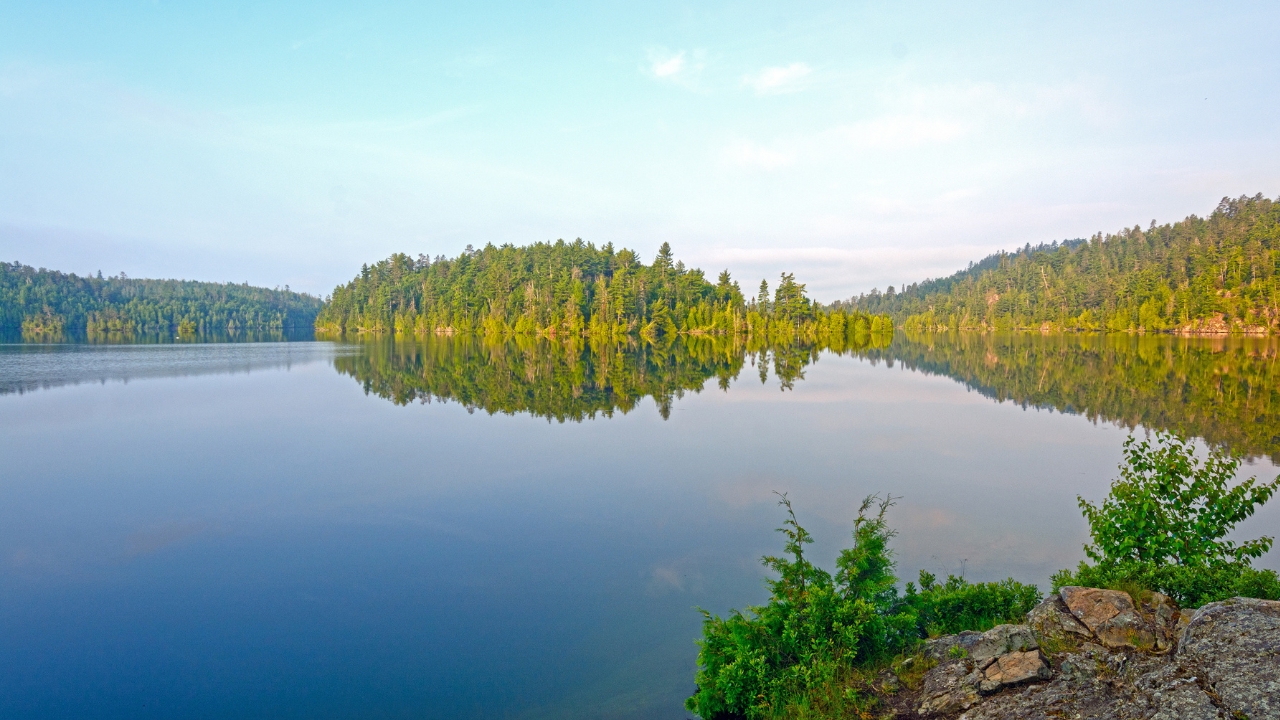
If you’re willing to paddle deep into Quetico, you’ll find lakes full of giant smallmouth, northern pike, and even lake trout. The farther in you go, the fewer boats you’ll see—and the bigger the fish tend to be. It’s remote, quiet, and packed with structure.
Most anglers skip past the smaller lakes between portages, but those often hold the best fish. Drop a tube jig off a rock pile or work a topwater over calm water at sunrise, and you’ll see why Quetico keeps bringing people back.
Lake Desor, Michigan (Isle Royale)

Lake Desor sits deep inside Isle Royale National Park and takes some real work to reach. But once you’re there, it’s got some of the best backcountry bass fishing in the Great Lakes region. It’s all walk-in—no motors, no pressure.
The smallmouth here grow big and hit hard, especially during the summer when the water warms up. Bring a light pack, some plastics and topwaters, and be ready to hike. This isn’t a casual afternoon trip, but it’s the kind of spot where you’ll catch fish that haven’t seen a lure all season.
Cliff Lake, Montana
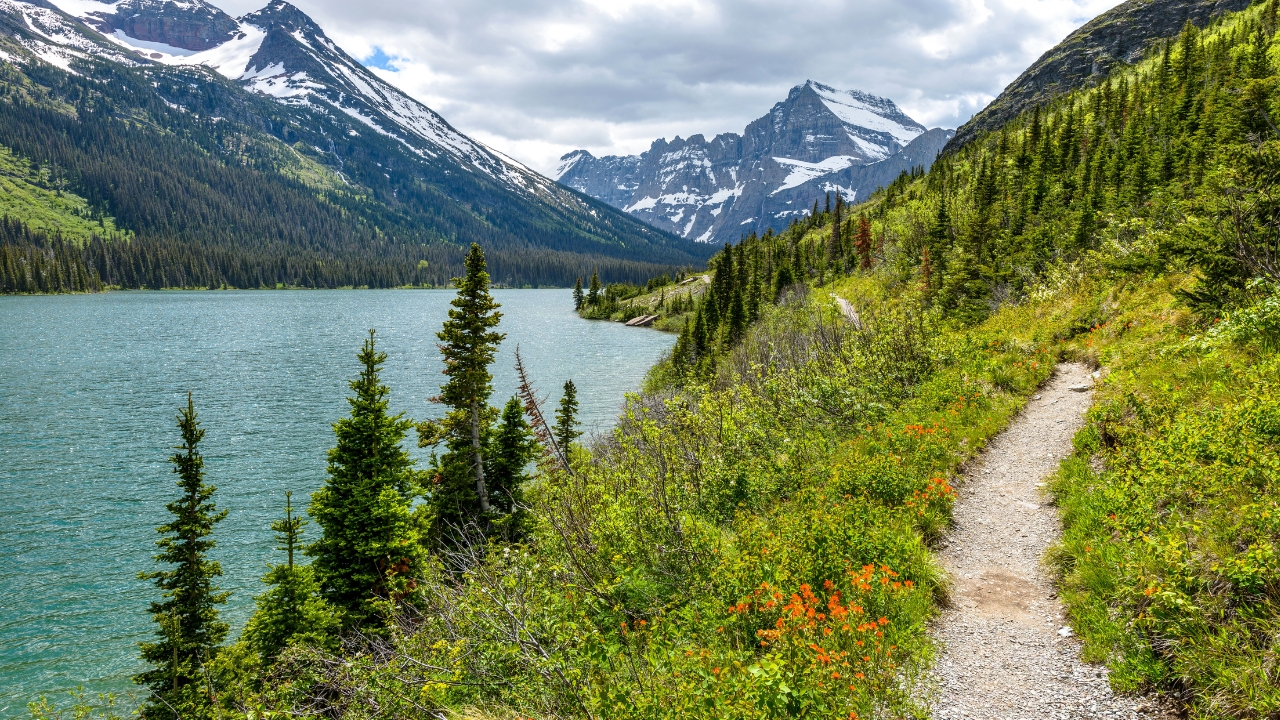
Tucked in the Gravelly Range, Cliff Lake has the kind of water that makes you slow down and fish it right. It’s known for big rainbows and cutthroats, and the clarity lets you sight-cast in the right conditions. You won’t find a bunch of weekend warriors out here.
The lake’s fed by cold snowmelt and surrounded by good camping, making it perfect for a multi-day trip. Fish streamers early or nymphs deep when the sun gets high. There’s plenty of lake to explore, and the fish aren’t shy if you stay quiet.
La Garita Wilderness Lakes, Colorado
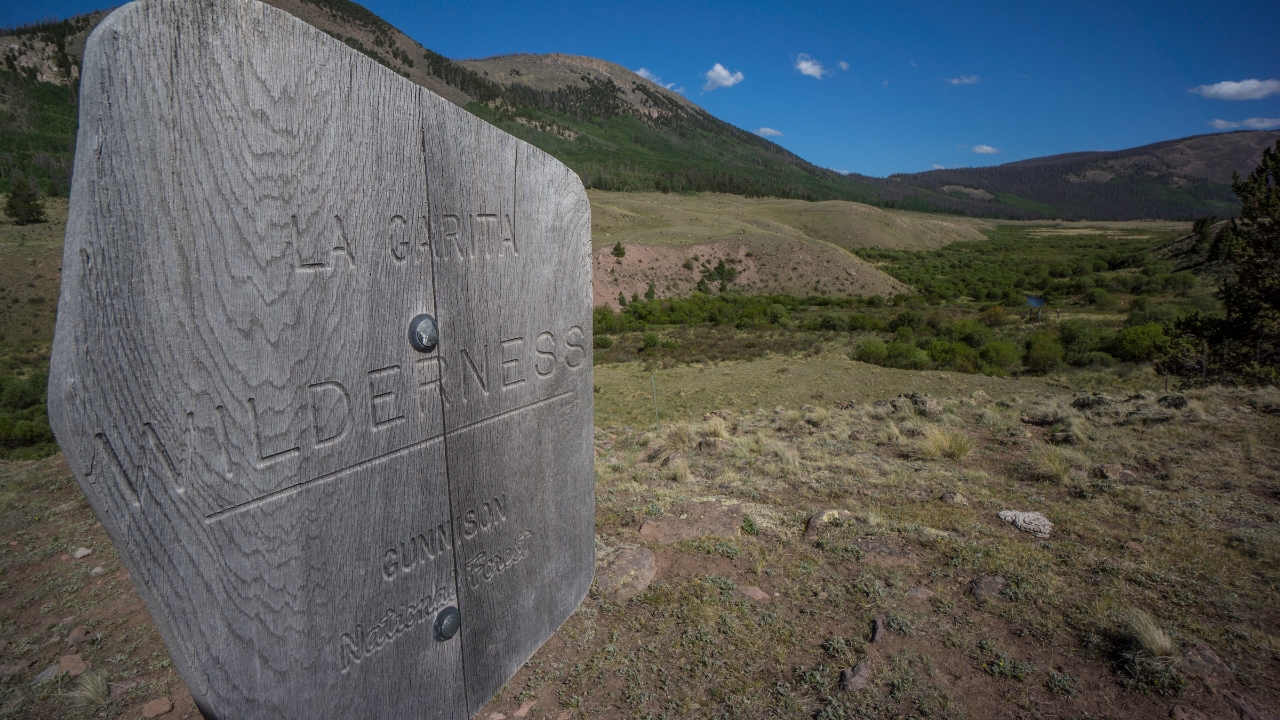
Scattered across the high country in the La Garita Wilderness are a handful of alpine lakes that rarely see more than a boot print or two a week. Some hold cutthroat, others brookies, and a few are known for bigger-than-average surprises.
You’ll need to pack light and hike high, but once you’re there, it’s you, the water, and trout that haven’t been pressured in weeks. These lakes may not have names on every map, but if you’re up for the climb, they’re worth every step.
Upper Two Medicine Lake, Montana
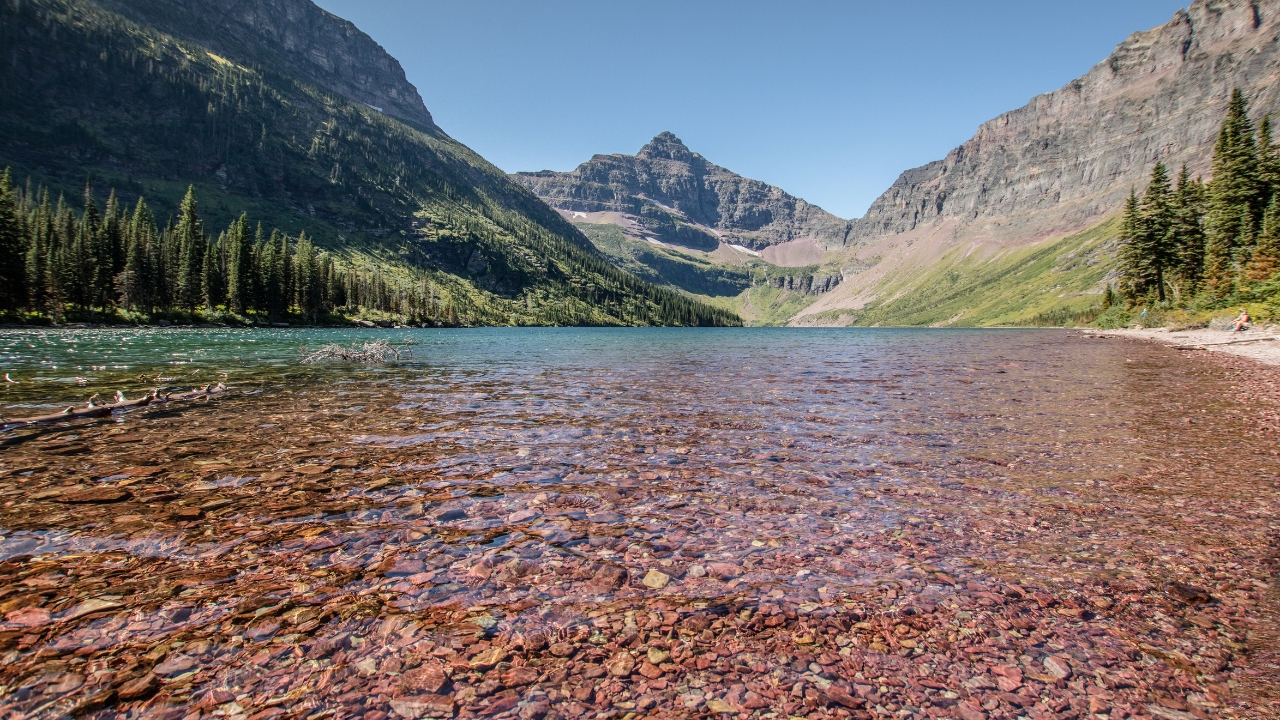
Glacier National Park sees plenty of traffic, but Upper Two Medicine stays quiet thanks to the miles between it and any parking lot. This lake holds solid brook trout and some big cutthroats if you know where to look. Most folks hike through without wetting a line.
It’s a good place to fish slow—drift a dry fly near shore or toss small spinners where the wind pushes into rock shelves. Bring bear spray, good boots, and the patience to cover some miles. The fish are in there, and they’re usually willing.
Namakan Lake, Minnesota/Ontario
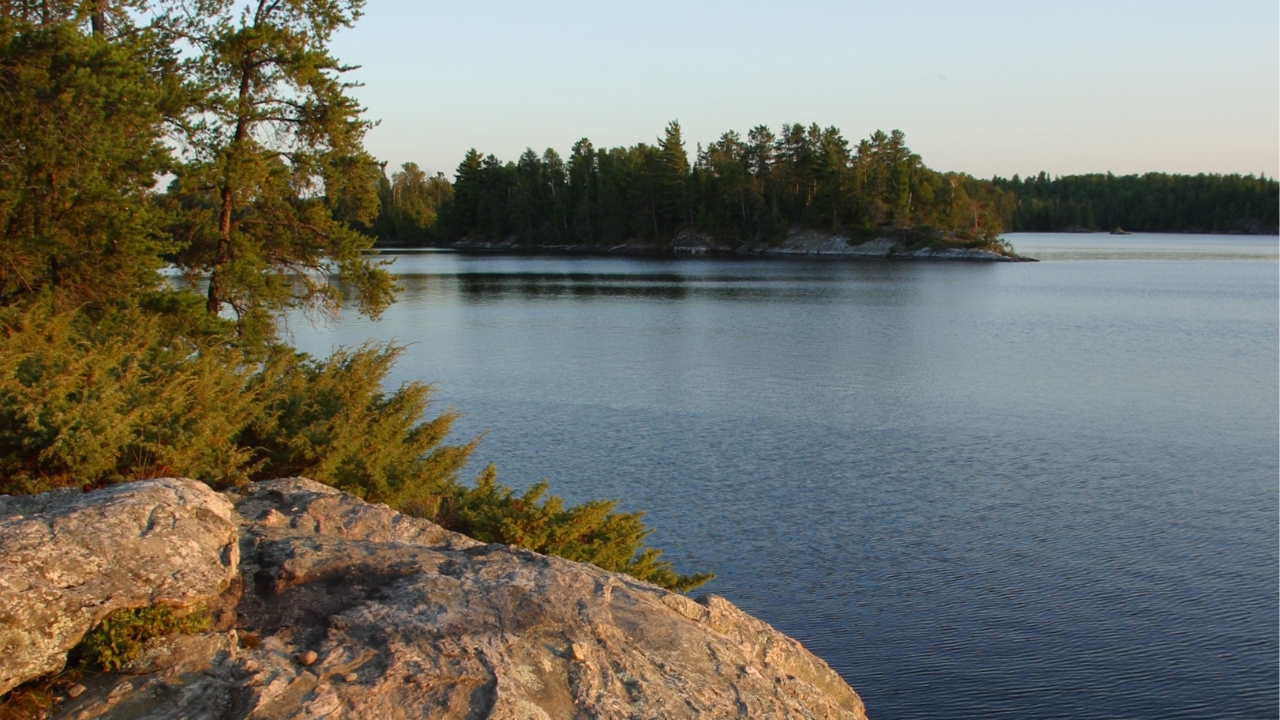
Namakan’s tucked between Minnesota and Ontario in Voyageurs country, and while not entirely landlocked, it fishes like a backcountry lake if you get into the fingers and bays on foot or paddle. It’s full of walleye, smallmouth, and pike that don’t see a lot of pressure.
Camp on the islands, fish the rock piles, and slow-roll jigs in the current near narrows. The best fishing often happens in spots the boats can’t reach, which is exactly why you bring a canoe. Early mornings and evenings here can be ridiculous.
Alpine Lakes Wilderness, Washington
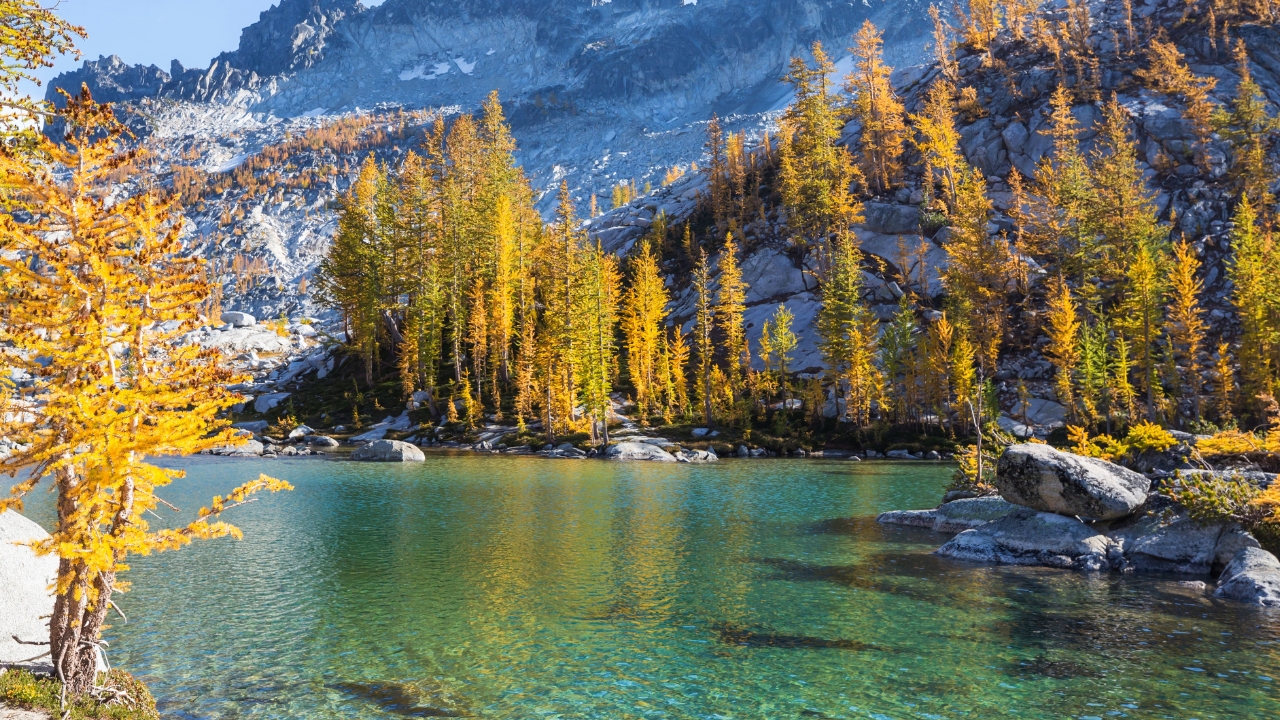
This area’s loaded with lakes you’ve got to work to reach—some a couple miles in, some much farther. But what you get in return is wild trout fishing in icy-cold, crystal-clear water that rarely sees more than a few anglers all season.
Most of the lakes hold cutthroat or rainbows, and a few have golden trout if you know where to look. Use light gear and pack smart—once you’re there, it’s usually sight fishing with small flies or micro-spinners. Tough hiking, but peaceful, quiet, and well worth it.
Johnson Lake, Utah
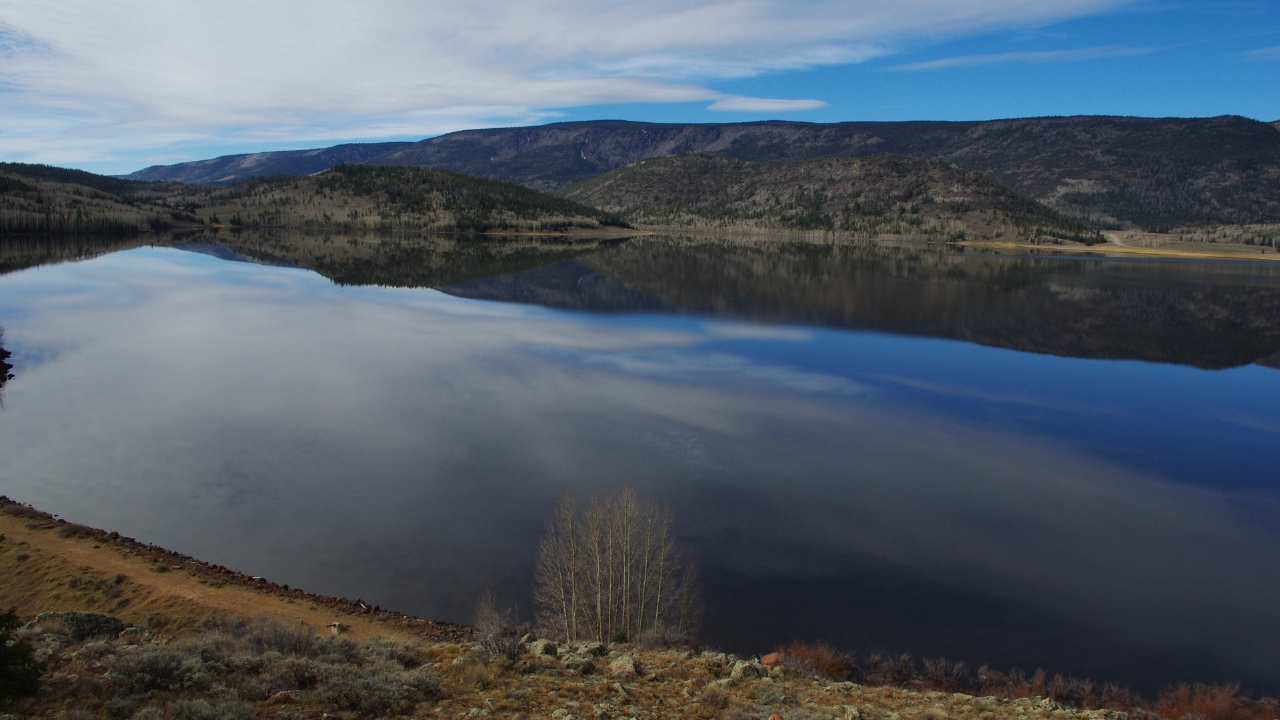
Hidden in the Tushar Mountains, Johnson Lake isn’t huge, but it’s deep, cold, and full of tiger trout that hit harder than you’d expect. It takes a little effort to reach, especially in early summer when snow’s still around, but that keeps the crowds away.
Fish deep during the day with streamers or jigs, or hit the shallows with dry flies early and late. Bring layers—it can get chilly even in July. If you’re after something different in Utah, this one doesn’t disappoint.
Hanging Lake, Colorado
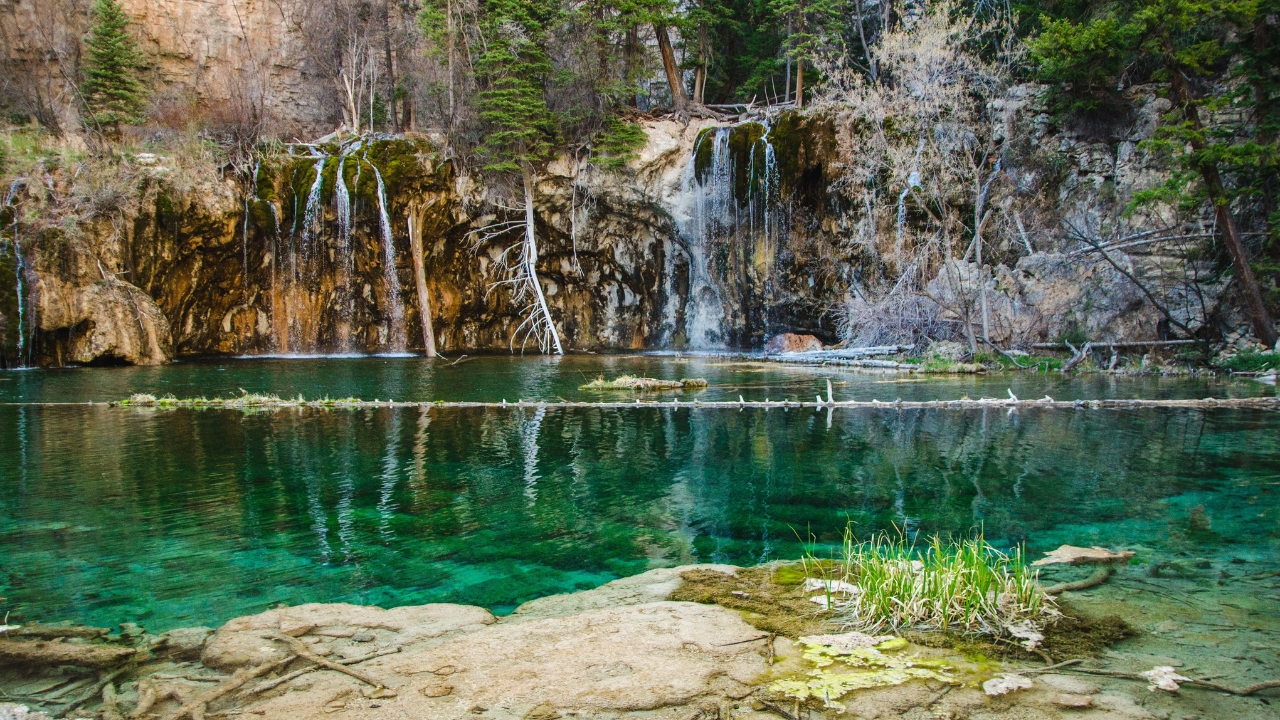
Most folks hike to Hanging Lake for the view—not the fishing—but what they don’t know is that the nearby tributaries and pools hold some surprisingly big brookies. It’s not legal to fish the lake itself anymore, but the surrounding water is fair game.
Get off the trail, keep your noise down, and work slow water with dry flies. You’re not going to haul in a dozen, but the ones you get will be worth the effort. It’s a unique spot where the scenery’s top notch and the fishing’s better than expected.
Moosehead Lake Tributaries, Maine

Moosehead itself is well-known, but the tributaries feeding it hold a different kind of fishing—wild brook trout in cold, clear water that winds through thick forest. You’ll need to hike or paddle into some of these spots, but that’s where the bigger fish hide.
Late spring and early fall are prime time. Cast small streamers into undercut banks or bounce nymphs through deeper pools. Keep an eye out for moose—they’re not rare in this area. If you want quiet water and wild fish, this is a solid pick.
*This article was developed with AI-powered tools and has been carefully reviewed by our editors.


