
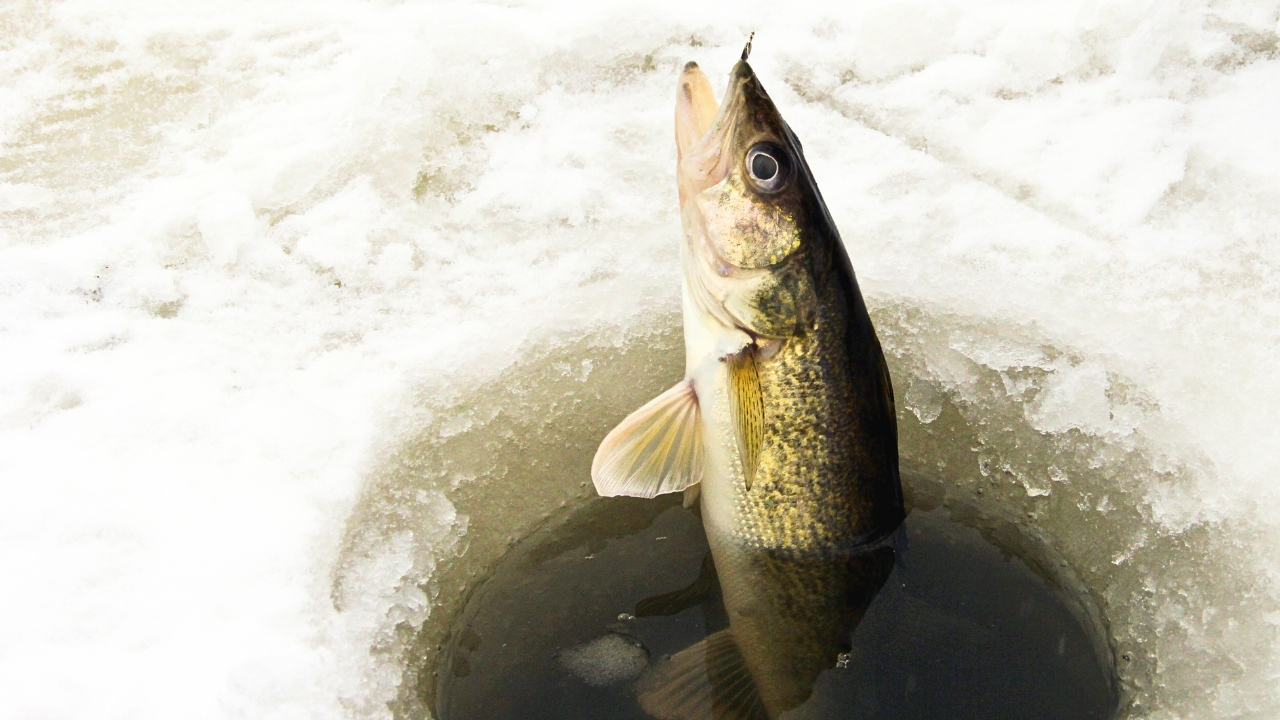
Photo credit: dcwcreations/Shutterstock.com
Ice anglers are meticulous about rods, shelters, and the bite window, yet the most dangerous part of the day is often the walk from the truck to the first hole. You probably know you should “check the ice,” but in practice many people rely on shortcuts, myths, and gear rituals that feel reassuring without actually reducing risk. The real difference between a close call and a clean day on the hardwater comes from a smaller set of checks that are easy to skip, but crucial when something goes wrong.
This guide separates the habits that mostly waste your time from the ones that genuinely keep you out of the water. You will see where common wisdom falls short, which measurements matter, and how to build a simple routine that fits into the way you already fish.
1. The safety rituals you overdo, and the ones you ignore
Ice anglers tend to obsess over the hazards they can see, like a messy sled or a sharp auger blade, while overlooking the invisible ones under their boots. Workplace safety experts note that people often fixate on obvious issues and then miss less visible but more serious risks, a pattern summed up in the warning that, Since some hazards are common and easy to add to a checklist, you may overlook the ones that actually matter. On the ice, that can look like carefully packing a first aid kit while never once measuring thickness beyond the first step from shore. You might double check that your heater is off before driving home, yet never tell anyone which lake you chose.
The same blind spots show up in how you use protective gear. Safety guidance for other high risk jobs stresses that Proper use of PPE, or PPE, is often neglected even when people own the right equipment, and that Personal gear only works if it is worn and adjusted correctly. On the ice, that translates into flotation suits that stay in the truck, ice picks buried at the bottom of a bucket, and traction cleats that never get strapped on for the quick walk to “just one more spot.” Recognizing this human tendency is the first step toward building a routine that focuses on the checks you are most likely to skip.
2. Thickness myths versus real numbers
One of the most dangerous shortcuts is trusting your eyes instead of a tape measure. Local safety officials in Massachusetts spell out that 2 inches thick or less should be avoided completely, while 4 inches or more is considered safe for ice fishing or other activities on foot. Broader guidance for anglers echoes that you may be able to stand on just a few inches of clear ice, but that does not mean it is safe for a group, a snowmobile, or a side by side, which is why detailed Ice Fishing Safety Tips emphasize specific thickness thresholds for each activity. Treat those numbers as hard limits, not suggestions you can bend because the lake “usually” freezes well.
Even when the tape says four inches, you still need to understand how ice quality changes the equation. State agencies warn that White ice or snow ice is only about half as strong as new clear ice, which means a cloudy, refrozen surface can be very treacherous at thicknesses that would otherwise feel comfortable. The Minnesota DNR notes that you should Learn how temperature, snow cover, currents, and springs affect strength, because old, layered ice is never as strong as new, clear ice of the same depth. When you combine those quality checks with the simple “2 inches bad, 4 inches good on foot” rule, you replace guesswork with a repeatable decision.
3. Why “one hole is enough” is a dangerous assumption
Another shortcut that feels efficient but quietly raises your risk is checking thickness in only one spot. Winter safety guidance for frozen ponds stresses that before stepping onto frozen ponds or lakes you should keep a few basics in mind, including the need to Check ice thickness in multiple places because conditions can change within just a few feet. Currents, springs, and old pressure ridges can carve thin pockets that sit right next to safe ice, so a single test hole near shore tells you almost nothing about what lies under your boots halfway to your shack.
To make multiple checks practical, you need the right tools within reach. Officials in Maine recommend that you Use an ice chisel, auger, or cordless drill to test thickness at regular intervals, and they sum up the visual test with the phrase Thick and blue, tried and true, Thin and crispy, way too risky. Local quick reference cards add that you should Be wary of snow-covered ice that can hide thin or unstable areas, and that you should Test ice near shore before committing to a crossing because cracking near land is an early warning sign. Building a habit of drilling or chiseling every 20 to 30 yards takes minutes and gives you real data instead of false confidence.
4. The checks you skip before you even leave the driveway
Many of the most important safety steps happen long before you step onto the lake, yet they are easy to skip in the rush to beat sunrise. Insurance and safety specialists frame the first step simply as Be Prepared, and they stress that Before you head out you should pack a dedicated ice fishing safety kit with items like a throw rope, ice picks, and a charged phone in a waterproof case. Another simple but often neglected step is to Share your plan, including which lake, which access point, and what time you expect to return, so that Sharing that information gives rescuers a starting point if something goes wrong.
Your pre trip checklist should also include a sober look at weather and recent conditions. Safety briefings for anglers emphasize that warm spells, rain, and wind can weaken ice quickly, which is why winter quick reference guides urge you to Use extra caution after warm weather or heavy snow. When you are When preparing your equipment for the day, it is crucial to remember key items such as appropriate clothing, waders, boots, and safety gear every time you go to the river or the lake, not just on the coldest days. Treat that home front routine as part of the fishing trip, not an optional add on.
5. Reading the ice like a pro instead of trusting luck
Once you reach the access, the temptation is to follow the nearest set of tracks and assume the crowd has done the homework for you. A better approach is to read the surface yourself. Winter safety cards labeled WINTER ICE SAFETY: QUICK REFERENCE advise you to look for clear, dark ice, which is stronger than white or refrozen ice, and to avoid inlets, outlets, and culverts where moving water weakens ice and slows freezing. Maine officials echo that No matter what color the ice is, you should be extra cautious near streams and river mouths due to the faster current.
As you move, keep scanning for subtle warning signs. The same quick reference guidance urges you to Avoid inlets, outlets and culverts entirely when you can, and to Look for clear, dark ice instead of trusting snow covered patches that might hide slush or open water. The Minnesota DNR reminds anglers that Temperature, snow cover, and rough ice all affect strength, so a lake that was safe last weekend can turn sketchy after a warm front or heavy snowfall. Training yourself to notice those patterns is as important as any gadget in your sled.
6. Traction, flotation, and the gear that quietly saves lives
Many anglers treat safety gear as optional, yet the right clothing and tools can turn a fall through the ice into a survivable scare. Cold water experts in the North Country highlight the “1 10 1 rule” for immersion, and they stress that what you wear and bring, including a flotation aid and ice picks, determines whether you can self rescue in that first critical minute, which is why they outline What to wear and bring before you ever step out. Modern flotation suits are designed for exactly this scenario, and gear reviewers note that A flotation suit will keep you dry and your head above water, and that Keeping your head and other layers dry buys time to calm down and climb out.
Traction is another overlooked piece of the puzzle. Falls on glare ice can break wrists, ribs, or rods long before you ever reach a bad pressure ridge. Products like Diamond Grips provide aggressive traction for all winter walking conditions, from boilerplate ice to backcountry snow, and Yaktrax models marketed as Yaktrax winter ice cleats use a similar diamond pattern to bite into slick surfaces. Other traction devices, such as Kahtoola MICROspikes, are Designed with stainless steel spikes to give you confident performance on steep, icy approaches. None of these items help if they stay in the sled, so build a habit of putting them on at the truck, not after your first near fall.
7. Ice picks, throw ropes, and the rescue tools you forget to carry
Self rescue gear is the definition of something you do not need until you really, really do. Safety kits for anglers consistently include ice awls or picks, yet many people leave them in a bucket or at home. Dedicated products marketed as Ice Safety Picks are retractable awls worn around your neck, and their descriptions emphasize that Your essential companion for any activity on frozen lakes is a pair of quick deploy claws that let you grip the ice and pull yourself out. The key is to wear them where your hands can find them automatically, not buried under a parka or life jacket.
Throw ropes and rescue discs are just as important for helping someone else. Many anglers now carry compact throw bags or floating ropes, such as those sold for ice fishing safety kits at retailers like Bass Pro Shops, which can be tossed from a safe distance instead of crawling toward a victim on questionable ice. Comprehensive gear roundups for hardwater anglers highlight that a simple safety checklist should include a rope, picks, and a flotation aid, and they frame it as an ice fishing safety gear system rather than a random assortment of gadgets. If you fish with partners, agree ahead of time who carries what so that at least one rope and one set of picks are always within reach.
8. Vehicles, contests, and the illusion of safety in numbers
Nothing changes the risk profile of a lake like vehicles and crowds. State agencies are blunt that Frozen lakes are not parking lots, and they specify that Cars, pickups, or SUVs should be parked at least 50 feet apart and moved every two hours to prevent them from sinking as the ice sags. Local reminders for anglers heading into winter echo that you should Park at least 50 feet apart from other vehicles and Move your vehicle every two hours to give the ice time to rebound. Treat those instructions as non negotiable, especially during warm spells or on lakes with fluctuating water levels.
Big events can also lull you into a false sense of security. Organizers of major hardwater tournaments in places like Montana are already promoting that If you thought winter was for hibernating, think again, because the 2026 ice fishing contests are gearing up to turn frozen lakes into busy gathering spots, and they promise that this year’s lineup has something for everyone. That kind of marketing can make it feel like the ice must be safe if hundreds of anglers are out, but crowds concentrate weight, drill more holes, and cut more pressure ridges. During events, you still need to run your own checks, avoid high traffic vehicle routes, and stick to conservative thickness thresholds instead of assuming the organizers have eliminated all risk.
9. Building a simple, repeatable safety routine
The most effective safety system is one you actually use every time, not a complicated plan you only remember on sketchy days. Practical checklists for anglers suggest starting with a short mental run through before you leave home, similar to the way pilots or guides prepare for a day on the water. That means confirming your dedicated safety kit, reviewing the forecast, and making sure someone knows where you are headed, steps that echo the advice to How to Stay Safe While Ice Fishing. On the lake, your routine might be as simple as testing thickness at set intervals, avoiding inlets and outlets, and putting on traction devices at the truck instead of halfway out.
Once you are fishing, the goal is to keep safety in the background without ignoring it. A detailed How to Know When Ice Is Safe and What to Do If Things Go Wrong checklist boils it down to a few habits: carry rescue tools, fish with a partner when possible, and You should always prioritize safety first. Retailers and safety educators reinforce that additional tips include fishing with a buddy, keeping a throw rope handy, and staying off the ice at night unless you know it well, advice that is echoed in Additional safety tips for heading out. When you turn those ideas into a short, repeatable routine, you stop relying on luck and start stacking the odds in your favor every time you chase fish through the ice.
Like The Avid Outdoorsman’s content? Be sure to follow us.
Here’s more from us:


