Photo credit: THE PEWPEW ZONE/YouTube
Some carry calibers look great when the argument stays on paper. They have impressive velocity, clean energy numbers, deep technical explanations, or loyal defenders who can make them sound like the smartest choice in the room. Then you put them in a real carry gun, shoot them under pressure, price the ammo, or look at the actual pistol options, and the story changes.
A defensive caliber has to do more than win a chart. It has to be controllable, reliable, available, and realistic for the person carrying it. Plenty of rounds can work in perfect conditions. The problem is that carry guns live in imperfect conditions, with imperfect shooters, short barrels, stress, bad angles, and very little room for fantasy.
.357 SIG

The .357 SIG has always looked better on paper than it does in most people’s holsters. It offers high velocity, flat trajectory, and a reputation for barrier performance that made it sound like a smarter, harder-hitting alternative to 9mm.
The problem is the tradeoff. It has sharper recoil, louder blast, lower capacity than comparable 9mm setups in many guns, and more expensive ammo. For most carriers, the real-world gain is not enough to justify the extra cost and reduced practice. It may be interesting, but it is rarely the most practical answer.
.40 S&W

The .40 S&W still has defenders because it once owned a huge part of the law-enforcement market. On paper, it looks like the perfect middle ground between 9mm capacity and .45 ACP bullet diameter. That sounded convincing for a long time.
In actual carry guns, .40 can be snappy, harder on shooters, and less pleasant to train with. Modern 9mm defensive ammo closed much of the gap that made .40 so appealing in the first place. It still works, but it no longer wins the argument as easily as its numbers suggest.
.45 GAP

The .45 GAP was designed to give shooters .45-caliber performance in pistols with smaller grip frames. On paper, that sounds useful. A big bullet in a more manageable pistol should have had a clear lane.
The market did not agree. Ammo is harder to find, gun options are limited, and .45 ACP still owns the big-bore semi-auto identity. Even if the cartridge can perform, carry calibers need support. The .45 GAP lost that battle badly.
.30 Super Carry

The .30 Super Carry is one of the best examples of a caliber that makes sense in a spec sheet. More capacity than 9mm, more punch than .380 ACP, and a modern defensive design all sound appealing. The idea is not dumb.
The issue is adoption. A carry caliber needs guns, holsters, ammo choices, practice ammo, and long-term confidence. The .30 Super Carry may be technically interesting, but it has not replaced 9mm in the real world. For most people, the paper advantage is not enough.
5.7x28mm
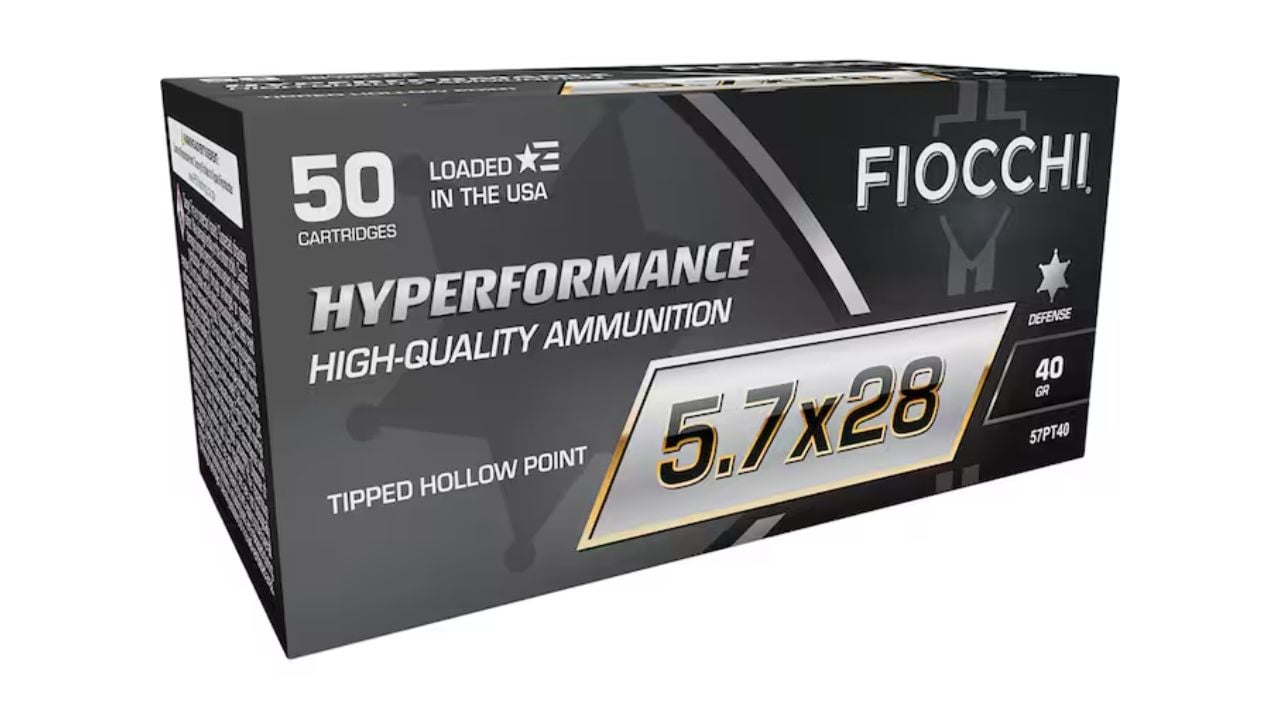
The 5.7x28mm looks exciting because it is fast, flat, and different. It gives shooters low recoil and high capacity in certain pistols, which makes the numbers and marketing easy to like. It also has a futuristic reputation that helps it stand out.
But for concealed carry, the pistols are often larger than people want, ammo is expensive, and defensive performance depends heavily on bullet choice. Low recoil is nice, but a carry round has to make sense in the gun you actually wear every day. The 5.7 is cool, but it is not automatically practical.
.22 TCM

The .22 TCM is fast, loud, and fun. On paper, it has the kind of velocity that makes people pay attention. It turns a handgun into something that feels almost like a tiny fireball machine, and that gives it real novelty value.
As a carry caliber, though, it is a hard sell. Gun options are limited, ammo is not common, and the blast is extreme for defensive use. It may be entertaining on the range, but entertaining is not the same thing as trustworthy.
10mm Auto

The 10mm Auto is a serious cartridge, and that is exactly why it can fool people on paper. The energy numbers look excellent. The woods-defense reputation is real. Full-power loads hit hard and make normal service calibers look tame.
For everyday carry, that power can become a problem. Bigger guns, more recoil, louder blast, and expensive ammo all reduce how much people actually train. A 10mm carried by someone who shoots it well can make sense. A 10mm carried because the numbers look impressive can become a liability.
.45 ACP

The .45 ACP has one of the strongest paper arguments ever built around a handgun round. Big bullet, proven history, heavy projectile, and decades of confidence all make it sound like the obvious fight-stopper.
The real carry picture is more complicated. .45 pistols are often larger, capacity is lower, recoil is slower to recover from, and modern 9mm has made the size advantage less convincing. The .45 still works, but it is not the automatic upgrade people remember it being.
.38 Super
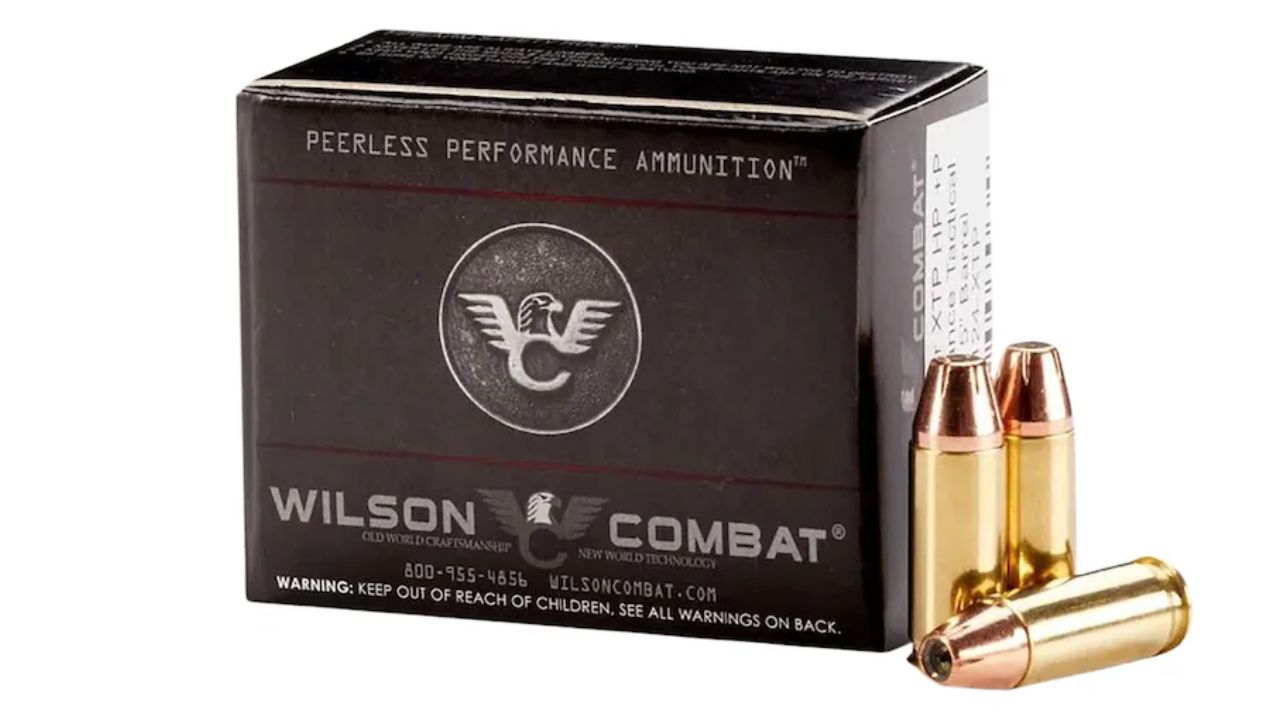
The .38 Super has speed, history, and impressive performance when loaded well. On paper, it can look like a flatter-shooting, harder-running alternative to 9mm, especially in 1911-style pistols.
For normal concealed carry, it is niche. Ammo is more expensive, defensive loads are less common, and most pistol choices are not built around practical everyday carry. It has loyal fans for a reason, but most people are better served by a caliber with broader support.
9x18mm Makarov
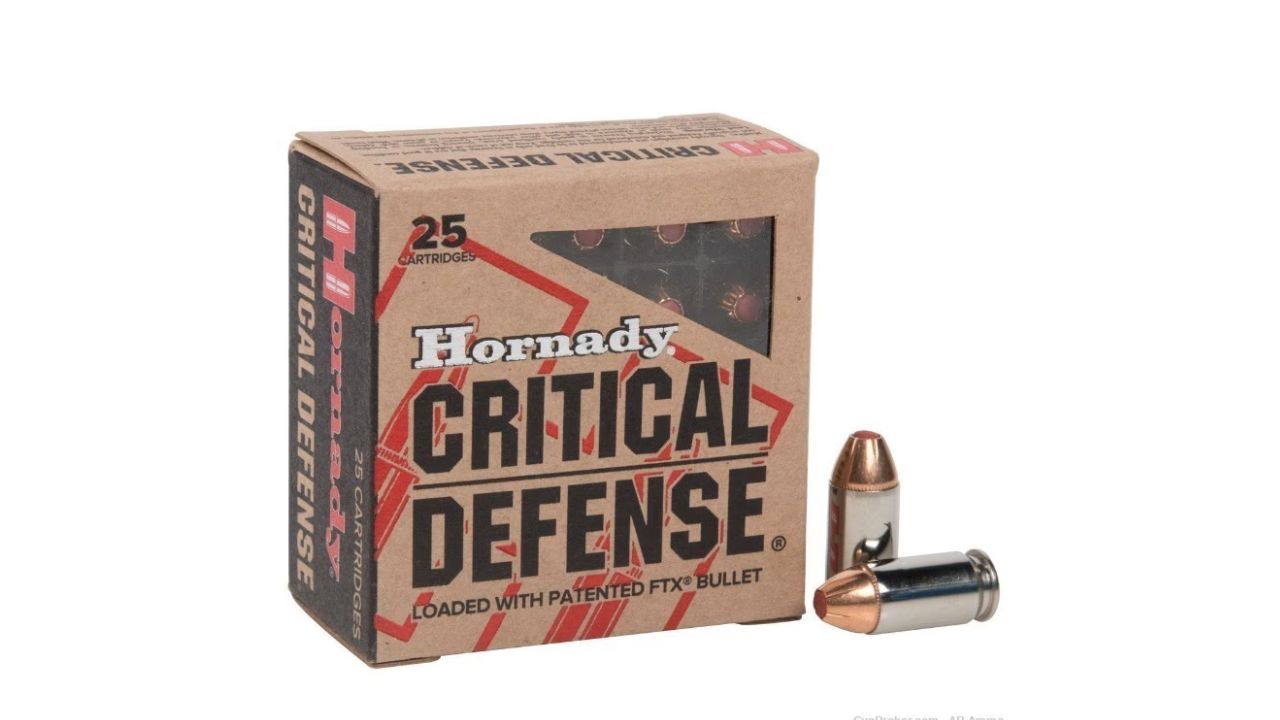
The 9x18mm Makarov sits in an odd place. On paper, it looks stronger than .380 ACP and softer than 9mm. In a compact surplus pistol, that can sound like a practical old-school carry setup.
The issue is the gun-and-ammo ecosystem. Many Makarov pistols have small sights, heavy triggers, limited capacity, and fewer modern defensive ammo options. The caliber can work, but it often lives in guns that make it harder to use well.
.380 ACP from tiny pistols
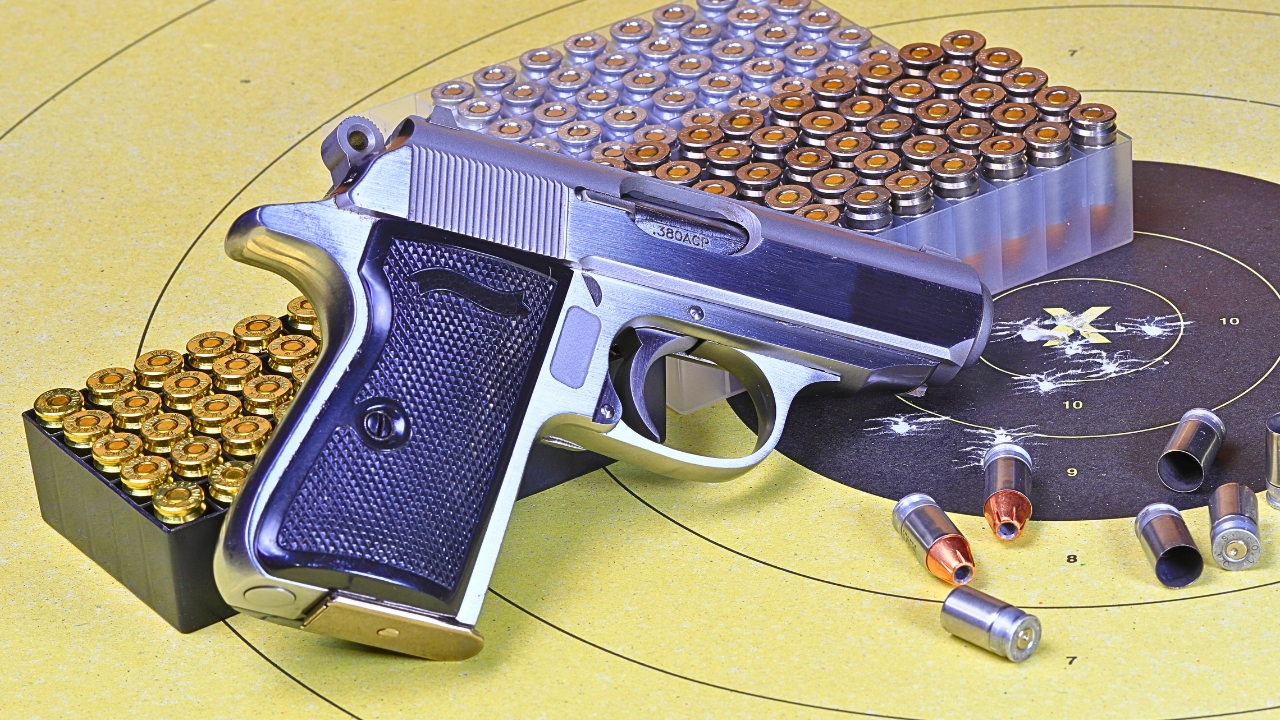
The .380 ACP can make sense in the right gun. The problem starts when people judge it by caliber alone and ignore the tiny pistols it often comes in. On paper, a small defensive pistol that disappears in a pocket sounds perfect.
In the hand, many ultra-small .380s are harder to shoot than expected. Tiny grips, stiff recoil springs, rough sights, and sharp recoil make practice unpleasant. The caliber may be mild compared with 9mm, but in featherweight pocket guns, it is not always friendly.
.32 ACP

The .32 ACP has a fair paper argument for recoil-sensitive shooters. It is mild, easy to control, and can fit in very small pistols. Compared with tiny .380s, some .32 pistols are actually easier to shoot well.
The problem is limited power and ammo dependence. Defensive loads need careful selection, and small pistols still bring small sights, small grips, and short barrels. It may be better than nothing, but it is not the secret carry answer some people want it to be.
.25 ACP

The .25 ACP looks better than it should only because it is centerfire and can run in tiny pistols. On paper, that gives it an argument over rimfire pocket guns. It can seem like a neat little answer for deep concealment.
In reality, it gives up too much. Weak terminal performance, tiny guns, poor sights, and limited practical use make it hard to recommend. The .25 ACP belongs more to another era than to serious modern carry.
.22 LR
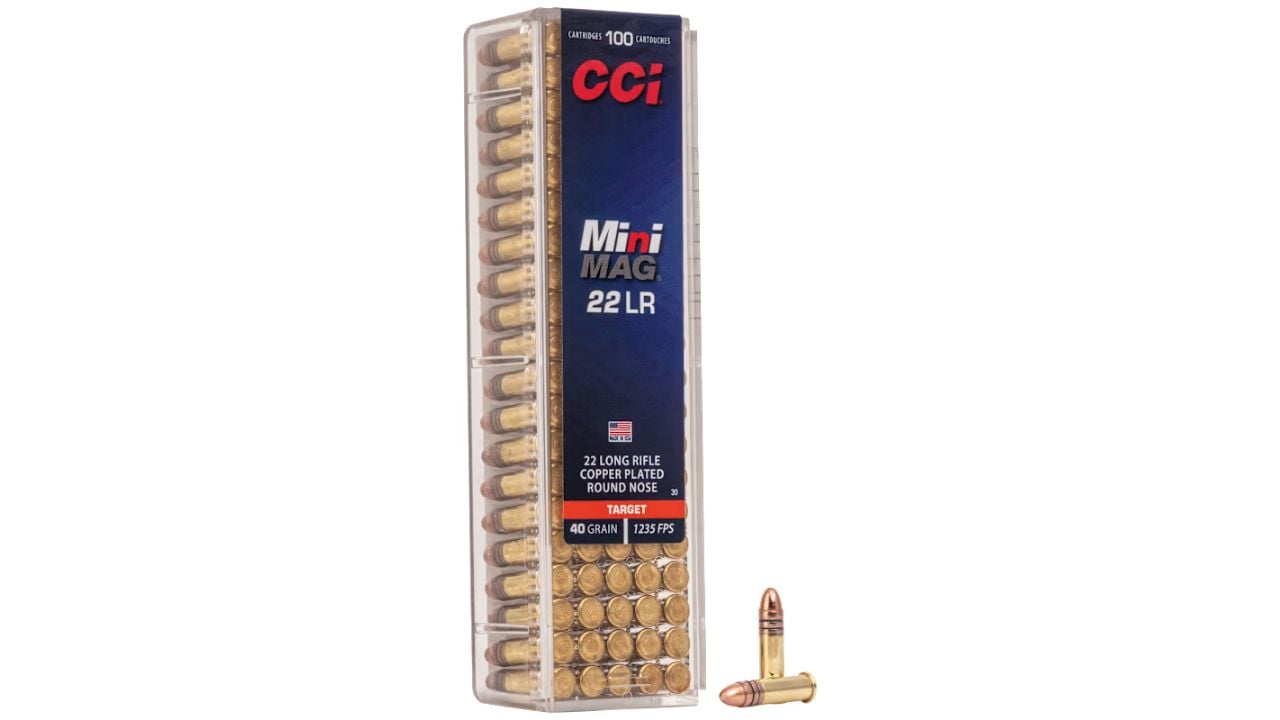
The .22 LR gets defended for understandable reasons. It has low recoil, low cost, and almost anyone can shoot it. On paper, the ability to place shots quickly sounds like it might make up for the lack of power.
The issue is reliability and performance. Rimfire ignition is not as dependable as centerfire, and .22 LR from a short handgun barrel is weak. It may be useful for people who truly cannot handle anything else, but for most carriers it is better on the range than in a defensive holster.
.22 WMR

The .22 WMR looks more appealing than .22 LR because it has more velocity and energy. In longer barrels, it can perform well for small game and utility use. That makes people want to stretch it into a serious carry round.
Short-barreled carry guns change the equation. Blast can be harsh, velocity drops, and rimfire reliability is still part of the package. The .22 Magnum can be useful in certain roles, but its paper numbers do not fully survive the move into tiny defensive handguns.
.327 Federal Magnum

The .327 Federal Magnum is one of the smartest oddball revolver rounds on paper. It offers more capacity in some revolvers, strong velocity, and less recoil than full-power .357 Magnum. The concept is excellent.
The problem is market support. Ammo is not as common, revolver choices are limited, and many carriers simply will not train enough with a niche round. For revolver people who understand it, .327 can be great. For the average carry buyer, it is still harder to live with than it looks.
.41 Magnum

The .41 Magnum has always had a strong technical argument. It hits hard, shoots flatter than some big-bore revolver rounds, and sits between .357 and .44 Magnum in a way that sounds ideal. On paper, it should have been huge.
For carry, it is usually too much and too uncommon. Guns are larger, recoil is real, ammo is expensive, and defensive load options are limited. It may be a great field cartridge, but it is not a practical daily carry answer for most people.
.44 Special

The .44 Special gets a lot of love from revolver fans because it throws a big bullet at moderate pressure. On paper, that sounds like an excellent defensive revolver round. It has history, control, and caliber diameter on its side.
The issue is gun size and capacity. Many .44 Special revolvers are larger than people want to carry, while the smaller ones can still be limited and niche. The cartridge has charm, but charm does not make it easier to conceal or feed.
.44 Magnum

The .44 Magnum is a powerful handgun round, but that power makes it a questionable carry choice for people. On paper, it crushes normal defensive cartridges. It has energy, bullet weight, penetration, and a fearsome reputation.
For daily carry, it is usually too large, too loud, too slow to recover from, and too hard to conceal. It belongs more in the hunting and woods-defense world than normal defensive carry. Big numbers do not matter much if the gun is left at home.
.410 revolver loads
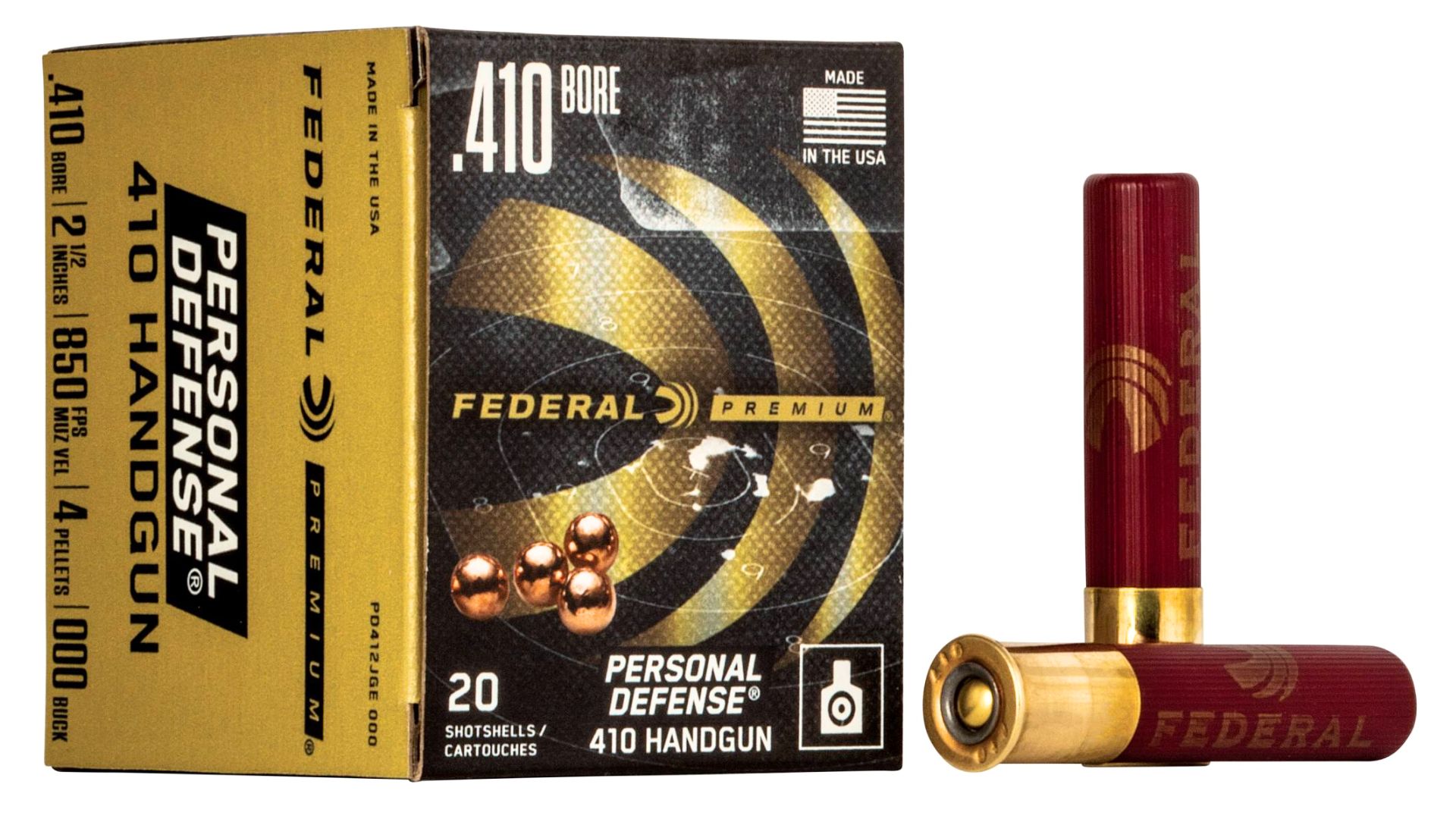
The .410 handgun idea sounds great on paper to some people. A revolver that can fire shotshells and big handgun rounds seems versatile, intimidating, and simple. It sells well because the concept is easy to understand.
The real defensive picture is less impressive. The revolvers are bulky, capacity is limited, patterns vary, recoil can be awkward, and ammunition choice matters a lot. A shotgun shell from a handgun-length barrel is not the same thing as a shotgun. The idea is stronger than the execution.
Like The Avid Outdoorsman’s content? Subscribe to our newsletter so you never miss an article.
Here’s more from us: