Photo credit: AI-generated image created using ChatGPT. Illustrative only.
When a family member passes, there’s plenty to sort out even on a good day. Add a “plethora” of firearms and ammo, no will, and two heirs who aren’t exactly easy to reach, and things get complicated in a hurry.
That’s the bind one California gun owner described in the original post after his uncle died living on a boat. With no safe on board, the family moved the guns and ammunition off the boat and secured them at their own house. Now they’re stuck at the crossroads gun folks dread: how do you keep everything safe and still transfer it legally when nobody can find paperwork and the rightful heirs aren’t present?
The first move was about safety, not “getting the guns”
The uncle reportedly lived on a boat and didn’t have a safe. With a lot of firearms and ammo sitting unsecured, the family’s immediate concern was obvious: secure the collection before it walked off or ended up in the wrong hands.
The nephew wrote that they moved the guns and ammo to a safe in their own house “to be cautious.” He later added they had permission from the uncle’s daughter—who lives out of state—to go onto the boat and remove items, noting the boat wasn’t locked. That detail matters, because it frames the situation as a safety and caretaking move while the estate gets sorted out, not a free-for-all.
No will, no records, and the paperwork rabbit hole
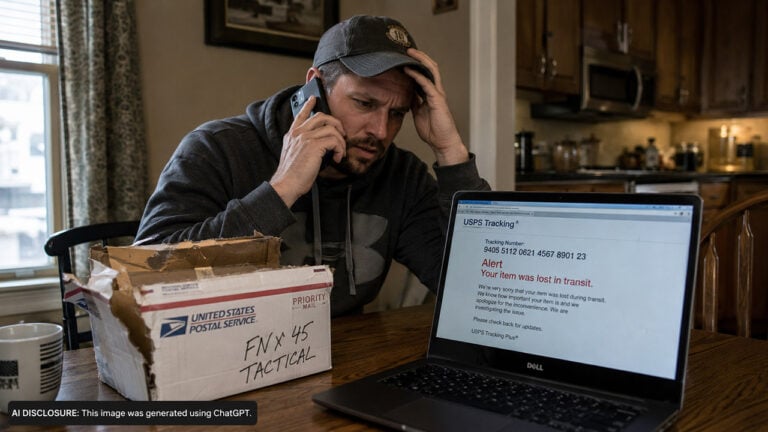
The real trouble started when they tried to do things the right way. The uncle left no will, and there were “no record of purchase or anything really” tied to the guns. They searched the boat, his truck, and a storage unit and still came up empty.
In a state like California, that missing paper trail can make folks nervous, even when the firearms themselves are legal. The poster also clarified that “all these firearms are legal within the state of CA,” which takes one concern off the table, but doesn’t answer the big question: who can legally take possession and how does the transfer happen when the estate isn’t settled?
The heir problem: two children, one estranged, one hard to reach
From a common-sense standpoint, this is where many families get jammed up. The uncle had two living children—one estranged, and the other difficult to contact. That’s not just awkward; it’s a practical barrier to doing anything clean and aboveboard.
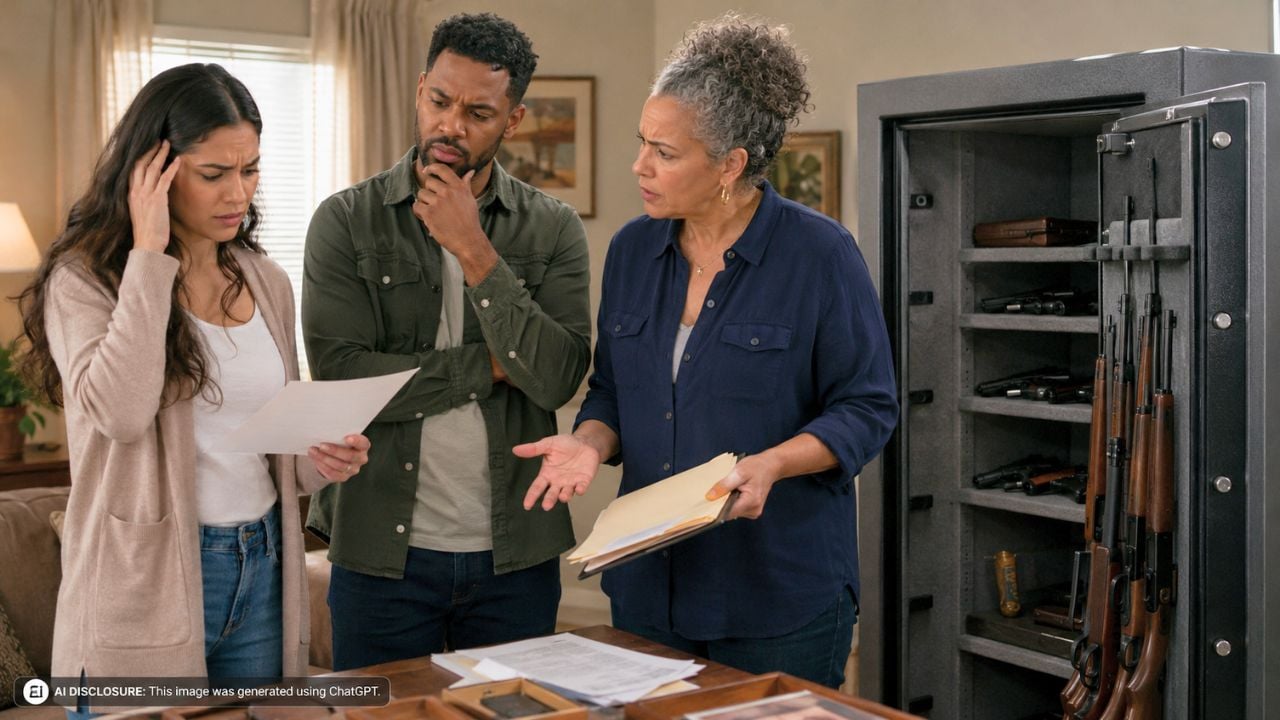
When there’s no will, the firearms aren’t simply “the family’s.” They’re part of the estate, and typically the legal heirs or an appointed personal representative/executor are the ones with the authority to decide what happens next. If the heirs aren’t both on board—or one can’t even be reached—then the family member holding the guns is basically stuck in caretaker mode, trying to be safe while also not stepping over a legal line.
A simple mix-up showed how confusing this gets fast
The nephew initially said he was the only one in the family with an “FFL License,” then corrected himself: “Also meant FSC not FFL that’s my bad there.” That little correction tells you a lot.
Plenty of lawful gun owners hear “transfer” and immediately think dealer paperwork, federal licensing, and complicated rules. In reality, an FSC (Firearm Safety Certificate) isn’t the same thing as being a dealer, and it doesn’t grant special authority to distribute or transfer estate guns. The fact that he even wondered how much authority he had “given I’m just his nephew” shows he’s trying not to wing it—and that’s the right instinct when you’re dealing with a safe full of guns and an unresolved estate.
People got hung up on “looting,” but the real issue is custody
After the post went up, the nephew added an edit saying he saw “a lot of people being angry” that he “looted the boat.” He pushed back, explaining they had permission from the daughter to enter and move items to a safer location.
That reaction is predictable in the gun world. Folks have seen enough bad outcomes—stolen guns, family fights, and legal headaches—that they’re sensitive to anything that sounds like someone grabbing firearms before the estate is handled. But even if the intentions are good, the larger point still stands: temporary custody for safety is one thing; permanent transfer or distribution is another. The family needs a clean chain of authority before those guns start changing hands.
What options the family seemed to have—without getting cute
This is the spot where patience and paperwork usually win. With two children as likely heirs and no will, the practical path is to get the estate process moving so someone is legally recognized to act for the uncle’s property, including the firearms. If one child is out of touch and the other is estranged, that can slow things down, but it doesn’t make the problem disappear.
In the meantime, the safest move is exactly what most responsible gun owners would do: keep everything secured, keep access limited, and document what’s there. A basic inventory—make, model, serial number, and photos—can protect everyone involved by showing the collection was preserved, not picked over. It also helps later if the heirs, an attorney, or a court-appointed representative needs to account for the property.
Because this took place in California, the family also needs to be realistic about transfers. Even when every gun is legal, the state has its own requirements around who can receive firearms and how transfers are processed. The smart play is to involve a qualified California firearms attorney or a reputable local dealer who understands estate situations, rather than relying on guesswork or buddy advice.
There’s a hard truth here for every outdoorsman with a safe: the time to solve this problem is before it becomes your family’s problem. A basic will, a clear list of what you own, and written instructions for who gets what can save your kids and kin from a mess like this—especially when emotions are already high and people aren’t speaking to each other.