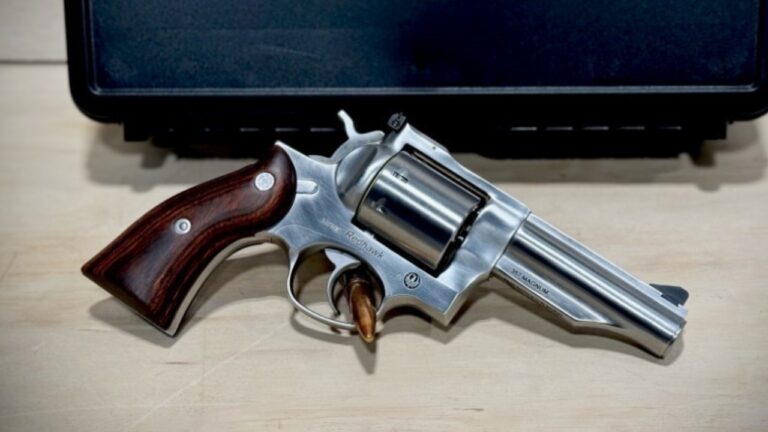
Photo credit: Nomad_Soul/Shutterstock.com
Some handguns have great marketing, strong brand names, or a reputation that makes people assume they’ll run forever no matter what. Then real life shows up: lint, sweat, cheap range ammo, dusty holsters, and a few hundred rounds between cleanings. These are the pistols that often start sounding great in theory and then start getting weird once they’re dirty, dry, or run hard.
This isn’t a “these always jam” list. It’s the handguns that tend to be more ammo-sensitive, more fouling-sensitive, or more dependent on being kept clean and properly sprung to stay happy.
SIG Sauer Mosquito

The Mosquito is the classic example of a gun that sounds like it should be reliable because it wears a SIG name, but it’s a rimfire that often demands babying. Many shooters find it runs best only with specific high-velocity loads, and once it starts getting dirty, the stoppages can stack up quickly.
Rimfires are already dirtier than centerfire ammo, and the Mosquito doesn’t hide that reality. If you want a .22 that runs after a long session without constant attention, this one can be frustrating. It’s the kind of pistol where “clean it and try different ammo” becomes a permanent lifestyle.
Walther P22

The P22 is popular because it’s small, handy, and approachable. The downside is that it can get finicky as fouling builds, and it often prefers certain ammo. A lot of owners end up spending more time clearing stoppages than they expected from a “fun plinker.”
The frustrating part is how quickly it can go from running okay to running poorly. When a handgun feels like it needs cleaning constantly to stay functional, it stops being a casual shooter. Plenty of guys eventually decide they’d rather have a .22 that’s boring and dependable than one that’s cute and temperamental.
GSG 1911-22
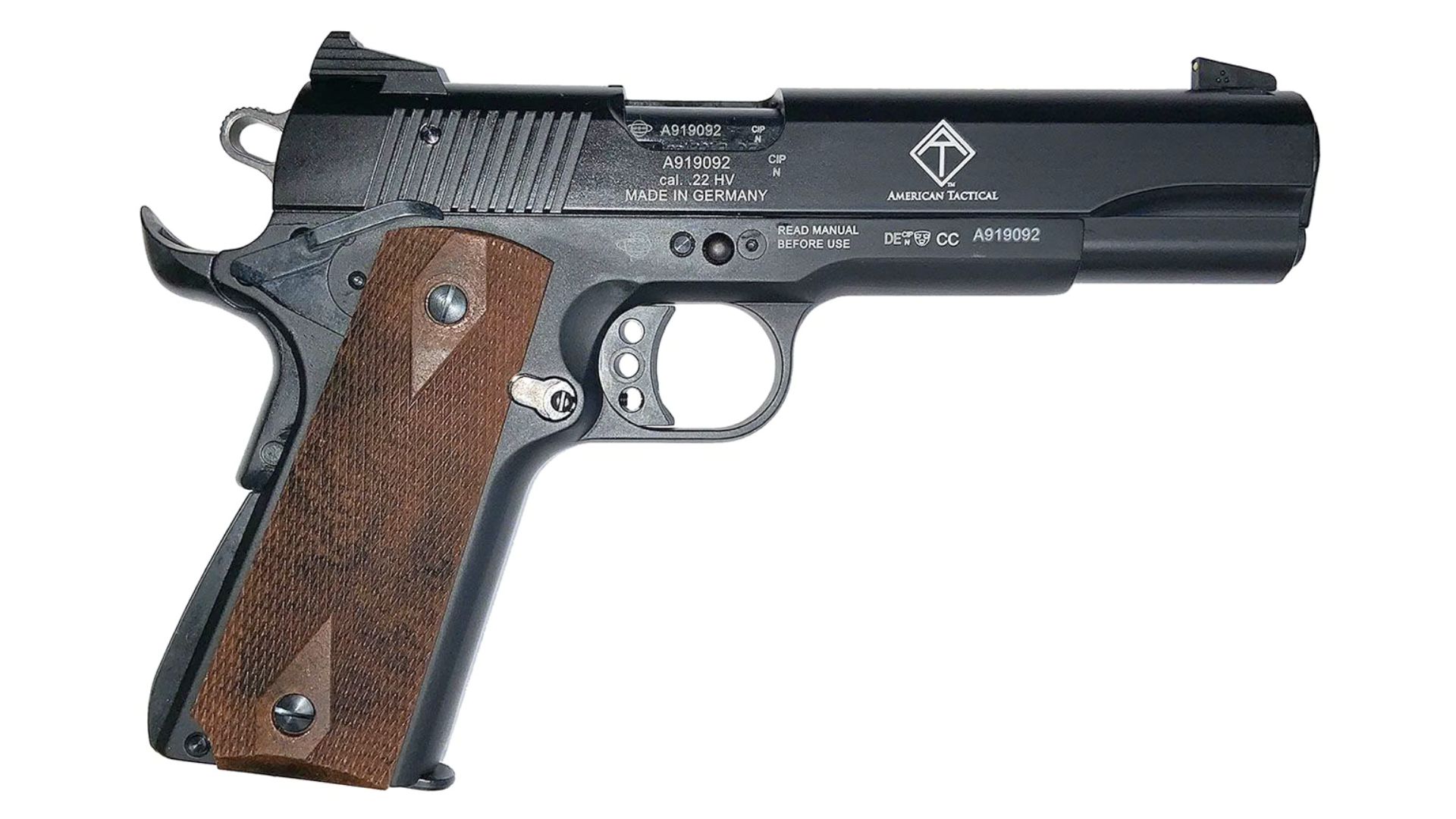
A .22 1911 trainer sounds like a home run—same grip, same controls, cheap ammo. In practice, many .22 1911 clones can be sensitive to ammo shape, magazine behavior, and fouling. When the gun is clean and you feed it what it likes, it can be a good time. Once it gets dirty, reliability can fall off.
That “fall off” is what kills trust. A trainer pistol should be something you can run for a long session without babysitting. If you’re constantly cleaning, swapping ammo, and diagnosing, you’re not training—you’re troubleshooting.
Kel-Tec P17
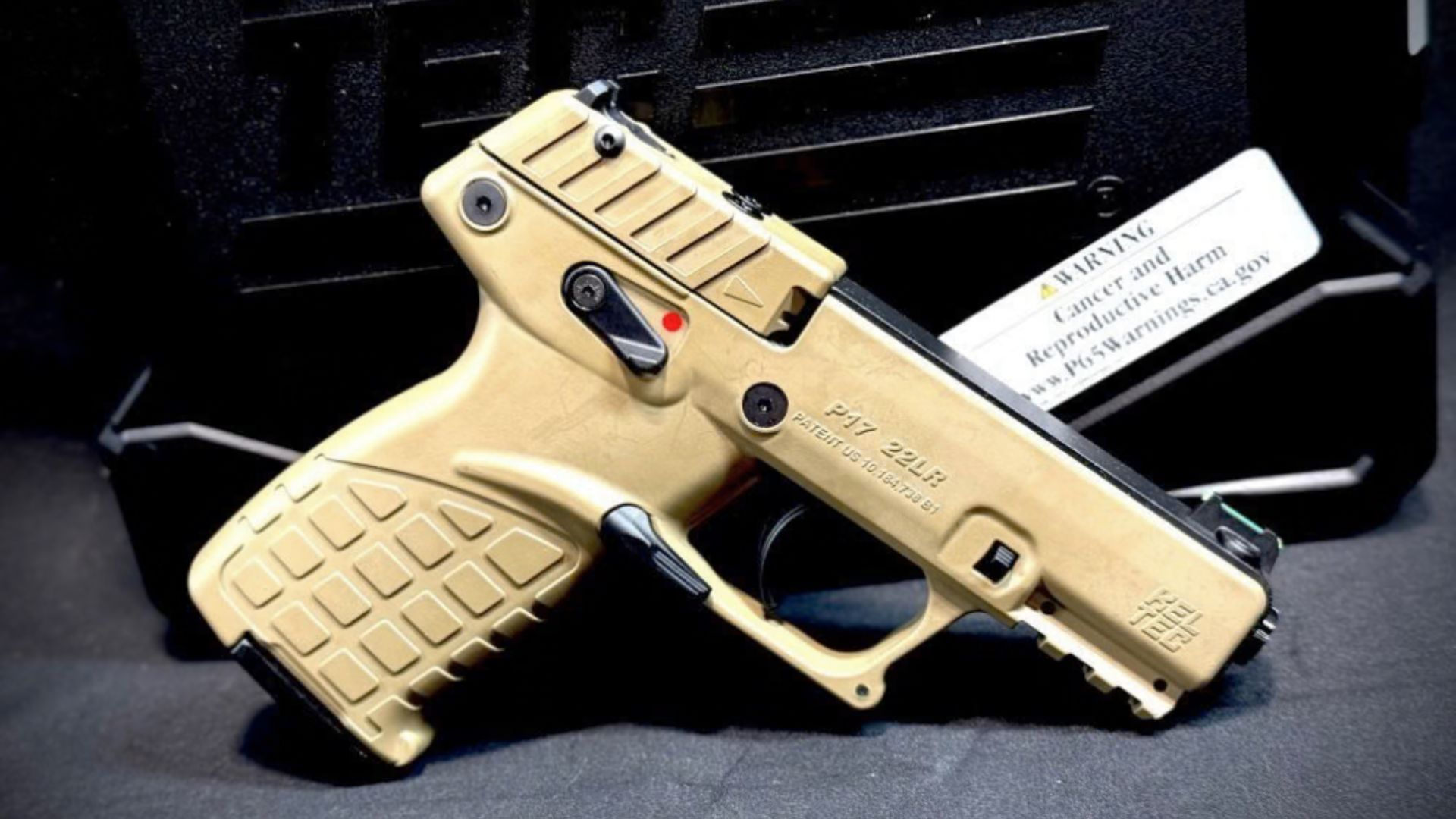
The P17 is a budget-friendly .22 that a lot of people want to love. It’s light, it’s affordable, and it feels like a smart way to get cheap practice. The issue is that, like many rimfires, it can be sensitive to ammo and fouling, and some users report inconsistent reliability once it gets dirty or dry.
For a range toy, that might be tolerable. For a trainer you want to run hard, it can get old fast. The “sounds reliable” problem here is that people buy it expecting a simple practice machine, and then realize it behaves more like a picky rimfire than a duty-style pistol.
Ruger SR22
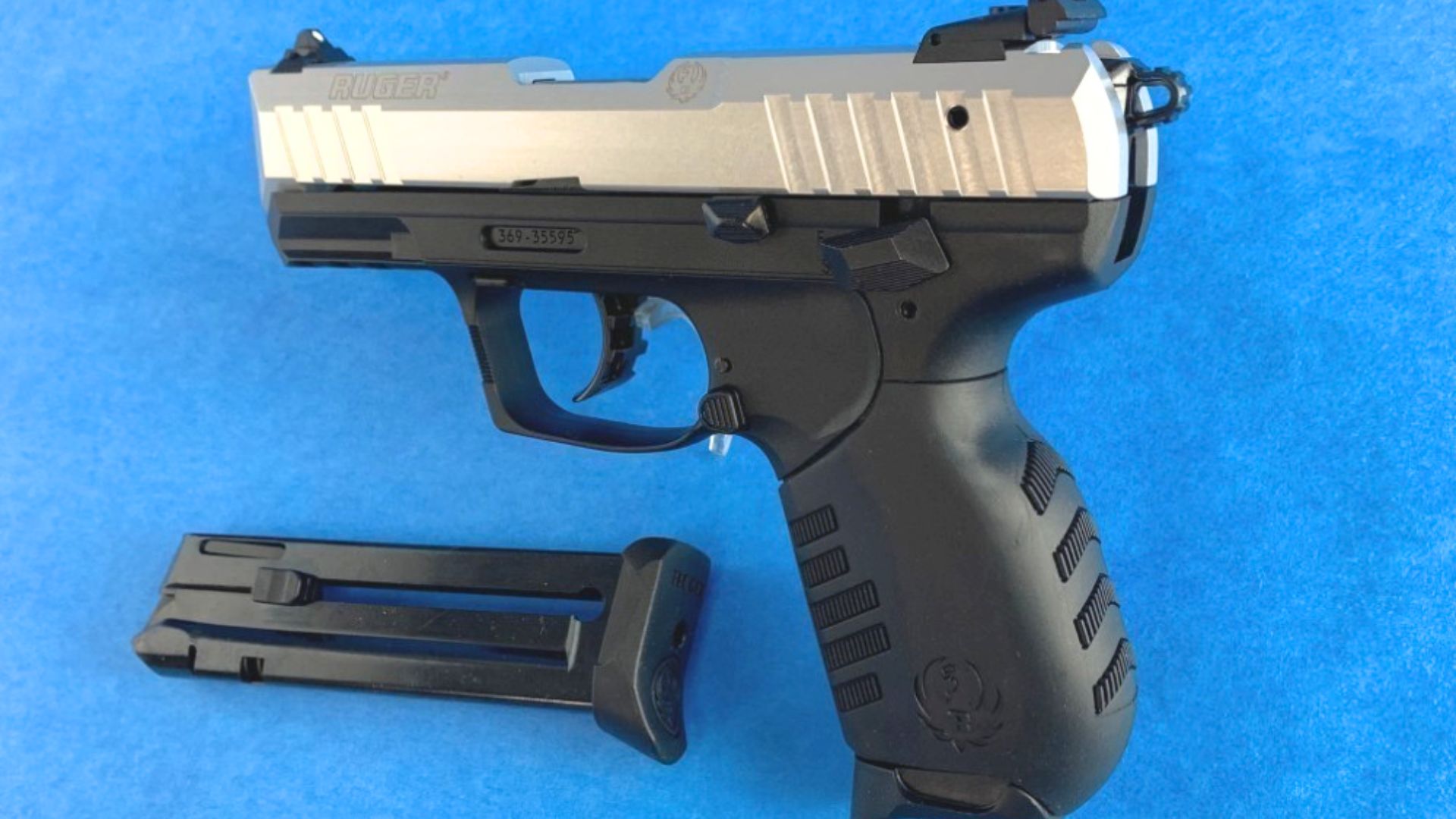
The SR22 has a better reputation than many .22s, but it still lands in this category because rimfire physics don’t care about brand names. It can run well, but it’s still a gun that can start acting up as fouling builds, especially if you mix cheap bulk ammo and limp-wristed shooting into the equation.
A lot of buyers expect SR22 reliability to feel like centerfire reliability. It’s usually not that level. If you keep it reasonably clean and feed it decent ammo, it can be solid. If you treat it like a Glock and run it filthy with random bulk packs, it may remind you that .22s live by different rules.
Ruger Mark IV (when neglected)

The Mark IV is accurate and can be very dependable, but even these can get sluggish if you run them hard and don’t maintain them. Rimfire fouling builds fast, and when you let it cake up, the gun can start to lose the smooth cycling that makes it feel so reliable.
The Mark IV is actually a great example of a pistol that “sounds like it runs forever,” and it can—if you do basic care. If you want a .22 you can ignore for thousands of rounds, you may be disappointed. The gun’s reliability is real, but it still wants a little respect.
Smith & Wesson SW22 Victory
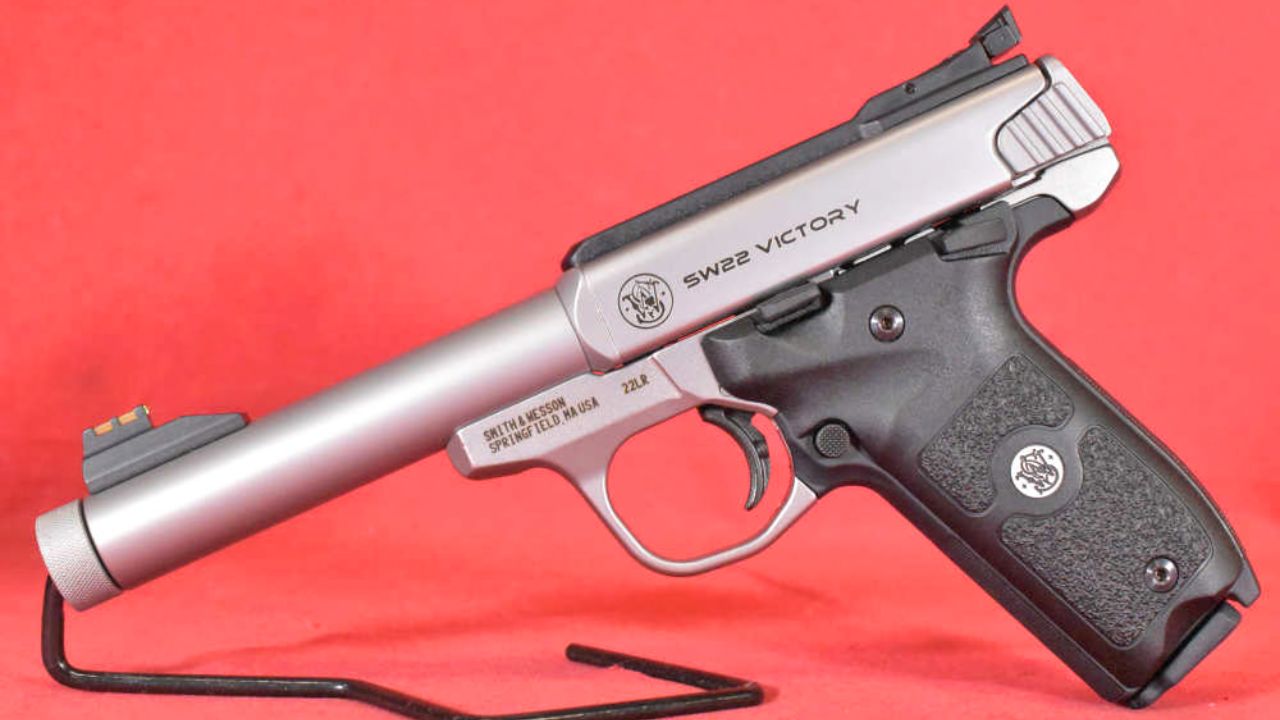
The Victory is a strong shooter and often accurate, but it can still be ammo- and fouling-sensitive like most rimfires. When people run it with whatever bulk ammo was on sale and go long between cleanings, that’s where the “why is it doing this?” questions start.
A lot of owners end up learning which loads it likes and sticking to them. That’s not the end of the world, but it’s part of why it fits this headline. A pistol that runs best only when you follow a specific recipe doesn’t feel “always reliable” to the average shooter.
Taurus TX22 (dirty + cheap ammo combo)

The TX22 has earned a lot of fans, and many examples run very well. The catch is that rimfire is rimfire. If you combine filthy bulk ammo, long sessions, and zero cleaning, you can still hit a wall where reliability starts fading. That’s when people get mad because they bought it expecting it to run like a centerfire pistol.
This isn’t a knock on the TX22 as a concept—it’s a warning about expectations. People hear “best .22 trainer” and assume it’ll stay perfect forever. The reality is it can be great, but it still needs decent ammo and occasional maintenance if you want it to stay boring.
Kimber Rimfire Target (and similar .22 1911s)
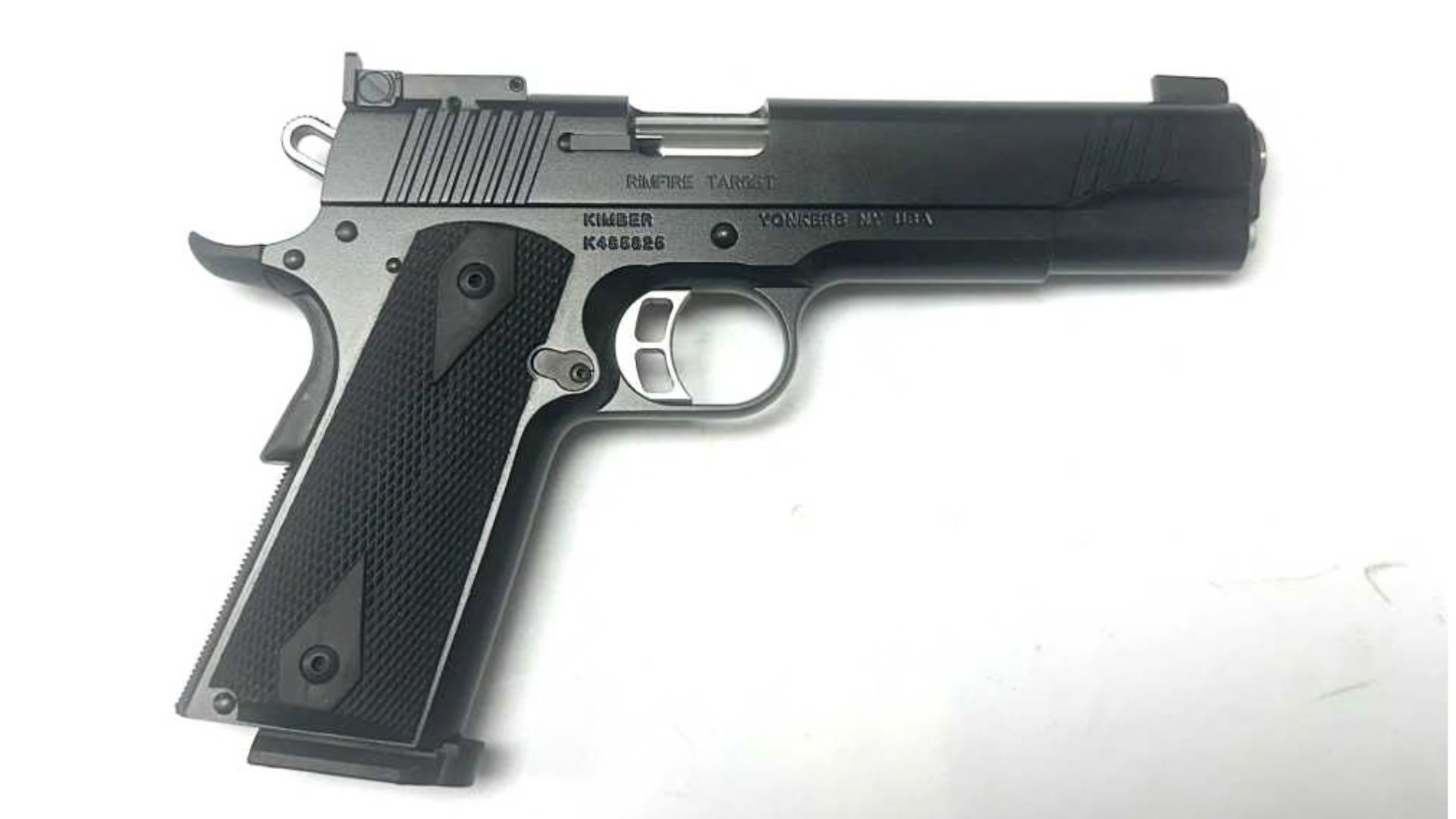
A Kimber-branded .22 sounds like it should be smooth and consistent. Many of these guns are accurate, but like other .22 1911-style pistols, they can be sensitive to ammo and fouling. The 1911-style layout also means you’re relying on magazines and feed geometry that aren’t always forgiving in rimfire.
If you want a pistol that you can run dirty and dry, rimfire 1911s usually aren’t that. They can be excellent when tuned and fed right. The “never run clean” complaint shows up when owners realize they spend more time cleaning and testing ammo than they planned.
SIG Sauer P938 (tiny 9mm sensitivity)

The P938 can be a solid little gun, but tiny 9mms often have tighter timing windows than people realize. They’re more sensitive to limp-wristing, spring health, and ammo differences than larger pistols. When they get dirty and dry, that sensitivity becomes more noticeable.
Guys buy these expecting “mini 1911 reliability,” and sometimes they get it. Other times, they learn that small pistols are simply less forgiving. If you don’t keep up with recoil spring maintenance and you don’t train enough to grip it consistently, the gun can start acting like it needs more attention than you want.
Kimber Micro 9

This is another small pistol that can run well for some owners and frustrate others. The category itself is the issue: tiny guns have less slide mass, less dwell time, and less forgiveness. When fouling and carry lint enter the picture, marginal behavior becomes real behavior.
A lot of guys buy the Micro 9 because it looks classy and carries easy. Then they find it’s more particular about ammo and maintenance than the average striker-fired compact. That’s where the “sounds reliable” reputation starts to crack.
Springfield Armory Hellcat (when under-lubed and carried hard)
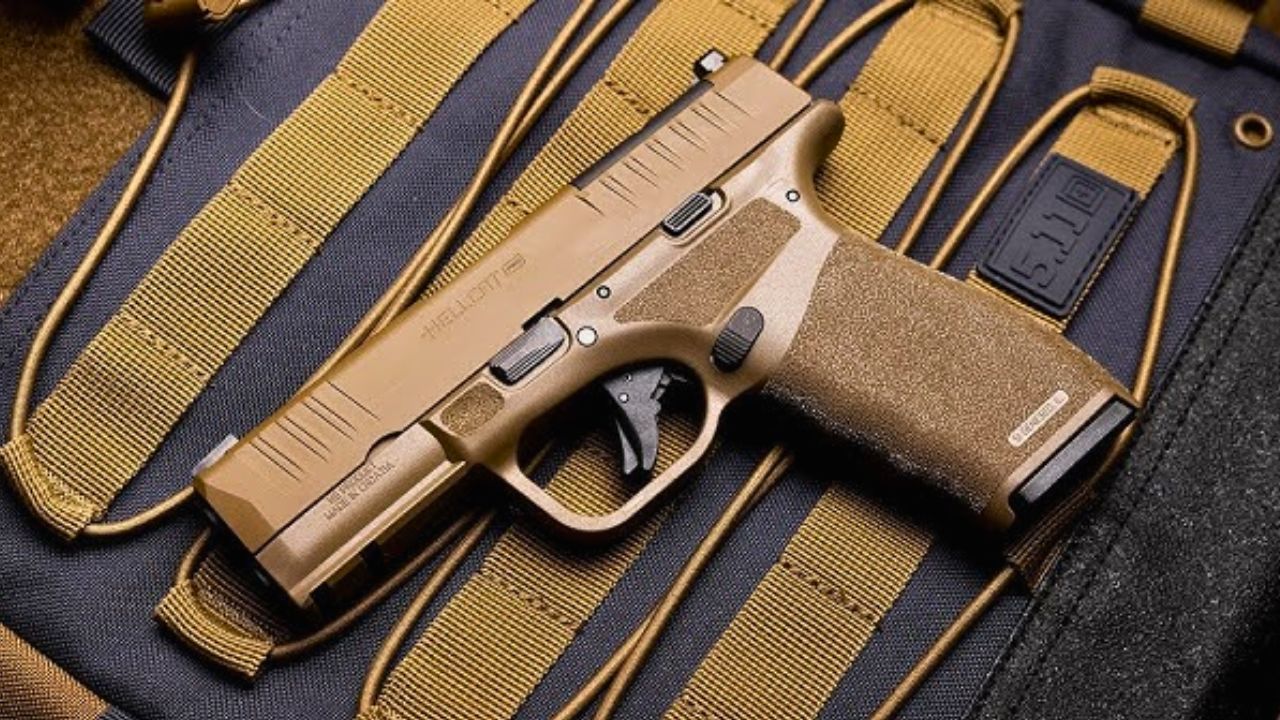
The Hellcat has a strong overall reputation, but it can still land here because micro-compacts tend to be less forgiving when you run them bone-dry and lint-filled. Carry guns live in nasty environments—sweat, dust, fabric fuzz—and some shooters don’t realize how quickly that can affect a tight little pistol.
This isn’t “the Hellcat is unreliable.” It’s “micro guns demand real maintenance.” If you treat it like a set-it-and-forget-it tool and never inspect it, you can create the exact conditions where it stops feeling trustworthy. The gun can be great, but it doesn’t ignore neglect.
SIG Sauer P365 (same micro-compact reality)

The P365 is one of the biggest carry success stories in recent history, but it’s still a small gun. Small guns can be more sensitive to grip, lubrication, and debris. If you shoot it hard, carry it daily, and don’t do basic cleaning, it can start showing the kind of sluggish cycling that makes people uneasy.
Most P365s run very well. The “never run clean” complaint shows up when owners treat it like a duty pistol and expect duty-pistol tolerance for filth. Keep it reasonably maintained and it’s excellent. Ignore it for months of sweaty carry and it may remind you it’s still a compact machine.
3-inch 1911s in general (Colt Defender / similar)

Short 1911s get a special mention because the platform’s timing becomes less forgiving the smaller you go. The Colt Defender can be a solid pistol, but the category itself is prone to “runs great until it’s dirty” behavior. When recoil springs get tired or extractor tension drifts, small 1911s tend to show it fast.
If you want a 1911 that keeps running even when conditions aren’t perfect, most experienced guys will steer you toward a 4.25″ Commander or a 5″ Government model. The tiny ones can be carried easily, but they often demand a cleaner, more careful ownership routine.
Like The Avid Outdoorsman’s content? Subscribe to our newsletter so you never miss an article.
Here’s more from us: