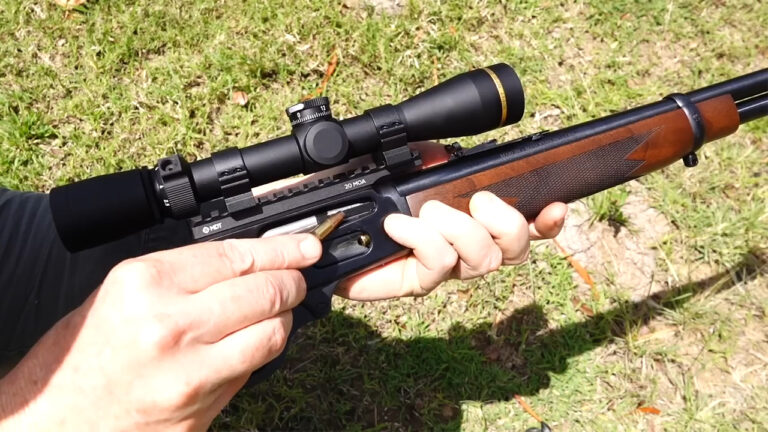
Photo credit: Savage Arms
Serious hunters don’t always show up with the flashiest rifle on the rack or the newest shotgun in the catalog. Most of the time, they show up with something they trust—something that carries easy, shoots straight, and keeps working when the weather turns ugly. The “secret weapon” guns aren’t really secrets. They’re the tools that get picked again and again because they quietly stack the odds in your favor.
A great hunting gun makes the whole process smoother. It balances well when you’re tired, it doesn’t beat you up, and it holds zero when it gets knocked around. It also fits the way you hunt—timber, mountains, crop edges, marsh, or thick hog country. These are the kinds of firearms you’ll see in the hands of people who hunt a lot, learn fast, and don’t waste seasons fighting gear.
Tikka T3x Lite

The T3x Lite is the rifle a lot of experienced hunters “settle” into after trying heavier rigs. It carries like it belongs on your shoulder all day, and it usually shoots far better than a lightweight hunting rifle has any right to. That matters when you’re climbing, still-hunting, or covering ground until the last light.
You end up trusting it because it behaves the same every trip. The action runs smooth, the trigger is easy to manage, and the rifle doesn’t feel picky about normal hunting conditions. It’s also a platform that takes a scope and holds it well, which is where real confidence comes from. When you want a rifle that feels easy to live with and still prints honest groups, the T3x Lite earns its reputation.
Bergara B-14 Ridge

The B-14 Ridge has become a quiet favorite because it gives you a lot of “custom feel” in a rifle you can buy and hunt with immediately. It tends to shoot well with factory ammo, it feels steady from field rests, and it has enough weight to settle down recoil without turning into a burden on a long walk.
Hunters trust it because the fundamentals are solid. The action is consistent, the barrels have a reputation for accuracy, and the rifle handles like it was built for real hunting, not bench bragging. When you’re glassing hard and moving fast, you want a rifle that stays predictable. The Ridge checks that box, and it keeps showing up in camps because it performs without drama year after year.
Savage 110 Ultralite

The 110 Ultralite is the kind of rifle that makes you appreciate ounces. It’s built for hunters who cover ground, and it keeps your shoulders fresher late in the day. Even better, it still tends to shoot well, which is the real trick with lightweight rifles.
You see serious hunters pick it because it solves a real problem: carrying a capable rifle without feeling like you dragged it up the mountain. The action and design have a long track record, and the Ultralite versions usually hold up fine to normal field abuse. Put a reliable scope on it, keep your mounts tight, and it becomes a rifle that’s easy to pack and easy to trust. That combination is hard to beat in steep country.
Howa 1500

The Howa 1500 is one of the best examples of a rifle that wins on pure usefulness. It isn’t the loudest name at the range, but it keeps showing up in hunting camps because it shoots straight, runs reliably, and doesn’t demand a big budget to get real performance.
Hunters swear by it because it’s steady and consistent. The action feels solid, the barrels tend to shoot well with the right ammo, and the whole rifle has a “work gun” vibe that fits hard seasons. It’s also an easy platform to set up the way you want, whether that means a basic scope and sling or a more refined stock later on. When you want results more than bragging rights, the Howa earns its spot.
Ruger American Predator

The Ruger American Predator is a common “first serious hunting rifle,” then it sticks around long after a hunter could afford more. It’s light, handy, and often accurate enough that the limiting factor becomes you, not the rifle. For deer, hogs, and general use, it flat-out works.
The reason it becomes a secret weapon is reliability and practicality. It’s easy to carry, easy to mount a scope on, and easy to keep running. You can drag it through brush, bounce it in a truck, and it still tends to hold up with basic care. It also comes in calibers that make sense for real hunting distances. When you want a rifle that does the job without demanding attention, the Predator is hard to ignore.
Winchester XPR

The XPR gets overlooked because it isn’t trying to be fancy. It’s a straightforward hunting rifle that tends to shoot well and handle weather without getting precious. That’s exactly what many serious hunters want—especially the ones who hunt hard and don’t treat gear like a display piece.
The appeal is how easily it settles into your routine. The rifle carries well, the action runs reliably, and it usually prints groups that build confidence fast. With a dependable scope, it becomes a clean, capable setup for deer and big game without a lot of tinkering. Hunters keep them because the value is real, and the rifle performs where it matters. When you’re focused on filling tags, the XPR is the kind of tool that keeps showing up.
Browning BLR

The BLR is a lever gun that serious hunters keep close because it offers lever handling with modern cartridge performance. It carries beautifully, comes to the shoulder fast, and cycles smoothly for a lever gun. In thick cover or broken terrain, that speed and balance matter more than paper specs.
Hunters also trust it because it can be chambered in serious rifle rounds, not only traditional lever cartridges. That gives you reach and power while keeping the quick-handling feel people love about levers. The BLR is also practical in foul weather, and it points naturally when opportunities appear fast. If you hunt timber, edges, or steep country where shots happen quickly, the BLR becomes a real advantage. It’s a classic feel with real-world capability.
Marlin 336

The Marlin 336 stays in the mix because it works in the places most deer are killed: thick woods, cutovers, creek bottoms, and brushy ridges. It carries well, points fast, and cycles with a rhythm that’s easy to learn. That matters when a buck shows up moving, not posing.
Hunters swear by it because it does not ask for much. Keep it clean enough, use ammo it likes, and it will keep putting venison in the freezer. The 336 is also forgiving in the field. It’s easy to carry with one hand, easy to sling, and easy to get on target from awkward positions. It’s not a long-range rig, and it doesn’t need to be. In real hunting country, this rifle has earned its place the hard way.
Henry Single Shot Rifle

A single-shot rifle sounds like a handicap until you hunt with one and realize what it changes. It slows you down in a good way. You focus on the first shot, the rest, and the angle. Serious hunters often like that mindset because it keeps mistakes from stacking up fast.
The Henry Single Shot also brings practical value. It’s light, compact for its barrel length, and easy to carry through thick cover. There’s very little to go wrong, and maintenance is straightforward. It also tends to be accurate, which matters when you only have one round ready at a time. Hunters who use these rifles aren’t trying to impress anyone. They want a tool that carries well, shoots straight, and reinforces good habits in the field.
Mossberg 500 (deer barrel setup)

A pump shotgun with a rifled barrel and sabot slugs is still a serious deer tool, and the Mossberg 500 is one of the most proven platforms for it. In slug states or thick cover where shots stay close, it hits hard and gives you practical accuracy without requiring a rifle season.
Hunters trust the 500 because it keeps running. It handles mud, cold, and wet weather well with basic care, and it’s easy to configure for the job. Swap barrels, set it up with a sturdy optic, and you’ve got a dedicated deer gun that works where rifles aren’t allowed or aren’t ideal. The “secret” part is how effective it is inside its range window. When you hunt hard in thick country, a good slug setup can feel like a real advantage.
Benelli Nova
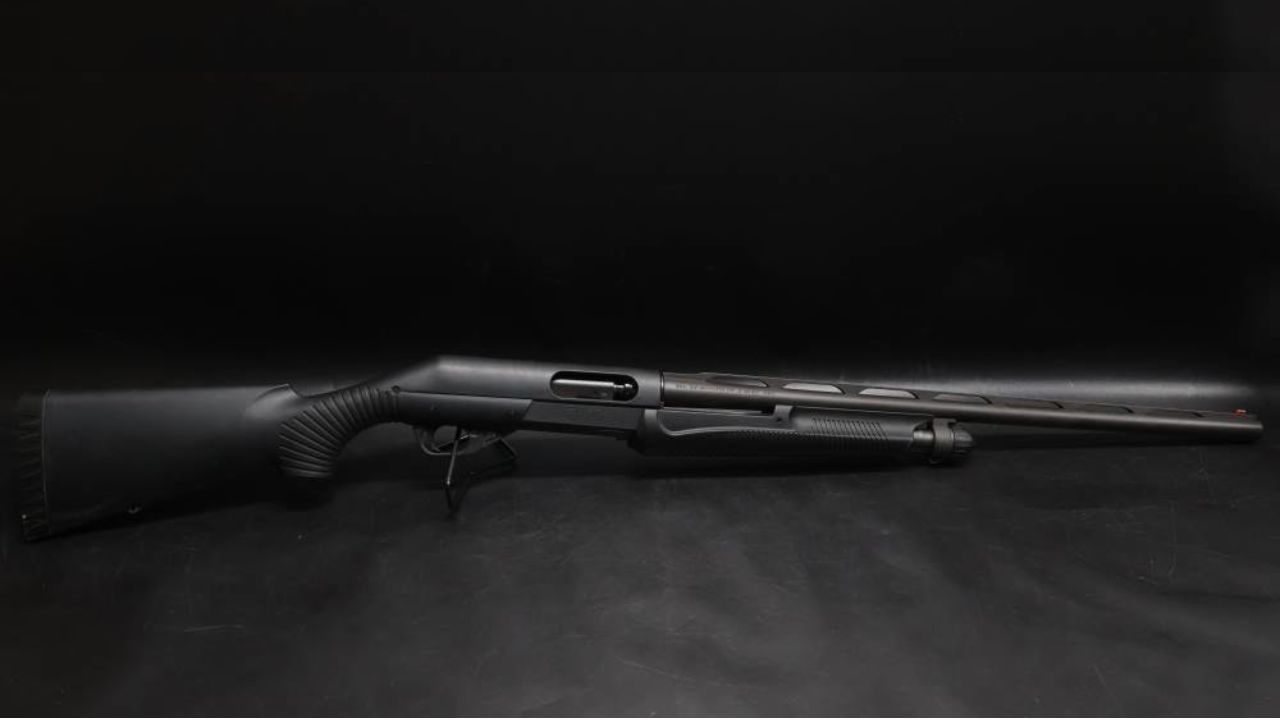
The Nova earns loyalty because it’s tough and predictable. It’s a pump shotgun that can take rough treatment—boats, marsh, snow, and cold mornings—without turning into a headache. Serious waterfowl hunters value that kind of durability because the conditions are rarely polite.
It also patterns well with the right loads and choke, and it swings naturally for a pump. The controls are straightforward, and the gun is easy to run with gloves on. When you’re tired, wet, and still hunting the last flight, you want a shotgun that keeps doing its part. The Nova doesn’t have to be fancy to be trusted. It’s the kind of shotgun that becomes a long-term companion because it keeps functioning when you’re hard on gear.
Beretta A300 Ultima

The A300 Ultima is a semi-auto that surprises people with how well it handles real hunting use. It cycles reliably with quality shells, it’s comfortable to shoot, and it doesn’t beat you up during long days in a blind or on a dove field. That comfort translates into better shooting late in the day.
Hunters swear by it because it offers strong performance without demanding premium pricing. It shoulders naturally, patterns well with the right setup, and holds up to normal abuse if you keep it maintained. The A300 also makes a lot of sense for hunters who shoot often and want a shotgun they can practice with regularly. When a gun encourages more trigger time, your results improve. That’s part of why serious hunters keep these in rotation.
Benelli Super Black Eagle 3

The SBE3 is a serious waterfowl tool for a reason: it’s built for ugly weather and heavy use. It’s designed to cycle reliably, handle big shells when needed, and keep working when everything is wet, cold, and gritty. That’s the environment where trust gets earned fast.
Hunters who run the SBE3 tend to appreciate how consistent it feels. It mounts well, swings smoothly, and doesn’t punish you as much as many hard-running waterfowl guns. Maintenance still matters, but the platform is built for the grind. When you’re shooting in freezing rain and your gloves are soaked, you want a shotgun that keeps running with minimal drama. The SBE3 shows up in serious blinds because it holds up, season after season, when conditions are at their worst.
Browning Citori
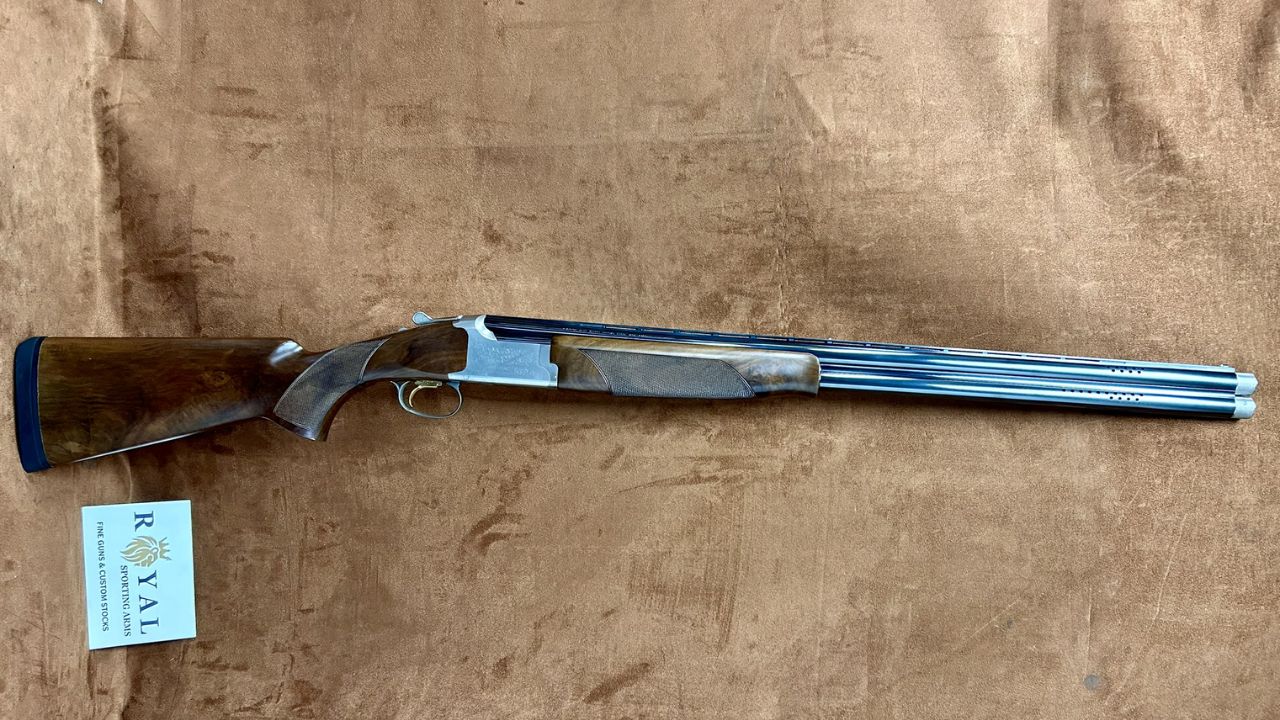
An over/under like a Citori stays popular with serious bird hunters because it does a few things extremely well: it balances, it swings, and it points naturally. When you’re walking miles for pheasants or chasing quail, those traits matter more than tactical features or high-capacity magazines.
The other reason is reliability. Two barrels, straightforward mechanics, and consistent function make it a shotgun you can trust for decades. You break it open, load it, and it’s ready. It also forces good shooting habits—clean mounts, proper leads, and discipline on the trigger. A Citori can handle heavy field use with normal care, and it tends to hold up across generations. That’s why serious upland hunters often stick with one long after they could buy anything else.
Ruger 10/22

Small game hunting is where a lot of hunters sharpen their skills, and the 10/22 is one of the best tools for that job. It’s reliable, easy to carry, and easy to shoot well. In the woods, that means more time hunting and less time fiddling with gear.
Hunters keep the 10/22 because it’s practical and adaptable. You can leave it stock and it works, or you can tune it for your style later. With quality magazines and ammo it likes, it runs cleanly and stays dependable through seasons of use. It’s also the kind of rifle you hand to a new hunter and feel good about it. For squirrels, rabbits, and general woods walking, the 10/22 is a quiet workhorse that serious hunters rarely regret owning.
CVA Accura (modern inline muzzleloader)

A modern inline muzzleloader like the CVA Accura becomes a “secret weapon” during muzzleloader seasons because it gives you precision and reach that older front-stuffers never offered. With the right load and good fundamentals, it can be a very accurate hunting tool, and it keeps you in the game during special seasons when tags and pressure shift.
Hunters trust the Accura because it’s built to shoot, not to look old-fashioned. The rifle tends to be consistent when you keep your loading routine consistent, and it holds up well in real hunting weather. You still have to respect the realities of muzzleloading—cleaning matters, and your process matters—but the platform itself can be extremely dependable. For hunters who take those seasons seriously, a good inline becomes a legitimate advantage, not a novelty.
Like The Avid Outdoorsman’s content? Be sure to follow us.
Here’s more from us: