Photo credit: Moose's Machinery/GunBroker
The first couple range trips can lie to you. A handgun might run clean and happy while everything is fresh, springs are strong, and you’re shooting slow with a cleaned and lubed gun. Then you hit a few hundred rounds, start shooting faster, introduce different ammo, let it get dirty, and suddenly you’re diagnosing failures like it’s a hobby. That’s the moment a “new gun” becomes a “project gun.”
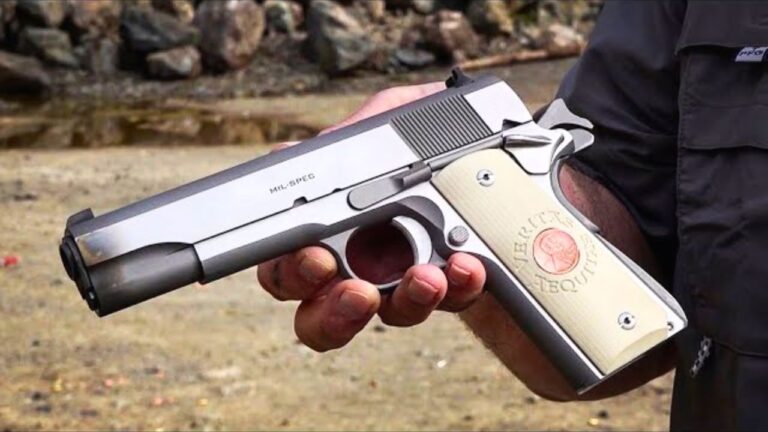
Kimber Ultra Carry II
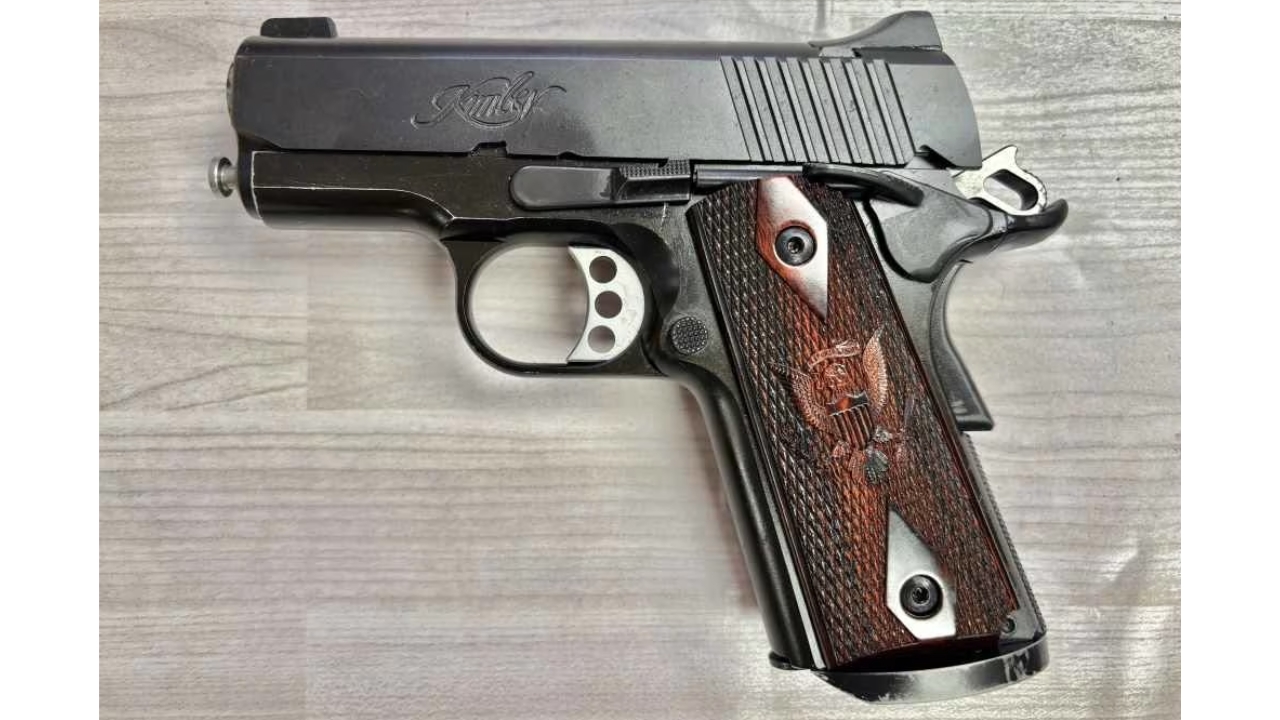
A short 1911 can run great early and then start showing sensitivity as springs wear and the gun gets dirty. That’s when you see owners chasing recoil spring intervals, extractor tension, and magazine behavior. The first 200 rounds might be flawless, then the gun starts getting picky and the owner realizes compact 1911s don’t always tolerate neglect or mixed ammo.
The most common “project” path is predictable: new mags, different springs, maybe a trip to a smith. Some people enjoy that. If you just wanted a boring carry gun, it can get old fast.
Springfield EMP (9mm)

The EMP is a slick concept, but it’s still a compact 1911-style system with smaller geometry that can be more sensitive than a full-size gun. Many EMPs run very well early. Then owners start running higher volume and discover they need to be more deliberate about magazines, recoil springs, and maintenance than they expected. Little issues can show up as the gun gets dirty and hot.
If you love the format, it can be worth it. The “project” part comes when someone buys it expecting striker simplicity and then learns that small 1911-ish guns often have their own rules.
SIG Sauer P238
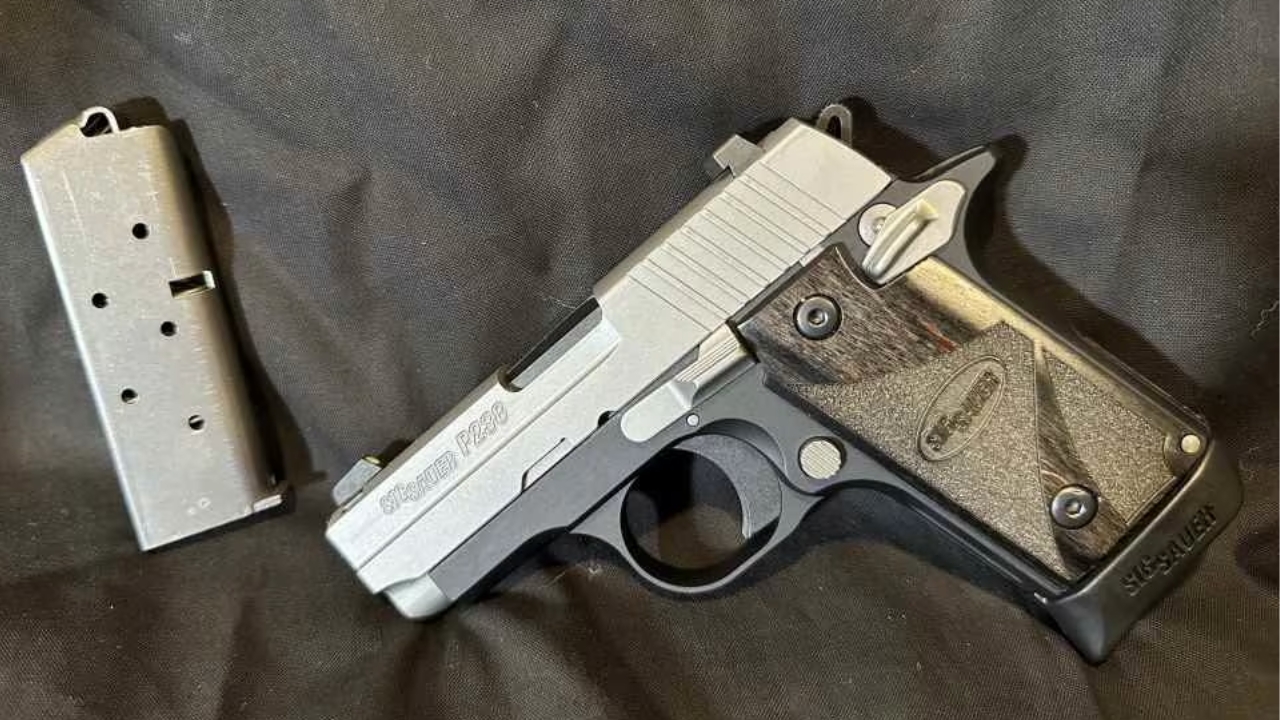
The P238 is easy to love and easy to carry. It can also become a “project” when owners try to run it like a high-volume trainer. Small .380s, especially in micro 1911-ish formats, can be more sensitive to ammo, limp-wristing, and spring schedules. The first few boxes can be perfect, then the gun starts acting up once it’s dirty or once the shooter gets tired and grip consistency slips.
A lot of owners end up treating it like an occasional shooter instead of a training gun. That’s not a crime—it’s just reality.
Walther P22
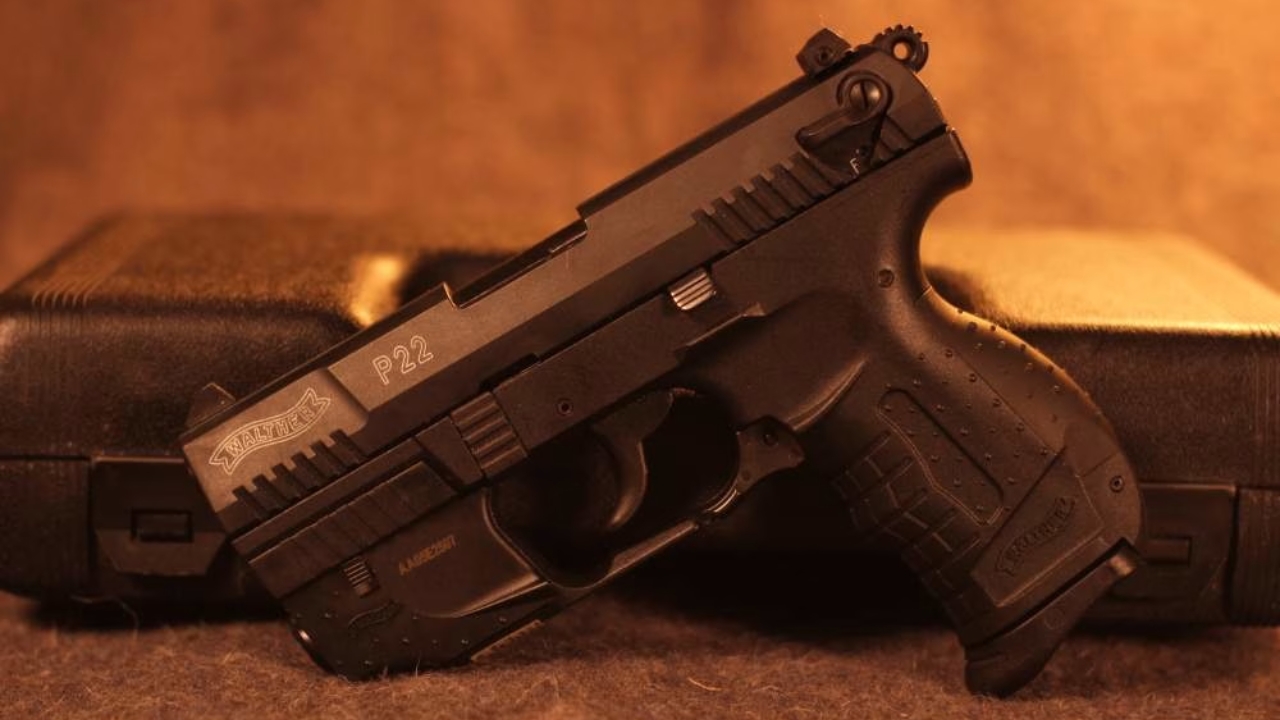
A P22 can run fine when it’s clean and you’re using the ammo it likes. Then it gets dirty, the ammo changes, and it becomes a troubleshooting exercise. Many owners hit that “couple hundred rounds” point where failures start stacking and they realize rimfire pistols are more maintenance-sensitive than they assumed.
The problem is that a .22 trainer should encourage practice, not interrupt it. When your range day becomes “tap-rack, clear, repeat,” you’re not building skill—you’re building frustration. That’s why the P22 lands on so many “project gun” lists.
SIG Sauer Mosquito

Mosquitos can look fine early, especially with the right ammo and a clean gun. Then you get a few range trips in, the gun gets dirty, and reliability drops off enough that owners start swapping springs and hunting for magic ammo. That’s the project arc: it works until it doesn’t, and when it doesn’t, you’re stuck solving a rimfire puzzle.
A lot of shooters eventually move on to a Ruger Mark IV or a Browning Buck Mark because they’re tired of tuning a .22. The Mosquito is famous for that exact ownership journey.
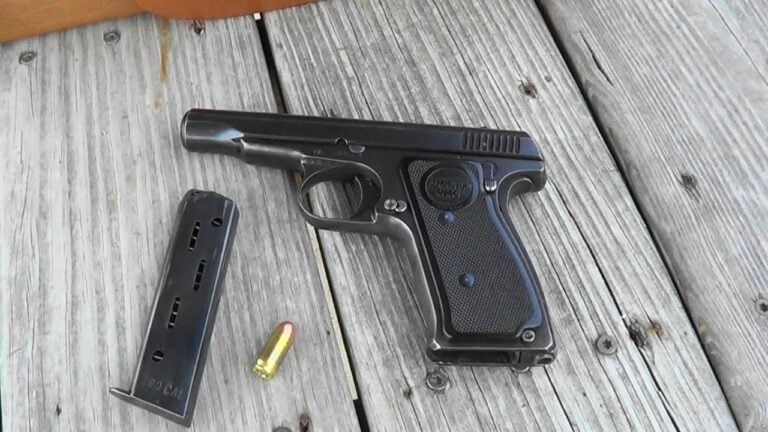
Remington R51
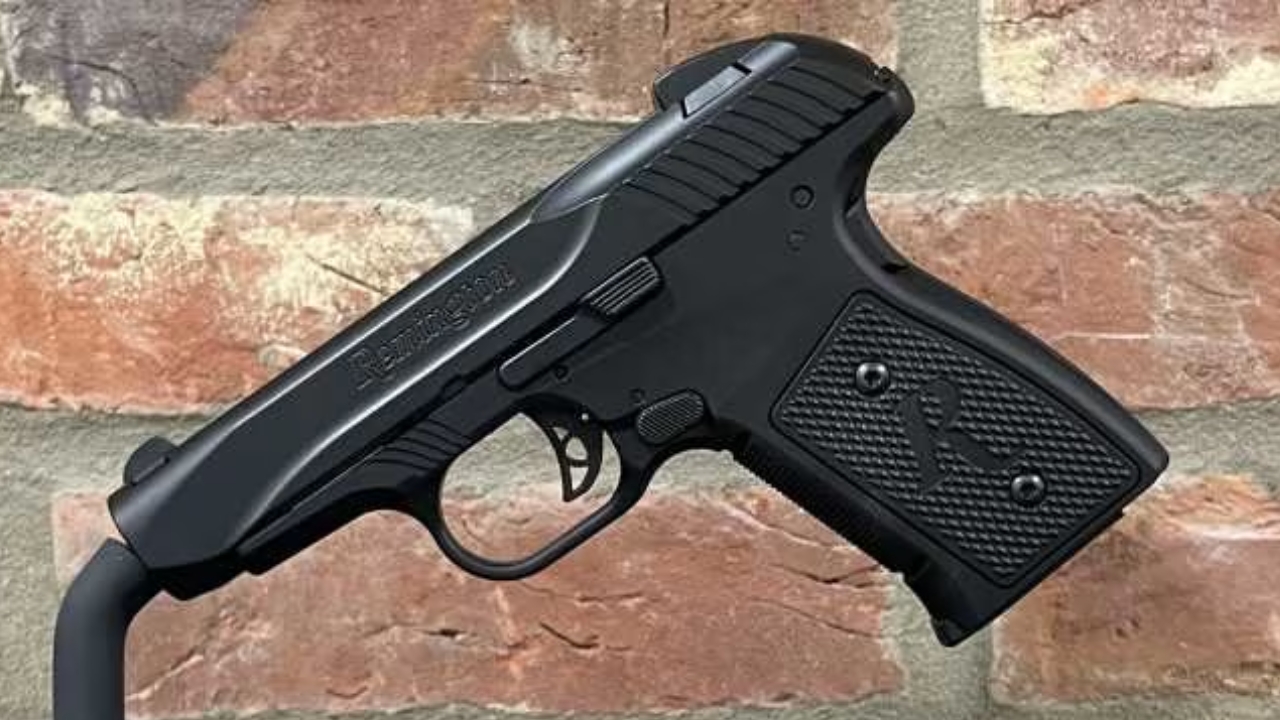
The R51 has a history of being more trouble than it should be for the buyer. Some owners get a decent early experience, then issues appear as the gun wears in—feeding, extraction, general “this doesn’t feel sorted” behavior. That’s when it becomes a project: trying to figure out if it’s ammo, mags, or the design itself.
Even if your specific R51 runs, it’s one of those guns that makes people nervous because the platform’s reputation isn’t built on boring reliability. And nervous owners start tinkering. Tinkering turns into a project.
Ruger LC9

The original LC9 can run fine early, but many owners eventually hit the point where the long trigger and small grip cause inconsistent shooting and inconsistent handling. Then they start chasing “reliability” issues that are actually technique issues—limp-wristing, weak grip, and inconsistent trigger press. The gun ends up feeling like a project because the shooter can’t separate the platform’s limitations from mechanical problems.
Some LC9s also become maintenance projects when owners start swapping parts to “improve” the feel. Once you start chasing fixes instead of training, the gun becomes work.
Kimber Micro 9

The Micro 9 often starts out feeling accurate and slick, then owners run it harder and discover it’s not as forgiving as they expected. Small 9mm pistols are already demanding. Combine that with a micro 1911-style system and you can get an ownership arc where the first couple trips are exciting, then little quirks show up: sensitivity to ammo, sensitivity to grip, occasional weirdness that makes you start changing mags and springs.
Many owners end up saying, “It’s great when it’s great,” which is not what you want from a defensive handgun. That’s project language.
Glock 44

Some Glock 44s run great for a while, then reliability starts slipping as the gun gets dirty and the ammo changes. That’s when owners start searching forums, trying different bulk packs, cleaning more aggressively, and treating a training pistol like it needs constant attention. A .22 that needs babying ruins the whole point of a cheap practice gun.
The G44 can be perfectly serviceable, but the reason it becomes a “project” is that people expect Glock-like centerfire reliability from rimfire. Rimfire doesn’t always play that game.
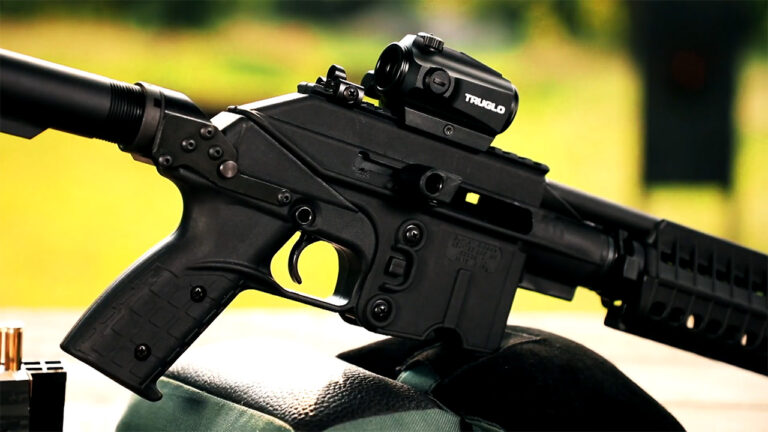
Kel-Tec PMR-30
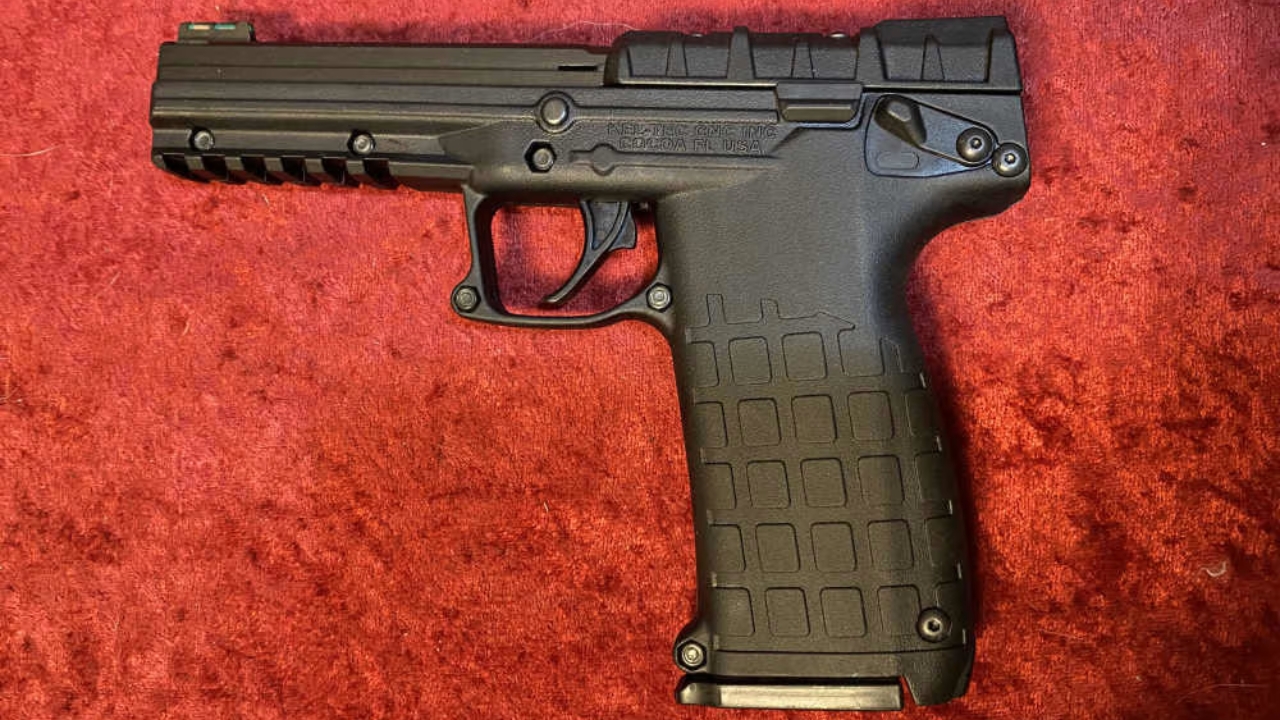
A PMR-30 can run great early if you feed it the ammo it likes and keep it clean. Then you change ammo, get it a little dirty, run it faster, and it becomes a “why is it doing that?” gun. That’s how many rimfire-ish high-capacity pistols behave. They look amazing when conditions are right, then reality starts adding variables.
Owners often end up learning specific loading habits, specific ammo preferences, and specific maintenance routines. That’s a project. Fun for some. Annoying for anyone who wanted simple.
Ruger LCP
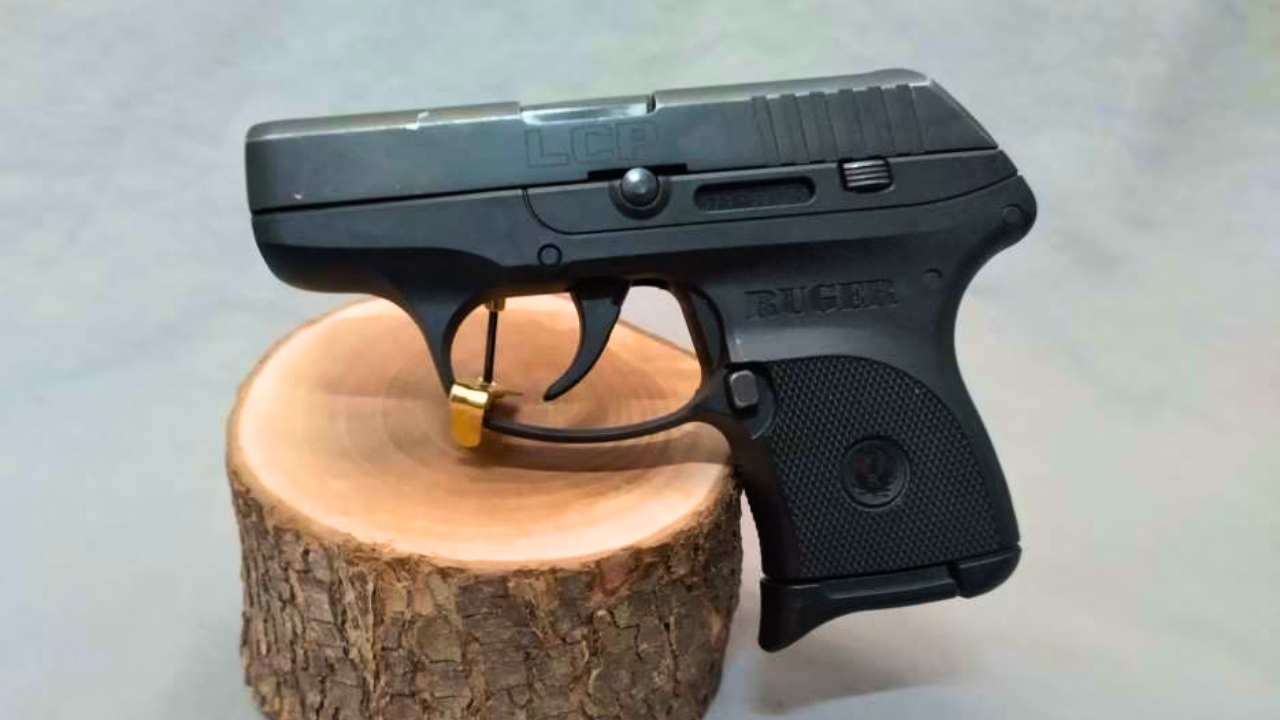
The LCP can be reliable, but it also becomes a “project” for many owners because it’s miserable to train with. After a couple hundred rounds spread over time, people start trying different baseplates, different grips, different ammo, and different sights (or simply admitting the sights are barely sights). The gun’s limitations push people into a cycle of tweaks.
The pistol often runs. The owner just doesn’t run it well. That turns into “I need to fix this gun,” when the real fix might be choosing a slightly bigger carry pistol.
Smith & Wesson Bodyguard .380

The Bodyguard becomes a project for the same reasons: small, long trigger, tiny sights, and an ownership arc where practice is uncomfortable. Once people struggle to shoot it well, they start changing ammo, changing how they grip it, changing holsters, changing everything. The gun ends up being blamed for problems that are partly platform limitations.
Even when reliability is fine, the “project” here is shootability and confidence. If a pistol makes you constantly second-guess your performance, you’ll tinker instead of train.
Taurus Spectrum
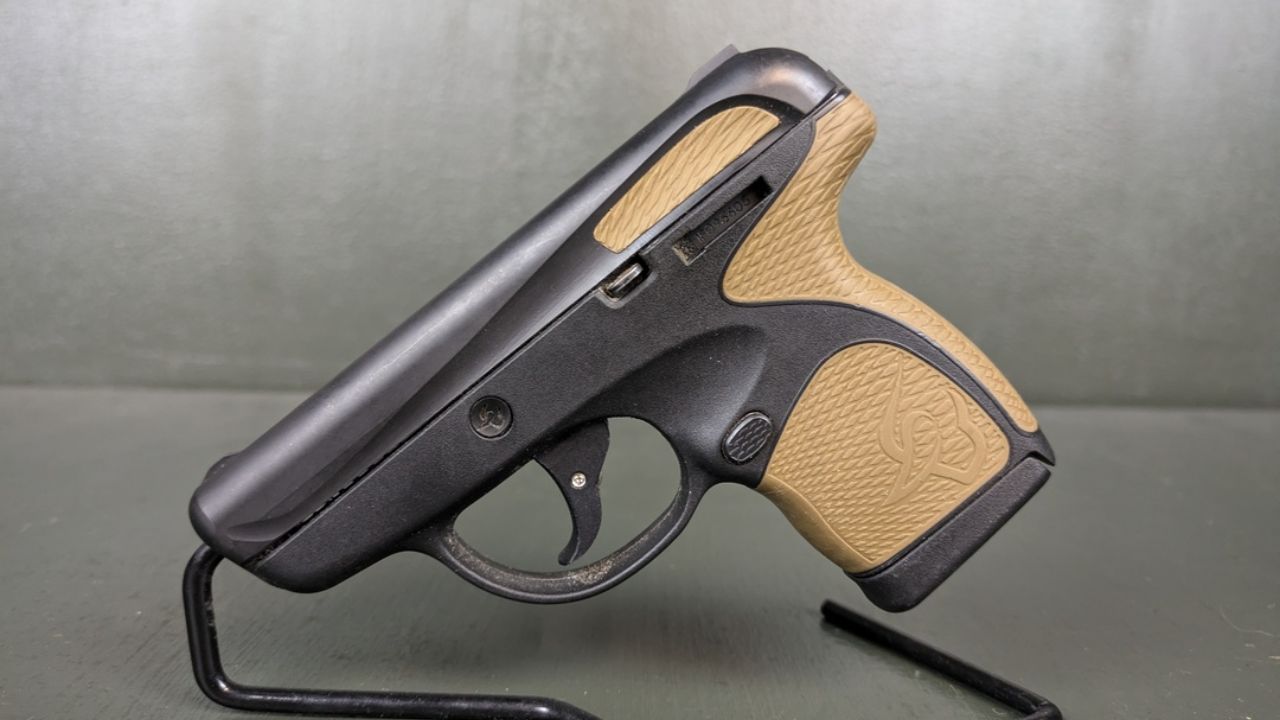
The Spectrum has a history of mixed owner experiences. Some run, some don’t, and that inconsistency creates project behavior quickly—new mags, different ammo, “maybe it needs break-in,” “maybe it needs polishing.” That’s the exact language of a project gun. The first range trip might look okay, and then intermittent failures show up once you start pushing the gun a little harder.
For a defensive pistol, inconsistent behavior is unacceptable. If you find yourself diagnosing instead of practicing, it’s time to move on.
SCCY CPX-2
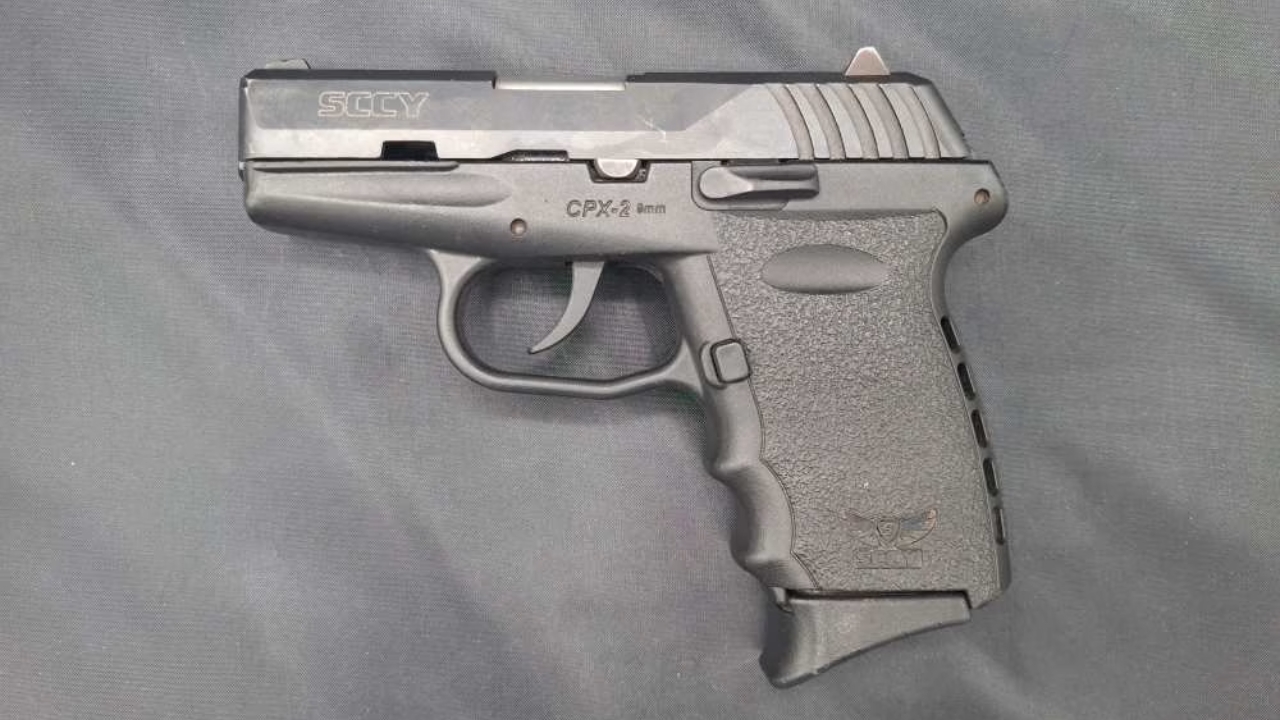
SCCY pistols get bought because they’re inexpensive and simple on paper. The project arc happens when owners hit a few hundred rounds and begin seeing failures—or when the heavy trigger and small grip make them shoot poorly and blame the gun. Some examples run fine. Others feel like they’re always one tweak away from “finally being right.”
The bigger issue is that even when they function, they’re not always pleasant to practice with. That leads to less training, which makes every hiccup feel bigger, and the gun turns into a constant conversation instead of a tool.
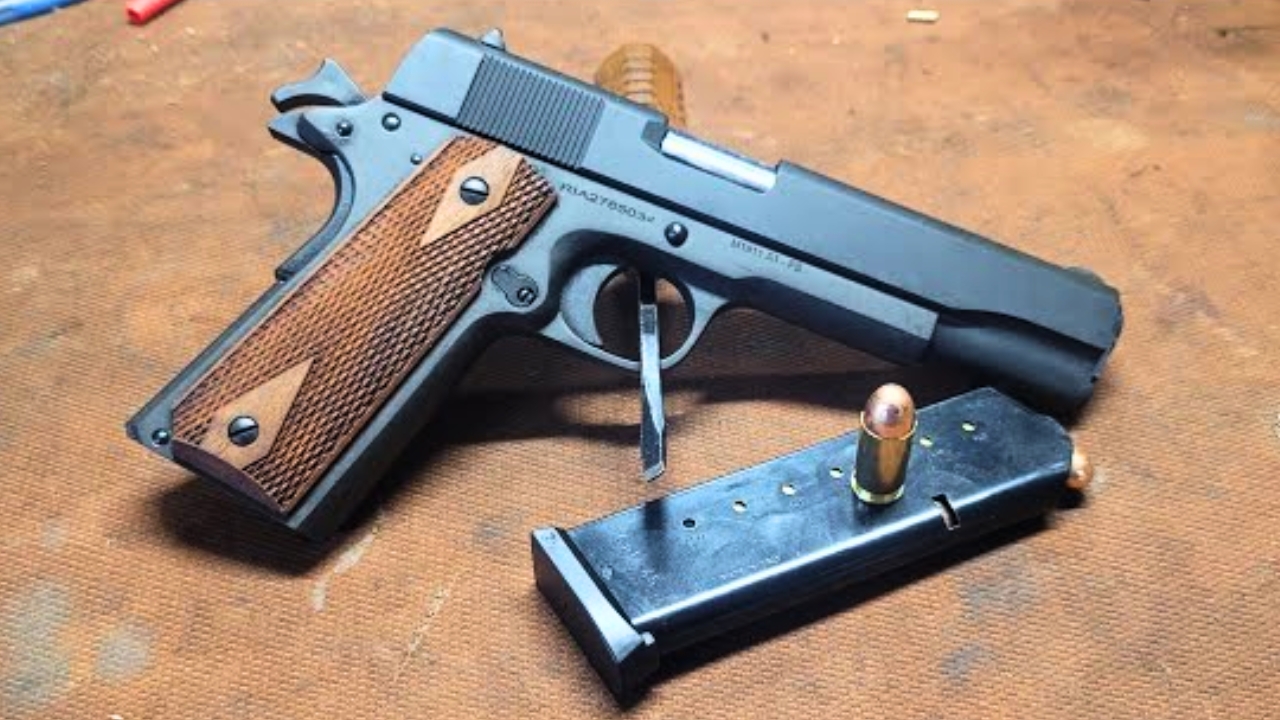
Rock Island Armory GI 1911

Rock Island 1911s can be solid for the money, but the “project” reputation comes from the 1911 ecosystem itself. You may get a great example that runs for years. Or you may get one that runs fine for a couple hundred rounds and then starts needing attention—mags, extractor tuning, spring schedules, feed behavior with hollow points, you name it.
That doesn’t mean they’re junk. It means the 1911 platform can demand more involvement than modern striker guns, and budget examples can magnify that learning curve. If you enjoy tinkering, it’s fine. If you don’t, it becomes work.
Like The Avid Outdoorsman’s content? Be sure to follow us.
Here’s more from us: