Photo credit: RoeStalker/YouTube
Some hunting rifles do not look like much anymore. They have worn bluing, scratched walnut, basic triggers, thin recoil pads, and scopes that may have been mounted before half the deer camp was born. They do not look modern, tactical, lightweight, or expensive.
But deer and elk do not care what a rifle looks like. If the bore is good, the action is sound, and the rifle still puts bullets where they belong, an old plain hunting rifle can be just as deadly now as it was decades ago. These are the kind of rifles that may not get much attention at the gun counter, but they still earn respect in the field.
Remington Model 721
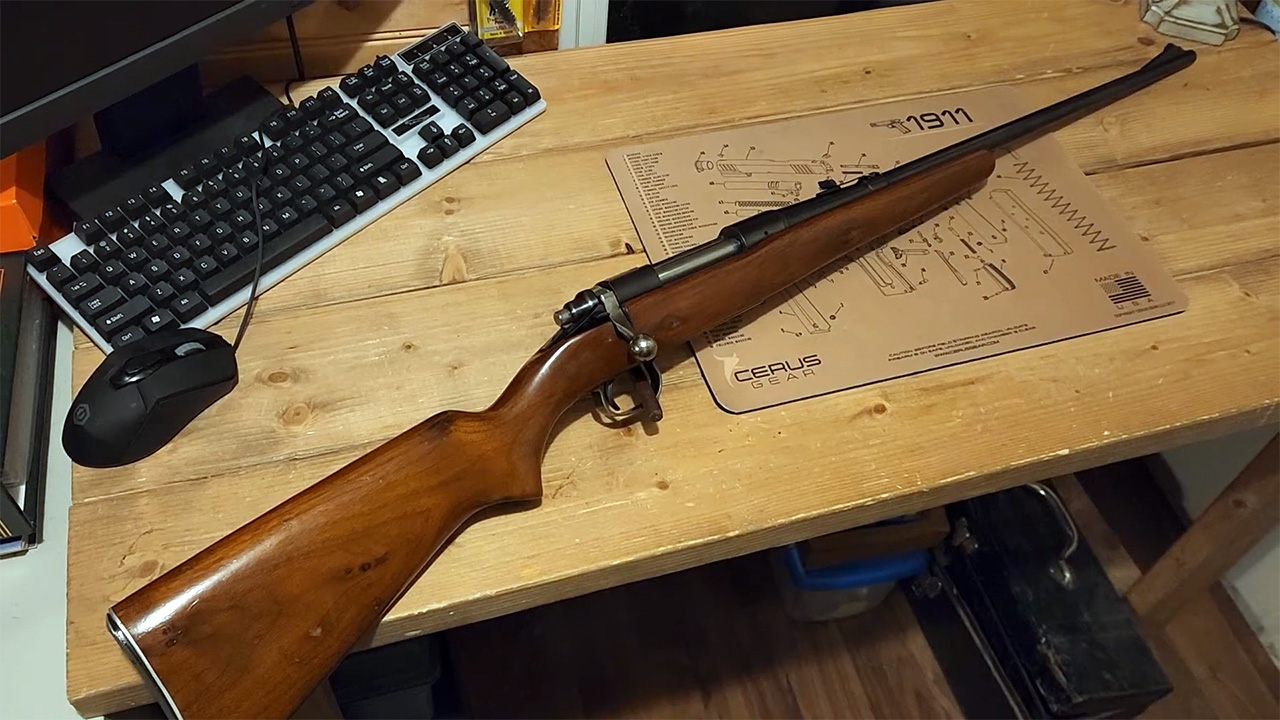
The Remington Model 721 was never a fancy rifle, and that was part of the point. It was built as a practical postwar bolt gun for hunters who needed accuracy and reliability more than polish. The styling is plain, the stock is simple, and the rifle does not have the sleek look of later sporters.
But the 721 helped lay the groundwork for the Model 700, and that says a lot. In chamberings like .270 Winchester and .30-06 Springfield, it remains a very capable hunting rifle. A clean 721 with a decent scope can still do everything most deer and elk hunters need, even if it looks like it came from another era.
Remington Model 722
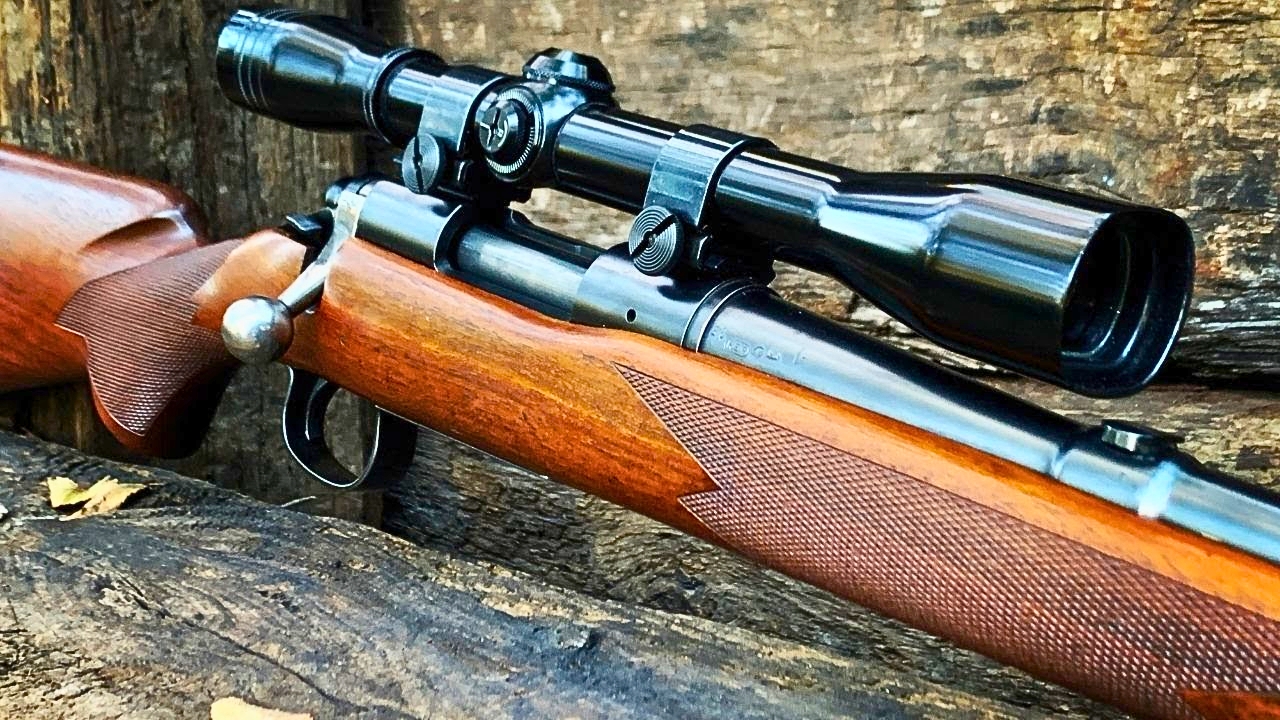
The Remington Model 722 is the short-action partner to the 721, and it may be even more interesting today. Chambered in rounds like .222 Remington, .244 Remington, and .300 Savage depending on the version, it was made for practical hunters and varmint shooters who cared more about results than appearance.
The rifle is plain in the best way. It has a strong action, good accuracy potential, and a simple layout that still works. A 722 in the right chambering can be a fantastic deer, predator, or varmint rifle. It may not look exciting in a used rack, but it can still shoot far better than people expect.
Remington Model 788

The Remington Model 788 looked like a budget rifle when it was new, and it still looks like one today. The rear-locking bolt, detachable magazine, and plain stock made it seem like a cheaper alternative to the Model 700. Plenty of hunters bought them because they were affordable, not because they were glamorous.
Then people started realizing how well they shot. The 788 built a reputation for excellent practical accuracy, especially in chamberings like .243 Winchester, .308 Winchester, and 6mm Remington. It is not pretty, and the magazines can be expensive now, but as an old hunting rifle, it is still deadly.
Winchester Model 670

The Winchester Model 670 was basically a less expensive version of the Model 70, and that lower-cost identity still follows it around. It did not have the same level of finish or prestige, and many hunters passed over it for flashier rifles. It was a working gun from the start.
That makes it exactly the kind of rifle that still belongs in the woods. In common deer cartridges like .243 Winchester, .270 Winchester, .308 Winchester, and .30-06 Springfield, the Model 670 is fully capable. It may never have the collector appeal of a classic Model 70, but a solid one can still fill a freezer without drama.
Winchester Model 54
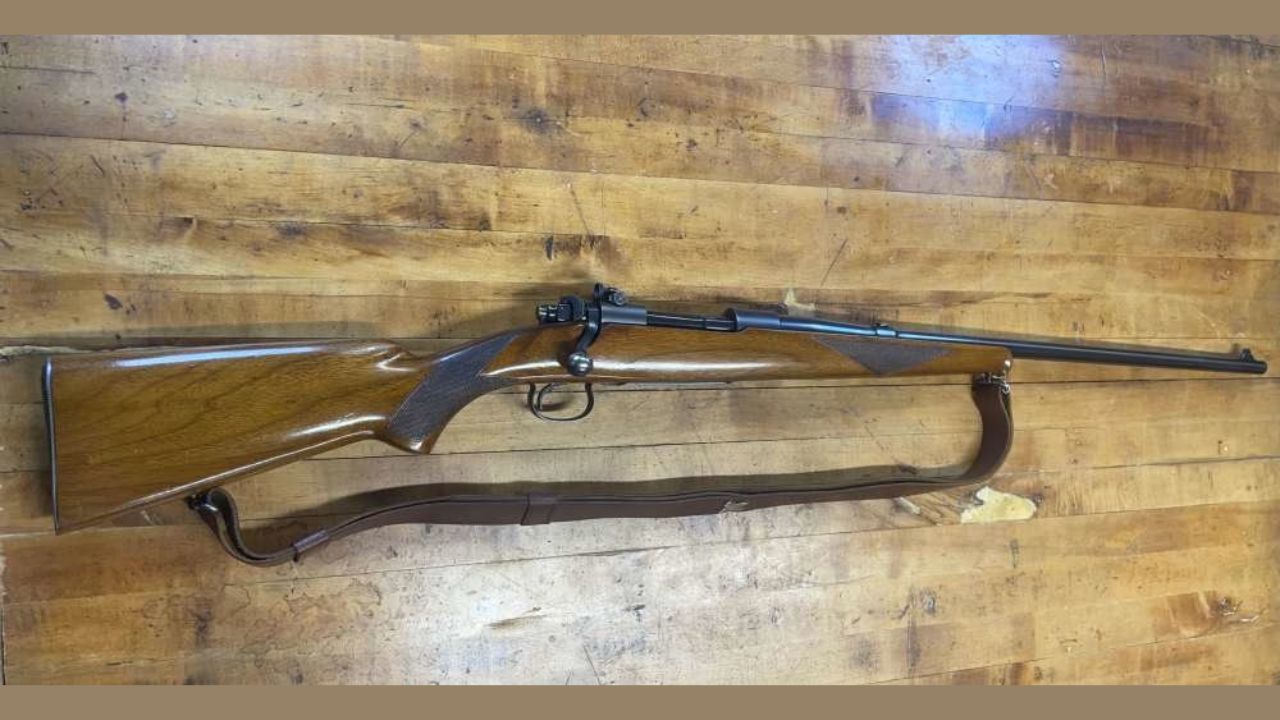
The Winchester Model 54 is often remembered as the rifle before the Model 70, which makes people overlook it as a hunting rifle in its own right. It is old, simple, and not as refined as the rifle that replaced it. The safety and stock design can feel dated by modern standards.
Still, the Model 54 is a serious bolt-action hunting rifle with real history behind it. In chamberings like .30-06 Springfield and .270 Winchester, it can still handle big-game hunting just fine if the rifle is in good condition. It is not as slick as newer guns, but it has the bones of a true field rifle.
Savage Model 340
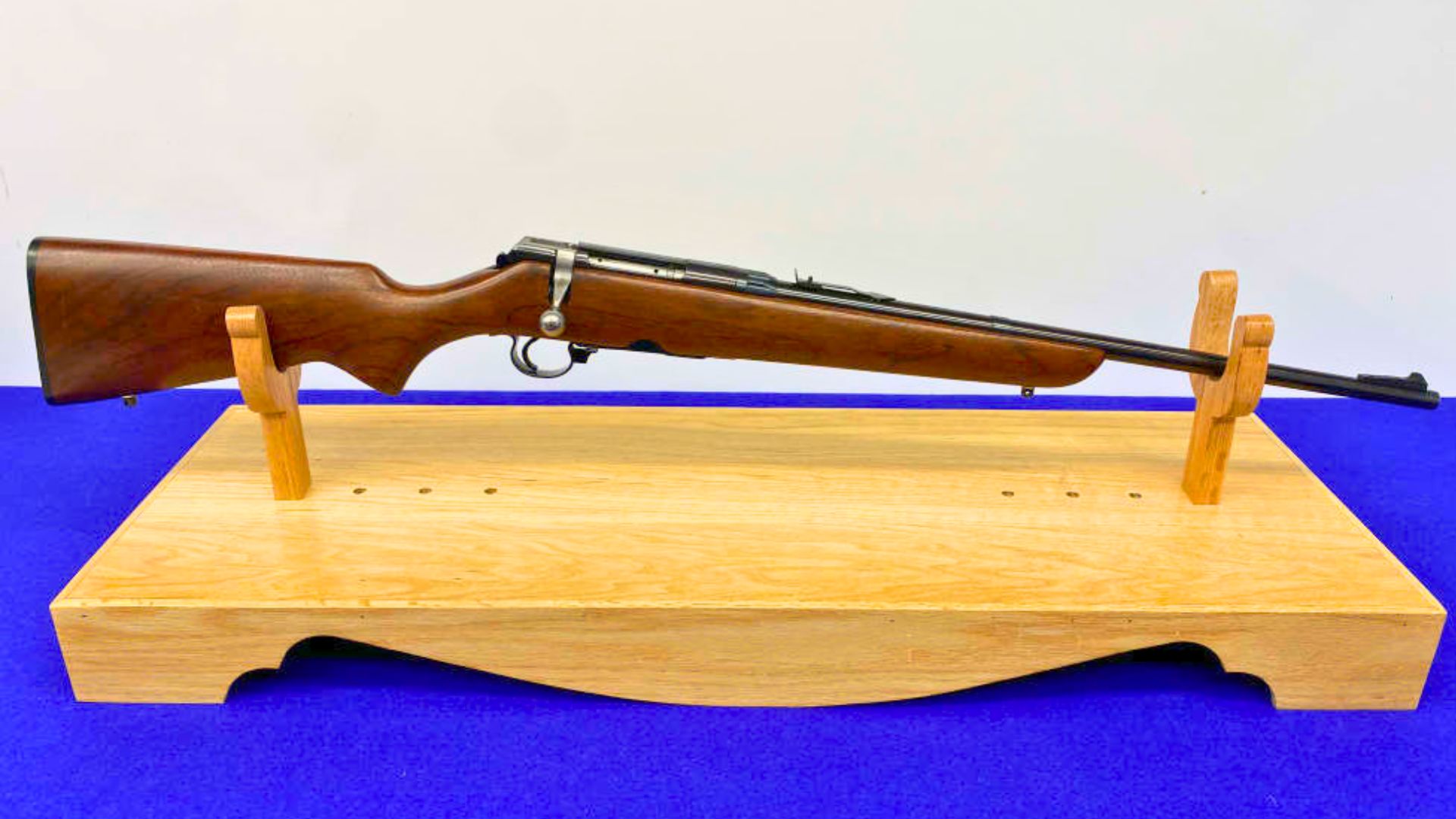
The Savage Model 340 is not handsome, and nobody should pretend it is. The side-mounted scope setup, detachable box magazine, and plain stock give it a bargain-rifle look that turns some people away. It looks more like a farm tool than a prized hunting rifle.
That does not mean it is useless. In .30-30 Winchester, the Model 340 gives hunters a bolt-action alternative to the classic lever guns. It can be accurate enough for woods hunting, easy to carry, and perfectly deadly inside normal .30-30 distances. It is old and odd, but it still works.
Savage Model 110E

The Savage Model 110E was never built to win beauty contests. It was a practical, lower-trim hunting rifle with the same basic 110 action that helped Savage build its reputation for affordable accuracy. The stocks were plain, the finish was basic, and the rifle looked like something meant to be used.
That is why it still makes sense. A good 110E in .243, .270, .308, or .30-06 can still hunt with rifles costing much more. The action may feel rough compared with polished modern guns, but these rifles often shoot well and keep working. For a no-frills deer rifle, the old 110E is easy to respect.
Marlin 30AS
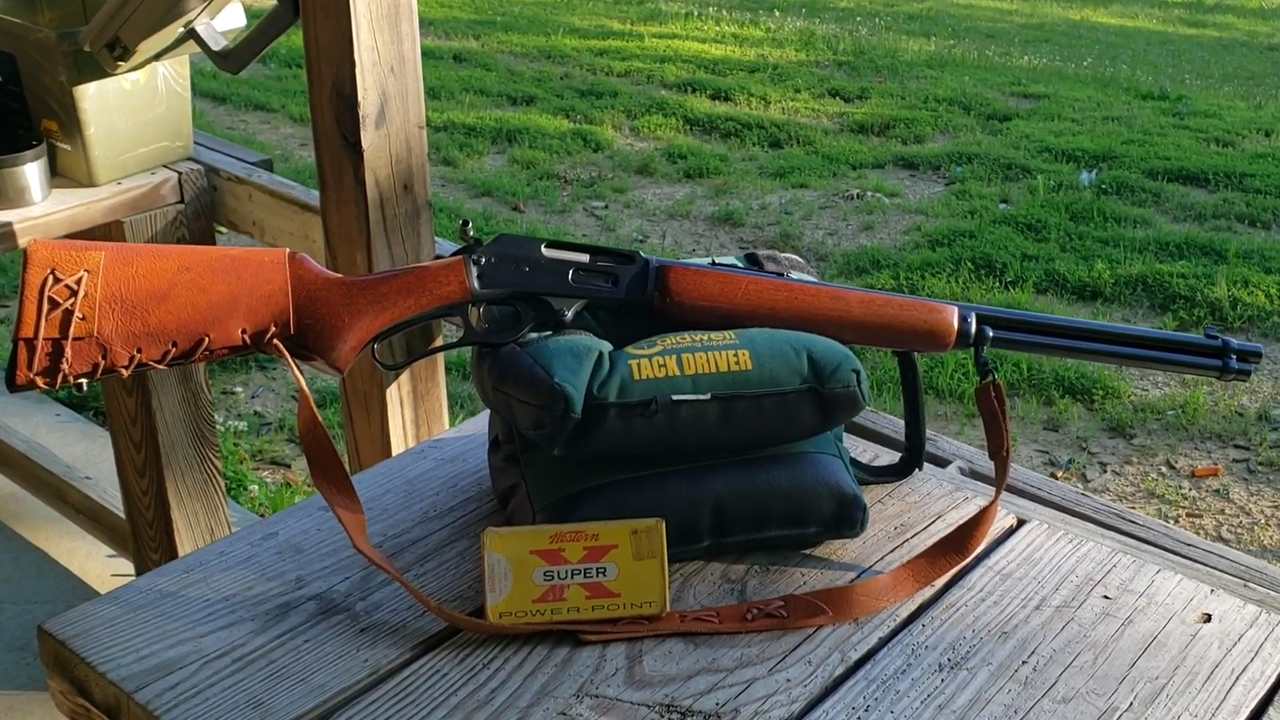
The Marlin 30AS is the kind of rifle that gets ignored because it is not as collectible as older 336 variants. It was a more economy-minded version, often wearing birch or hardwood furniture instead of nicer walnut. It looks plain because it is plain.
In the deer woods, that matters very little. It is still a Marlin lever action in .30-30 Winchester, and that is enough for a lot of hunters. The 30AS carries well, points quickly, and handles the kind of close-range shots where .30-30 still shines. It may not be fancy, but it is exactly the kind of old rifle that still kills deer cleanly.
Glenfield Model 30A
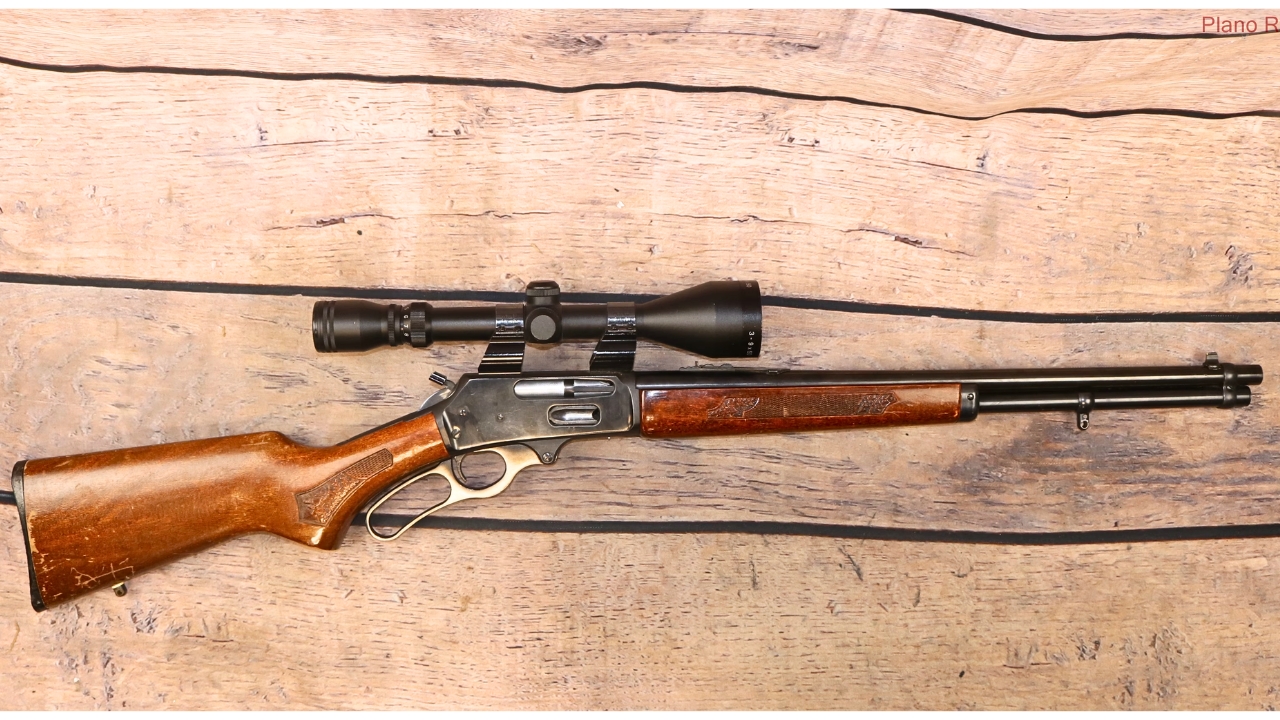
The Glenfield Model 30A is another rifle people pass over because it lacks the name recognition and finish of a Marlin-branded 336. Sold as a more affordable working rifle, it often came with pressed checkering, plain wood, and a very practical personality. It was not made to impress collectors.
But underneath, it is still a very useful .30-30 lever gun. The action, handling, and field role are all right in line with what woods hunters need. If the bore is good and the rifle feeds properly, a Glenfield 30A can still be a dependable deer-camp rifle. The deer will not know it was the cheaper version.
Mossberg 800
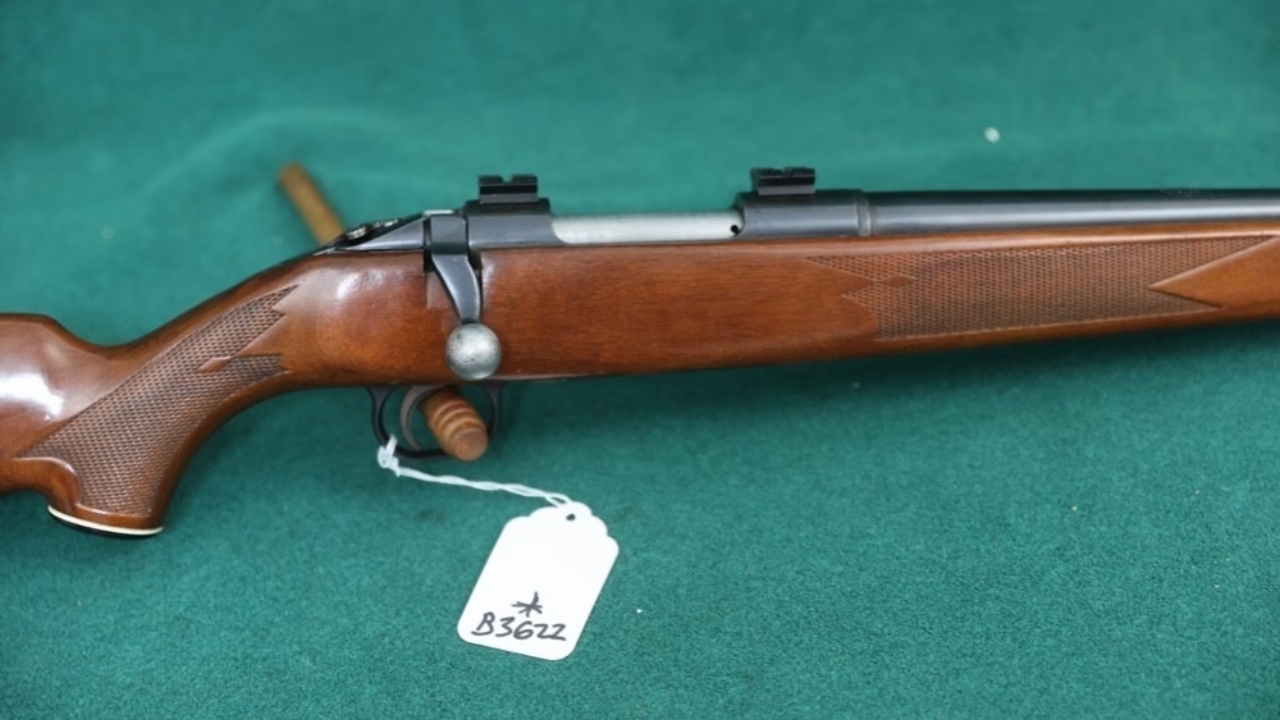
The Mossberg 800 is one of those old bolt-action hunting rifles that almost never gets much attention. It does not have the following of a Winchester, Remington, or Ruger, and its styling is very much from its time. That lack of glamour keeps prices and interest lower than they probably should be.
As a hunting tool, though, the 800 can still do good work. It was chambered in useful cartridges and built as a practical sporting rifle for regular hunters. A clean example in .243, .308, or .30-06 is still capable of taking deer without issue. It is not famous, but it does not need to be.
JC Higgins Model 50
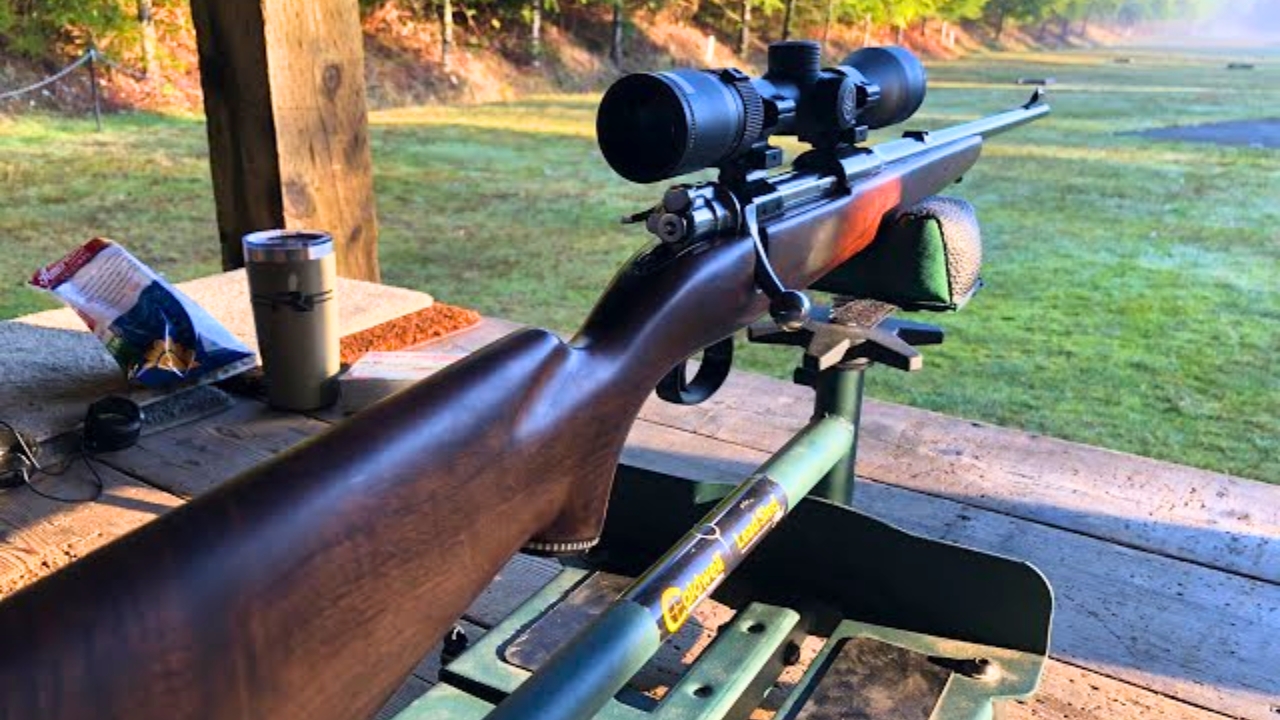
The JC Higgins Model 50 is easy to underestimate because it wore a department-store name. A lot of shooters hear “Sears rifle” and assume it must be second-rate. That is a mistake. Many Model 50 rifles used commercial Mauser actions and High Standard barrels, giving them far better bones than the name suggests.
These rifles can be excellent old hunting guns. They are plain, sturdy, and usually chambered in serious big-game rounds like .270 Winchester and .30-06 Springfield. The stock design may look dated, but the rifle itself can still shoot and hunt very well. It is one of the better sleepers in the old used-rifle world.
Western Field Model 740
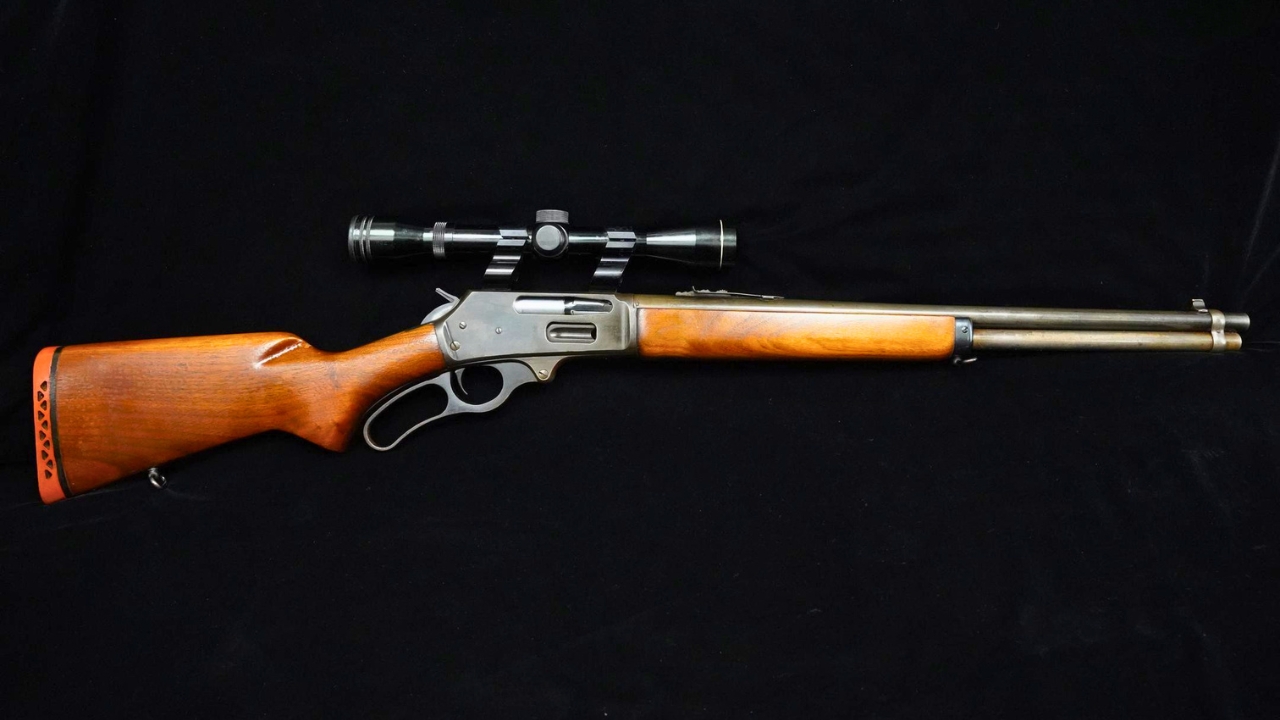
The Western Field Model 740 is another store-brand rifle that does not get much respect at first glance. Sold through Montgomery Ward, it was based on proven commercial designs and aimed at hunters who wanted function without paying for a fancy name. That makes it easy to overlook today.
But a good one can still be a very useful deer rifle. These rifles were often chambered in practical cartridges and built with ordinary hunters in mind. They may not have collector shine, but they can still carry, shoot, and kill deer cleanly. Store-brand rifles can be excellent values when the underlying gun is sound.
Interarms Mark X
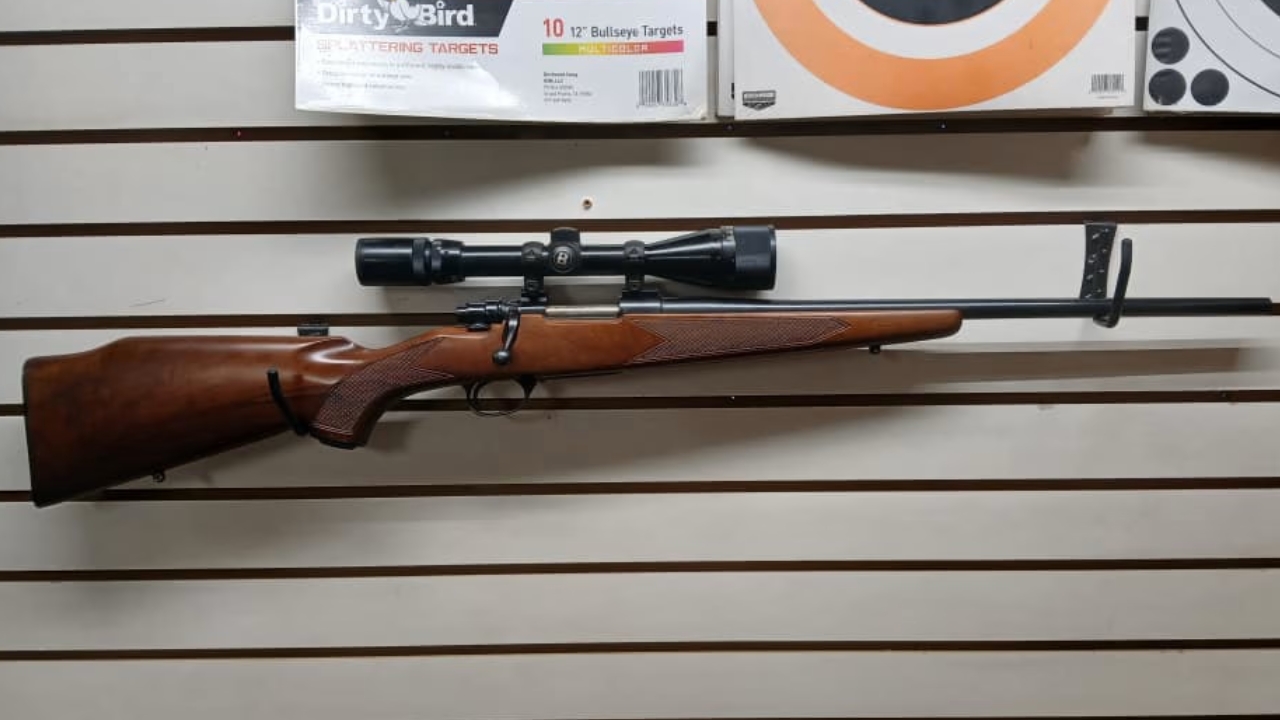
The Interarms Mark X is a plain Mauser-style rifle that deserves more respect from hunters who like strong, simple bolt guns. Built on a commercial Mauser 98-type action, it has the controlled-feed appeal and rugged feel that many modern rifles try to imitate. It does not always look fancy, but the design is proven.
The Mark X is especially appealing in classic hunting chamberings like .270 Winchester, .30-06 Springfield, and 7×57 Mauser. It may need a trigger upgrade or stock work depending on the rifle, but the basic platform is solid. For hunters who appreciate old-school reliability, it is still a deadly field rifle.
Parker-Hale 1200
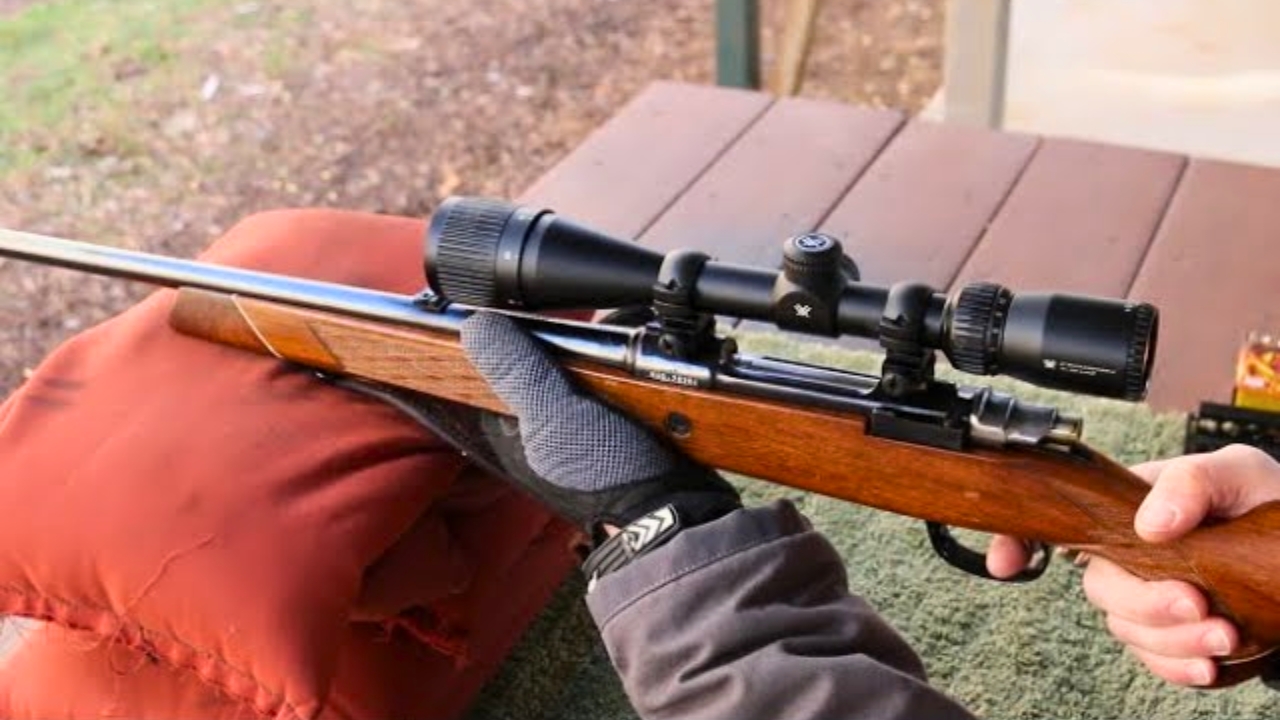
The Parker-Hale 1200 is one of those British sporting rifles that can sit in a used rack without getting the attention it deserves. It is not flashy, and many American hunters are more familiar with domestic names. But Parker-Hale built plenty of practical hunting rifles on Mauser-style actions.
A good Model 1200 has the feel of a serious old hunting rifle. The stocks can be plain, the finish can show age, and the rifle may not be light by modern standards. But in cartridges like .243 Winchester, .270 Winchester, .308 Winchester, and .30-06 Springfield, it remains perfectly capable in the field.
Husqvarna 1640
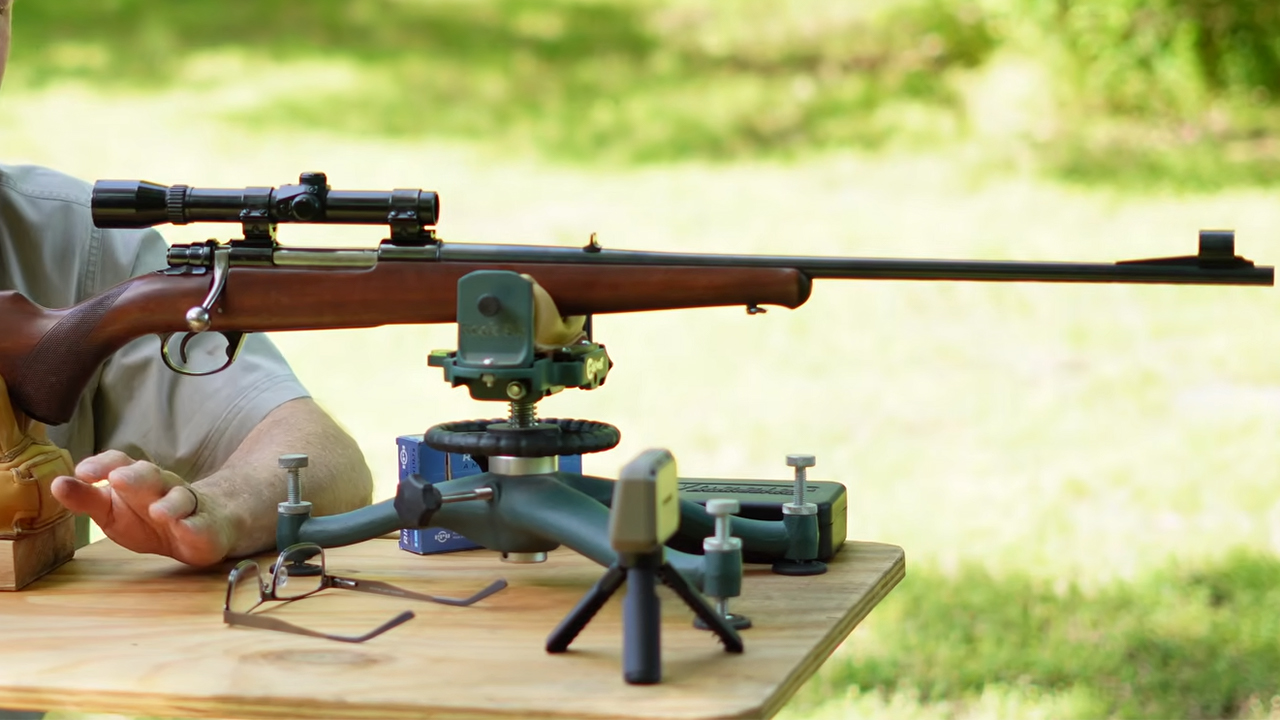
The Husqvarna 1640 is a classic Swedish hunting rifle that still has a lot to offer. It is lighter and handier than many full-size Mauser sporters, with a strong action and a reputation for quality. It does not usually look flashy, but it often feels better than people expect once they handle it.
These rifles are especially appealing to hunters who like old walnut-and-steel sporters that were made to be carried. In chamberings like .30-06 Springfield, .270 Winchester, 6.5×55 Swedish, and 9.3x62mm, the 1640 can still handle serious hunting. It is old, plain, and very easy to underestimate.
BRNO ZKK 600
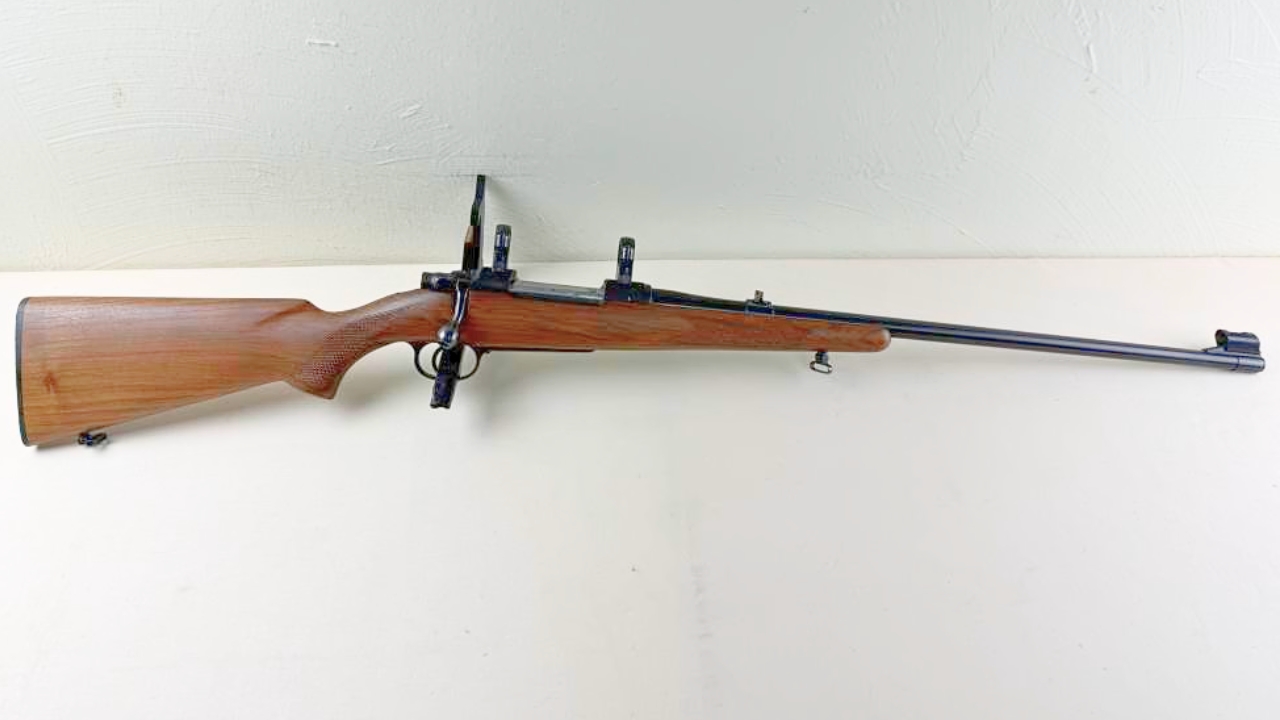
The BRNO ZKK 600 has the rugged feel that made older Czech rifles respected around the world. It is not sleek by modern standards, and some versions have features that feel unusual today. But the action is strong, the rifles were built for hunting, and they have a reputation for being hard-working tools.
In common big-game cartridges, the ZKK 600 still makes sense for hunters who care more about function than trendiness. It may be heavier than modern synthetic rifles, but that weight can make it steady and comfortable to shoot. A clean example is exactly the kind of old rifle that still belongs in the field.
Sporterized Mauser 98

A sporterized Mauser 98 can be either a treasure or a mess, depending on who did the work. Some were chopped up badly, drilled poorly, and stocked like cheap projects. Others were carefully converted into excellent hunting rifles. That is why buyers need to look closely.
When done right, a Mauser 98 sporter is still a very capable big-game rifle. The action is strong, controlled-feed reliability is proven, and cartridges like 8×57 Mauser, .30-06 Springfield, 7×57 Mauser, and .270 Winchester have plenty of field credibility. It may not be pretty, but a good one can still hunt hard.
Sporterized Springfield 1903
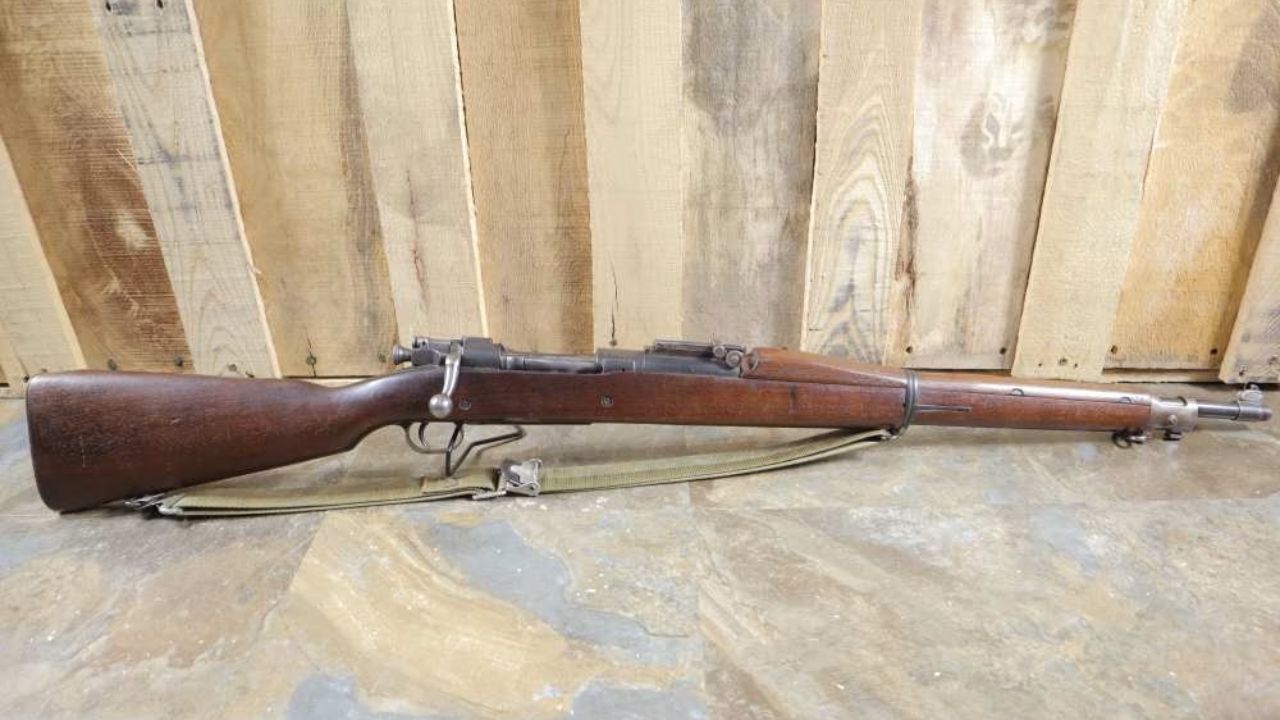
A sporterized Springfield 1903 is another old rifle that depends heavily on condition and workmanship. Some conversions are crude. Others are beautiful old hunting rifles built from one of America’s most respected bolt-action military designs. Either way, the platform has real strength behind it.
In .30-06 Springfield, a properly sporterized 1903 can still be a deadly hunting rifle. The cartridge remains one of the most useful big-game rounds ever made, and the action has history and durability on its side. It may not have the features of a modern bolt gun, but it can still put meat on the ground.
Sako L579 Forester

The Sako L579 Forester is not always plain in the cheap sense, but many older examples look modest compared with modern rifles. They were built with excellent quality, smooth actions, and strong accuracy potential. Serious rifle people know what they are, but casual hunters may walk right past them.
The Forester is especially good in short-action chamberings like .243 Winchester and .308 Winchester. It carries well, shoots beautifully, and has the kind of old-world quality that never really goes out of style. It may be old, but it is far from outdated. A good L579 is still a first-rate hunting rifle.
Ruger M77 Tang Safety

The Ruger M77 Tang Safety rifles have a loyal following because they feel like real working rifles from a time before everything became molded plastic and detachable magazines. The tang safety is easy to use, the action is rugged, and the rifles were chambered in plenty of useful hunting rounds.
They are not always lightweight or polished, and some can be pickier about accuracy than newer rifles. But a good M77 Tang Safety rifle in .243, .270, .308, .30-06, or 7mm Remington Magnum still belongs in the field. It has that old-school Ruger toughness that makes hunters trust it long after newer rifles come and go.
Like The Avid Outdoorsman’s content? Be sure to follow us.
Here’s more from us: