Photo credit: Hop/YouTube
A lot of rifle cartridge talk gets weird fast. People obsess over velocity charts, energy figures, long-range fantasies, and whatever new round the market is trying to make sound like the answer to everything. Meanwhile, most real-world shooting is a lot less dramatic. It happens in deer woods, at ordinary hunting distances, on practical target ranges, around farms and ranches, and in the hands of people who care more about results than bragging rights.
That is why some cartridges keep surviving every trend cycle. They work, ammo can usually be found, rifles are easy enough to get, and the rounds do real jobs without asking the shooter to build their whole identity around them. Here are 15 rifle cartridges that still make a whole lot of sense once you step out of internet arguments and back into real life.
.22 Long Rifle

The .22 LR still makes sense because nothing really replaced what it does best. It is cheap compared to centerfire ammo, easy to shoot, useful for training, useful for small game, and useful for plain old trigger time. People love acting like serious shooters should always be focused on something louder, but the .22 still teaches fundamentals better than a lot of “serious” rifles ever will.
It also makes sense because people actually use it. Pest control, plinking, introducing new shooters, and low-cost range work are all real-world jobs. A cartridge does not need to be dramatic to be valuable. The .22 LR proves that every single day.
.223 Remington / 5.56 NATO
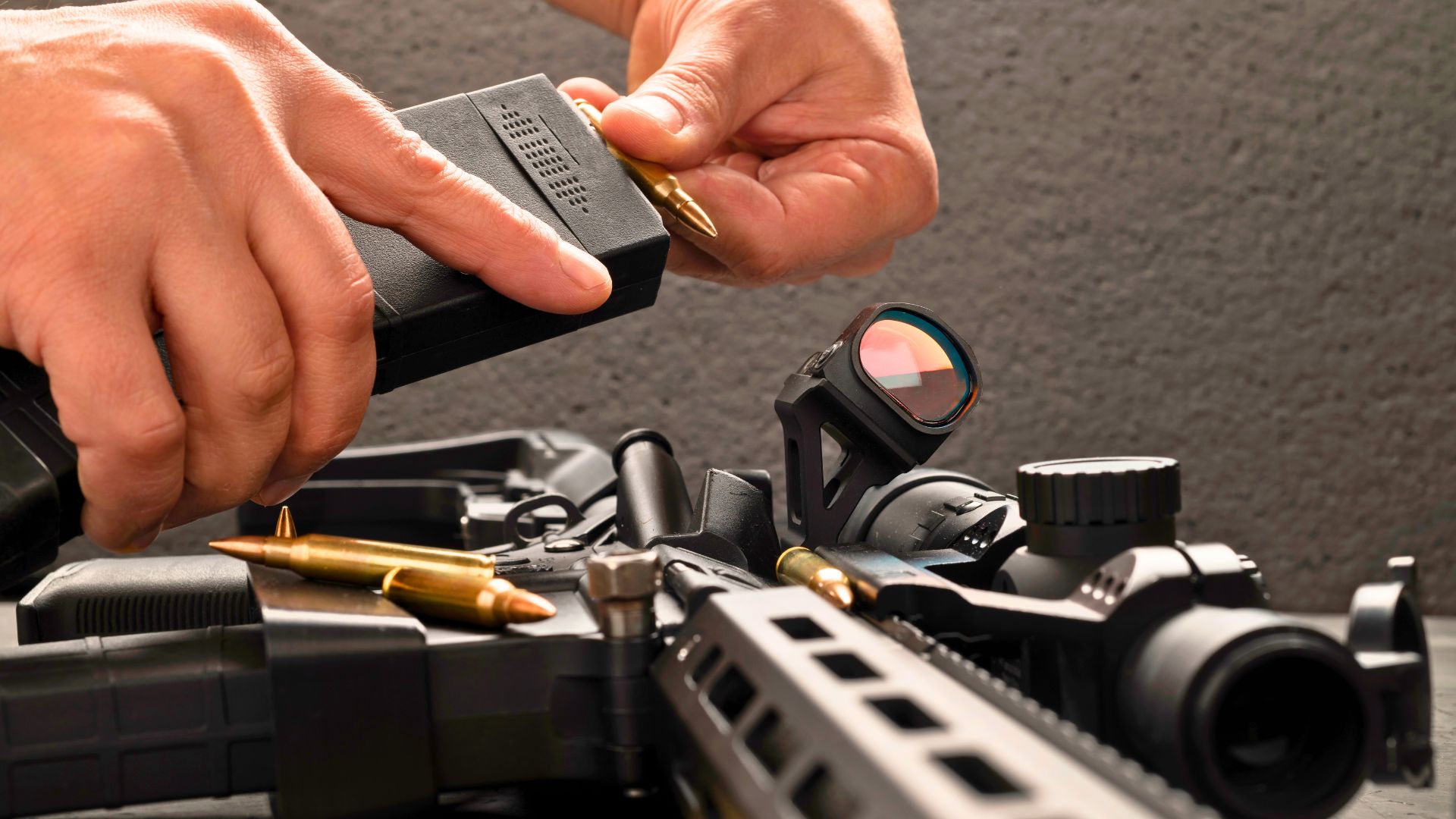
The .223/5.56 family still makes sense because it covers a lot of practical ground without making life hard on the shooter. It is light recoiling, widely available, easy to shoot well, and supported by one of the deepest rifle ecosystems in the country. That alone would be enough to keep it relevant.
It also works for real roles people actually care about. Training, target shooting, varmints, predators, and general-purpose rifle use are all squarely in its wheelhouse. Plenty of cartridges try to sound more advanced. Very few are this easy to live with.
.243 Winchester

The .243 still makes sense because it solves one of the biggest real-world shooting problems: too many people shoot better with less recoil. That matters. A cartridge that helps a hunter stay calm, place shots better, and still carry enough performance for deer-sized game is doing something useful.
It is also one of the best crossover rounds around. It works for varmints and predators, and with the right bullets it still handles deer very well. That kind of flexibility is exactly why the .243 never really stopped mattering outside internet macho talk.
.25-06 Remington

The .25-06 still makes sense because it remains one of the smartest “open country but not overkill” hunting rounds on the board. It shoots flat, carries speed well, and still handles deer and antelope work without dragging the shooter into magnum recoil or barrel-burning excess just for the sake of ego.
It also stays relevant because it gives hunters something practical in between the lighter varmint rounds and the heavier all-purpose standards. That middle ground is useful in the real world, even if it gets less attention than flashier cartridges.
6.5 Creedmoor

The 6.5 Creedmoor still makes sense because backlash did not make it stop working. Yes, people got tired of hearing about it. No, that did not make it less accurate, less manageable, or less effective on deer-sized game. Once you strip away the hype and the anti-hype, it is still a very practical cartridge.
It makes sense for shooters who want mild recoil, strong ballistic performance, and easy shootability without stepping into bigger magnums. That is a real need, and the Creedmoor still fills it very well whether people are bored with the name or not.
7mm-08 Remington

The 7mm-08 still makes sense because it is one of the cleanest hunting cartridges for people who want real field performance without excess recoil. It is easy to shoot, carries itself well on deer and hogs, and gives a lot of hunters more than enough cartridge without turning range time into punishment.
That is exactly why it remains so useful. A cartridge that helps shooters make good shots and still has enough authority for common game keeps its place. The 7mm-08 has been doing that for years without needing the spotlight.
.270 Winchester

The .270 still makes sense because it continues doing exactly what hunters have trusted it to do for generations. It shoots flat, has enough power for a wide spread of North American game, and fits the kind of real hunting where a dependable all-around rifle still matters more than trend-chasing.
It also makes sense because it is not hard to understand. You do not need to explain it. You do not need to defend it. You just sight it in, carry it, and use it. Cartridges that remain that straightforward tend to stay relevant a very long time.
.30-30 Winchester

The .30-30 still makes sense because deer do not care that somebody online thinks it is old. In the woods, in brush, and at normal hunting distances, it still does exactly what it always did. It works well in handy rifles, carries easily, and fits the kind of hunting a lot more people actually do than they admit.
That practical field usefulness is why it survives. The .30-30 is not trying to impress anyone at 500 yards. It is trying to kill deer cleanly in the real places deer get hunted, and it still does that just fine.
.308 Winchester

The .308 still makes sense because it remains one of the most practical all-around centerfire rifle cartridges in the world. It is accurate, widely available, useful in short-action rifles, and capable on everything from target work to deer to bigger game with the right bullets. That is a lot of real-world value in one cartridge.
It also makes sense because people can actually find rifles and ammo for it without building their whole life around a niche setup. Some newer rounds may beat it in one category or another, but very few replace the full package cleanly enough to matter for most shooters.
.30-06 Springfield

The .30-06 still makes sense because it refuses to become obsolete in any honest hunting conversation. It offers broad bullet weight choices, wide ammunition availability, and enough versatility to cover a huge amount of North American hunting without apology. There is a reason so many hunters kept one around for decades.
What makes it especially real-world useful is that it does not ask the owner to specialize too hard. If someone wants one rifle for a lot of hunting, the .30-06 is still one of the safest answers on the board. That kind of practical usefulness never really gets old.
.300 Winchester Magnum

The .300 Win Mag still makes sense because there are still real situations where people want more reach and more authority than the standard cartridges offer. Elk, western hunting, bigger-bodied game, and longer practical field shots all keep this cartridge alive where it counts.
The key is that it makes sense in the right hands, not all hands. That is still enough. A cartridge does not need to be ideal for everyone to remain useful in the real world. It just needs to fit a real role, and the .300 Win Mag still clearly does.
.35 Whelen

The .35 Whelen still makes sense because there are hunters who want a heavier-hitting, no-nonsense cartridge without jumping into some oversized magnum circus. It brings real punch, sensible range for the role, and a reputation for handling larger game with authority.
That kind of cartridge will never dominate mainstream chatter, but it does not need to. It stays relevant because it fills a real niche for people who hunt serious animals and appreciate an honest thumper that does not need flash to justify itself.
.45-70 Government

The .45-70 still makes sense because certain hunting and field roles never stopped calling for a hard-hitting cartridge in a fast-handling rifle. Thick woods, hogs, bear, and short-range authority all keep this round meaningful in ways flatter-shooting cartridges do not replace.
It also makes sense because people still like lever guns that carry real power. That is not nostalgia talking. That is a cartridge staying useful because the kind of work it does never disappeared.
7.62x39mm

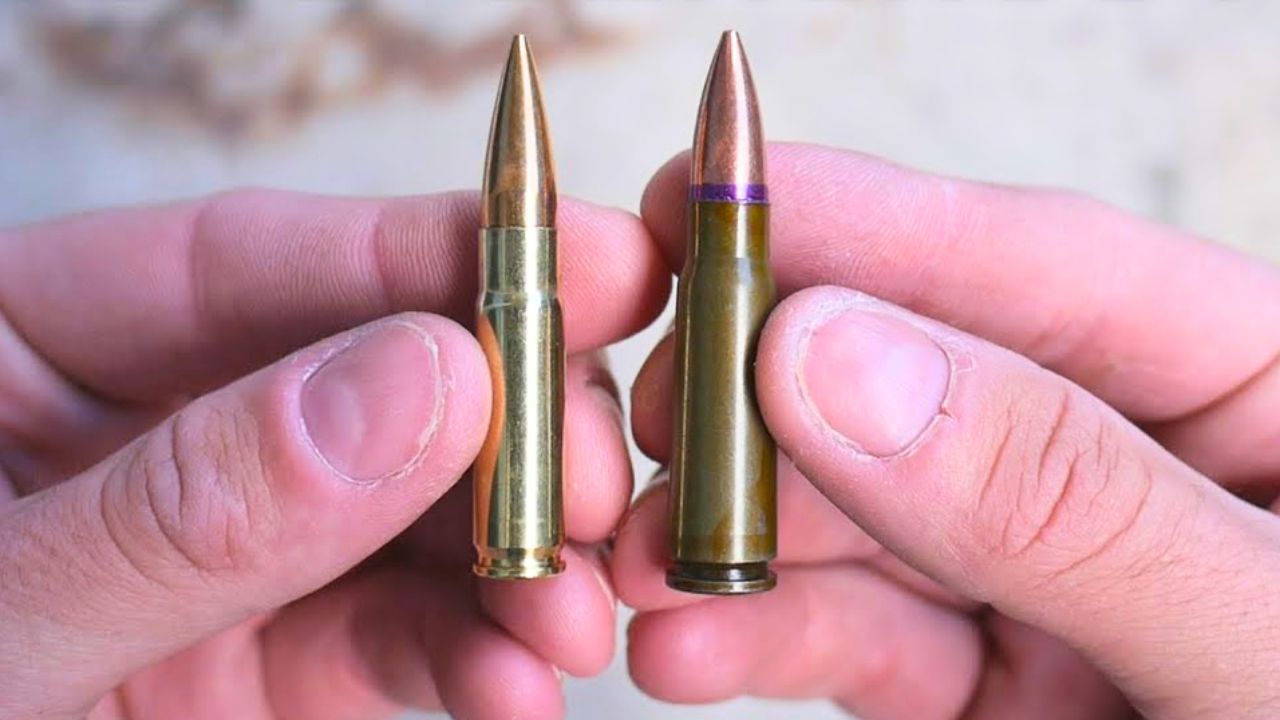
The 7.62×39 still makes sense because practical, moderate-range centerfire performance in durable, easy-handling rifles still matters. It is not glamorous, but it is effective enough, easy enough to shoot, and tied to platforms that many shooters still rely on for general-purpose use.
That kind of straightforward utility is easy to underestimate until you actually look at how people use rifles in the real world. The 7.62×39 keeps its place because it still gets the job done without requiring much drama.
.350 Legend

The .350 Legend still makes sense because straight-wall hunting rules are real, not theoretical. In states where those rules matter, this cartridge gives hunters a very practical way to use modern rifles for deer without jumping through oddball hoops or dealing with more recoil than they need.
It also stays sensible because it is easy enough to shoot and fills a legal-and-practical role that a lot of hunters genuinely have. That is a very real kind of value, even if it does not make for exciting internet arguments.
.300 Blackout

The .300 Blackout still makes sense because it fills a practical lane that a lot of people actually use: short barrels, suppressors, and compact rifle setups where the standard .223/5.56 does not always feel ideal. That role is real enough that the cartridge remains very relevant.
It also makes sense because it gives shooters options. Supersonic for one role, subsonic for another, all in a platform many already understand. Not every shooter needs that. Plenty do, and that is enough to keep the cartridge firmly in the real-world category.
Like The Avid Outdoorsman’s content? Subscribe to our newsletter so you never miss an article.
Here’s more from us: