Photo credit: Nomad_Soul/Shutterstock.com
Buying your first rifle is exciting—until it gets overwhelming. Between the endless choices, confusing specs, and strong opinions from every corner of the internet, it’s easy to mess up. And unfortunately, those early mistakes can cost you in money, time, or worse, confidence. This guide walks you through the common pitfalls new buyers run into so you can skip the headaches and end up with a rifle that actually fits your needs.
Ignoring the Purpose
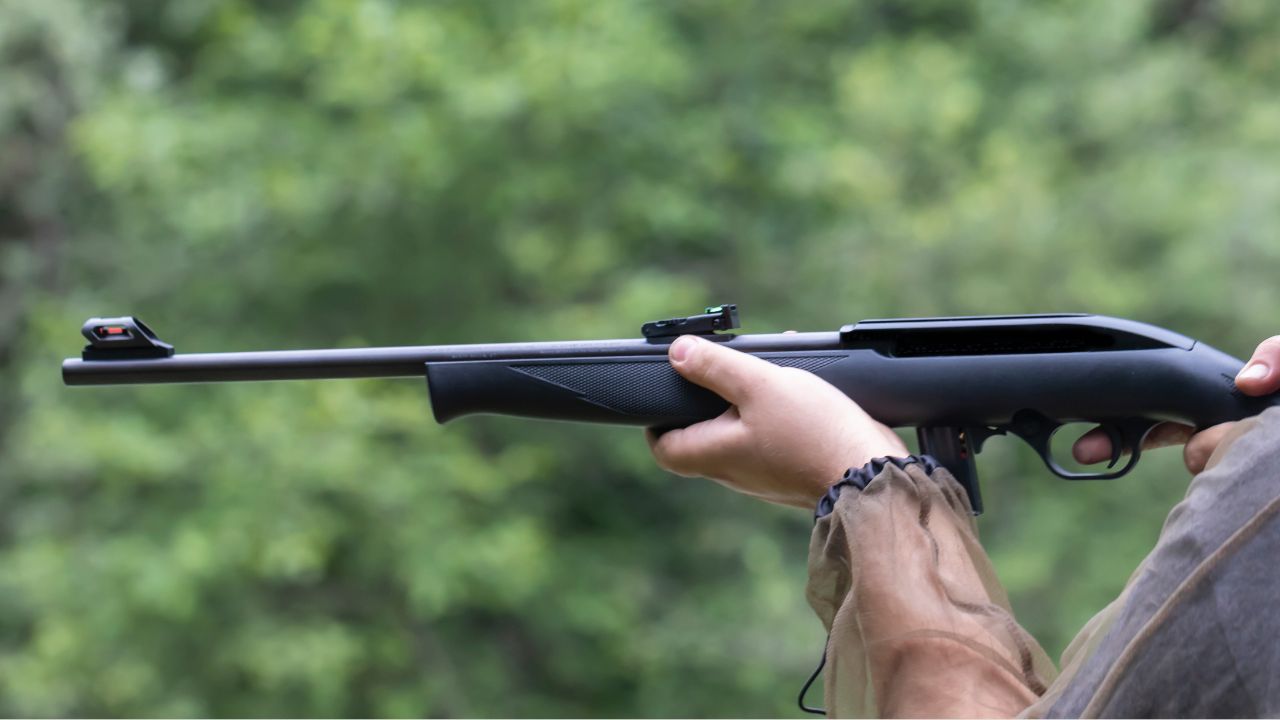
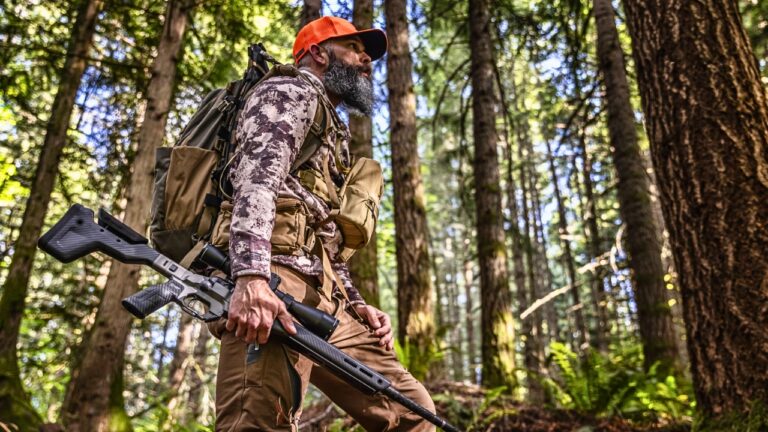
The biggest mistake? Not knowing what you’re buying the rifle for. A hunting rifle isn’t the same as a plinking rifle or something for home defense. Each one is built with a different goal in mind.
If you don’t have a clear purpose, you’re more likely to end up with a gun that’s either overkill or completely underpowered. Be honest about what you want to do with it—then buy accordingly.
Buying Too Much Gun

New shooters often think bigger is better. They’ll pick a powerful caliber like .300 Win Mag when they would’ve been just fine with a .223 or .243. Recoil fatigue and expensive ammo follow fast.
A softer-shooting rifle will help you shoot more often and learn faster. Save the heavy hitters for when you actually need them—and when you’re confident enough to handle them well.
Getting Sucked In by Looks

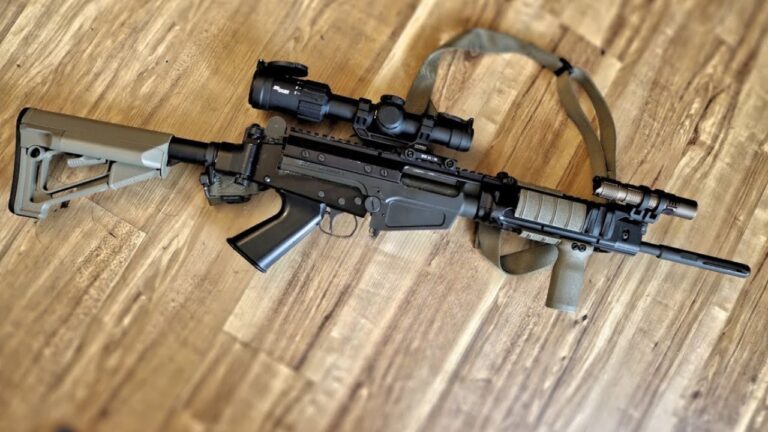
We’ve all seen a rifle that looks cool and immediately wanted it. But flashy finishes and tacticool rails won’t make up for a poor fit, bad balance, or a cheap barrel.
Form should follow function—especially with your first rifle. Focus on how it shoots, how it feels in your hands, and whether it actually suits your purpose. Looks come second.
Skipping the Fit Check

A rifle that doesn’t fit you right will be uncomfortable to shoot and harder to control. Stock length, weight, and scope height all matter more than most beginners realize.
Take the time to shoulder different rifles and see what feels right. Ask for help if you’re not sure. A well-fitting rifle will boost your accuracy and confidence from the start.
Overlooking Ammo Cost and Availability

You might love that slick bolt gun in 7mm PRC, but if the ammo costs $60 a box—good luck practicing. Some calibers are tough to find and even tougher on your wallet.
Stick with something common for your first rifle. .223, .308, and .30-06 are widely available and affordable enough to shoot regularly without feeling guilty.
Skipping a Quality Optic

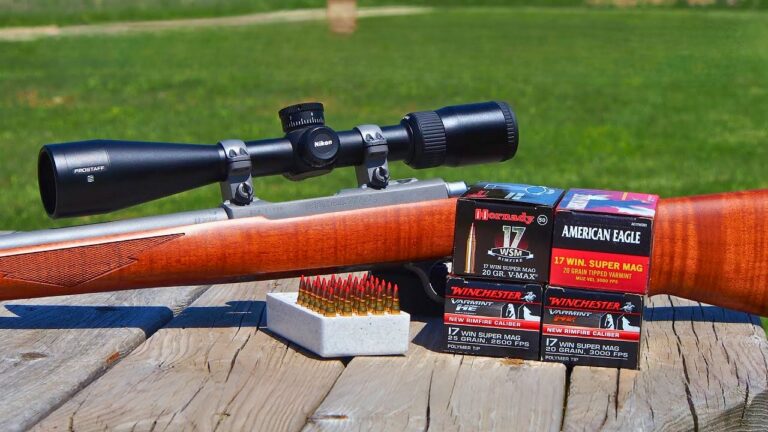
A cheap scope will ruin your experience fast. Blurry glass, poor tracking, and bad mounts all turn a solid rifle into a frustrating mess. You don’t need to spend a fortune—but you do need something reliable.
Don’t blow your whole budget on the rifle and skimp on optics. You’ll shoot better with a $500 rifle and a $300 scope than the other way around.
Not Practicing Enough Before Hunting or Defending

Some folks buy a rifle, shoot it once at the range, then think they’re ready for deer season or home defense. That’s a recipe for disappointment—or danger.
Take the time to really learn your rifle. Practice loading, shooting from different positions, and understanding how it works under pressure. You’ll be far more prepared when it matters.
Getting Bad Advice from the Wrong People

Everyone has an opinion, especially online. But not all of it is good. Some folks push expensive gear you don’t need, while others talk down to new shooters.
Stick to advice from people who’ve actually used the gear—not just reviewed it. Ask questions at your local range or gun shop, and don’t be afraid to ignore the keyboard warriors.
Forgetting About Storage and Safety
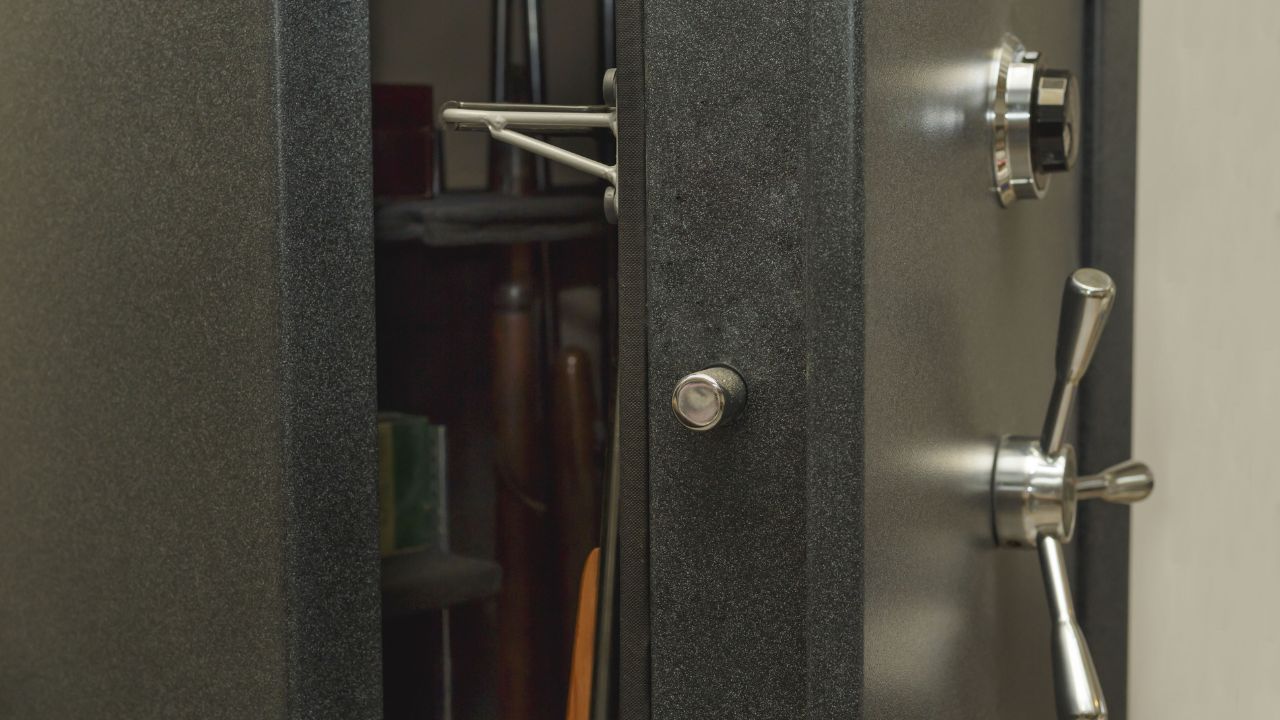
A rifle isn’t just something you buy—it’s something you store safely. First-time buyers often forget to budget for a safe or a secure cabinet.
Whether you live alone or with others, keeping your rifle secure is part of being a responsible gun owner. Make room in the budget and in your home for proper storage from day one.
Neglecting Maintenance
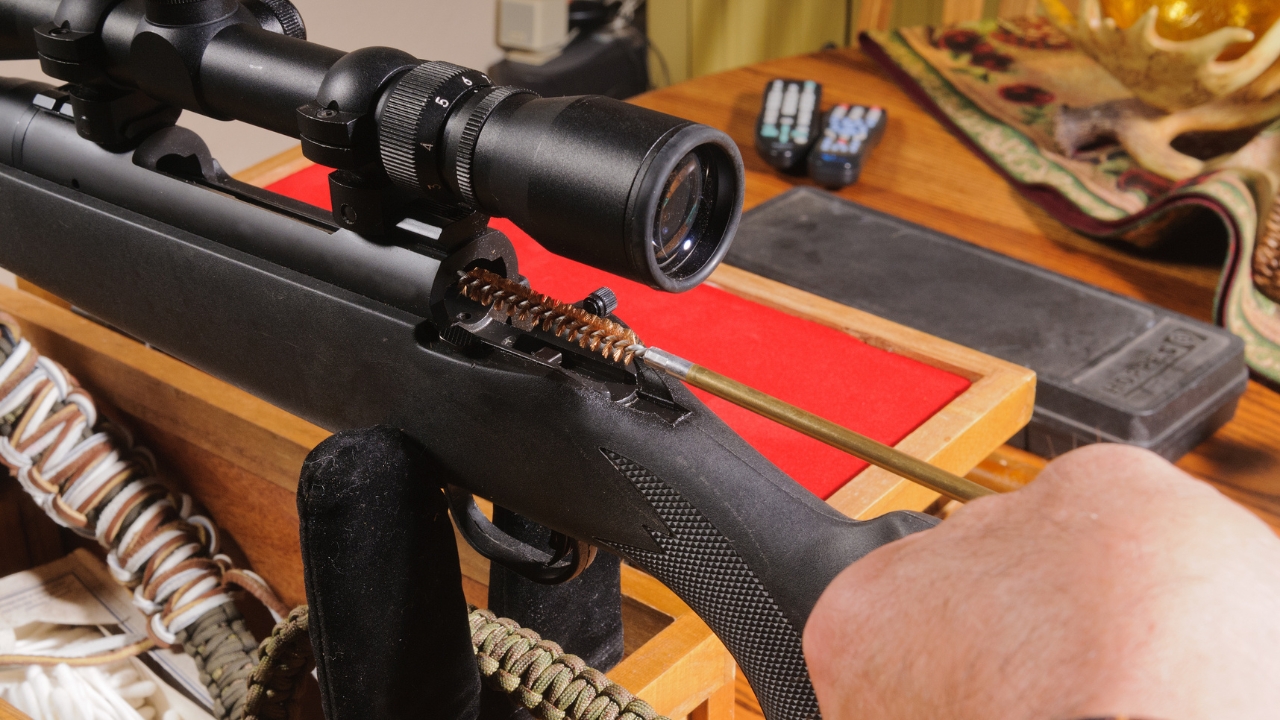
Rifles aren’t maintenance-free. And if you ignore cleaning and lubrication, it won’t be long before performance takes a hit.
Learn the basics of cleaning your rifle and do it regularly—especially after range days or bad weather. A little upkeep goes a long way toward keeping your rifle running right for years to come.
*This article was developed with AI-powered tools and has been carefully reviewed by our editors.