Photo credit: Pew Pew Tactical/YouTube
Some pistols just don’t play nice with a loose grip. While limp-wristing isn’t always the gun’s fault, some semi-autos are way more sensitive to it than others. These are the pistols folks constantly report issues with—especially when shooters have a weaker hold or they’re running light ammo. Whether you’re new to handguns or just tired of stovepipes, this list will help you avoid the usual suspects.
KelTec PF-9

The PF-9 is known for being ultra-light and compact, but that’s also part of the problem. Its low mass and snappy recoil make it notorious for stovepipes when not held firmly. New shooters especially struggle with it.
Even with good technique, it can feel unforgiving. Combine that with a long trigger pull and sharp recoil, and you’ve got a pistol that’s easy to short-cycle if your grip isn’t locked in tight.
Glock 42

The Glock 42 is handy for concealed carry, but it’s not as forgiving as its bigger siblings. It’s chambered in .380 ACP and doesn’t have much slide mass, which means it really depends on the shooter’s wrist to cycle properly.
Plenty of folks report failures to eject when grip tension is off. It’s great when it runs right, but a soft grip or weak ammo can throw things off fast.
Springfield Hellcat

The Hellcat is popular for its size and capacity, but it’s also known to stumble with limp-wristing. It has a short slide and strong spring tension, which can lead to failure to feed or eject if your grip isn’t solid.
This isn’t a huge issue for seasoned shooters, but beginners might notice reliability issues until they build up more control and consistency.
Taurus G2C

Taurus made the G2C affordable, but not exactly foolproof. It’s got a decent following, but its track record includes complaints about feeding issues tied to limp-wristing, especially with lower-quality ammo.
It’s not the worst offender out there, but between the polymer frame and short recoil impulse, it definitely prefers a firm grip and steady hand.
Smith & Wesson SD9 VE

This full-size pistol might look like it would eat anything, but the SD9 VE has had its share of cycling issues, often tied to a weak grip. The trigger isn’t great, and the recoil spring setup doesn’t help when the shooter isn’t locking things down.
It’s not that it’s unreliable across the board—it’s just one of those guns that punishes lazy grip mechanics.
SCCY CPX-2

The SCCY CPX-2 keeps showing up in budget carry gun circles, but it also keeps showing up in limp-wristing complaints. It has a heavy double-action trigger and a sharp recoil pulse, which don’t mix well with a relaxed shooting stance.
Even experienced shooters have noticed it choking on lighter loads or producing stovepipes during one-handed drills.
Ruger LCP II

The LCP II is tiny and easy to carry, but it’s also unforgiving. This .380 ACP pistol has such a small slide and light frame that even a slight deviation in grip strength can cause failures.
It’s a pistol that runs best when shot with purpose. If you’re not locked in, you’re likely to see a few hiccups during your range session.
Kahr CW380

Kahr’s CW380 has a sleek design and a smooth trigger, but it can get finicky real fast. It’s another pocket .380 that struggles to cycle properly if you’re not gripping it like you mean it.
Many owners report the break-in period is rough. Until things smooth out, it’s easy to run into jams if your grip or ammo isn’t up to snuff.
Beretta Pico

The Beretta Pico has a low profile and minimal snag design, but it’s far from a smooth operator when limp-wristing is involved. Its stiff recoil spring and snappy feel make it a challenge for some users.
This one’s especially known for slide failures with light loads and softer grips, so it’s not the best pick for beginners or folks with limited hand strength.
Remington RM380

The RM380 was Remington’s shot at the pocket pistol market, but it’s not exactly known for smooth cycling. Shooters have reported various issues, particularly when the grip isn’t strong enough to let the slide do its job.
It’s a small gun with a heavy slide and can be ammo-sensitive too. Combine that with a weak hold, and failures aren’t uncommon.
Kimber Micro 9

You’d expect better performance at this price point, but the Kimber Micro 9 has a reputation for jamming if your grip isn’t firm. It’s a classy carry piece with 1911-style features, but that doesn’t make it immune to cycling issues.
Limp-wristing this one can lead to failures to eject or feed, especially with certain hollow points or when shot weak-hand only.
SIG Sauer P238

The SIG P238 is accurate and well-built, but even it isn’t perfect. Like many small-frame .380s, it depends heavily on proper recoil management to function without a hiccup.
It’s not a terrible choice, but it needs quality ammo and a locked-in grip. Shoot it too casually and it’ll remind you that physics still matters—even on a fancy carry gun.
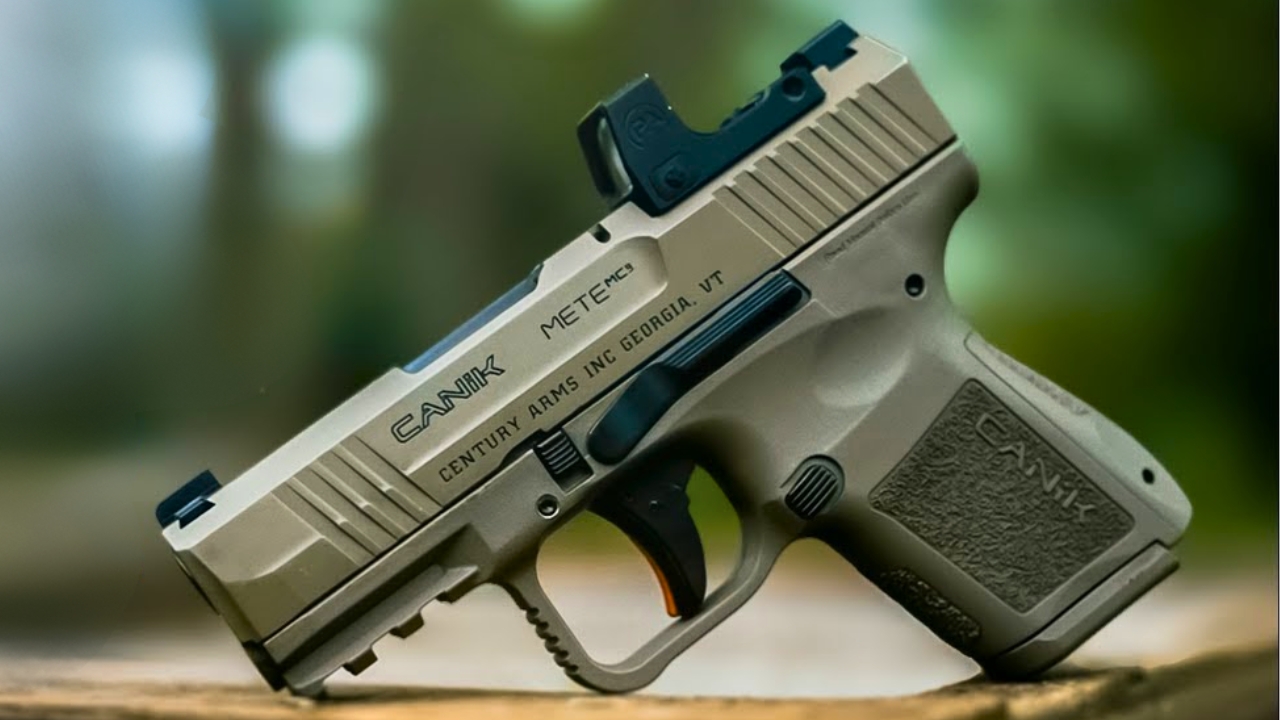
Canik Mete MC9

The Canik Mete MC9 is packed with features for the price, but it’s also been flagged for limp-wristing issues. It has a short slide and light frame, which means it doesn’t have a ton of momentum to push through a weak grip.
While it runs well with a solid hold, some shooters report failure to eject or return-to-battery problems if their wrist gives even a little. It’s one of those guns that rewards firm technique—and punishes anything less.
*This article was developed with AI-powered tools and has been carefully reviewed by our editors.