Photo credit: Spartan Precision Equipment
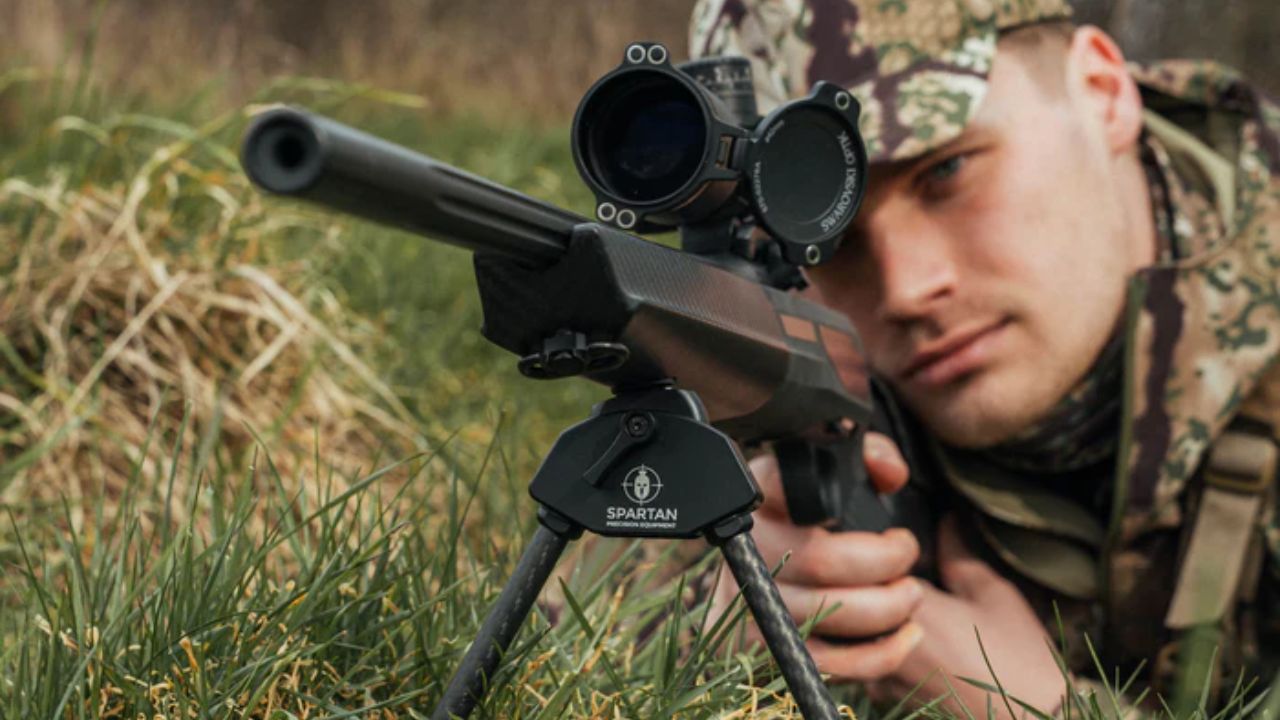
Bipods are supposed to make things easier. Then you clamp one onto a rifle with a flexible stock or a pressure-sensitive fore-end and suddenly your zero shifts the moment you load the bipod. Most of the hate comes from forends that flex into the barrel, sling studs mounted in weak spots, non-free-floated barrels, and light rifles that change point of impact when you add pressure up front. It’s not always the bipod’s fault. It’s the rifle setup.
Here are 15 rifles and rifle setups that commonly make bipods feel like a mistake unless you do extra work to stabilize the system.
Ruger American (standard synthetic stock)

Ruger Americans can shoot great for the money, but the common weak point is the factory synthetic stock on many models. With a bipod attached, it’s easy to flex the fore-end into the barrel if you load it even a little. That pressure changes harmonics and can shift your point of impact, especially in sporter barrels. Guys will swear their scope is wandering when it’s really fore-end pressure.
If you want a Ruger American to behave on a bipod, you need to be careful about how hard you load it and where your support pressure lands. Upgrading to a stiffer stock or chassis usually fixes the “bipod hate” fast. The rifle isn’t a lost cause—it just needs more rigidity than the budget stock provides.
Savage Axis II

The Axis II is another “shoots better than it should” rifle that often gets ruined by a flexible stock when a bipod enters the picture. Clamp a bipod to the sling stud, lean into it, and you can change barrel clearance instantly. That’s how you get groups that shift vertically or randomly open up the moment you try to shoot “more stable.”
Most Axis II owners also run thin sporter barrels, which heat quickly and become even more sensitive to pressure. If you’re seeing point-of-impact shift on a bipod, it’s usually not a mystery. It’s the fore-end flexing and the system reacting. A stiffer stock and consistent, light loading usually solves most of the hate.
Remington 700 ADL

A 700 action can be great, but a lot of ADL-style rifles come in basic injection-molded stocks that don’t love bipods. You attach a bipod, load it, and the fore-end can flex or pressure the barrel. That turns a normally decent shooter into a rifle that prints different points of impact depending on how you rest it.
The maddening part is you can shoot a clean group off bags, then switch to a bipod and everything changes. That’s exactly how guys learn the difference between “the action is good” and “the stock is the system.” A stiff stock or a proper bedding job usually fixes the bipod drama. Until then, it’s easy to hate the bipod for revealing the weak link.
Remington 783

The 783 often shoots well for the price, but it’s another rifle where the stock can be the problem the second you introduce bipod load. The fore-end can be flexible, and when you put pressure into it, barrel clearance changes. If the barrel contact changes, your point of impact changes. It’s that simple.
The fix is usually not complicated: lighten how much you load the bipod, check barrel clearance, and consider a stock upgrade if you’re serious about bipod shooting. If you keep trying to muscle the bipod like a precision rig while running a budget sporter stock, you’ll stay frustrated and blame everything except the real cause.
Thompson/Center Compass

Compass rifles can be accurate, but the factory stock on many models isn’t built to take aggressive bipod loading. You can get fore-end flex, barrel contact, and point-of-impact shift with surprisingly little pressure. That’s how bipods become “I hate this thing” accessories for owners who expected instant stability.
What makes it worse is that a bipod often encourages shooters to load forward hard, especially if they’ve watched a bunch of “precision” videos. If your rifle stock can’t handle that without flexing, the bipod will make your shooting less consistent, not more. A stiffer stock or a careful, lighter load solves most of it.
CZ 527

The CZ 527 is a great little rifle, but in light sporter configurations it can be sensitive to fore-end pressure. Add a bipod and you may notice point-of-impact shift if you load the bipod inconsistently. The rifle is light and the fore-end isn’t designed like a heavy precision stock, so pressure changes can show up on paper.
This is one of those rifles that often shoots best off bags or a pack with consistent support. If you insist on bipod use, keep your load light and repeatable. The 527 can still shoot great, but it’s not a “slam a bipod on and it’s now a mini sniper rifle” platform.
Henry Big Boy

Lever guns can absolutely make you hate bipods, mostly because the fore-end and barrel attachment system doesn’t behave like a free-floated bolt gun. If you mount a bipod to a lever gun and apply pressure, you’re changing how the fore-end is pulling on the barrel and magazine tube area. That pressure change can shift point of impact, and it often feels inconsistent unless you’re extremely careful.
Most lever guns are happiest being shot off a rest that supports the rifle near the receiver or on a pack with gentle pressure. Trying to treat a lever gun like a bipod-friendly precision rifle usually ends in frustration. It’s not the bipod being “bad.” It’s the platform not being built around that kind of support.
Rossi R92

Same story as the Henry, with the added reality that fit and finish can vary more between examples. Bipod pressure on lever guns can change point of impact quickly, and the R92 can make it obvious. If you load the bipod differently from shot to shot, your hits can shift enough to make you question your zero and your optic.
If you really want to run a bipod here, keep expectations realistic and keep your load light. Most people are better off using shooting sticks or a pack rest with a lever gun. When you clamp on a bipod and expect it to behave like a bolt gun, you’re setting yourself up to hate the whole experience.
Mini-30

The Mini-30 is a handy rifle, but it’s not built around bipod stability the way a modern free-floated rifle is. Depending on the setup, bipod pressure can influence how the rifle returns in recoil and how it prints, especially if you’re clamping the bipod to a point that’s not rigid. Minis also have their own heat and harmonic behavior, and a bipod can make the “walking” feel worse by changing how you’re supporting the rifle.
If you want to shoot a Mini-30 off a bipod, keep your load consistent and don’t expect match-rifle behavior. It can work, but it’s not automatically an improvement. Many shooters end up preferring bags or a rest that supports the rifle more consistently.
AR-15 with standard M4 plastic handguards (non-free-float)

This is one of the biggest bipod traps out there. If your bipod is mounted to the handguard and the barrel is not free-floated, any pressure you apply can change point of impact. Load the bipod harder, your hits move. Support the rifle differently, your hits move. That’s not a mystery. That’s the handguard pushing on the barrel system through the front sight base and barrel nut area.
The fix is simple: free-float the barrel or mount the bipod to a truly rigid system designed for it. If you keep a standard handguard setup and expect bipod-loaded precision, you’re going to hate bipods and blame the rifle. The real issue is how the support is influencing the barrel.
AK-pattern rifles with handguard-mounted bipods

AK handguards are not a great place to mount a bipod if you care about consistent point of impact. You’re putting pressure into a system that isn’t designed to be rigid like a precision fore-end. Load the bipod and you can shift how the rifle settles and how it prints, especially as the gun heats up and the handguard fit changes slightly.
A bipod can still be useful for certain tasks, but if you’re trying to shoot tight groups and confirm a repeatable zero, an AK with a handguard bipod can be frustrating. Many shooters end up using a bag under the handguard or supporting closer to the receiver to reduce the pressure effects.
Browning BAR Mk3

Semi-auto hunting rifles like the BAR can be great shooters, but they can be sensitive to how they’re supported. Bipod load can change how the rifle recoils and how it settles in the rest, which can shift point of impact enough to be noticeable. The fore-end design and how it interacts with the barrel and action matters more than people think.
Also, BARs are often carried and shot like hunting rifles, not trained like precision rigs. When you add a bipod and start trying to shoot like a precision shooter, you can run into “why is this different?” moments. The rifle can still be accurate. It just may not respond to bipod load as predictably as a free-floated bolt gun.
Benelli R1

The R1 is a solid semi-auto hunting rifle, but it can show similar “support sensitivity” issues. Bipod load can change how the rifle moves in recoil and how the fore-end pressure influences the system. You may see groups shift or open up when you go from bags to bipod, especially if you’re loading the bipod hard.
Most R1 owners do better with a steady bag rest or shooting sticks rather than aggressive bipod loading. If you want to run a bipod, you’ll need to be consistent with your load and accept that the platform may not behave like a dedicated precision rifle. The R1 can do its job well, but bipods can make it feel more finicky than it should.
Springfield M1A Scout Squad

The M1A platform can be accurate, but it’s famously sensitive to stock fit and how the rifle is supported. A bipod can amplify point-of-impact shift if the system is reacting to pressure changes up front. Load the bipod one way and it prints here; load it differently and it prints somewhere else. That can make you feel like you’re chasing a zero that won’t stay put.
If you want bipod consistency on an M1A, you need a very consistent setup and realistic expectations. Many shooters get better results using bags and supporting closer to the receiver rather than hanging weight and pressure off the front. The platform can work, but bipods can turn it into a “why is this harder than it should be?” rifle.
Mosin-Nagant

Surplus rifles like Mosins can make you hate bipods because the stock and barrel contact is rarely consistent in a modern sense. Clamp a bipod on, apply pressure, and the rifle can change point of impact simply because the wood and barrel contact points are reacting to load and heat. You might get a decent group, then the next string shifts because your pressure changed slightly.
A Mosin can still be a fun shooter, but expecting it to behave like a modern bipod-friendly rifle is asking for frustration. If you want consistent results, support it gently and consistently, and don’t treat bipod loading like it’s a precision rifle with a rigid, free-floated setup.
H&R Handi-Rifle

Single-shots like the Handi-Rifle can be surprisingly accurate, but the way the fore-end attaches can make them sensitive to pressure. Add a bipod and you can see point-of-impact shift depending on how you load the bipod and where the fore-end is contacting. It’s not uncommon for these rifles to shoot differently off bags vs. off a bipod.
If you own one, the key is consistency: same load, same support point, same pressure. A bipod can still help for field support, but if you’re trying to confirm tiny groups and the rifle keeps shifting, it can make you hate the bipod quickly. The rifle isn’t broken—it’s just pressure sensitive by design.
Like The Avid Outdoorsman’s content? Subscribe to our newsletter so you never miss an article.
Here’s more from us: