Photo credit: Tommy38/Shutterstock.com
Popularity is a funny thing in the gun world. Sometimes it’s earned—years of reliability, good design, good support. Other times it’s momentum: a military connection, a flood of social media content, or a deal that put a ton of the same model into people’s hands at once. And once a gun becomes “the one everyone has,” it gets treated like a default answer even when it’s not a great fit for your hands, your budget, or your use.
The point isn’t that these firearms are bad. Most of them are solid, and many are excellent in the right role. The point is that “popular” isn’t a synonym for “best.” Under real use, little things matter—ergonomics, triggers, weight, recoil, maintenance, parts tolerance, and how the gun behaves when you’re tired or rushed. If you’ve ever bought a famous gun and felt underwhelmed, you’re not crazy.
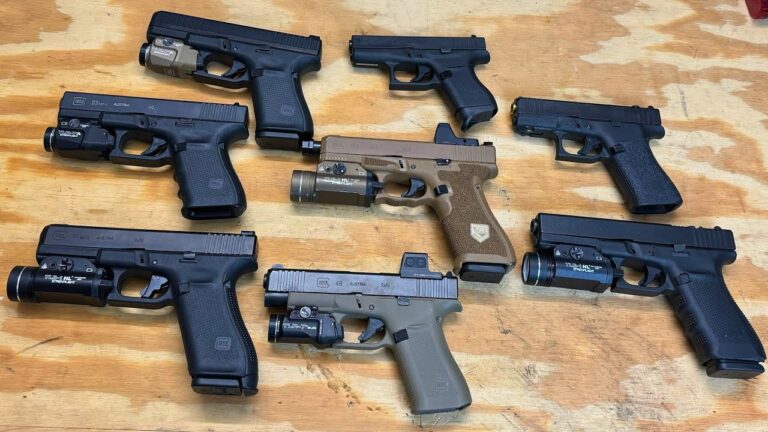
Glock 19

The Glock 19 is popular for good reasons, but it’s not automatically the best handgun for you. The grip angle and blocky feel don’t work for every hand, and plenty of shooters run it well only after changing sights, triggers, or grip treatment. That’s fine, but it means the “perfect out of the box” reputation isn’t always true.
Under real training, some people also find they shoot other pistols faster and more accurately with less effort. The Glock 19 tends to reward consistency, but the factory trigger feel can be an acquired taste. None of that makes it a poor choice—it makes it a choice. If you try one and it doesn’t click, you’re not failing. You’re learning that popularity isn’t the same thing as fit.
SIG Sauer P365

The P365 changed the carry market, but it’s still a micro-compact, and micro-compacts are harder to shoot well under stress. The size that makes it easy to carry also makes it easier to rush shots, slap triggers, and lose your grip when you’re shooting fast. If you don’t train regularly, that compactness can work against you.
The other reality is that the “one gun for everyone” carry narrative can push people into a pistol that’s too small for their comfort level. Many shooters do better with a slightly larger gun they can control more easily. The P365 is a strong tool, but it’s not a magic shortcut. If you’re buying it because everyone says you should, make sure it actually helps you hit better, not just carry easier.
Smith & Wesson Shield (and Shield Plus)

The Shield family is wildly popular because it’s easy to carry, but easy-to-carry isn’t the same as easy-to-shoot. Slim pistols can feel snappy, and the shorter grip gives you less leverage when you’re trying to keep the sights steady. That matters in defensive practice where you’re shooting fast and making decisions.
A lot of shooters end up carrying the Shield because it disappears under a shirt, then avoid practicing because it’s not as enjoyable as a compact duty-size pistol. That’s a problem. The Shield can absolutely do the job, but it’s not automatically the best for everyone. If you shoot a slightly larger gun significantly better, the tradeoff might be worth it. Concealment matters, but so does performance when you’re not calm.
AR-15 (generic carbine builds)

The AR-15 is the default rifle recommendation for almost everything, and that’s where the “not necessarily the best” part shows up. There are endless configurations, and a lot of popular builds are set up more for looks and internet trends than real use. Too much weight on the front, too many accessories, or poorly chosen parts can turn a handy rifle into a clunky project.
The platform is capable, but the average buyer often ends up with a rifle that’s not optimized for their needs. A lightweight, well-balanced AR can be excellent. A popular “build list” rifle can be heavy, overgassed, and uncomfortable to shoot for long strings. The AR-15 isn’t the problem. The assumption that any AR equals a great rifle is the problem.
Remington 700 (modern production)

The Remington 700 is iconic, but a famous name doesn’t guarantee a perfect rifle in every era. The 700 platform is still widely supported, but many buyers assume they’re getting the same experience every time they pick one up. In reality, modern production quality has varied over the years, and that affects how “great” one rifle feels compared to another.
The other issue is expectations. People buy a 700 thinking it will shoot like a semi-custom rifle, then get frustrated when it needs work—stock fit, trigger preference, bedding, or load tuning—to really shine. None of that means a 700 can’t be excellent. It means the name on the receiver isn’t a promise. If you’re buying one, judge the individual rifle and plan for the setup work that makes bolt guns sing.
Ruger 10/22
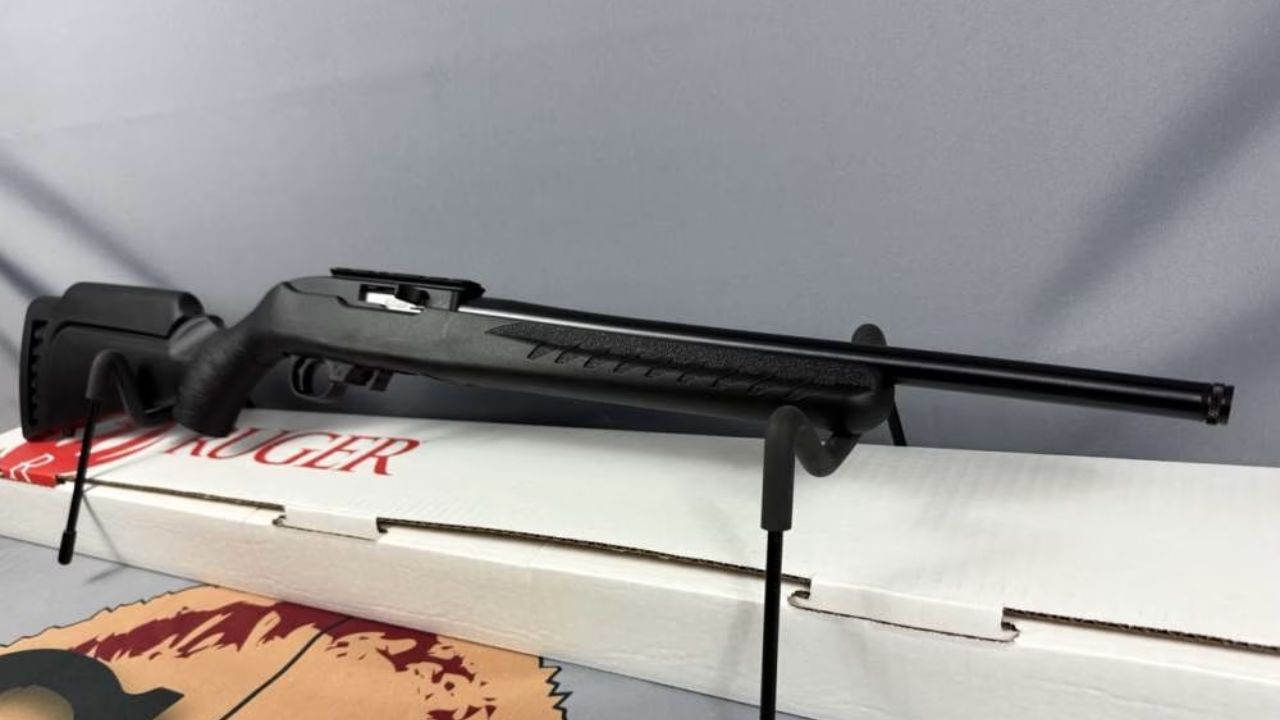
The 10/22 is beloved, but it’s also a trap for new shooters who assume it’s perfect out of the box. Many 10/22s are accurate enough for plinking, but the factory trigger and basic sights can limit what you can do without upgrades. That’s why the aftermarket is so huge—because a lot of owners end up changing half the gun.
It’s also easy to spend yourself into a strange place: buying a “cheap” .22 and then adding parts until you’ve got serious money tied up. If you want a project gun, the 10/22 is great. If you want a tack-driver without fuss, there are bolt-action .22s that will outshoot a basic 10/22 all day. The 10/22 is popular because it’s fun and customizable, not because it’s always the best performer.
Glock 43X

The Glock 43X is popular for carry, but not everyone shoots slim pistols well. The thin grip can be harder to clamp down on during fast strings, and some shooters find their recoil control suffers compared to a slightly thicker compact. That can show up as slower follow-up shots or more wandering hits when you try to push the pace.
The 43X also tends to get treated like the “perfect carry solution,” when for many people the better solution is the gun they actually shoot best. If a compact double-stack fits your hand and you shoot it faster, that matters. The 43X is a solid carry pistol, but it’s not automatically the best one. Your accuracy and your confidence under stress are the real deciding factors, not how common the gun is online.
1911 (budget models)

The 1911 remains popular because it feels great in the hand and has a trigger that can spoil you. The problem is that the budget end of the 1911 market can be inconsistent. Some run fine, some don’t, and reliability matters more than nostalgia when you’re trusting a pistol for serious use.
Even when it runs, the platform asks more from you. Magazines, maintenance, and ammunition choices can matter more than they do with many modern service pistols. The 1911 can be outstanding, but it’s not a free lunch. If you buy one because it’s famous and expect it to behave like a modern duty pistol with zero attention, you may be disappointed. Popular doesn’t mean low-effort, and the 1911 rewards people who commit to it.
Mossberg 500

The Mossberg 500 is popular because it’s affordable and proven, but it’s not automatically the best shotgun for every role. Fit and ergonomics matter on shotguns, and the 500’s controls and feel don’t work for everyone. Some shooters run it brilliantly. Others find a different pump points more naturally and runs faster.
The other truth is that “pump equals reliable” can become an excuse to ignore training. A pump gun can be extremely dependable, but it’s also easier to short-stroke under stress than people want to admit. The 500 is a great working shotgun, but it’s not the final answer by default. If you shoot another pump smoother or you’re considering a quality semi-auto for certain roles, it’s worth thinking beyond the most common name.
Remington 870 (modern production)

The 870 name is legendary, but modern examples aren’t automatically the same as the older guns people swear by. The 870 can still be a great pump shotgun, yet buyers sometimes expect perfection because of the reputation. In reality, individual guns can vary, and you should judge what’s in front of you, not the stories you’ve heard.
The 870 is also a shotgun that people buy and then leave untouched for years. Under stress, a pump requires practice and familiarity. If you haven’t run it hard, you won’t know your loading rhythm or your manipulation habits. None of that makes the 870 a bad choice. It means the “most popular pump” label doesn’t replace training, and it doesn’t guarantee it’s the best-feeling gun for your body and your style.
Taurus G3 / G3C

These pistols are popular because they’re accessible, and that’s important. But “popular because affordable” doesn’t mean “best for everyone.” The trigger feel and overall refinement can be a step down from higher-priced service pistols, and that can show up when you’re trying to shoot fast and clean under pressure.
A lot of owners also don’t vet their gear. If you buy a budget pistol and never test your magazines or carry ammo, you’re gambling. The G3 series can be a workable tool, but it’s not automatically the best pick if you can afford something with a longer track record of consistency and support. The smartest move with any budget gun is to put rounds through it, confirm reliability, and train. Popularity shouldn’t be your only filter.
Henry Big Boy (lever actions in general)

Lever guns are wildly popular again, but they’re not automatically the best tool for every modern job. They can be fast and handy, especially in the woods, but many popular lever builds are heavy once you add optics and accessories. Reloading is slower than with magazine-fed rifles, and some lever setups become more complicated than the simple rifle people imagined buying.
They also encourage romantic thinking. A lever gun can be excellent for certain hunts and certain distances, but it’s not a universal replacement for a good bolt gun or a well-set-up semi-auto. If you want one because you love it, that’s reason enough. If you want one because the trend says it’s “the best,” make sure it actually fits your hunting style and the shots you take in your area.
Ruger American (budget bolt rifles)

The Ruger American is popular because it offers a lot for the money, but budget bolt guns can be a mixed bag in feel and refinement. Many shoot well, but some need stock work, trigger preference, or load finding to really shine. The rifle might be accurate, yet still feel awkward in the hand compared to a slightly pricier option.
The other issue is expectation creep. People buy a budget bolt gun expecting it to perform like a premium rifle with zero setup, then get frustrated when it doesn’t. The Ruger American can be a great hunting tool, but it’s not automatically the best bolt rifle for every shooter. Sometimes spending a bit more gets you better ergonomics, smoother operation, or a trigger you like right away—things that matter when you’re trying to shoot well under field pressure.
Glock 17

The Glock 17 is the classic full-size option, and it’s popular for a reason. But full-size doesn’t mean best. The longer grip can be harder to conceal, and that reality pushes some people into inconsistent carry habits. A gun that’s too big for your daily life can become a gun that stays home.
From a performance standpoint, plenty of shooters also prefer other full-size pistols because they like the grip shape, the trigger feel, or the way the gun tracks in recoil. The Glock 17 is reliable and supported, but it’s not the only “serious” choice. If you shoot another full-size pistol faster and more accurately, that matters. Popularity can make you second-guess your own results. Don’t. Your targets tell the truth.
Springfield Hellcat

The Hellcat is popular because it packs a lot into a small footprint, but the same rule applies: small guns are harder under stress. The Hellcat can be snappy for some shooters, and that can lead to rushed shots or slower follow-ups when you try to push speed. High capacity in a micro pistol is great, but only if you can keep your hits.
The other factor is comfort versus competence. Many people buy a micro-compact because it’s easy to carry, then never build the skill to run it well. The Hellcat can be a strong carry pistol, but it’s not automatically the best choice if you shoot a slightly larger compact far better. The “popular micro” category is full of good options. The best one is the one you can carry consistently and shoot cleanly when you’re not calm.
Like The Avid Outdoorsman’s content? Subscribe to our newsletter so you never miss an article.
Here’s more from us: