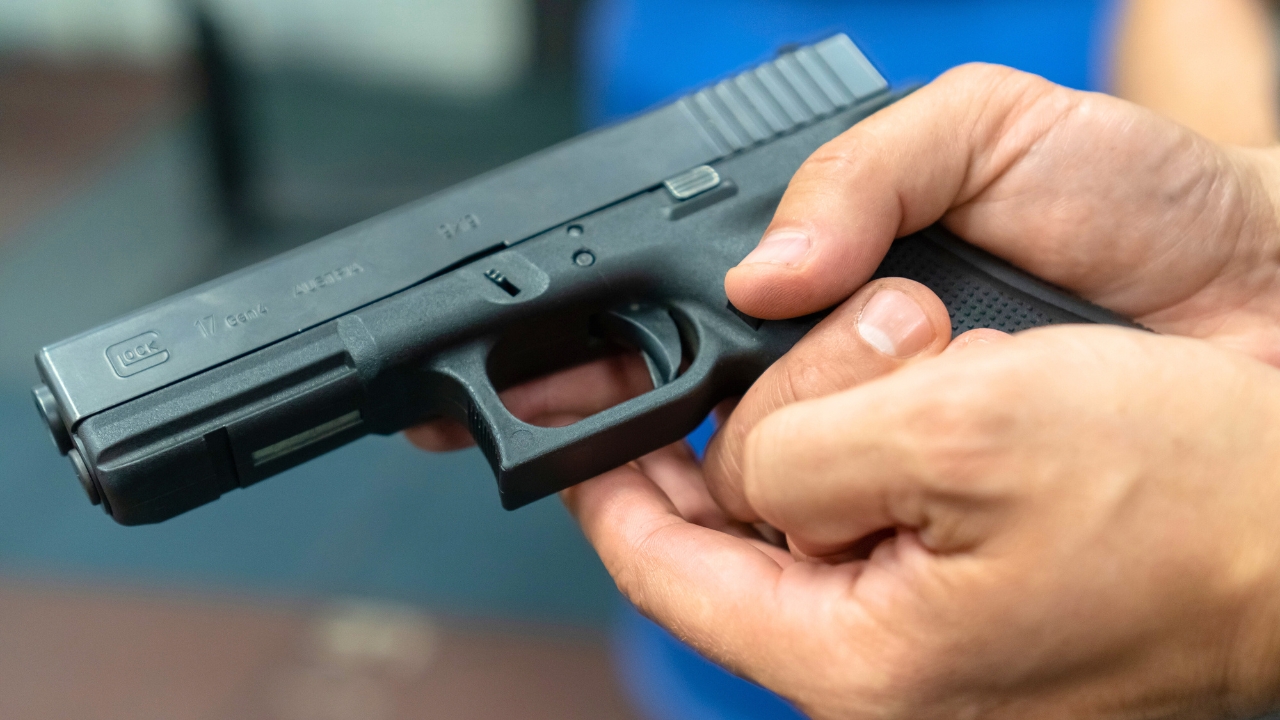
Photo credit: Luiza Kamalova/Shutterstock.com
The owner expected the Glock 17 to be boring.
That is kind of the whole point of buying one. A Glock 17 is not usually purchased because someone wants drama. It is the default answer for a lot of shooters who want a full-size 9mm that runs, eats common ammo, and does not need a personality coach every time it goes to the range.
Then his new gun started jamming over and over.
In a Reddit post, the owner asked how many issues with a carry gun is too many after taking a new Glock 17 to the range and dealing with repeated malfunctions. The gun reportedly had dozens of issues during its first outing, which is enough to make anyone stop talking about “break-in” and start wondering what is actually wrong.
A few hiccups with a new gun can happen.
Dozens is different.
That is the kind of range trip where confidence drains out magazine by magazine. At first, the owner may think it is ammo. Then grip. Then lubrication. Then maybe the magazine. Then maybe the cold. Then maybe the gun just needs more rounds through it. But once the malfunctions keep stacking up, every easy explanation starts feeling weaker.
A carry gun cannot be a puzzle every time it cycles.
The owner seemed to be trying to sort out whether the problem came from cold weather, a dry gun, break-in, bad ammo, weak grip, or a defective pistol. That is a fair list. Cold temperatures can affect lubrication and shooter control. A dry gun can drag more than it should. Some new firearms smooth out after use. Cheap ammo can create problems. A weak grip can cause cycling issues, especially for some shooters.
But again, dozens of malfunctions in a new full-size Glock is not something to brush off.
A Glock 17 should not be that picky under normal conditions. If the gun is stock, clean enough, properly assembled, and being fed decent factory ammunition, it should run. That is the standard people expect from it. When it does not, the owner is right to question whether it belongs anywhere near a carry role.
The most important decision was not whether he should be annoyed.
Of course he should be annoyed.
The real decision was whether the gun should be trusted while the cause was still unknown. And the answer is no. A carry gun that repeatedly malfunctions on the first range trip has not earned a spot on the belt, nightstand, or anywhere else serious. It needs more testing, better diagnosis, and possibly a trip back to the manufacturer.
The range is where this kind of failure belongs. It is inconvenient and frustrating, but it is also useful. The gun showed its problem before anyone depended on it. That is the whole reason new guns need to be tested before they are carried.
A lot of new owners want to buy a respected gun, shoot one box, load hollow points, and call it ready.
This story shows why that is risky.
The brand name may be good. The model may be proven. The internet may swear by it. But the only Glock 17 that matters is the one in your hand. If that one fails repeatedly, its reputation does not clear the stoppage. The gun has to prove itself like every other tool.
The next steps are not glamorous. Clean it. Lubricate it correctly. Confirm it is assembled properly. Try quality factory brass-cased ammo. Use different magazines if available. Have another experienced shooter run it to see whether the same malfunctions happen. Mark every magazine. Track the exact type of stoppage instead of just saying “jam.” If it keeps failing, call Glock.
That last part matters.
There is no shame in sending back a new gun that does not work. People sometimes try to protect the brand more than their own safety. They convince themselves it must be their fault because “Glocks don’t do that.” But mechanical products can leave the factory with issues. Springs can be wrong. Extractors can be bad. Chambers can be rough. Magazines can be defective. Parts can be out of spec.
Rare does not mean impossible.
The owner’s question — how many issues are too many — has a pretty simple answer when the gun is meant for carry. One unexplained malfunction deserves attention. Repeated malfunctions demand action. Dozens on a first trip mean the gun is not ready. Not close.
That does not mean it can never be trusted. A simple fix may solve everything. The problem may turn out to be ammo or lubrication. A manufacturer repair may bring it back perfect. But trust has to come after the fix and after clean testing, not before.
A gun does not earn carry status because it is supposed to be reliable.
It earns it by being reliable.
For this owner, the first range trip did not answer the way he wanted. The Glock 17 was supposed to be the easy choice. Instead, it became a diagnostic project.
That is frustrating.
It is also exactly why you test before you trust.
Commenters mostly told him that dozens of malfunctions were not normal, even for a new gun.
Several people said a Glock 17 should not need a dramatic break-in period to run basic factory ammo. A few early issues might be worth watching, but repeated failures on the first trip suggest something needs to be fixed or ruled out.
Others focused on lubrication, ammo, and shooter grip. They suggested cleaning and properly oiling the gun, trying quality ammunition, and having another shooter test it to see whether the problem followed the gun or the person shooting it.
A lot of commenters said to track the exact malfunction. Failure to feed, failure to eject, failure to extract, and failure to go into battery all point to different possible causes. Calling everything a “jam” makes troubleshooting harder.
Some people advised contacting Glock if the failures continued after basic checks. A new gun that malfunctions that much should not be accepted as normal.
The main advice was simple: do not carry it until it runs clean. Reputation is nice, but reliability has to happen in the actual gun.