Photo credit: The Avid Outdoorsman
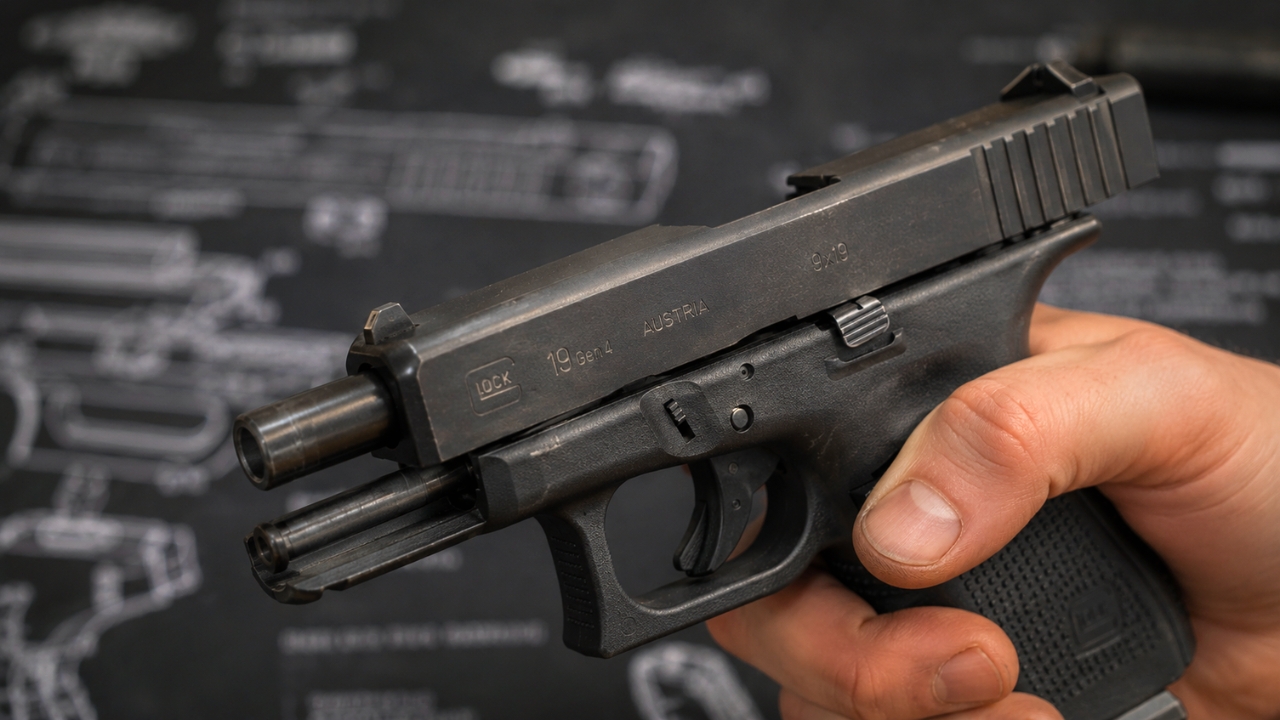
The shooter did not expect his Glock 19 to be the problem.
That is part of what made it so irritating. The Glock 19 has a reputation for boring reliability, and for a lot of people, that reputation is exactly why they buy one. It is supposed to run. It is supposed to be the dependable choice. It is supposed to be the gun you do not have to baby.
Then his started failing.
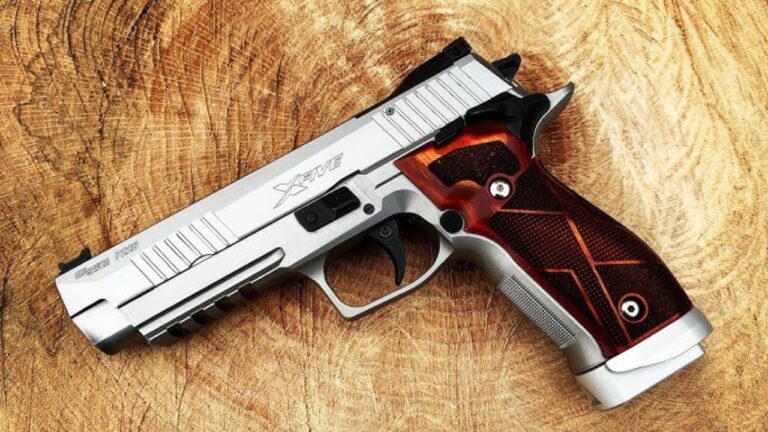
In a Reddit thread, concealed carriers were talking about guns that had failed them, and one story involved a Glock 19 that had malfunctions across three different magazines. Another shooter in the same discussion brought up a match gun he trusted that suddenly would not go into battery.
Both stories hit the same nerve: a gun can have a good name, a good track record, or a trusted place in your rotation, and still fail at the worst possible time.
The Glock issue was frustrating because it apparently was not tied to one obvious magazine. If a pistol chokes with only one mag, the first answer is simple: mark the mag, test it, and pull it from serious use if it repeats. Magazines are wear items. Feed lips bend, springs weaken, followers bind, and a bad mag can make a perfectly good pistol look unreliable.
But three different magazines makes the problem feel bigger.
Now the shooter has to look at the gun, the ammo, the maintenance, and the way it is being shot. Is the recoil spring tired? Is the extractor dirty or damaged? Is the chamber fouled? Is the ammo weak? Is the gun under-lubed? Is the shooter inducing the malfunction with grip? Is there an aftermarket part causing trouble? With a Glock, people sometimes assume the answer cannot be the gun because the brand has such a strong reputation.
That assumption can get in the way.
Reliable brands still need inspection. Parts still wear. Bad batches still happen. Aftermarket changes can create problems. And sometimes a gun that should work simply does not, at least not until someone figures out what is wrong.
The match-gun story adds another layer because competition guns often live a different life than defensive guns. A match pistol may be tuned, modified, lightened, tightened, or set up for performance instead of absolute neglect-proof reliability. That can make it great when everything is clean, maintained, and matched to the right ammo. It can also make it less forgiving when something is slightly off.
A gun that will not go into battery is not a small issue.
It means the slide is not fully closing. The pistol is not ready to fire as intended. That can happen because of ammo dimensions, chamber issues, recoil spring problems, extractor tension, dirt, a high primer, an out-of-spec round, or the gun being too tight for the conditions. Whatever the cause, the shooter has to stop and deal with it.
In a match, that can ruin a stage.
In a defensive moment, it can ruin a lot more.
That is why the stories matter for concealed carriers even if one of the guns was mainly a match gun. A pistol does not get to be trusted just because it used to work. Trust has to be maintained. If a gun starts failing across multiple magazines, or if it suddenly stops going into battery, the answer is not to keep carrying it because of its reputation.
The answer is to diagnose it.
That starts with the boring stuff. Clean the gun. Lubricate it correctly. Return it to factory parts if questionable upgrades are installed. Try known-good magazines. Try quality factory ammo. Mark every magazine used during testing. Track the exact malfunction. If it keeps happening, replace wear parts or send the gun to the manufacturer or a qualified gunsmith.
The key is not guessing.
A lot of shooters describe malfunctions vaguely: it jammed, it choked, it failed. But those words do not help much. Failure to feed, failure to eject, failure to extract, failure to go into battery, light primer strike — each one points in a different direction. The more specific the shooter can be, the easier it is to figure out what needs fixing.
For the Glock owner, failures across three magazines meant the problem probably deserved a closer look than “bad mag.” For the match-gun shooter, failure to return to battery meant the gun needed to be checked before it got trusted again.
Both are reminders that no pistol gets a lifetime pass.
The range is where these failures should show up. That is the whole reason people test guns, rotate carry ammo, run drills, and shoot enough rounds to expose patterns. A malfunction during practice is annoying, but it gives the owner a chance to fix the issue before the stakes are higher.
Still, it can shake your confidence.
A gun you trust starts acting wrong, and suddenly you are thinking about every time you carried it, staged it, or assumed it would work. That is not a good feeling, but it is a useful one. It pushes you to stop treating reliability as a feeling and start treating it as a result.
A Glock 19 can fail.
A match gun can fail.
Any gun can fail.
The shooter’s job is to find out why before trusting it again.
Commenters mostly treated both failures as reminders to troubleshoot systematically instead of leaning on brand loyalty.
Several people said magazines are still the first thing to check, but a problem across several mags points toward a bigger issue. That could mean ammo, springs, extractor trouble, maintenance, or something installed on the gun.
Others focused on aftermarket parts. If a defensive pistol has been modified and starts malfunctioning, commenters often recommend returning it to factory configuration before blaming the base gun.
A lot of advice came down to testing with known-good ammo and magazines. If the gun runs with factory mags and quality ammo after a proper cleaning, that tells you something. If it still fails, the gun needs deeper inspection.
Some commenters also pointed out that competition guns and carry guns are not always built for the same priorities. A tuned match pistol may be fast and accurate, but that does not automatically make it the best choice for defensive carry.
The main lesson was simple: a gun’s reputation does not clear malfunctions. If it fails, diagnose it, prove it, and do not carry it again until it earns trust back.