Photo credit: TheOl1911/Youtube
Capacity matters. Nobody serious is going to pretend it doesn’t. More rounds can be useful, especially in a defensive pistol, a duty gun, or a range setup where reloads slow everything down. But capacity is not the whole pistol.
A handgun still has to fit the hand, shoot well, carry reasonably, run reliably, and make the owner want to practice. Some pistols prove that a lower or more modest round count can still make plenty of sense when the gun feels right and performs cleanly. These pistols make high-capacity hype look a little less convincing.
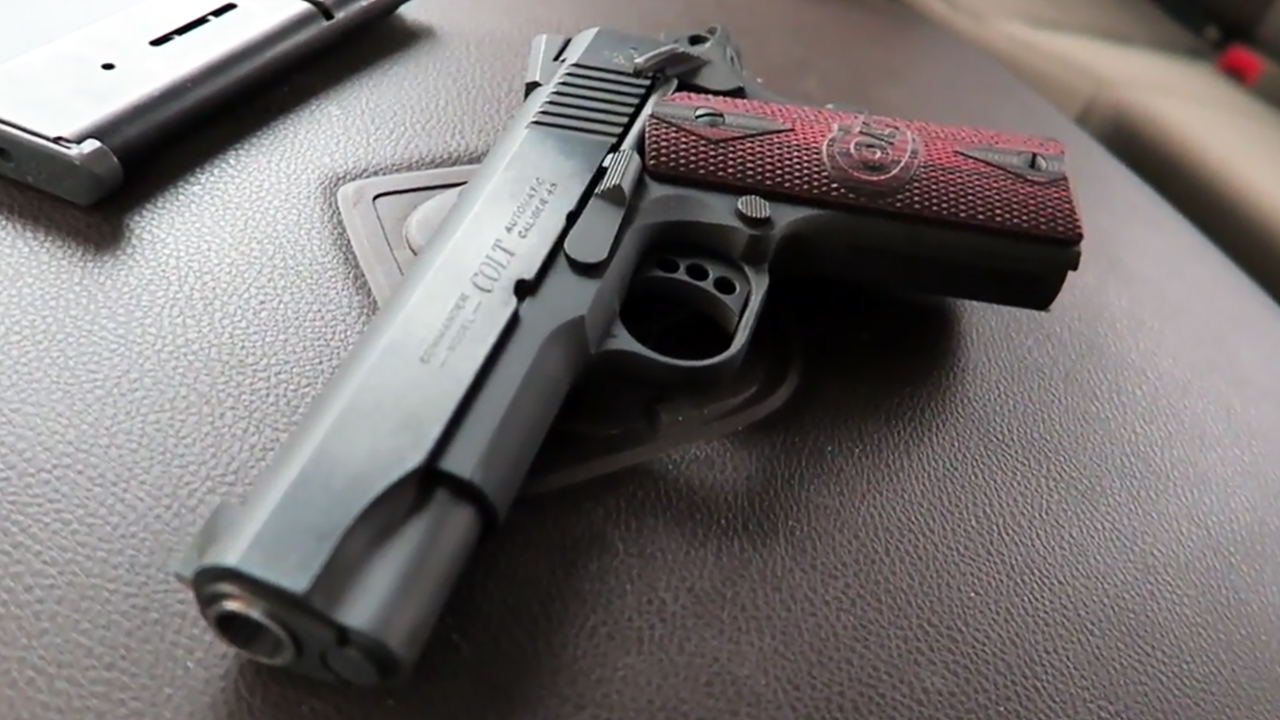
Colt Lightweight Commander
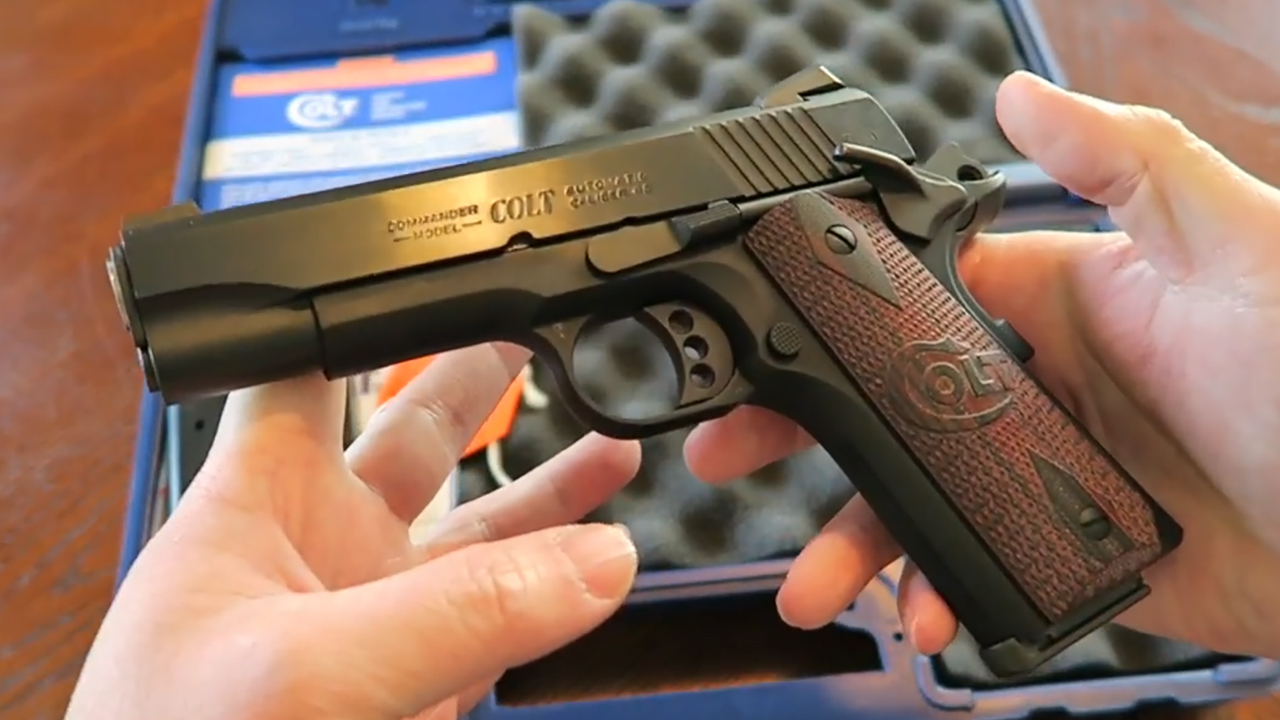
The Colt Lightweight Commander is not winning any modern capacity contest. A single-stack 1911 gives up a lot on paper compared with today’s compact double-stack carry guns. But the Commander format has stayed relevant because it offers something many high-capacity pistols don’t: a slim frame, crisp trigger, and excellent carry balance.
For shooters who run a 1911 well, the Lightweight Commander can feel faster and more precise than a pistol with twice the rounds but a worse trigger and bulkier grip. It takes commitment, good magazines, and real practice with the manual safety. But once a shooter is comfortable with it, the appeal is obvious. A pistol you shoot confidently can make raw capacity feel less important than control.
SIG Sauer P239
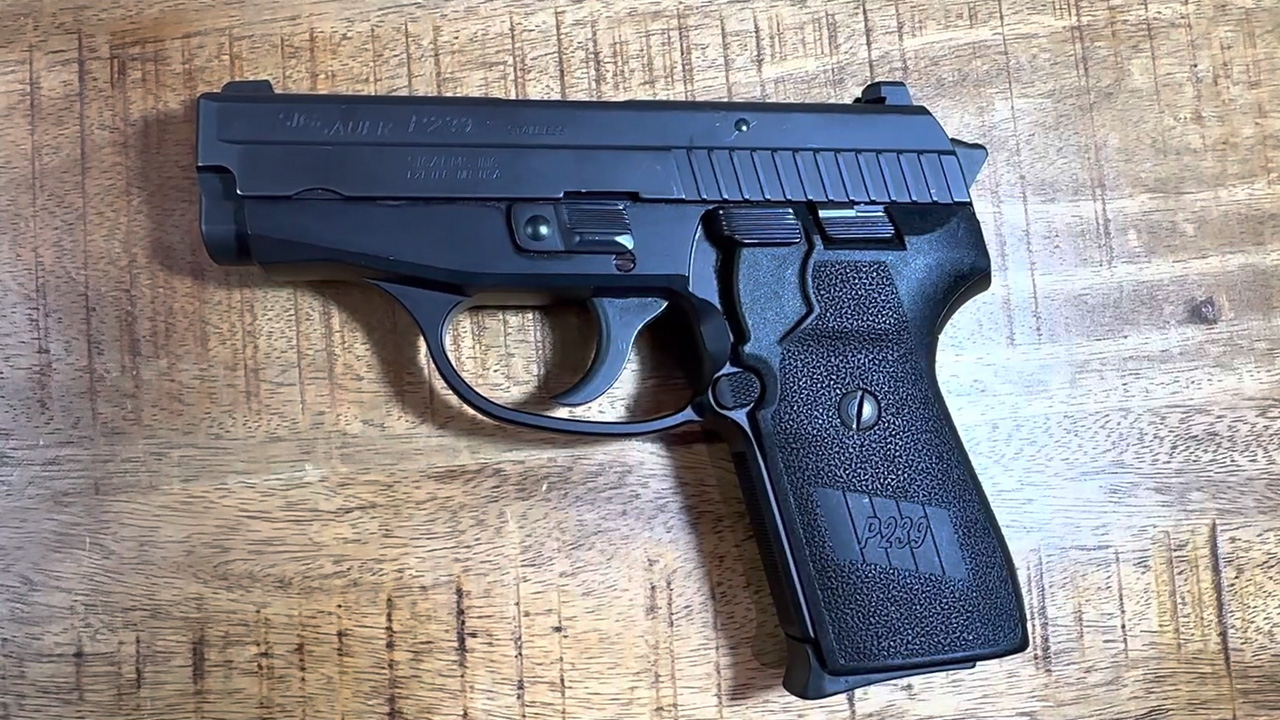
The SIG P239 looks outdated if you judge it by magazine capacity alone. It’s a single-stack pistol from an era before micro-compacts started packing double-digit round counts into tiny frames. Compared with newer carry guns, the P239 seems heavy for what it holds.
Then you shoot one. The extra weight and classic SIG build give it a steady, confidence-building feel. In 9mm, recoil is manageable, accuracy is strong, and the DA/SA trigger rewards practice. It carries flatter than larger SIGs and feels more refined than many tiny pistols. For owners who value shootability over maximum capacity, the P239 still makes sense. It proves a carry gun can be modest on paper and excellent in the hand.
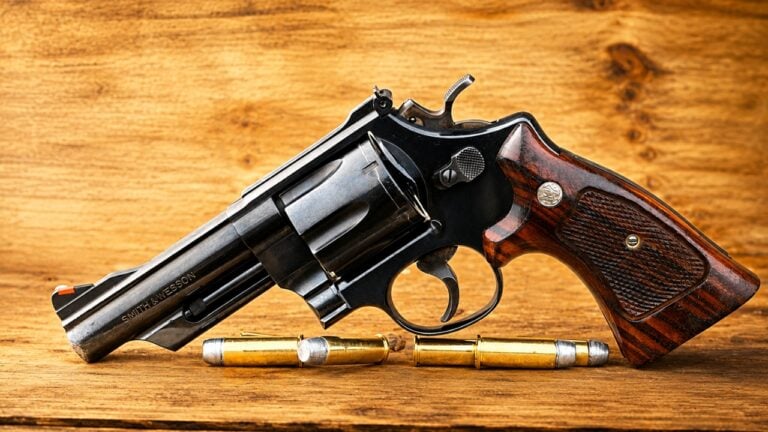
Smith & Wesson Model 60
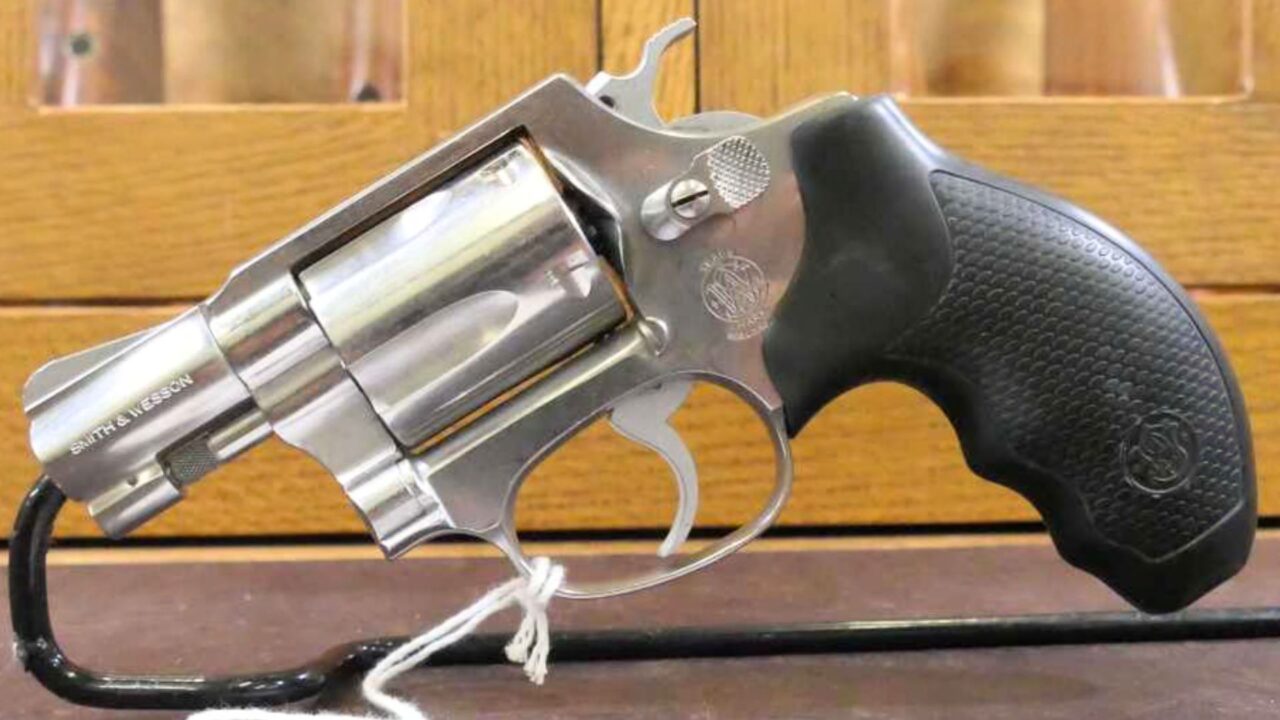
The Smith & Wesson Model 60 has no interest in capacity arguments. It’s a small stainless J-frame revolver, usually holding five rounds, and that sounds limited next to almost any modern semi-auto. But the Model 60 stays respected because it fills a role cleanly.
It’s simple, durable, compact, and easier to shoot than many ultralight snubs thanks to its stainless weight. In .38 Special, it’s manageable. In .357 Magnum versions, it offers more power if the shooter can handle it. No, it’s not easy mode. Small revolvers take work. But for people who want a reliable carry or backup gun that doesn’t depend on magazine springs or slide operation, the Model 60 still has a strong case.
Walther PPS M1
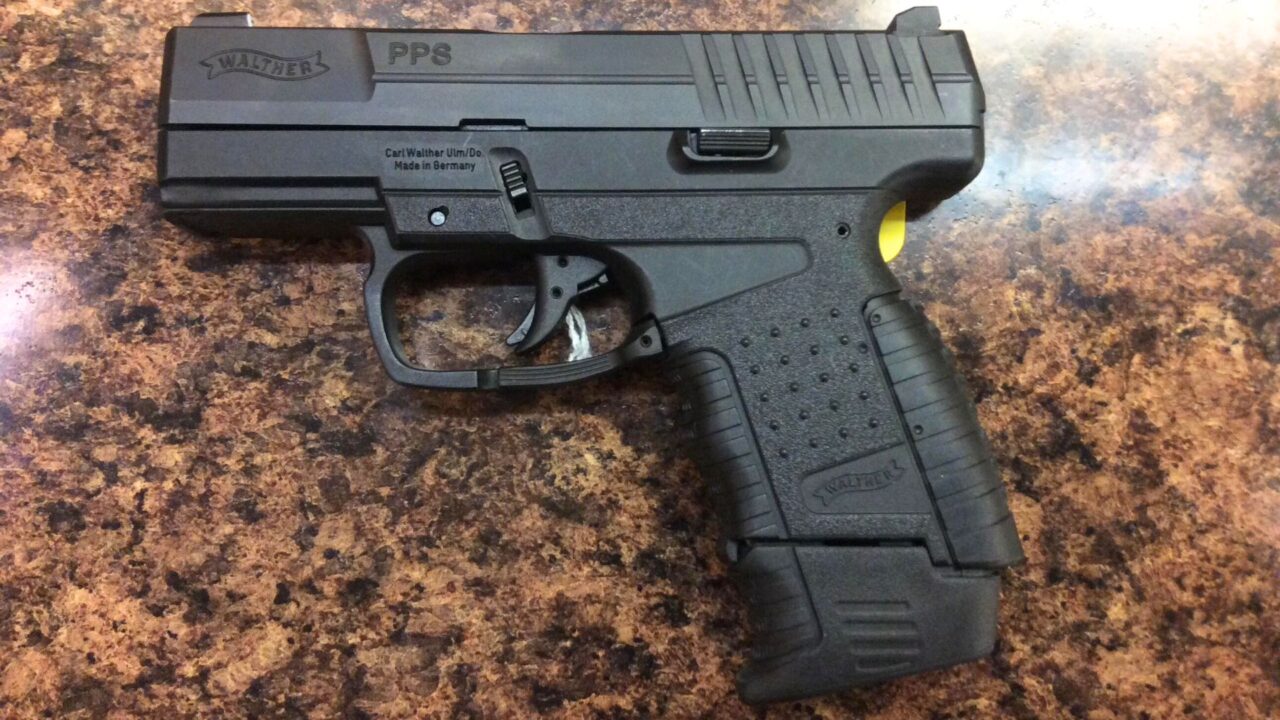
The Walther PPS M1 got pushed into the background once higher-capacity micro-compacts took over. That’s understandable. The market changed quickly, and shooters started expecting more rounds in the same general size. But the PPS M1 still makes high-capacity hype look incomplete.
This pistol carries thin, points naturally, and shoots better than many small pistols. The grip shape is excellent, and the paddle magazine release has a loyal following among shooters who took the time to learn it. It may not hold as many rounds as newer micro-compacts, but it feels calm and controllable for its size. A slim pistol that shoots well can still beat a higher-capacity gun that feels cramped or snappy.
Ruger LCR .38 Special

The Ruger LCR in .38 Special is another low-capacity handgun that survives because it does its job well. It’s light, compact, and built around one of the better factory triggers in the small-revolver world. That trigger matters more than people realize until they try shooting tiny defensive guns under pressure.
The LCR is not a range toy, and it is not a replacement for a full-size defensive pistol. It’s a carry revolver for people who value simplicity and light weight. The .38 Special version is far more manageable than the magnum models for many owners, which means they’re more likely to practice with it. Five rounds is limited, but confidence with five can still be better than discomfort with twelve.
Browning Hi-Power
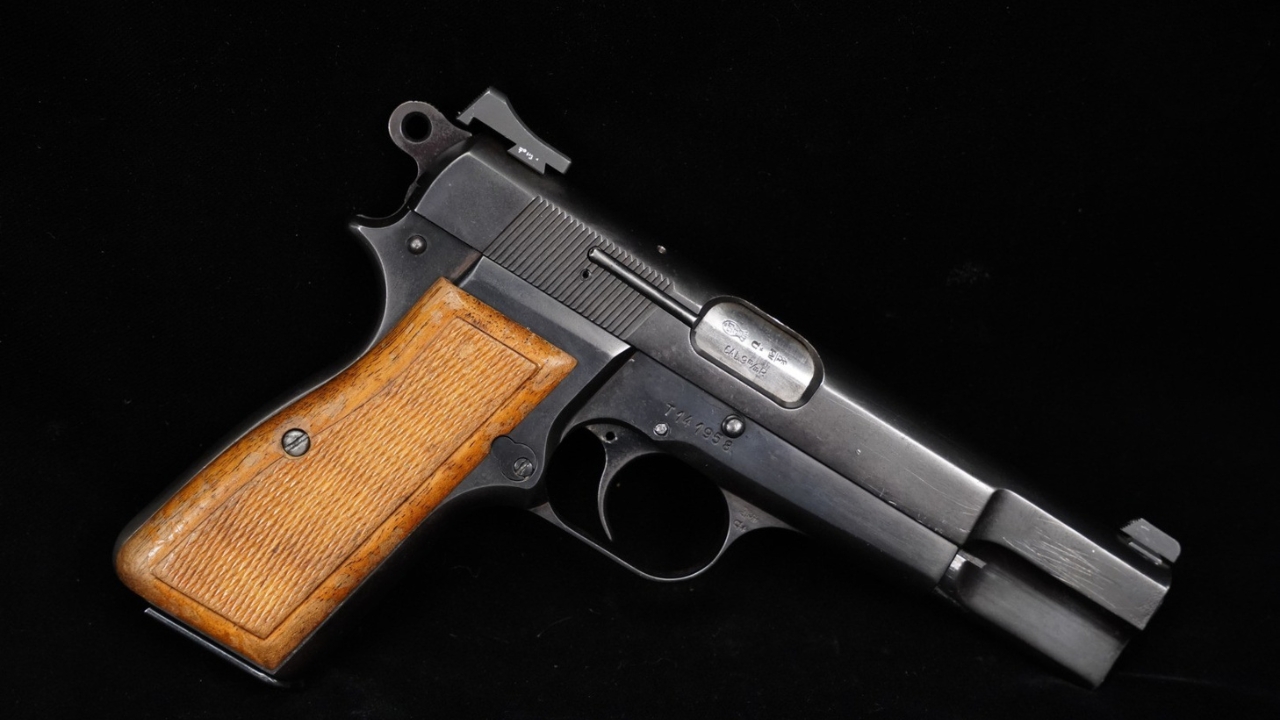
The Browning Hi-Power actually had strong capacity for its era, but modern pistols have moved the goalposts. Now plenty of guns hold more rounds with lighter frames and optic-ready slides. Still, the Hi-Power makes the capacity race look less convincing because its grip remains one of the best ever designed for a double-stack 9mm.
The pistol is slim for what it is, points beautifully, and has a natural balance that many modern polymer guns don’t match. Older sights and triggers can need work, and the magazine disconnect on many examples is not loved. But a well-sorted Hi-Power still shoots in a way that makes people understand why it became a classic. More rounds are useful. A grip that makes you shoot better is useful too.
Kimber K6s

The Kimber K6s is a six-shot compact revolver that doesn’t try to compete with semi-auto capacity. Instead, it improves the small revolver formula in ways that actually matter. The trigger is smooth, the sights are more usable than many snubnose setups, and the stainless frame gives it enough weight to stay controllable.
Compared with a micro 9mm, the K6s holds fewer rounds and reloads slower. That’s obvious. But it also gives revolver fans a compact .357 platform that feels more shootable than a lot of small wheelguns. It’s not cheap, and it’s not for everyone. But it proves that thoughtful design can matter more than chasing the highest number on the magazine.
Springfield Armory EMP

The Springfield Armory EMP doesn’t win capacity arguments against today’s micro-compacts, but it was never built to. It was designed around shorter cartridges like 9mm rather than simply chopping down a full-size 1911. That gives it a more proportioned feel than many compact 1911-style pistols.
The EMP’s appeal is its trigger, slim carry profile, and clean shooting manners. It carries well, points naturally, and rewards shooters who like single-action pistols. The lower capacity is a tradeoff, but some owners accept that because they shoot the EMP better than bulkier or snappier alternatives. A pistol that feels scaled correctly can make a high-capacity gun feel clumsy by comparison.
Glock 48

The Glock 48 is a good example of a pistol that makes the capacity conversation more complicated. In factory form, it doesn’t match many newer micro-compacts on round count. But it gives shooters a slim profile, longer slide, and full grip that make it easier to shoot well than many smaller carry pistols.
The Glock 48 carries flatter than a Glock 19 while still giving the shooter enough pistol to control. The longer sight radius helps with irons, and the familiar Glock system keeps training simple. Some owners chase aftermarket magazines for more capacity, but the base pistol still has value without them. It proves that size, shape, and control can matter as much as the number stamped on the magazine.
Colt Government Model 1911
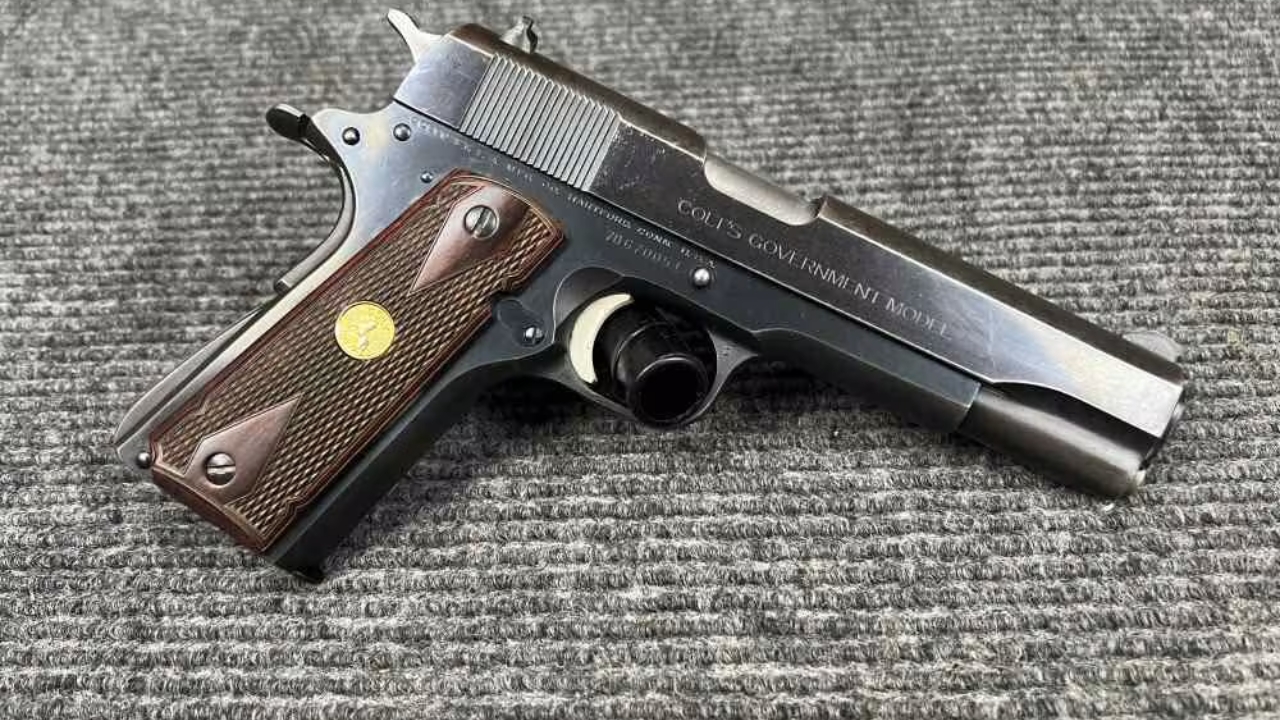
The Colt Government Model 1911 is the pistol people love to call outdated right before they shoot one well. It’s heavy, single-stack, and low-capacity by modern standards. Those criticisms are fair. They just don’t tell the whole story.
A good Government Model gives shooters a clean single-action trigger, natural pointing, and a recoil impulse that makes .45 ACP feel steady instead of harsh. It is not the most practical answer for every defensive role today, and nobody should pretend it is. But as a range pistol, training gun, or platform for shooters who value precision and control, it still makes sense. Capacity matters, but so does hitting well with confidence.
Beretta 85 Cheetah
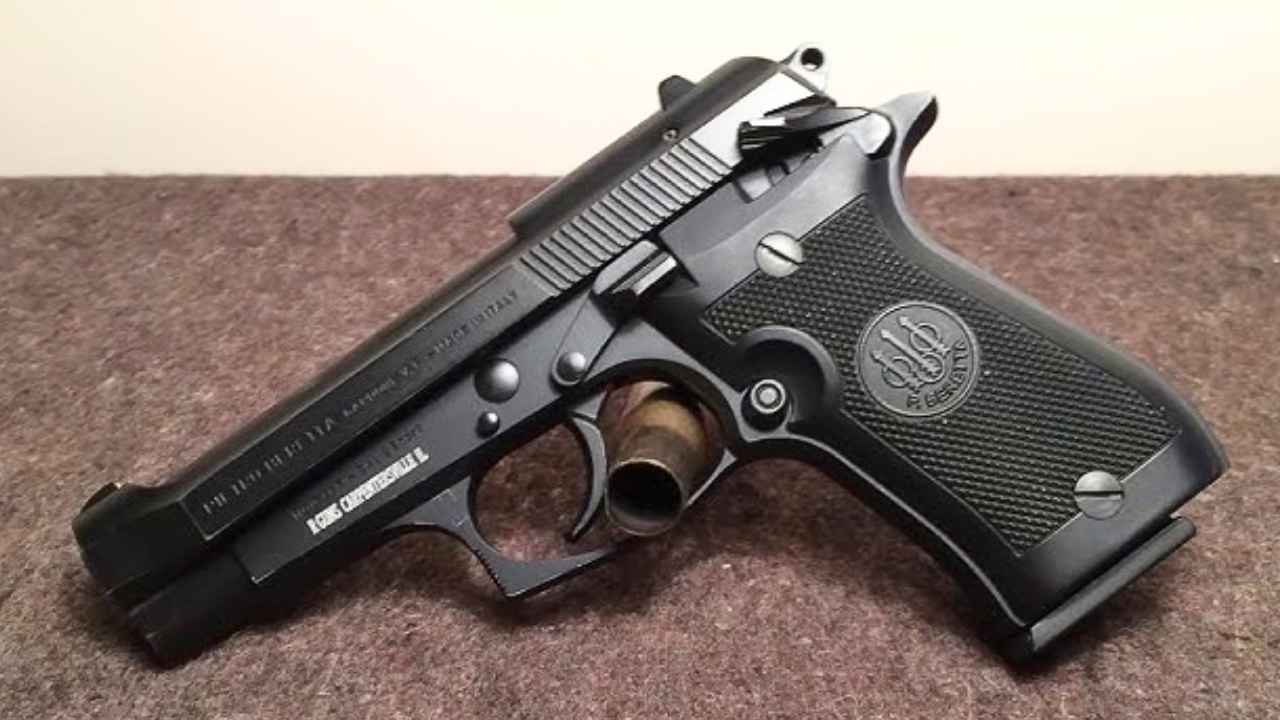
The Beretta 85 Cheetah is a single-stack .380 that looks inefficient beside newer carry guns. It’s larger than many micro 9mms and holds fewer rounds than some smaller pistols. On paper, that seems hard to defend. In the hand, it’s a different story.
The 85 Cheetah is comfortable, elegant, and easy to shoot well. The recoil is mild, the grip is slim, and the pistol feels like a real handgun rather than a tiny compromise. For recoil-sensitive shooters or anyone who simply enjoys classic Beretta quality, it has lasting appeal. It may not be the most efficient carry pistol by modern standards, but it makes range time pleasant. That counts.
Smith & Wesson CS9
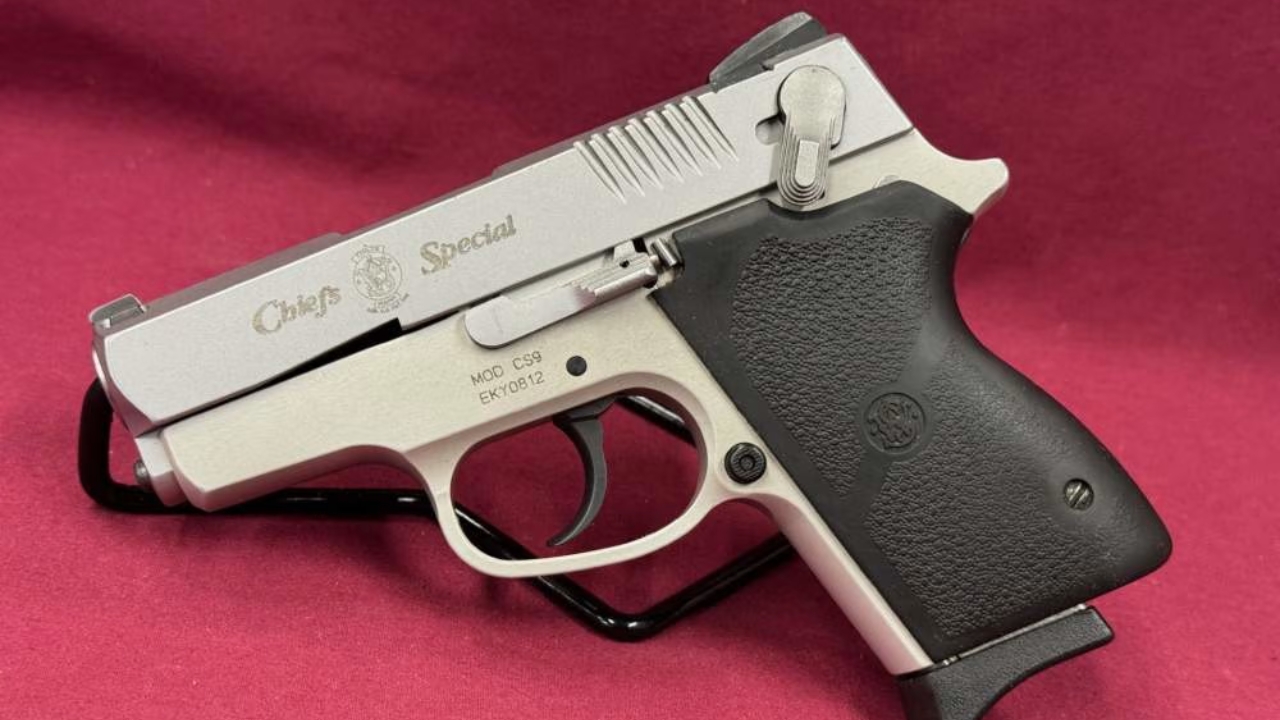
The Smith & Wesson CS9 is another compact pistol that lost the capacity race but kept a loyal following. It’s a small metal-frame 9mm from the third-generation Smith era, and it doesn’t offer the round count modern buyers expect. Still, it fills the hand better than many tiny pistols and carries with a quality feel that has aged well.
The CS9 is slim, sturdy, and surprisingly shootable for its size. The DA/SA trigger system requires practice, but owners who like traditional Smith autos often trust it deeply. It is not the easiest pistol to support today compared with current production guns, but it remains hard to replace. A compact pistol that shoots confidently can still make a higher-capacity gun feel less appealing.
HK P7M8
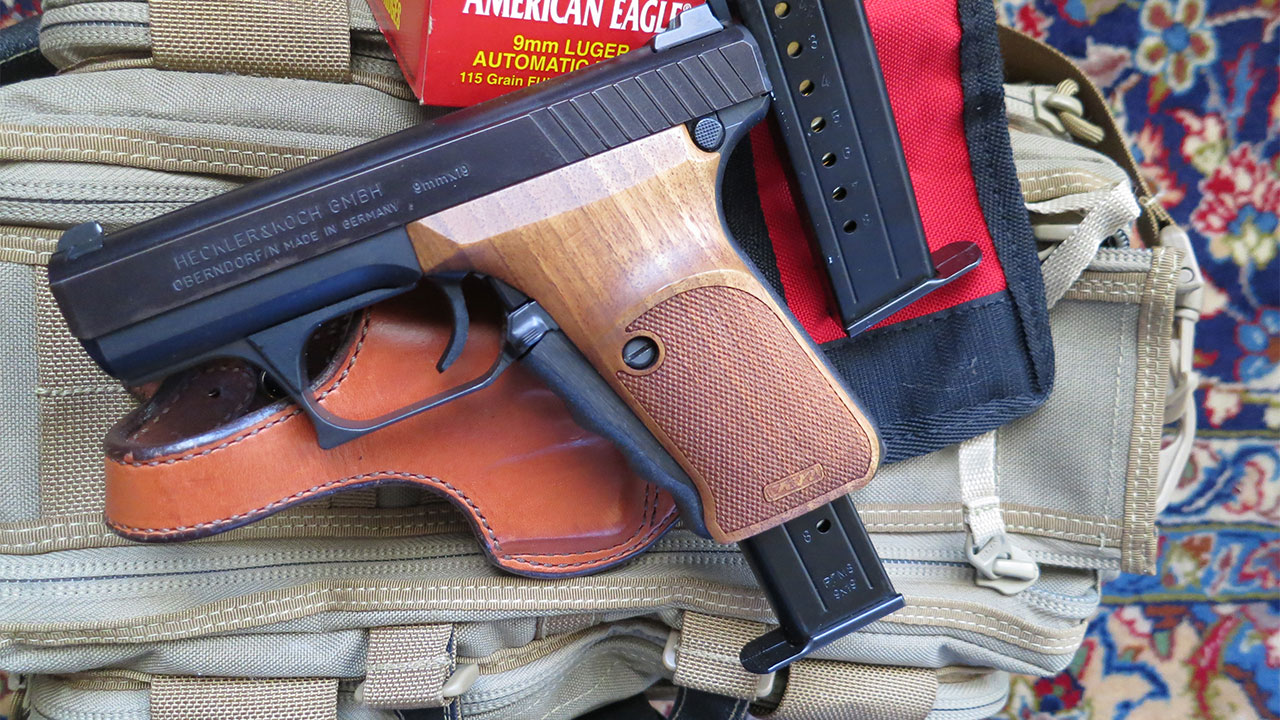
The HK P7M8 holds only eight rounds, gets hot during extended shooting, and costs enough now to scare off casual buyers. On a modern spec sheet, plenty of pistols look more practical. Yet the P7M8 still makes capacity hype look shallow because the design is so shootable and unique.
The squeeze-cocker system is unusual but very safe and fast once learned. The fixed barrel helps accuracy, the bore axis is low, and the pistol carries slim. It feels like engineering from a time when companies were willing to solve problems differently. It is not the simple answer for everyone. But when a pistol shoots this well and carries this cleanly, the round count stops being the only thing worth discussing.
Ruger SP101

The Ruger SP101 is too heavy for its capacity if you only judge it by numbers. A small five-shot revolver that weighs more than many micro 9mms seems inefficient. But the weight is also why the SP101 works. It gives shooters a compact revolver that can handle real .357 Magnum use better than featherweight snubs.
The SP101 is durable, controllable with the right grips and loads, and useful as a trail gun, carry revolver, or range piece with .38 Specials. It doesn’t reload fast, and it doesn’t hold much. But it inspires trust because it feels strong. A gun that feels strong and shoots comfortably in its lane can make higher-capacity lightweight pistols look less convincing.
Kahr K9
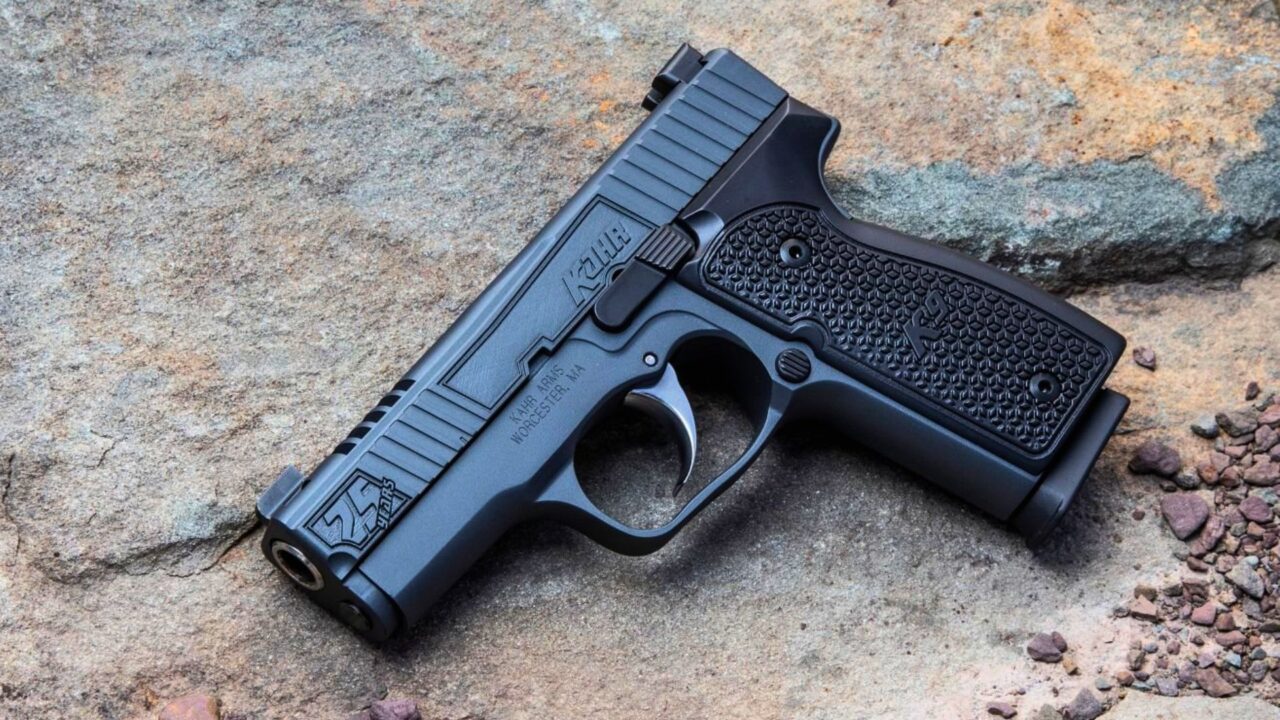
The Kahr K9 is a slim, all-steel 9mm that looks behind the times compared with today’s tiny double-stack carry pistols. Its capacity is modest, and it weighs more than polymer guns of similar size. That sounds like a bad trade until you actually shoot it.
The K9’s steel frame makes recoil feel smooth, and the long double-action-only trigger is consistent once learned. It carries flat, feels refined, and gives shooters more control than many lighter pistols. It is not the trendiest carry choice now, but it still has a lot of quiet appeal. More rounds are nice. A pistol that makes every round easier to place well has value too.
Like The Avid Outdoorsman’s content? Subscribe to our newsletter so you never miss an article.
Here’s more from us: