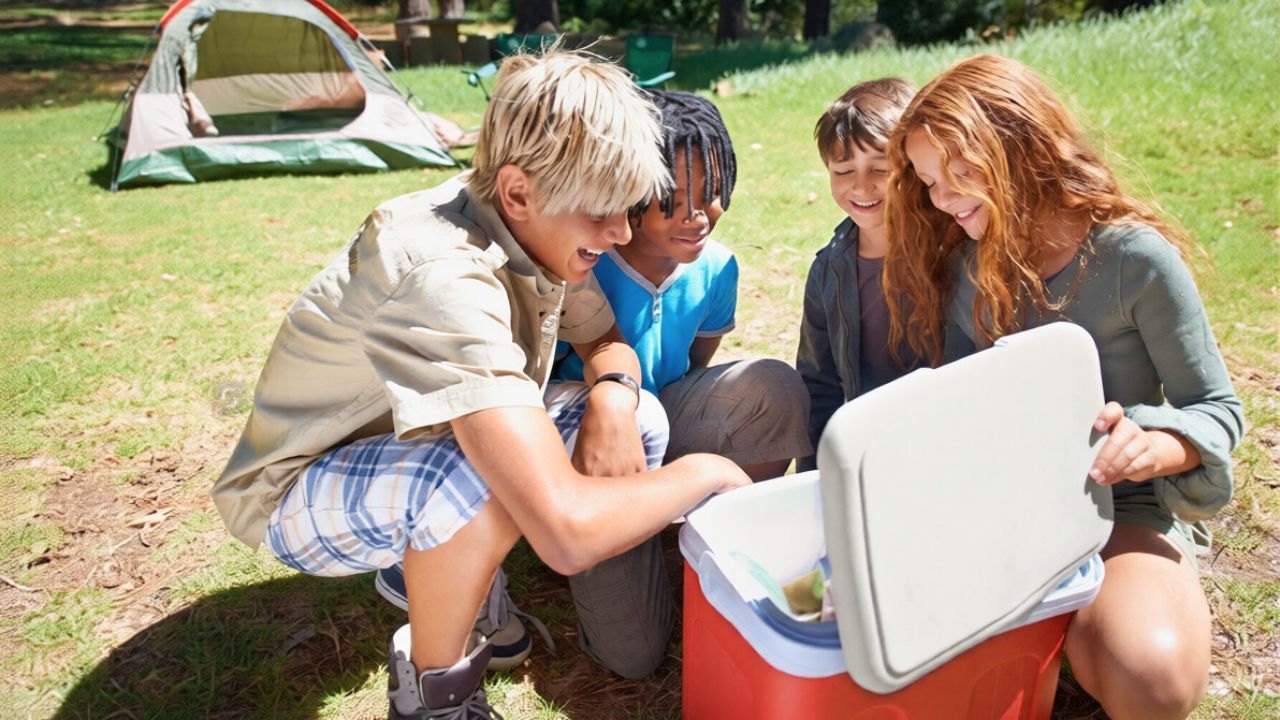
Photo credit: PeopleImages/Shutterstock.com
A cooler can tell you a lot about a man, and not always in a flattering way. I’ve seen people spend good money on a tough cooler, then use it in ways so careless and backwards it makes you wonder if somebody ought to document the behavior for research. A cooler is one of the simplest pieces of outdoor gear there is. It holds cold things cold, keeps food from turning dangerous, and buys you time when you’re away from a kitchen. That should not be complicated. But somehow some people turn it into a full-blown liability with warm drinks, soggy food, melted ice, contamination, and enough bad judgment packed under one lid to ruin a whole day. I’m not talking about honest mistakes. I’m talking about repeat behavior that tells me the cooler is not being treated like useful gear at all. It’s being treated like some magic box that should fix poor planning on its own. That mentality usually falls apart fast once the sun gets high, the truck gets hot, and lunch starts smelling like regret.
Opening it every five minutes is how people ruin their own ice
One of the most common cooler mistakes I see is people treating it like a kitchen fridge. They open it constantly, stand there staring into it, move stuff around for no reason, then seem surprised when all the ice is water by noon. That habit alone can wreck a cooler’s performance faster than almost anything else. Cold retention depends on keeping the cold air in and the heat out, which means every unnecessary lid pop is basically a little act of sabotage. The people who do this most are usually the same ones who failed to organize the inside in the first place. Drinks are buried under meat, sandwiches are shoved next to loose ice, and nobody knows where anything is, so the lid keeps going up while the sun keeps doing what the sun does. A good cooler can only help so much if the user acts like temperature control is optional. Real usefulness starts with packing it in layers and having enough discipline to stop treating it like a conversation piece.
Raw meat and ready-to-eat food do not belong in a free-for-all
Another cooler habit that ought to be studied is the way some people mix food together like basic food safety is just a suggestion. I’ve seen raw meat leaking next to sandwich bags, marinating packages floating in drink water, and lunch meat riding around with thawing burger patties like they’re all on the same team. That kind of setup is more than messy. It’s dumb. Outdoorsmen like to talk a big game about being capable, but if a man can’t keep raw food separated from what people are about to eat, he’s not being rugged. He’s being careless. A cooler should have some kind of structure to it, even if it’s simple. Meat low and contained. Drinks separate when possible. Dry food protected. Anything that can leak goes in sealed containers or at least zip bags that actually close. I’m not asking for restaurant-level procedures in deer camp, but I am saying a grown adult ought to understand that “cold” does not cancel out “gross” when cross-contamination is riding around under a puddle of bloody ice water.
People overpack the cooler and underpack the ice
A lot of cooler problems come from trying to cram too much stuff into one box and expecting a miracle. The cooler gets packed full of drinks, lunch supplies, bait, leftover breakfast, random condiments, and whatever else somebody didn’t want to leave behind, then there’s barely enough ice left to cool any of it properly. That’s backwards. The cooling element should not be the afterthought in a cooler. It is the whole point. If the bag of ice has to fight for elbow room against twelve unnecessary items, the user has already lost the plot. I’ve learned that good cooler packing is less about what all you can fit and more about what you can leave out. Pre-chilling helps. Frozen water bottles help. Separate coolers for drinks and food help even more if the trip allows it. Bass Pro’s heavier-duty coolers and even the simple insulated tote setups can hold cold well, but none of them can outperform bad math. A cooler packed like a junk drawer with one sad bag of gas-station ice is not equipped. It’s wishful thinking with a latch.
Drain water wrong and you make the whole thing worse
I’ve also seen more confusion around cooler drain plugs than there ought to be in civilized life. Some people drain every bit of cold meltwater immediately because they think standing water is always the enemy. Others never crack the plug and let everything soak until labels float off and food packaging starts looking like swamp debris. The truth is a little more practical than either extreme. Ice water can help keep contents cold if things are sealed and the cooler stays shut, but if food is loose, waterlogged, or contaminated, then you’ve made a different problem. What matters is how the cooler was packed and what’s actually inside it. The guys who struggle most with this are usually the same ones who didn’t separate anything to begin with. So now the drain plug has become some moral debate because the inside already looks like a failed science fair project. A cooler works best when the plan for moisture, food storage, and access was decided before the first ice bag got dumped in. Once the chaos starts, the drain plug isn’t saving much.
The truck bed in summer is not a cooler’s friend
One move that keeps proving people don’t understand coolers is tossing one into the open truck bed in direct sun for hours, then acting confused when nothing stays cold. Yes, good coolers are built tough. That does not mean they enjoy baking on black metal in July like it’s a spa treatment. Heat load matters. Shade matters. Air temperature matters. Surface temperature matters even more than people think. If a cooler is sitting in full sun, getting opened all day, and taking heat from every direction, even a nice one is going to lose ground. I’ve watched men spend premium money on a cooler, then treat placement like an afterthought and complain when the results are average. Put it in shade when you can. Cover it. Keep it out of the hottest part of the vehicle if possible. Don’t set it up where it becomes part of the truck’s heat sink. This is not advanced fieldcraft. It’s just understanding that insulation slows heat. It does not cancel heat out like magic because the cooler has a big name on the side.
A cooler can reveal who plans ahead and who just shows up
That’s really why cooler habits are so telling. The cooler itself is simple, but the way a person uses it reflects bigger things. Do they think ahead? Do they organize? Do they understand basic food handling? Do they separate categories, limit waste, and anticipate heat? Or do they just throw things in, hope for the best, and blame the gear when the plan goes bad? I’ve seen coolers that stayed cold and useful for days because the owner had a system. I’ve also seen coolers that became warm soup by lunch because the person using them acted like being outdoors somehow suspended the laws of temperature and bacteria. A man can say he’s organized, capable, and camp-smart all he wants. Then he opens his cooler and tells the truth on himself in ten seconds. These days, when I see lunch meat swimming with Capri Suns, deer burger shoved against loose apples, and the lid going up every time somebody wants to think about a snack, I’m not just annoyed. I’m genuinely fascinated. Some of these cooler decisions deserve to be studied because they are too committed to bad judgment to be accidental.
Like The Avid Outdoorsman’s content? Subscribe to our newsletter so you never miss an article.
Here’s more from us: