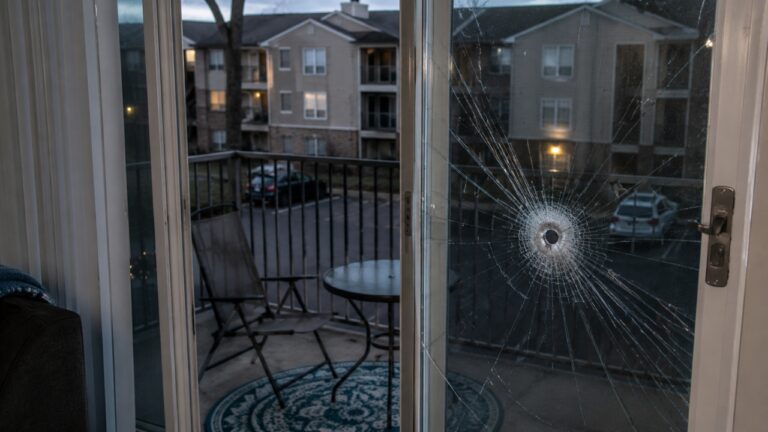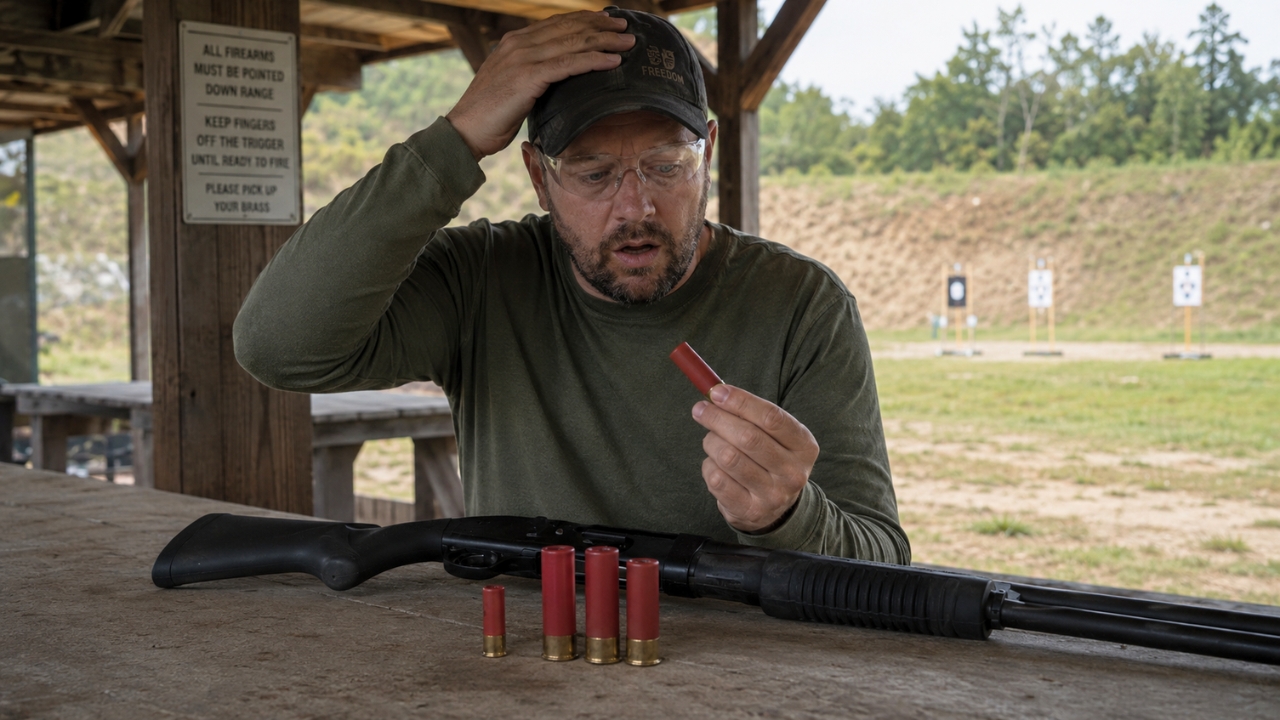
Photo credit: The Avid Outdoorsman
The whole thing started with confidence.
That is usually where the dumbest gun mistakes come from. Not ignorance exactly. Confidence. The kind that makes a person think he already knows what will happen, so the demonstration feels harmless.
He wanted to prove a 20-gauge shell would not fire in a 12-gauge shotgun.
Then it did.
In a Reddit thread, gun owners were talking about the dumbest things they had ever done with firearms, and one story involved someone intentionally loading a 20-gauge shell into a 12-gauge shotgun to prove it would not fire. The idea was apparently that the shell was too small, so the gun would not set it off.
That is a terrible experiment to run with live ammunition.
Mixing shotgun gauges is one of those safety issues that gets talked about for a reason. A 20-gauge shell is smaller than a 12-gauge shell, and in some situations, it can slip farther down into a 12-gauge chamber or barrel. The classic danger is that a 20-gauge shell can lodge in the barrel, then a 12-gauge shell gets loaded behind it. When the 12-gauge fires into that obstruction, the barrel can rupture.
That is the nightmare scenario.
But even before you get there, the basic idea of putting the wrong shell into a shotgun “just to see” is already a problem. Firearms are not props for proving points. If live ammo is involved, the demonstration has to be treated like it can go wrong.
Because sometimes it does.
In this case, the shell fired.
That probably shocked the person doing the demonstration more than anyone else. He expected a click, a failure, maybe a smug little proof that the shell would not work. Instead, the gun went off, and suddenly the lesson was not theoretical anymore.
A shot fired from a mismatched shell is not something to laugh off too quickly. The shooter may have been lucky the shell did not lodge deeper, rupture, split, or create a worse pressure problem. He may have been lucky the muzzle was pointed somewhere safe. He may have been lucky nobody was standing in the wrong place. A “dumb thing I did” story only becomes funny because the outcome stopped short of disaster.
That does not make the decision any smarter.
Shotguns seem simple, and that simplicity can make people careless. The shells are colorful, chunky, and easy to handle. People grow up seeing 12-gauge and 20-gauge shells in the same garages, camps, trucks, and hunting bags. But the difference matters. The wrong shell in the wrong gun can create a dangerous obstruction, a failure, or an unpredictable firing event.
That is why shells should be separated clearly.
If someone owns multiple gauges, the ammo needs to stay organized. Different boxes. Different bags. Different pockets. Different colors help, but color alone is not enough. A tired hunter, a new shooter, or someone fumbling in low light can still make a mistake if 12-gauge and 20-gauge shells are loose together.
And no one should ever load the wrong gauge on purpose to make a point.
The demonstration also shows how dangerous “I know what will happen” can be around guns. Maybe the person had heard that a 20-gauge shell would not fire in a 12-gauge. Maybe he thought the firing pin could not reach it. Maybe he had seen someone explain it badly. Maybe he just wanted to prove something to friends.
Whatever the logic, the gun did not care.
It fired.
That is why the safer habit is to refuse the experiment entirely. If the ammo does not match the firearm, it does not go in. Not for testing. Not for laughs. Not to prove a lesson. Not to show a new shooter why it is unsafe. You can explain the danger without creating the danger.
If you want to teach someone about gauge mix-ups, show them unloaded shells. Show them diagrams. Show them safety materials. Show them how a smaller shell can slip into a bigger chamber. But do not put live ammo in the wrong shotgun and pull the trigger.
That is not instruction.
That is gambling.
The shooter’s story fits the thread perfectly because it is the kind of mistake a person probably remembers with a sick feeling afterward. There was the idea, then the action, then the loud correction. In one second, the demonstration proved the opposite of what he expected and reminded everyone nearby that live ammunition turns bad assumptions into real consequences.
The best thing that came out of it is that no one was hurt.
The second-best thing is that the story can warn someone else not to try it.
Shotgun gauges are not suggestions. The shell needs to match the gun, every time. If there is any doubt, stop. Check the barrel marking. Check the shell. Keep mismatched ammo away from the firearm.
And if someone says, “Watch, this won’t fire,” that is exactly when everyone should step back and shut the idea down.
Commenters treated the story like a perfect example of confidence turning into stupidity.
Several people focused on the obvious rule: do not put the wrong ammunition in a firearm. It does not matter if someone thinks it will not fire. If the shell does not match the gun, it stays out.
Others brought up the well-known danger of 20-gauge shells in 12-gauge shotguns. A smaller shell can create an obstruction if it lodges where it should not, and firing another round behind it can damage the gun or injure the shooter.
A lot of the practical advice came down to keeping shotgun ammo separated. If a household or hunting group uses multiple gauges, shells should not be loose together in the same bag or pocket.
Some commenters also pointed out that demonstrations with live ammo are a bad idea. You do not prove safety by creating an unsafe condition and pulling the trigger.
The main lesson was simple: the gun does not care what you thought would happen. Use the right ammunition, or do not load it at all.