Image Credit: CL Shebley/ Shutterstock.com.
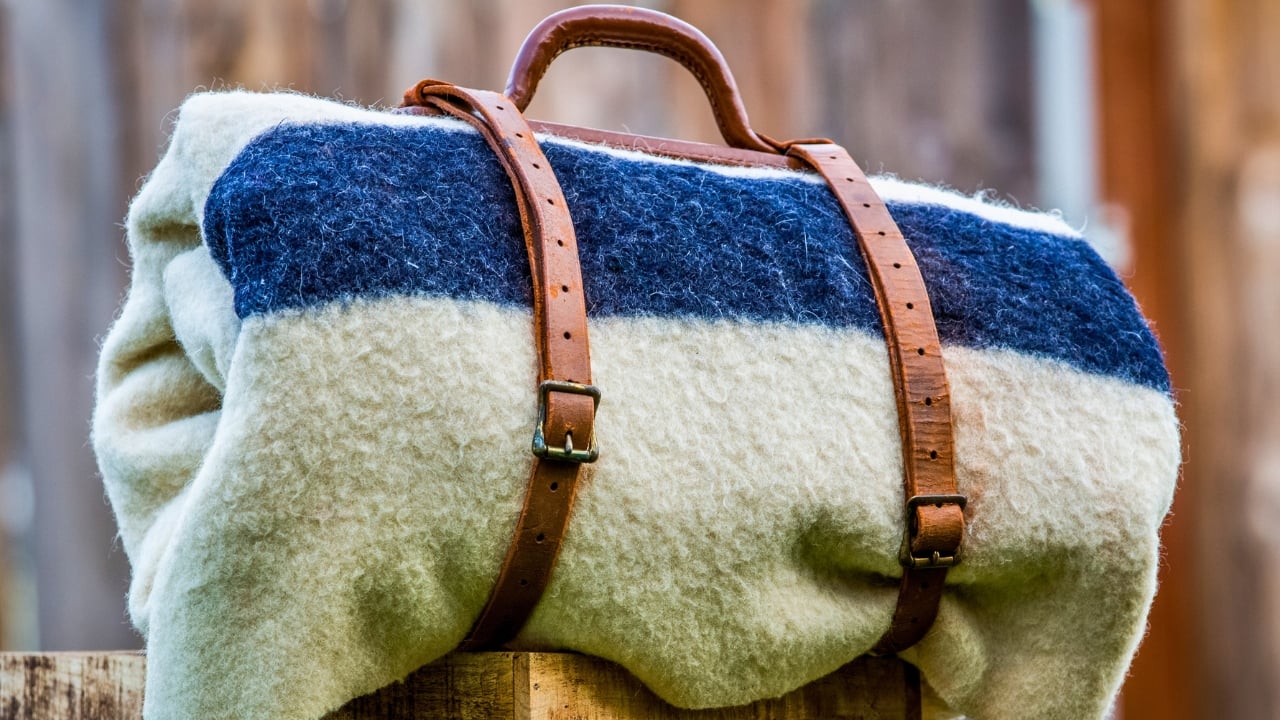
A wool blanket is one of the most reliable survival tools you can carry. It insulates even when wet, blocks wind, and holds up to heavy use. Unlike synthetic materials, it won’t melt near a fire, and it’s tough enough to handle rough terrain. If you’re serious about survival, a good wool blanket should always be part of your kit.
In the field, every item needs to earn its place, and a wool blanket is one of the most versatile pieces of gear you’ll ever own.
Emergency Stretcher
If someone gets hurt and can’t walk, a wool blanket can be used to carry them. Lay it flat, roll the sides inward to create handholds, and have two people lift. It won’t be as sturdy as a proper stretcher, but it’s better than trying to carry someone over rough terrain without support.
For extra stability, slide sturdy branches or trekking poles inside the rolled edges before lifting. This spreads the weight out and makes it easier to carry someone over long distances. When injuries happen in the backcountry, improvising with what you have is the key to getting out safely.
Water Filter Pre-Filter
A wool blanket won’t purify water, but it can help remove dirt, debris, and larger contaminants before you treat it. If all you’ve got is murky water from a pond or stream, running it through a wool cloth first will cut down on sediment before boiling or using a filter.
Fold the blanket over several times and pour the water through. This won’t catch bacteria or chemicals, but it makes filtration and purification more effective. In a survival situation, every layer of protection counts when it comes to drinking water.
Ground Insulation
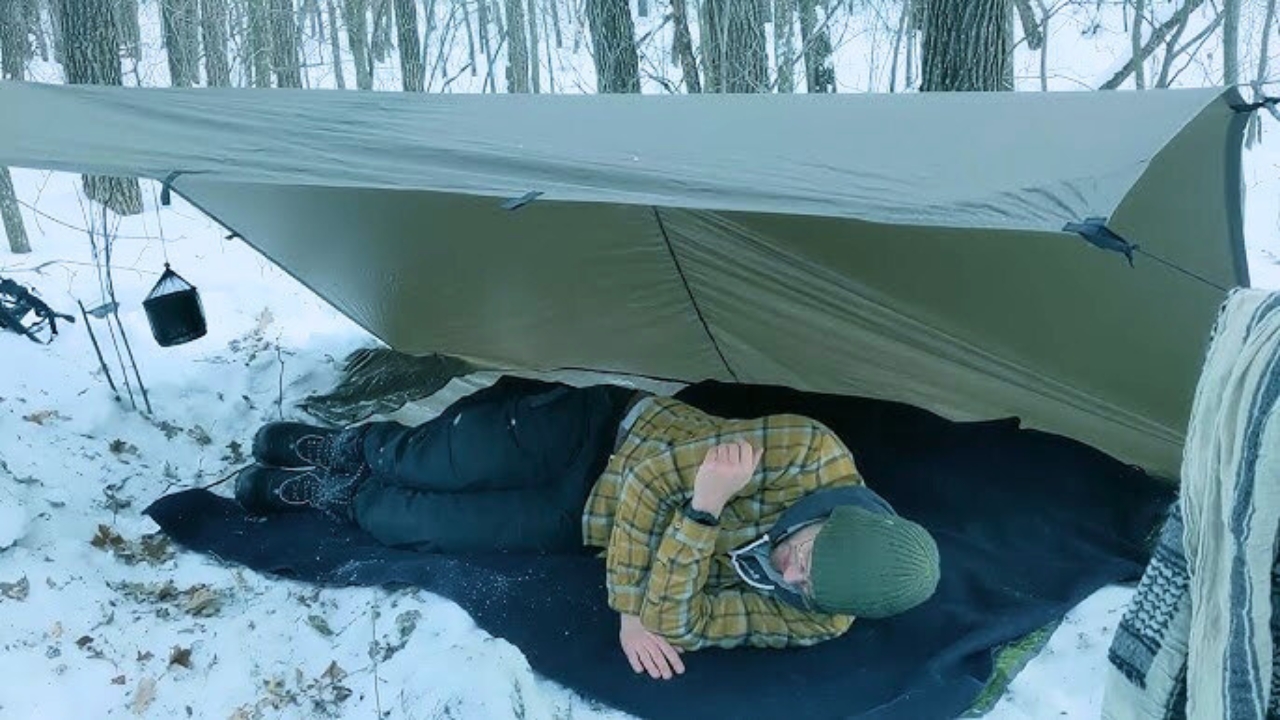
Sleeping on the cold ground will drain your body heat fast. Even in a tent, the frozen earth pulls warmth away, making it harder to stay warm. Laying a wool blanket under you adds insulation, keeping that heat from escaping.
If you’re in deep snow, layering evergreen boughs, leaves, or even spare clothing underneath the blanket gives you even better protection. Wool is one of the few materials that stays warm even when damp, making it a solid choice for ground insulation in wet or snowy conditions.
Smoke Signal Flag
If you need to signal for rescue, waving a wool blanket can make you more visible. A brightly colored blanket works best, but even a neutral-colored one can grab attention if you move it in a clear, open space.
For an even better signal, use it to direct smoke. Cover a fire briefly and then remove it to send a burst of smoke into the air. This method has been used for centuries and can help rescuers spot you from a distance when visibility is low.
Emergency Cordage
When you’re in a survival situation, cordage is one of those things you never seem to have enough of. If you’re out of paracord or rope, a wool blanket can be sacrificed to make some. Cut long strips from the edges, twist them tightly, and you’ve got usable cordage for lashing gear, tying shelters, or even making traps.
This isn’t the strongest option, but in a pinch, it works. The tighter you twist the fibers, the stronger they’ll be. If you have time, braiding multiple strands together will give you a more durable rope. If survival is on the line, a wool blanket’s last job might be holding everything together.
Makeshift Shelter

A wool blanket can double as a tarp or windbreak when you need quick shelter. String it up between trees with paracord or drape it over a sturdy branch to create a basic lean-to. If you’re in a snowstorm, use it to block wind and trap heat inside a small space.
Unlike plastic tarps, wool insulates and holds warmth while still letting moisture escape. That makes a huge difference in freezing conditions where condensation can soak your gear and make things worse. If you don’t have a tent or bivy, a wool blanket can help keep you alive.
Quick Lean-To Shelter
Blocking the wind and reflecting heat from a fire is the difference between staying warm and freezing through the night. A wool blanket can be turned into a lean-to by stringing it between two trees and staking down the back. This setup creates a windbreak that also helps trap warmth.
For best results, position the open side toward your fire, leaving enough space for heat to radiate back. If you’ve got extra materials like evergreen boughs or a tarp, layering them over the blanket adds even more insulation. When the wind picks up and temperatures drop, this setup can keep you from losing critical body heat.
Wool Blanket Sleeping Bag
A wool blanket is one of the simplest and most reliable ways to stay warm in the wild. Fold it in half, pin or tie one end, and you’ve got an old-school sleeping bag that holds heat better than wrapping up in loose fabric. Frontiersmen used this trick long before modern gear existed, and it still works today.
If you don’t have pins or cord, just tuck the edges under yourself to trap heat. Wool keeps insulating even when wet, so unlike a cheap synthetic blanket, it won’t leave you freezing if conditions turn bad.
Backpack for Carrying Gear
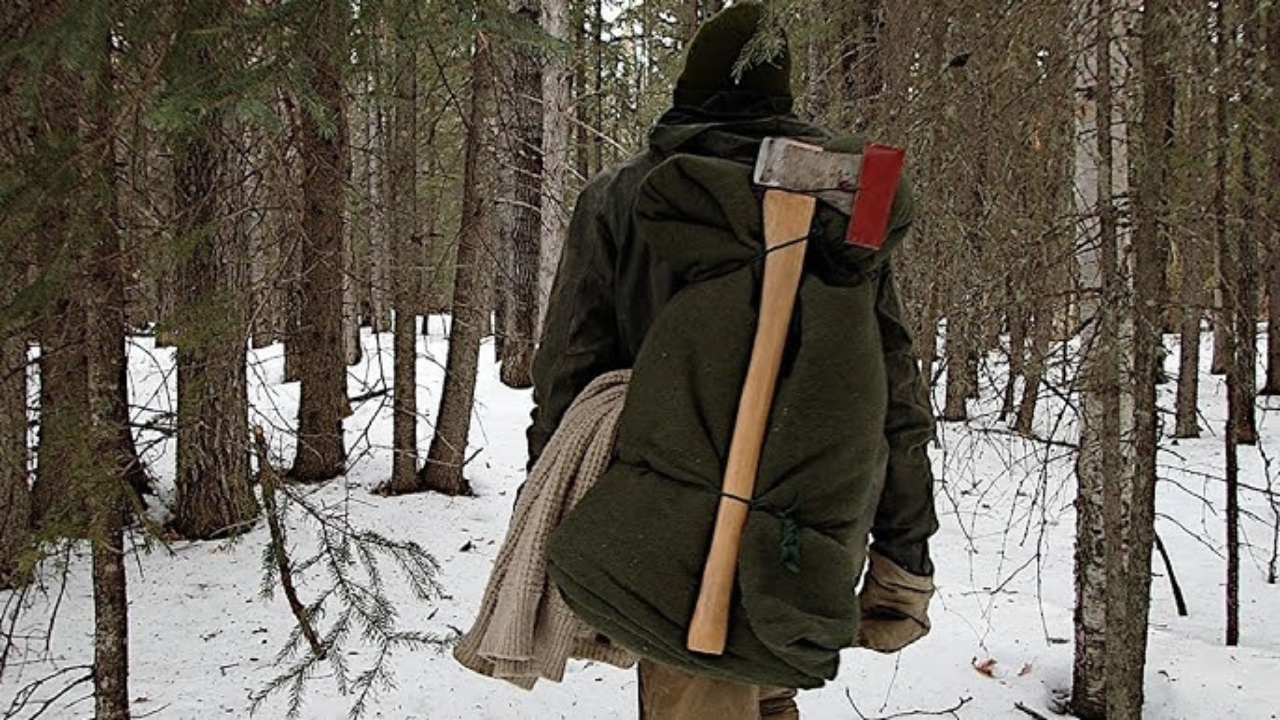
A wool blanket isn’t just for warmth—it can haul your gear too. Lay it out, fold it in half, and place your supplies in the center. Roll it up tight and tie it off with paracord or rope. Strap it to your back using belts, and you’ve got a simple pack that pulls double duty.
This old-school trick lets you carry essentials without the bulk of a backpack. At night, untie it and you’ve got your bedding ready to go. When weight and space matter, everything you carry should have more than one use, and a wool blanket does exactly that.
Improvised Wool Coat
When temperatures drop and you don’t have a jacket, a wool blanket will keep you covered. Fold it in half and drape it over your shoulders, then pin it at the chest with a safety pin, bone needle, or even a sharpened stick. Tie a rope or belt around your waist to hold it in place.
This setup gives you warmth, flexibility, and full mobility. You can wrap it tighter when the wind picks up or loosen it if you start sweating. Wool breathes well, so it keeps you warm without trapping too much moisture, which is key for staying comfortable in the cold.
Emergency Poncho for Rain
A wool blanket isn’t waterproof, but it does shed water better than most fabrics. If you’re caught in a downpour without a raincoat, drape the blanket over your head and pin it under your chin. If you’ve got a knife, cutting a hole in the center turns it into a proper poncho.
This won’t keep you bone-dry, but it’ll slow down heat loss and keep your clothes from soaking through right away. In cold, wet conditions, staying dry is just as important as staying warm. Wool buys you time when the weather turns bad.
*This article was created with the assistance of AI.